Photo-Fenton-like process is effective towards refractory organics removal for its strong oxidation capacity. Herein, cobalt-doped indium oxide (Co-In2O3) with nanotube morphology was prepared and was taken as photo-Fenton-like catalyst. In the presence of peroxymonosulfate (PMS), Co-In2O3 nanotubes exhibited excellent photo-Fenton-like activity with tetracycline hydrochloride (TC-HCl) degradation of 98.8 % in 40 min. The visible light driving Co-In2O3/PMS system showed the reaction rate constants of 0.0998 min(-1), which was 6 folds of the In2O3/PMS/vis system. Experimental results combining with theoretical chemical calculation demonstrated that the doping of Co can effectively reduce the band gap of In2O3, thus leading to stronger visible light absorption capability. The presence of oxygen vacancies (OVs) disrupted the symmetry and integrity of the catalyst structure and achieved electron enrichment at the reactive site. Simultaneously, Co doping and an appropriate amount of OVs strengthened chemisorption for PMS (from -0.652 eV to -4.224 eV) and higher electron density difference (from 0.49 e(-) to 0.68 e(-)). Our findings provide insight on the contribution role of cobalt doping and OVs in improving photo-Fenton-like catalytic efficiency.
The disposal of sludge and the treatment of phosphorus in water bodies are significant environmental challenges. This study explores the adsorption performance and mechanism of lanthanum-calcium modified sludge/wheat straw biochar (LC-SWBC). LC-SWBC was prepared through a one-step hydrothermal carbonization process and was used to remove phosphorus from water. The results indicate that La(OH)3 and Ca(OH)2 were successfully loaded onto the surface of the biochar. The adsorption of phosphates by LC-SWBC follows a pseudo-second-order kinetic model and the Langmuir model, with a maximum theoretical adsorption capacity of 80.78 mg P/g. LC-SWBC exhibits selective adsorption of phosphate under competitive anion experiments. In actual wastewater treatment, LC-SWBC can effectively remove phosphates, achieving a total phosphorus concentration of 0.77 mg/L at a dosage of 0.4 g/L, meet the discharge standard of class I B pollutants (1 mg/L) in GB 18918-2002 of China. In addition, the hydrothermal liquid of LC-SWBC is primarily composed of organic phosphorus (OP); after adsorption, the main component in the biochar LC-SWBC-P is apatite phosphate (AP), both of which provide biochemical utilization conditions for phosphorus resource recovery and recycling.
In this study, we developed a highly efficient sewage sludge biochar for phosphorus adsorption. Lanthanum- modified biochar with magnetic properties (VFD-MSBC) was synthesized in a one-pot hydrothermal process using vacuum freeze-drying (VFD) pretreated sewage sludge as biomass to remove phosphorus from wastewater. The characterization analysis revealed that the VFD-treated SS exhibited an increased specific surface area and pore volume, and promoting the retention of abundant functional groups following hydrothermal carbonization. VFD-MSBC exhibits a large BET-specific surface area of 7.111 m2g-1. The maximum adsorption capacity of VFDMSBC was 97 mg/g, and the monolayer adsorption capacity was 79.419 mg/g at 25 degrees C. The adsorption performance remains stable in the presence of high concentrations of coexisting anions (0.1 mol/L). Mechanistic studies demonstrate that the adsorption behavior of VFD-MSBC towards phosphorus involves both physisorption and chemisorption processes. Surface precipitation, intraparticle diffusion, hydrogen bonding, ligand exchange, and electrostatic attraction were identified as primary mechanisms for phosphorus adsorption. The present study contributes to the optimization of synthetic design for phosphate multifunctional composites, while presenting a novel approach for sludge phosphorus recovery.
Heavy metals in reservoir sediments were analyzed to assess the pollution level and to understand the potential risk on water supply safety. Heavy metals in sediments will enter the biological chain through bio-enrichment and bio-amplification in water and eventually pose a threat to the safety of drinking water supply. Analysis of eight sampling sites in JG (Jian gang) drinking water reservoir of the sediments showed that from Feb 2018 to Aug 2019 heavy metals including Pb, Ni, Cu, Zn, Mo, and Cr increased by 1.09-17.2%. Vertical distributions of heavy metals indicated that the concentrations increased gradually by 9.6-35.8%. Risk assessment code analysis indicated that Pb, Zn, and Mo were of high risk in the main reservoir area. What is more, enrichment factors of Ni and Mo were 2.76-3.81 and 5.86-9.41, respectively, showing the characteristics of exogenous input. The continuous monitoring results of the bottom water showed that the concentration of heavy metals in the bottom water exceeded the environmental quality standard value of surface water in China, and exceeded the standard by 1.76 times (Pb), 1.43 times (Zn), and 2.04 times (Mo), respectively. Heavy metals in the sediments of JG Reservoir, especially in the main reservoir area, have a potential risk of release from the sediment to the overlying water. Water supply reservoir as a source of drinking water, its quality is directly related to human health and production activities. Therefore, this first study on JG Reservoir is of great significance for the protection of drinking water safety and human health.
The persulfate-based advanced oxidation process has been an effective method for refractory organic pollutants’ degradation in aqueous phase. Herein, α-MnO2 with nanowire morphology was facially fabricated via a one-step hydrothermal method and successfully activated peroxymonosulfate (PMS) for Rhodamine B (RhB) degradation. Influencing factors, including the hydrothermal parameter, PMS concentration, α-MnO2 dosage, RhB concentration, initial pH, and anions, were systematically investigated. The corresponding reaction kinetics were further fitted by the pseudo-first-order kinetic. The RhB degradation mechanism via α-MnO2 activating PMS was proposed according to a series of quenching experiments and the UV-vis scanning spectrum. Results showed that α-MnO2 could effectively activate PMS to degrade RhB and has good repeatability. The catalytic RhB degradation reaction was accelerated by increasing the catalyst dosage and the PMS concentration. The effective RhB degradation performance can be attributed to the high content of surface hydroxyl groups and the greater reducibility of α-MnO2, and the contribution of different ROS (reactive oxygen species) was 1O2 > O2·− > SO4·− > ·OH.
In thus study, municipal sludge was treated by wet oxidation coupled with alkali hydrolysis for recycling as a carbon source for biological denitrification and struvite crystallization. The effects of the reaction variables on the soluble chemical oxygen demand (SCOD) yield were investigated. To obtain the optimal reaction conditions for the SCOD yield, a response surface method was used, and a quadratic regression equation model was established. The optimal reaction conditions were as follows: H2O2 dosage: 5.9 g, reaction time: 30 min, reaction temperature: 214 & DEG;C, and NaOH dosage: 2.7 g. A SCOD yield of 58% was obtained, which is consistent with the predicted value. The results indicate that an alkaline hydrolytic solution can be effectively used as a carbon source for biological denitrification. When the ratio of C/N = 6, the highest denitrification rate of 0.51 mg/(g & BULL;h) was obtained. Struvite crystallization was used to recover phosphorus from the alkaline solution. The ratio of Mg/P and pH significantly affected struvite production. The analytical results from scanning electron microscopy, energy-dispersive X-ray spectroscopy, and Fourier-transform infrared spectroscopy indicated that struvite was the main substance in the crystallization production. The results of this study demonstrate the feasibility of reusing sewage sludge as a carbon source and struvite.
根据河南省三门峡市沿黄文化博物馆的实际设计过程,介绍沿黄文化博物馆消防系统设计的主要组成部分,分析各部分消防系统的设计要点、参数选用和系统控制等内容.消防系统设计过程中采用了多种自动灭火系统,并比较了博物馆展厅中常用的自动灭火系统.该博物馆为多层公共建筑,研究可以为此类公共建筑的消防设计提供借鉴和参考.
As the main by-product, sludge was generated during the process of textile wastewater treatment. Due to containing organic compounds, textile sludge has great potential to be effectively reused for production of clean energy. In this work, gasification of textile sludge in supercritical water for hydrogen production was investigated. In order to improve hydrogen production, H2O2 and K2CO3 were used as catalysts. Effects of reaction variables (including temperature, retention time, oxidation coefficient and alkali catalyst dosage) on hydrogen yield were studied. Experimental results indicate that hydrogen yield increases with rise of temperature. When reaction temperature reaches 500 degrees C, the maximum value of hydrogen yield being 10.6 mol/kg was obtained. When excessive H2O2 was added, decrease of hydrogen yield was achieved. However, the addition of K2CO3 is favor to hydrogen yield, which is about 1.5 times as much as that of without catalyst. Meanwhile, reaction mechanism and kinetics of textile sludge gasification in supercritical water were explored. Reaction activation energy and Arrhenius constants were obtained in the established kinetic model.(c) 2023 Hydrogen Energy Publications LLC. Published by Elsevier Ltd. All rights reserved.
磷是自然界与人类社会都离不开的重要的不可再生资源.剩余污泥中富含大量的磷,对剩余污泥进行预处理释磷,并研究这一过程中不同形态磷的迁移转化,最终通过磷回收工艺实现磷资源回收利用是非常必要的.回顾了含磷污泥预处理及磷回收的技术方法及优缺点,以期为污泥磷回收的研究提供借鉴.
随着我国城市生活污水处理规模的逐步提高,对产生的大量市政污泥的有效处理面临严峻的挑战.水热氧化是一种非常有效的氧化技术,其反应前不需要对污泥进行脱水处理,非常适合处理市政污泥.本文概括了水热氧化技术的分类,介绍了污泥水热氧化技术的特点、处理市政污泥时的影响因素,总结了催化水热氧化技术的进展以及催化剂的分类以及在水热氧化反应中的应用,简述了水热氧化处理过程中的资源化利用,为市政污泥的减量化、无害化和资源化处理提供借鉴.
微塑料作为一种新型污染物,广泛存在于污水、污泥、沉积物、海洋、河流、湖泊、土壤等介质中,环境中存在的微塑料通过各种循环以及生物富集等作用最终威胁人体健康.研究微塑料在水和沉积物中的赋存、转移及归宿成为近年来的一个新兴课题.然而,目前针对微塑料的取样、检测方法还没有一个统一的、规范化的标准,因而无法对各个研究结果进行横向的分析对比.因此,本文研究分析了目前常用的水和沉积物中微塑料的取样、预处理和检测方法,对比了各方法的优缺点,并在此基础上,提出了减少交叉污染的建议.
《水质工程学》是给排水科学与工程专业的核心课程,该文提出了目前教学过程中存在的问题,并在此基础上进行了教学改革实践.通过促使学生进行慕课预习、教师对预习效果进行线上答疑解惑、采用翻转课堂教学并且加强过程考核等方式,显著提高了教学效果及学生自主学习能力.以期该教学改革及实践能够为兄弟院校《水质工程学》教学提供借鉴.
传统工科教育存在培养的人才工程实践能力差、难以适应时代背景下的专业要求、与产业发展脱节等弊病,教育部提出实施新工科建设,给排水科学与工程专业工程实践教育体系改革势在必行.从教师队伍建设、人才培养模式创新、培养标准制定、课程体系建设、以赛促学等方面探讨了新工科工程实践教育体系建设路径,提出了给排水...>>详细传统工科教育存在培养的人才工程实践能力差、难以适应时代背景下的专业要求、与产业发展脱节等弊病,教育部提出实施新工科建设,给排水科学与工程专业工程实践教育体系改革势在必行.从教师队伍建设、人才培养模式创新、培养标准制定、课程体系建设、以赛促学等方面探讨了新工科工程实践教育体系建设路径,提出了给排水科学与工程专业发展和改革的方向,指出了未来该专业实践教育发展的趋势,归纳了"一体两翼三结合"的具体实施方法.建议以市场为导向,以校内、校外两类实践基地为两翼,抓好学生专业课程内的实验教学、校内实训课程、校内外实习等三方面的内容.高校应加强理论与实践的结合,使新工科建设落到实处,建设好给排水科学与工程专业,使其立足中原,服务地方,以期实现专业实践体系与时俱进,为国家工业化建设提供支撑.
"新工科"建设方案使传统工科专业面向未来科技发展更有竞争力.水工程经济作为传统工科给排水科学与工程专业的一门专业必修课程,具有内容琐碎、实践性强等特点.针对教学现状存在的问题,任课教师与学生应从改变教学模式和学习观念入手,共同提升本门课程的教学水平和学习效果.
本文利用化学共沉淀法制备了硅酸锌铁颗粒催化剂.采用SEM、EDX和XPS等方法对硅酸锌铁催化剂的结构性质和表面组成进行了表征分析.并构建了非均相催化臭氧氧化体系,考察其催化臭氧氧化降解丙烯酸的性能.结果 表明在臭氧流量为18 mg/min,催化剂投加量为500 mg/L,催化臭氧氧化反应20 min,丙烯酸的去除率为96.5%.碳酸盐/重碳酸盐实验以及叔丁醇抑制实验证明,在硅酸锌铁催化臭氧氧化过程中有羟基自由基的生成.
Three-dimensional fluorescence spectroscopy (3D-EEMs), infrared spectroscopy, ultraviolet-visible spectroscopy and high-throughput sequencing were used to study the spectral characteristics and microbial diversity during the clogging process of soil infiltration treatment of aged swine wastewater. The experiment was carried out in a pilot scale soil infiltration system. Before the system was completely blocked, DOM was converted to fulvic acid after treatment. When the system was blocked, the composition of DOM remained basically unchanged, but the original protein-like peaks in the influent had a weak red shift, a trend of transformation, and the relative intensity of fluorescence peaks decreased, indicating that the concentration of DOM decreased. The main components of DOM were carbohydrates, phenols, lipids, organic acids and aromatic organic compounds. The occurrence of clogging was beneficial to the removal of colored DOM concentration, and the macromolecular benzene ring structure in the effluent decreases. When the reactor was blocked, the microbial diversity of the lower soil samples was greater than that of the upper soil samples, and the bacterial community diversity was greater than that of the fungi community. Actinobacteria and Alpha haproteobacteria alpha-proteus were the dominant bacteria, and the dominant fungi were Sordariomycetes and Eurotiomycetes.
This research aimed at researching the degradation of acrylic acid (AA) in aqueous solution, by catalytic and non-catalytic ozonation processes performed in a semi-continuous reactor. Zinc-iron silicate was synthesized and characterized using X-ray diffraction (XRD), X-ray photoelectron spectroscopy (XPS) analysis, Fourier transformation infrared (FT-IR) and energy dispersive spectrometry (EDS). The characterization studies showed that Fe-Si binary oxide, Zn-Si binary oxide, ZnO and Fe2O3 deposits were formed on the surface of poor crystallinity zinc-iron silicate which contained abundant functional groups. Catalytic ozonation test results revealed that zinc-iron silicate exhibited high catalytic activity and stability in catalytic ozonation of AA in aqueous solution. The inclusion of zinc-iron silicate in the ozonation process enhanced AA decomposition by 28.7% and TOC removal by 20%, compared to the ozonation alone. The main AA removal mechanisms involved direct oxidation by ozone and indirect oxidation by hydroxyl radicals generated by the ozone chain reaction accelerated by zinc-iron silicate. The surface characteristics and chemical composition are significant factors determining the catalytic activity of zinc-iron silicate.
In this work, the catalytic gasification of sewage sludge in supercritical water was investigated in a batch reactor (460 °C, 27 MPa, 6 min), and the separate and combined effects of the catalyst on the H2 production and phosphorus yield were investigated. The experimental results indicated that K2CO3 alone improved the H2 yield, gasification efficiency (GE), and carbon gasification efficiency (CE). The largest H2 yield of 54.28 mol/kg was achieved, which was approximately three times that without a catalyst. Furthermore, the inorganic phosphorus (IP) yield increased with the addition of K2CO3. However, when H2O2 was added, the H2 yield quickly decreased with increasing H2O2 coefficient, and more than 97.8% of organic phosphorus (OP) was converted into IP. The H2 yield increased with the addition of various K2CO3/H2O2 ratios, whereas the IP yield decreased.
Aeration and mixing have been proven as effective in situ water quality improvement methods, particularly for deep drinking water reservoirs. While there is some research on the mechanism of water quality improvement during artificial mixing, the changes to water quality and the microbial community during the subsequent continuous mixing process is little understood. In this study, we investigate the mechanism of water quality improvement during the continuous mixing process in a drinking water reservoir. During this period, we found a reduction in total nitrogen (TN), total phosphorus (TP), ammonium-nitrogen (NH4-N), iron (Fe), manganese (Mn), and total organic carbon (TOC) of 12.5%–30.8%. We also measured reductions of 8.6% and 6.2% in TN and organic carbon (OC), respectively, in surface sediment. Microbial metabolic activity, abundance, and carbon source utilization were also improved. Redundancy analysis indicated that temperature and dissolved oxygen (DO) were key factors affecting changes in the microbial community. With intervention, the water temperature during continuous mixing was 15 °C, and the mixing temperature in the reservoir increased by 5 °C compared with natural mixing. Our research shows that integrating and optimizing the artificial and continuous mixing processes influences energy savings. This research provides a theoretical basis for further advancing treatment optimizations for a drinking water supply.
 Duan Xue-jun合作论文数17Yue Liu合作论文数15YanYan Dou (窦艳艳)合作论文数11
 Danli Xi (奚旦立)合作论文数Donghua University11
 Fang Li (李方)合作论文数College of Environmental Science and Engineering, Donghua University10Jingjing Lv (吕晶晶)合作论文数9
 Zuohua Huang (黄佐华)合作论文数School of Energy and Power Engineering, Xi'an Jiaotong University9YongHua Wei (魏永华)合作论文数6Binbin LI (李宾宾)合作论文数5Lina Guo合作论文数5
 Yang Li (李扬)合作论文数5Qingyu Wang合作论文数4
 Li Juexiu合作论文数4JI Yue (冀岳)合作论文数4Haifang Liu合作论文数4
 Zi-Zhen Zhou合作论文数4Lian Hou (侯立安)合作论文数Xi’an High-Tech Institute4
 Liang Zhao (赵亮)合作论文数School of Energy and Power Engineering, Xi'an Jiaotong University;State Key Laboratory of Multiphase Flow in Power Engineering, Xi'an Jiaotong University4
 Lieyu Zhang (张列宇)合作论文数Chinese Research Academy of Environmental Sciences4Beidou Xi (席北斗)合作论文数4
 Shuili Yu (于水利)合作论文数College of Environmental Science and Engineering, Tongji University4
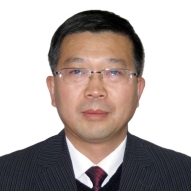 Zhonglin Chen (陈忠林)合作论文数School of Environment, Harbin Institute of Technology4Zizheng Zhou合作论文数3HUANG Lei (黄磊)合作论文数3REN Yuanlin (任远林)合作论文数3ZHANG Jingjing (张京京)合作论文数3
 Shi-Lei Zhou (周石磊)合作论文数3ZhenBang Tian (田振邦)合作论文数3Qishi Chen (陈启石)合作论文数中原工学院3
 Fuwang Zhao (赵福旺)合作论文数School of Marine Science and Technology, Northwestern Polytechnical University3yang li (李扬)合作论文数2Lai-qun ZHAO (赵来群)合作论文数2Weiqiang Wang合作论文数2Shiyuan Wang合作论文数2PeiHua Jiang (姜佩华)合作论文数2JianAn Cai (蔡建安)合作论文数2YunJi Yin (尹运基)合作论文数2
 Qing Tian (田晴)合作论文数College of Environmental Science and Engineering, Donghua University2
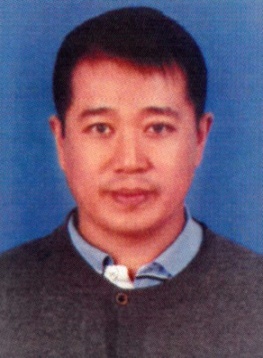 Bo Yang (杨波)合作论文数College of Environmental Science and Engineering, Donghua University2
 Jimin Shen (沈吉敏)合作论文数Experimental Center, School of Environment, Harbin Institute of Technology;International Joint Research Center for Persistent Toxic Substances, State Key Laboratory of Urban-Rural Water Resource and Environment, Harbin Institute of Technology2
 Tinglin Huang (黄廷林)合作论文数School of Environmental and Municipal Engineering, Xi'an University of Architecture and Technology2Maiqi Sun合作论文数1Jinming Liu合作论文数1Qixu Shi合作论文数1Jianjing Chen合作论文数1




