Objective To explore the therapeutic effect of Yiqi Tongyang Granule in the treatment of immune thrombocytopenia mice and the underlying mechanism.Methods BALB/c mice were treated with anti-mouse platelet serum from guinea pig to establish an immune thrombocytopenia mouse model. Model mice were randomly devided into the model group, the prednisone group, the Yiqi Tongyang Granule group, and the Jinshuye group; 10 unmodeled mice as the control group. The mice were treated with Yiqi Tongyang Granule(17.4 g/kg), prednisone(9.1 mg/kg), and Jinshuye Styptic Mixture(3.9 mL/kg) by gavage for 11 days, and the platelets(PLT), white blood cells(WBC), and hemoglobin(Hb) counts in the mice were measured. Bone marrow megakaryocyte counts were compared by bone marrow smears and bone marrow pathology, and the proportions of different types of megakaryocytes in bone marrow were analyzed. The organ coefficients and pathological changes of the spleen and thymus were observed in mice. Lymphocyte subsets were detected using a flow cytometer.Results Compared with the control group, the number of PLT in immune thrombocytopenia mice was reduced(P<0.05), and after treatment with Yiqi Tongyang Granule, prednisone, and Jinshuye Styptic Mixture, the number of PLT was increased(P<0.05). Compared with the control group, the number of bone marrow megakaryocytes was increased and the proportion of PLT-producing megakaryocytes was decreased in immune thrombocytopenia mice(P<0.05). The number of megakaryocytes was decreased after treatment with Yiqi Tongyang Granule(P<0.05), the ratio of primitive and naive megakaryocytes was decreased, and the proportion of PLT-producing megakaryocytes was increased in the immune thrombocytopenia mice(P<0.05). The spleen was observed to be enlarged in the immune thrombocytopenia mice based on the spleen organ coefficient and pathology, and extramedullary hematopoiesis was found to be common in the spleens of immune thrombocytopenia mice. Thymus atrophy was very obvious in immune thrombocytopenia mice treated with prednisone based on the thymus organ coefficient and pathology. The percentages of Tc, Th, and Treg cells of immune thrombocytopenia mice were reduced, and these percentages were increased after treatment with Yiqi Tongyang granules(P<0.05).Conclusion Yiqi Tongyang Granule could regulate the immune state of immune thrombocytopenia mice by regulating the lymphocyte subpopulations and increase the PLT levels in peripheral blood by affecting the number of bone marrow PLT-producing megakaryocytes. The therapeutic effect of Yiqi Tongyang Granule was similar to that of prednisone and clearly superior to that of Jinshuye Styptic Mixture.
微小残留病(minimal residual disease,MRD)是急性白血病(acute leukemia,AL)经诱导化疗达到完全缓解后体内残留微量白血病细胞的状态,成为AL复发的根源,加强对MRD阳性患者的治疗是提高患者整体生存的关键.麻柔主任医师提出AL以阴寒凝滞为基本病机,诱导化疗药物可戕害人体阳气,亦可导致髓不化血,因此MRD以阴寒凝滞兼血虚阳衰为主要病机.麻柔主任医师常以当归四逆汤化裁治疗MRD,本方功可温经通阳散寒,兼以养血和血,有助于机体清除或者抑制MRD,维持MRD的阴性状态,并促进部分患者的MRD由阳性转为阴性,临证屡获良效.本文就麻柔主任医师应用当归四逆汤化裁治疗MRD的临床经验和体会进行论述,以期指导MRD的中医治疗.
Objective To explore the potential molecular target and mechanism of Qinghuang Powder in the treatment of myelodysplastic syndrome(MDS).Methods Fifteen MDS patients were enrolled in this study.Bone marrow samples were extracted before treatment and 6 months after treatment with Qinghuang Powder, and RNA-seq was performed to detect the differentially expressed genes(DEGs)in bone marrow mononuclear cells before and after treatment.Gene ontology(GO)annotation and Kyoto Encyclopedia of Genes and Genomes(KEGG)pathway enrichment were performed for the DEGs.Cytoscape 3.9.1 was employed to build the protein-protein interaction(PPI)network of DEGs.Furthermore, the MDS cell line MUTZ-1 was treated with arsenic sulfide, the main effective component of Qinghuang Powder, and then real-time quantitative PCR was employed to verify the RNA-seq results.Results A total of 2 841 DEGs were identified by RNA-seq in bone marrow nucleated cells of MDS patients treated with Qinghuang Powder for 6 months, including 1 892 up-regulated genes and 949 down-regulated genes.GO annotation showed that these DEGs were mainly involved in histone modification highly associated with MDS.KEGG pathway enrichment indicated that Qinghuang Powder treated MDS via the hypoxia-inducible factor-1(HIF-1),tumor necrosis factor-alpha(TNF-α),and vascular endothelial growth factor(VEGF)signaling pathways.According to GO annotation results, the DEGs associated with histone modification were used to construct the PPI network, from which the core genes were screened out.The MDS cells treated with arsenic sulfide showed significantly up-regulated expression of E1A binding protein p300(EP300),histone deacetylase 7(HDAC7),and SET domain-containing protein 2(SETD2)and down-regulated expression of HDAC6,which was consistent with the sequencing results.Conclusion Histone modification is an important step of Qinghuang Powder in the epigenetic regulation of MDS patients.EP300,HDAC6,HDAC7,and SETD2 may be the key targets of Qinghuang Powder in the treatment of MDS.
目的:观察补肾填精方联合西药治疗再生障碍性贫血(AA)对血小板(PLT)的影响,分析影响PLT的临床因素特征.方法:选取2018 年9 月至2021 年3 月中国中医科学院西苑医院、广安门医院等 19 个分中心的AA患者 79 例作为研究对象,以补肾填精方联合西药基础治疗,连用3 个月为 1 个疗程,连续服用2 个疗程,观察患者PLT变化情况,分析PLT较基线值增长且恢复正常、较基线值增长未恢复正常的AA患者的临床因素特征.结果:AA患者接受补肾填精方联合西药治疗4 个月后,PLT较基线值增长且恢复正常的有 13 例,PLT较基线值增长未恢复正常的有66 例.对一般资料分析显示,中医证候积分越低,补肾填精方联合西药治疗,PLT越容易恢复正常(P<0.05).对治疗前血常规分析结果显示,治疗前血红蛋白≥60 g/L时、中性粒细胞数值越高时、网织红细胞比率<0.5%时,补肾填精方联合西药治疗,PLT越容易恢复正常(P<0.05).对治疗前T淋巴细胞亚群结果分析显示,CD3+CD19-<60%时,以补肾填精方联合西药治疗,PLT更容易恢复正常(P<0.05).结论:当AA患者的中医证候积分越低、血红蛋白≥60 g/L、中性粒细胞数值越高、网织红细胞比率<0.5%、CD3+CD19-<60%且越低时,以补肾填精方联合西药治疗,AA患者的PLT更容易增加并恢复正常(P<0.05).
目的:探讨补肾生血方与益气养血方治疗慢性再生障碍性贫血疗效及T细胞亚群与T-box家族的新型转录因子(T-bet)、Gata转录因子家族的转录因子3(GATA3)表达的影响.方法:收集2018年5月至2021年6月,在全国19家医院就诊的慢性再生障碍性贫血患者共585例,利用前瞻性、双盲、随机对照方法,采用分层区组随机法将患者分为3组,肾虚组、气血两虚组、对照组,中药治疗分别予补肾生血方颗粒、益气养血方颗粒、安慰剂(半量补肾生血方颗粒),均联合口服西药环孢素及雄激素.每组治疗以3个月为一疗程,连续观察2个疗程,分析治疗前后检测患者血常规,T细胞亚群及融合基因T-bet、GATA3,并监测安全性指标.结果:观察期间共脱落75例,剔除18例,最终肾虚组161例,气血两虚组164例,对照组167例,共492例完成治疗.治疗6个月后,肾虚组的总有效率98.8%(159/161)高于气血两虚组的79.9%(131/164)(x2=30.135,P<0.01);肾虚组明显高于对照组的总有效率61.7%(103/167)(x2=70.126,P<0.01);气血两虚组总有效率高于对照组(x2=13.232,P<0.01).与本组治疗前比较,治疗后3组患者的血红蛋白(HGB)明显提升(P<0.05,P<0.01),且肾虚组HGB含量提高更为显著(P<0.01);治疗后与气血两虚组比较,肾虚组与对照组的白细胞(WBC)及血小板(PLT)均显著升高(P<0.01);3组患者治疗后的中性粒细胞(ANC)差异无统计学意义.3组患者在相同时间点进行比较,肾虚组T辅助细胞1(Th1)、Th1/Th2水平均明显降低(P<0.05),且肾虚组CD4+水平明显下降,CD4+/CD8+明显降低(P<0.05).肾虚组与其余两组CD 19-、HLA/DR+、CD25+比较差异无统计学意义,肾虚组与对照组T-bet均低于气血两虚组(P<0.05).结论:补肾生血方治疗再生障碍性贫血可能通过改善免疫调节机制,抑制免疫系统活性,调节T细胞亚群,抑制Th1及CD4+水平,促进骨髓造血,且安全、不良反应小,方案值得进一步推广.
麻柔教授从事中西医结合治疗血液病50余年,基于中医血液病诊疗的困境,尝试将运气学说运用于血液病病机分析思考,从天人相应出发,摸索出"五运-人-脏腑-细胞"的病机分析模式,联系"春生、夏长、秋收、冬藏"和"生、长、壮、老、已"分析造血细胞生长调控,提出人体气化功能失调是血液病的重要发病机制,结合《素问·五常政大论篇》,分析再生障碍性贫血、骨髓增生异常综合征、急性白血病及骨髓增殖性疾病等血液系统常见疾病的病机,为临床诊治提供新的思路.
目的 观察补肾填精方联合西药治疗再生障碍性贫血(AA)的临床疗效,分析治疗有效患者的临床特征.方法 选取2018年9月-2021年3月中国中医科学院附属西苑医院、中国中医科学院广安门医院等19家医院的AA患者187例,在西药治疗基础上予补肾填精方免煎速溶颗粒,3个月为1个疗程,连续服用2个疗程,观察患者临床疗效,分析基本痊愈、缓解及明显进步患者的临床因素特点.结果 治疗过程中脱落23例、剔除3例.基本痊愈6例(3.7%),缓解28例(17.5%),明显进步125例(77.6%),总有效率为98.8%(159/161).一般资料分析显示,男性、慢性再生障碍性贫血(CAA)、无合并病者,补肾填精方联合西药治疗更易获得疗效(P<0.05).血常规分析显示,治疗前血红蛋白(HGB)≥40 g/L且数值越高、血小板(PLT)≥10×109/L且数值越高,补肾填精方联合西药治疗AA易获得疗效(P<0.05).骨穿结果分析显示,治疗前有骨髓小粒或有核细胞增生低下更易获效(P<0.05).多因素Logistic回归分析显示,治疗前HGB越高,补肾填精方联合西药治疗AA疗效越好.结论 补肾填精方联合西药治疗AA疗效显著,男性、CAA、无合并病,HGB≥40 g/L且数值越高、PLT≥10×109/L且数值越高,有骨髓小粒或有核细胞增生低下者采用补肾填精方联合西药治疗更易取得疗效.
目的 比较补肾生血法、益气养血法联合基础西药治疗再生障碍性贫血的临床有效性及安全性.方法 采用前瞻、随机、双盲、安慰剂对照、多中心研究方法.以分层区组随机法将患者分为补肾生血组、益气养血组、对照组,中药治疗分别予补肾填精颗粒、补益气血颗粒、安慰剂(半量补肾填精颗粒),均联合口服环孢素A及雄激素.3个月为1个疗程,连续观察两个疗程治疗前后的血常规[包括白细胞计数(WBC)、血红蛋白含量(HGB)、血小板计数(PLT)、中性粒细胞计数(ANC)]、输血情况、中医证候积分、生活质量评分、安全性指标,并记录不良事件,治疗结束后1年进行随访并评定疗效.结果 共纳入585例,剔除18例,进入FAS总病例数567例,其中补肾生血组184例、益气养血组191例和对照组192例,因失访共脱落75例.补肾生血组总有效率(86.4%)明显优于益气养血组(78.0%)与对照组(72.9%,P<0.001).各组治疗后HGB、PLT、WBC均升高(P<0.05),尤以补肾生血组最佳(P<0.05);补肾生血组治疗后及随访时HGB明显高于益气养血组与对照组(P<0.05),治疗后益气养血组HGB高于对照组(P<0.05);补肾生血组随访时PLT明显高于其余两组(P<0.001);各组治疗后及随访时WBC均升高(P<0.05).各组治疗后ANC均下降(P<0.05),但补肾生血组与益气养血组随访时ANC均有回升(P<0.001),而对照组ANC持续下降(P<0.001).各组输血情况均有改善(P<0.05),其中补肾生血组患者输血人数最早清零(P<0.05);各组中医证候总积分均降低,生活质量评分均提高(P<0.05).观察期间均未出现与治疗相关的严重不良事件.结论 补肾生血法、益气养血法联合西药治疗再生障碍性贫血疗效确切,安全性良好,可有效降低中医证候评分并提高生活质量评分,其中补肾生血法疗效更佳.
目的 探索益气温阳汤治疗慢性免疫性血小板减少症(chronic immune thrombocytopenia,CITP)的免疫调控机制及转录因子GATA结合蛋白(GATA binding protein,GATA)-3通路对血小板计数的预测价值.方法 纳入28例CITP患者为治疗组,20名健康志愿者为健康对照组,治疗组给予益气温阳汤治疗,健康对照组不给予干预,4个月后用流式细胞术检测治疗前后外周血T、B淋巴细胞亚群及辅助性T细胞(helper T cell,Th)1、Th2水平,荧光定量PCR检测T-bet、GATA-3、Foxp3 mRNA表达水平,Logistic回归分析法对血小板相关预测因素进行分析.结果 益气温阳汤治疗CITP总有效率42.86%,与治疗前比较,治疗组治疗后CITP患者CD3+总T细胞、细胞毒性T淋巴细胞(cytotoxic T lymphocyte,CTL)、自然杀伤T细胞(natural killer T cell,NKT)、GATA-3 mRNA表达水平显著降低,血小板、CD5+B淋巴细胞比值、调节性T细胞(regulatory T cell,Treg)、Th2细胞水平升高(P<0.05);治疗组治疗后Foxp3 mRNA表达水平显著低于健康对照组(P<0.05).Logistic回归分析显示,治疗后GATA-3水平与血小板呈负相关,方程式:血小板=90.299-64.086×(GATA-3).结论 益气温阳汤通过调节CITP患者T、B淋巴细胞亚群水平,起到免疫调节和免疫耐受作用,并可以通过调控GATA-3和Foxp3 mRNA表达提升血小板计数,GATA-3 mRNA的表达水平可能对CITP患者血小板计数有预测价值.
目的 回顾性分析当归四逆汤加减治疗急性白血病(AL)患者微小残留病(MRD)的情况.方法 以2013年1月至2019年1月就诊于中国中医科学院西苑医院血液科门诊的60例AL患者作为研究对象;采用病例系列研究的方法,根据患者提供的病历资料,AML患者MRD≥10-3为阳性,ALL患者MRD≥10-4为阳性;观察当归四逆汤治疗前、治疗6个月后AL患者MRD的情况和白细胞(WBC)计数、血红蛋白(Hb)计数、血小板(PLT)计数的变化.结果 治疗前AL患者MRD阳性者31例,经当归四逆汤加减治疗6个月后MRD阳性转为阴性的有18例(58%);治疗前MRD阴性患者29例,经当归四逆汤加减治疗后6个月后仅有3例转为阳性.与治疗前相比,经当归四逆汤加减治疗的AL患者,WBC和Hb水平明显升高,差异有统计学意义(P<0.05);而PLT水平治疗前后无明显改变,差异无统计学意义(P>0.05).结论 当归四逆汤加减治疗AL患者,不仅可以维持MRD的阴性状态,而且还能使部分患者的MRD由阳性转为阴性.
目的 探讨麻柔治疗骨髓增生异常综合征(Myelodysplastic Syndromes,MDS)的用药规律和辨治经验.方法 通过搜集整理麻柔门诊治疗的MDS患者的219个中药处方,利用中医传承辅助平台系统数据挖掘技术,对处方中药味的性味归经、用药频次、核心组方等内容进行分析总结,根据用药梳理出新的处方.结果 麻柔治疗MDS,所用药物以温补、平和为主,兼用寒凉.所用甘味药较多,辅用苦、辛之药.药物以归肝、脾、肾三经为主.单味中药频次由高到低为大枣、生姜、女贞子、萆薢、山药、熟地黄、牡丹皮、山茱萸、茯苓等.中药药对频次由高到低为"生姜、大枣""大枣、女贞子""熟地黄、山茱萸""熟地黄、牡丹皮""熟地黄、山药""熟地黄、大枣"等.核心药物组成有"党参、通草、太子参""当归、细辛、生地黄"等.凝练出的新处方有"党参、通草、太子参、当归、细辛、生地黄"等.结论 麻柔辨治MDS以温补为主,所用药物甘味为多,归肝、脾、肾三经.配伍上注重寒热同调、阴阳互补.符合其补脾肾而益生化之源,促进造血的"气血复生"辨治思想.
Purpose DNA methylation is known to play an important role in myelodysplastic syndrome (MDS). We previously showed that Chinese herbs (CHs) containing realgar (As2S2) were effective at treating MDS with multilineage dysplasia (MDS–MLD). We tested whether the response to CH treatment was related to changes in DNA methylation in MDS–MLD. Patients and Methods First, the Illumina methylation 850K array BeadChip assay was used to assess the pretreatment methylation status in bone marrow cells from eight MDS–MLD patients and 3 healthy donors. The eight MDS–MLD patients were then treated with CHs for six months, the arsenic concentration was measured following treatment. The patients were subsequently divided into “effective” and “ineffective” treatment response groups and the DNA methylation patterns of the two groups were compared. Finally, the BeadChip data were validated by pyrosequencing. Results Five of the eight MDS–MLD patients showed hematological improvement (effective-treatment group), while three showed disease progression (ineffective-treatment group) (positive response rate: 62.5%). The arsenic concentrations in the patients ranged from 26.60 to 64.16 μg/L (median 48.4 μg/L) and were not significantly different between the two groups (p = 0.27). Compared with the healthy controls, three genes were hypomethylated and 110 were hypermethylated in the ineffective-treatment group. However, in the group showing hematological improvement, 102 genes were markedly hypomethylated and 87 hypermethylated. The effective-treatment group had a higher proportion of hypomethylated sites than the ineffective-treatment group (53.9% vs 2.6%, respectively; chi-square test) (p < 0.0001). Two hypermethylated and two hypomethylated genes were selected for validation by pyrosequencing (all p < 0.05). Conclusion MDS–MLD patients may present different DNA methylation subtypes. CHs containing realgar may be effective for treating MDS–MLD patients with the hypomethylation subtype.
目的 观察以血砷浓度≥30μg/L作为目标值调整青黄散方案中青黄散剂量治疗骨髓增生异常综合征伴多系病态造血(MDS-MLD)的有效性和安全性.方法 采用前瞻性病例系列研究方法,纳入2018年3月—2019年5月就诊于中国中医科学院西苑医院血液科门诊MDS-MLD患者60例.所有患者均接受青黄散联合补肾健脾方和司坦唑醇片治疗,3个月为1个疗程,共治疗2个疗程.分析每个疗程后患者的血砷浓度和疗效,并记录治疗期间发生的不良反应.结果 60例患者完成第1个疗程治疗和检测,总有效率48.3%(29/60);血砷浓度≥30 μg/L患者有效率显著高于血砷浓度<30 μg/L患者(62.8%vs11.8%,P<0.01).57例患者完成了第2个疗程治疗和检测,总有效率64.9%(37/57);血砷浓度≥30 μg/L患者的有效率显著高于血砷浓度<30 μg/L患者(69.8%vs0.0%,P<0.05);患者外周血细胞HGB和PLT计数的提升先于WBC和中性粒细胞计数(ANC).不良反应发生率21.7%(13/60),包括轻度消化道不良反应、下肢水肿和轻度肝功能异常.结论 以血砷浓度≥30 μg/L作为目标值调整青黄散方案中青黄散剂量治疗MDS-MLD有一定的疗效优势和较好的安全性.
目的 基于中医传承辅助系统平台开展麻柔治疗原发免疫性血小板减少症(primary immune throm-bocytopenia,ITP)的用药规律数据挖掘研究,为深入研究麻柔诊疗经验提供参考.方法 收集麻柔门诊诊治的ITP患者的中药复方248个,通过平台数据挖掘技术,对处方中所用药物的性味、归经、药物频次、核心组方等进行总结分析,得出新的处方.结果 麻柔治疗ITP注重清补平衡,其用药寒温并用并偏重于温性,药味以甘、苦、辛为主,归经以肺、脾、肾为主.单味药物出现频次最高的有炙甘草、萆薢、穿山龙、桂枝、生姜等.药对频次较高的有"炙甘草-大枣""穿山龙-大枣""穿山龙-萆薢"等.核心药物组合有"炙甘草-桂枝-山萸肉""蒲公英-土茯苓-清半夏""蒲公英-土茯苓-党参-黄连"等.提取出的新方有"炙甘草-桂枝-山萸肉-生地黄""蒲公英-土茯苓-清半夏-太子参"等.结论 麻柔辨证论治ITP的中药复方以清补为根本,所用药物以归肺、脾、肾三经为主,体现其在治疗过程中充分照顾到上、中、下三焦的原则.
OBJECTIVE:To explore the relationship between the efficacy of realgar for the treatment of myelodysplastic syndromes with multilineage dysplasia (MDS-MLD) and arsenic concentration in the peripheral blood of patients.METHODS:In this prospective study, a total of 50 MDS-MLD patients were treated with traditional Chinese drugs containing realgar for 3 months in Xiyuan Hospital from March 2018 to January 2019. Routine blood examination as well as liver and kidney function were monitored before and after treatment. The concentration of arsenic in the peripheral blood was measured using an atomic fluorescence spectrometer after treatment. The correlation between clinical effect and arsenic concentration was analyzed by Spearman's method.RESULTS:The treatment response rate was 54%. Two patients (4% ) achieved complete remission, 50% (25 of 50) showed hematologic improvement, and 23 patients had stable disease (23% ). No disease progression was observed. Arsenic concentration in the peripheral blood ranged from 14.60 to 85.96 μg/L. Clinical efficacy was positively correlated with arsenic concentration (P < 0.05). The incidence of mild adverse reactions was 16%.CONCLUSION:A relatively high concentration of arsenic in the peripheral blood may improve the clinical efficacy of realgar in MDS-MLD patients.
Traditional Chinese Medicine (TCM) is a practical medicine based on thousands of years of medical practice in China. Arsenic dispensing powder (ADP) has been used as a treatment for MDS patients with a superior efficacy on anemia at Xiyuan Hospital of China Academy of Chinese Medical Sciences. In this study, we retrospectively analyzed MDS patients that received ADP treatment in the past 9 years and confirmed that ADP improves patients’ anemia and prolongs overall survival in intermediate-risk MDS patients. Then, we used the MDS transgenic mice model and cell line to explore the drug mechanism. In normal and MDS cells, ADP does not show cellular toxicity but promotes differentiation. In mouse MDS models, we observed that ADP showed significant efficacy on promoting erythropoiesis. In the BFU-E and CFU-E assays, ADP could promote erythropoiesis not only in normal clones but also in MDS clones. Mechanistically, we found that ADP could downregulate HIF1A in MDS clones through upregulation of VHL, P53 and MDM2, which is involved in two parallel pathways to downregulate HIF1A. We also confirmed that ADP upregulates GATA factors in normal clones. Thus, our clinical and experimental studies indicate that ADP is a promising drug to promote erythropoiesis in both MDS and normal clones with a superior outcome than current regular therapies. ADP promotes erythropoiesis in myelodysplastic syndromes via downregulation of HIF1A and upregulation of GATA factors.
再生障碍性贫血(aplastic anemia,AA)主要分为重型(severe AA,SAA)和非重型再生障碍性贫血(non-severe AA,NSAA)两类.AA属于中医“髓劳”范畴,SAA和NSAA分别归属于“急髓劳”和“慢髓劳”.SAA和输血依赖性NSAA(TD-NSAA)的中西医结合治疗疗效确切,结合近期再生障碍性贫血的临床进展和治疗体会,提出SAA多处于以“细胞因子风暴”为典型特征的“异常免疫”阶段,此阶段以异常免疫为主要矛盾,以骨髓衰竭为次要矛盾,应以免疫抑制剂+中药补肾活血解毒为主治疗,TD-NSAA所处阶段多以骨髓衰竭为主要矛盾,治疗应以补肾健脾中药+雄激素为主促进骨髓造血功能恢复.连续治疗6个月无效的TD-NSAA应根据SAA中西医结合治疗方案进行治疗.
目的 观察并比较骨髓增生异常综合征(MDS)脾肾两虚、毒瘀阻滞证和气阴两虚、毒瘀阻滞证患者临床特征、基因突变及预后.方法 将78例MDS患者按证型分为脾肾两虚、毒瘀阻滞证组(脾肾两虚组,64例)和气阴两虚、毒瘀阻滞证组(气阴两虚组,14例),分析比较两组血细胞计数、骨髓原始细胞比例、预后核型、预后危度、基因突变、生存期、年生存率以及疾病进展情况.结果 78例MDS患者中,脾肾两虚组患者比例[82.05%(64/78)]高于气阴两虚组[17.95%(14/78),P<0.05].脾肾两虚组中性粒细胞绝对值(ANC)<0.8×109/L患者比例[35.94% (23/64)]高于气阴两虚组[21.43% (3/14),P=0.028].脾肾两虚组骨髓原始细胞增多型(EB-1/EB-2)患者比例[29.69% (19/64)]高于气阴两虚组[7.14%(1/14),P<0.001].脾肾两虚组伴随染色体核型预后中等/差/极差核型患者比例[29.69% (19/64)]高于气阴两虚组[14.29% (2/14),P=0.006].脾肾两虚组高危(IPSS-R危度积分>3.5分)患者比例[48.44%(31/64)]高于气阴两虚组[21.43%(3/14),P<0.001].脾肾两虚组存在基因突变患者比例[60.94%(39/64)]高于气阴两虚组[42.86%(6/14),P=0.005].脾肾两虚组存在2个以上基因突变患者比例[39.06% (25/64)]高于气阴两虚组[14.29% (2/14),P<0.001].脾肾两虚组患者4年生存率(26.56%)低于气阴两虚组(42.86%,P=0.018).脾肾两虚组中有2例[3.13%(2/64)]转化为AML,气阴两虚组中无病例转化为AML.结论 MDS脾肾两虚、毒瘀阻滞证与气阴两虚、毒瘀阻滞证在ANC、骨髓原始细胞比例、染色体核型、危险程度、突变基因、年生存率等预后因素方面均存在差异,MDS脾肾两虚、毒瘀阻滞证与不良预后有关.
Qinghuang Powder (QHP), an oral arsenic, has become an effective drug in the treatment of myelodysplastic syndromes (MDS) in Xiyuan Hospital, China Academy of Chinese Medical Sciences for many years, and the action mechanism of the compound or active ingredient As2S2 of QHP has been elucidated. Considering the relatively safety, chemotherapy-free and convenient oral profile, QHP is widely used in the clinical treatment for MDS patients, especially for elderly patients. In this review, the authors document the efficacy and safety of oral arsenic-containing compound QHP in the treatment of MDS, with a special focus on the association of efficacy of QHP with the cytogenetics, prognostic risk, DNA methylation, gene mutation, blood arsenic concentration, mechanism of action of As2S2 and the countermeasures against adverse reactions of gastrointestinal tract.
目的:探讨青黄散联合健脾补肾方对骨髓增生异常综合征(MDS)患者DACT1基因甲基化及Wnt/β-catenin通路的影响.方法:亚硫酸氢盐测序法检测30例MDS患者治疗前后骨髓DACT1基因甲基化状态、RTPCR检测治疗前后DACT1 mRNA及β-catenin mRNA变化.结果:治疗前MDS骨髓标本中,DACT1基因启动子区S1片段呈高甲基化状态,为15.21%,经青黄散联合健脾补肾方治疗后呈低甲基化状态,为5.45% (P<0.01).治疗后DACT1 mRNA相对表达量由0.69±0.41升至1.83±2.01,较治疗前显著增加(P<0.01);β-catenin mRNA相对表达量治疗前后差异无统计学意义.结论:青黄散联合健脾补肾方通过DACT1基因去甲基化的作用效应,可能主要通过激活下游其他通路实现抑癌作用.
 YongGang Xu (许勇钢)合作论文数中国中医科学院西苑医院80
 Xiaomei Hu (胡晓梅)合作论文数Xiyuan Hospital, China Academy of Chinese Medical Sciences71
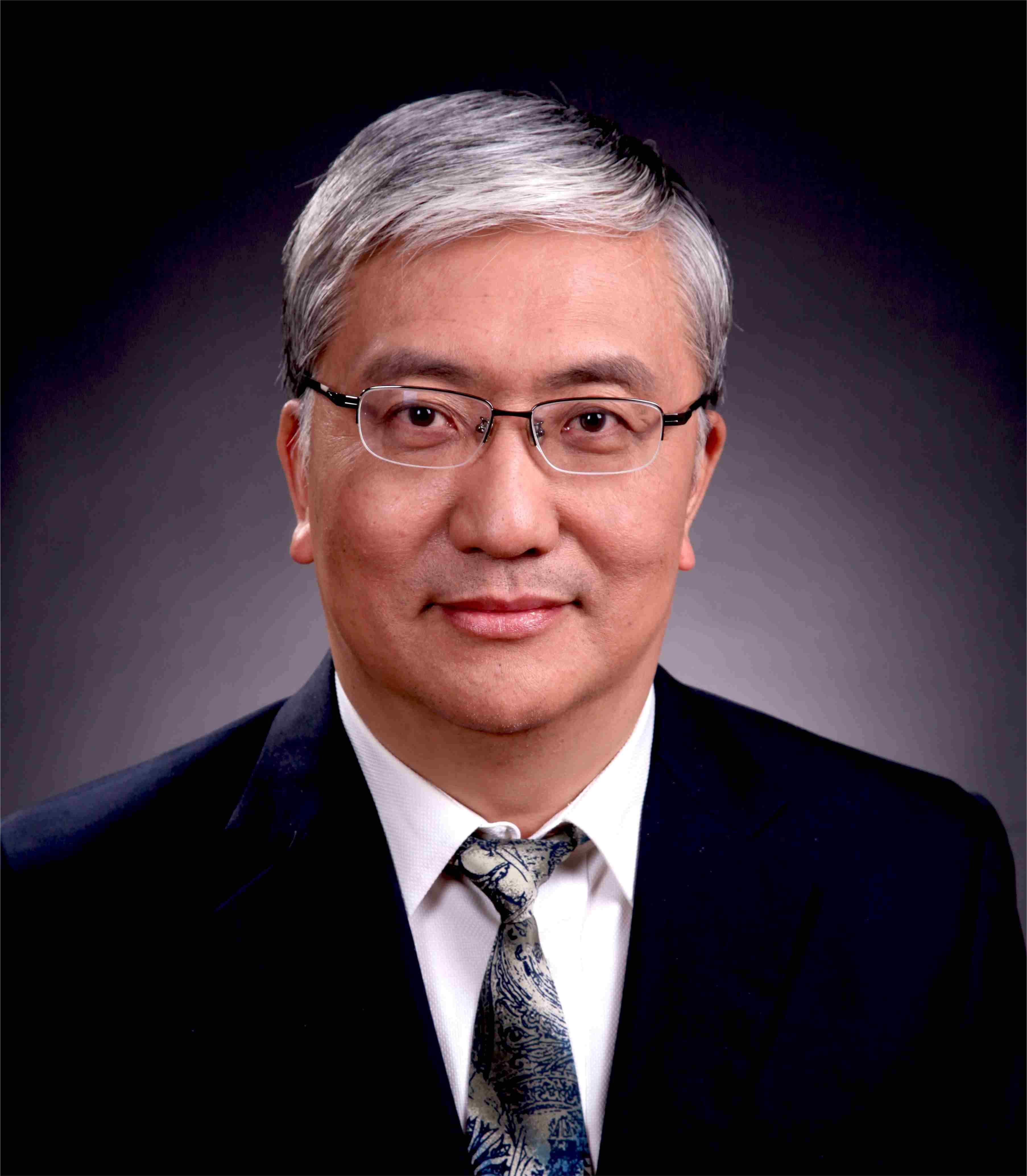 Xudong Tang (唐旭东)合作论文数Xiyuan Hospital of China Academy of Chinese Medical Sciences52HongZhi Wang (王洪志)合作论文数49
 Liu Li (李柳)合作论文数中国中医科学院西苑医院血液科 北京 10009141XiaoHong Yang (杨晓红)合作论文数40ShanShan Zhang (张姗姗)合作论文数27
 Haiyan Xiao (肖海燕)合作论文数Xiyuan Hospital China Academy of Chinese Medical Sciences25Xiupeng Yang (杨秀鹏)合作论文数Xiyuan Hospital China Academy of Chinese Medical Sciences25Chi Liu (刘驰)合作论文数23
 Feng Liu (刘锋)合作论文数中国中医研究院西苑医院20XiaoQing Guo (郭小青)合作论文数19DeXiu Wang (王德秀)合作论文数17NaiPing Hu (胡乃平)合作论文数16ChunMei Zheng (郑春梅)合作论文数16Shu Xu (徐述)合作论文数15
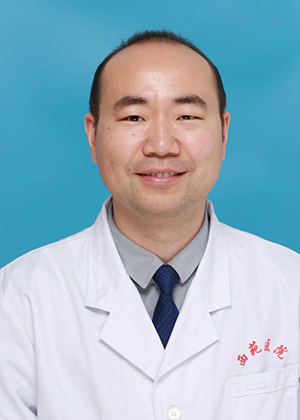 Qingbing Zhou (周庆兵)合作论文数Xiyuan Hospital, China Academy of Chinese Medical Sciences13RiCheng Quan (全日城)合作论文数12Shu-zhen Sun合作论文数10QianZe Zhu (朱千赜)合作论文数10Yonggang Xu合作论文数9ZhongFen Wang (王忠芬)合作论文数8ZhongXue Fu (付中学)合作论文数7Yang Jingmin (杨经敏)合作论文数6Ming-Jing Wang合作论文数6Pan Zhao合作论文数6Weiyi Liu合作论文数6ChengShan Deng (邓成珊)合作论文数6杜宇合作论文数中国中医科学院西苑医院5YuBin Ding (丁宇斌)合作论文数5Zhongyang Deng合作论文数4Zhanxiang Wang (王展翔)合作论文数4WANG Tao (王涛)合作论文数4JunXian Liao (廖军鲜)合作论文数4XiaoHui Shen (申小惠)合作论文数4ZheXin Shi (史哲新)合作论文数4Teng Fan (范腾)合作论文数4JinHuan Wang (王金环)合作论文数4JianPing Shen (沈建平)合作论文数4YongMing Zhou (周永明)合作论文数4YuHong Yao (姚宇红)合作论文数4JianYing Li (李建英)合作论文数4Xin Wang (王欣)合作论文数4HaiXia Wang (王海霞)合作论文数4
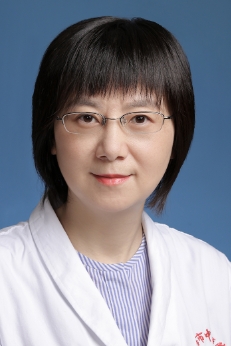 Qi Hu (胡琦)合作论文数Shanghai Municipal Hospital of Traditional Chinese Medicine;Shanghai University of Traditional Chinese Medicine4
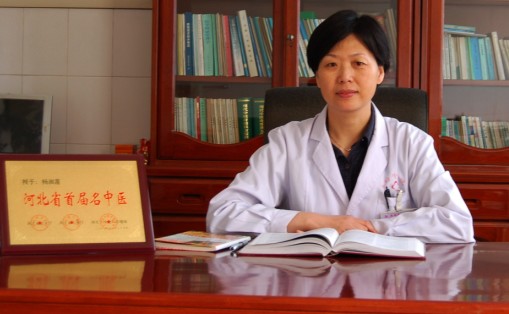 Shulian Yang (杨淑莲)合作论文数廊坊市中医医院4
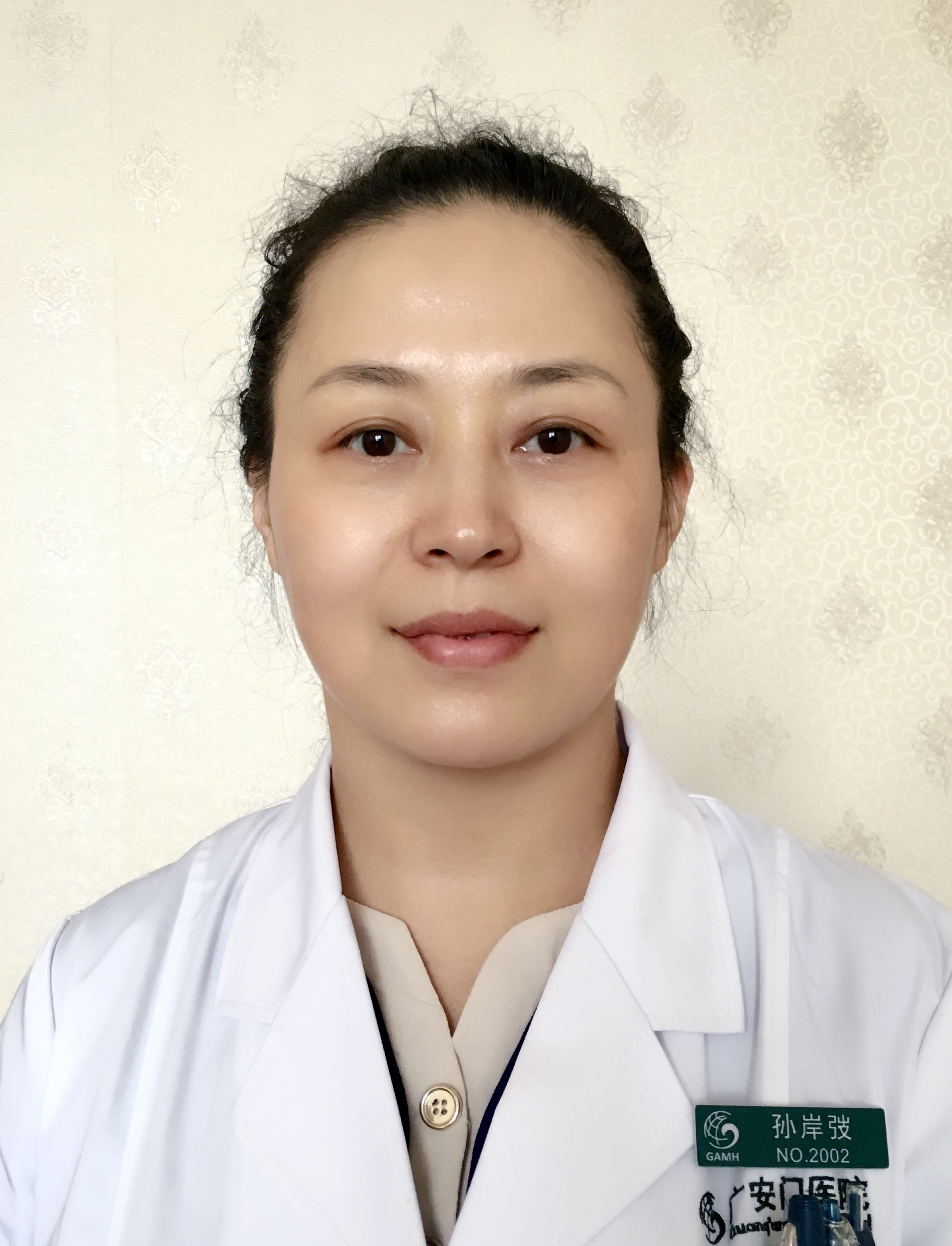 Antao Sun (孙岸弢)合作论文数Guang’anmen Hospital, China Academy of Chinese Medical Sciences4
 Ruirong Xu (徐瑞荣)合作论文数山东中医药大学附属医院血液科4




