Introduction. The prevalence of Parkinson's disease (PD) has increased globally, especially in China, and emerged as a critical public health challenge. Aim of the study. Based on the Global Burden of Disease (GBD) and the China Health and Retirement Longitudinal Study (CHARLS) databases, this study explores temporal trends in Parkinson's disease (PD) prevalence and its risk factors among middle-aged and older Chinese adults from 1992 to 2021. Material and methods.The age-period-cohort (APC) model was used to analyze the effects of age, period, and birth cohort on PD prevalence. Chi-square tests were used to determine riskand protective factors for PD.The autoregressive integrated moving average (ARIMA) model was used to predict trends in PD prevalence in China and worldwide over the next 10 years, and several machine learning models were used to develop a classifier for the early screening of PD. Results. The results showed that the average annual growth rate of PD prevalence in China was twice the global average, and this high growth rate is projected to continue in the next decade. Analysis of the CHARLS data showed that aging, urban residence, and metabolic diseases such as diabetes, hypertension, and dyslipidemia were significantly associated with the risk of PD, while moderate alcohol consumption may have a protective effect. Among the machine learning models, the random forest model had the best performance for the early screening of PD (sensitivity 0.968), confirming the significant value of artificial intelligence methods in the precise prevention of PD. Conclusions and clinical implications.This study revealed that population aging and advances in diagnostic and treatment systems have led to a heavy burden of PD in China. Public health prevention of PD in China should strengthen the precise screening of high-riskgroups and early intervention for risk factors,thereby enabling public health departments to more effectively alleviate the medical and socioeconomic burden of the disease.
Early diagnosis of Alzheimer's disease (AD), especially accurate identification at the mild cognitive impairment (MCI) stage, is crucial for slowing disease progression. Although deep learning has achieved promising performance in AD diagnosis, existing multimodal models often operate as "black boxes," lacking the transparency required for clinical practice and failing to explicitly model deep interactions between imaging and clinical features. To address these limitations, this study proposes an interpretable multimodal framework, namely the Compact Biomarker Kolmogorov-Arnold Network (CBKAN). Specifically, we introduce EHCTNet with disease-specific attention to extract features from 3D MRI data, and innovatively constrain the encoder to output a set of compact biomarkers instead of traditional high-dimensional abstract vectors, mimicking the diagnostic logic of clinicians (e.g., judging brain atrophy). In addition, a hybrid feature Transformer is used to fuse these imaging biomarkers with clinical and genetic data, explicitly capturing complementary relationships across modalities. Finally, the Kolmogorov-Arnold Network (KAN) is adopted as the classifier to effectively model the highly nonlinear characteristics of AD progression. Experiments on 800 subjects from the ADNI dataset show that CBKAN achieves 91.1% accuracy and an F1-score of 0.910 in the AD/MCI/CN classification task, significantly outperforming existing mainstream methods. Statistical analyses validate the effectiveness of each component of the model. The proposed model provides a potentially interpretable and high-performing decision-support framework for early Alzheimer's disease diagnosis, although its cross-cohort generalizability and real-world clinical utility require further validation in independent external datasets.
Tongue diagnosis is a crucial component of the Four Diagnostic Methods in Traditional Chinese Medicine (TCM), which include observing, listening and smelling, inquiring, and palpation. Tongue image segmentation holds great significance in advancing the intelligentization of tongue diagnosis research. This paper introduces an improved model called Parallel Attention and Progressive Upsampling for Tongue Segmentation (PAPU_TonSeg), based on the Segformer architecture, to address the issues of inaccurate and blurred tongue edge segmentation in tongue semantic segmentation. The model incorporates three key enhancements: (1) the adoption of a Self-Attention Parallel Network that integrates the self-attention mechanism and residual modules to achieve simultaneous extraction of local and global features; (2) the integration of the Efficient Channel Attention(ECA) mechanism into the Mix-FFN component to enhance feature extraction efficiency; and (3) the utilization of Multi-dimensional Feature Progressive Upsampling to mitigate precision loss during the upsampling process. Evaluation results on the BioHit public dataset demonstrate that, compared to the original Segformer, PAPU_TonSeg achieves improvements of 2.42% in Mean Pixel Accuracy (MPA), 0.78% in Mean Intersection over Union (MIoU), and 2.02% in the Dice coefficient, while boasting a lower parameter count and computational complexity. On another dataset, PAPU_TonSeg outperforms Segformer with an MPA increase of 0.64%, an MIoU increase of 0.33%, and a Dice coefficient increase of 0.4%. The improved model not only has fewer parameters but also exhibits a notably lower computational complexity compared to classical models. The PAPU_TonSeg model accurately segments tongue body details, such as tooth marks, and distributes attention more evenly, capturing both global and local features. These findings position PAPU_TonSeg as a valuable tool for clinical diagnosis and research in TCM tongue diagnosis.
Objective: This study addresses the limitations of existing traditional Chinese medicine (TCM) constitution identification techniques for the elderly by proposing an intelligent identification method aimed at enhancing the accuracy, standardization, and formalization of the identification process. Materials and Methods: Leveraging data from the images of the tongue, face, and pulse, this study introduced four image classification models: EfficientNetV2, MobileViT, Vision Transformer, and Swin Transformer. A comparative experimental approach was employed to establish a baseline model. Subsequently, a multi-information fusion model was constructed on this foundation, extracting integrated features from diverse data to further improve identification accuracy. Results: The multi-information fusion model developed in this study achieved an accuracy of 71.32%, effectively enhancing the accuracy of TCM constitution identification for the elderly. Conclusions: The multi-information fusion model developed in this study, by integrating tongue, facial, and pulse data, considerably enhances the accuracy of TCM constitution identification. It effectively addresses the certain limitations inherent in existing TCM constitution identification techniques, offering a novel and efficacious strategy for this domain.
Objective: Tongue image segmentation is a crucial step in the intelligent recognition of tongue diagnosis in Traditional Chinese Medicine (TCM). Existing deep learning-based tongue image segmentation models face issues such as poor versatility and insufficient expressiveness in zero-shot tasks. This study aims to construct an efficient model with zero-shot suitable for tongue image segmentation in TCM. Methods: We developed the Tongue-LiteSAM model by improving the SAM (Segment Anything Model) framework to suit tongue segmentation. Based on the basic SAM model, the improvement involved modifying the image encoder by integrating two lightweight ViT-Tiny image encoders, effectively reducing the model’s parameter count. Additionally, data perturbation techniques were employed to enhance the zero-shot segmentation capability of the model and ensure robust performance across different data sources. Results: Experiments conducted on six distinct tongue image datasets demonstrated that the Tongue-LiteSAM model outperformed traditional convolutional neural network-based models and transformers, the original SAM model, and other related improved models in tongue image segmentation tasks. Conclusion: The Tongue-LiteSAM model provides a more objective and consistent solution for tongue diagnosis, and has better zero-shot segmentation capabilities. By optimizing the model structure and data processing strategies, the accuracy and practicality of tongue diagnosis models are effectively improved, offering new technical support for the modernization and precision of TCM tongue diagnosis.
Tongue segmentation serves as the foundation for automated intelligent tongue diagnosis. Current methods face challenges such as high computational complexity, large parameter size, and inaccurate tongue edge segmentation. This study aims to develop a novel lightweight tongue segmentation model with high accuracy. Based on the DeepLabV3+ model, we have modified the backbone network to MobileNet, a lightweight architecture, to reduce model complexity. Furthermore, we have improved the Atrous Spatial Pyramid Pooling (ASPP) module by adjusting the atrous convolution rates and introducing the Convolutional Block Attention Module (CBAM) into the first four branches of ASPP, enabling the acquisition of richer multi-scale semantic information. Additionally, the PointRend module is integrated into the model to compensate for missing regional information during upsampling, thereby enhancing the edge segmentation effect of the tongue. Our model demonstrates superior tongue segmentation performance compared to several classic models on two datasets, with significant improvements in Intersection over Union (IoU), Mean Intersection over Union (mIoU), Dice coefficient, Mean Pixel Accuracy (MPA), and Accuracy. Notably, the FLOPs of our improved model are reduced by approximately 50 %, and the parameter size is reduced by approximately 90 %, indicating a significant reduction in computational and parametric complexity. The experiment shows that our improved lightweight model exhibits faster training and inference speed, accurately segments the tongue, and effectively addresses the challenging task of segmenting ambiguous tongue edges. This study provides a novel approach for tongue image segmentation and holds practical application value.
This study integrates intelligent technologies like knowledge graphs and deep learning-based image recognition with traditional Chinese medicine (TCM) thinking to enhance TCM with intelligence. It proposes an AI-based TCM constitution identification system that combines "inquiry diagnosis" (symptom diagnosis) and "inspection diagnosis" (image recognition). The identification steps of the TCM constitution intelligent identification system include two stages: symptom identification and image identification. If the results from both methods are consistent, the results are directly output; if the results are not completely consistent, the voting method is used for comprehensive judgment. It uses semantic analysis and graph queries on a TCM constitution knowledge graph for symptom identification, achieving good results. On the basis of deep learning and computer vision technology, ResNet34 and EfficientNetB1 models were used on the dataset of calm constitution and dampness heat constitution, and the face and tongue image constitution recognition models were trained. Both models exhibited high accuracy. The model EfficientNetB1 showed the best performance, with recognition accuracies of face and tongue images at 80.2% and 95.6%, respectively. The accuracy of the two constitutions could be well determined. Prototype testing and user experience studies show that the system achieves intelligent constitution recognition, assisting users in quickly diagnosing their constitution types. This approach provides a practical solution and lays the foundation for developing clinically applicable systems.
Glioma, a malignant intracranial tumor with high invasiveness and heterogeneity, significantly impacts patient survival. This study integrates multi-omics data to improve prognostic prediction and identify therapeutic targets. Using single-cell data from glioblastoma (GBM) and low-grade glioma (LGG) samples, we identified 55 distinct cell states via the EcoTyper framework, validated for stability and prognostic impact in an independent cohort. We constructed multi-omics datasets of 620 samples, integrating transcriptomic, copy number variation (CNV), somatic mutation (MUT), Microbe (MIC), EcoTyper result data. A scRNA-seq enhanced Self-Normalizing Network-based glioma prognosis model achieved a C-index of 0.822 (training) and 0.817 (test), with AUC values of 0.867, 0.876, and 0.844 at 1, 3, and 5 years in the training set, and 0.820, 0.947, and 0.936 in the test set. Gradient attribution analysis enhanced the interpretability of the model and identified key molecular markers. The classification into high- and low-risk groups was validated as an independent prognostic factor. HDAC inhibitors are proposed as potential treatments. This study demonstrates the potential of integrating scRNA-seq and multi-omics data for robust glioma prognosis and clinical decision-making support.
Objective To systematically investigate the key determinants influencing health information quality in social media environments and elucidate their hierarchical relationships, thereby providing evidence-based guidance for quality improvement. Methods This study employed an innovative integration of meta-ethnography and Decision-Making Trial and Evaluation Laboratory-Interpretive Structural Modeling (DEMATEL-ISM) methodologies. Through systematic extraction and multi-dimensional analysis of influencing factors—including centrality metrics, causal relationships, and hierarchical structures—we developed a comprehensive mechanism model clarifying factor interactions and their cumulative impacts on health information quality enhancement. Results Our analysis identified 18 critical factors affecting health information quality, which were categorized into six distinct hierarchical levels through rigorous computational modeling. The results revealed complex cross-level interactions and mutual influences among these determinants. Nine core factors emerged as pivotal: information accuracy, authority orientation, platform reputation, creator expertise, information utility, health information literacy, content originality, source authority, and health concepts. Conclusion The findings establish a hierarchical quality improvement framework, suggesting that targeted interventions focusing on the nine core factors can significantly enhance health information quality in social media ecosystems. This study provides both theoretical foundations and practical insights for multi-stakeholder collaborative governance in digital health communication.
Objective Tongue segmentation as a basis for automated tongue recognition studies in Chinese medicine, which has defects such as network degradation and inability to obtain global features, which seriously affects the segmentation effect. This article proposes an improved model RTC_TongueNet based on DeepLabV3, which combines the improved residual structure and transformer and integrates the ECA (Efficient Channel Attention Module) attention mechanism of multiscale atrous convolution to improve the effect of tongue image segmentation. Methods In this paper, we improve the backbone network based on DeepLabV3 by incorporating the transformer structure and an improved residual structure. The residual module is divided into two structures and uses different residual structures under different conditions to speed up the frequency of shallow information mapping to deep network, which can more effectively extract the underlying features of tongue image; introduces ECA attention mechanism after concat operation in ASPP (Atrous Spatial Pyramid Pooling) structure to strengthen information interaction and fusion, effectively extract local and global features, and enable the model to focus more on difficult-to-separate areas such as tongue edge, to obtain better segmentation effect. Results The RTC_TongueNet network model was compared with FCN (Fully Convolutional Networks), UNet, LRASPP (Lite Reduced ASPP), and DeepLabV3 models on two datasets. On the two datasets, the MIOU (Mean Intersection over Union) and MPA (Mean Pixel Accuracy) values of the classic model DeepLabV3 were higher than those of FCN, UNet, and LRASPP models, and the performance was better. Compared with the DeepLabV3 model, the RTC_TongueNet network model increased MIOU value by 0.9% and MPA value by 0.3% on the first dataset; MIOU increased by 1.0% and MPA increased by 1.1% on the second dataset. RTC_TongueNet model performed best on both datasets. Conclusion In this study, based on DeepLabV3, we apply the improved residual structure and transformer as a backbone to fully extract image features locally and globally. The ECA attention module is combined to enhance channel attention, strengthen useful information, and weaken the interference of useless information. RTC_TongueNet model can effectively segment tongue images. This study has practical application value and reference value for tongue image segmentation.
IntroductionAcupoint localization is integral to Traditional Chinese Medicine (TCM) acupuncture diagnosis and treatment. Employing intelligent detection models for recognizing facial acupoints can substantially enhance localization accuracy.MethodsThis study introduces an advancement in the YOLOv8-pose keypoint detection algorithm, tailored for facial acupoints, and named YOLOv8-ACU. This model enhances acupoint feature extraction by integrating ECA attention, replaces the original neck module with a lighter Slim-neck module, and improves the loss function for GIoU.ResultsThe YOLOv8-ACU model achieves impressive accuracy, with an mAP@0.5 of 97.5% and an mAP@0.5–0.95 of 76.9% on our self-constructed datasets. It also marks a reduction in model parameters by 0.44M, model size by 0.82 MB, and GFLOPs by 9.3%.DiscussionWith its enhanced recognition accuracy and efficiency, along with good generalization ability, YOLOv8-ACU provides significant reference value for facial acupoint localization and detection. This is particularly beneficial for Chinese medicine practitioners engaged in facial acupoint research and intelligent detection.
IntroductionHeatstroke is a serious clinical condition caused by exposure to high temperature and high humidity environment, which leads to a rapid increase of the core temperature of the body to more than 40°C, accompanied by skin burning, consciousness disorders and other organ system damage. This study aims to analyze the effect of meteorological factors on the incidence of heatstroke using machine learning, and to construct a heatstroke forecasting model to provide reference for heatstroke prevention.MethodsThe data of heatstroke incidence and meteorological factors in a city in South China from May to September 2014–2019 were analyzed in this study. The lagged effect of meteorological factors on heatstroke incidence was analyzed based on the distributed lag non-linear model, and the prediction model was constructed by using regression decision tree, random forest, gradient boosting trees, linear SVRs, LSTMs, and ARIMA algorithm.ResultsThe cumulative lagged effect found that heat index, dew-point temperature, daily maximum temperature and relative humidity had the greatest influence on heatstroke. When the heat index, dew-point temperature, and daily maximum temperature exceeded certain thresholds, the risk of heatstroke was significantly increased on the same day and within the following 5 days. The lagged effect of relative humidity on the occurrence of heatstroke was different with the change of relative humidity, and both excessively high and low environmental humidity levels exhibited a longer lagged effect on the occurrence of heatstroke. With regard to the prediction model, random forest model had the best performance of 5.28 on RMSE and dropped to 3.77 after being adjusted.DiscussionThe incidence of heatstroke in this city is significantly correlated with heat index, heatwave, dew-point temperature, air temperature and zhongfu, among which the heat index and dew-point temperature have a significant lagged effect on heatstroke incidence. Relevant departments need to closely monitor the data of the correlated factors, and adopt heat prevention measures before the temperature peaks, calling on citizens to reduce outdoor activities.
目的:了解 2011-2020 年国家自然科学基金中医药项目的资助情况,探讨其发展现状和趋势,为相关领域的科研和管理人员提供参考.方法:检索国家自然科学基金官方数据库、科学网和LetPub,获取申请代码为H27(中医学)、H28(中药学)和H29(中西医结合)的项目信息,对资助项目数量、资助金额和资助类型分布等进行统计描述并开展热点与趋势分析.结果:2011-2020 年,国家自然科学基金资助中医药相关项目共 12771 项,总资助金额达 553136.00 万元;其中,H27(中医学)、H28(中药学)和H29(中西医结合)代码下受资助的项目数合计 12350 项,分别为 5425 项(占 43.93%)、4406 项(占 35.68%)和 2519 项(占20.40%).受资助的单位以高校为主,上海中医药大学、南京中医药大学、中国中医科学院和北京中医药大学处于前 4 位,立项数量显著高于其他院校.结论:国家自然科学基金对中医药学科的支持力度不断加大,资助数量和经费均保持稳定增长趋势.重点中医药院校和科研院所充分发挥了基础研究主力军的作用,在中医药基础研究领域取得了突出成绩.
根据世界卫生组织发布的报告,全球疟疾、结核病的发病率仍高居不下.手动显微镜检查厚薄载玻片和痰涂片是疟疾和结核病诊断的重要手段,这种方法的缺点之一是高度依赖医学检验师,容易出现主观误判.在低收入和发展中国家的偏远地区高技能实验室人员缺乏,加上显微图像中疟原虫和结核杆菌存在形状多变、体积较小和某些细胞体不确定等因素,导致疟原虫和结核杆菌检测困难.本文提出一种基于Faster R-CNN的改进算法,用于从显微图像中自动筛选疟原虫和结核杆菌.首先在原始Faster R-CNN框架上加入卷积滤波器层,采用深度残差网络提取特征,来提升模型的检测性能,然后评估改进后的模型在2种不同显微任务上的性能:在厚血涂片疟疾显微图像数据集上AP值达到94.55%,在痰涂片结核病显微图像数据集上AP值为97.96%,比原始Faster R-CNN模型提升了7.40个百分点和8.04个百分点.结果表明,修改后Faster R-CNN模型可以从智能手机的显微镜目镜上捕获的图像中检测疟疾寄生虫和结核杆菌位点,减少手动显微镜检查的依赖,辅助研究人员诊断,表明该模型适合部署在资源匮乏的地区.
Objective:To construct a hypoglycemia random forest prediction model for older adults with type 2 diabetes, and assess the model′s prognostication performance through internal and external verification.Methods:From August 2022 to January 2023, 300 older adults with type 2 diabetes in Beijing Hospital were selected. The demographic characteristics, medical history, laboratory tests, and other data of the patients were collected, and the data set was randomly divided into the training set and verification set in a ratio of 7∶3. The hypoglycemia prediction model for older adults with type 2 diabetes was constructed and optimized based on the random forest algorithm. The calibration curve was used to evaluate the model′s calibration, and the ROC was used to evaluate the model′s discrimination. The clinical applicability of the model was assessed by the decision curve analysis. The risk factors for hypoglycemia in the older adults were explored by prioritizing the contributions of variables in prediction. The Bootstrap method was used for internal validation, and the validation set was used for external validation.Results:Among the 300 older adults with type 2 diabetes, 128 cases (42.67%) experienced hypoglycemia within one week. The predictive contributions of risk factors in the model were ranked as follows: the number of episodes of hypoglycemia in one month, HDL-C, heart disease, diabetes knowledge and education, combination therapy, age, duration of diabetes, staple food restriction, glycosylated hemoglobin, and gender. The internal and external calibration curves of the hypoglycemia random forest model for the older adults with type 2 diabetes fluctuated around the diagonal, indicating that the calibration degree of the predictive model is good. The AUROC of internal verification was 0.823 (95% CI 0.752-0.894), the sensitivity and specificity were 0.867 and 0.698, respectively. The external verification was 0.859 (95% CI 0.817 - 0.902), and sensitivity and specificity were 0.789 and 0.804, respectively, showing that the overall discrimination of the prediction model was good. The DCA curves were far from the all-positive line and all-negative line, which indicated that the prediction model had good clinical applicability. Conclusions:The predictive effect of this model is good, and it is suitable for predicting the risk of hypoglycemia in older adults with type 2 diabetes, and it provides a reference for early hypoglycemia screening and predictive intervention for this kind of patients.
介绍课程思政研究现状,阐述中医药大数据技术基础课程思政建设的主要内容,包括明确总体课程思政目标、制定各章思政目标及思政元素、修改教学设计等,分析课程思政教学实践效果并提出相关建议.
Viral infectious diseases (VIDs) impose a heavy burden on global public health. Traditional Chinese medicine (TCM) has previously and is currently contributing to the prevention and treatment of infectious diseases. Omics and information technology enable the precise identification of virus characteristics, virus‒host interactions and TCM mechanisms. In this study, we constructed the YiNet platform to better integrate the novel techniques and historical experience of TCM in infectious diseases. YiNet comprises three modules: knowledge base, database and toolkit. The YiNet knowledge base involves 43 VIDs, thereby systematically integrating the knowledge regarding viruses, host symptoms and TCM and Western medicine (commonly used chemical drugs, 6,899 herbs and 2,481 formulas). The YiNet database module includes multiple databases, comprising 57,340 genome sequences of 45,791 viral strains and 5,726 multi-omics datasets such as RNA-seq, ChIP-seq and ATAC-seq from different tissues and cell models. It also integrates 1,105 real-world TCM clinical cases. We adopted visual analysis tool to investigate pathogen–host–herb relationships. To explore pharmacological mechanisms for the core herbs, we added formula data mining and network pharmacology analysis pipelines and visualisation tools. YiNet can facilitate the mechanistic study of TCM and drug development for VIDs. The YiNet platform is publicly available at http://yinet.gene.ac/ .
In the "digital intelligence" environment, the service quality of online health information services has become increasingly prominent. Using the Information Ecology theory as the research perspective, the factors affecting the quality of online health information service was investigated. Using the fuzzy D-I-S (Decision-making rial and Evaluation Laboratory- Interpretive structural modelling- system dynamics simulation) method, various factors of online health information service quality, such as importance, role and hierarchical relationship, and the impact of these factors on future services were analyzed. The main factors affecting the service quality were identified. Four of the most important core factors, the intelligence of technology, interactivity of services, ease of use of information, system ease-of-use, were simulated. Results showed that the service quality could be significantly improved by increasing the investment proportion of these four core factors. A basis for the construction of online health information service quality evaluation indicators, and also a reference for the improvement of online health information service quality was provided.
中药材鉴别依赖于中药师的经验,效率低且没有统一的量化标准.针对川麦冬、山麦冬和浙麦冬3类易混淆中药饮片图像细粒度分类问题,本文提出一种基于ResNet-152残差神经网络的改进模型MARNet-152(Multiscale-Attention Re-sidual Network-152),辅助人工自动辨识3种易混淆的麦冬饮片.基于ResNet-152残差神经网络构建改进的模型MAR-Net-152,对ResNet-152网络结构中Bottleneck的3×3卷积核进行分组卷积以提取和表示多尺度特征;引入结合空间和通道的卷积注意力机制模块(Convolutional Block Attention Module,CBAM),使模型更关注识别目标物体细节并具有更好的解释性.改进后的网络模型在麦冬图像细粒度识别时达到91.42%的分类精度,相较于基础模型提高了6.62个百分点,可为麦冬识别提供参考.MARNet-152模型具有更高的泛化能力,识别效果较原始ResNet-152模型提升非常明显.
DATA REPORT article Front. Reprod. Health, 11 July 2022Sec. Assisted Reproduction https://doi.org/10.3389/frph.2022.886277
 Yan Tang (唐燕)合作论文数School of Management, Beijing University of Chinese Medicine36
 Fengying Guo (郭凤英)合作论文数School of Management, Beijing University of Chinese Medicine11
 Xing Di (翟兴)合作论文数10
 Xing Zhai (翟兴)合作论文数School of Management, Beijing University of Chinese Medicine9
 Youliang Huang (黄友良)合作论文数School of Management, Beijing University of Chinese Medicine7
 Weiwei Zhang (张未未)合作论文数School of Management, Beijing University of Chinese Medicine6
 Min Liu (刘敏)合作论文数School of Traditional Chinese Medicine, Beijing University of Chinese Medicine5
 Li Wang (王丽)合作论文数School of Management, Beijing University of Chinese Medicine5
 Jiarui Wu (吴嘉瑞)合作论文数School of Chinese Materia Medica, Beijing University of Chinese Medicine5Huixia Li合作论文数4Junnan Liu合作论文数4RenQuan Liu (刘仁权)合作论文数4LingLing Qin (秦灵灵)合作论文数3Miao Yu (于淼)合作论文数3
 Jialin Wang (王嘉麟)合作论文数Dongfang Hospital Beijing University of Chinese Medicine3
 Zhanquan Wen (文占权)合作论文数School of Management, Beijing University of Chinese Medicine3
 Jia Xing (邢佳)合作论文数Dongfang Hospital, Beijing University of Chinese Medicine3
 Yunliang Wang (王允亮)合作论文数Dongfang Hospital, Beijing University of Chinese Medicine3
 Rongjuan Guo (郭蓉娟)合作论文数Dongfang Hospital, Beijing University of Chinese Medicine3
 Junxiang Li (李军祥)合作论文数Dongfang Hospital, Beijing University of Chinese Medicine3Xi Wang合作论文数2Haiyan Wang合作论文数2
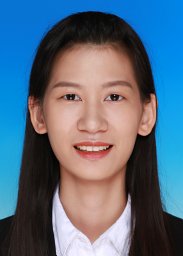 Sisi Zheng合作论文数Advanced Innovation Center for Human Brain Protection, Capital Medical University2Min Wang合作论文数2Peng Yin合作论文数2
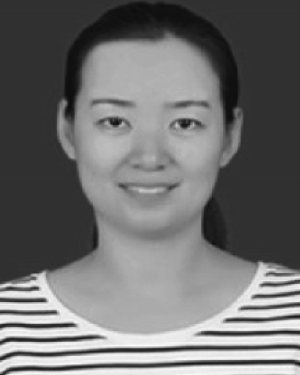 Shuang Ding合作论文数Henan Univ, Sch Software, Kaifeng 475004, Peoples R China2Dan CAO (曹丹)合作论文数2ShenYi Li (李神奕)合作论文数2QingChuan Hu (胡庆川)合作论文数2XueJie Yu (余学杰)合作论文数2WeiWei Wang (王卫卫)合作论文数2XiaoGuang Shao (邵小光)合作论文数2Ping Wang (王苹)合作论文数2
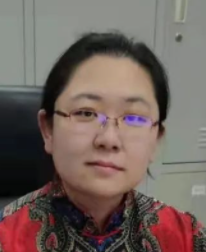 Pei Xue (薛培)合作论文数Beijing University of Chinese Medicine2Guo Jin-Cheng合作论文数2
 Yonghong Yan (闫永红)合作论文数School of Chinese Materia Medica, Beijing University of Chinese Medicine2
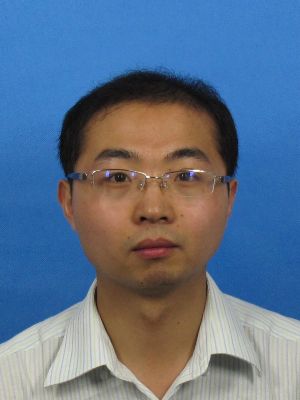 Jianxin Chen (陈建新)合作论文数School of Traditional Chinese Medicine, Beijing University of Chinese Medicine2
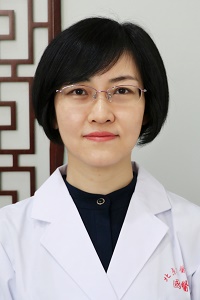 Ji Wang (王济)合作论文数School of Traditional Chinese Medicine, Beijing University of Chinese Medicine2
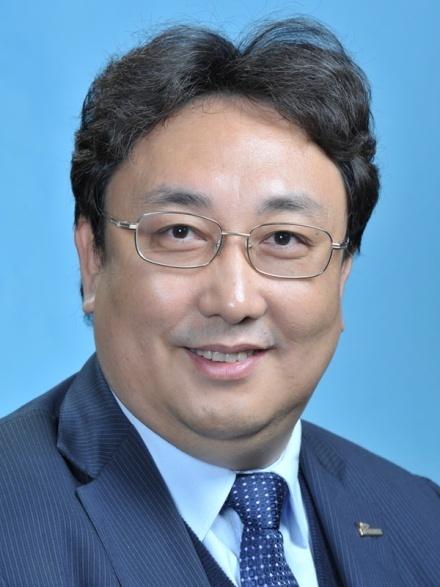 Yuyang Jiang (蒋宇扬)合作论文数School of Pharmaceutical Sciences, Tsinghua University;Department of Chemistry, Tsinghua University;School of Medicine, Tsinghua University;Tsinghua Shenzhen International Graduate School2Kun Shen (申堃)合作论文数2Weibo Zhang (张维波)合作论文数China Academy of Chinese Medical Sciences2
 Renquan Liu (刘仁权)合作论文数Beijing University of Chinese Medicine DongFang College2
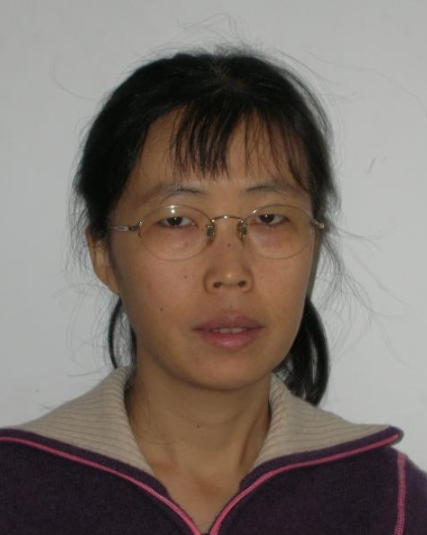 Shuzhen Li (李书珍)合作论文数School of Management, Beijing University of Chinese Medicine2Na Zou (邹娜)合作论文数2Lei Xue (薛磊)合作论文数2
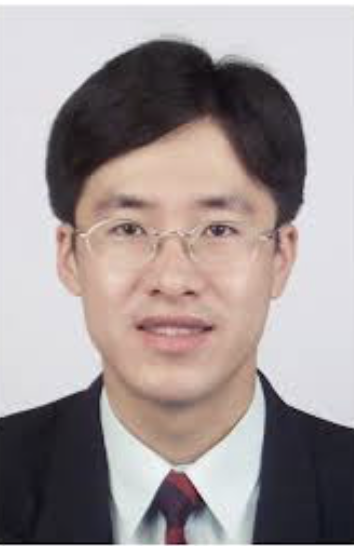 Xingguang Ma (马星光)合作论文数School of Management, Beijing University of Chinese Medicine2




