Recent strides in multimodal large language models (MLLMs) have demonstrated significant progress in many reasoning tasks, but they still fail in Abstract Visual Reasoning (AVR) tasks. Our experimental findings indicate that the core bottleneck lies not only in the reasoning capabilities of MLLMs but more critically in their absence of fine-grained perception. To address this issue, we present VisuRiddles, a dedicated resource for AVR research. It consists of (i) a benchmark, collected from real-world data, for the systematic evaluation of MLLMs' AVR capabilities, and (ii) a synthesizer, which automatically generates AVR instances enriched with perceptual descriptions and reasoning chains, enabling supervised training and deeper investigation. Building on VisuRiddles, we propose a two-stage training paradigm that progressively enhances perceptual ability and strengthens reasoning, producing the Perception-Augmented Visual Reasoner (PAVR). Experiments demonstrate that PAVR unifies perception and reasoning, substantially outperforming both open-source and commercial MLLMs, thereby underscoring fine-grained perception as the primary bottleneck in AVR.
Semi-supervised object detection (SSOD), leveraging unlabeled data to boost object detectors, has become a hot topic recently. However, existing SSOD approaches mainly focus on horizontal objects, leaving oriented objects common in aerial images unexplored. At the same time, the annotation cost of oriented objects is significantly higher than that of their horizontal counterparts (an approximate 36.5% increase in costs). Therefore, in this paper, we propose a simple yet effective Semi-supervised Oriented Object Detection method termed SOOD++. Specifically, we observe that objects from aerial images usually have arbitrary orientations, small scales, and dense distribution, which inspires the following core designs: a Simple Instance-aware Dense Sampling (SIDS) strategy is used to generate comprehensive dense pseudo-labels; the Geometry-aware Adaptive Weighting (GAW) loss dynamically modulates the importance of each pair between pseudo-label and corresponding prediction by leveraging the intricate geometric information of aerial objects; we treat aerial images as global layouts and explicitly build the many-to-many relationship between the sets of pseudo-labels and predictions via the proposed Noise-driven Global Consistency (NGC). Extensive experiments conducted on various oriented object datasets under various labeled settings demonstrate the effectiveness of our method. For example, on the DOTA-V2.0/DOTA-V1.5 benchmark, the proposed method outperforms previous state-of-the-art (SOTA) by a large margin (+2.90/2.14, +2.16/2.18, and +2.66/2.32) mAP under 10%, 20%, and 30% labeled data settings, respectively, with single-scale training and testing. More importantly, it still improves upon a strong supervised baseline with 70.66 mAP, trained using the full DOTA-V1.5 train-val set, by +1.82 mAP, resulting in a 72.48 mAP, pushing the new state-of-the-art. Moreover, our method demonstrates stable generalization ability across different oriented detectors, even for multi-view oriented 3D object detectors.
Multimodal document understanding is a challenging task to process and comprehend large amounts of textual and visual information. Recent advances in Large Language Models (LLMs) have significantly improved the performance of this task. However, existing methods typically focus on either plain text or a limited number of document images, struggling to handle long PDF documents with interleaved text and images, especially for academic papers. In this paper, we introduce PDF-WuKong, a multimodal large language model (MLLM) that is designed to enhance multimodal question-answering (QA) for long PDF documents. PDF-WuKong incorporates a sparse sampler that operates on both text and image representations, significantly improving the efficiency and capability of the MLLM. The sparse sampler selects the paragraphs or diagrams most pertinent to user queries. To effectively train and evaluate our model, we construct PaperPDF, a dataset consisting of a broad collection of English and Chinese academic papers. Multiple strategies are proposed to build high-quality 1.1 million QA pairs along with their corresponding evidence sources. Experimental results demonstrate the superiority and high efficiency of our approach over other models on the task of long multimodal document understanding, surpassing proprietary products by an average of 8.6 https://github.com/yh-hust/PDF-Wukong .
We present TextMonkey, a large multimodal model (LMM) tailored for text-centric tasks. Our approach introduces enhancement across several dimensions: By adopting Shifted Window Attention layer, we achieve cross-window connectivity at higher input resolutions and stabilize early training; We hypothesize that images may contain redundant tokens, and by using similarity to filter out significant tokens, we can not only streamline the token length but also enhance the model's performance. Moreover, by expanding our model's capabilities to encompass text spotting and grounding, and incorporating positional information into responses, we enhance interpretability. Evaluation on 12 benchmarks shows notable improvements: 5.2% in Scene Text-Centric tasks (including STVQA, TextVQA, and OCRVQA), 6.9% in Document-Oriented tasks (such as DocVQA, InfoVQA, ChartVQA, DeepForm, Kleister Charity, and WikiTableQuestions), and 2.8% in Key Information Extraction tasks (comprising FUNSD, SROIE, and POIE). It outperforms in scene text spotting with a 10.9% increase and sets a new standard on OCRBench, a comprehensive benchmark consisting of 29 OCR-related assessments, with a score of 561, surpassing previous open-sourced large multimodal models for document understanding.
Despite large models drive unprecedented growth in data and model parameters, many real-world problems prioritize interpretability and generality, and lack sufficient training data. For instance, in Compressed Sensing (CS) where sparse reconstruction solves underdetermined systems, traditional iterative methods remain the practical choice due to their interpretability and out-of-the-box applicability to arbitrary conditions, but suffer from poor quality and inefficiency at low sampling rates. To address this, we propose Coefficients Learning (CL), a novel training-free framework for sparse reconstruction. CL employs ultra-small neural models with only $n$n trainable parameters for a length-$n$n signal. It retains the interpretability and generality of traditional iterative methods by adopting their residual-based solving process, while enhancing efficiency and accuracy by replacing closed-form solutions with automatic differentiation and embedding prior knowledge into the model losses. We evaluate CL extensively on synthetic and real one-dimensional and two-dimensional signals. A detailed analysis is first conducted using an implemented CLOMP. To demonstrate general applicability, CL is also implemented on three types of classic iterative CS reconstruction methods. Results show that CL maintains the generality of iterative methods while significantly boosting accuracy. Although it adds minor overhead for convex optimization or message-passing methods, it achieves efficiency gains of 100 to 1000 times for greedy algorithms. On the tested nine diverse image datasets, CL improves median reconstruction accuracy by approximately 163%, 78%, and 35% at sampling rates of 0.04, 0.25, and 0.5, respectively, compared to classic iterative methods. This training-free CS reconstruction method can truly empower countless industrial or medical machines that rely on sparse solution.
Current unsupervised change detection (UCD) methods face two key limitations: inaccurate pseudo-label generation and failure to account for land cover influence, resulting in unreliable change area predictions. Specifically, existing methods neglect the influence of context during the generation of pseudo-labels and the probability of different land cover changes when training change detection networks. To address these issues, we designed a causal UCD (CaUCD) framework, consisting of two networks: casual unsupervised semantic segmentation (CUSeg) network for generating pseudo-labels and causal change detection (C2D) network for detecting change area. CUSeg removes contextual interference, thereby obtaining accurate pseudo-labels for training C2D. C2D eliminates different land cover influences, thus accurately detecting change areas. On four datasets (SECOND, SYSU, CNAM-CD, and DSIFN), CaUCD surpasses state-of-the-art UCD methods and demonstrates considerable segmentation results. Our code will be made publicly available at https://www.github.com/zhangshao249/CaUCD
For industrial-scale text-to-SQL, supplying the entire database schema to Large Language Models (LLMs) is impractical due to context window limits and irrelevant noise. Schema linking, which filters the schema to a relevant subset, is therefore critical. However, existing methods incur prohibitive costs, struggle to trade off recall and noise, and scale poorly to large databases. We present AutoLink, an autonomous agent framework that reformulates schema linking as an iterative, agent-driven process. Guided by an LLM, AutoLink dynamically explores and expands the linked schema subset, progressively identifying necessary schema components without inputting the full database schema. Our experiments demonstrate AutoLink's superior performance, achieving state-of-the-art strict schema linking recall of 97.4% on Bird-Dev and 91.2% on Spider-2.0-Lite, with competitive execution accuracy, i.e., 68.7% EX on Bird-Dev (better than CHESS) and 34.9% EX on Spider-2.0-Lite (ranking 2nd on the official leaderboard). Crucially, AutoLink exhibits exceptional scalability, maintaining high recall, efficient token consumption, and robust execution accuracy on large schemas (e.g., over 3,000 columns) where existing methods severely degrade-making it a highly scalable, high-recall schema-linking solution for industrial text-to-SQL systems.
Current Vision-Language-Action (VLA) paradigms in autonomous driving primarily rely on Imitation Learning (IL), which introduces inherent challenges such as distribution shift and causal confusion. Online Reinforcement Learning offers a promising pathway to address these issues through trial-and-error learning. However, applying online reinforcement learning to VLA models in autonomous driving is hindered by inefficient exploration in continuous action spaces. To overcome this limitation, we propose MindDrive, a VLA framework comprising a large language model (LLM) with two distinct sets of LoRA parameters. The one LLM serves as a Decision Expert for scenario reasoning and driving decision-making, while the other acts as an Action Expert that dynamically maps linguistic decisions into feasible trajectories. By feeding trajectory-level rewards back into the reasoning space, MindDrive enables trial-and-error learning over a finite set of discrete linguistic driving decisions, instead of operating directly in a continuous action space. This approach effectively balances optimal decision-making in complex scenarios, human-like driving behavior, and efficient exploration in online reinforcement learning. Using the lightweight Qwen-0.5B LLM, MindDrive achieves Driving Score (DS) of 78.04 and Success Rate (SR) of 55.09
Reinforcement learning (RL) has emerged as an effective post-training paradigm for enhancing the reasoning capabilities of multimodal large language model (MLLM). However, current RL pipelines often suffer from training inefficiencies caused by two underexplored issues: Advantage Collapsing, where most advantages in a batch concentrate near zero, and Rollout Silencing, where the proportion of rollouts contributing non-zero gradients diminishes over time. These issues lead to suboptimal gradient updates and hinder long-term learning efficiency. To address these issues, we propose Shuffle-R1, a simple yet principled framework that improves RL fine-tuning efficiency by dynamically restructuring trajectory sampling and batch composition. It introduces (1) Pairwise Trajectory Sampling, which selects high-contrast trajectories with large advantages to improve gradient signal quality, and (2) Advantage-based Trajectory Shuffle, which increases exposure of valuable rollouts through informed batch reshuffling. Experiments across multiple reasoning benchmarks show that our framework consistently outperforms strong RL baselines with minimal overhead. These results highlight the importance of data-centric adaptations for more efficient RL training in MLLM.
Vision-language-action (VLA) models commonly adopt an LLM-centric V → L → A pathway, where visual observations are projected into the representation space of a large language model before being decoded into robot actions. Although effective, this design incurs substantial computation and memory overhead at every policy invocation. In this work, we introduce TurboVLA, a new VLA paradigm that reformulates the conventional V → L → A pathway as a direct V + L → A mapping. Instead of using a large language model as the central interface between perception and action, TurboVLA independently encodes visual observations and language instructions, directly exchanges information between them through lightweight bidirectional vision-language interaction, and predicts continuous action chunks with a compact decoder. This simple design constructs task-conditioned representations directly from visual and linguistic features, significantly reducing the computational and memory costs of VLA inference. On LIBERO, TurboVLA achieves 97.7
Approximately 3,000 of the 4,500 oracle bone script (OBS) characters remain undeciphered due to fragmentary inscriptions and sparse evidence. Current AI approaches fail to replicate expert workflows that integrate form analysis, contextual semantics, and philological reasoning. We introduce AlphaOracle, a human-workflow-inspired framework that systematizes OBS decipherment using the largest digitized corpus to date. Its multi-stage pipeline comprises: (i) rubbing parsing; (ii) radical-based morphological analysis with diachronic modeling; (iii) contextual retrieval with semantic alignment; and (iv) philological validation against classical sources. Each stage generates explicit, confidence-weighted evidence chains, culminating in interpretable reports for scholarly verification. Across multiple test characters, AlphaOracle's readings strongly agreed with expert interpretations. In a study of 86 domain specialists, it reduced analysis time by 64
World-Action Models (WAMs) improve end-to-end autonomous driving by transferring video dynamics priors to action prediction, but existing methods incur costly test-time future imagination. We present SimWAM, a simple yet effective WAM that leverages future-video prediction as a training-time supervision signal. It co-trains a pretrained video expert and a lightweight action expert with joint flow matching. An isolated attention mask keeps action prediction independent of future frames, allowing trajectory prediction without explicit future-frame generation at inference. Since the two experts share no parameters and interact only through a unified attention interface, the video backbone could be replaced and the action expert scaled independently without modifying the learning objective or inference pipeline. We further apply reinforcement learning to optimize a compositional driving reward beyond trajectory imitation. Our SimWAM achieves 91.5 PDMS on NAVSIM, surpasses state-of-the-art WAM-based planners with substantially lower latency, and transfers zero-shot to nuScenes. These results position SimWAM as a simple yet solid baseline that could readily benefit from advances in video generation for efficient autonomous driving. The code and model weights are available at https://github.com/H-EmbodVis/SimWAM/.
Recent advances in 4D content generation have attracted increasing attention, yet creating high-quality animated 3D models remains challenging due to the complexity of modeling spatio-temporal distributions and the scarcity of 4D training data. We present AnimateAnyMesh++, a feed-forward framework for text-driven animation of arbitrary 3D meshes with substantial upgrades in data, architecture, and generative capability. First, we expand the DyMesh-XL dataset by mining dynamic content from Objaverse-XL, increasing the number of unique identities from 60K to 300K and substantially broadening category and motion diversity. Second, we redesign DyMeshVAE-Flex with power-law topology-aware attention and vertex-normal-enhanced features, which significantly improves trajectory reconstruction, local geometry preservation, and mit igates trajectory-sticking artifacts. Third, we introduce archi tectural changes to both DyMeshVAE-Flex and the rectified flow (RF) generator to support variable-length sequence training and generation, enabling longer animations while preserving reconstruction fidelity. Extensive experiments demonstrate that AnimateAnyMesh++ generates semantically accurate and tem porally coherent mesh animations within seconds, surpassing prior approaches in quality and efficiency. The enlarged DyMesh XL, the upgraded DyMeshVAE-Flex, and variable-length RF to gether deliver consistent gains across benchmarks and in-the-wild meshes. We will release code, models, and the expanded DyMesh XL at https://github.com/JarrentWu1031/AnimateAnyMesh-pp upon acceptance of this manuscript to facilitate research in 4D content creation.
Sparse activation layers, primarily Mixture-of-Experts (MoE) and memory-based modules, are a central approach for scaling large models and are gaining traction in vision tasks. Despite conceptual similarities, these paradigms have evolved independently, hindering systematic comparison and the development of modules that exploit their complementary strengths. To bridge this gap, we propose OneSparse , a unified framework that reformulates MoE and memory modules under a common abstraction. This enables their systematic comparison and integration, revealing a continuous design space. Guided by this abstraction, we design the Nexus Layer , which features two key innovations: a unified routing mechanism that merges the efficiency of memory retrieval with MoE's load balancing to ensure stable and scalable token assignment, and an adaptive processing strategy where memory modules sketches coarse representations while expert modules refine critical regions. Extensive experiments on image classification, object detection, and semantic segmentation demonstrate that our Nexus Layer establishes a new performance efficiency frontier, surpassing representative sparse baselines on convolutional and transformer architectures. These results validate the power of the OneSparse framework to unify and integrate complementary sparse paradigms and underscores the potential of hybrid sparse modeling in vision.
Video Individual Counting (VIC) is a recently introduced task aiming to estimate pedestrian flux from a video. It extends Video Crowd Counting (VCC) beyond the per-frame pedestrian count. In contrast to VCC that learns to count pedestrians across frames, VIC must identify co-existent pedestrians between frames, which turns out to be a correspondence problem. Existing VIC approaches, however, can underperform in congested scenes such as metro commuting. To address this, we build WuhanMetroCrowd, one of the first VIC datasets that characterize crowded, dynamic pedestrian flows. It features sparse-to-dense density levels, short-to-long video clips, slow-to-fast flow variations, front-to-back appearance changes, and light-to-heavy occlusions. To better adapt VIC approaches to crowds, we rethink the nature of VIC and recognize two informative priors: i) the social grouping prior that indicates pedestrians tend to gather in groups and ii) the spatial-temporal displacement prior that informs an individual cannot teleport physically. The former inspires us to relax the standard one-to-one (O2O) matching used by VIC to one-to-many (O2M) matching, implemented by an implicit context generator and a O2M matcher; the latter facilitates the design of a displacement prior injector, which strengthens not only O2M matching but also feature extraction and model training. These designs jointly form a novel and strong VIC baseline OMAN++. Extensive experiments show that OMAN++ not only outperforms state-of-the-art VIC baselines on the standard SenseCrowd, CroHD, and MovingDroneCrowd benchmarks, but also indicates a clear advantage in crowded scenes, with a 38.12
Visually-situated text parsing (VsTP) has recently seen notable advancements, driven by the growing demand for automated document understanding and the emergence of large language models capable of processing document-based questions. While various methods have been proposed to tackle the complexities of VsTP, existing solutions often rely on task-specific architectures and objectives for individual tasks. This leads to modal isolation and complex workflows due to the diversified targets and heterogeneous schemas. In this paper, we introduce OmniParser V2, a universal model that unifies VsTP typical tasks, including text spotting, key information extraction, table recognition, and layout analysis, into a unified framework. Central to our approach is the proposed Structured-Points-of-Thought (SPOT) prompting schemas, which improves model performance across diverse scenarios by leveraging a unified encoder-decoder architecture, objective, and input&output representation. SPOT eliminates the need for task-specific architectures and loss functions, significantly simplifying the processing pipeline. Our extensive evaluations across four tasks on eight different datasets show that OmniParser V2 achieves state-of-the-art or competitive results in VsTP. Additionally, we explore the integration of SPOT within a multimodal large language model structure, further enhancing visual text parsing capabilities on four tasks, thereby confirming the generality of SPOT prompting technique.
Scene-level point cloud understanding remains challenging due to diverse geometries, imbalanced categories, and highly varied spatial layouts. Existing methods improve object-level performance but rely on static parameters during inference, limiting their adaptability to dynamic scene data. We propose Test-time Parameter Adaptation for Point Cloud Scene Perception (PointTPA), a test-time dynamic adaptation framework that constructs input-aware parameters for scene-level point clouds. PointTPA uses a Serialization-based Neighborhood Grouping (SNG) to form locally coherent patches and a Dynamic Parameter Projector (DPP) to produce patch-wise adaptive weights, enabling the backbone to adjust its behavior according to scene-specific variations while keeping parameter cost low. Integrated into PTv3, PointTPA reduces trainable parameters by over 95% and achieves competitive or superior performance to full fine-tuning. It achieves 74.9% mIoU on S3DIS and consistently surpasses existing PEFT baselines across multiple benchmarks, highlighting the efficacy of test-time dynamic parameter generation in enhancing robust 3D scene understanding. The code will be available soon.
We present UniFuture, a unified 4D Driving World Model designed to simulate the dynamic evolution of the 3D physical world. Unlike existing driving world models that focus solely on 2D pixel-level video generation (lacking geometry) or static perception (lacking temporal dynamics), our approach bridges appearance and geometry to construct a holistic 4D representation. Specifically, we treat future RGB images and depth maps as coupled projections of the same 4D reality and model them jointly within a single framework. To achieve this, we introduce a Dual-Latent Sharing (DLS) scheme, which maps visual and geometric modalities into a shared spatio-temporal latent space, implicitly entangling texture with structure. Furthermore, we propose a Multi-scale Latent Interaction (MLI) mechanism, which enforces bidirectional consistency: geometry constrains visual synthesis to prevent structural hallucinations, while visual semantics refine geometric estimation. During inference, UniFuture can forecast high- fidelity, geometrically consistent 4D scene sequences (image- depth pairs) from a single current frame. Extensive experiments on the nuScenes and Waymo datasets demonstrate that our method outperforms specialized models in both future generation and geometry perception, highlighting the potential of unified 4D modeling for autonomous driving. The code is available at https://github.com/dk-liang/UniFuture.
The application of Large Language Models (LLMs) to diagnostic decision-making has garnered growing interest. However, existing benchmarks largely focus on textual reasoning or isolated visual question-answering (VQA) tasks, lacking holistic integration of clinical narratives and medical imaging, and thus failing to assess the multimodal diagnostic synthesis capability central to expert clinical judgment. To bridge this gap, we introduce MedReaMM, a benchmark specifically designed to evaluate models' ability to synthesize heterogeneous clinical evidence consisting of detailed patient histories alongside multiple medical images into accurate differential diagnoses under a complete-information paradigm. Constructed from case reports sourced from top-tier medical journals and curated clinical case databases, MedReaMM comprises 625 expert-validated cases with an average of 2.79 medical images per case and a total of 1,042 standardized diagnoses annotated with ICD-11 codes. These cases predominantly represent rare, atypical, or multi-system presentations that demand expert-level evidence integration beyond routine pattern recognition. We evaluate 23 Large Multimodal Models (LMMs) and find that most achieve diagnostic accuracy scores below 50
Geometry problem-solving remains a significant challenge for Large Multimodal Models (LMMs), requiring not only global shape recognition but also attention to intricate local relationships related to geometric theory. To address this, we propose GeoFocus, a novel framework comprising two core modules. 1) Critical Local Perceptor, which automatically identifies and emphasizes critical local structure (e.g., angles, parallel lines, comparative distances) through thirteen theory-based perception templates, boosting critical local feature coverage by 61
 Wenyu Liu (刘文予)合作论文数School of Electronic Information and Communications, Huazhong University of Science & Technology75
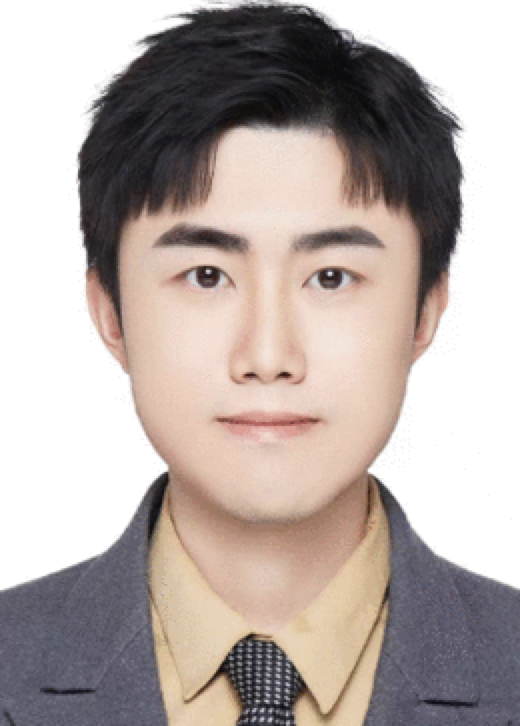 Yuliang Liu (刘禹良)合作论文数School of Artificial Intelligence and Automation, Huazhong University of Science and Technology68
 Song Bai (柏松)合作论文数MiroMind61
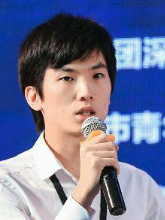 Dingkang Liang (梁定康)合作论文数Huazhong University of Science and Technology58
 Longin Jan Latecki合作论文数Department of Computer and Information Sciences, Temple University45
 Xinggang Wang (王兴刚)合作论文数Artificial Intelligence Institute, School of Electronic Information and Communications, Huazhong University of Science and Technology45
 Cong Yao合作论文数NLP Lab, Alibaba Group43
 Baoguang Shi合作论文数Microsoft28
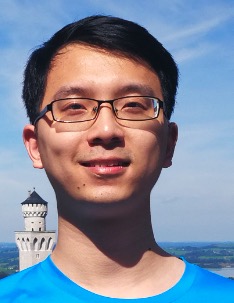 Minghui Liao (廖明辉)合作论文数Huawei28
 Yongchao Xu (许永超)合作论文数School of Computer Science, Wuhan University26
 Lianwen Jin (金连文)合作论文数Lab of Deep Learning and Vision Computing, School of Electronics and Information Engineering, South China University of Technology22
 Xinwei He (何新卫)合作论文数College of Informatics, Huazhong Agricultural University21
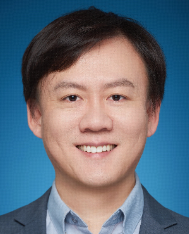 Yu Zhou (周瑜)合作论文数Hubei Key Laboratory of Smart Internet Technology, School of Electronic Information and Communications, Huazhong University of Science and Technology20
 Mingkun Yang合作论文数Huazhong University of Science and Technology19
 Zhuowen Tu合作论文数Department of Computer Science and Engineering, Jacobs School of Engineering, University of California, San Diego;Department of Cognitive Science, University of California, San Diego;Amazon19
 Xin Zhou合作论文数Huazhong University of Science & Technology;MEGVII18
 Xiaoqing Ye (叶晓青)合作论文数Department of Computer Vision Technology, Baidu Inc18
 Xingwei Yang (杨兴伟)合作论文数Temple University,USA18
 Zhe Liu合作论文数School of Electronic Information and Communications, Huazhong University of Science and Technology;Baidu Vision Technology Department17
 Yuming Mao (毛玉明)合作论文数School of Information and Communication Engineering, University of Electronic Science and Technology of China17
 Wei Shen (沈为)合作论文数Department of Computer Science and Engineering, Shanghai Jiao Tong University;Artificial Intelligence Institute, Shanghai Jiao Tong University;DeepVisionLab, Shanghai Jiao Tong University16
 Zhen Zhu合作论文数University of Illinois at Urbana-Champaign16
 Gui-Song Xia (夏桂松)合作论文数School of Artificial Intelligence, Wuhan University16
 Zhichao Zhou (周志超)合作论文数Baidu15
 Yingying Zhu (朱映映)合作论文数Research Institute for Future Media Computing, College of Computer Science and Software Engineering, Shenzhen University15
 Jingdong Wang (王井东)合作论文数15
 Wenwen Yu (余文文)合作论文数Huazhong University of Science and Technology13Biao Yang合作论文数12Chengquan Zhang合作论文数Tencent12Zhibo Yang合作论文数12
 Xinyu Wang合作论文数Australian Institute for Machine Learning, The University of Adelaide;School of Computer and Mathematical Sciences, Faculty of Sciences, Engineering and Technology, The University of Adelaide11
 Wei Chen (陈伟)合作论文数School of Software Engineering, Huazhong University of Science and Technology11
 Zhikang Zou (邹智康)合作论文数Baidu Inc.11
 Pengyuan Lyu合作论文数Tencent11
 Tengteng Huang合作论文数Megvii Technology Inc.11Mingxin Huang合作论文数South China University of Technology11
 Hengshuang Zhao (赵恒爽)合作论文数Division of AI & Data Science, School of Computing and Data Science, The University of Hong Kong11
 Qi Tian (田奇)合作论文数Huawei Consumer Business Group;Guangming Laboratory11
 Xudong Xie (谢旭东)合作论文数Department of Electronics and Information Engineering, Huazhong University of Science and Technology10
 Zheng Zhang合作论文数Sand.ai10
 Zhaoxiang Zhang (张兆翔)合作论文数National Laboratory of Pattern Recognition, Institute of Automation, Chinese Academy of Sciences;University of Chinese Academy of Sciences10Dingyuan Zhang合作论文数School of Artificial Intelligence and Automation, Huazhong University of Science and Technology9
 Xiao Tan合作论文数Department of Computer Vision Technology, Baidu Inc.9Jingqun Tang合作论文数NetEase9
 Yang Zhou (周漾)合作论文数College of Computer Science & Software Engineering, Shenzhen University9
 Xiaolong Liu (刘小龙)合作论文数Huazhong University of Science and Technology9Jian-Bing Mao合作论文数9
 Can Huang合作论文数8
 Wei Xu合作论文数Chongqing Univ Posts & Telecommun, Sch Comp Sci & Technol, Chongqing 400065, Peoples R China8