The fatigue life of ballastless track is a critical measure of its long-term structural durability under repeated train loading. However, existing quasi-static fatigue evaluation methods fail to adequately capture the influence of complex, multi-frequency vibrations induced by high-speed train operations, especially the random vibration components generated by track irregularities, on fatigue damage. This paper proposes a dynamic fatigue damage evaluation method that integrates the characteristic vibration loading modes of high-speed railway tracks with the nonlinear evolution of concrete fatigue damage. Specifically, the proposed method modifies both the fatigue damage accumulation criterion and the traditional fatigue life equation by incorporating the frequency-dependent behavior of concrete, with model parameters calibrated through acoustic-emission-based fatigue tests. To demonstrate the applicability of the proposed approach, a case study on the CRTS II slab track is conducted, in which the dynamic stress responses under train moving excitation and track irregularity excitation are analyzed through equivalent treatment of dynamic stress amplitudes and frequencies using the power spectral density method. The results reveal that train-induced moving excitation has a negligible influence on fatigue damage, as its acting frequency nearly coincides with the wheel-passing frequency. In contrast, track irregularity excitation significantly accelerates the damage evolution, reducing the fatigue life of the track slab from 174 years to 119 years at the critical fatigue damage state when the train speed is 350 km/h, corresponding to an equivalent fatigue load approximately 3.6 times the static wheel load.
Nanoparticle enhanced phase change materials (NePCMs) exhibit significant potential for improving the heat transfer rate of latent heat energy storage (LHES) systems. However, the influence of nanoparticle incorporation on the coupled effects of heat conduction and natural convection remains insufficiently quantified. In this study, NePCMs were prepared using n-octadecane as the base PCM and Al2O3 as the nanoparticle additive. Systematic thermophysical property measurements and thermal release (TR)and storage (TS) experiments were then conducted. The results indicate that nano-Al2O3 enhances the thermal conductivity of the solid and liquid phases by up to approximately 10% and 15%, respectively, while the latent heat decreases by a maximum of 4.8%. Based on experimental data, a full temperature range thermophysical property dataset covering solid, liquid, and mushy zones were established, and the evolution of the phase change front in NePCMs were revealed through experimental and numerical simulations. The results demonstrate that solidification is dominated by heat conduction, with natural convection contributing only 2.25%, whereas the melting is dominated by natural convection, whose contribution reaches approximately 85.22%. Nano-Al2O3 increases the average TR and TS rates of NePCMs by approximately 25.9% and 24.8%, respectively. Stage wise analyses of conductive and convective heat fluxes reveal the regulatory effect of nanoparticle loading on heat transfer mechanisms. Through quantitative comparison of the contribution ratios and enhancement rates of heat conduction and natural convection at different nano-Al2O3 weight ratios, the competitive-synergistic relationship between heat conduction and natural convection is elucidated, providing guidance for optimizing NePCMs in high performance LHES systems.
In cold regions, ballastless tracks endure coupled train loads and freeze-thaw cycles, which drive micro-pore accumulation in concrete and substantially weaken structural bearing capacity. Existing research mostly focuses on individual factors, failing to accurately characterise damage mechanisms under coupled conditions. We developed a Dynamic Load and Freeze-Thaw Platform (DLFTP) for synchronous high-frequency load and freeze-thaw application, and used CT scanning with 3D pore reconstruction to investigate concrete microstructural evolution. Results show coupled conditions cause far greater porosity growth, pore morphology change and strength loss (36.36%) than single factors. This study reveals the microstructural performance evolution of cold-region ballastless tracks, supporting optimised durability design.
Manual interpretation of ground-penetrating radar (GPR) data for railway subgrade inspection is laborintensive and requires expert knowledge, limiting scalable infrastructure monitoring. Existing deep learning approaches struggle to simultaneously detect settlement, subsidence, mud pumping, and water accumulation with sufficient accuracy, robustness, and efficiency for operational deployment. To address these challenges, YOLOv11-DSConv-CCA is introduced, integrating Dynamic Snake Convolution (DSConv) for adaptive modeling of curvilinear defect geometries and Criss-Cross Attention (CCA) for efficient global spatial context aggregation without quadratic complexity. The framework is evaluated on a real-world GPR B-scan dataset collected from 25 km of in-service ballasted railway track. The proposed model achieves an mAP50 & ratio;95 of 76.0%, precision of 92.3%, recall of 100%, and F1-score of 96.0%, with a latency of 11.1 ms (90 FPS) using a compact 5.24 Mparameter model. Compared with YOLOv11n, YOLOv12n, and YOLOv13n, the proposed approach improves mAP50 & ratio;95 by 1.3, 1.6, and 0.9 percentage points, respectively. These findings indicate that the proposed framework is well-suited for scalable, real-time automated condition monitoring, facilitating early detection of subgrade defects and supporting proactive maintenance strategies to ensure reliable railway operations.
During high-speed train operation, wheel flats are common wheel wear that cause wheel-rail impacts. Thus, studying impact transmission and wheel-flat monitoring is crucial. This study focuses on wayside wheel-rail impact monitoring and proposes identifying wheel flats via rail-seat forces. A vehicle-track coupling model is built and verified via wheel-drop tests to analyze rail-seat force variations under impacts. Variational Modal Decomposition (VMD) and Envelop Spectrum (ES) are used to extract characteristic frequencies for different wheel-flat conditions. A VMD-ES-Transformers-based classification framework for wheel-flat length is proposed and trained/validated with simulated rail-seat force data. Performance under varying rail-seat points, data structures, and cascade models is discussed. Key findings include: indoor tests and simulations confirm the feasibility of monitoring wheel-rail impacts using rail-seat force and propose a wayside monitoring method via the fastener system's iron plate strain; Signal decomposition by VMD extracts components containing wheel-rail impact information, and ES analysis quantifies the degree of wheel-rail impact; The degree of wheel-rail impact from wheel flat scars depends on the impact location (nearer to the rail seat, the greater the impact amplitude), but the sum of VMD-ES amplitudes of rail-seat force signals for each wheel-rail impact fluctuates within a certain range, offering characteristic values for recognizing different length wheel flat scars via rail-seat force (10-50 mm flat corresponds to 0.095 f 0.024 kN, 0.212 f 0.028 kN, 0.54 f 0.038 kN, 1.10 f 0.058 kN, and 1.86 f 0.077 kN, respectively); The VMD-ES-Transformers model outperforms the Transformers model in error indicators (RMSE, MSE, MAE close to 0), has a better data fitting degree (R2 closes to 1), and higher classification performance metrics (precision, recall, F1-score close to 1), especially in identifying small flat scar grades, demonstrating high robustness and efficiency in classification performance to meet real-time online monitoring requirements for wheel flat scars. This method offers a complementary way for real-time wheel flat length monitoring, with engineering significance.
The ballast bed constitutes the cornerstone of the ballasted track. A fouled ballast bed poses a significant threat to its performance, potentially resulting in severe consequences. In recent years, studies have shown that infrared thermography (IRT) technology has emerged as a promising method for detecting the fouled ballast bed. The surface temperatures of clean and fouled ballast beds differ because of their distinct thermodynamic properties. To effectively utilize temperature for identifying the fouled ballast bed, it is essential to accurately predict surface temperatures for two threshold levels of fouling in real-time. To address the issue, this paper proposes an improved BiGRU model (CBGA), and the main contributions are as follows. First, a formula for the surface heat flux density of the ballast bed was derived. In conjunction with existing research findings, the key factors affecting its surface temperature were identified as inputs to the neural network, including the solar radiation intensity, air temperature, wind speed, and humidity. Next, thermodynamic finite element models were established based on a field experiment, which can be utilized to expand the sample library. Leveraging this groundwork, 430 days of temperature data and meteorological data were acquired to train the neural network. Before inputting data into the BiGRU model, CNN and Attention mechanisms were employed to extract local and significant features. Furthermore, a residual network was introduced to ensure the model's performance. It exhibits superior performance compared to other models. Subsequently, the CBGA model was used to study the impact of different time steps on the prediction accuracy. It was found that a time step of 660 minutes resulted in the best predictive performance. At this time, the evaluation indicators on the testing dataset were: MSE = 0.057, RMSE = 0.238, MAE = 0.168, and MAPE = 0.008. Finally, the reliability and feasibility of the CBGA model were validated using experimental data. These findings demonstrate that the proposed method can achieve real-time prediction of the ballast surface temperature, laying a solid foundation for the practical application of IRT technology in railway maintenance.
Ground-Penetrating Radar (GPR) is widely employed for detecting the thickness of railway ballast layer. However, the complexity of the GPR data often requires manual interpretation by experts, which limits the efficiency of large-scale inspections. To address this challenge, this paper proposes a graph neural network-based method for automatic ballast layer thickness prediction. This method leverages Temporal Convolutional Networks (TCNs) to extract temporal patterns from the GPR A-scans and employs Graph Convolutional Networks (GCNs) with a self-adaptive adjacency matrix to dynamically learn and refine the spatial correlations across multiple Ascans. The proposed method was validated using a combined dataset of simulated and field data, and further tested through on-site applications. Experimental results show that the method outperforms four baseline models in prediction accuracy while maintaining high inference efficiency. In on-site tests, the average absolute prediction errors of Two-Way Travel Time (TWTT) and thickness were 0.25 % and 3.06 %, respectively. These findings demonstrate the effectiveness, efficiency, and potential scalability of the proposed method for railway ballast layer thickness detection.
In cold regions, Ballastless Track Structures (BTS) continuously endure the coupling effects of train loads and environmental temperature, resulting in more intricate service conditions and deterioration patterns compared to conventional concrete. This research investigates the microscopic mechanical behavior of high-speed railway ballastless track concrete under the coupled effects of high-frequency loading and freeze-thaw cycles, the traditional thermal-hydraulic coupling of concrete is innovatively extended to include the mechanical stress field under train load, and the traffic loading period is mapped to the fatigue damage process of the material, building upon existing microscopic frost damage computational models. A microscopic frost damage model incorporating load-temperature coupling effects was developed for BTS concrete, deriving coupled stress field expressions and damage evolution equations, enriching the existing generalized frost damage model and providing a targeted solution to the BTS coupling damage problem in cold regions. A Dynamic Load-Freeze-Thaw Platform (DLFTP) was designed to conduct comparative experiments under multiple operating conditions. Micro-CT scanning technology was employed to obtain microscopic images of test specimens, and three-dimensional reconstruction models were established through threshold segmentation algorithms. The findings reveal that displacement response under coupled conditions increased by 46.8 % compared to singular freeze-thaw cycles and 106.6 % compared to singular loading. Coupled damage exhibited nonlinear development, reaching a final damage degree of 0.65, which is 1.44 times that of singular freeze-thaw damage. The numerically simulated porosity increment demonstrated excellent correlation with CT scan measurements, validating the accuracy of the BTS coupled damage theoretical model in predicting void evolution.
Ballastless track systems have become a cornerstone of modern high-speed railway (HSR) infrastructure due to their superior long-term performance, structural stability, and reduced maintenance requirements. This paper provides a comprehensive review of the development and technological innovations in ballastless track structures, with a focused case study on China's experience. The study outlines five major phases in the evolution of ballastless track in China, ranging from early experiments with embedded block track to the importation, adaptation, and eventual independent development of advanced systems such as the CRTS I, II, and III. Through this progression, the paper highlights key innovations in materials, modular design, construction automation, and the integration of smart monitoring technologies. In addition, sustainability aspects such as noise and vibration reduction, use of eco-friendly materials, and lifecycle efficiency are examined. By consolidating technical knowledge and practical insights from China’s large-scale implementation, the paper offers valuable reference for countries considering or planning HSR infrastructure based on ballastless track systems
In recent years, the high-speed railway network in China has rapid development, especially with the opening lines designed for speed of 350 km/h and a large number of structural failures have been reported to be connected to the wheel polygon especially 9th similar to 10th and 16th similar to 17th order. This paper investigates wheel polygon wayside monitoring via rail-seat force, which rail-seat force dynamic data under wheel-rail impact is validated through test and simulation. A vehicle-track model is established and validated through filed test, with varying wheel polygon orders and amplitudes to analyze rail-seat force characteristics, and labeled with positional encoding into a Transformer for sequential processing. The Transformer model performance in identifying polygon orders and amplitudes under different conditions is evaluated, and compared with other networks. The results show that the rail-seat force-based wheel-rail impact measurement scheme is feasible, with simulation data closely matching experimental results, validating the ballastless track model's accuracy in simulating dynamic responses to wheel-rail impact. The wheel-rail force and rail-seat force calculated by the established vehicle-track coupling model are consistent with the field test data, indicating the accuracy of the model. While distinct time/ frequency-domain signatures from different polygon orders enable qualitative polygon characterization, but lacks quantitative precision. The Transformer-based method, using rail-seat force inputs, reliably identifies wheel polygon orders and amplitudes, leveraging superior feature extraction and stability to minimize errors. This provides a robust solution for accurate, stable wheel polygon monitoring, overcoming the limitations of qualitative-only signal analysis.
The design value of the temperature gradient (TG) for the track slab is one of the main loads that the ballastless track structure bears. The number of the track slab TG samples measured on-site is limited, making it difficult to obtain the maximum TG of the track slab. Based on the generalized Pareto distribution (GPD) theory, this paper takes the measured short-term track slab TG samples as the research object and studies the maximum estimation method for the track slab TG, which provides a basis for the design and revision of the relevant design codes for the ballastless track structure. The results show that the maximum estimation effect for the track slab TG is greatly affected by the correlation of samples, which can be improved by declustering the samples, and the reasonable values for the key parameters of the maximum estimation effect for the track slab TG are determined. The influence of individual large values on the maximum estimations of the slab track TG is analyzed, and the corrections for the maximum estimations of the track slab TG are determined. Finally, the design values of track slab TG matching the design life of the ballastless track structure are obtained.
Phase change materials (PCM) enhanced with a metal wire matrix improve energy storage efficiency. However, the interplay between enhanced thermal conduction and suppressed natural convection (NC) during the melting process remains inadequately understood. This paper presents a systematic numerical analysis of the influence of metal wire on heat storage efficiency by improving thermal conductivity, reducing NC, and altering the melting mode. The accuracy of the analysis was validated by comparison with experimental melting results. The results show that the high thermal conductivity channel constructed by the 5 x 5 metal wire can reduce the TMT reduction radio to 40.2 %. Under the competition between thermal conduction and NC, the heat storage efficiency initially decreases and then increases with the increase of metal wire cells, with the 2 x 2 metal wire structure showing the lowest efficiency. Similarly, with increasing metal wire wall thickness, the effect on energy storage efficiency initially shows suppression and then enhancement. By analyzing these effects, the critical wall thickness for various metal wire configurations were determined, providing parameter support for the design of metal wire enhanced PCM.
The ballast bed serves as the foundation of the ballasted track, and its performance is maintained through periodic ballast cleaning. Early detection of fouled ballast bed significantly reduces maintenance workload and capital investment. Some scholars have studied the feasibility of utilizing infrared thermography (IRT) for detecting fouled ballast bed (DBF) and have made some progress. Existing studies have predominantly employed simulated boxes to simulate the ballast bed. To better reflect real-world conditions, this study established two sections of ballast bed on a newly constructed line: one with clean ballast and the other fouled, with a volumetric fouling rate (VFR) of 27.6 % (FI approximate to 21.5 %). Moreover, this paper takes a pivotal step in exploring the thermodynamic transfer mechanisms within the ballast bed, the influences of meteorological factors on the detection effectiveness of IRT, and other detection indicators that could be used for DBF. The results demonstrate that the different void fractions and composition substances of the clean and fouled ballast beds (CFB) contribute to their distinct thermodynamic properties. Furthermore, the high specific heat capacity of water exacerbates the thermodynamic property difference between the CFB. In terms of meteorological factors, both the solar radiation intensity (S) and air temperature (T) have a significant positive impact on the temperature of the ballasted structure (STT) and the temperature difference between the CFB (CF-S). Throughout the day, as the S and T increase, the ballast bed surface absorbs more solar heat than it loses, leading to an increase in its surface temperature. When it exceeds the soil temperature (S-S), heat is transferred downward. Since the poor heat conduction of the clean ballast bed, it has a higher surface temperature. As the S and T decrease, heat convection and conduction become dominant, leading to a decrease in the surface temperature of the ballast bed (BT-S). When the BT-S is lower than the S-S, heat is transferred upward, causing the surface temperature of the fouled ballast bed (F-S) to potentially exceed that of the clean ballast bed (C-S). Furthermore, the humidity (H) has a strong negative impact on the STT, while on sunny days following rain, it has a significantly positive impact on the CF-S. The effects of wind speed (W) on the STT and the CF-S are not prominently observed due to its low values during the experiment. Without considering rainfall, higher S and T, combined with reduced W, result in a greater CF-S and are more conducive to advancing fouling detection. Hence, the CF-S can reach up to about 3 degrees C on a sunny day and may even rise to about 5 degrees C after rainfall. Nonetheless, the CF-S is only around 0.71 degrees C on a cloudy day and 0.25 degrees C at night. Unexpectedly, there is a significant temperature difference between the sleeper and the ballast bed or the steel rail. These indicators could potentially be used for DBF on cloudy days. Overall, these findings demonstrate the feasibility of using IRT for DBF in the field, provding a broader theoretical support for its advancement and implementation.
The design value of wheel load is one of the key design parameters for high-speed railway ballastless track structure, which essentially belongs to the extreme estimation of wheel load. Based on the generalized Pareto distribution theory, this article carries on the research on the extreme value estimations of wheel load excited by whole wavelength range irregularity, which provides a basis for the design of ballastless track structure. When using automatic threshold selection method, sample declustering can improve the independence between data. The shape parameter screening method is proposed for the extreme value estimations of wheel load, and the corresponding sample size and shape parameter range for each cluster are determined. A reasonable sample size is determined, and the mean of the extreme estimations of wheel load is used as the final extreme estimation of wheel load. The dynamic coefficients that match the design life of the ballastless track structure are obtained.
Wheel-rail force is a critical parameter for vehicle-track-bridge (VTB) structure system, playing a pivotal role in ensuring the safe operation of trains and service performance of track and bridge structures. This paper proposes a methodological framework for efficient and accurate prediction of wheel-rail force, that bidirectional gated recurrent unit (Bi-GRU) neural network is developed and the hyperparameters of networks are optimized through grey wolf optimization (GWO). Based on the developed VTB system model, numerical experiments are carried out to produce datasets which are verified through field test. In order to make the data more universal and comprehensive, Latin hypercube sampling (LHS) is introduced to randomize the parameters of VTB model. The datasets generated from VTB system, with rail seat force as input and wheel-rail force as output, serve as the training data for framework. Additionally, the inversion effects under various working conditions are examined and discussed. The results indicate that the model can precisely inverse continuous wheel-rail forces from the moment the wheels enter the first test rail seat until leave the last test point of rail seat. When the neural network learns from the features of at least three or more rail seats on each track slab (with intervals not exceeding 2 rail seats), it can accurately inverse the time history curve of wheel-rail forces. The framework presents a viable alternative for the wheel-rail force analysis, and promising potential for the realization of online monitoring of wheel-rail force.
The wheel-rail impact load can reach up to 3-4 times the normal wheel load, with two peaks including a high- frequency impact force (P1) 1 ) and a mid-frequency or quasi-static impact force (P2). 2 ). To effectively monitor the wheel-rail impact, this study utilizes strain gauges adhered to bottom of iron plates of fastener to measure rail- seat force, and conducts indoor static load and wheel-drop tests. A finite element model is established for verification and analysis. By analyzing the transmission law of the wheel-rail impact, a monitoring method through rail-seat force is proposed. The results reveal that the strain change of the iron plate in the static load test remains stable and exhibits a linear relationship with rail-seat force. Through a full-scale wheel-drop test, it demonstrates that rail-seat force can effectively monitor P2 2 force of wheel-rail impact. Compared to traditional method of directly adhering strain gauges to rail, the method of adhering strain gauges to iron plate enabled wheel-rail impact invalid test sections measurement. The peak value of wheel-rail impact P2 2 can be deduced from peak value of rail-seat force under different impact location, impact levels, and elastic pad stiffness. The proposed monitoring method of based on fastener iron plate strain offers a more efficient alternative for identifying wheel defects and rail defects.
The fouled ballast bed significantly impacts the operational condition of the ballasted track. Timely detection of the fouled ballast bed can greatly reduce maintenance workloads and capital expenditure. This study aims to assess the feasibility of employing infrared thermography (IRT) for detecting fouling. Nonetheless, existing research has been conducted under conditions noticeably different from the actual field. Moreover, the climatic conditions surrounding the ballasted track are beyond control. Hence, this paper innovatively utilized thermodynamic simulation to simulate as many conditions as possible. Firstly, temperatures and external meteorological data were obtained on a newly constructed railway line using an infrared thermal imager, temperature sensors, and a weather station. Thermodynamic inversion models were then established based on field structures to determine crucial thermodynamic parameters. The results demonstrate excellent alignment with the existing literature. Expanding upon this groundwork, the study explored the impact of various meteorological factors and weather conditions on the detection effectiveness of IRT. The results indicate that the solar radiation intensity (S) and air temperature (T) have the most significant effect on the surface temperature of the ballast bed (STB) and the temperature difference between the clean and fouled ballast beds (CF-TD). The rainfall (R) can change the thermodynamic properties of the ballast bed. Without considering R, the higher the S or T, the greater the CF-TD. Specifically, on sunny days, the maximum CF-TD can achieve 3.26 degrees C, while on cloudy days or at night, it is only 0.79 degrees C and 0.28 degrees C, respectively. Furthermore, the impact of wind speed (W) on the CF-TD was found to be disregarded in regions with low wind speeds but significant in regions with high wind speeds. In summary, IRT shows promise for rapid initial assessments of ballast bed conditions on sunny days, particularly following rain. While on cloudy days or at night, higher resolution infrared thermal imagers may be required, or other detection indicators may need to be investigated.
Ground-penetrating radar (GPR) is extensively used for evaluating the condition of ballast layers. However, the detection accuracy is often compromised by the significant interference caused by concrete sleepers, which can obscure the characteristics of the underlying signals. To address this issue, this article proposed a novel variant of the cycle-consistent generative adversarial network (CycleGAN) model utilizing unsupervised learning methods. This model is specifically designed for handling unpaired GPR A-scan data and integrates spectral normalization to enhance its efficacy. Through numerical simulations and field experiments, datasets both with and without sleeper interference were established to train and validate the model. The performance of the proposed method is evaluated through both quantitative and qualitative analysis across various test sets, demonstrating its superior ability to suppress sleeper interference. Furthermore, the model's robust generalization capabilities were further validated in field applications on a test line. This research advances the precision of GPR data interpretation for railway ballasted track.
针对无砟轨道道床混凝土早期开裂问题,基于多物理场耦合理论,提出一种适用于浇筑早期的双块式无砟轨道水化-热-湿-力耦合计算模型,利用既有试验验证模型合理性,获取无砟轨道道床早期各物理场的时空分布规律,进行开裂风险预测.结果表明,与试验结果对比,本文模型对早期混凝土各物理场的模拟较为合理,尤其对表面干燥下的湿度场、复杂应力场的计算具有较强的适用性;道床水化速率先迅速增大后逐渐减,至第7 d基本停滞,最大水化速率出现在浇筑后约7 h,不同深度的水化度发展一致;受水化热影响,浇筑后24 h道床温度呈升高趋势,后受环境影响程度增大,随环境温度呈日周期变化;道床相对湿度及含水量呈垂向梯度分布,支承层对道床底部的干燥作用较为明显,水化耗水是导致道床内含水量降低的主要因素;道床早期应力及开裂风险呈周期性变化,最大开裂风险达到1.0,位于轨枕与道床的结合面处,并预测了道床早期开裂的3种主要形式.
The concrete aggregate-mortar interface is the location prone to local crack damage.In order to explore the propagation behavior of the crack under the concrete aggregate effect, an analytical solution for the stress intensity factor of the crack tip was developed based on the theories of elasticity and the complex variable function.To verify the accuracy of the analytical solution, a multi-scale finite element model of concrete was established and a field test was conducted.The effects of the aggregate position, the particle size and the external load on the stress intensity factor and the crack propagation angle were analyzed based on the analytical solution.The results show that the identical crack propagations can be reflected by the analytical method, the finite element simulations and the experiments.When the orientation angle between the aggregate and the crack tip is larger than 45°, the propagation of the crack of type-I can be intensified with the increase of aggregate size, but the propagation of the crack of type-II can be relieved.The most unfavorable state of crack propagation may be found when the radius of the aggregate is about twice the semi-major axis of the crack, the aggregate locates directly above the crack tip, and the crack tip coincides with the boundary of the aggregate.In that case, stress intensity factor for the crack of type-I is 1.35 times that without considering the aggregate.The crack may propagate towards the aggregate.When the aggregate locates directly above the crack tip, the position of aggregate has a great effect on the crack propagation angle if the load angle is less than 22.5°.When the load angle is 0° and the crack tip coincides with the aggregate boundary, the crack propagates towards the center of the aggregate.If the crack tip does not coincide with the aggregate boundary, the propagation angle reaches the maximum value of 60° when the load angle is 22.5°.
 Xueyi Liu (刘学毅)合作论文数62CAO Shihao (曹世豪)合作论文数18
 Juanjuan Ren (任娟娟)合作论文数Department of Road and Railway Engineering, School of Civil Engineering, Southwest Jiaotong University17
 Jieling Xiao合作论文数12
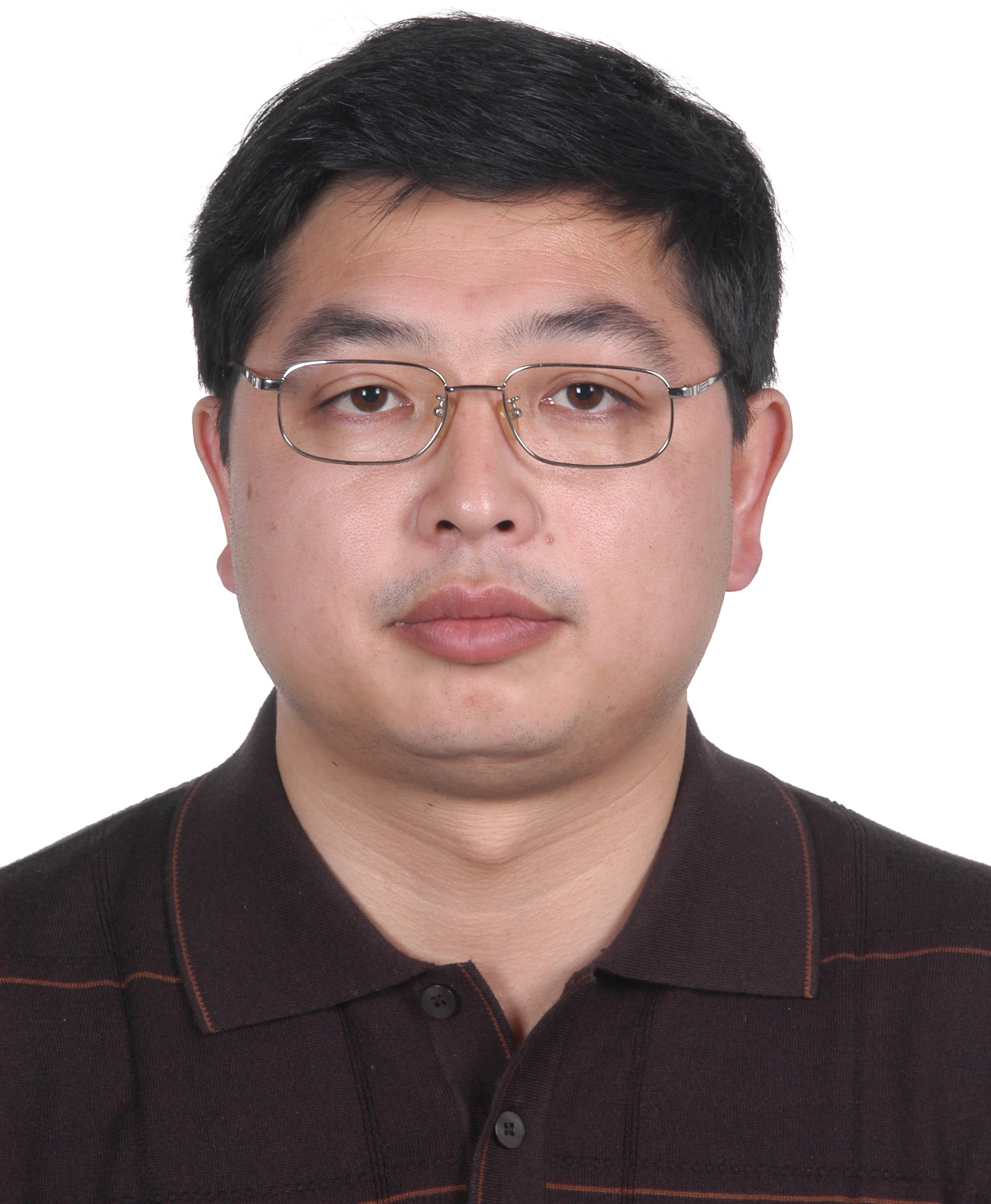 Ping Wang (王平)合作论文数School of Civil Engineering, Southwest Jiaotong University11
 Guangming Zhang (张光明)合作论文数School of Energy and Environmental Engineering, Hebei University of Technology10YuZhen Duan (段玉振)合作论文数9Qiankun SU (苏乾坤)合作论文数8
 Xiao-Kai Liu (刘笑凯)合作论文数8Xiaolong Liang合作论文数7Chengman GUO (郭成满)合作论文数7Zui Chen (陈醉)合作论文数7LI Ying (李莹)合作论文数7FengWen Chang (常逢文)合作论文数7WeiXin Kang (康维新)合作论文数7
 Pingrui Zhao (赵坪锐)合作论文数Leeds Joint School, Southwest Jiaotong University;School of Civil Engineering, Southwest Jiaotong University7Guihong Xu (徐桂弘)合作论文数College of Civil Engineering, Guizhou University7Caihao Lan合作论文数6Feng Dai合作论文数6MengYao Wu (吴梦瑶)合作论文数6Yaodong Li (李耀东)合作论文数6Chengguang Su合作论文数5
 Zhangbo Wan (万章博)合作论文数5Bo REN (任勃)合作论文数5LiKang Guo (郭利康)合作论文数5Junbin Yang (杨俊斌)合作论文数5Senrong Wang合作论文数4
 Jiali Li合作论文数4XU Zhaorong (许钊荣)合作论文数4Hengchang JIANG (姜恒昌)合作论文数4HUANG Yonghui (黄永辉)合作论文数4Chuncheng WEI (魏春城)合作论文数4XIE Lu (谢露)合作论文数4Shuang LIANG (梁爽)合作论文数4Shuai CHEN (陈帅)合作论文数4GuoRui Pan (潘国瑞)合作论文数4Li Yao (姚力)合作论文数4Huayang Du (杜华杨)合作论文数3GAO Ziyuan (高自远)合作论文数3Peigang Li合作论文数3LI Xing (栗行)合作论文数3DONG Kunling (董昆灵)合作论文数3
 Meng Hu合作论文数3Yin-qiao DI (邸银桥)合作论文数3Ke ZHOU (周珂)合作论文数3Jie WANG (汪杰)合作论文数3Jianqing ZHANG (张建清)合作论文数3YongGang Liu (刘泳钢)合作论文数3




