Ocean thermal energy conversion (OTEC) is a renewable energy system that could potentially displace significant amounts of fossil fuel-generated electricity. This study presents numerous multi-century simulations of the University of Victoria Earth System Climate Model, a coupled climate-carbon cycle model, to better understand the global-scale environmental impacts of the widespread implementation of OTEC at varying total power levels (3, 5, 7, 10, and 15 TW). Environmental impacts include reduced warming of the sea surface by up to 3.1 ºC, increased heat uptake at intermediate depths, and enhanced biological production compared to a fossil fuel intensive control scenario. At year 2100, OTEC-induced mixing contributes roughly 60% of the relative cooling, while the remainder is from OTEC-related emission reductions. Once OTEC is terminated, all relative cooling is caused by accumulated emissions reductions. If acting alone, the residual effect of OTEC-induced mixing would contribute to a minor relative warming of the sea surface. The effect of OTEC on the expansion of known oxygen minimum zones was minimal. In many circumstances, OTEC deployment opposes the projected impacts of climate change. Relative to a high carbon emissions control scenario, OTEC deployment is associated with less surface warming, a smaller increase in surface water pCO2, a suppression of ocean acidification, and significantly smaller declines in the strength of the Atlantic Meridional Overturning Circulation. Despite the potential engineering challenges and economic costs, early indications suggest that the large-scale implementation of OTEC could make a substantial contribution to climate change mitigation.
Reaching net zero emissions and limiting global warming to 2 °C requires the widespread introduction of technology-based solutions to draw down existing atmospheric levels and future emissions of CO2. One such approach is direct air CO2 capture and storage (DACCS), a readily available, yet energy-intensive process. The combination of DACCS and ocean thermal energy conversion (OTEC) allows for independently powered carbon capture plants to inject concentrated carbon into deep marine sediments where storage is generally safe and permanent. OTEC is a form of electricity production that exploits the temperature difference between deep and shallow ocean waters, and can power DACCS on floating platforms at a price competitive with coal-generated electricity. Here we highlight the scale of the challenge facing society. We show that a safe and sustainable level of OTEC-generated electricity powering DACCS for 70 years could result in up to a 35% decrease in the relative global mean temperature warming compared to a business-as-usual emissions scenario.
Ocean thermal energy conversion (OTEC) is a form of renewable energy that could potentially displace a significant amount of fossil-fuel generated electricity. Many multi-century simulations of the UVic Earth Systems Climate Model (UVic ESCM) are presented to better understand the climate change mitigation potential and the projected magnitude and significance of the impacts of widespread OTEC implementation at varying total power outputs (3, 5, 7, 10, and 15 TW). This study builds on previous research with the inclusion of a fully coupled atmospheric model, sea ice model, and comprehensive carbon cycle model. In high emission scenarios (Representative Concentration Pathway 8.5), OTEC was found to be able to briefly produce over 36 TW of power and power production rates of 6 TW and below were found to be sustainable on multi-millennial timescales. The study also included an emission reduction associated with OTEC that resulted in cumulative emission reductions of 1190-3600 Pg C by 2500 relative to a control scenario without OTEC deployment. Environmental impacts include globally averaged sea surface temperature decreases of 0.8-3ºC relative to control values, increased heat uptake at intermediate depths, and enhanced biological production. The implementation of OTEC was found to induce overturning cells in the North Pacific and cause significant relative increases in strength of the maximum Meridional Overturning Circulation globally with values ranging from 1.6 to 8.2 Sv by 2500, depending on the level of OTEC power generation. While caution is required and the engineering challenges would be large, early indications suggest that the large-scale implementation of OTEC could make a substantial contribution to climate change mitigation.
As atmospheric carbon dioxide (CO2) levels continue to rise, increasing attention is focussed mitigation techniques that could enhance the natural draw down of CO2. One such mitigative intervention is ocean alkalinity enhancement (OAE). OAE involves dissolving alkaline materials into ocean surface waters to increase its natural CO2 buffering capacity. Limestone and lime have received the most attention given their widespread availability. Here, we address the order one policy-relevant question of whether OAE represents a viable CO2 removal solution to global warming. We use the UVic Earth System Climate Model to explore the potential of OAE interventions under representative concentration pathways (RCPs) 2.6, 4.5, 6.0, and 8.5. For each RCP, we undertake three OAE interventions. First, we assume that the global annual production of limestone is crushed and uniformly distributed across and immediately disassociates in the surface waters of the global ocean. Second, we assume that the global production of limestone is converted to lime with the CO2 released in this process being added to the atmosphere. In the third intervention, we repeat the second intervention but sequester the CO2 arising from lime production. Our results suggest that CaCO3-based OAE interventions have little potential for mitigating global warming given the restraint of the current world’s output of limestone from mining.
Ocean thermal energy conversion (OTEC) is a renewable energy system that harnesses the thermal gradient between surface and deep waters. Many multi-century simulations with a fully coupled climate-carbon cycle model are presented to explore the amount of extractable energy and the climate change mitigation potential from the widespread implementation of OTEC. The sustainability of OTEC power generation was assessed for present and possible future climate states. A warmer climate reduced the sustainable power potential of OTEC. OTEC could briefly produce over 35 TW of power and, depending on the climate state, maximum power production rates of 5 to 10 TW were found to be sustainable on multi-millennial timescales. Over 500 years of simulation, with a high emission scenario (equivalent to RCP8.5), the power from OTEC deployments, with peak power generation ranging from 3 to 15 TW at the year 2100, resulted in cumulative emission reductions equivalent to 36% to 111% of historical carbon emissions from 1750 to 2023 relative to the scenario without OTEC. Such significant emissions reductions coupled with sustained OTEC-induced mixing led to globally averaged atmosphere temperature decreases of up to 2.5 ºC by the year 2100 and up to 4 ºC by the year 2500 compared to a scenario without OTEC. While caution is required, and the engineering challenges would be large, early indications suggest that the large-scale implementation of OTEC could make a substantial contribution to climate change mitigation.
Achieving net-zero global emissions of carbon dioxide (CO2), with declining emissions of other greenhouse gases, is widely expected to halt global warming. CO2 emissions will continue to drive warming until fully balanced by active anthropogenic CO2 removals. For practical reasons, however, many greenhouse gas accounting systems allow some 'passive' CO2 uptake, such as enhanced vegetation growth owing to CO2 fertilization, to be included as removals in the definition of net anthropogenic emissions. By including passive CO2 uptake, nominal net-zero emissions would not halt global warming, undermining the Paris Agreement. Here we discuss measures to address this problem, to ensure residual fossil fuel use does not cause further global warming: land management categories should be disaggregated in emissions reporting and targets to better separate the role of passive CO2 uptake; where possible, claimed removals should be additional to passive uptake; and targets should acknowledge the need for Geological Net Zero, meaning one tonne of CO2 permanently restored to the solid Earth for every tonne still generated from fossil sources. We also argue that scientific understanding of Net Zero provides a basis for allocating responsibility for the protection of passive carbon sinks during and after the transition to Geological Net Zero.
Climate change is a major threat to global health. Its effects on physical health are increasingly recognised, but mental health impacts have received less attention. The mental health effects of climate change can be direct (resulting from personal exposure to acute and chronic climatic changes), indirect (via the impact on various socioeconomic, political and environmental determinants of mental health) and overarching (via knowledge, education and awareness of climate change). These impacts are unequally distributed according to long-standing structural inequities which are exacerbated by climate change. We outline key concepts and pathways through which climate change may affect mental health and explore the responses to climate change at different levels, from emotions to politics, to highlight the need for multilevel action. We provide a broad reference to help guide researchers, practitioners and policy-makers in the use and understanding of different terms in this rapidly growing interdisciplinary field.
Climate anxiety, reflecting concerns about the negative impacts of climate change, is growing. Planning and action on individual specific climate risks could be a way to reduce personal climate anxiety.
This experiment tests visual and textual cue effects on U.S. participants’ reactions to news media representations of Syrian refugees desiring resettlement in the United States during the 2016 presidential election cycle. Undergraduates from a large Midwestern university participated in this online experiment in April 2016. We analyzed participants’ extant biases and stereotypes toward Syrian refugee and Muslim communities and measured their emotional responses, feelings of threat, and attitudinal feedback. Our research shows that participants were less emotionally and attitudinally sympathetic and felt higher levels of threat toward Syrian refugees when receiving the visual manipulation with hijab. Additionally, our findings show that participants’ religious identification significantly influences responses to Syrian refugees and that visual representations of Syrian refugees with intensified facial emotions, such as despair and sadness, amplified participants’ varying feelings of perceived threat.
PURPOSE To study the impact of transarterial Yttrium-90 radioembolization (TARE) in combination with second-line systemic chemotherapy for colorectal liver metastases (CLM). METHODS In this international, multicenter, open-label phase III trial, patients with CLM who progressed on oxaliplatin- or irinotecan-based first-line therapy were randomly assigned 1:1 to receive second-line chemotherapy with or without TARE. The two primary end points were progression-free survival (PFS) and hepatic PFS (hPFS), assessed by blinded independent central review. Random assignment was performed using a web- or voice-based system stratified by unilobar or bilobar disease, oxaliplatin- or irinotecan-based first-line chemotherapy, and KRAS mutation status. RESULTS Four hundred twenty-eight patients from 95 centers in North America, Europe, and Asia were randomly assigned to chemotherapy with or without TARE; this represents the intention-to-treat population and included 215 patients in the TARE plus chemotherapy group and 213 patients in the chemotherapy alone group. The hazard ratio (HR) for PFS was 0.69 (95% CI, 0.54 to 0.88; 1-sided P = .0013), with a median PFS of 8.0 (95% CI, 7.2 to 9.2) and 7.2 (95% CI, 5.7 to 7.6) months, respectively. The HR for hPFS was 0.59 (95% CI, 0.46 to 0.77; 1-sided P < .0001), with a median hPFS of 9.1 (95% CI, 7.8 to 9.7) and 7.2 (95% CI, 5.7 to 7.6) months, respectively. Objective response rates were 34.0% (95% CI, 28.0 to 40.5) and 21.1% (95% CI, 16.2 to 27.1; 1-sided P = .0019) for the TARE and chemotherapy groups, respectively. Median overall survival was 14.0 (95% CI, 11.8 to 15.5) and 14.4 months (95% CI, 12.8 to 16.4; 1-sided P = .7229) with a HR of 1.07 (95% CI, 0.86 to 1.32) for TARE and chemotherapy groups, respectively. Grade 3 adverse events were reported more frequently with TARE (68.4% v 49.3%). Both groups received full chemotherapy dose intensity. CONCLUSION The addition of TARE to systemic therapy for second-line CLM led to longer PFS and hPFS. Further subset analyses are needed to better define the ideal patient population that would benefit from TARE.
Media violence is widely produced and treated as a valuable economic commodity, but the research on the appeal of violence suggests that audiences' appetite for violent content is not quite so straightforward. Although the presence of violence tends to increase selective exposure, it also has a tendency to decrease enjoyment. There are a few potential explanations for this disconnect, including the possibility that violence represents other narrative features that do increase enjoyment (e.g., action, suspense, humor), or the possibility that we seek out violence for nonhedonic purposes (e.g., meaning‐making, justice restoration, information). From a purely hedonic point of view, it is also worth exploring why violent content would decrease enjoyment. Possible explanatory routes here include aversive emotional responses to violent displays and the high cognitive and attentional load of violence distracting from other enjoyable narrative elements.
Climate change is one of the most challenging scientific and political issues of our time. From a scientific perspective, the evidence regarding human induced warming of the climate system is unequivocal CT 2 (IPCC, 2014). A complex, dynamic process of unprecedented environmental change has reached severe levels, inaugurating a new age of environmental breakdown (National Economic and Social Council [NESC], 2019). Anticipated climate change not only means changes in global average temperatures, but also changes to the frequency and intensity of extreme weather and climate events, such as severe flooding, high precipitation events and storms, droughts, wildfires, and heat/cold waves, in addition to increasing threats posed by sea level rises. While there is an overwhelming scientific consensus that human-induced climate change is happening, translating this knowledge into action remains an …
The Short Course Oncology Therapy (SCOT) study was designed to compare 3-month and 6-month oxaliplatin-based adjuvant chemotherapy in patients with colorectal cancer in terms of efficacy, toxicity, HRQoL and economic aspects. At the time of starting this study, no published data were available on the effectiveness of short-duration treatment with adjuvant oxaliplatin and fluoropyrimidine regimens in patients with colorectal cancer. The main objective of the study was to identify whether or not 3-month adjuvant chemotherapy was inferior to 6-month treatment in terms of DFS rate. The trial also aimed to compare overall survival, toxicity and HRQoL in patients between the two treatment groups and to assess the cost-effectiveness of the two regimens. The SCOT study was designed as an international, stand-alone study of adjuvant oxaliplatin and fluoropyrimidine treatment conducted in patients with high-risk stage II or stage III colon or rectal cancers. Although stand-alone, the SCOT study was conducted in parallel with the International Duration Evaluation of Adjuvant chemotherapy (IDEA) collaborative initiative, which aimed to consolidate results from numerous worldwide trials that were attempting to clarify the importance of adjuvant treatment duration for colon cancer patients. The IDEA initiative was restricted to treatment of patients with stage III colon cancer; therefore, it was prospectively planned that patient data from the SCOT study would be pooled with those from six other studies (TOSCA, IDEA France, CALGB/SWOG 80702, ACHIEVE and HORG). 14
Given the transnational nature of the Arabic satellite television industry and the cultural differences among Arab regions, this experiment examined the role of social identity in Arab viewers' media choices and perceived identification with characters. Overall, Arab viewers identified more with in-group characters (gender and cultural region) and were more interested in watching programs that feature in-group lead characters. The perceived intended audience of the television program mediated the relationship between cultural identity on one hand and perceived identification with characters and selective exposure on the other. The findings show that social identity plays an important role in Arab viewers' media consumption, and are discussed in light of social identity theory.
Three independent analyses establish that the Conestoga River flow published by the U.S. Geological Survey (USGS) for Tropical Storm Agnes in 1972 of 1,420 m(3)/s (50,300 ft(3)/s) should have been at least 1,660 m(3)/s (58,600 ft(3)/s), an increase of over 16%. The three analyses included an empirical analysis of the data for U.S. Geological Survey Gauge 01576500, a reanalysis of a 1978 U.S. Army Corp of Engineers Hydrologic Engineering Center (HEC)-2 simulation of the Conestoga River, and a retrofit and minor corrections to a preliminary 2013 HEC-RAS (river analysis system) simulation of the Conestoga River. (C) 2016 American Society of Civil Engineers.
 Michael Eby合作论文数School of Earth and Ocean Sciences, University of Victoria38
 Kevin J. Flannelly合作论文数Edward R. Johnstone Training and Research Center12
 Nathan Gillett合作论文数Department of Geography, Simon Fraser University;University of Victoria12
 Kirsten Zickfeld合作论文数Department of Geography, Simon Fraser University;School of Earth and Ocean Sciences, University of Victoria10
 Katrin J. Meissner合作论文数Climate Change Research Centre, School of Biological, Earth and Environmental Sciences, Faculty of Science, The University of New South Wales9
 Harold G. Koenig合作论文数Department of Medicine, Duke University School of Medicine;Center for Spirituality, Theology and Health, Duke University;Duke University Medical Center8
 Damon Matthews合作论文数Department of Geography, Planning and Environment, Concordia University8
 Francis Zwiers合作论文数Pacific Climate Impacts Consortium, University of Victoria8
 Af Fanning合作论文数6
 Pierre Friedlingstein合作论文数Department of Mathematics and Statistics, University of Exeter;Global System Institute, University of Exeter6
 Andreas Schmittner合作论文数College of Earth, Ocean, and Atmospheric Sciences, Oregon State University6
 Edward C Wiebe合作论文数Department of Earth and Ocean Sciences, University of Victoria6
 Thierry Fichefet合作论文数Faculté des sciences, Université catholique de Louvain;Earth and Life Institute, Université catholique de Louvain;Georges Lemaître Centre for Earth and Climate Research, Université catholique de Louvain6
 Marika Holland合作论文数Climate & Global Dynamics Lab, National Center for Atmospheric Research6
 Ronald Stouffer合作论文数Department of Geosciences, College of Science, The University of Arizona6
 Peter Clark合作论文数College of Earth, Ocean and Atmospheric Sciences, Oregon State University5
 Fortunat Joos合作论文数Physics Institute, Faculty of Science, University of Bern5
 Oleg A. Saenko合作论文数School of Earth;Ocean Sciences;University of Victoria;School of Earth|Ocean Sciences, University of Victoria5
 Reto Knutti合作论文数Institute for Atmospheric and Climate Science, Department of Environmental Systems Science, ETH Zurich5
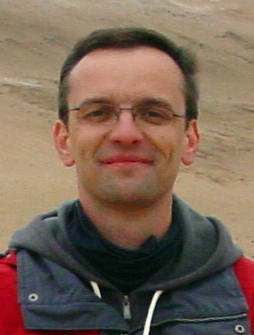 Hugues Goosse合作论文数Centre De Recherches Sur La Terre Et Le Climat Georges Lemaître, Earth and Life Institute, Université Catholique De Louvain5Jakob D. Jensen合作论文数4
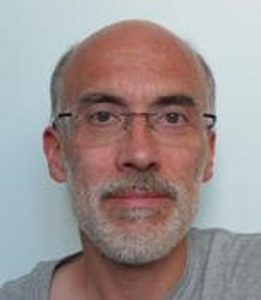 Jonathan Gregory合作论文数National Centre for Atmospheric Science,Department of Meteorology, University of Reading;Met Office Hadley Centre4
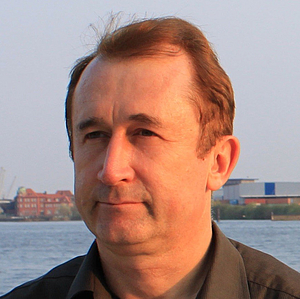 Victor Brovkin合作论文数Climate-Biosphere Interactions Group, Max Planck Institute for Meteorology4Andrey Ganopolski合作论文数Potsdam Institute for Climate Impact Research4
 Thomas Stocker合作论文数Oeschger Centre for Climate Change Research, University of Bern4
 Michel Crucifix合作论文数Hadley Centre for Climate Prediction and Research Met Office4
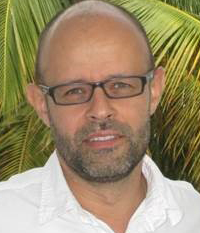 Igor Kamenkovich合作论文数Ocean Sciences Department, Rosenstiel School of Marine, Atmospheric, and Earth Science, University of Miami4
 Claude Hillaire Marcel合作论文数Departement des Sciences de la Terre et de l'Atmosphere, Universite du Quebec a Montreal4
 Jeremy G. Fyke合作论文数4
 Lawrence Mysak合作论文数Department of Atmospheric and Oceanic Sciences, McGill University4
 David Archer合作论文数Department of the Geophysical Sciences, University of Chicago4
 Andrei Sokolov合作论文数Earth, Atmospheric and Planetary Sciences, MIT4
 Cecilia Bitz合作论文数Department of Atmospheric Sciences, University of Washington4
 Peter Stott合作论文数Met Office;University of Exeter4Julia E. Oppenheimer合作论文数3David B. Larson合作论文数3pf poussart合作论文数3
 Malte Meinshausen合作论文数School of Geography, Earth and Atmospheric Sciences, Faculty of Science, The University of Melbourne;Potsdam Institute for Climate Impact Research3
 Stefan Rahmstorf合作论文数Institute of Physics and Astronomy, University of Potsdam;Potsdam Institute for Climate Impact Research3
 Jerry X. Mitrovica合作论文数Department of Earth and Planetary Sciences, Faculty of Arts and Sciences, Harvard University3
 Myles Allen合作论文数Environmental Change Institute, School of Geography and the Environment, University of Oxford;Department of Physics, University of Oxford3
 Peter Cox合作论文数Global Systems Institute, University of Exeter;Department of Mathematics and Statistics, Faculty of Environment, Science and Economy, University of Exeter3
 Zhaomin Wang (王召民)合作论文数Southern Marine Science and Engineering Guangdong Laboratory(Zhuhai), Office of Scientific Research & Development, Sun Yat-Sen University3
 Gerald Meehl合作论文数Climate and Global Dynamics Laboratory, National Center for Atmospheric Research3
 Martin Claussen合作论文数Climate Vegetation Dynamics Group, Max Planck Institute for Meteorology;Center for Earth System Research and Sustainability, Meteorological Institute, Universitat Hamburg3
 John Lewis合作论文数Carleton University3Chris D Jones (Chris Jones)合作论文数Met Office3K. Strassmann合作论文数3
 Anders Levermann合作论文数Earth System Analysis;Potsdam Institute for Climate Impact Research;Earth System Analysis, Potsdam Institute for Climate Impact Research3




