Emerging evidence suggests that low shear stress (LSS) contributes to endothelial injury in atherosclerosis, yet the underlying molecular mechanisms remain incompletely understood. Here, we demonstrate that LSS triggers ferroptosis in vascular endothelial cells through a novel GPR91/EGR1/GPX4 signaling axis. By integrating bioinformatics, single-cell RNA sequencing (scRNA-seq), and ChIP-qPCR, we identified a significant correlation between LSS-responsive genes and ferroptosis-related pathways in atherosclerotic plaques. Using parallel-plate flow chamber system, we confirmed that LSS (3 dyne/cm2) induces characteristic ferroptosis markers in human vascular endothelial cells. Mechanistically, LSS upregulated GPR91, enhancing cellular mechanosensitivity, as further validated in HEK293T cells. Pharmacological inhibition of GPR91 attenuated LSS-induced ferroptosis, while its agonists exacerbated ferroptosis. RNA-seq and ChIP-qPCR identified EGR1 as a downstream of GPR91 effector that binds directly to the GPX4 promoter (M2 motif), repressing its transcription under LSS. Our findings establish GPR91 as a mechanosensitive receptor that links LSS to ferroptosis signaling via EGR1- mediated GPX4 repression, providing new therapeutic targets for shear stress-related vascular pathologies.
Cardiovascular disease (CVD) is a leading cause of morbidity and mortality globally. Recent groundbreaking preclinical and clinical research underscores the pivotal role of metabolite remodelling in the pathology of CVD. This metabolic transformation not only directly fuels the progression of CVD but also profoundly influences the immune response within the cardiovascular system. In this review, we focused on the complex interactions between cardiovascular metabolic alterations and immune responses during the course of CVD. Furthermore, we explore the potential therapeutic interventions that could be developed based on the understanding of metabolic alterations and immune dysregulation in CVD. By targeting these metabolic and immunological pathways, novel strategies for the prevention and treatment of CVDs might be developed to improve patient outcomes and reduce the global burden of this disease.
Colorectal polyps serve as precursors to colorectal cancer and pose a growing public health challenge with their increasing incidence. The potential role of gut microbiota (GM) dysbiosis in colorectal polyp pathogenesis has garnered attention, yet existing evidence remains inconsistent. This study aimed to compare gut microbiota differences between colorectal polyp patients and healthy controls using systematic review and meta-analysis using 16S rRNA sequencing data. Following the Preferred Reporting Items for Systematic Reviews and Meta-Analyses guidelines, a systematic search was performed across multiple databases (PubMed, Web of Science, Embase, Cochrane Library) up to April 2025. Only studies comparing gut microbiota profiles between colorectal polyp patients and healthy controls were included. Data was independently screened and extracted by two reviewers, and study quality was assessed using the Newcastle–Ottawa Scale. Meta-analyses were conducted with R (version 4.4.1) and Stata (version 18.0), with heterogeneity assessed via the I2 statistic and publication bias through funnel plots, Egger’s test, Begg’s test, and sensitivity analyses.Logit transformation was applied to enhance the accuracy and reproducibility of the analysis. Additionally, KEGG pathway data was utilized to explore the distinct metabolic pathway patterns between polyp patients and healthy controls. Systematic review and meta-analysis were performed by synthesizing 11 independent 16S rRNA-sequenced studies. Our analysis revealed that patients with colorectal polyps exhibited significantly reduced GM diversity, decreased Firmicutes abundance, and increased Fusobacteria abundance. KEGG pathway analysis indicated enrichment of the TCA cycle in polyp patients and more active amino acid metabolism in healthy controls. Patients with colorectal polyps have distinct gut microbiota characteristics and specific metabolic shifts. These findings may facilitate the discovery of non-invasive biomarkers, guide personalized prevention strategies, and improve risk stratification for early intervention.
Trimethylamine N-oxide (TMAO), a metabolite produced by intestinal flora, is recognized as an independent risk factor for atherosclerosis and atherosclerotic cardiovascular diseases. However, the underlying mechanism remains poorly understood. Here, we showed that dietary TMAO supplementation accelerates atherosclerosis in ApoE-/- mice. Pyroptosis and the expression of phospholipid-modifying enzyme MBOAT2 were increased in endothelial cells within atherosclerotic lesions. Genetic upregulation of MBOAT2 via adeno-associated virus with endothelium-specific promoter results in increased atherosclerotic lesions in ApoE-/- mice. Mechanistically, the overexpression of MBOAT2 disrupted glycerophospholipid metabolism and induced endothelial cell pyroptosis in an Endoplasmic reticulum stress-dependent manner. These data reveal that TMAO promotes endothelial cell pyroptosis and the progression of atherosclerotic lesions through the upregulation of MBOAT2, indicating that MBOAT2 is a promising therapeutic target for atherosclerosis.
Atherosclerosis is a progressive inflammatory disease within the large and medium arteries. SUCNR1(Succinate receptor 1) has been reported to regulate the inflammatory response in cardiovascular diseases, but how it works in atherosclerosis remains unclear. In this study, we observed that SUCNR1 is upregulated in endothelial cells within human atherosclerotic lesions. The deletion of SUCNR1 in vascular endothelial cells can mitigate the progression of atherosclerotic lesions in high-fat diet ApoE-/- mice. The overexpression or activation of SUCNR1 intensified endoplasmic reticulum stress and mitochondria-endoplasmic reticulum interactions. Moreover, SUCNR1 exacerbated mitochondrial injury, mtDNA leakage, and the activation of cGAS-STING signaling. Elevated mitochondrial damage, ER-mitochondrial interactions, and inflammation induced by SUCNR1 activation were blocked by the endoplasmic reticulum stress inhibitor. Collectively, these findings suggest that SUCNR1 promotes atherosclerosis through endoplasmic reticulum stress signaling mediated ER-mitochondrial crosstalk and its downstream cGAS-STING pathway. Our results provide new insights into the mechanism of SUCNR1 in atherosclerosis and inhibiting endoplasmic reticulum stress signaling may provide a promising strategy to prevent and treat atherosclerosis.
Trimethylamine N-oxide (TMAO) is a novel risk factor for atherosclerosis, and its underlying regulatory mechanisms are under intensive investigation. Inflammation-related vascular endothelial damage is the major driver in atherogenic process. Pyroptosis, a type of proinflammatory programmed cell death, has been proved to promote the initiation and progression of atherosclerosis. In our study, we found that TMAO triggered endothelial cells excessive mitophagy, thereby facilitating pyroptosis. This process is mediated by the upexpression of phosphatidylethanolamine acyltransferase (LPEAT). These findings provide insights into TMAO-induced vascular endothelial cell damage and suggest that LPEAT may be a valuable target for the prevention and treatment of atherosclerosis.
Background Under normal circumstances, high-density lipoprotein (HDL) is considered to have cardiovascular protective effects, but the impact of oxidized HDL (ox-HDL) on vascular endothelial function remains poorly understood. Mitochondrial function is closely related to endothelial function, and hydrogen sulfide (H₂S) is a gas with endothelial protective properties. The novel hydrogen sulfide donor AP39 can target mitochondria to release H₂S, but the combined effects of ox-HDL and AP39 on vascular endothelium are not well studied. Methods We established a cell model of ox-HDL-induced endothelial cell damage and mitochondrial dysfunction using human umbilical vein endothelial cells (HUVECs) and conducted AP39 pretreatment. The experiments confirmed the functional damage and mitochondrial dysfunction in HUVECs caused by ox-HDL. Additionally, to further explore the role of SIRT1 in AS, we analyzed SIRT1 expression in AS carotid artery tissue. This included the analysis of differentially expressed genes from AS-related datasets, presented through volcano plots and heatmaps, with enrichment analysis of downregulated genes in KEGG pathways and GO functions. Furthermore, we evaluated the differences in SIRT1 expression in coronary arteries with varying degrees of stenosis and in early and late-stage AS carotid artery tissues, and analyzed data from SIRT1 knockout mouse models. Results The experimental results indicate that AP39 effectively alleviated ox-HDL-induced endothelial cell damage and mitochondrial dysfunction by upregulating SIRT1 expression. MTT and CCK-8 assays showed that ox-HDL treatment led to decreased cell viability and proliferation in HUVECs, reduced eNOS expression, and significantly increased levels of ICAM-1, IL-6, and TNF-α, along with enhanced monocyte adhesion. These findings reveal the damaging effects of ox-HDL on HUVECs. Transcriptomic data indicated that while SIRT1 expression did not significantly differ in coronary arteries with varying degrees of stenosis, it was notably downregulated in AS carotid artery tissues, especially in late-stage AS tissues. KEGG pathway enrichment analysis revealed that SIRT1 downregulated genes were associated with processes such as vascular smooth muscle contraction, while GO analysis showed that these downregulated genes were involved in muscle system processes and muscle contraction functions, further confirming SIRT1's critical role in AS pathology. In transcriptomic data from the SIRT1 knockout mouse model, elevated levels of inflammation-related proteins IL-6 and TNF-α were observed after SIRT1 knockout, along with decreased expression of the chaperone protein PGC-1α. The expression of mitochondrial-related functional proteins Nrf2 and PGC-1α was positively correlated with SIRT1 expression, while inflammation-related proteins ICAM-1, IL-6, IL-20, and TNF-α were negatively correlated with SIRT1 expression. We further discovered that ox-HDL triggered mitochondrial dysfunction, as evidenced by reduced expression of Mfn2, Nrf2, PGC1-α, UCP-1, and SIRT1, corroborating the results from the previous database analysis. Additionally, mitochondrial dysfunction was characterized by decreased mitochondrial membrane potential (MMP), increased mitochondrial ROS levels, and reduced ATP content, further impacting cellular energy metabolism and respiratory function. Subsequent experimental results showed that the addition of AP39 mitigated these adverse effects, as evidenced by decreased levels of ICAM-1, IL-6, and TNF-α, increased eNOS expression, reduced monocyte adhesion, increased mitochondrial H₂S content, and upregulated expression of SIRT1 protein associated with mitochondrial function, reduced ROS levels, and increased ATP content. Furthermore, validation experiments using the SIRT1 inhibitor EX527 confirmed that AP39 alleviated ox-HDL-induced endothelial cell damage and mitochondrial dysfunction by upregulating SIRT1 expression. Conclusion Ox-HDL can induce damage and mitochondrial dysfunction in HUVECs, while AP39 inhibits ox-HDL-induced endothelial cell damage and mitochondrial dysfunction by upregulating SIRT1.
Mitochondria are cellular power stations and essential organelles for maintaining cellular homeostasis. Dysfunctional mitochondria have emerged as a key factor in the occurrence and development of cardiovascular disease. This review focuses on advances in the relationship between mitochondrial dysfunction and cardiovascular diseases such as atherosclerosis, heart failure, myocardial ischemia reperfusion injury, and pulmonary arterial hypertension. The clinical value and challenges of mitochondria-targeted strategies, including mitochondria-targeted antioxidants, mitochondrial quality control modulators, mitochondrial function protectors, mitochondrial biogenesis promoters, and recently developed mitochondrial transplants, are also discussed.
Atherosclerosis (AS) is the major factor of cardiovascular disease (CVD) and is characterized by a progressive and chronic inflammatory process in the arterial wall. Recent studies have shown that disruption of the mitochondrial membrane potential (deltapsi (m)) directly affects the electron transport chain (ETC), which in turn leads to oxidative stress, and furthermore, its alteration leads to apoptosis and activation of the NLRP3 inflammasome, thereby promoting the development of AS. Here, this review describes how deltapsi (m) contributes to the development of AS by mediating oxidative stress, apoptosis, and NLRP3 inflammasome activation, and potential AS intervention strategies by targeting oxidative stress, apoptosis, and NLRP3 inflammasome activation induced by deltapsi (m).
BACKGROUND:Endothelial-mesenchymal transition (EndMT) induced by low shear stress plays an important role in the development of atherosclerosis. However, little is known about the correlation between hydrogen sulfide (H2S), a protective gaseous mediator in atherosclerosis and the process of EndMT. METHODS:We constructed a stable low-shear-stress-induced(2 dyn/cm2) EndMT model, acombined with the pretreatment method of hydrogen sulfide slow release agent(GYY4137). The level of MEST was detected in the common carotid artery of ApoE-/- mice with local carotid artery ligation. The effect of MEST on atherosclerosis development in vivo was verified using ApoE-/- mice were given tail-vein injection of endothelial-specific overexpressed and knock-down MEST adeno-associated virus (AAV). RESULTS:These findings confirmed that MEST is up-regulated in low-shear-stress-induced EndMT and atherosclerosis. In vivo experiments showed that MEST gene overexpression significantly promoted EndMT and aggravated the development of atherosclerotic plaques and MEST gene knockdown significantly inhibited EndMT and delayed the process of atherosclerosis. In vitro, H2S inhibits the expression of MEST and EndMT induced by low shear stress and inhibits EndMT induced by MEST overexpression. Knockdown of NFIL3 inhibit the up regulation of MEST and EndMT induced by low shear stress in HUVECs. CHIP-qPCR assay and Luciferase Reporter assay confirmed that NFIL3 binds to MEST DNA, increases its transcription and H2S inhibits the binding of NFIL3 and MEST DNA, weakening NFIL3's transcriptional promotion of MEST. Mechanistically, H2S increased the sulfhydrylation level of NFIL3, an important upstream transcription factors of MEST. In part, transcription factor NFIL3 restrain its binding to MEST DNA by sulfhydration. CONCLUSIONS:H2S negatively regulate the expression of MEST by sulfhydrylation of NFIL3, thereby inhibiting low-shear-stress-induced EndMT and atherosclerosis.
Autophagy maintains intracellular homeostasis in the cardiovascular system, including in cardiomyocytes, endothelial cells (ECs), and arterial smooth muscle cells. Mitophagy, a selective autophagy that specifically removes damaged and dysfunctional mitochondria, is particularly important for cardiovascular homeostasis. Dysfunctional mitophagy contributes to cardiovascular disease, particularly atherosclerosis (AS). This review focuses on the advances of regulator mechanisms of mitophagy and its potential roles in AS. The findings are beneficial to understanding the pathological processes of atherosclerotic lesions and provide new ideas for the prevention and clinical treatment of AS.
Hydrogen sulfide (H 2 S), a gas transmitter found in eukaryotic organisms, plays an essential role in several physiological processes. H 2 S is one of the three primary biological gas transmission signaling mediators, along with nitric oxide and carbon monoxide. Several animal and in vitro experiments have indicated that H 2 S can prevent coronary endothelial mesenchymal transition, reduce the expression of endothelial cell adhesion molecules, and stabilize intravascular plaques, suggesting its potential role in the treatment of atherosclerosis (AS). H 2 S donors are compounds that can release H 2 S under certain circumstances. Development of highly targeted H 2 S donors is a key imperative as these can allow for in-depth evaluation of the anti-atherosclerotic effects of exogenous H 2 S. More importantly, identification of an optimal H 2 S donor is critical for the creation of H 2 S anti-atherosclerotic prodrugs. In this review, we discuss a wide range of H 2 S donors with anti-AS potential along with their respective transport pathways and design-related limitations. We also discuss the utilization of nano-synthetic technologies to manufacture H 2 S donors. This innovative and effective design example sheds new light on the production of highly targeted H 2 S donors.
心血管疾病仍然是世界范围内的主要死亡原因,并且年轻/中年人(18~45岁)的心血管疾病发病率依然呈上升趋势.对心血管疾病的早期诊断、预警以及治疗是当前医学研究领域中重要的课题.动脉粥样硬化是多种心血管疾病的病理生理学基础,近来的研究表明,三羧酸循环中间体参与动脉粥样硬化的发生、发展进程,并且可能是动脉粥样硬化早期诊断以及预警的生物标志物.本文综述了琥珀酸与动脉粥样硬化的关系以及作用机制.
Succinate is an important intermediate product of mitochondrial energy metabolism. Recent studies revealed that beyond its known traditional metabolic functions, succinate plays important roles in signal transduction, immunity, inflammation, and posttranslational modification. Recent studies showed that patients and mouse models with cardiovascular disease have high levels of serum succinate and succinate accumulation. Atherosclerosis (As) is the pathological basis of cardiovascular and peripheral vascular diseases, such as coronary heart disease, cerebral infarction, and peripheral vascular disease, and is a major factor affecting human health. This article reviews the progression of succinate in As diseases and its underlying mechanisms.
动脉粥样硬化(As)为慢性、炎症性病理过程,是多种心血管疾病的共同病理学基础,严重危害人类健康.近年研究表明,三羧酸循环中间体参与As的发生发展进程.琥珀酸是连接三羧酸循环和线粒体呼吸链之间的关键中间体,缺血、缺氧、中毒和高血糖等病理情况下,琥珀酸在线粒体、胞质和细胞外积蓄,激活其特异性受体GPR91,影响细胞代谢及细胞命运.近年研究发现,高脂血症和As小鼠的血清琥珀酸含量均显著升高.本文主要综述琥珀酸/GPR91轴在与As进程密切相关的血小板活化、免疫与炎症以及高血压中的作用,以期为As的有效防治提供新的参考.
琥珀酸是细胞线粒体三羧酸循环的中心代谢产物,同时也是肠道菌群重要的代谢产物.大量证据表明琥珀酸以"信号分子"的方式参与代谢性疾病的发生、发展以及转归.肥胖、非酒精性肝炎、2型糖尿病、代谢性心血管疾病与代谢稳态失衡密切相关,本文综述了琥珀酸与这4种代谢性疾病之间的关系及其作用机制,以期为代谢性疾病的预防和治疗提供新的思路和策略.
医学类本科生由于专业知识学习与临床见习实习占据大量时间,用于提高科研创新能力的时间有限且呈碎片化.文章分析提出生物信息学既是医学研究的必需技能,也使本科学生可以充分利用好碎片化时间,提升科研能力.总结出筛选贴合医科的素材、加强医学案例分析、开发研究课题是充分利用生物信息学培养医学生科研能力的关键.
Atherosclerotic cardiovascular disease is the major cause of death worldwide. Low shear stress plays key roles on the initiation and progression of atherosclerosis (As). However, its underlying mechanism remains unclear. In this study, the effect of low shear stress on endothelial mesenchymal transformation (EndMT) and its underlying mechanism were explored. Results showed that in cultured human umbilical vein endothelial cells, low shear stress down-regulated the expression of TET2 and promoted EndMT. Loss of TET2 promoted EndMT with the Wnt/β-catenin signaling pathway. The enhancement in EndMT induced by low shear stress was attenuated by TET2 overexpression. In apoE−/− mice subjected to carotid artery local ligation, the EndMT and atherosclerotic lesions induced by low shear stress was attenuated by TET2 overexpression. Taken together, low shear stress promoted EndMT through the down-regulation of TET2, indicating that intervention with EndMT or the up-regulation of TET2 might be an alternative strategy for preventing As.
Atherosclerosis is a chronic arterial wall illness that forms atherosclerotic plaques within the arteries. Plaque formation and endothelial dysfunction are atherosclerosis' characteristics. It is believed that the occurrence and development of atherosclerosis mainly include endothelial cell damage, lipoprotein deposition, inflammation and fibrous cap formation, but its molecular mechanism has not been elucidated. Therefore, protecting the vascular endothelium from damage is one of the key factors against atherosclerosis. The factors and processes involved in vascular endothelial injury are complex. Finding out the key factors and mechanisms of atherosclerosis caused by vascular endothelial injury is an important target for reversing and preventing atherosclerosis. Changes in cell adhesion are the early characteristics of EndMT, and cell adhesion is related to vascular endothelial injury and atherosclerosis. Recent researches have exhibited that endothelial-mesenchymal transition (EndMT) can urge atherosclerosis' progress, and it is expected that inhibition of EndMT will be an object for anti-atherosclerosis. We speculate whether inhibition of EndMT can become an effective target for reversing atherosclerosis by improving cell adhesion changes and vascular endothelial injury. Studies have shown that H2S has a strong cardiovascular protective effect. As H2S has anti-inflammatory, anti-oxidant, inhibiting foam cell formation, regulating ion channels and enhancing cell adhesion and endothelial functions, the current research on H2S in cardiovascular aspects is increasing, but anti-atherosclerosis's molecular mechanism and the function of H2S in EndMT have not been explicit. In order to explore the mechanism of H2S against atherosclerosis, to find an effective target to reverse atherosclerosis, we sum up the progress of EndMT promoting atherosclerosis, and Hydrogen sulfide's potential anti-EndMT effect is discussed in this review.
Immunotherapy has become one of the most attraction cancer therapy strategies. The PD-1/PD-L1 pathway plays key roles in immune responses and autoimmunity by regulating T cell activity. Overactivation of this pathway dampens T cell and immune function, which allows tumor cells immune escape. Antibody or inhibitors of PD-1/PD-L1 immune targets have been implicated in clinic anti-cancer therapy and gain great clinic outcoming for their high efficiency. However, recent studies showed that the PD-1/PD-L1 immunotherapy in some tumor patients was found to accelerate T cell-driven inflammatory and the progression of atherosclerotic lesions. This article reviews the research progression of PD-1/PD-L1 in tumors and atherosclerosis, and the possible mechanisms of anti-PD-1/PD-L1 immunotherapy increasing the risk of atherosclerotic lesions.
 Zuo Wang (王佐)合作论文数University of South China58
 Lushan Liu (刘录山)合作论文数The Public Experiment Center Of State Bioindustrial Base(Chongqing)52
 Zhisheng Jiang (姜志胜)合作论文数Hengyang Medical School, University of South China42
 Guixue Wang (王贵学)合作论文数Bioengineering College of Chongqing University;Schoal of Biomedical Engineering, South-Central Minzu University27
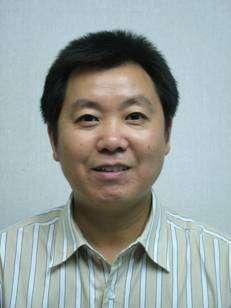 Chaoke Tang (唐朝克)合作论文数南华大学生命科学研究中心23
 Juan Peng合作论文数15
 ZhiHan Tang (唐志晗)合作论文数15
 Yongzong Yang (杨永宗)合作论文数Institute of Cardiovascular Disease & Key Lab for Atherosclerology of Hunan Provine, University of South China15Peng Wu合作论文数11Ya-Ling Tang合作论文数10
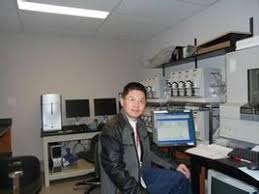 Guanghui Yi (易光辉)合作论文数Hengyang Medical School, University of South China10Jinna Chen合作论文数9
 Chaojun Tang (唐朝君)合作论文数苏州大学唐仲英血液学研究中心9Shulei Zhang合作论文数8YunCheng Lv (吕运成)合作论文数8ZaiYang Wan (万载阳)合作论文数8Jianjun Lei合作论文数7Yanmei Chen合作论文数7Junfa Zeng合作论文数7Ya-Mi Liu合作论文数6Kai Zhang合作论文数6Yamin Liang合作论文数6Lu Li合作论文数6Xiaohong Li合作论文数6Jiaojiao Chen合作论文数6Rongqing LI (李荣庆)合作论文数6GUO Feng-Xia (郭凤霞)合作论文数6XiaoFeng Ma (马小峰)合作论文数6Feng Yao合作论文数6Zhang Hai合作论文数6Qin Yang合作论文数5Guohua Li合作论文数5GuoHua Li (李国华)合作论文数5He Xinglan合作论文数5Xiaoying Jia (贾小英)合作论文数5Bin-Jie Yan合作论文数4Dan-Dan Gui合作论文数4Wen Luo合作论文数4Tao Jun合作论文数4ShiYuan Wu合作论文数4Lilan TAN (谭利兰)合作论文数4
 Zeng Zhaolin合作论文数4Chen XIAO (肖晨)合作论文数4LaXiang Wan (万腊香)合作论文数4ZhongYi Tong (童中艺)合作论文数4JinYan Xiao (肖锦艳)合作论文数4ZhanZhi Zhao (赵战芝)合作论文数4XiaoLin Long (龙晓林)合作论文数4Mark T. Nutley合作论文数4




