Background: The long-term health effects of weight cycling in mid to late adulthood remain uncertain, and previous studies have provided limited data on the safety of weight change. To guide lifelong weight management strategies, we investigated the association between annual changes in obesity parameters and risks of incident cardiometabolic outcomes, cancer, and mortality in multinational cohorts. Methods: Repeated anthropometric data from five large European and North American longitudinal cohorts were leveraged, which comprised 151,600 adults with at least 15 years of follow-up. Individual trajectories of body mass index (BMI), weight, waist circumference (WC), and waist-to-hip ratio (WHR) were constructed, their annual change rates were calculated, and the predictive performance for major outcomes was compared. We defined annual change rate thresholds stratified by baseline BMI and assessed the risks of outcomes across weight change categories. Matched case-control analysis and two-sample Mendelian randomization were also conducted for validation. Findings: The annual BMI change rate showed the best predictive performance for adverse outcomes across these cohorts. In analyses stratified by baseline BMI and restricted to a 5-year time window, the moderate BMI loss group revealed risk profiles comparable to, or better than, those of the stable group, whereas rapid loss and gain were both linked to higher risks of adverse outcomes. This pattern was more evident among individuals suffering from overweight or obesity and concomitant pre-existing cardiovascular diseases. Interpretation: From a life-course perspective, our convergent observational and genetic evidence indicated that maintaining a moderate weight-loss trajectory in middle-aged and older adults is associated with more favorable cardiometabolic, cancer, and mortality outcomes than either rapid weight loss or gain. The relatively safe annual BMI change ranges differ by baseline adiposity, underscoring the need for BMI-stratified, rate-based targets in lifelong weight management guidelines and highlighting the importance of monitoring weight change slopes in clinical practice.
BackgroundHypothyroidism represents a multisystem endocrine disorder involving cardiovascular, renal, and metabolic alterations beyond thyroid hormone deficiency. However, validated tools for hypertension (HTN) risk stratification specifically designed for patients with hypothyroidism remain lacking. This study aimed to develop and externally validate a hypothyroidism-specific HTN prediction model incorporating routinely available clinical variables.MethodsThis retrospective multicohort study included patients with hypothyroidism from a hospital-based cohort and an independent external population-based cohort. Eligible participants were identified according to predefined diagnostic criteria, and individuals with missing key clinical variables or incomplete outcome information were excluded. Candidate predictors were selected using regression-based approaches, and a multivariable prediction model was developed in the derivation cohort and subsequently evaluated in internal and external validation cohorts. An interpretable HTN risk profile was developed and evaluated using internal validation, external validation, and subgroup analyses.ResultsAge, serum creatinine (SCr), anion gap (AG), and diabetes mellitus (DM) constituted a clinically interpretable risk profile reflecting vascular aging, renal vulnerability, and metabolic dysregulation. The model demonstrated robust discrimination, good calibration, and favorable clinical utility across training, testing, and external validation cohorts.ConclusionsA disease specific HTN risk profile was developed and externally validated in patients with hypothyroidism. This model provides a practical approach for individualized cardiovascular risk stratification and supports the application of precision endocrine medicine.
AimsThis study aims to develop an interpretable machine learning (ML) model for predicting the occurrence of advanced diabetic kidney disease (DKD), with the objective of identifying patients at an early stage of the disease, thereby facilitating timely and appropriate clinical intervention.MethodsVariable selection was performed using a combination of the least absolute shrinkage and selection operator (LASSO) and recursive feature elimination (RFE) techniques. A prediction model was constructed and validated using eight ML algorithms, and the model’s performance was evaluated using area under curve (AUC), accuracy, sensitivity, specificity, positive predictive value (PPV), negative predictive value (NPV), F1 score, Brier score, calibration curve, and decision curve analysis (DCA). The SHapley Additive exPlanation (SHAP) and partial dependence plot (PDP) methods were employed to interpret the model both locally and globally. Finally, the prediction model was integrated into a network platform based on the Shiny application for direct use by clinicians and patients.ResultsSerum creatinine, age, hemoglobin, serum urea, serum ALP, serum UA, platelet count, serum osmolality, serum bicarbonate, and monocyte count were identified as the most important variables in the advanced DKD model. Eight ML models were developed using these five variables. Among them, the logistic regression (LR) model demonstrated accurate predictive ability in both internal and external validation, with AUCs of 0.948 (95%CI: 0.920-0.975) and 0.898 (95%CI: 0.883-0.913), respectively. Furthermore, the LR model exhibited excellent performance in terms of accuracy, sensitivity, PPV, NPV, F1 score, and Brier score. The results of the calibration curve and DCA also indicate a high degree of consistency between the predicted and observed risks of the RF model, with a net return approaching full coverage. The model developed is available through LR-based online calculators for clinicians, free of charge: https://dev2333.shinyapps.io/logistics1/.ConclusionThis study developed and validated an interpretable LR model for predicting the occurrence of advanced DKD. The LR model can assist clinical practice by effectively identifying individuals at higher risk of advanced DKD at an early stage, allowing patients to receive timely and personalized treatment, and thereby providing a reliable foundation for improving patient prognosis and optimizing medical resource utilization.
A systematic review and network meta-analysis was implemented to compare social support interventions for glycemic control in people with type 2 diabetes from low- and middle-income countries (LMICs) and those from racial and ethnic minoritized groups in high-income countries (HICs). MEDLINE, EMBASE, and the Cochrane Central Register of Controlled Trials were searched from inception to October 23, 2023. Randomized controlled trials were included, comparing social support intervention with any control condition or another social support intervention for treatment of people with type 2 diabetes from LMICs and those from racial and ethnic minoritized groups in HICs. The primary outcome was the mean change in hemoglobin A1c (HbA1c), presented as mean differences (MDs) and 95
OBJECTIVE:This study aimed to compare the diagnostic performance of Dixon T2-weighted imaging (Dixon-T2WI), T2 mapping, and T1 mapping in evaluating orbital activity in Graves' orbitopathy (GO). METHODS:Seventy-three GO patients were retrospectively enrolled, with 146 affected eyes. Based on clinical activity score (CAS) criteria, the eyes were divided into inactive (n = 76) and active (n = 70) groups. All patients underwent orbital magnetic resonance imaging (MRI) with Dixon-T2WI, T1 mapping, and T2 mapping sequences. The signal intensity ratio (SIR), T2 relaxation time (T2RT), and T1 relaxation time (T1RT) were measured in the superior rectus (SR), inferior rectus (IR), lateral rectus (LR), and medial rectus (MR). Predicted probabilities were derived from the generalised linear mixed model. Diagnostic performance was evaluated via marginal area under the receiver operating characteristic (ROC) curve (AUC), with pairwise comparisons by DeLong's test. RESULTS:ROC curve analysis showed the following: The AUC values of the MR-SIR (AUC = 0.742) showed no significant difference from T2RT (P > 0.05), and both were higher than T1RT. The AUC values of the SR-SIR (AUC = 0.770) showed no significant difference from T2RT (P > 0.05), and both were higher than T1RT. The AUC value of the IR-SIR (AUC = 0.823) showed no significant difference from T2RT (P > 0.05), and both were higher than T1RT. The AUC values of the LR-SIR (AUC = 0.700) showed no significant difference among SIR, T2RT, and T1RT (all P > 0.05). CONCLUSION:As a routine sequence, Dixon-T2WI is comparable to T2 mapping in diagnostic efficacy and significantly superior to T1 mapping. It is preferred for assessing GO activity in clinical practice.
CONTEXT:Hypophosphatasia (HPP) is a rare inherited metabolic disorder caused by loss-of-function variant(s) of the ALPL gene, which encodes tissue-nonspecific alkaline phosphatase (TNSALP). OBJECTIVE:To enrich the genetic spectrum of HPP and establish a genetic basis for the diagnosis and treatment of the proband. METHODS:A detailed medical history and systematic clinical evaluation were conducted for the proband. Variants in genes relevant to the proband's clinical phenotype were identified through whole-exome sequencing and confirmed by Sanger sequencing. The effect of ALPL gene variants on TNSALP function and their dominant negative effect (DNE) was assessed by transient transfection of recombinant plasmids into HEK293T cells, followed by an analysis of enzyme specific activity (ESA). RESULTS:Two missense variants, c.269A > G and c.787T > C, and 1 intronic variant, c.182-9C > T, were identified in the ALPL gene of the proband. ESA assays revealed that c.269A > G and c.182-9C > T exhibited reduced alkaline phosphatase (ALP) activity, whereas no significant change was observed for c.787T > C. Cotransfection experiments with wild-type and mutant (c.269A > G or c.182-9C > T) TNSALP revealed that both c.269A > G and c.182-9C > T have DNE. CONCLUSION:The compound heterozygous variant comprised of c.269A > G and c.182-9C > T in the ALPL gene may contribute to decreased ALP activity and the disease phenotype of the proband. Moreover, an experienced multidisciplinary team needs to monitor the effect of DNE on carriers and track the relevant clinical symptoms emerging at a later stage.
To explore the application of multiparametric magnetic resonance imaging (MRI) combined with clinical parameters in the assessment of Graves’ ophthalmopathy (GO). This retrospective study included 71 patients with GO (142 affected eyes) categorized into inactive (75) vs. active (67) and mild (70) vs. moderate-severe (72) subgroups. Clinical parameters were collected, and extraocular muscle (EOM) parameters [signal intensity ratio (SIR), T1 relaxation times (T1RT), T2 relaxation times (T2RT), and fat fraction (FF)] were measured (max/mean values). Predicted probabilities were derived from the generalized linear mixed model. Multivariate Logistic regression (based on the Akaike Information Criterion) was used to develop combined diagnostic models, and the marginal area under the receiver operating characteristic (ROC) curve (AUC) was employed to assess their efficacy. Compared with the inactive and mild groups, the active and moderate-severe GO eyes showed higher mean EOM-SIR, mean EOM-T1RT, and mean/max EOM-T2RT, as well as lower mean/max EOM-FF and female proportion (all P < 0.05). The active group had a shorter disease duration, whereas the moderate-severe group had higher thyrotropin receptor antibody (TRAb) levels (P < 0.05). For differentiating GO activity and severity, the combined staging Model 3 (EOM-FFmax + EOM-T1RTmean + EOM-T2RTmean + sex + thyroid functional status) and grading Model 6 (EOM-FFmax + EOM-T1RTmean + EOM-T2RTmean + sex + TRAb + thyroid functional status) yielded the best diagnostic efficacy, with AUCs of 0.912 and 0.947, respectively. The combined model of quantitative multiparametric MRI and clinical parameters enables a more accurate assessment of GO activity and severity.
Rheumatoid arthritis (RA), a chronic autoimmune disease linked to higher mortality, benefits from physical activity (PA), which has been shown to reduce disease activity and improve physical function. However, PA’s association with all-cause mortality in RA patients remains unclear. To investigate the relationship between various levels of PA and all-cause mortality among patients with RA. This dual-cohort observational study used data from the National Health and Nutrition Examination Survey (NHANES) from 2007 to 2018 and the UK Biobank database. PA was assessed using self-reported questionnaires in NHANES and 7-day wrist-worn accelerometers in the UK Biobank. Cox proportional-hazards models and restricted cubic spline (RCS) analysis were employed to evaluate the association between PA and all-cause mortality. Subgroup and interaction analyses were conducted to examine the robustness of the findings. Stratified analyses were performed using polygenic risk scores for RA in the UK Biobank cohort. An analysis combining results from both cohorts was conducted using random-effects models to estimate pooled associations and assess heterogeneity. A total of 1493 patients with RA from the NHANES cohort and 1724 from the UK Biobank cohort were included. Across both cohorts, PA was significantly associated with a lower risk of all-cause mortality. In fully adjusted models, active and highly active groups showed reduced mortality risks compared with the inactive group [NHANES: hazard ratio (HR): active = 0.381, highly active = 0.675; UK Biobank: HR: active = 0.557, highly active = 0.491]. RCS analysis revealed a U-shaped association between PA and mortality in the NHANES cohort, with moderate PA levels showing the greatest protective effect. However, an L-shaped pattern was observed in the UK Biobank cohort, where the highly active group had the lowest mortality risk. A joint analysis in NHANES revealed that active work-related PA combined with inactive recreational PA yielded the greatest mortality reduction. In the UK Biobank, moderate-to-vigorous PA remained protective even among patients with high genetic risk. A pooled analysis combining both cohorts confirmed a robust inverse association between PA and all-cause mortality (HR: active = 0.48, highly active = 0.61), with low heterogeneity across studies. PA is associated with reduced all-cause mortality in patients with RA. Question What is the relationship between various levels of PA and all-cause mortality among patients with RA? Findings In two large cohorts (NHANES, UK Biobank), higher PA levels significantly reduced death risk. Active (150–300 min/week) and highly active (>300 min/week) groups had lower mortality vs inactive groups (HRs: 0.381–0.675). Meaning PA is robustly linked to longer survival in RA, supporting personalized recommendations balancing activity type (work vs. recreational) and intensity to optimize outcomes.
Importance:Thyroid eye disease (TED), a disfiguring and potentially sight-threatening condition with racial phenotypic variations, currently has limited effective treatments. Insulin-like growth factor 1 receptor (IGF-1R) inhibitors therapy has emerged as a promising treatment option, although it remains less accessible and lacks substantial evidence in Asian patients. Objective:To assess efficacy and safety of IBI311, an IGF-1R inhibitor with an identical amino acid sequence to teprotumumab but a different dosage form, in Chinese patients with active TED. Design, Setting, and Participants:This was a randomized, double-masked, placebo-controlled, multicenter, 24-week phase 3 trial with recruitment conducted across 20 tertiary hospitals in China from May to December 2023. Chinese participants with active (clinical activity score [CAS] ≥3) moderate to severe TED were included after excluding individuals with active TED onset over 270 days; sight-threatening TED; or history of steroid pulse therapy, radiotherapy, or surgery for TED. Interventions:Eighty-two participants were randomized 2:1 to receive intravenous infusions of either IBI311 or placebo once every 3 weeks for 21 weeks with follow-up through week 24. Main Outcomes and Measures:The primary outcome was the proptosis response rate (proptosis reduction ≥2 mm) in the study eye at week 24. Results:Participants (mean [SD] age, 39.6 [10.9] years; 56 [68.3%] women) were randomized to receive IBI311 (n = 54) or placebo (n = 28). At week 24, 45 of 52 participants receiving IBI311 (85.8%) and 1 of 26 receiving placebo (3.8%) had proptosis response (difference, 81.9 percentage points; 95% CI, 69.8 to 93.9; P < .001). The secondary outcomes included overall response (proptosis reduction ≥2 mm and CAS reduction ≥2, 80.2% vs 3.6%; difference, 76.3 percentage points; 95% CI, 63.3 to 89.4), CAS of 0 or 1 (83.5% vs 16.6%; difference, 67.1 percentage points; 95% CI, 49.4 to 84.8), least-squares mean (SE) change from baseline in proptosis (-2.85 [0.18] mm vs -0.02 [0.24] mm; difference, -2.83 mm; 95% CI, -3.39 mm to -2.27 mm) in the study eye (all P < .001), and diplopia response (diplopia reduction ≥1 grade, 66.0% vs 53.3%; P = .46). All adverse events of interest (infusion reaction, hearing impairment, hyperglycemia, muscle spasm, and nausea or diarrhea) were mild or moderate in severity. No serious adverse event or death occurred in the IBI311 group. Conclusions and Relevance:In this phase 3 randomized clinical trial, IBI311 demonstrated better and clinically relevant outcomes in proptosis and CAS than placebo with no new safety issues not identified in previous clinical trials. The results suggest that IBI311 represents a viable treatment option for Chinese patients with active TED. Trial Registration:ClinicalTrials.gov Identifier: NCT05795621.
OBJECTIVE:Teprotumumab was approved by the US Food and Drug Administration (FDA) for treating Graves' orbitopathy in adults on January 21, 2020. This study evaluates its efficacy and safety in treating thyroid eye disease (TED). METHODS:We reviewed studies on teprotumumab for TED treatment from PubMed, Web of Science, EMBASE, Cochrane library, and Clinical trials. gov up to January 1, 2024. Outcomes included proptosis response, diplopia, Clinical Activity Score (CAS) score, and adverse events (AEs). RESULTS:Our analysis included 10 studies, 4 randomized controlled trials, and 6 observational studies. The randomized controlled trials involved 210 teprotumumab patients and 193 controls. Teprotumumab significantly improved proptosis response (relative risk [RR] 4.18, 2.72-6.43), diplopia regression (RR 2.29, 1.54-3.41), and CAS score (RR 3.09, 1.98-4.80) compared to placebo. A significant reduction in proptosis was observed (standardized mean difference -8.38, -9.25 - -7.52). The risk of AEs and serious AEs was higher with teprotumumab. The 6 observational studies included 211 patients, showing an 82% proptosis response rate, a -3.31 mm change in proptosis, a 0.58 diplopia improvement rate, and a 0.66 pooled effect size for CAS score. AE incidence was 0.78, and serious AEs were 0.31. CONCLUSION:Teprotumumab effectively reduces proptosis, improves diplopia, and lowers disease activity in TED, regardless of previous treatments, severity, or dosage, albeit with increased AEs. It has the potential to become a vital first-line treatment for TED, enhancing patient quality of life.
This study aims to investigate efficacy and safety of TCZ in TED. Performing a meta-analysis of included studies. PubMed, Web of Science, Embase, Cochrane Library, and Clinicatrials.gov databases were retrieved to identify all related published literatures as of May 2024. When I2 > 50
BackgroundHealth care is experiencing new opportunities in the emerging digital landscape. The metaverse, a shared virtual space, integrates technologies such as augmented reality, virtual reality, blockchain, and artificial intelligence. It allows users to interact with immersive digital worlds, connect with others, and explore unknowns. While the metaverse is gaining traction across various medical disciplines, its application in thyroid diseases remains unexplored. Subclinical hypothyroidism (SCH) is the most common thyroid disorder during pregnancy and is frequently associated with adverse pregnancy outcomes. ObjectiveThis study aims to evaluate the safety and effectiveness of a metaverse platform in managing SCH during pregnancy. MethodsA randomized controlled trial was conducted at Fujian Provincial Hospital, China, from July 2022 to December 2023. A total of 60 pregnant women diagnosed with SCH were randomly assigned into two groups: the standard group (n=30) and the metaverse group (n=30). Both groups received levothyroxine sodium tablets. Additionally, participants in the metaverse group had access to the metaverse virtual medical consultations and metaverse-based medical games. The primary outcomes were adverse maternal and offspring outcomes, and the secondary outcomes included the neurobehavioral development of offspring and maternal psychological assessments. ResultsOf the 30 participants in each group, adverse maternal outcomes were observed in 43% (n=13) of the standard group and 37% (n=11) of the metaverse group (P=.60). The incidence of adverse offspring outcomes was 33% (n=10) in the standard group, compared to 7% (n=2) in the metaverse group (P=.01). The Gesell Development Scale did not show significant differences between the two groups. Notably, the metaverse group demonstrated significantly improved scores on the Self-Rating Depression Scale and the Self-Rating Anxiety Scale scores compared to the standard group (P<.001 and P=.001, respectively). ConclusionsThe use of metaverse technology significantly reduced the incidence of adverse offspring outcomes and positively impacted maternal mental health. Maternal adverse outcomes and offspring neurobehavioral development were comparable between the two groups. Trial RegistrationChinese Clinical Trial Registry ChiCTR2300076803; https://www.chictr.org.cn/showproj.html?proj=205905
Sedentary behavior has emerged as a potential risk factor for various health issues, including hormonal imbalances like testosterone deficiency (TD). However, the relationship between sedentary time and TD remains underexplored, especially with respect to the complex biological mechanisms underlying this association. This study aimed to examine the association between sedentary time and TD in adult males. This cross-sectional study analyzed data from the National Health and Nutrition Examination Survey 2011–2016. A total of 6057 male participants aged 20 years and older were included. Sedentary time was categorized into quartiles, and TD was defined as serum testosterone levels below 300 ng/dL. Logistic regression models were employed to assess the association between sedentary time and TD, adjusting for demographic, lifestyle, and health-related covariates. Restricted cubic spline (RCS) analysis and segmented regression were also conducted to explore potential non-linear relationships and thresholds. Subgroup analyses were performed to examine the consistency of associations across various groups. The analysis revealed a significant positive association between sedentary time and TD. Prolonged sedentary behaviour was consistently associated with higher odds of TD across all models (all p < 0.001). RCS analysis showed a significant non-linear relationship, particularly as sedentary time exceeded 4.5 h per day, with a marked increase in the likelihood of TD (p-non-linear = 0.027). Subgroup analysis indicated that this association was most pronounced in Non-Hispanic Whites, current smokers, and drinkers, and was weaker in individuals with diabetes, where the association lost statistical significance after full adjustment. This study identifies a significant association between prolonged sedentary behaviour and a higher risk of TD, suggesting that sedentary behavior may play a key role in the development of TD, particularly in specific high-risk populations.
Increased detection of non-functioning adrenal incidentalomas (NFAI) due to widespread abdominal imaging may underestimate associated metabolic risks. To examine NFAI's impact on metabolic comorbidities and evaluate outcomes in surgical and non-surgical management, including changes in NFAI characteristics during follow-up. Meta-analysis of studies from PubMed, Embase, Cochrane Library, and Web of Science (January 2000 to May 2024). Studies focusing on patients with serum cortisol levels ≤ 50 nmol/L after 1 mg dexamethasone suppression test (DST). Prevalence of hypertension, diabetes, obesity, and lipid disorders before and after follow-up. Tumor growth (> 10 mm increase) and functional changes (1 mg DST retest) were assessed. Eighteen studies met inclusion criteria (n = 2,059). In the non-surgical group, diabetes (RR: 1.33, 95
Chronic stress in daily life is a well-known trigger for various health issues. Despite advancements in obesity research, the mechanisms governing lipid metabolism in adipose tissue during cachexia remain poorly understood. A chronic restraint stress (CRS) model was used to induce significant physiological and psychological stress in mice. Mice were subjected to 6 h of restraint daily in 50 mL plastic tubes for seven consecutive days. A fasting control group was included for comparison. Post-stress assessments included behavioural tests, glucose and insulin tolerance tests and indirect calorimetry. Blood and adipose tissue samples were collected for mRNA and protein analyses. CRS induced significant psychological and physiological changes in mice, including depression-like behaviours, weight loss and reduced insulin sensitivity. Notably, CRS caused extensive adipose tissue remodelling. White adipose tissue (WAT) underwent significant ‘browning’ accompanied by an increase in the expression of thermogenic proteins. This counteracted the stress-induced ‘whitening’ of brown adipose tissue (BAT), which exhibited impaired thermogenesis and functionality, thereby maintaining energy balance systematically. The glucocorticoid receptor (GR) plays a crucial role in lipid metabolism regulation during these changes. GR expression levels were inversely correlated in BAT and WAT, but aligned with the expression patterns of thermogenic proteins across adipose tissues. These findings suggest that under chronic metabolic stress, GR mediates tissue-specific responses in adipose tissues, driving functional and phenotypic transitions in BAT and WAT to maintain energy homeostasis. This study provides novel insights into the contrasting thermogenic phenotypes of BAT and WAT under emaciation and highlights the critical role of GRs in adipose tissue remodelling during CRS and its potential as a therapeutic target. Addressing GR-mediated changes in adipose tissues may help alleviate BAT dysfunction in cachexia and promote WAT browning, enhancing metabolic stress resistance.
Mutations in carboxyl ester lipase (CEL) cause maturity-onset diabetes of the young type 8 (MODY8), yet the mechanism linking exocrine CEL deficiency to β-cell failure remains unclear. Here, we demonstrate that a truncating CEL mutant (MUT-CEL, c.538 + 16C > T) is aberrantly internalized by β-cells, where it forms cytotoxic aggregates that resist degradation. These aggregates induce endoplasmic reticulum stress, trigger a sustained unfolded protein response, and drive β-cells into a senescent state characterized by cell cycle arrest and loss of identity markers. Crucially, we identify cyclin-dependent kinase 4 (CDK4) dysfunction as a central mediator of this lipotoxicity induced senescence. Restoration of CDK4 activity rescues β-cell proliferation and function in vitro and in vivo, revealing a targetable pathway to mitigate β-cell demise in MODY8.
Disclosure: Y. Zheng: None. X. Lin: None. W. Liu: None. H. Lan: None. J. Wen: None. G. Chen: None. W. Lin: None. Background: Type 2 diabetes, cardiovascular diseases, and chronic kidney disease collectively constitute Cardiovascular-Kidney-Metabolic Syndrome (CKM), representing a major public health challenge worldwide. While oxidative stress has been linked to CKM pathogenesis, the association between oxidative balance scores (OBS, comprising lifestyle [LOBS], dietary [DOBS], and total [TOBS] components) and CKM risk and all-cause mortality remains unclear. Methods: This cross-sectional study analyzed data from 12,290 U.S. adults who participated in the National Health and Nutrition Examination Survey (NHANES) 2005-2017. We examined associations between oxidative balance scores (LOBS, DOBS, and TOBS) and risk of single CKM (CKM=1) and multiple CKM (CKM>1) using logistic regression, and assessed mortality risk using Cox models. Restricted cubic spline analyses explored non-linear relationships, while parallel mediation analyses assessed the role of biological aging markers. Subgroup analyses identified variations across population characteristics. All analyses incorporated survey weights to ensure nationally representative estimates. Results: Among 12,290 participants, 82.4% had no CKM, 13.8% had single CKM, and 3.7% had multiple CKM. LOBS showed the strongest protective effect against CKM, with each point increase reducing single CKM risk by 12% (OR 0.88, 95% CI: 0.82-0.95) and multiple CKM risk by 11% (OR 0.89, 95% CI: 0.80-0.99), while DOBS and TOBS showed modest 2-3% risk reduction. Participants in the highest versus lowest quartile of TOBS showed substantially lower mortality risk: 51% in single CKM (HR 0.49, 95% CI: 0.28-0.85) and 56% in multiple CKM (HR 0.44, 95% CI: 0.26-0.74). The association between oxidative balance and CKM risk was linear (P-overall < 0.0001, P-nonlinear > 0.05), whereas all-cause mortality followed a U-shaped pattern, reaching minimum risk at a LOBS value of 5.0. Biological aging markers mediated these associations, with LOBS having the most substantial impact through phenotypic age (45.84%), homeostatic dysregulation (39.84%), and biological age (38.30%). Subgroup analyses showed the protective effects were most pronounced in middle-aged adults (40-59 years), particularly in those without hypertension or hypercholesterolemia. Conclusions: Higher oxidative balance scores are consistently associated with lower CKM risk and reduced all-cause mortality. Lifestyle factors showed the strongest protective effects (12% risk reduction per point increase), while individuals with the highest total oxidative balance demonstrated more than 50% reduction in mortality risk. Healthcare providers should prioritize lifestyle interventions targeting oxidative balance in middle-aged adults (40-59 years), particularly those without hypertension or hypercholesterolemia. Presentation: Sunday, July 13, 2025
Diabetic retinopathy (DR) is characterized by progressive retinal vascular damage that ultimately causes vision loss. The prognostic nutritional index (PNI), which integrates albumin and lymphocytes, serves as an indicator of an individual’s inflammatory response, nutritional condition, and immune system function. This research aimed to explore the possible association between PNI and DR. This was a cross-sectional study utilizing data from the National Health and Nutrition Examination Survey (NHANES) between 2001 and 2018. Weighted logistic regression analyses were employed to assess the relationship between PNI and DR prevalence. A total of 4791 adults aged 20 years and older were included in the analysis. Results indicated a statistically significant negative correlation between PNI and DR prevalence. In the fully adjusted model, a one-unit rise in PNI corresponded to a 7% reduction in the probability of DR prevalence. Quartile analysis consistently indicated that individuals in the highest PNI quartile had notably lower odds of DR prevalence compared to those in the lowest quartile. Additionally, smooth curve fitting suggested a nonlinear relationship between PNI and DR. Subgroup analysis reinforced the strength of the inverse association between PNI and DR (all p for interaction > 0.05). This nationally representative study demonstrated a significant inverse relationship between PNI levels and DR prevalence among diabetic adults in the United States. Our findings emphasize the potential role of maintaining optimal PNI values in preventing the development of DR.
BACKGROUND AND AIMS:This study aimed to investigate the association of different types of coffee consumption on mortality, cardiovascular outcomes and prevalence in adults with prediabetes. METHODS AND RESULTS:This study included 5979 patients with prediabetes from the 2003-2018 National Health and Nutrition Examination Survey (NHANES) who had follow-up information. Mortality status was obtained from the National Mortality Record (NMR). A total of 748 deaths were recorded in patients with follow-up prediabetes, including 250 cardiovascular causes of death. The coffee consumption of NHANES participants was assessed using the first 24-h dietary recall interview. Among the patients with prediabetes during follow-up, there were significant survival differences between the three levels of total coffee, sugar-free coffee, and caffeinated coffee consumption (log-rank test, p < 0.05). Only for sugar-sweetened coffee consumption were there significant survival differences in cardiovascular disease (CVD) mortality across the three levels (log-rank test, p < 0.001). After multivariable adjustment, when comparing the lowest and highest consumption categories of different types of coffee, the hazard ratio for all-cause mortality among patients with prediabetes for total coffee consumption was 0.68 (95% confidence intervals [CI]: 0.55-0.85). Consumption of sugar-sweetened, sugar-free, full-fat, and fat-free coffee was negatively associated with the risk of all-cause mortality among patients with prediabetes (p < 0.05). Similar results were observed between individual types of coffee consumption and CVD mortality. Additionally, the hazard ratio for CVD mortality among patients with prediabetes for caffeinated coffee consumption was 0.47 (95% CI: 0.27-0.80). Full-fat coffee consumption was negatively associated with the prevalence risk of CVD among patients with prediabetes (OR: 0.0002, 95 % CI: 0.00-0.001, p for trend = 1.91). CONCLUSIONS:In adult patients with prediabetes, different types of coffee consumption showed varying associations with all-cause mortality, CVD outcomes, and prevalence. Higher consumption of coffee, sugar-sweetened coffee, sugar-free coffee, full-fat coffee, and fat-free coffee was associated with reduced all-cause mortality and CVD mortality in patients with prediabetes. Additionally, caffeinated coffee consumption was linked to a lower CVD mortality risk, and full-fat coffee consumption was associated with a reduced risk of CVD prevalence. These findings highlighted the potential role of choosing different types of coffee in managing the risk of CVD and premature mortality in adult patients with prediabetes.
 Gang Chen (陈刚)合作论文数Fuzhou University School of Medicine99
 Jixing Liang合作论文数62Liantao Li合作论文数60
 Wei Lin (林威)合作论文数Zhongshan Hospital, Xiamen University59
 Huibin Huang (黄惠斌)合作论文数School of Clinical Medicine, Tsinghua University;Beijing Tsinghua Changgung Hospital54LiXiang Lin (林丽香)合作论文数47Jin Yao合作论文数27Liangchun Cai (蔡梁椿)合作论文数20Yaqian Mao合作论文数17
 Jieli Lu (陆洁莉)合作论文数School of Medicine, Shanghai Jiao Tong University15
 Yufang Bi (毕宇芳)合作论文数Ruijin Hospital, Shanghai Jiao Tong University School of Medicine14
 Guang Ning (宁光)合作论文数Ruijin Hospital, Shanghai Jiaotong University School of Medicine14Qinyu Liu合作论文数12Nengying Wang合作论文数12Kaka Tang合作论文数11
 Weiqing Wang (王卫庆)合作论文数Ruijin Hospital, School of Medicine, Shanghai Jiaotong University10Lizhen Xu合作论文数9Miao Lin (林苗)合作论文数9Xue Ting合作论文数9Meizhi Li合作论文数8HongJie Chen (陈宏颉)合作论文数8Liyao Zong合作论文数7Yuanyuan Zheng合作论文数7WeiTe Zhuang (庄维特)合作论文数7
 Baoying Huang (黄宝英)合作论文数福建中医药大学附属宁德市医院7
 Yinqiong Huang合作论文数5Zheng Zhu合作论文数5Yinghua Lin合作论文数5Qingming Lin合作论文数5
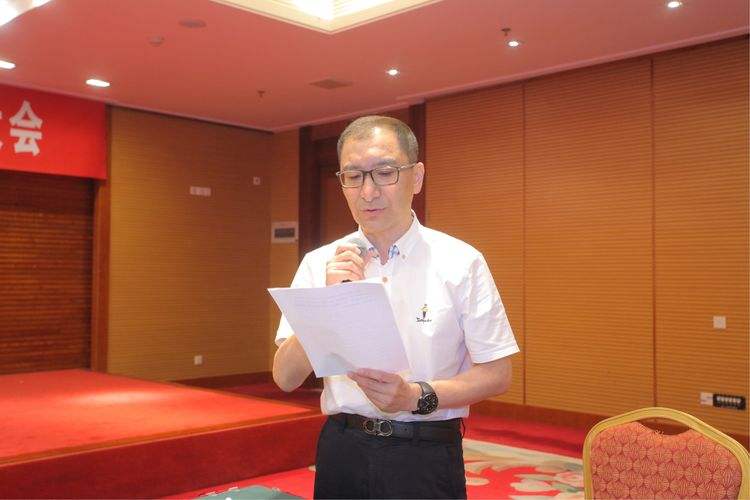 Jianming Hou (侯建明)合作论文数福建省老年医院5Qiqin Jiang合作论文数5
 Yating Hu合作论文数5Shuyao Pan合作论文数4H Huang合作论文数4Rongmei Lu合作论文数4Wenkai Bi合作论文数4
 Xiaoying Li (李小英)合作论文数Zhongshan Hospital, Fudan University;Institute of Metabolism & Integrative Biology, Fudan University4Xueying Gong合作论文数4Rona S Carroll合作论文数4Songchang Shi合作论文数4Shushan Peng合作论文数4Jin-xing PAN (潘金兴)合作论文数4Zichun Chen合作论文数4Changsheng Qiu合作论文数4Qi Lv (吕琦)合作论文数4




