INTRODUCTION:Blepharospasm (BSP) has a high spreading risk, and the most common condition is becoming blepharospasm-oromandibular dystonia (BOM). We aimed to identify the shared and specific changes in the brain cerebral blood flow (CBF) covariance network between BSP and BOM. METHODS:This single-center study enrolled 21 BSP patients, 21 BOM patients, and 20 healthy controls (HC). Clinical information and MRI imaging including arterial spin labeling, three-dimensional T1-weighted and conventional sequences were obtained. CBF data were preprocessed, and group-level CBF covariance networks were constructed. Intergroup differences of network connections and properties were compared using a permutation test, and for all network metrics, the statistical significance was defined as p < 0.01 (uncorrected, 5000 times). RESULTS:In both patient groups, hypoperfusion is mainly located in the bilateral frontal lobe and cingulate gyrus. The global properties were standard, and spatial covariance analysis revealed whole-brain reconfiguration. CBF connections in BSP patients were partially increased, whereas they were mostly decreased in BOM patients. Two groups shared lost hubs in the vermis 8, left putamen, right superior temporal gyrus, right cerebellum 4-5, and left thalamus. Compared with BSP, the BOM group showed more widespread decreased connections linking these lost hubs to the rest of the brain, especially for the left putamen, left thalamus and right superior temporal gyrus hub. CONCLUSIONS:Loss function in the vermis 8, left putamen, right superior temporal gyrus, right cerebellum 4-5, and left thalamus are important features for the pathophysiology of both patient groups. Among them, decreased connections in the left putamen, left thalamus, and right superior temporal gyrus mainly unveiled the specific pathophysiological differences between groups.
Background:Previous studies have indicated that non-motor symptoms are primary problems in focal dystonia, but limited data are available about cognitive function and their correlation with motor severity in generalized dystonia (GD). Methods:In the present study, we performed a case-control study and enrolled isolated genetic or idiopathic GD patients and age-, sex- and education-matched healthy controls (HC). Clinical characteristics, motor symptoms, psychiatric symptoms, and cognitive performance were assessed in both groups using various standardized rating scales and a comprehensive neuropsychological battery. Group comparisons, multiple linear regression analyses, and correlation analyses were performed, with adjustment for demographic and affective variables and correction for multiple comparisons. Results:Twenty patients with GD and matched healthy controls were enrolled and completed the assessments. Compared with HC, GD patients showed mild impairments, particularly in MoCA, executive function/attention, spatial ability, some tests in memory and similarities while other cognitive function did not differ between patients and HC. After adjustment and multiple comparison correction, MOCA, MOCA, executive function/attention and episodic memory remained the most consistent deficits. Several other cognitive differences were no longer significant after correction. No significant associations were found between cognitive performance and motor severity or disease duration. Cognitive performance did not differ between genetic and idiopathic subgroups or between medication groups. Conclusion:GD is associated with mild and heterogeneous cognitive impairments, with only a subset of deficits remaining robust after adjustment. Cognitive performance appears largely independent of motor severity, disease duration, medication use, and disease etiology.
Background Near-peer learning (NPL) may address challenges in neurology residency training, but its comparative efficacy across subspecialties with different cognitive demands remains unclear. Methods The authors conducted a six-year longitudinal study evaluating a structured NPL curriculum within a neurology residency program. The study included residents who participated in three modules: cerebrovascular disease (CVD), electromyography (EMG), and electroencephalography (EEG). Knowledge gains were assessed using pre- and post-course examinations. Linear mixed-effects models with Bonferroni correction were used for longitudinal comparisons across participation times. Participant feedback was collected via a structured questionnaire. Results Among 117 enrollments, first-time participants showed significant improvements in all modules (all p < 0.001), with the largest gain in EEG (mean improvement 22.79 points). After correcting for repeated measures, only the EEG module demonstrated a significant advantage of the first session over repeat sessions (adjusted p < 0.001). For CVD and EMG, no significant differences in gain magnitude were observed across participation times (all adjusted p > 0.05). Supplementary analysis of residents who completed three years confirmed no statistically significant decline in any module. Questionnaire responses (n = 46) indicated high satisfaction with the NPL curriculum. Conclusion This study supports that NPL can be a useful component of neurology residency training, particularly for initial knowledge acquisition in complex, low-exposure topics such as EEG. The added value of repeated NPL sessions is domain-dependent, and curriculum design may be tailored accordingly.
Neuroimmune disorders associated with anti-RhoGTPase-activating protein 26 immunoglobulin G (IgG) autoantibodies (ARHGAP26; also termed anti-Ca are infrequent and manifest a significant diversity in clinical presentations, including cerebellar ataxia, psychotic disorders, and cognitive impairments. This case report describes a middle-aged female who developed subacute cerebellar ataxia and depression. Detection of anti-ARHGAP26 IgG in both serum and cerebrospinal fluid (CSF) led to her diagnosis of primary autoimmune cerebellar ataxia, supported by her medical history of Sjögren's syndrome and the identification of CSF-specific oligoclonal bands. After undergoing sequential immunotherapy including corticosteroid, intravenous immunoglobulin, plasma exchange, mycophenolate mofetil and rituximab, her Scale for the Assessment and Rating of Ataxia score improved from 28.5 to 18, demonstrating partial recovery. This case highlights the necessity of considering an autoimmune etiology in patients presenting with subacute cerebellar ataxia and suggests that testing for ARHGAP26-IgG is warranted also when psychocognitive impairment is clinically evident. Early initiation of immunotherapy is important to enhance patient outcomes.
BACKGROUND:The safety and effectiveness of deep brain stimulation of the subthalamic nucleus (STN-DBS) for the treatment of dystonia lack high-level evidence-based medical support. This study aimed to clarify the efficacy and safety of STN-DBS and perform a post hoc analysis comparing it with DBS of the internal globus pallidus (GPi-DBS). METHODS:This multicentre, randomised, double-blind, controlled trial included 67 patients aged 6-60 years old diagnosed with genetic or idiopathic isolated generalised or segmental dystonia. They were enrolled from seven hospitals in China and randomly assigned to undergo GPi-DBS or STN-DBS. After surgery, they were randomised to receive either neurostimulation or sham stimulation for 3 months. At the 3-month follow-up, neurostimulation was also initiated in the sham stimulation group, and all patients were followed up for more than 3 years after treatment. The primary outcome was the Burke-Fahn-Marsden Dystonia Rating Scale movement (BFMDRS-M) score. RESULTS:In the STN group, the neurostimulation subgroup exhibited significant improvement (p<0.001), which is also superior to the sham stimulation subgroup (p=0.028) at 3-month follow-up. At the 6-month and >3-year follow-ups, all patients receiving STN-DBS showed a significant improvement in BFMDRS-M scores (p<0.001). Further post hoc analysis revealed that both STN-DBS and GPi-DBS could produce similar therapeutic effects on motor symptoms (P6 months=0.865, P>3 years=0.905). There were no ongoing serious adverse events throughout the study. CONCLUSIONS:For isolated generalised and segmental dystonia patients, the STN is a selectable DBS target with ensured safety and efficacy. STN-DBS and GPi-DBS may achieve comparable therapeutic effects on motor symptoms. TRIAL REGISTRATION NUMBER:NCT03017586.
BACKGROUND:Mounting evidence suggests that Parkinson's disease (PD) and inflammatory bowel disease (IBD) are closely associated and becoming global health burdens. However, the causal relationships and common pathogeneses between them are uncertain. Furthermore, they are uncurable. Thus, we aimed to identify the causal relationships and novel therapeutic targets shared between them based on their common pathophysiological mechanisms in gut-brain-axis (GBA). METHODS:A meta-analysis on bidirectional Mendelian randomization (MR) utilizing various datasets was performed to estimate their causal relationship. Then, pleiotropic analysis under the composite null hypothesis (PLACO) with functional mapping combined with annotation of genetic associations (FUMA) analysis were conducted to identify pleiotropic genes. Next, blood, brain and intestine expression quantitative trait locus (eQTL) were taken to perform drug-target MR finding common causal genes in two diseases. Colocalization analysis ensured the eQTLs of corresponding gene colocalized with disease. Enrichment analysis and protein‒protein interaction (PPI) network were done to explore common pathogenesis pathways. Genes passed all analysis were regarded as drug targets. RESULTS:Our MR meta-analysis revealed the bidirectional causal relationship between diseases, with combined ORs for PD on IBD, CD, UC (1.050 [95% CI 1.014-1.086], 1.044 [95% CI 0.995-1.095], 1.063 [95% CI 1.016-1.120]); for IBD, CD, UC on PD (1.003 [95% CI 0.973-1.034], 1.035 [95% CI 1.004-1.067], 1.008 [95% CI 0.977-1.040]). Overall, 277, 216 and 201 genes were identified as pleiotropic genes between PD and IBD, CD, UC. Total of 733 genes were classified as tier 3 (found in only one tissue) druggable targets, 57 as tier 2 (found in two tissues, 51 protein-coding genes) and 9 as tier 3 (found in three tissues). Among 60 protein-coding druggable targets over tier 2, 18 overlapped with pleiotropic genes and enriched in mitochondria, antigen presentation, processing and immune cell regulation pathways. Three druggable genes (LRRK2, RAB29 and HLA-DQA2) passed colocalization analysis. LRRK2 and RAB29 were reported to be pleiotropic genes, and RAB29 and HLA-DQA2 were reported for the first time as potential drug targets. CONCLUSIONS:This study established a reliable causal relationship, possible shared drug targets and common pathogenesis pathways of two diseases, which had important implications for intervention and treatment of two diseases simultaneously.
Background:The most common spread of blepharospasm (BSP) is to the oromandibular region, labeled as blepharospasm-oromandibular dystonia (BOM). We aimed to identify shared and different functional changes in BSP and BOM, trying to unveil the pathogenesis of these disorders and the mechanism of dystonic spread. Materials and methods:This single center study recruited 16 BSP patients, 16 BOM patients and 20 healthy controls (HC). Clinical information and resting-state fMRI images were collected. Dynamic amplitude of low-frequency fluctuations (dALFF) was calculated using the sliding window method. Intergroup differences in static ALFF (sALFF) and dALFF were examined. Using dALFF results, seed-based static and dynamic functional connectivity (FC) were constructed to compare connectivity changes in BSP and BOM networks. Correlations between dynamic parameters and disease severity scores were analyzed using Spearman partial correlation. Results:Compared with HC, BSP and BOM presented increased dALFF in the bilateral basal ganglia, bilateral supplementary motor area, right precentral gyrus, and bilateral cingulate gyrus. BOM further demonstrated decreased sALFF in the left cerebellum. Compared with HC, BOM patients had decreased sFC in the network involving the sensorimotor cortex, supplementary motor area, basal ganglia, cerebellum, and brainstem. In addition, decreased dFC strength was found between the right pallidum and cerebellum. Comparing with BSP patients, BOM patients showed decreased sFC and dFC strength in a similar but limited pattern. Clinical scores of BSP severity were significantly correlated with dALFF in some of these important regions. Conclusions:Our results demonstrated common brain regions with impaired functional activity in BSP and BOM patients. Further, BOM is featured with widespread connectivity reduction in the sensorimotor cortico-basal ganglia-brainstem-cerebellar network deriving from these key regions. These findings could help investigate mechanisms of dystonia spread and potentially facilitate disease-modifying therapies.
BackgroundIntranasal transplantation of ANGE-S003 human neural stem cells showed therapeutic effects and were safe in preclinical models of Parkinson’s disease (PD). We investigated the safety and tolerability of this treatment in patients with PD and whether these effects would be apparent in a clinical trial.MethodsThis was a 12-month, single-centre, open-label, dose-escalation phase 1 study of 18 patients with advanced PD assigned to four-time intranasal transplantation of 1 of 3 doses: 1.5 million, 5 million or 15 million of ANGE-S003 human neural stem cells to evaluate their safety and efficacy.Results7 patients experienced a total of 14 adverse events in the 12 months of follow-up after treatment. There were no serious adverse events related to ANGE-S003. Safety testing disclosed no safety concerns. Brain MRI revealed no mass formation. In 16 patients who had 12-month Movement Disorder Society-Unified Parkinson’s Disease Rating Scale (MDS-UPDRS) data, significant improvement of MDS-UPDRS total score was observed at all time points (p<0.001), starting with month 3 and sustained till month 12. The most substantial improvement was seen at month 6 with a mean reduction of 19.9 points (95% CI, 9.6 to 30.3; p<0.001). There was no association between improvement in clinical outcome measures and cell dose levels.ConclusionsTreatment with ANGE-S003 is feasible, generally safe and well tolerated, associated with functional improvement in clinical outcomes with peak efficacy achieved at month 6. Intranasal transplantation of neural stem cells represents a new avenue for the treatment of PD, and a larger, longer-term, randomised, controlled phase 2 trial is warranted for further investigation.
Objective To identify the pathogenic variants in 110 patients with essential tremor(ET).Methods Clinical data and peripheral blood samples of ET patients were collected from the Department of Neurology of Peking Union Medical College Hospital and then the genomic DNA was extracted.Dynamic mutation detection of NOTCH2NLC was performed in patients with essential tremor by triplet repeat primed PCR(TP-PCR).Since ET is as-sociated with multiple mechanisms of neuro-degeneration,the next generation sequencing(NGS)panel targeting neu-rodegenerative associating genes were performed to check pathogenic variants in additional genes.Results A total of 110 ET patients and 187 matched control individuals were recruited.The age of onset in the current ET group was(36.30±17.64)years,and 74.8%patients had a family history.No abnormal trinucleotide repeat expansion in NOTCH2NLC was identified.The repeat number of(GGC)n lied within normal ranges between 10-47(average 18.6±5.4).Variants burden analysis showed association of ET with PLA2G6.Three rare variants in four patients in PLA2G6 were identified with unknown significance.Conclusions Dynamic mutations of NOTCH2NLC are uncom-mon in ET patients and that suggests need of more researches for further exploring the genetic mechanism of ET.
Abstract Background: The association between Parkinson’s disease (PD) and inflammatory bowel disease (IBD) has been reported in many observational cohort studies, but the causality between PD and IBD remains unknown. Using the bidirectional two-sample Mendelian randomization (MR) method, we aimed to determine the possible causality between PD, IBD, Crohn’s disease (CD) and ulcerative colitis (UC). Methods: Ten SNPs were selected as instrumental variables for PD from related GWAS summary data to evaluate their causality in IBD, CD and UC. Conversely, 52, 57 and 40 SNPs were selected as instrument variants for IBD, CD and UC, respectively, from related GWAS summary data to evaluate their causality on PD. Inverse variance weighted (IVW) was used as the main method for MR analyses, and an additional CAUSE method was used to estimate causality globally. Results: PD may have a causal effect on IBD (OR=1.063, 95% CI=1.008-1.120, p=0.023) with a statistically significant causal effect on one of its subtypes, UC (OR=1.073, 95%, CI=1.005-1.146, p = 0.035), but not the other subtype, CD (OR=1.065, 95% CI=1.000-1.138, p = 0.062). However, no evidence of an effect of IBD (OR: 0.987, 95% CI: 0.937-1.039, p = 0.609), CD (OR: 1.000, 95% CI: 0.953-1.049, p = 0.995), or UC (OR: 1.005, 95% CI: 0.957-1.055, p = 0.837) on PD was found in the final IVW analysis. The results of the CAUSE method indicated that PD may have a causal effect on IBD (beta=1.45, 95% CI=1.14-1.79, p=2.9×10^-8). Conclusions: This MR analysis indicated that PD may have a causal effect on IBD and its UC subtype. In contrast, IBD and its subtypes may not be causally associated with PD.
Objective:To summarize genotype-phenotype features and explore the long-term outcome of bilateral globus pallidus interna deep brain stimulation (DBS) in chorea-acanthocytosis (ChAc) patients.Methods:Seven patients who diagnosed with ChAc were included in this study from April 2016 to April 2018 at Peking Union Medical College Hospital. Whole-exome sequencing was used for gene analysis of the patients, and the genotype-phenotype features of these patients were recorded. All patients underwent the DBS surgery, and long term follow-up was conducted before surgery, 3 months, 6 months, 1 year, 3 years, and 5 years after surgery. Patients were scored using the Unified Huntington Disease Rating Scale (UHDRS) to evaluate the long-term efficacy of DBS surgery.Results:The main clinical manifestations in all 7 patients were oro-faciol-ingual dyskinesia, limb chorea, dystonia, and dysarthria. Genetic testing found that all patients had VPS13A gene pathogenic variation, but the type of variation was different. The UHDRS motor score before bilateral pallidal DBS surgery was 37.00±16.68, which significantly improved to 19.67±5.99 at 1 year post-surgery, with average improvement of 46.8% ( t=5.20, P=0.003), to 23.86±8.99 at 3 years post-surgery, with average improvement of 35.5% ( t=3.08, P=0.022), and to 29.00±14.97 at 5 years post-surgery, with average improvement of 21.6% ( t=1.41, P=0.217). The symptoms of patients were most significantly improved in limb chorea and oro-facio-lingual dyskinesia. However, at the 5-year follow-up, severe dystonia and gait difficulties reoccurred in 3/7 and 4/7 of the patients, respectively. The patient′s dysarthria had not been effectively improved. Conclusions:The clinical manifestations of patients with ChAc are relatively consistent, but there is significant genetic heterogeneity. Bilateral pallidal DBS therapy is effective for patients with ChAc, but the long-term efficacy decreases with disease progression.
Table S1 Overview of characteristics for 9 cases diagnosed with dystonia-deafness syndrome related to a mutation in the β-actin (ACTB) gene. Please note: The publisher is not responsible for the content or functionality of any supporting information supplied by the authors. Any queries (other than missing content) should be directed to the corresponding author for the article.
Objective:To summarize the clinical manifestation and imaging of superficial siderosis of the central nervous system and explore the potential etiology.Methods:The clinical and imaging data of 7 patients diagnosed as superficial siderosis of the central nervous system in Peking Union Medical College Hospital from May 2013 to November 2019 were retrospectively reviewed. The etiology and follow-up prognosis through phone call were analyzed.Results:There were 7 patients included (3 male and 4 female) with an average age of 53 years (41-58 years). The cardinal manifestations were sensorineural deafness (all 7 cases), cerebellar ataxia (all 7 cases) and pyramidal signs (all 7 cases). Dizziness (6 cases), bladder disturbance (5 cases), headache (3 cases), double vision (2 cases) and congnitive impairment (1 case) could also happen. Magnetic resonance imaging showed symmetrical well-defined curvilinear homogeneous low signal on T 2 or blood-sensitive sequences (T 2* gradient echo or susceptibility-weighted imaging) over the superficial surface of cerebellar, brain stem, and spinal cord or cranio-cervical junction. All the 7 patients showed cerebellar atrophy especially the upper vermis. The potential causes included trauma history in 3 cases, intraspinal fluid-filled collection which indicated dural defect or duropathologies in 3 cases, intraspinal mass in 1 case and vertebral and disc degeneration in all 7 patients. The 5 patients who successsfully got follow-up showed exacerbation of variable degree. Conclusions:Classical superficial siderosis of the central nervous system is a rare disease with cardinal manifestation of progressive ataxia, sensorineural deafness and pyramidal signs. T 2WI of magnetic resonance imaging showing low signal over the superficial surface of cerebellar, brain stem, and spinal cord could indicate the diagnosis, and blood-sensitive sequences such as T 2* gradient echo or susceptibility-weighted imaging were more sensitive. Duropathologies or dural defect may be the most probable causes of the disease and should be examined and treated carefully.
Introduction: Mitochondrial diseases are characterized by considerable clinical and genetic heterogeneity. Mitochondrial encephalomyopathy with lactate acidosis and stroke-like episodes (MELAS) and Leigh syndrome (LS) are both established mitochondrial syndromes; sometimes they can overlap.Methods: A retrospective observational cohort study was done to analyze the clinical manifestations, biochemical findings, neuroimaging and genetic data, and disease outcomes of 14 patients with identified MELAS/LS overlap syndrome.Results: A total of 14 patients, 9 males and 5 females, were enrolled. The median age at onset was 14 years, while the average age was 12.6 years. As for clinical features in concordance with MELAS, the top three most common symptoms were seizures, cognitive impairment, and stroke-like episodes (SLE). Brain atrophy was present in seven patients. As for the clinical hallmarks of LS, the top three most common symptoms were ataxia, spastic paraplegia, and bulbar palsy. Patients presented with individual syndrome or overlap syndromes with similar frequency, and the prognosis did not seem to be related to the initial presentation. Thirteen patients were identified with MTND mutations, among which m.13513G>A mutation in the MT-ND5 gene was the most common. Only one patient with m.8344A>G mutation of MTTK gene was found.Discussion: Our study demonstrated that MTND genes are important mutation hot spots in MELAS/LS overlap syndrome. The follow-up is very important for the final diagnosis of overlap syndrome.
Background: Dopa-responsive dystonia (DRD) is a movement disorder that is highly clinically and genetically heterogeneous. Our study summarizes clinical characteristics and long-term outcomes in patients with dopa-responsive dystonia with the aim of obtaining further knowledge on this disorder. Methods: Patients who met DRD genetic diagnostic criteria through whole-exome sequencing and took levodopa for over 3 years were included in our study. Detailed information was collected on these patients, including family history, age at onset, age and dosage at starting levodopa, current medication and dosage, levodopa duration, diurnal fluctuation, and other clinical features. The Burke–Fahn–Marsden Dystonia Rating Scale-Motor (BFMDRS-M) score was used to evaluate patients' dystonia and variation after levodopa. According to the long-term outcomes, patients were further graded as good (dystonia improved by more than 50% after levodopa, and no further motor symptoms appeared) and poor (dystonia improved by <50% after levodopa, or new motor symptoms appeared). Results: A total of 20 DRD patients were included (11 with GCH1 variants, 9 with TH variants). During long-term levodopa treatment, three patients with TH variants (3/20, 15%) developed motor symptoms, including body jerks and paroxysmal symptoms, and responded well to increasing levodopa doses. The patient with homozygous mutation c.1481C>T/p. Thr494Met harbored more serious symptoms and poor response to levodopa and showed decreased cardiac uptake in MIBG. Conclusions: Most DRD patients showed satisfactory treatment outcomes after long-term levodopa, whereas few patients with TH variants presented motor symptoms, which is considered to be related to dopamine insufficiency. For patients with motor symptoms after long-term levodopa, increasing the dose slowly might be helpful to relieve symptoms.
目的 探讨应用全身型、颅颈段肌张力障碍标准化视频进行肌张力障碍量表评分的可靠性.方法 来自国内不同医院的5位运动障碍病专科医生针对12例肌张力障碍患者(全身型肌张力障碍、眼睑痉挛、颈部肌张力障碍患者各4例)的标准化视频,分别进行Burke-Fahn-Marsden肌张力障碍评分量表(BFMDRS)、Jankovic评分量表(JRS)、西多伦多痉挛性斜颈评分量表(TWSTRS)评分,通过组内相关系数(ICC)计算各量表总分及各分项的评估者间一致性及评估者内部一致性.结果 BFMDRS、JRS、TWSTRS量表的评估者间一致性ICC值分别为0.96、0.91、0.92;评估者内部一致性ICC值分别为0.97、0.94、0.99.三种量表的评估者间一致性及评估者内部一致性均达到优秀标准.结论 应用标准化视频进行BFMDRS、JRS、TWSTRS量表评分具有良好的评估者间一致性及评估者内部一致性,具有临床应用价值.
Anti-protein kinase Cgamma (anti-PKCγ) antibodies are rare onconeural antibodies associated with paraneoplastic cerebellar degeneration (PCD). To date, only two patients with PCD and anti-PKCγ antibodies have been reported. Here, we report a Chinese patient with PCD and anti-PKCγ antibodies. Screening for tumor revealed lymphoepithelial carcinoma in tonsil. The patient's symptoms improved gradually after radiotherapy for the lymphoepithelial carcinoma and intravenous immunoglobulin immunotherapy.
Background: Dystonia-24 (DYT24) is a monogenic autosomal dominant dystonia caused by mutations in the gene ANO3, which has shown phenotypic and genotypic heterogeneity according to previous reports. Objective: To screen and identify ANO3 mutations in a cohort of patients with dystonia in China and to expand the spectrum of DYT24. Methods: This study screened ANO3 mutations in 187 Chinese dystonia patients using next-generation sequencing (NGS). In silico investigations were conducted in detected ANO3 variants and co-segregation analysis was carried out if applicable. The effects of identified variants were classified according to the standards and guidelines of the American College of Medical Genetics and Genomics (ACMG). Results: Four different variants were identified in four unrelated dystonia patients, including three missense variants [c.1789G>C (p.V600L), c.182A>C (p.E61A), c.787A>G (p.M263V)] and one splice site change (c.1714-3T>C). The novel missense mutation c.1798G>C (p.V600L), identified in a teenaged girl with generalized dystonia, showed high pathogenicity and was classified as "likely pathogenic" according to ACMG guidelines. Of note, she responded well to deep brain stimulation. Conclusion: Our study helps expand the mutational and clinical spectrum of DYT24 due to ANO3 mutations by further reporting four variants. Rare ANO3 variants appear to represent an uncommon cause of dystonia in China.
 Xinhua Wan合作论文数23Lin Wang (王林)合作论文数Peking Union Medical College19Ling-Yan Ma合作论文数10
 Hongzhi Guan (关鸿志)合作论文数Peking Union Medical College Hospital10
 Liying Cui (崔丽英)合作论文数Peking Union Medical College Hospital10
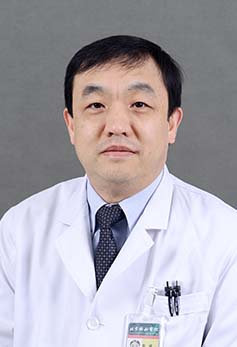 Bin Peng (彭斌)合作论文数Peking Union Medical College Hospital9
 Fubo Cheng合作论文数8
 Haitao Ren (任海涛)合作论文数8
 Yi Guo (郭毅)合作论文数Department of Neurosurgery, Peking Union Medical College Hospital7Mengyu Zhang合作论文数6Chenhui Mao合作论文数5YanHuan Zhao (赵燕环)合作论文数5
 Jiachun Feng (冯加纯)合作论文数Department of Neurology, Bethune First Hospital of Jilin University5
 Renzhi Wang (王任直)合作论文数Peking Union Medical College Hospital;School of Medicine, The Chinese University of Hong Kong, Shenzhen5Lei Qiao (乔雷)合作论文数4Min Qian (钱敏)合作论文数4Wanchen Dou合作论文数4
 Wenbin Ma (马文斌)合作论文数Peking Union Medical College Hospital4Jun Ma合作论文数3
 Lin Chen (陈琳)合作论文数北京协和医学院北京协和医院3
 Yanping Wei (魏妍平)合作论文数Peking Union Medical College Hospital3
 Jun Ni (倪俊)合作论文数Peking Union Medical College Hospital3
 Weihai Xu (徐蔚海)合作论文数北京协和医院3
 Lixin Zhou (周立新)合作论文数Peking Union Medical College Hospital3
 Yupu Guo (郭玉璞)合作论文数中国医学科学院北京协和医院神经科3
 Honglin Hao (郝红琳)合作论文数Peking Union Medical College Hospital3Dachun Zhao合作论文数2Ji Fu合作论文数2
 shanglin li (李尚霖)合作论文数北京清华长庚医院2Linjie Wang合作论文数2Liling Dong合作论文数2Liangrui Zhou合作论文数2Jie Li合作论文数2Ziyuan Liu合作论文数2Jin-zhu GUO (郭金竹)合作论文数2XiangQin Zhou (周祥琴)合作论文数2Zhi Liu (刘智)合作论文数2
 Yu Wang (王裕)合作论文数北京协和医学院北京协和医院2
 Xinting Sang (桑新亭)合作论文数中国医学科学院北京协和医院2
 Yicheng Zhu (朱以诚)合作论文数Peking Union Medical College Hospital2Yan Liang合作论文数2Jingwen Niu合作论文数2
 Xiaoyin Bai合作论文数2Jing Gao合作论文数2
 Caiyan Liu合作论文数2Hou Bo合作论文数2




