The biostability of soil organic matter (SOM) is determined by its resistance to microbial decomposition and is crucial to regulate terrestrial carbon (C) sequestration. While the direct assessment of SOM biostability relies on microbially respired C during long-term soil incubation, the indirect but quick physico-chemical approaches have emerged as promising alternative. Here, we combined 270-day incubation of soils (0-5 and 5-10 cm depth) from cropland, postagricultural abandoned land, and grassland with thermogravimetric analysis and differential scanning calorimetry to investigate the effects of i) the initial thermal stability of SOM on its microbial decomposability, and ii) long-term soil incubation on thermal stability of remaining SOM. The total content of organic C mineralized over 270 days declined with increasing initial thermal stability, validating thermal stability as a reliable indicator of microbial decomposability. Microorganisms use mainly thermally labile SOM (combustion at 200-380 degrees C), the content of which decreased by 13-24% over the 180-day incubation of soils (0-5 cm). The thermally persistent organic matter (490-600 degrees C) increased 1.8-fold because of the stabilization of microbially-driven products formed during labile SOM decomposition and their interactions with soil minerals. The increase in the thermally persistent SOM pool was greater in soils with high microbial activity and a larger initial content of thermally labile SOM, that reflects stronger 'microbial pump' operation. Thermal combustion of the SOM remaining after long-term soil incubation released 12-32% less energy than did SOM before incubation. This occurred because more energy was spent to overcome the 4-9% higher energy barrier for chemical mineralization of the remaining SOM after incubation. In conclusion, thermal indices are reliable proxies to assess SOM biostability and highlight the dual role of microbial activity: decomposing labile SOM while stabilizing the persistent pools.
Soil organic carbon (SOC) comprises particulate (POC) and mineral-associated organic carbon (MAOC), which differ in formation, stabilization, and loss mechanisms. While the current global distribution of POC and MAOC is characterized, their vulnerability under future climate scenarios remains unclear. Using 3284 topsoil (0-30 cm) observations from six continents, we identify high-latitude soils as global hotspots of SOC vulnerability under shared socioeconomic pathway scenarios (SSP126, SSP245, and SSP585). Under a high-emission scenario (SSP585), high-latitude soils are projected to lose substantial POC by 2100, accounting for about 81 ± 10% of total SOC losses. These declines are driven by the high proportion of SOC stored as POC (fPOC) and its high temperature sensitivity. We show that fPOC is a robust indicator of SOC vulnerability to climate change. Globally, the projected POC decline corresponds to a cumulative carbon dioxide (CO2) release of 81.34 Pg CO2-equivalent by 2100, highlighting the importance of preserving POC to mitigate climate feedbacks.
Carbon dioxide (CO2) efflux from soil (or soil respiration, SR) is one of the most important yet variable characteristics of soil. When evaluating large areas, CO2 efflux modeling serves as a viable alternative to direct measurements. This research aims to identify site-specific differences and their effects on empirical CO2 efflux modeling. The experimental data from 25 years of field observations were utilized to identify the optimal site- and weather-specific models, parameterized for normal, wet, and dry years, for the forest and grassland ecosystems located on similar Entic Podzols (Arenic) in the same bioclimatic coniferous–deciduous forest zone. The following parameters were considered in the examined models: mean monthly soil or air temperatures (Tsoil and Tair), amount of precipitation during the current (P) and the previous (PP) months, and the storage of soil organic carbon (SOC) in the top 20 cm of soil. The weighted non-linear regression method was employed to estimate the model parameters for the normal, wet, and dry years. To increase the magnitude of the model resolutions, we controlled the slope and intercept of the linear model comparison between the measured and modeled data through the change in R0—CO2 efflux at Tsoil = 0 °C. The mean bias error (MBE), root-mean-square error (RMSE), and determination coefficient (R2) were employed to assess the quality of the model’s performance. The measured Tsoil, Tair, and P, as well as the litter (for forest) or sod (for grassland) horizon (modeled by the Soil SCLmate Statistical Simulator (SCLISS)), and soil temperatures (Tlit_m, Tsoil_m) and moistures (Mlit_m, Msoil_m), were used for SR simulation. For the CO2 efflux in the forest ecosystem with the lower SOC availability for mineralization, the direct Tsoil and Tair measurements in combination with SOC storage provided better parameterization for the empirical TPPC model. For the CO2 efflux in the grassland ecosystem with the high SOC availability for mineralization, the temperature became the governing factor, and the TPPrh model provided better performance over all the considered models. The model’s performance was the best for the wet years, and the worst for the dry years for both ecosystems. For forest ecosystems, the model performance for average precipitation years was equivalent to that in wet years. For grassland ecosystems, however, the model performance was equivalent to that in dry years due to differing exposure and hydrothermal regimes. The wet-year R0 obtained for both forest and grassland ecosystems differed from the normal- and dry-year values. The measured SR values relevant for the R0 estimations distribute along the precipitation range for the forest and along the temperature range for the grassland. The SCLISS-modeled Tlit_m and Mlit_m provide good alternatives to direct atmospheric measurements, and can be used as initial temperature and moisture data for CO2 efflux modeling when direct soil and moisture observations are not available on site.
Soils are one of the major players in the global carbon (C) cycle and climate change by functioning as a sink or a source of atmospheric carbon dioxide (CO2). The largest terrestrial C reservoir in soils comprises two main pools: organic (SOC) and inorganic C (SIC), each having distinct fates and functions but with a large disparity in global research attention. This study quantified global soil C research trends and the proportional focus on SOC and SIC pools based on a bibliometric analysis. Research on soil C pools started in 1905 and has produced over 42,000 publications (> 1.6 million citations). Although the global C stocks down to 2 m depth are nearly the same for SOC and SIC, the research has dominantly examined SOC (> 96% of publications and citations) with a minimal share on SIC (< 4%). Approximately 39% of the soil C research was focused on climate change. Despite poor coverage and publications, the climate change-related research impact (citations per document) of SIC studies was higher than that of SOC. Machine learning, biochar, soil properties, and climate change were the recent top trend topics for SOC research (2018-2022), whereas soil acidification, organic C, climate change, and Holocene were recent trends for SIC. SOC research was contributed by 150 countries compared to 85 for SIC. As assessed by publications, soil C research was mainly concentrated in a few countries, with only 10 countries accounting for 75% of the research. China and the USA were the major producers (44%), collaborators (36%), and funders of soil C research. SIC is a long-lived soil C pool with a turnover rate of more than 1000 years in natural ecosystems but intensive agricultural practices have accelerated SIC losses, making SIC an important player in global C cycle and climate change. The lack of attention and investment towards SIC research could jeopardize the ongoing efforts to mitigate climate change impacts to meet the 1.5-2.0 oC targets under the Paris Climate Agreement of 2015. This study calls for expanding the research focus on SIC and including SIC fluxes in C budgets and models, without which the representation of the global C cycle is incomplete.
This study synthesizes the budgets of three greenhouse gases (GHG, namely CO2, CH4, N2O) for Russia over two decades (2000-2009 and 2010-2019) using bottom-up and top-down approaches, as part of the Regional Carbon Cycle Assessment and Processes, Phase 2 (RECCAP2). Published estimates of natural sources and sinks of these GHGs in Russia vary widely. Here, bottom-up estimates are based on eddy covariance measurements, the Integrated Land Information System of Russia (ILIS-LEA), field data, Dynamic Global Vegetation Models (DGVMs), and regional models. The bottom-up approach estimated Net Ecosystem Exchange (NEE) at -0.64 +/- 0.17 and -0.57 +/- 0.14 Pg C yr(-1), for decades 2000-2009 and 2010-2019, respectively. Top-down atmospheric inversions provide similar NEE carbon flux estimates with comparable uncertainties at -0.56 +/- 0.26 and -0.73 +/- 0.27 Pg C yr(-1) for the two decades. Differences between these approaches arise from distinct flux components and structural assumptions. ILIS-LEA indicates a slightly declining carbon sink in 2010-2019, driven by increased disturbances. In contrast, DGVMs suggest a stable carbon sink over both decades but they do not fully simulate the effects of disturbances and recovery. Top-down inversions reveal an increasing CO2 sink, suggesting with additional observed constraints on biomass carbon increment that soil and non-forest biomes absorb more carbon than predicted by DGVMs and ILIS-LEA models. A Bayesian averaging approach estimates natural ecosystems acting as a GHG sink with a land-to-atmosphere flux of -1.55 +/- 0.91 and -1.47 +/- 0.82 Pg CO2-eq. yr(-1). Accounting for both natural and anthropogenic emissions across the Russian territory shifts the net GHG balance to a source around 1.2 Pg CO2-eq. yr(-1).
Soil respiration (SR) is one of the largest fluxes in the global carbon cycle, exceeding anthropogenic CO2 emission by more than an order of magnitude. Estimation of the heterotrophic component of SR is necessary to assess the carbon balance on the ecosystem and on the regional, national, and global scales. Within the framework of the most important national innovation project “Development of a System of Ground-based and Remote Monitoring of Carbon Pools and Greenhouse Gas Fluxes on the Territory of the Russian Federation,” the first Russian national network is organized to monitor CO2 emission from soils and other linked parameters. The SR values and the relationship with the temperature of the upper 5- to 10-cm layer of soil (TS) are analyzed for the first time on the territory of Russia based on methodologically identical field measurements conducted simultaneously in the summer period (June–August 2023) at 75 monitoring sites in the different ecosystems in the main Russian bioclimatic zones from the tundra to the semidesert. The positive effect of soil temperature on the mean summer SR rate and the maximum monthly SR values is observed in the interval of mean TS from 10 to 20°C. Among the ecosystems studied, the lowest SR values are recorded in tundra and bog ecosystems, while the highest values are in the forest–steppe. Amongst the forest ecosystems, the lowest SR rates are characteristic of larch forests, while the highest SR values are observed in broadleaved forests of the forest–steppe zone. To clarify the regularities obtained, it is necessary to expand studies in all bioclimatic zones, but mainly in agrocenoses, tundra, and steppe ecosystems.
The paper presents the results of water sample collections during the spring-summer period of 2024 at the forest and open areas of the Prioksko-Terrasny State Nature Reserve. Significant variation in the main indicators of atmospheric deposition and soil water was observed. The export of dissolved organic carbon with soil water during the spring-summer period exceeded the input from atmospheric deposition. The carbon export from the upper 0-10 cm soil layer during the spring-summer period at the forest site was 0.3% of the reserves, while at the open (meadow) site it was 0.6%. The carbon export from the upper 0 -20 cm soil layer during the spring-summer period at the forest site was 0.1% of the reserves, and at the open (meadow) site it was 0.2%. The results highlight the importance of monitoring atmospheric deposition and soil water for assessing the carbon balance in forest ecosystems.
Approximately 220 million hectares of former croplands are abandoned worldwide, with a quarter of this area located in Russia. In these areas, natural zonal vegetation is developing, and the soils, including soil carbon (C) stocks, are recovering. Accumulated organic C serves as a structural and energetic source for soil microorganisms. Postagricultural soil restoration affects organic matter stability, microbial organic carbon decomposition, and C cycling. We studied a chronosequence of abandoned croplands in the Eastern Siberian forest steppe zone (Haplic Luvisol) to assess the effects of cropland natural restoration on the stability of soil organic matter (SOM) and energy stocks. The energy content and thermal stability of C in the bulk soil, in free and occluded particulate organic matter (fPOM and oPOM), and in mineral-associated organic matter (MAOM) were analysed by thermogravimetry and differential scanning calorimetry as proxies for C available for microbial decomposition. The soils sequestered 0.85 Mg C ha(-1) y(-1) (0-30 cm) during the first 25 years after abandonment. In abandoned soils, thermally labile C with an activation energy of 69+0.6 kJ.mol(-1) accumulated 2.8 times faster than did stable C with a higher energy barrier to combustion (80+0.5 kJ.mol(-1)). This increased energy availability and microbial activity led to faster C and nutrient cycling in the abandoned soils than in soils of current croplands. MAOM stored 1.7 times more energy per unit of C (42 kJ.g(-1) C) than did the free and occluded POM fractions (25 kJ.g(-1) C). fPOM was the dominant energy pool for labile C in the restored soil and increased microbial activity. Due to the preferential accumulation of C with lower thermal stability and with greater susceptibility to microbial decomposition in the restored soils, greater CO2 release could occur if these lands are tilled again. The content of thermally stable C also increased in abandoned soils; therefore, we must account for the ecological balance between C sequestration and release after the natural restoration of croplands.
Soils are a major player in the global carbon (C) cycle and climate change by functioning as a sink or a source of atmospheric carbon dioxide (CO2). The largest terrestrial C reservoir in soils comprises two main pools: organic (SOC) and inorganic C (SIC), each having distinct fates and functions but with a large disparity in global research attention. This study quantified global soil C research trends and the proportional focus on SOC and SIC pools based on a bibliometric analysis and raise the importance of SIC pools fully underrepresented in research, applications, and modeling. Studies on soil C pools started in 1905 and has produced over 47,000 publications (>1.7 million citations). Although the global C stocks down to 2 m depth are nearly the same for SOC and SIC, the research has dominantly examined SOC (>96 % of publications and citations) with a minimal share on SIC (<4%). Approximately 40 % of the soil C research was related to climate change. Despite poor coverage and publications, the climate change-related research impact (citations per document) of SIC studies was higher than that of SOC. Mineral associated organic carbon, machine learning, soil health, and biochar were the recent top trend topics for SOC research (2020–2023), whereas digital soil mapping, soil properties, soil acidification, and calcite were recent top trend topics for SIC. SOC research was contributed by 151 countries compared to 88 for SIC. As assessed by publications, soil C research was mainly concentrated in a few countries, with only 9 countries accounting for 70 % of the research. China and the USA were the major producers (45 %), collaborators (37 %), and funders of soil C research. SIC is a long-lived soil C pool with a turnover rate (leaching and recrystallization) of more than 1000 years in natural ecosystems, but intensive agricultural practices have accelerated SIC losses, making SIC an important player in global C cycle and climate change. The lack of attention and investment towards SIC research could jeopardize the ongoing efforts to mitigate climate change impacts to meet the 1.5–2.0 °C targets under the Paris Climate Agreement of 2015. This bibliographic study calls to expand the research focus on SIC and including SIC fluxes in C budgets and models, without which the representation of the global C cycle is incomplete.
Respiration of soil heterotrophs—mainly of bacteria and fungi—is a substantial part of carbon balance in terrestrial ecosystems, which tie up organic matter decomposition with the rise of atmospheric CO2 concentration. Deep understanding and prediction of seasonal and interannual variation of heterotrophic and autotrophic components of CO2 efflux from soil is limited by the lack of long-term, full-year measurements. To better understand the impact of current climate changes on CO2 emissions from soils in the mixed forest and mowed grassland, we measured CO2 efflux every week for 2 years. Heterotrophic (SOM-derived + leaf litter) and root-associated (root with rhizosphere microorganisms) components were partitioned by the root exclusion method. The total CO2 efflux from soil was averaged 500 g C m−2 yr−1 in the forest and 650 g C m−2 yr−1 in the grassland, with shares of the no-growing cold season (Nov–Mar) of 22% and 14%, respectively. The heterotrophic component of CO2 efflux from the soil averaged 62% in the forest and 28% in the grassland, and it was generally stable across seasons. The redistribution of the annual precipitation amounts as well as their deficit (droughts) reduced soil respiration by 33–81% and heterotrophic respiration by 24–57% during dry periods. This effect was more pronounced in the grassland (with an average decline of 56% compared to 39% in the forest), which is related to lower soil moisture content in the grassland topsoil during dry periods.
Wildfires in the north circumpolar region are increasing in response to global warming and raised precipitation irregularity. Beside the short-time effects of wildfires on carbon (C) cycle by CO2 boost, the decreased amounts and availability of remaining organic matter slow down microbial decomposition over mid- and long-term. Our objective was to investigate the effects of low-intensity surface wildfire common in forest-tundra on soil organic matter (SOM) stability. We hypothesized that wildfire crucially increases organic matter stability due to pyrogenic C production, which reduces SOM availability to microorganisms. To prove this hypothesis, we analyzed SOM stability by thermal analysis (thermogravimetry and differential scanning calorimetry) combined with microbial respiration and assessed temperature sensitivity of SOM decomposition. Wildfire in forest-tundra decreased the thermal labile SOM pool by 1.6-1.9 times and increased the most stable SOM pool by 2.1 times in the O-horizon and 1.3 times in the mineral topsoil. Fire increased SOM thermal stability stronger in the Ohorizon compared to the mineral topsoil. For the first time, we revealed the relationship between SOM thermal stability and microbial activity in Cryosols. The increased stability of SOM in Cryosols raised temperature sensitivity (Q10) of SOM decomposition by microorganisms, decreased microbial respiration (CO2 efflux) and microbial biomass content. Concluding, wildfires have strong effects on soil and microbial properties, leaving predominantly stable organic matter pools, which are less available for microorganisms.
The decomposition rate of plant residues is determined by both abiotic (temperature, moisture) and biotic factors (biochemical composition). To separate the contribution of each factor to the decomposition process, long-term incubation experiments under controlled conditions are required. Two-year incubation experiments were conducted with various types of peat-forming plants (Sphagnum fuscum, Chamaedaphne calyculata, Eriophorum vaginatum, and a mixed sample consisting of 60% Sphagnum fuscum and 40% Chamaedaphne calyculata). The experiments were carried out at temperatures of 2, 12, and 22 °C, with varying moisture levels (W = 30, 60, and 90% of their water-holding capacity). In all plant samples, the highest rates of C(CO2) emission (DecR) were observed in the initial stages of decomposition. The cumulative carbon loss (Ccum) during the experiment ranged from 45 to 196 mgC/g of plant material at 22 °C and 23 to 156 mgC/g of plant material at 2 °C. The decay constant (k) for all plant samples increased with rising temperature. The results of the three-way ANOVA showed that the influence of the examined factors on the cumulative losses of C(CO2) decreased in the following order: the type of plant > temperature > moisture. Throughout the experiment, the influence of the type of plant and moisture on DecR increased, while the effect of temperature decreased. The highest temperature sensitivity (Q10 = 0.71–6.19) was observed in the low-temperature range (2–12 °C) during months 4 to 6 of incubation. These results are relevant for modeling and predicting the rate of transformation of peat organic matter under changing climatic conditions.
Regime of precipitation and temperature conditions are key factors that regulate the rate of decomposition of soil organic matter in terrestrial ecosystems. The aim of this work was to assess the effect of the duration of dry periods in summer and different depths of snow cover in winter on heterotrophic soil respiration. The studies were carried out as part of a 2–year field manipulation experiment organized on gray soil (Haplic Luvisol) in the temperate continental climate conditions (southern Moscow region). Three variants were organized: (1) simulation of mild weather with uniform watering of the soil in summer and the absence of freezing in winter, (2) simulating two summer dry periods lasting 1–2 months with natural winter snow cover, (3) simulation of extreme weather with one long (~3 months) dry period in summer and complete removal of snow cover in winter. Heterotrophic soil respiration was measured by the closed chamber method on bare fallow during 2 years of continuous experiment and 1 more year after its completion. Medians of heterotrophic soil respiration for the entire period of the experiment in the three above–mentioned variants of the experiment were 38, 27 and 19 mg C/(m2 h), respectively. Two short dry periods led to an increase in heterotrophic soil respiration by 7–10%, which is associated both with the drying and rewetting cycles of the soil and with an increase in the average summer temperature of a 20–cm soil profile by 1.5°C. The prolonged dry period caused a decrease in heterotrophic soil respiration by 12–16% as a result of low soil moisture. Soil freezing led to a strong decrease in winter CO2 emission from soil, which reached 34–55% in the control variant and 57–72% when the snow cover was removed. The frost period (November–March) contributed from 25–34% without of soil freezing to 14–19% when its presence to the annual CO2 flux. We conclude that the change in the winter temperature regime of the soil due to manipulations with the snow depth led to a more significant change in the annual heterotrophic soil respiration than the lack of precipitations in the summer season.
Increased plant carbon (C) input into the soils after cropland abandonment results in not only C accumulation, but also higher microbial activities and consequently faster organic matter decomposition. We investigated the link between soil C accumulation and microbial properties in a chronosequence (0-65 years) of post-agricultural self-restoration of Luvisols - the dominating soil type worldwide. Microbial biomass carbon (MBC) and enzyme activities increased in the top soil (0-20 cm) during the 37-year period of self-restoration. Accumulation of microbial biomass was faster than of soil organic C at earlier stages of self-restoration (0-22 years) because of the fast microbial growth induced by labile litter components. The response of microbial activity was more sensitive to land use changes compared to that of soil organic C. Activities of enzymes responsible for C cycle increased more than that of nitrogen (N) and phosphorus (P) cycles at least up to 37 years after abandonment, indicating microbial adaptations to high input of litter with wide C/N and C/P ratios. Similarly, beta-xylosidase was the solely enzyme which reached the activity similar to secondary forest soils after 65 years, due to the accumulation of recalcitrant C in litter with cropland abandonment age. The increased C demand was caused by the higher bacterial portion in soil microbial community (based on PLFA composition), which in turn, resulted in a lower microbial biomass C/N ratio. Enzyme stoichiometry revealed that microorganisms were limited by C and N in the topsoil during the self-restoration up to 37 years. Overall, the quantity and quality of plant C inputs, which changed with post-agricultural land restoration, regulated the microbial activity and enzyme production, offering a profound comprehension of ecosystem succession.
Оценена микробиологическая активность и термическая стабильность органического вещества пахотных и залежных почв, сформированных на зональных темно-серых почвах подтаежной зоны Западной Сибири. За 30-летний период конверсии пахотной почвы в залежь запасы почвенного углерода, учтенные до глубины 100 см, увеличились на 36%, из которых ¾ сосредоточено в пахотном горизонте (0–30 см). В структуре накопленного почвенного органического вещества (ПОВ) преобладает термически лабильный пул (49-51 %), а суммарная доля устойчивого и сверхустойчивого пулов в почве составляет 19% и 29% на глубинах 0–30 и 30–100 см соответственно. Энергия активации термического окисления пулов ПОВ, рассчитанная на основе дифференциальной сканирующей калориметрии и термогравиметрического анализа почв, для лабильного пула составляет 62 кДж моль–1, стабильного – 149 Дж моль–1, устойчивого – 214 кДж моль–1, сверхустойчивого – 306 кДж моль-1. Энергия активации термического окисления ПОВ, количественно оцененная исходя из энергии активации окисления отдельных пулов и их удельной доли в составе ПОВ, при конверсии пашни в залежь увеличилась на 2 кДж моль–1 – с 121 кДж моль–1 до 123 кДж моль–1. Базальное дыхание на единицу почвенного органического углерода в залежах увеличилось в 2,4 раза на глубине до 5 см по сравнению с пахотной почвой и при этом уменьшилось в среднем на 14% на глубине более 30 см, что является маркером увеличения стабильности ПОВ к микробиологическому разложению в более глубоких слоях. При изменении типа землепользования с пашни на залежь установлена экспоненциальная зависимость между термической стабильностью ПОВ и микробиологическими характеристиками почв, отражающая их соответствие друг другу и указывающая на применимость методов термического анализа для оценки устойчивости ПОВ к микробному разложению. The thermal and microbiological stability of soil organic matter (SOM) of arable and abandoned soils formed on Luvic Phaeozems in the subtaiga zone of Western Siberia were assessed during the study. Over a 30-year period of the arable land conversion to the abandoned, soil carbon stocks to a depth of 100 cm increased by 36%, ¾ of which were stored in the topsoil (0-30 cm). The thermally labile pool (49–51%) dominated in the structure of the accumulated SOM, while the total proportion of the stable and overstable pools of the accumulated SOM was 19% and 29% in the topsoil (0-30 cm) and the subsoil (30–100 cm), respectively. The activation energy of the SOM thermal oxidation, calculated from the data of differential scanning calorimetry and thermogravimetric analysis of the soils, was 62 kJ mol–1 for the thermally labile SOM pool, 149 kJ mol–1 for the stable pool, 214 kJ mol–1 for the overstable pool and 306 kJ mol-1 for the super stable pool. The activation energy of SOM thermal oxidation, quantified as the activation energy of individual pools and their contribution to the SOM structure, increased by 2 kJ mol–1 during conversion of the arable soil to the abandoned (from 121 kJ mol-1 to 123 kJ mol–1). Basal respiration per unit of soil organic carbon increased 2.4 times in the top 5-cm depth of the abandoned soil compared to the arable, and decreased by 14% in the subsoil below 30 cm marking an increasing resistance of SOM to microbial decomposition in the deeper soil. The exponential relationship between thermal stability of SOM and microbial respiration was established for both the arable and the abandoned soils. This shows that the thermal analysis approach can be a useful tool for estimating the resistance of SOM to microbial decomposition.
Steppe ecosystems, occupying about 8% of the terrestrial area, are an essential element of the global carbon cycle in the atmosphere–vegetation–soil system. The carbon (C–CO2) balance of natural steppe ecosystems in Russia is estimated based on the geoinformation–analytical method and employing the database of empirically measured values of the net primary production and a climate-driven regression model that makes it possible to estimate the intensity of carbon dioxide flux from soils into the atmosphere. Natural steppes in Russia serve as a significant sink of carbon dioxide from the atmosphere. The average intensity of this carbon flux can be estimated at 231 ± 202 gC/m2 per year. The estimated annual accumulation of carbon dioxide in the natural steppe ecosystems of Russia is 111 ± 97 MtC. According to the estimates, the steppe ecosystems under study provide from 8 to 19% of the atmospheric carbon sink to the terrestrial ecosystems of Russia.
Soil respiration (SR) is a main component of the carbon cycle in terrestrial ecosystems, and being strongly affected by changes in the environment, it is a good indicator of the ecosystem’s ability to cope with climate change. This research aims to find better empirical SR models using 25-year-long SR monitoring in two forest ecosystems formed on sandy Entic Podzol and loamy Haplic Luvisol. The following parameters were considered in the examined models: the mean monthly soil or air temperatures (Tsoil or Tair), the amount of precipitation during the current (P) and the previous (PP) months, and the storage of soil organic carbon (SOC). The weighted non-linear regression was used for model parameter estimations for the normal, wet, and dry years. To improve the model resolutions by magnitude, we controlled the slope and intercept of the linear model comparison between the measured and modeled data through the change in R0—SR at zero soil temperature. The mean bias error (MBE), root-mean-square error (RMSE), and determination coefficient (R2) were used for the estimation of the goodness of model performances. For the sandy Entic Podzol, it is more appropriate to use the models dependent on SOC (TPPC). While for the loamy Haplic Luvisol, the Raich–Hashimoto model (TPPrh) with the quadratic Tsoil or Tair dependency shows the better results. An application of Tsoil for the model parameterization gives better results than Tair: the TPPC model was able to adequately describe the cold-period SR (Tsoil ≤ 2 °C); the TPPrh model was able to avoid overestimations of the warm-period SR (Tsoil > 2 °C). The TPPC model parameterized with Tsoil can be used for the quality control of the cold-period SR measurements. Therefore, we showed the importance of accounting for SOC and the water-holding ability when the optimal SR model is chosen for the analysis.
The separation of soil organic matter (SOM) into pools and fractions allows to understand the nature and functions of SOM as well as to characterize its quality, composition and properties. The study presents an analysis of approaches, methods and results of determining various pools and fractions of SOM using the gray and agrogray soils (Haplic Luvisol) under contrasting types of land use (Moscow region, Russia). Conservative properties and storage functions of SOM were proposed to be estimated by its granulometric and densimetric pools, and dynamic properties and emission functions were proposed to be estimated by microbial and potentially mineralizable pools. It was shown that the ratio of different pools in the SOM composition depends on the type of land use and it is controlled by the composition and amount of plant materials entering into soil. The microbial biomass is a dynamic pool of organic carbon in the soil and determins the degree of biological activity of soil organic matter. Different aggregate fractions make different contributions to the formation of the total Cmic pool depending on the type of land use. The arable soil is characterized by a low content of Cmic; the soil is also depleted in organic matter, which is represented mainly by biologically stable components. The recarbonization of arable soils by grassing or reforestation will lead to real carbon sequestration with its accumulation in a biologically active form. We conclude that the separation of structural and process pools, the determination of their sizes and ratios should be considered an essential component of the programs for monitoring the quality and functions of SOM and carbon sequestration processes.
Field observations of soil respiration (SR) in different types of terrestrial ecosystems are very relevant because of high temporal and spatial variations of SR rate. The intra-annual dynamics of SR is mainly determined by the changes in hydrothermal conditions during the year and is often described with temperature sensitivity coefficient ( Q 10 ), which usually has a fixed value in many of the used models. This study is focused on the assessment of seasonal and interannual dynamics of SR temperature sensitivity in two grasslands in the southern Moscow oblast (temperate continental climate) based on continuous 25-year-long all-year-round measurements of CO 2 emission from soils. The grasslands have been formed on two different soil types: sandy soddy-podbur (Entic Podzol (Arenic)) and gray loamy soil (Haplic Luvisol (Loamic)). The SR rate has been continuously measured from December 1997 to November 2022 with an interval of 7–10 days using the technique of closed static chambers. The temperature sensitivity of SR, estimated from the entire set of data, is higher in Haplic Luvisol as compared with Entic Podzol (3.47 vs. 2.59). The Q 10 values for SR in both soils are 1.2–1.4-fold lower in dry years as compared with wet years. The interannual variation of Q 10 values in grassland ecosystems amounts to 21–36% depending on the considered temperature range. A statistically significant positive correlation between the Q 10 values in the temperature range ≥1°С and wetness indices is observable in both grasslands. A differentiated approach integrating different values of temperature coefficients for SR into the used models is necessary to improve the predictions of C budget in ecosystems.
 V. O. Lopes de Gerenyu合作论文数56
 Yakov Kuzyakov合作论文数Department of Soil Science of Temperate Ecosystems, Georg-August-University of Goettingen25Lopes de Gerenyu Valentin合作论文数21D. V. Sapronov合作论文数18де Гереню В.О. Лопес合作论文数18
 Dmitry Khoroshaev合作论文数17V. N. Kudeyarov合作论文数17
 Valeria Mikhailovna Telesnina合作论文数12T. N. Myakshina合作论文数11V. I. Lichko合作论文数10
 Ekaterina Kapitsa合作论文数9
 Y.I. Baeva合作论文数7V. A. Zhmurin合作论文数6L. A. Ovsepyan合作论文数6
 Ekaterina Filimonenko合作论文数6Alla Larionova合作论文数Institute of Physicochemical and Biological Problems of Soil Science, Russian Academy of Sciences6
 Olga Kalinina合作论文数6
 Sergei S. Bykhovets合作论文数Institute of Soil Sciences6
 Ekaterina Shorohova合作论文数Saint-Petersburg State Forest Academy6В. Н. Кудеяров合作论文数5V. A. Ableeva合作论文数5L. N. Rozanova合作论文数5
 Mikhail V. Semenov合作论文数5V. V. Kaganov合作论文数5
 Oleg Chertov合作论文数5Ya. V. Kuzyakov合作论文数4I. V. Priputina合作论文数4Pavel Frolov合作论文数4
 E. A. Golovatskaya合作论文数4I. V. Romashkin合作论文数3L. G. Nikonova合作论文数3Liliya G. Nikonova合作论文数3Dmitry Sapronov合作论文数3Т. Н. Мякшина合作论文数3
 D. V. Karelin合作论文数3
 Vitaly Avilov合作论文数A N Severtsov Inst Ecol & Evolut, Russian Acad Sci3
 L. Ovsepyan合作论文数3
 Kazem Zamanian合作论文数School of Geographical Sciences, Nanjing University of Information Science and Technology3Robert Teepe合作论文数3
 Zamolodchikov Dmitry合作论文数3
 Anatoly Prokushkin合作论文数Laboratory of Biogeochemical Cycles, V.N. Sukachev Institute of Forest, Russian Academy of Sciences;Laboratory of Biogeochemical Cycles, Siberian Federal University3
 Tangyuan Ning (宁堂原)合作论文数Agricultural College, Shandong Agricultural University3
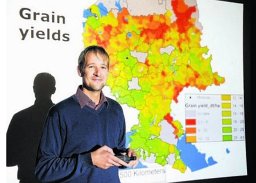 Florian Schierhorn合作论文数Leibniz Institute of Agricultural Development in Central and Eastern Europe (IAMO), Theodor-Lieser-Str. 2, 06120 Halle (Saale), Germany3
 Sergey Nikolayevich Kivalov合作论文数ASRC, The University at Albany3N. A. Galibina合作论文数3
 Ilya Yevdokimov合作论文数Institute of Physicochemical and Biological Problems of Soil Science, Russian Academy of Sciences3Luise Giani合作论文数3D. M. Mirin合作论文数2A. S. Mostovaya合作论文数2




