For precise bone formation, osteoblasts need to accurately migrate to specific sites guided by various biochemical and mechanical cues. During this migration, fluctuations in extracellular osmolarity may arise from shifts in the surrounding fluid environment. However, as a main regulator of cell morphology and function, whether the extracellular osmolarity change may affect osteoblast migration remains unclear. Here, we provide evidence showing that changes in extracellular osmolarity significantly impact osteoblast migration, with a hypotonic environment enhancing it while a hypertonic environment inhibiting it. Further, our findings reveal that a hypotonic treatment increases intracellular pressure, activating the Transient Receptor Potential Vanilloid 4 (TRPV4) channel. This activation of TRPV4 modulates stress fibers, focal adhesions (FAs), and cell polarity through the Rho/ROCK signaling pathway, ultimately impacting osteoblast migration. Our findings provide valuable insights into the significant influence of extracellular osmolarity on osteoblast migration, which has potential implications for enhancing our understanding of bone remodeling.
ABSTRACT:The improvement of early rehabilitation service capacity is of great importance for meeting health needs of the population; however, there is still a lack of information on early rehabilitation interventions in hospitals in China. This study selected the first page data of 7,914,692 medical records suffered the stroke and brain injury, spinal cord injury, spinal and joint degeneration, fracture and sports injury from 1305 tertiary general hospitals in China from 2016 to 2022. We found that the rate of early rehabilitation intervention in tertiary general hospitals in China increased annually from 2016 to 2022, especially in 2020. The rate of early rehabilitation intervention in patients with complications was higher than that in patients without complications at 7 years. Regardless of complications, the mortality rate of patients undergoing early rehabilitation was lower than that of patients without early rehabilitation. However, the length of hospital stay and total cost were higher in patients undergoing early rehabilitation than those without early rehabilitation. The change in this indicator varied from province to province. This study combined quality improvement measures to summarize the experience of improving the early rehabilitation intervention rate in less developed countries.
The improvement of early rehabilitation service capacity is of great importance for meeting health needs of the population; however, there is still a lack of information on early rehabilitation interventions in hospitals in China. This study selected the first page data of 7,914,692 medical records suffered the stroke and brain injury, spinal cord injury, spinal and joint degeneration, fracture and sports injury from 1305 tertiary general hospitals in China from 2016 to 2022. We found that the rate of early rehabilitation intervention in tertiary general hospitals in China increased annually from 2016 to 2022, especially in 2020. The rate of early rehabilitation intervention in patients with complications was higher than that in patients without complications at 7 years. Regardless of complications, the mortality rate of patients undergoing early rehabilitation was lower than that of patients without early rehabilitation. However, the length of hospital stay and total cost were higher in patients undergoing early rehabilitation than those without early rehabilitation. The change in this indicator varied from province to province. This study combined quality improvement measures to summarize the experience of improving the early rehabilitation intervention rate in less developed countries.
BackgroundLaminoplasty has been widely used for the treatment of multilevel degenerative cervical myelopathy (DCM). However, patients often experience persistent axial symptoms, which affect post-operative functional rehabilitation. This study aims to explore the intrinsic connection between the pre-operative structural and functional status of the cervical spine and the post-operative functional rehabilitation of patients undergoing laminoplasty, providing a theoretical basis for individualized rehabilitation strategies for specific populations.MethodsA retrospective analysis was conducted on the clinical data of patients who underwent laminoplasty and received inpatient rehabilitation treatment. Pre-operative and 3-month post-operative visual analog scale (VAS) score, modified Japanese orthopedic association (mJOA) score, and neck disability index (NDI) score were collected, and correlation analyses were performed with pre-operative cervical flexion and extension range of motion (ROM), cervical muscle strength, and the functional cross-sectional area (fCSA) of posterior cervical muscles measured by magnetic resonance imaging (MRI).ResultsAmong the 30 included patients, 17 were males and 13 were females with an average age of 59.70 ± 8.41 years, the follow-up period is 3 months. Correlation analysis revealed that pre-operative cervical extension muscle strength was weakly positively correlated with the post-operative VAS score (r = 0.364, p = 0.048) and was moderately positively correlated with the NDI score (r = 0.448, p = 0.013). The regression analysis results showed that extension strength had a significant and positive independent predictive effect on post-operative VAS score (β = 0.256, p = 0.025) and NDI score (β = 0.789, p = 0.024). For the sum of posterior cervical muscles, pre-operative fCSA of the right multifidus (MF) was weakly negatively correlated with the post-operative NDI score (r = −0.369, p = 0.045).ConclusionOur result suggested that stronger pre-operative cervical extension strength may be important predictors of post-operative functional rehabilitation in patients after laminoplasty, especially in terms of axial symptoms.
Robot-assisted isokinetic training has been widely adopted for knee rehabilitation. However, existing rehabilitation facilities are often heavy, bulky, and extremely energy-consuming, which limits the rehabilitation opportunities only at designated hospitals. In this study, we introduce a highly integrated and lightweight (52 kg) knee rehabilitation robot that can provide home-based isokinetic training without external power. By integrating a motor, torque/angle sensors, control circuit, and energy regeneration circuit into a single driver module, our robot can provide power-free isokinetic training by recycling mechanical work from the trainee. Ten postsurgical subjects were involved in an interventional randomized trial (ChiCTR2300076715, Part I) and the cross-sectional area of trained legs (experimental group) was significantly higher than that of untrained legs (control group). The primary outcomes, muscle growth (quadriceps: 5.93%, hamstrings: 10.27%) and strength improvements (quadriceps: 70%, hamstrings: 84%), achieved with our robots surpass those of existing commercial rehabilitation devices. These findings indicate that our robot presents a viable option for home-based knee rehabilitation, significantly enhancing the accessibility of effective treatment.
Spinal cord injury (SCI) often results in persistent disabilities, primarily due to deficient axon regeneration and irreversible neuronal loss. Sports training is a widely adopted intervention in clinical practice and research to promote axonal sprouting and synaptic plasticity, thereby improving motor function after SCI. However, the precise mechanisms by which sports training improves motor function after SCI remain incompletely understood. We established a rat model of T9 spinal cord contusion and initiated sports training 1 week after SCI, which continued for eight weeks. Using transcriptome sequencing validated through western blotting and immunostaining, we demonstrated that sports training effectively reduced neuroinflammation and prevented neuronal loss. Furthermore, we discovered that sports training changed neuronal microtubule dynamics, facilitating axon regeneration and synaptic plasticity and ultimately improving motor function. These findings indicate that the modulation of neuronal microtubule dynamics may represent a critical mechanism through which sports training improves motor function after SCI.
Osteocytes are the primary mechanosensory cells in bone and play a vital role in maintaining bone homeostasis. The distinct star-shaped morphology of osteocytes, marked by their numerous dendrites, is integral to their mechanosensory function. However, the mechanisms underlying osteocyte dendrite formation remain poorly understood. In this study, we cultured osteocytes in a 3D matrix of type I collagen hydrogel and demonstrated that mechanical factors are essential for dendrite formation. We further showed that osmotic stimuli, which can occur during normal physiological activities, significantly influence dendrite formation; hypotonic conditions promote dendrite growth, while hypertonic stimuli inhibit it. Using local delivery assays, we confirmed that hypotonic stimuli initiate dendrite formation and drive their elongation by regulating actin dynamics. Furthermore, we identified the transient receptor potential vanilloid 4 (TRPV4) channel as a critical mediator of hypotonic stimuli-triggered dendrite formation. Upon exposure to hypotonic shock, increased intracellular pressure activates the TRPV4 channel, which, in turn, activates the small GTPase Cdc42 to regulate dendrite formation. Our findings uncover a mechanical pathway that governs osteocyte dendrite development, providing valuable insights into bone homeostasis and implications for bone tissue engineering.
Runt-related transcription factor 1 (RUNX1) is a highly conserved transcription factor involved in immune regulation, inflammation, and nociceptive neuron differentiation. However, its role in central neuropathic pain (CNP) induced by SCI remains unclear. Here, we investigated RUNX1 expression after SCI and its impact on CNP. Using scAAV-mediated RUNX1 knockdown in the spinal cord of SCI rats, we assessed nociceptive behaviors of mechanical allodynia and thermal hyperalgesia by hind paw withdrawal threshold (PWT) and paw withdrawal latency (PWL) before injury and at 21-, 35-, and 49-days post-injury. RUNX1 mRNA and protein levels were analyzed via RT-qPCR and Western blotting, while immunohistochemistry was used to examine its distribution. Our findings revealed that RUNX1 expression was significantly elevated in microglia following SCI. RUNX1 knockdown notably increased PWT and PWL as well as a significant decrease in the aberrant sprouting of nociceptive fibers in SCI rats. Furthermore, in lipopolysaccharide (LPS)-treated BV-2 microglia, RUNX1 knockdown markedly reduced microglial activation and inflammation. A similar reduction in microglial activation and neuroinflammation was observed in SCI rats following RUNX1 knockdown. These findings suggest that RUNX1 contributes to CNP after SCI by promoting microglial activation and neuroinflammation, identifying it as a potential therapeutic target for SCI-induced neuropathic pain.
Occupational therapy is a profession with origins rooted in Western values. As culture plays an important role in shaping theory and practice, the curriculum design of academic programs that train future rehabilitation professionals should reflect the local context. As part of an international partnership, a dual-degree graduate program in occupational therapy was established between a Chinese and an American university. A team composed of members from both institutions collaborated on culturally adapting an entry-level master’s program in occupational therapy for China, based on a U.S. program, which welcomed its first cohort in September 2019. This article details the timeline and process of program design and adaptation from conception, through implementation to evaluation and revision, with the aim of offering a framework for curriculum adaptation of other academic programs in the U.S. and internationally. The adapted curriculum includes the program mission, vision, and philosophy; the curriculum model with program outcomes and threads; the program scope and sequence; materials and resources; and course-specific objectives, learning activities, and assessments. The authors also share lessons learned through this experience of international collaboration as well as next steps for program evaluation and sustainability. The detailed overview of this international collaboration offers suggestions for individuals and institutions seeking to develop global partnerships and adapt curricula across cultural contexts.
Rehabilitation medicine is an emerging discipline in China which is just like most countries in the world.With China's reform and opening up, economic development, and the increasing demand for health among the people, rehabilitation medicine which focuses on functional recovery has gradually attracted the attention of society and the people.
Objectives Stiff shoulder, including primary and secondary types, poses diagnostic challenges due to vague definitions and criteria. This study evaluates the diagnostic potential of ultrasound-measured axillary recess thickness in shoulder stiffness. Designs In this cross-sectional study, 35 patients with unilateral shoulder stiffness were assessed. Axillary recess thickness was measured using high-resolution ultrasound. Parameters like passive range of motion, Numerical Rating Scale, and Constant-Murley score were evaluated to find correlations with axillary recess thickness. Results The average age was 50.7 yrs, and mean body mass index was 22.7. Axillary recess thickness in stiff shoulders (average 3.19 mm) was significantly higher than in unaffected shoulders (average 1.93 mm, P < 0.001). A cutoff of 3.0 mm for axillary recess thickness yielded 73.3% sensitivity and 84.6% specificity for primary stiffness; 2.6 mm cutoff resulted in 57.9% sensitivity and 88.2% specificity for secondary stiffness. Significant correlations were found between axillary recess thickness and passive range of motion, especially in shoulder external rotation and extension. Conclusions Axillary recess thickness measured by ultrasound might serve as a valuable diagnostic and evaluation parameter in shoulder stiffness.
Background: Repetitive transcranial magnetic stimulation (rTMS) of the prefrontal cortex (PFC) and transcutaneous electrical nerve stimulation (TENS) have both been demonstrated as effective at alleviating neuropathic pain (NP). However, the comparative efficacy of these two neuromodulation techniques and the specific neural mechanisms underlying their effects remain unclear.Objective: This study aims to compare the efficacy of rTMS in the PFC and TENS in mitigating peripheral NP and to investigate the impact of rTMS on neuroinflammation.Methods: Eighteen adult male Sprague-Dawley rats were randomly divided into three groups: NP (chronic constriction injury [CCI] group, n = 6), rTMS (n = 6), and TENS (n = 6). rTMS was applied to the PFC, while TENS was applied to the right hind limb of the rats 1 week postoperatively. This treatment regimen was administered once daily, 5 days a week, for 4 consecutive weeks. The paw withdrawal mechanical threshold (PWMT) was measured to assess the pain-alleviating effects of rTMS and TENS. We further conducted enzyme-linked immunosorbent assays (ELISAs) to measure the levels of interleukin (IL)-1 beta, IL-6, and tumor necrosis factor alpha (TNF-alpha) in the PFC and L4-L6 spinal cord to evaluate their impact on neuroinflammation. Additionally, we examined transient receptor potential vanilloid type 1 (TRPV1) expression in the PFC and the L4-L6 spinal cord using western blotting and real-time quantitative reverse transcriptase polymerase chain reaction (qRT-PCR) to explore the potential mechanisms involved. Hematoxylin and eosin (H&E) staining of the sciatic nerve was further performed to observe pathological changes.Results: Compared to the CCI group, both the rTMS and TENS groups exhibited a significant increase in PWMT, with the rTMS group demonstrating a notably greater PWMT than the TENS group. Furthermore, rTMS treatment triggered a significant decrease in IL-1 beta, IL-6, and TNF-alpha levels in the PFC and spinal cord, while TENS only decreased IL-1 beta expression in these regions. In both treatment groups, TRPV1 expression was significantly lower in the spinal cord, while H&E staining indicated improved pathological manifestations in the sciatic nerve.Conclusion: Both rTMS and TENS effectively ameliorated CCI-induced NP, with rTMS of the PFC showing superior performance. Both treatments reduced TRPV1 expression and suppressed neuroinflammation in the spinal cord, indicating that this may be one of the mechanisms through which they exert their therapeutic effects.
随着我国对康复人才需求的不断扩大,各高校陆续开展了康复治疗学专业的人才培养.然而院校间在办学规模、教育资源、培养层次等方面存在诸多差异,导致其教育质量和毕业生水平并不一致.探索建立统一的康复治疗学教育项目质量评估体系,帮助各校通过自评、他评的方法"以评促建、以评促改",对各校康复治疗学教育水平的持续提高和我国康复治疗人才培养的质量控制至关重要.本文对国内外康复治疗学教育项目质量评估的现状进行了回顾,比较了国际专业组织和发达国家康复治疗学教育项目的质量评估标准及方法,以供我国康复治疗学教育项目质量评估参考.
目的:调查慢性非特异性腰痛患者居家运动治疗依从性的现状,分析影响依从性的因素,为预测患者居家运动治疗的依从性及采取针对性措施提高依从性提供依据.方法:对2021年2-12月在北京大学第三医院康复科接受慢性非特异性腰痛运动治疗指导6周后的患者进行电话随访,通过自编问卷收集其社会人口学资料和依从性影响因素.按依从性好否进行分组,采用x2检验、非参数检验、多因素Logistic回归模型、结构方程模型分析慢性非特异性腰痛患者居家运动治疗依从性的影响因素.结果:依从性现状结果显示:参与本研究的202例患者的平均年龄为(37.52±13.32)岁,男77例(38.1%),女125(61.9%)例,依从好的患者为73例(35.8%),依从不好的患者有129例(63.2%);依从性影响因素的多因素分析结果显示:调整运动处方、记录运动习惯、设立分阶段目标频率、运动习惯、指导满意程度、职业状态、症状缓解程度是影响患者依从性的独立影响因素.结构方程模型能很好反映影响因素与运动依从状态的关系,是否调整运动处方、记录运动习惯、设立分阶段目标频率、运动习惯、对运动指导的满意程度、职业状态、症状缓解程度对依从状态产生了直接影响,路径系数分别为0.254、0.191、0.182、0.159、0.139、0.104、-0.099.结论:慢性非特异性腰痛患者居家运动疗法的依从率较低.影响非特异性腰痛患者居家运动治疗依从性的主要因素,从强到弱排序依次为:是否调整运动处方、是否记录运动、是否设立分阶段目标、是否有运动习惯、对运动指导的满意程度、职业状态和症状缓解程度.
目的 调查参与国家紧缺人才(康复医师)培训项目师资和学员的康复胜任力. 方法 根据世界卫生组织康复胜任力架构(RCF)设计康复医师康复胜任力问卷,于2023年9月通过"问卷星"网络发放并回收. 结果 共回收问卷911份,来自27个省级行政区,其中师资问卷426份,学员问卷485份.师资组平均年龄长于学员组,参加工作的年限和从事康复医学专业的年限均较长,学位结构和职称结构均更高.问卷整体内部一致性信度Cronbach α = 0.988,各领域内部一致性信度Cronbach α>0.9.问卷结果展示的RCF各维度结构与其理论先验模型一致.两组医师在康复胜任力各个领域的胜任力与行为以及活动与任务的自评分均高于中间水平,师资组各领域平均自评分高于学员组[(3.42±0.68)vs.(2.73±0.80),P<0.001].学员自评胜任力总分受性别和从事康复医学专业年限影响(P<0.001):女性学员总自评分比男性低9.65分(95%CI 4.386~14.914);学员每多从事康复医学专业1年,总自评分多1.78分(95%CI 1.140~2.419). 结论 RCF的结构和内容可以用于评价康复医师的胜任力.康复医师胜任力问卷具有较好的结构效度、内容效度和一致性信度.基于RCF的结构和内容,可以开发专业化的康复医师继续教育培训课程.
目的:自2017年起,国家康复医学专业医疗质量控制中心通过国家医疗质量管理与控制信息系统(National Clini-cal Improvement System,NCIS)进行康复医学专业数据调查,本文对2016-2020年我国综合医院康复医学科医疗服务与质量安全趋势分析. 方法:本文选取2016-2020年全国范围均设置康复医学科病房且数据质量较高的616家综合医院数据进行分析,从结构、环节、结局质量等方面对我国医疗服务与质量安全进行描述. 结果:康复医学科平均床位数、设备数、专业人才队伍逐年扩大,各重点病种的早期康复介入率逐年提升,病房门诊周转指标逐年向好,住院患者日常生活活动能力改善率逐年提升.然而,全国综合医院的康复医学科病房配置率约为30%,情况五年来无明显改善;平均每床配置医师数、治疗师数、护士数均不满足国家要求,治疗师数据要求差距大;各重点科室和各重点病种的早期康复介入率均小于30%. 结论:我国综合医院康复医学医疗服务与质量安全不断提升,但目前还存在病房设置数量不足、医务人员数量不足、早期康复介入不足等问题,需持续改进.
目的:调查全膝关节置换术后患者恐动症的发生情况并分析其影响因素,为术后恐动症的干预提供理论基础.方法:对2021年3月-6月期间在北京大学第三医院骨科行全膝关节置换的患者进行问卷调查,收集社会人口学资料和相关问卷评估信息.按恐动症评分(TSK)分组,采用SPSS 26.0软件进行恐动症发生的单因素及多因素Logis-tic 回归 分析.结果:①恐动症的单因素分析:恐动组年龄(67.17±5.57岁)与非恐动组年龄(64.59±5.85岁)差异存在显著性意义(P=0.016).②恐动症的多因素分析:年龄(OR=1.128,95%CI:1.035-1.229,P=0.006)、焦虑抑郁情绪(OR=1.278,95%CI:1.128-1.448,P<0.001)是恐动症发生的危险因素;一般自我效能感(OR=0.873,95%CI:0.789-0.967,P=0.009)是恐动症发生的保护因素.结论:全膝关节置换术后患者恐动症发生率较高,患者的焦虑抑郁情绪、年龄是术后恐动症发生的危险因素,自我效能是术后恐动症发生的保护因素.医疗人员应关注老年全膝关节置换术后患者,采取措施缓解术后焦虑抑郁情绪,增强患者自我效能,以使患者早期开展功能锻炼,促进机体康复.
近十多年来康复医学的发展得到了党和政府的高度重视,临床各个学科以及广大民众对康复医学的认识不断提高.2021年6月,国家卫健委、发改委、教育部等八部委联合颁布了《关于加快推进康复医疗工作发展的意见》(以下简称《意见》).随着我国经济、科技、健康等领域的快速发展,"康复"从理念、内容到功能,从知识、技术到服务模式都发生了巨大变化,加快推进康复医学学科发展、满足人民群众日益增长的康复需求已成为实施健康中国战略必不可少的一环.
在过去几十年中,人工智能(artificial intelligence,AI)已被广泛地应用到搜索引擎、语音识别、人脸识别、自动驾驶等多个领域.近年来,现代医疗领域已成为人工智能领域新的研究热点.基于人工智能算法的步态分析是医疗领域的一个重要研究分支,本文总结了人工智能算法在临床步态分析中的应用进展.
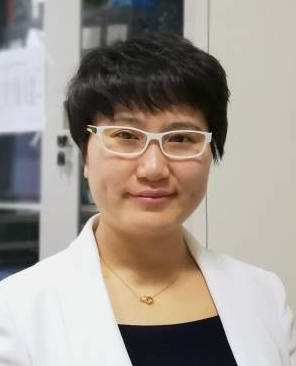 Yanyan Yang (杨延砚)合作论文数Department of Rehabilitation Medicine, Peking University Third Hospital63
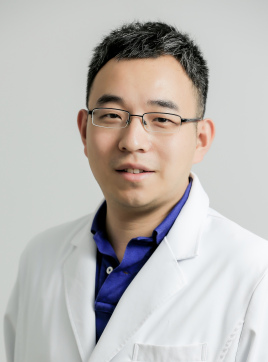 Nan Liu (刘楠)合作论文数Rehabilitation Medicine Department, Peking University Third Hospital37
 YaPing Chen (陈亚平)合作论文数21
 Tao Li (李涛)合作论文数Rehabilitation Department, Peking University Third Hospital19
 Li Gu (谷莉)合作论文数Department of Rehabilitation Medicine, Peking University Third Hospital17Xing Huayi合作论文数14
 Hongshi Huang (黄红拾)合作论文数Institute of Sports Medicine, Peking University Third Hospital14ZHANG Yuanmingfei (张元鸣飞)合作论文数13
 Yuanzheng Ma (马远征)合作论文数The 8th Medical Center of Chinese People's Liberation Army General Hospital12
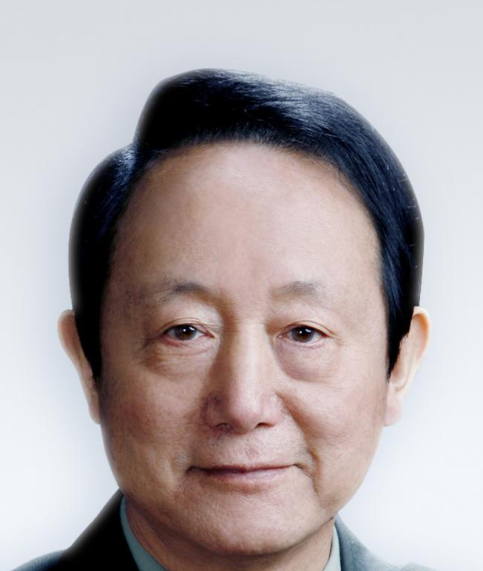 Shuxun Hou (侯树勋)合作论文数First Affiliated Hospital of People's Liberation Army General Hospital12
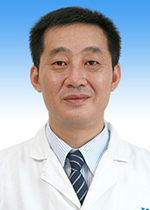 Xinbao Wu (吴新宝)合作论文数Beijing Jishuitan Hospital12Huasong Ma (马华松)合作论文数战略支援部队特色医学中心脊柱外科12
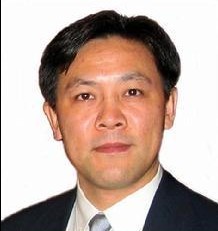 Yong Hai (海涌)合作论文数Beijing Chao-Yang Hospital, Capital Medical University12Jing-yu LIU (刘京宇)合作论文数11WANG Wenting (王文婷)合作论文数11Xiaoxie Liu (刘小夑)合作论文数Peking University Third Hospital11YanWei Lv (吕艳伟)合作论文数11QingYun Xue (薛庆云)合作论文数11JiaLiang Zhu (朱加亮)合作论文数11Ming Lu (陆明)合作论文数11
 Chunde Li (李淳德)合作论文数Peking University First Hospital11Dawei Li (李大伟)合作论文数Chinese PLA General Hospital11
 Yuxiao Xie (谢欲晓)合作论文数China-Japan Friendship Hospital11NingHua Wang (王宁华)合作论文数10Xin Gu (顾新)合作论文数Beijing Hospital10Peng Lin (林朋)合作论文数9Hui Zhao (赵会)合作论文数9
 Zhongshi Li (李中实)合作论文数China-Japan Friendship Hospital9
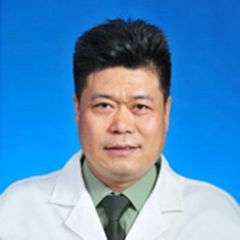 Jinshu Tang (唐金树)合作论文数Chinese PLA General Hospital8
 Fin Biering-Sørensen合作论文数Institut for Klinisk Medicin, Department of Clinical Medicine, Faculty of Health and Medical Sciences, University of Copenhagen8Hong Zeng合作论文数7XiaoWen Li (李筱雯)合作论文数7Gao-yan LA (喇高燕)合作论文数6TongXuan Wu (吴同绚)合作论文数6
 Xianfeng Guo (郭险峰)合作论文数Beijing Jishuitan Hospital6Andrei Krassioukov合作论文数Department of Medicine, Faculty of Medicine, University of British Columbia6Qiao-yun ZHANG (张巧云)合作论文数5GenYing Zhu (朱根应)合作论文数5Zhizhuo Wang (王志灼)合作论文数4Fanshuo Zeng合作论文数4Lu Yao合作论文数4Fengrong JIA (贾凤荣)合作论文数4Zi-yun WANG (王子昀)合作论文数4Jian-xiong WANG (王剑雄)合作论文数4Yuan Hu (胡鸢)合作论文数4XiuXiu Shi (石秀秀)合作论文数4Jiang Qin (秦江)合作论文数4Jian Xing (邢剑)合作论文数4Hui Cong (丛卉)合作论文数4




