Emotion recognition is widely applied in various fields, with electrocardiogram (ECG) signals gaining attention for their ability to reflect psychological states. However, existing ECG-based methods often rely on supervised learning, overlooking the sparsity and locality of emotion-related patterns, thus limiting performance. To address this, we propose E-ECGMIL, a weakly supervised framework based on Multiple Instance Learning (MIL) for handling temporally sparse and weakly labeled ECG sequences. Unlike conventional MIL models, our method introduces a Temporal MIL pooling with multi-head attention and hybrid positional encoding to capture temporal dependencies. Experiments on WESAD and DREAMER show that E-ECGMIL outperforms state-of-the-art supervised and self-supervised methods while providing interpretable insights into critical time segments for emotion prediction, supporting transparent emotion-aware applications in health and human-computer interaction.
Multimedia information floods the Internet, subtly influencing human society. Combining multimedia information to alleviate the data sparsity problem is a popular way within the rapid development of recommender systems. However, many studies reveal that multimodal information can introduce cross-modality noise in some cases. A feasible solution to alleviate cross-modality noises is to enhance the common information among modalities. Recent advanced works enhance modality common information between users (via user-user graphs) or items (via item-item graphs) using extra homogeneous graphs. However, these additional homogeneous graph structures will inevitably bring huge computational costs. To better extract common information among modalities while reducing computational costs, we propose a biLateral glOBal SemanTic Enhancement for multimedia Recommendation, which is called LOBSTER. Specifically, LOBSTER constructs two global semantic spaces for user and item representations, enhances global/common semantic features on both the user and item sides through additional learnable representations shared across multiple modalities. LOBSTER further incorporates a layer-refined Graph Convolutional Network (GCN) and a dynamic optimization to alleviate the over-smoothing problem and adjust attention levels for different modalities. Extensive experiments on three real-world datasets demonstrate that LOBSTER achieves competitive or superior performance compared to models incorporating homogeneous graphs, while providing an average 2.45x speedup and a 60.26% reduction in memory usage. Our code is available at https://github.com/Jinfeng-Xu/LOBSTER.
Bipartite graphs are widely used in many real-world applications, where discovering clusters is crucial for understanding their underlying structure. However, most existing clustering methods for bipartite graphs enforce the assignment of all vertices to clusters, often neglecting the important roles of outliers and hubs. To address this limitation, we plan to extend the structural clustering model from unipartite to bipartite graphs. This extension is non-trivial due to the lack of common neighbors in bipartite graphs, which renders traditional similarity measures less effective. Recognizing that similarity is key to structural clustering, resort to butterflies-the fundamental building blocks of bipartite graphs-to define a more effective similarity measure. Building this, we further propose a novel structural clustering model, SBC, tailored for bipartite graphs. To enable clustering under this model, we develop efficient online and index-based methods, along with a dynamic maintenance method to accommodate graph updates over time. Extensive experiments on real-world bipartite graphs demonstrate that: (1) The SBC model greatly enhances clustering quality, achieving higher modularity while effectively identifying outliers and hubs. (2) Our proposed clustering methods are highly scalable, enabling the processing of graphs with up to 12.2 million edges within 2 seconds.
Large Language Models (LLMs) exhibit hallucinations in knowledge-intensive tasks. Graph-based retrieval augmented generation (RAG) has emerged as a promising solution, yet existing approaches suffer from fundamental recall and precision limitations when operating over black-box knowledge graphs – graphs whose schema and structure are unknown in advance. We identify three core challenges that cause recall loss (semantic instantiation uncertainty and structural path uncertainty) and precision loss (evidential comparison uncertainty). To address these challenges, we formalize the retrieval task as the Optimal Informative Subgraph Retrieval (OISR) problem – a variant of Group Steiner Tree – and prove it to be NP-hard and APX-hard. We propose BubbleRAG, a training-free pipeline that systematically optimizes for both recall and precision through semantic anchor grouping, heuristic bubble expansion to discover candidate evidence graphs (CEGs), composite ranking, and reasoning-aware expansion. Experiments on multi-hop QA benchmarks demonstrate that BubbleRAG achieves state-of-the-art results, outperforming strong baselines in both F1 and accuracy while remaining plug-and-play.
Recent advancements in multimodal recommendations, which leverage diverse modality information to mitigate data sparsity and improve recommendation accuracy, have gained significant attention. However, existing multimodal recommendations overlook the critical role of user representation initialization. Unlike items, which are naturally associated with rich modality information, users lack such inherent information. Consequently, item representations initialized based on meaningful modality information and user representations initialized randomly exhibit a significant semantic gap. To this end, we propose a Semantically Guaranteed User Representation Initialization (SG-URInit). SG-URInit constructs the initial representation for each user by integrating both the modality features of the items they have interacted with and the global features of their corresponding clusters. SG-URInit enables the initialization of semantically enriched user representations that effectively capture both local (item-level) and global (cluster-level) semantics. Our SG-URInit is training-free and model-agnostic, meaning it can be seamlessly integrated into existing multimodal recommendation models without incurring any additional computational overhead during training. Extensive experiments on multiple real-world datasets demonstrate that incorporating SG-URInit into advanced multimodal recommendation models significantly enhances recommendation performance. Furthermore, the results show that SG-URInit can further alleviate the item cold-start problem and also accelerate model convergence, making it an efficient and practical solution for multimodal recommendations.
Learning PDE dynamics for fluids increasingly relies on neural operators and Transformer-based models, yet these approaches often lack interpretability and struggle with localized, high-frequency structures while incurring quadratic cost in spatial samples. We propose representing fields with a Gaussian basis, where learned atoms carry explicit geometry (centers, anisotropic scales, weights) and form a compact, mesh-agnostic, directly visualizable state. Building on this representation, we introduce a Gaussian Particle Operator that acts in modal space: learned Gaussian modal windows perform a Petrov-Galerkin measurement, and PG Gaussian Attention enables global cross-scale coupling. This basis-to-basis design is resolution-agnostic and achieves near-linear complexity in N for a fixed modal budget, supporting irregular geometries and seamless 2D-to-3D extension. On standard PDE benchmarks and real datasets, our method attains state-of-the-art competitive accuracy while providing intrinsic interpretability.
Large Language Models are increasingly deployed for decision-making, yet their adoption in high-stakes domains remains limited by miscalibrated probabilities, unfaithful explanations, and inability to incorporate expert knowledge precisely. We propose IDEA, a framework that extracts LLM decision knowledge into an interpretable parametric model over semantically meaningful factors. Through joint learning of verbal-to-numerical mappings and decision parameters via EM, correlated sampling that preserves factor dependencies, and direct parameter editing with mathematical guarantees, IDEA produces calibrated probabilities while enabling quantitative human-AI collaboration. Experiments across five datasets show IDEA with Qwen-3-32B (78.6
Graph Neural Networks (GNNs) have achieved remarkable success in processing graph data. However, when graph contains node label noise (label error) and graph structural noise (edge error), the performance of GNNs will severely decrease. In the learning with noisy label, the methods based on sample selection and label generation reveal promising outlook. Unfortunately, most of these methods only focus on single node label nosie or graph edge noise, which cannot handle both two types of noise at the same time. Furthermore, these methods also lack measures for error accumulation during training. In this work, we propose a simple yet efficient method, named GNN Defender (GDF), to address challenges of both types of noises through cross-correction and two regularization technologies. Specifically, GDF consists of two networks (Nnet and Enet), which Nnet is responsible to predict node category and Enet is used to predict the connected probability of two nodes. For sample selection, the mean distribution distance between node category prediction and node original label is regard as the selecting indicator. Then, we consider node labels with distances less than the mean as clean labels. Similar to node, replacing indicator with the mean cosine similarity of connected to Adaptively complete clean edge selection. For cross correction, we use the clean probabilities of the edges between connected nodes as weights to generate pseudo labels for target nodes on the subgraph. The pseudo labels generated by edge information carry more credible supervision information, thereby completing the correction of node noise labels. Next, we compare the label consistency between connected node to achieve the noisy edge correction. It is worth noting that the clean probabilities of node labels are used to smooth graph structure, improving the edge correction quality. Finally, we propose category consistency regularization and subgraph clustering regularization to weaken the impact of error accumulation. Extensive experiments on single noise and mixed noise datasets show that our proposed framework far outperforms current baseline methods, with improvements ranging from 1.43% to 14.72%.
Approximate k-Nearest Neighbor (AKNN) search is widely used in vector databases. When vectors carry additional attributes (e.g., labels or numerical values), filtered AKNN search retrieves the nearest vectors to a query vector under attribute constraints. Most existing methods use a fixed termination condition, searching the entire index while respecting attribute filters. However, this leads to substantial redundant computations, since different queries require different amounts of search effort, and thus misses early termination opportunities for easy queries. This paper proposes a lightweight model to estimate the search cost of filtered AKNN queries and enable adaptive termination: For easy queries, the search stops early to reduce latency, while for hard queries, it continues longer to preserve accuracy. The key challenge is accurate cost prediction under attribute filters. To address this, we show that information collected during an early probing phase (e.g., attribute distributions and intermediate distance statistics) can effectively predict the overall search cost. Experiments on six real-world datasets demonstrate 1.1-3.7 speedup over state-of-the-art baselines at 95
Rapid and reliable earthquake magnitude estimation in the first seconds after rupture initiation is critical for effective earthquake early warning and emergency response. However, the limited information contained in the earliest seismic signals makes this task challenging. Here we develop a deep-learning model, A2MAG, to estimate earthquake magnitude using only the first 3 s of strong-motion acceleration records from the dense K-NET network in Japan. The model is trained and tested on more than 130,000 waveforms from over 12,000 earthquakes recorded between 1996 and 2024. It achieves a mean absolute error of 0.33 magnitude units and performs consistently across different tectonic regions. The model systematically underestimates large earthquakes (M > 6), reflecting the longer rupture duration and limited early energy released by large events. Using the same input waveforms, the approach also provides highly accurate P-wave arrival times with a mean absolute error of 0.07 s. These results demonstrate both the potential and the fundamental limitations of estimating earthquake magnitude from the earliest seismic signals and provide preliminary evidence for the feasibility of the proposed approach in earthquake early warning applications.
In recent years, data generation has grown exponentially, and Big Data has emerged as a propelling force in the development of various machine learning advances and Internet of Things devices. In this regard, the analytical and learning tools that transport data from several sources to a central cloud for processing, training, and storage enable the realization of the potential of Big Data. Nevertheless, since the data may contain sensitive information like banking account information, government information, and personal information, these traditional approaches often raise serious privacy concerns. To overcome such challenges, Federated Learning (FL) has emerged as a sub-field of machine learning that focuses on scenarios where several entities (commonly termed as clients) work together to train a model while maintaining the decentralization of their data. Although significant research efforts have been dedicated to this area, a comprehensive review focusing on FL within the realm of Big Data services is still lacking. This paper, therefore, emphasizes the use of FL in handling Big Data and related services, which provides a comprehensive review of the potential of FL in Big Data acquisition, storage, Big Data analytics, and further privacy preservation. Subsequently, the potential of FL in Big Data applications, such as smart city, smart healthcare, smart transportation, smart grid, and social media are also explored. The paper also highlights various projects related to FL for Big Data and discusses the challenges associated with such implementations. These discussions provide a direction for further research, encouraging the development of plausible solutions.
Irregular Medical Time Series play a critical role in the clinical domain to better understand the patient's condition. However, inherent irregularity arising from heterogeneous sampling rates, asynchronous observations, and variable gaps poses key challenges for reliable modeling. Existing methods often distort temporal sampling irregularity and missingness patterns while failing to capture variable decay irregularity, resulting in suboptimal representations. To address these limitations, we introduce DBGL, Decay-Aware Bipartite Graph Learning for Irregular Medical Time Series. DBGL first introduces a patient-variable bipartite graph that simultaneously captures irregular sampling patterns without artificial alignment and adaptively models variable relationships for temporal sampling irregularity modeling, enhancing representation learning. To model variable decay irregularity, DBGL designs a novel node-specific temporal decay encoding mechanism that captures each variable's decay rates based on sampling interval, yielding a more accurate and faithful representation of irregular temporal dynamics. We evaluate the performance of DBGL on four publicly available datasets, and the results show that DBGL outperforms all baselines.
Knowledge graphs, as a structured form of knowledge representation, have been widely applied in various fields such as recommendation systems, intelligent question answering, big data decision-making and the Internet of things. However, due to the diversity of data sources and limitations in construction methods, knowledge graphs often suffer from significant information loss, which severely affects their completeness and application effectiveness. To address this, the task of knowledge graph completion has emerged, aiming to improve the knowledge graph by predicting missing entities or relationships. In recent years, although convolutional neural network-based methods have made some progress in the field of knowledge graph completion, these methods still have limitations in capturing the interaction features between entities and relationships. To overcome this, we propose a knowledge graph completion model based on entity-relationship attention embedding, called AttenE. The model introduces an attention mechanism that can deeply capture the complex interaction features between entities and relationships, generating highly expressive feature representations. Specifically, the AttenE model extracts features by applying a scaled dot-product attention mechanism to the embedding vectors of the head entity and relationship, generating a joint feature vector, and then scores the triplet by performing an inner product operation with the tail entity, thereby achieving knowledge graph completion. To verify the effectiveness of the AttenE model, we conducted experimental evaluations on two standard datasets, FB15K-237 and WN18RR and compared its performance with existing classic models across four metrics: MRR, Hit@10, Hit@3 and Hit@1. The experimental results demonstrate that the AttenE model achieves significant performance improvements across multiple metrics, indicating that it can effectively capture high-order interaction information between entities and relationships.
Online platforms increasingly rely on multimodal recommender systems to rank products, media, and other Web content. Existing methods usually inject visual and textual features into item representations or build homogeneous graphs from modality-level similarity, but the resulting signals can remain misaligned with the recommendation objective. We study this semantic gap from a knowledge-integration perspective: multimodal content should be interpreted together with user behavior before it is used to construct recommendation graphs or adjust rankings. We propose AgentMMRec, an agent-based multimodal recommendation framework with two coordinated roles. The Integrator Agent infers behavior- and multimodal-aware user preferences and item properties from training interactions and item content, then stores them in a reusable knowledge memory. The Utilizer Agent consumes this memory to refine modality-specific item-item graphs, construct behavior-aware homogeneous graphs, and rerank candidate lists under a frozen evaluation-time memory. This design differs from direct LLM feature augmentation and pure LLM reranking because the generated knowledge is first converted into graph structure and model representations before recommendation. Experiments on three Amazon multimodal recommendation datasets show that AgentMMRec consistently improves Recall and NDCG over recent multimodal baselines, remains effective under sparsity and item cold-start settings, and can transfer its constructed knowledge to existing backbones.
Graph pooling aims to compress the graph, including both node embeddings and their underlying topological patterns, into a more compact representation. Previous works focus primarily on the overly fine-grained representation of nodes, progressively coarsening the graph by removing nodes or merging them into clusters, thus neglecting the global-to-local patterns and adaptive granularity of the graph's topological structure. In the real scenario, graphs as a whole can be considered the coarsest level of granularity, encapsulating the global topological structure, with progressively finer-grained local topological structures represented from top to bottom. This process continues until the adaptive granularity for each subdomain is reached. To this end, we propose a novel Topology-Preserving Adaptive Graph Pooling (TPAGP) method that dynamically partitions graphs into granular balls by integrating node features and topological information, enabling the generation of multi-granularity representations that effectively capture both local and global structural patterns. Additionally, we design a multi-granularity graph network model that facilitates feature interaction and optimization across different granularities, significantly enhancing performance in graph classification tasks. Experimental results demonstrate that TPAGP outperforms existing pooling methods across various benchmark datasets, effectively mitigating information loss caused by fixed-granularity strategies.
With the remarkable success of large language models (LLMs) in natural language understanding and generation, multimodal large language models (MLLMs) have rapidly advanced in their ability to process data across multiple modalities. While most existing efforts focus on scaling up language models or constructing higher-quality training data, limited attention has been paid to effectively integrating cross-modal knowledge into the language space. In vision-language models, for instance, aligning modalities using only high-level visual features often discards the rich semantic information present in mid- and low-level features, limiting the model's ability of cross-modality understanding. To address this issue, we propose SparseCut, a general cross-modal fusion architecture for MLLMs, introducing sparse shortcut connections between the cross-modal encoder and the LLM. These shortcut connections enable the efficient and hierarchical integration of visual features at multiple levels, facilitating richer semantic fusion without increasing computational overhead. We further introduce an efficient multi-grained feature fusion module, which performs the fusion of visual features before routing them through the shortcuts. This preserves the original language context and does not increase the overall input length, thereby avoiding an increase in computational complexity for the LLM. Experiments demonstrate that SparseCut significantly enhances the performance of MLLMs across various multimodal benchmarks with generality and scalability for different base LLMs.
Approximate k nearest neighbor (AKNN) search in high-dimensional space is a foundational problem in vector databases with widespread applications. Among the numerous AKNN indexes, Proximity Graph-based indexes achieve state-of-the-art search efficiency across various benchmarks. However, their extensive distance computations of high-dimensional vectors lead to slow construction and substantial memory overhead. The limited memory capacity often prevents building the entire index at once when handling large-scale datasets. A common practice is to build multiple sub-indexes separately. However, directly searching on these separated indexes severely compromises search efficiency, as queries cannot leverage cross-graph connections. Therefore, efficient graph index merging is crucial for multi-index searching. In this paper, we focus on efficient two-index merging and the merge order of multiple indexes for AKNN search. To achieve this, we propose a reverse neighbor sliding merge (RNSM) that exploits structural information to boost merging efficiency. We further investigate merge order selection (MOS) to reduce the merging cost by eliminating redundant merge operations. Experiments show that our approach yields up to a 5.48× speedup over existing index merge methods and 9.92× speedup over index reconstruction, while maintaining expected superior search performance. Moreover, our method scales efficiently to 100 million vectors with 50 partitions, maintaining consistent speedups.
Knowledge Graphs (KGs) are vital for structured knowledge but suffer from intrinsic incompleteness. Knowledge Graph Completion (KGC) faces a critical trade-off between the performance of ”black-box” models and the interpretability of explainable approaches that rely on purely symbolic structures. To resolve this, we propose the Explainable Path Reasoning (EPR) framework, which synergizes statistical topology analysis with deep semantic modeling. EPR first mines a corpus of statistically-grounded reasoning paths using a hop-normalized conditional likelihood to mitigate length bias. This corpus is then used to train a powerful BERT encoder via a path-level contrastive objective, teaching it to comprehend compositional semantics. For inference, a single, unified BERT architecture powers a dynamic beam search, performing the dual role of scoring candidates for prediction and constructing faithful, multi-hop explanations. Experimental results demonstrate that EPR establishes a new competitive performance among explainable methods and significantly narrows the performance gap to leading black-box models, providing a powerful and transparent solution for KGC, which is essential for trustworthy decision-making in intelligent communication systems.
Temporal action detection (TAD) aims to locate action positions and recognize action categories in long-term untrimmed videos. Despite the fact that numerous methods have achieved encouraging outcomes, their robustness has not been comprehensively investigated. In practice, it is observed that temporal information in videos can sometimes be compromised, such as by missing or blurred frames. Notably, existing methods are highly vulnerable to these scenarios, often experiencing a significant decline in performance even when only a single frame is corrupted. In this paper, we take the first step towards benchmarking the temporal robustness of TAD models and aim to identify the factors influencing temporal robustness. This, in turn, provides insights for designing more robust TAD models. To formally assess robustness, we establish three temporal corruption robustness benchmarks, namely THUMOS14-C, ActivityNet-1.3-C and MultiTHUMOS-C, which consider eight common types of corruption encountered during video recording and transmission. Each type of corruption is applied at three levels of severity, resulting in a total of 24 distinct corruptions, which comprehensively cover different durations of corruption, serving as a controllable representative of practical real-world scenarios. On these benchmarks, we conduct an extensive analysis of the robustness of 12 leading TAD methods and uncover several noteworthy findings: 1) Existing methods are particularly vulnerable to temporal corruptions, with end-to-end methods likely being more susceptible than those employing a pre-trained feature extractor on THUMOS14-C; 2) The primary source of vulnerability is localization error rather than classification error; and 3) TAD models tend to exhibit the most significant performance degradation when corruptions occur in the middle of an action instance. Furthermore, we investigate the impact of diverse TAD model designs on temporal robustness by evaluating eight key factors across three crucial stages: feature representation, architecture design, and training strategy. Based on the insights gained from these explorations, we propose a recipe with six steps to build a strong TAD baseline. Experiments conducted on three benchmark datasets demonstrate that our recipe not only improves robustness against corruption but also results in enhancements on clean data. Specifically, on the THUMOS14-C dataset, we achieve an 11.56 https://github.com/Alvin-Zeng/temporal-robustness-benchmark .
 Xuemin Lin (林学民)合作论文数Antai College of Economics & Management, Shanghai Jiaotong University56
 Jianbin Qin (秦建斌)合作论文数College of Computer Science and Software Engineering, University of New South Wales26
 Chuan Xiao (肖川)合作论文数Graduate School of Information Science and Technology, Osaka University;Institute for Advanced Co-Creation Studies, Osaka University23
 Yifang Sun合作论文数SEEK21
 Jeffrey Xu Yu (于旭)合作论文数Department of Systems Engineering and Engineering Management, Faculty of Engineering, The Chinese University of Hong Kong21
 Ying Zhang合作论文数School of Computer Science, Faculty of Engineering & Information Technology, University of Technology Sydney20
 Xiping Hu (胡希平)合作论文数School of Medical Technology, Beijing Institute of Technology;Shenzhen MSU-BIT University19
 Wenjie Zhang合作论文数School of Computer Science and Engineering, The University of New South Wales16
 Xiang Zhao (赵翔)合作论文数Laboratory for Big Data and Decision, National University of Defense Technology15
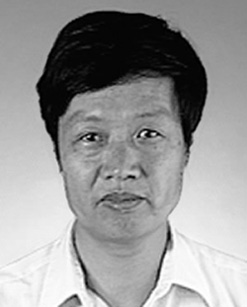 Hongjun Lu合作论文数Hong Kong University of Science and Technology15
 Bing Li (李冰)合作论文数School of Information and Communication Engineering, University of Electronic Science and Technology of China13
 Han Liu (刘晗)合作论文数School of Software, Dalian University of Technology;International School of Information Science & Engineering, Dalian University of Technology12
 Yuxin Jiang (姜宇心)合作论文数Huawei Hong Kong Research Center11
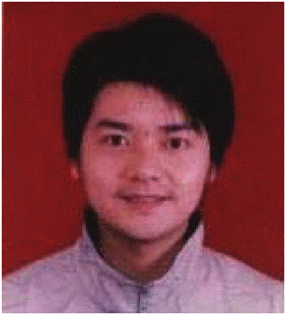 Haifeng Jiang合作论文数11
 Bo Huang合作论文数The Hong Kong University of Science and Technology10
 Kai Fang合作论文数School of Computer Science and Engineering, Macau University of Science and Technology10
 Xiaobo Zhang (张晓博)合作论文数School of Computing and Artificial Intelligence, Southwest Jiaotong University;Institute of Artificial Intelligence, Southwest Jiaotong University10
 Hong Yu (于红)合作论文数School of Software, Dalian University of Technology;International School of Information Science and Engineering, Dalian University of Technology - Ritsumeikan University10
 Xiaotong Zhang (张晓彤)合作论文数School of Software, Dalian University of Technology;International School of Information Science and Engineering, Dalian University of Technology - Ritsumeikan University10
 Yoshiharu Ishikawa (石川佳治)合作论文数Graduate School of Information Science, Nagoya University9
 Muhammad Aamir Cheema合作论文数Department of Software Systems and Cybersecurity, Faculty of Information Technology, Monash University9
 Yi Wang (王艺)合作论文数东莞理工学院9
 Yaoshu Wang合作论文数Shenzhen Institute of Computing Sciences8Feng Zhang合作论文数Key Lab of High Confidence Software Technologies, School of Computer Science, Peking University7
 Shuo Yang (杨朔)合作论文数School of Computer Science and Technology, Harbin Institute of Technology (Shenzhen)7
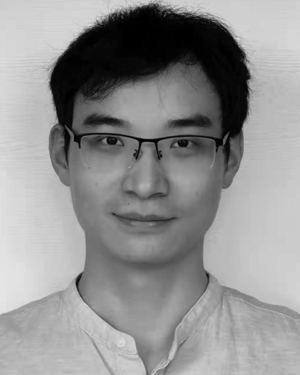 Junda Lu合作论文数7Zhilu Lai (赖志路)合作论文数7Xiaoling Zhou合作论文数7
 Xin Cao (曹欣)合作论文数School of Computer Science and Engineering, The University of New South Wales7Rui Zhang (张瑞)合作论文数7
 Fenglong Ma合作论文数College of Information Sciences and Technology, The Pennsylvania State University;Institute for Computational and Data Sciences, The Pennsylvania State University7Jinfeng Xu合作论文数The University of Hong Kong6Mingyang Chen合作论文数6
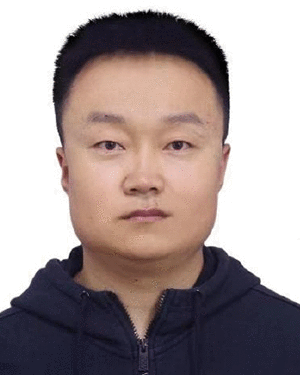 Zhen Tan合作论文数College of Systems Engineering, National University of Defense Technology6
 Linhan Zhang合作论文数School of Computer Science and Engineering, The University of New South Wales;Speech Lab, Alibaba Group6
 Mingjie Li (李明节)合作论文数State Grid Corporation of China6
 Yufei Wang合作论文数Macquarie University6
 Lu Qin合作论文数Australian Artificial Intelligence Institute, Faculty of Engineering and Information Technology, University of Technology Sydney6Jianzhong Li (李建中)合作论文数6
 Jiaheng Lu (陆嘉恒)合作论文数Department of Computer Science, Faculty of Science, University of Helsinki6
 Xiaochun Yang (杨晓春)合作论文数Software College of Northeastern University5
 Hongzhi Wang (王宏志)合作论文数Department of Computer Science and Technology, School of Computer Science and Technology, Faculty of Computing, Harbin Institute of Technology5Bin Wang (王斌)合作论文数School of Computer Science and Engineering, Northeastern University5
 Hailin Feng (冯海林)合作论文数College of Mathematics and Computer Science, Zhejiang A&F University5
 Shifeng Liu合作论文数The University of Sydney5
 Junfeng Zhou (周军锋)合作论文数College of Computer Science and Technology, Donghua University5
 Ali Kashif Bashir合作论文数Department of Computing and Mathematics, Manchester Metropolitan University5Yuzhu Hu合作论文数4Zheyu Chen合作论文数4




