Dam operations alter the three-dimensional (3D) hydraulic environment of regulated rivers, yet ecological indicators capable of diagnosing how these alterations disrupt fish migration corridors remain lacking. This study develops a 3D habitat suitability index (HSI) as an integrated ecological indicator, coupling computational fluid dynamics with a multi-parameter fuzzy logic model, to diagnose corridor dynamics and guide turbine-level release management. Applied to the Wudongde high-head dam on the upper Yangtze River, with the endangered endemic Leptobotia elongata as target species, the HSI indicator reveals a two-scale diagnostic structure: at the river-channel scale, intermediate total discharge (∼3935 m3/s) maximizes high-suitability corridor extent; at the tailrace scale, HSI near the fish-passing facility entrance is governed by individual turbine configuration rather than total discharge — a distinction that conventional discharge-based ecological flow frameworks cannot resolve. An HSI-guided turbine allocation strategy re-established a spatially continuous high-suitability corridor in the model without structural modification, and field hydroacoustic surveys were consistent with the HSI-predicted preferred release conditions at the facility-entrance scale. These findings support the 3D HSI as a scenario-based diagnostic indicator for corridor disruption in regulated rivers. The framework provides a basis for adaptive, turbine-level release management, with full-corridor biological validation identified as a remaining requirement.
To systematically evaluate the combined impact of water diversion projects on regional ecological-economic systems, this study uses the water diversion area of the Badi Reservoir in Danba County, Sichuan Province, as the research object and constructs a dynamic simulation model including water resource scheduling, ecological restoration, industrial development and policy intervention mechanisms on the basis of the system dynamics method. Focusing on core variables such as reservoir water storage, fish resources, and soil erosion intensity, four types of policy scenarios are set-the S0 baseline scenario, S1 ecological compensation enhancement scenario, S2 industrial structure synergy scenario and S3 economic synergy scenario-to simulate and analyze the regulatory effects of policy combinations on the evolutionary path of regional water-ecological-economic systems. The results show that (1) in the S0 scenario, the system's natural evolution capacity is limited, fish resources recover slowly, soil erosion persists, and the water diversion effect is not fully released; (2) although the S1 ecological compensation scenario effectively improves vegetation restoration and soil and water conservation by improving the compensation standard and suppresses the trend of soil erosion in the short term, the effect on fish resource recovery and industrial support is limited; (3) the S2 industrial synergy scenario indirectly improves ecosystem pressure while optimizing the employment structure of the tertiary industry, showing the adaptive path characteristics of medium-term industry-ecology coordination; and (4) the S3 economic synergy scenario has the best overall performance. While enhancing fishery output and improving the output value of primary industry and forestry, this scenario achieves systematic synergy by increasing reservoir water volume, restoring fish resources and alleviating soil erosion. The study shows that single policy interventions have difficulty simultaneously optimizing ecology and the economy. A composite "ecological compensation + industrial synergy + economic linkage" policy system should be built to dynamically adjust the rhythm of water resource scheduling and the industrial development structure and promote green transformation and high-quality development in the water diversion area.
Heavy metals transported form rivers into the sea were predominantly in the particulate form, while carbonate minerals act as an important component of river sediments and vital carrier of heavy metals. Intense human activities have a significant impact on the riverine transport of carbonate minerals, as well as heavy metals, but the nature of their correlation was not clear. The implementation of water-sediment regulation scheme (WSRS) in the Yellow River provides an ideal natural model for this study. Based on the investigation and analysis of the variations of particulate carbonates and heavy metals in the sediments from Xiaolangdi Reservoir (XLDR) and suspended sediments from Lijin Hydrology Station during the WSRS period, we identified the effects of the particulate carbonate dissolution and water redox state changes on the transport forms of heavy metals. The results showed that the sudden discharge of water and sediment from XLDR induced the dissolution of carbonate minerals in the downstream, resulting in the release of carbonate-bound heavy metals (Cu and Pb). A small fraction of the released Cu and Pb was converted to the dissolved form, while a larger portion is transferred to the reducible from (bound to Fe-Mn oxide) caused by the changes in the redox state of water body. This study provides important scientific significance for in-depth understanding of the control mechanisms of heavy metals migration and transformation transported by rivers under human activity influences, and also can hold scientific support for the ecological protection of the river basin.
Reservoir operations create complex environmental heterogeneity by altering hydrodynamic and nutrient regimes. However, their influence on the underlying processes governing phytoplankton community assembly remains inadequately understood. Here, we integrated long-term field monitoring data (2015-2023) with three-dimensional hydrodynamic-transport simulations to investigate how reservoir regulation drives phytoplankton succession and alters assembly processes in Zipingpu Reservoir, Sichuan, China. We observed a fundamental shift in the dominant phytoplankton group from Dinophyta (Peridiniopsis spp.) to green algae (Tetraselmis spp.), with the relative biomass of green algae surging from <10% to 96%. Reservoir operations reduced the water residence time (WRT) by 30% and increased the surface water total phosphorus (TP) concentration by approximately 170%, thereby significantly modulating key environmental filters. Concomitantly, the explanatory power (R2) of the neutral community model increased from 21.2% to 60.8%, and the modified stochasticity ratio increased from 43% to 52%. This quantitatively demonstrates a shift in community assembly from deterministic to stochastic dominance. Structural equation modeling further delineated a key pathway: operations → WRT → TP → phytoplankton. Our findings demonstrate that reservoir operations alter assembly mechanisms by alleviating phosphorus limitation, thereby weakening deterministic selection and enhancing stochastic processes. This study provides a mechanistic foundation for optimizing reservoir operations to manage phytoplankton communities.
To address the persistent challenge of severe magnesium interference in lithium extraction from high Mg/Li ratio salt-lake brines, this study proposes an innovative two-stage process: magnesium mineralization followed by lithium extraction, enabling efficient separation and utilization of lithium and magnesium resources. Leveraging a homogeneous (NH4)(2)CO3-Mg2+ mineralization system, we elucidate the three-stage kinetic mechanism of mineralization and the crystallographic regulation of magnesium carbonate. At low temperatures (40 degrees C), rod-shaped MgCO33H(2)O crystals are formed, achieving 88 % Mg2+ mineralization efficiency with 5 % Li+ loss. Elevated temperatures (>50 degrees C) trigger anisotropic crystal growth, transforming the product into porous spherical 4MgCO(3)Mg(OH)(2)4H(2)O, increasing Li+ loss to 15 %. Higher CO32- concentrations shorten nucleation induction periods but promote surface-attached flaky structures. Optimized drying temperatures suppress dehydration-induced phase transitions, yielding high-purity products. In the subsequent lithium extraction stage, a Tributyl phosphate(TBP)-FeCl3-kerosene system demonstrates enhanced efficiency via Al3+-induced salting-out effects. With 70 % TBP -30 % kerosene and 1.2 mol/L AlCl3, single-stage Li+ extraction efficiency reaches 67 %, while Al3+ co-extraction remains below 4 %. FTIR analysis confirms that Al3+ optimizes TBP coordination by releasing free Cl-, effectively mitigating Mg2+ competition. This work provides a novel approach for synergistic CO2 utilization and lithium-magnesium resource recovery from salt lakes, enhancing the sustainable utilization of critical minerals.
This study systematically evaluates the regulatory effects of multi-reservoir water diversion on ecological risk thresholds in the upper Yangtze River. Taking multiple reservoirs in the upper basin as the research object, a system dynamics model was developed to simulate reservoir operation, water level regulation, ecological water diversion, and diversion capacity enhancement. Key indicators included upstream ecological risk thresholds, ecohydrological risk levels, habitat ecological risk levels, and water environment ecological risk levels. Five scenarios were designed: S0 (baseline), S1 (enhanced ecological compensation), S2 (industrial coordination and optimization), S3 (economic synergy promotion), and S4 (comprehensive regulation and optimization). These scenarios were used to assess the combined effects of different diversion strategies on ecological risk control. Results indicate the following: (1) All scenarios reduce ecological risks to some extent, but the degree of effectiveness differs. (2) The overall ranking is S4 > S1 > S3 > S2 > S0, demonstrating that comprehensive regulation optimization is most effective in mitigating ecohydrological risks, improving habitat quality, and enhancing water environment security. (3) S1 is particularly effective in reducing ecohydrological risks and is suitable as an emergency safeguard during dry seasons, though less effective than S4 in habitat and water quality improvements. (4) S3 supports economic–ecological synergy but remains less effective than S1 and S4. (5) S2 primarily enhances industrial–ecological coordination with limited contribution to overall risk control. (6) S0 yields minimal improvement under existing operational conditions, failing to meet ecosystem safety thresholds. Overall, the findings highlight that in multi-reservoir joint diversion contexts, a composite strategy centered on comprehensive regulation optimization, supplemented by ecological compensation and economic synergy, should be prioritized to achieve systematic ecological risk reduction and ensure long-term watershed ecological security.
Understanding the adaptive relationships between fish morphology and water flow and leveraging this knowledge to shape water flow conditions beneficial for the conservation of rare fish are critical for their protection. This study integrates a high-precision fish model with a wave equation motion framework to accurately analyze and visualize the forces acting on various parts of fish bodies during swimming. The results quantitatively reveal the trade-offs in resistance and propulsion between two fish morphologies. For Carassius auratus, a propulsive force advantage is observed within a velocity range of 0-0.6 m/s, while Schizothorax prenanti demonstrates a staged propulsive advantage as velocity increases. Specifically, S. prenanti achieves maximum propulsion more rapidly at 0.4 m/s, maintains higher propulsion values at 0.6 m/s, and demonstrates adaptability to water velocities of 1 m/s, which prove insurmountable for C. auratus. Furthermore, a detailed analysis uncovers a strong correlation between fish morphology and biomechanical performance. The long-term adaptation of S. prenanti to flowing water environments is driven by its low-resistance morphology, enabling it to dominate despite generating less propulsion than C. auratus. Conversely, C. auratus, adapted to low-flow environments, prioritizes strong propulsion at the cost of heightened resistance in high-flow conditions. This study establishes a morphology-biomechanics-flow environment framework, enabling researchers to design flow conditions that align with the mechanical advantages of target fish species. Such an approach offers a novel perspective for fish habitat management and conservation.
With the rapid development of socioeconomics and the continuous advancement of urbanization, water environment issues in plain river networks have become increasingly prominent. Accurate and reliable water quality (WQ) predictions are a prerequisite for water pollution warning and management. Data-driven modeling offers a promising approach for WQ prediction in plain river networks. However, existing data-driven models suffer from inadequate capture of spatiotemporal (ST) dependencies and misalignment between direct prediction strategy assumptions with actual data characteristics, limiting prediction accuracy. To address these limitations, this study proposes a spatiotemporal graph neural network (ST-GNN) that integrates four core modules. Experiments were performed within the Chengdu Plain river network, with performance comparisons against five baseline models. Results suggest that ST-GNN achieves rapid and accurate WQ prediction for both short-term and long-term, reducing prediction errors (MAE, RMSE, MAPE) by up to 46.62%, 37.68%, and 45.67%, respectively. Findings from the ablation experiments and autocorrelation analysis further confirm the positive contribution of the core modules in capturing ST dependencies and eliminating data autocorrelation. This study establishes a novel data-driven model for WQ prediction in plain river networks, supporting early warning and pollution control while providing insights for water environment research.
Climate change is reshaping plateau freshwater ecosystems, where interacting thermal, hydrological, and topographic gradients structure fish distributions. Understanding how biological responses align with high-altitude freshwater conditions is therefore essential for anticipating the future of endemic fishes and informing sustainable management in the Lancang River Basin (LRB). Schizothorax lantsangensis, an endemic cold-water species of socio-economic value in the upper-middle LRB, was modeled using MaxEnt with river flow, seasonal water temperatures (typical wet/dry years), topography, and bioclimatic variables; projections were generated under four Shared Socioeconomic Pathways (SSPs) for 2061-2080 and 2081-2100. River flow accumulation, winter (dry-year) water temperature, elevation, and spring (dry-year) water temperature emerged as the dominant drivers of suitability. At present, 4776.67 km of river length (22.1% of the network) is suitable, concentrated in the upper and middle basin near Nangqen (NQ), Qamdo (QD), Chagyab (CY), and Dêqên (DQ). Response curves identify an occupancy window defined by flow accumulation of 855-14,835, winter 3.5°C-6.0°C, spring 8.5°C-11.0°C, and elevations of 2722-3650 m. Future warming drives consistent contraction across scenarios, with losses reaching up to 30.63% by the 2090s under SSP585. These quantified benchmarks provide a direct basis for conservation and management by (i) prioritizing reserve designation and connectivity in the identified upper-middle reaches, (ii) safeguarding cold-water refugia and high-accumulation corridors, and (iii) guiding seasonal environmental-flow and thermal-mitigation actions to keep spring temperatures near 8.5°C-11.0°C (winter 3.5°C-6.0°C), using the current 4776.67 km (22.1%) extent as a monitoring and planning baseline.
Salt lakes are abundant in three crucial resources - lithium(Li), magnesium(Mg), and boron(B). The separation efficiency of these resources is low, the excessive use of acid and the environmental harm caused by the accumulation of magnesium source after Li+ extraction still exist. In this work, a new process of step-by-step extraction of B-Li and Mg mineralisation is proposed to separate the three resources. Boron was extracted using 2-ethyl-1,3-hexanediol (EHD) + kerosene, and it was found that the addition of FeCl3 could significantly improve the boron extraction rate(E). In the R(O:A) = 1:3, 40 %EHD + 60 %kerosene, adding 0.15 mol/L FeCl3, after three-stage countercurrent extraction, the E(B3+) reached 99 %, E(Fe3+), E(Li+) and E(Mg2+) less than 4 %. Tributyl Phosphate (TBP)-Ionic Liquids (ILs)-kerosene-FeCl3 system was used to extract Li+, the ILs and FeCl3 existed in the extraction process with a competitive behaviour. The extraction efficiency of lithium was improved by cationic [C4mim+] exchange reaction. Under the conditions of R(O:A) = 1:1, 5 %ILs + 65 %TBP + 30 % kerosene, and three-stage extraction, the E(Li+) was reached 91 %. (NH4)2CO3 was used to mineralise the magnesium resources. At a reaction temperature of 40 degrees C, the product was magnesium carbonate trihydrate (MgCO3 center dot 3H2O) with a smooth surface and rod-like structure, and the conversion rate reached 85 %. At 75 degrees C, the product was an irregular spheroidal basic magnesium carbonate(4MgCO3 center dot Mg(OH)2 center dot 5H2O) with a magnesium conversion of 91.7 %.
This study systematically investigates the hydrodynamic characteristics of Coreius guichenoti. The analysis focuses on the vorticity field, turbulent kinetic energy, flow field, and forces acting on the fish. By examining these factors, the study provides in-depth insights into the impact of vortex structures on the fish's dynamics. The findings indicate that an increase in the head yaw angle affects the asymmetry of the leading-edge vortex. This intensifies lift force fluctuations and impacts the fish's transverse stability. Similarly, an increase in the tail yaw angle adds complexity to the trailing-edge vortex and the tail vortex ring. As a result, drag on the fish increases. The fish's tolerance to vortex scale lies within the range where the ratio of turbulent integral length scale relative to fish length (L-u/L-fish) is between zero and 65 percent. Beyond this threshold, force fluctuations rise considerably, especially at the tail, compromising stability. However, when 85%< L-u/L-fish, the fluctuation amplitude stabilizes, suggesting a saturation point where vortex scale effects become less significant. Additionally, high vortex shedding frequencies increase the force fluctuation frequency and reduce the fluctuation amplitude. This enhances the fish's posture stability. At the same time, it strengthens the vortex structure and turbulent kinetic energy around the fish. Although high-frequency vortex shedding can improve posture stability, it may reduce propulsion efficiency due to increased tail turbulence frequency. Conversely, low-frequency vortex shedding leads to larger force fluctuations and a more stable flow field, but it reduces posture stability, affecting both swimming direction control and propulsion efficiency. Consequently, protection measures for fish should carefully consider these factors to create suitable hydrodynamic conditions. This research provides valuable insights into fish swimming and foraging in complex flows, offering a scientific foundation for habitat protection and environmental restoration projects.
The modeling of interfacial two-phase flows involves various fields such as hydraulic engineering, marine engineering, chemical industry, etc., whose difficulty lies in the accurate simulation of the two-phase flow interface. This paper presents a VOF(volume of fluid)-based LS (level set) method with WENO (weighted essentially non-oscillatory) scheme in the finite volume method. The proposed method initializes the LS function by transforming the VOF function, which does not have the characteristics of the distance function yet. Therefore, the next step is to re-distance the transformed LS function by solving the re-initialization equation. For solving the re-initialization equation, the WENO scheme in the finite volume method is employed, providing fifth-order accuracy for the convection term. To validate the proposed VOF-based LS method combined with the WENO scheme, five test cases are presented, including Zalesak's disk, vortex deformation, Rayleigh-Taylor instability, two-dimensional bubble rise, and dam break flow. The numerical results from these interfacial two-phase flow cases demonstrate that the VOF-based LS method with the WENO scheme in the finite volume method can achieve accurate capture of the interface while maintaining excellent mass conservation characteristics.
Fish swimming hydrodynamics serves as a critical foundation for aquatic ecological conservation, with recent research extending from 2D to 3D perspectives. This study employs 3D high-fidelity modeling with dynamic mesh technology to investigate how cylindrical obstacles at varying positions affect Carassius auratus locomotion. Analysis of nine configurations reveals bidirectional flow interactions between fish and cylinders, with cylinder wake influence persisting at 1-2 times the total length intervals but diminishing at 3times. Compared with swimming in uniform flow, the mechanical benefit of C. auratus located 2 times the total length directly behind the cylinder is the largest, and its value reaches 4.19 times. Wavelet analysis of 30-cycle mechanical data demonstrates closer intervals enhance benefit magnitude, whereas greater distances accelerate benefit realization. These 3D computational findings corroborate 2D studies while providing new spatial interaction insights, offering theoretical foundations for fish conservation strategies related to hydraulic structures.
With the rapid economic development and urbanization, the structure of urban river networks is undergoing profound changes. Therefore, there is an urgent need to study the changing law of river network structure in megacities and its coordination mechanism with urbanization. In this paper, three types of five indicators are selected to describe the temporal and spatial change characteristics of the river network structure, and the buffer coordination relationship between the river network structure and urbanization is analyzed by using the coupled coordination model, the center of gravity migration tool, and the degree of change index. The results showed that, in terms of temporal changes, the total length of river (L), river network density (Dr), and fractal dimension (D) showed a decreasing and then increasing trend between 2000 and 2020, and the water surface ratio showed an increasing trend, while the river development coefficient (Kp) showed a decreasing trend. The degree of urbanization continued to increase between 2000 and 2020. In terms of spatial change, the more rapidly urbanized the regions, the greater the index of the degree of change of river network indicators. The river network structure experienced a time-coordinated change of decline followed by recovery and a spatially coordinated change of the center of gravity of the river network structure migrating in the same direction as the center of gravity of urbanization. The study further reveals that the impact of river network structure on urbanization exhibits spatiotemporal buffering effects, which help mitigate the adverse impacts of urbanization. These coordination and buffering characteristics can provide strategic guidance for the planning of river network structures and the protection of water systems in future megacities.
The heterogeneous viscosity distribution of biodegraded heavy oil poses significant challenges for reservoir management. While molecular markers (biomarkers) reflect biodegradation intensity, existing models fail to establish quantitative correlations between biomarker signatures and viscosity due to multicollinearity in high-dimensional geochemical data. This study develops an integrated machine learning framework to decode biomarker-viscosity relationships in the Songliao Basin heavy oils. Our dual-phase methodology combines ridge regression for multicollinearity mitigation with a feedforward neural network (FFNN) to capture nonlinear interactions. Key biomarkers were identified through geochemical analysis of 17 heavy oil samples spanning PM0-PM6 biodegradation levels. The hybrid model achieved exceptional prediction accuracy (R2 = 0.99996, RMSE = 3.39) through L2-regularized feature selection and neural network optimization, outperforming standalone FFNN models (cross-validation R2 improvement from 0.032 to 0.99996). Reverse prediction experiments validated biomarker response patterns, even in severely biodegraded oils. The advanced machine learning model proposed in this study is applicable to predict the viscosity of heavy oil and its biomarkers, thereby improving reservoir management strategies. Additionally, this study contributes a new perspective on characterizing and managing the reservoirs of various geological backgrounds and origins, not just biodegradable heavy oil reservoirs.
 Ruidong An (安瑞冬)合作论文数College of Water Resources & Hydropower, Sichuan University64
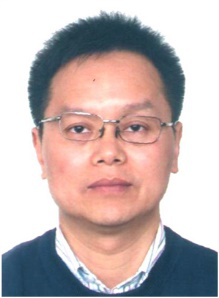 Kefeng Li (李克锋)合作论文数College of Water Resources & Hydropower, Sichuan University55
 Linglei Zhang (张陵蕾)合作论文数State Key Laboratory of Hydraulics and Mountain River Engineering, College of Water Resource & Hydropower, Sichuan University46
 Yun Deng (邓云)合作论文数College of Water Resources & Hydropower, Sichuan University45
 Yong Li (李永)合作论文数College of Water Resource & Hydropower, Sichuan University32
 Youcai Tuo (脱友才)合作论文数College of Water Resource & Hydropower, Sichuan University28
 Ran Li (李然)合作论文数College of Water Resources & Hydropower, Sichuan University27
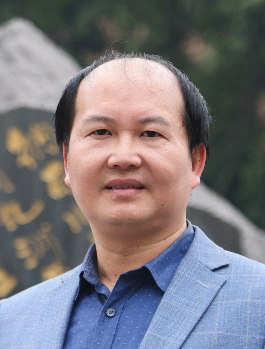 Wendian Huang (黄文典)合作论文数College of Water Resource & Hydropower, Sichuan University14
 Zhongluan Yan合作论文数13
 Ruifeng Liang (梁瑞峰)合作论文数College of Water Resource & Hydropower, Sichuan University12WenQian Zhao (赵文谦)合作论文数11Ning Liao合作论文数10
 Yang Song (宋洋)合作论文数College of Water Resource & Hydropower, Sichuan University10WenMin Yi (易文敏)合作论文数10Wenkang Meng合作论文数9
 Lei Liao合作论文数9LiHua You (由丽华)合作论文数8C. H. Yu合作论文数7Hongwei Wang合作论文数6XiLiang Tang (唐锡良)合作论文数6
 Xi Mao (毛熹)合作论文数四川农业大学水利水电学院6
 Bingdong Li (李冰冻)合作论文数College of Water Resources & Hydropower, Sichuan University6
 Wenyan He合作论文数5zhiqin li (李志勤)合作论文数5Yao-Wen Zhang合作论文数5Ya-ya Xu (徐亚亚)合作论文数5
 Jingjie Feng (冯镜洁)合作论文数College of Water Resources & Hydropower, Sichuan University5Xiaojia He合作论文数5
 Yurong Wang (王玉蓉)合作论文数College of Water Resource & Hydropower, Sichuan University5Nan Li (李楠)合作论文数4Qing-Yuan Liu合作论文数4Hong Zhang合作论文数4
 Ming Zhu (朱明)合作论文数Institute of Blood Transfusion, Peking Union Medical College4
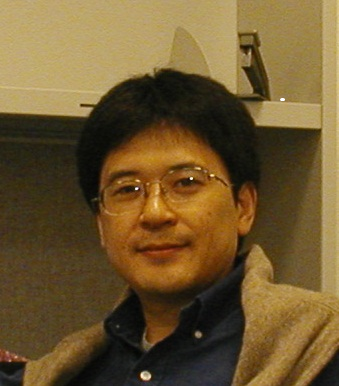 Xunchi Pu (蒲迅赤)合作论文数College of Water Resource & Hydropower, Sichuan University4
 Qingguo Wang (王庆国)合作论文数College of Architecture & Environment, Sichuan University4Lu Qu合作论文数4Yongao Lu (卢永澳)合作论文数3Jianliang Rui合作论文数3Jinghao YOU (游景皓)合作论文数3ceng ceng (曾曾)合作论文数3Dian Li合作论文数3WeiZheng Pei (裴伟征)合作论文数3
 Hua Zhang (张华)合作论文数Institute of Geochemistry, Chinese Academy of Sciences;University of Chinese Academy of Sciences3Jinchao He (何进朝)合作论文数3Zhengming Niu (牛争鸣)合作论文数3Zaixiang Zhu合作论文数2Wenxuan Fu合作论文数2




