OBJECTIVES:Relapse is common in IgG4-related disease (IgG4-RD). While previous studies focus on treatments for active IgG4-RD, data on the management of relapsing IgG4-RD remains limited. We aimed to investigate the treatment strategies for relapsing IgG4-RD. METHODS:This study analysed data prospectively collected from an IgG4-RD cohort, including patients who experienced their first relapse and were followed for over 12 months. We compared the outcome among three groups: (i) intensifying glucocorticoids (GC) only; (ii) intensifying immunosuppressants (IM) only; (iii) intensifying both GC and IM. The primary outcome was recurrent relapses. A decision tree model was developed to predict recurrent relapses. RESULTS:A total of 259 patients with IgG4-RD was included, with a male predominance (61.7%) and a median age of 54.0 years. Patients who intensified both GC and immunosuppressants (IM) (adjusted P 0.0002, HR 0.29, 95% CI: 0.16-0.52) experienced fewer relapses compared with those who intensified IM alone, while those who only intensified GC had a tendency to experience fewer relapses (adjusted P 0.0823, HR 0.51, 95% CI: 0.26-1.03). These differences were more pronounced in the subgroup with internal organ involvement. The decision tree indicated that those with an RI decrease to ≤2 and an IgG4 decrease ≥25% after treatment were more likely to stay free from recurrent relapses, with an AUC of 0.728 in the testing set. CONCLUSION:When treating relapse in IgG4-RD, GC-based treatment was associated with a lower hazard of recurrent relapse compared with only adjusting IMs, especially for those with internal organ involvement.
OBJECTIVE:The aim was to characterize peripheral blood lymphocyte subsets in BD patients, and to stratify patient subgroups and identify prognostic biomarkers. METHOD:Immunophenotyping of 11 immune cell subsets was performed using flow cytometry in peripheral blood samples from treatment-naive BD patients (n = 71) and age- and sex-matched healthy controls (HCs) (n = 71). XGBoost, PLS-DA and k-means clustering were employed to analyse the immune profiles and stratify BD patients based on their immunological subtypes and clinical parameters. Kaplan-Meier analysis and log-rank tests were used to compare relapse-free survival across BD patient clusters. Cox regression analysis was used to assess the clinical and immunological predictors of relapse. RESULTS:Our study reveals a T-cell dominant immune dysregulation in BD patients compared with HCs. Machine learning integration of immunophenotyping and clinical parameters identified two BD subgroups. Cluster 2 exhibited hyperactivated T cells (increased memory CD4+ T cells, CD8+DR+ T cells and CD8+CD38+ T cells), higher inflammatory markers (hsCRP, ESR, NLR and PLR), higher disease severity scores and relapse risk. Multivariate Cox regression analysis revealed that high hsCRP and CD8+DR+T-cells proportion were independent predictors of relapse. The HR-weighted combinations of CD8+DR+T%, hsCRP and disease severity scores exhibited superior relapse predictive performance (AUC = 0.815). CONCLUSION:This study provided a comprehensive immunophenotypic profile of treatment-naive BD patients. Machine learning integration of lymphocyte subsets and clinical parameters enabled the identification of subgroups at high risk of relapse at an early stage, providing a rationale for personalized treatment strategies.
Background:Patients with rheumatic diseases are at high risk for latent tuberculosis infection (LTBI) reactivation. We aimed to evaluate whether a modified 3-month regimen (3HP-PUMCH) was non-inferior to the standard 9-month isoniazid regimen (9H) for tuberculosis preventive treatment in this vulnerable population. Methods:We conducted a multicenter, open-label, randomized, non-inferiority trial at nine tertiary general hospitals in China. Eligible participants were adults (18-70 years) with high-risk rheumatic diseases and LTBI undergoing immunosuppressive therapy. Patients were randomized (1:1) to receive either the 3HP-PUMCH regimen (twice-weekly rifapentine 450 mg plus daily isoniazid 300 mg) or the 9H regimen (daily isoniazid 300 mg). The primary endpoint was the occurrence of tuberculosis, with a non-inferiority margin of 1.4 percentage points. Analysis used the modified intention-to-treat population. The trial was registered with Chinese Clinical Trial Registry ChiCTR1800018242. Findings:Between 19 September 2018 and 18 August 2021, 536 patients with rheumatic diseases were enrolled. The cumulative rate of tuberculosis was 0.00% (0 of 249, 95% CI 0.00-1.47) in the 3HP-PUMCH group, compared with 1.15% (3 of 260, 95% CI 0.24-3.34) in the 9H group, with a rate difference of -1.15 percentage points (95% CI -2.4 to 0.14). Drug discontinuation rates due to serious adverse events or tuberculosis occurrence were 2.8% (7 of 249) in the 3HP-PUMCH group and 1.9% (5 of 260) in the 9H group (p = 0.509). Adverse drug reactions occurred in 24 (9.6%) of 249 patients versus 39 (15.0%) of 260 (p = 0.066), with hepatotoxicity in 11 (4.4%) of 249 versus 27 (10.4%) of 260 (p = 0.010). 223 (89.6%) of 249 patients completed treatment in the 3HP-PUMCH and 237 (91.2%) of 260 in the 9H group (p = 0.54). Interpretation:The short-course 3HP-PUMCH regimen was non-inferior to the 9H regimen in preventing tuberculosis and demonstrated a favorable safety profile, with high treatment completion in LTBI patients with rheumatic diseases. This regimen might be more suitable for patients with underlying diseases and those on concomitant medications. Funding:National Natural Science Foundation of China.
Patients with autoimmune diseases (AIDs) are at an increased risk of developing cancer; however, the immunometabolic programs that shape this comorbidity remain incompletely defined. We integrated targeted serum metabolomics with multiplex profiling of cytokines, chemokines, and immune checkpoint proteins in patients with five major AIDs-idiopathic inflammatory myopathies, rheumatoid arthritis, systemic lupus erythematosus, Sjögren's syndrome, and systemic sclerosis-with or without cancer. A total of 49 patients with AID and comorbid cancer (AID-CA), 47 patients with AID alone, and 15 healthy controls were enrolled. Compared with AID alone, AID-CA was associated with coordinated remodeling of amino acid and nucleotide metabolism, dominated by the alanine, aspartate, and glutamate pathways. Decreased L-glutamine and increased L-glutamic acid levels were consistently observed and remained significant after the false discovery rate correction. Immune profiling revealed modest but consistent differences, including higher levels of CXCL9 and Galectin-9 and lower levels of selected checkpoint molecules in AID-CA. The effects of major metabolites and immune mediators were directionally stable after adjusting for age, sex, treatment exposure, and autoimmune disease subtype. Integrative analyses revealed stronger associations between metabolites and immune mediators in AID-CA, centered on CXCL9 and Galectin-9, and linked to amino acid and pyrimidine metabolism. In ex vivo assays, perturbation of glutamine or arginine availability preferentially modulated the release of CXCL9 and Galectin-9 from peripheral blood mononuclear cells of patients with AID-CA. Together, these findings define an internally consistent immunometabolic pattern associated with cancer comorbidities in patients with AIDs. They nominated amino acid metabolism and CXCL9/Galectin-9-centered immune signaling as candidates for mechanistic investigation and biomarker development, while underscoring the need for validation in larger, longitudinal, and disease-specific cohorts.
To explore the risk of relapse after glucocorticoids (GCs) withdrawal in patients with stable Sjögren’s disease-associated interstitial lung disease (SjD-ILD). This was a single-center, retrospective cohort study conducted at Peking Union Medical College Hospital between February 2016 and January 2024. The study compared two treatment strategies for patients with stable SjD-ILD: GC withdrawal versus GC maintenance. The primary endpoint was to compare the relapse rates between the two groups over a 3-year follow-up period. The secondary endpoints included changes in pulmonary function, serological markers, and adverse events. A total of 134 patients were included in this study, with 61 in the GC withdrawal group and 73 in the GC maintenance group. Over the 3-year follow-up, 16 patients (27.93
Background Inflammation plays important roles in the pathogenesis of both de novo and restenotic lesions in coronary artery disease (CAD).Case summary This patient was a middle-aged female who had few risk factors for atherosclerotic CAD (AS-CAD) but prior history of psoriasis and elevated erythrocyte sedimentation rate. The patient experienced four ischaemia-driven hospitalizations and/or percutaneous coronary interventions (PCIs) within 18 months due to new-onset or worsened coronary de novo and/or restenotic lesions, especially recurrent restenosis at the same vessel segment, despite optimal PCI and strict secondary prevention for AS-CAD. The patient received: (i) ischaemia-driven (least-necessary) and restricted (least-invasive) PCI, which relieved severe anginal symptoms and (ii) immunosuppressive therapy, which was associated with delayed progression and even partial regression of the coronary lesions, as well as reduced need for further ischaemia-driven hospitalization and/or revascularization during a 40-month follow-up.Discussion We propose to use inflammation-associated rapidly progressive CAD (IR-CAD) to define the disease entity of this patient. Both systemic inflammation and local vascular inflammation secondary to local vascular mechanical injury, such as that induced by PCI per se, might contribute to the pathogenesis of IR-CAD. Immunosuppressive therapy (to control inflammation) together with ischaemia-driven and restricted PCI (to relieve severe myocardial ischaemia and avoid unnecessary vascular mechanical injury) might be crucial to the treatment of IR-CAD.
ObjectiveTo identify factors associated with the recurrence of polymyalgia rheumatica(PMR) within one year.MethodsThis study included 64 patients diagnosed with PMR at Peking Union Medical College Hospital between January 2019 and June 2024. The baseline characteristics of patients with and without recurrence were compared, and logistic regression analysis was performed to identify risk factors for recurrence.ResultsThe mean age at onset was 65.1±7.9 years, with a male-to-female ratio of 1:3.3. The average duration from onset to diagnosis was 4.5±3.7 months. At baseline, the average erythrocyte sedimentation rate(ESR) was 67.0±29.2 mm/h, with 11 patients(17.2%) having an ESR > 100 mm/h, and the average C-reactive protein(CRP) level was 57.9±51.3 mg/L. Corticosteroids were used as the initial treatment in 95.3% of patients, with an average dose of 21.6±11.6 mg/day. During the 12-month follow-up, 35.9% of patients experienced recurrence, with the median time to first recurrence being 8.2±3.3 months.The cumulative recurrence rates at 3, 6, 9, and 12 months were 6.3%, 14.1%, 25%, and 35.9%, respectively. Comparisons between patients with and without recurrence revealed significant differences in age(68.7±6.5 vs. 63.2±8.1 years, P=0.006) and serum albumin(ALB) levels(36.8±4.2 vs. 39.4±5.0 g/L, P=0.046). Multivariate logistic regression analysis identified age as a significant predictor of recurrence(OR=1.094, 95% CI: 1.001-1.196, P=0.033), with each additional year of age increasing the risk of recurrence by 9.4%, suggesting that age may serve as an independent risk factor for recurrence.ConclusionsThe one-year recurrence rate of PMR is 35.9%. Older age and lower serum albumin levels are associated with recurrence, and age may be associated with disease recurrence within one year.
OBJECTIVE:Early diagnosis of seronegative rheumatoid arthritis (SNRA) is often challenging due to lack of reliable serological markers. The aim of this study was to explore protein biomarkers of SNRA and identify their potential as therapeutic targets. METHODS:Third-eight seropositive (SPRA) patients and 20 SNRA patients were enrolled in our omics study. Differentially expressed proteins (DEPs) between the two groups were identified via the Astral mass Analyzer for quantitative proteomics using data-independent acquisition (DIA) mass spectrometry, and the dataset of GSE93272 was used for the validation test. A variety of bioinformatics algorithms such as random forest, support vector machine, nomogram construction, consensus clustering were applied to identify key regulators, expression patterns, and molecular subtypes. We also performed functional enrichment analysis of differentially expressed genes (DEGs) across clusters and evaluated immune cell infiltration using single-sample gene set enrichment analysis (ssGSEA). Mendelian randomization (MR) analyses were conducted to identify druggable targets, and colocalization analyses were performed to determine whether RA risk and the expression of these druggable genes were influenced by shared SNPs. Additionally, we validated these findings through both in vitro and in vivo experiments, using clinical peripheral blood samples, RAW264.7 cells, and the collagen-induced arthritis (CIA) rat model to assess the functions of key genes in RA. RESULTS:Using quantitative proteomics, we identified 22 DEPs between SPRA and SNRA, including 12 upregulated and 10 downregulated proteins. Notably, CAMK2G protein was positively correlated with inflammation indicators in RA patients. Differential expression analysis between RA samples and controls identified nine key DEPs as potential biomarkers. A random forest classifier and a nomogram incorporating these nine biomarkers were constructed, and their clinical utility was supported by decision curve analysis. In addition, consensus clustering based on these hub genes stratified RA patients into distinct subgroups characterized by differential immune cell infiltration patterns and polygenic risk scores. Significant association between NR1H3 and disease by colocalization analysis in MR suggests its potential as druggable target. Notably, our experiments have confirmed that CAMK2G expression is associated with enhanced osteoclastogenic capacity, and enhanced CAMK2G expression accompanies joint damage in CIA rats. CONCLUSION:Our research on polygenic risk model indicates CAMK2G protein could serve as a promising biomarker and NR1H3 might be a potential candidate for targeting therapy for RA.
Rheumatoid arthritis (RA) is an aggressive, systemic autoimmune disease in which overactivated macrophages play a critical role in its pathogenesis. This study aimed to explore the potential role of glycolytic reprogramming in the production of proinflammatory cytokines by macrophages in RA. The Seahorse assay was conducted on RA or healthy control (HC) serum-treated human monocyte-derived macrophages (HMDMs) to evaluate glycolysis levels. RNA sequencing was performed to identify activated signaling pathways and key molecules in HMDMs stimulated by RA serum. The proinflammatory cytokines and hypoxia-inducible factor 1α (HIF-1α) were verified by Western blotting and quantitative polymerase chain reaction (qPCR). We found that HMDMs stimulated with RA serum showed higher aerobic glycolysis levels than those treated with HC serum, along with higher expression of glycolysis-related genes, including hexokinase2 (HK2), pyruvate kinase L/R (PKLR), and phosphoglycerate kinase 1 (PGK1). Furthermore, RA serum-treated macrophages exhibited a higher level of interleukin-1 beta (IL-1β), and the expression of IL-1β positively correlated with HK2. Inhibition of glycolysis by 3-bromopyruvate (3BrPA) or HK2 knockdown significantly suppressed IL-1β production in macrophages. The HIF-1α-associated signaling pathways and HIF-1α protein levels were also elevated in RA serum-treated macrophages. Inhibition of glycolysis by 3BrPA or knockdown of HK2 reduced HIF-1α. Inhibiting HIF-1α can suppress IL-1β production of RA serum-treated macrophages, and vice versa. TNF-α and IL-1β enhanced HIF-1α and IL-1β expression in macrophages, an effect attenuated by glycolysis inhibition. Blocking TNF-α and IL-1β in RA serum diminished both glycolysis and IL-1β production. Our findings demonstrate that RA serum triggers aerobic glycolysis in macrophages, which promotes HIF-1α to drive IL-1β production. Notably, IL-1β within RA serum amplifies its own expression via this glycolysis-HIF-1α axis, establishing a pathogenic positive feedback loop in RA.
Objective:This study aims to identify predictive factors for the relapse of idiopathic retroperitoneal fibrosis (IRF) and provide instructions for the optimization of the maintenance therapy. Methods:All patients with a clinical diagnosis of IRF were enrolled and followed up every 3-6 months. Their clinical characteristics, laboratory data and treatment strategies were recorded at each visit. Results:96 IRF patients (77 males and 19 females) with a median age of 55 years (interquartile range [IQR], 50-61) were enrolled. The median follow-up time was 2.50 (IQR, 1.75-4.13) years. During the follow-up, 21 patients experienced at least one relapse, with cumulative relapse rates of 10.6%, 32.3%, and 62.4% at 2.5, 5, and 7.5 years, respectively. Initial hydronephrosis was an independent predictor of relapse (Hazard ratio [HR], 5.35; p=0.001). Discontinuation of maintenance therapy (HR, 3.41; 95% CI, 1.4-8.314; p=0.007) was closely associated with relapse. Use (HR, 0.12; p<0.001) and dose (HR, 0.73; p=0.01) of glucocorticoids (GC) in maintenance period were protective factors against relapse. Among patients with hydronephrosis, those who discontinued GC had a higher relapse rate (p=0.009). GC monotherapy or combined immunosuppressants (IM) therapy were more effective in preventing relapse than IM alone (p<0.001). Conclusion:Our study reveals that initial hydronephrosis and GC withdrawal during maintenance therapy are significant predictors of IRF relapse. Long-term, low-dose GC therapy is benefit for maintaining remission and preventing relapse, especially in patients with initial hydronephrosis.
Behçet's disease (BD) is a life-threatening systemic vasculitis characterized by polymorphonuclear neutrophils (PMN) and macrophage activation. However, the interaction of PMN and macrophages remains elusive. To elucidate the potential dysregulation of BD PMN exosomes on macrophage activation, PMN exosomes from both BD patients and healthy controls are isolated, quantified and incubated with macrophages. We find that BD PMN exosomes are decreased and negatively correlated with C-reactive protein (CRP). PMN exosomes can suppress IL-6, TNF, CD80 and CD86 expressions on macrophages, which are attenuated in BD PMN exosomes. In addition, by miRNA sequencing of PMN exosomes, RNA sequencing of miRNA-transfected macrophages, and dual luciferase reporter assay validation of the miRNA target, we find that miR-122-5p is decreased in BD PMN exosomes, targeting IRF5, suppressing TLR4 signaling and IFN-β autocrine, eventually downregulating macrophage activation. Our study illustrates that BD PMN exosomes are decreased in both quantity and miR-122-5p, which impairs the potential immunoregulatory effects on macrophages through degrading IRF5 and suppressing IFN-β autocrine, shedding light on the interaction mechanism between PMN and macrophages.
This study aimed to compare the value of [68 Ga]Ga-FAPI-04 PET/CT with X-ray imaging in assessing disease activity and treatment response in patients with rheumatoid arthritis (RA). All patients underwent clinical and laboratory assessments, [68 Ga]Ga-FAPI-04 PET/CT, and X-ray imaging, with a 6-month follow-up to assess disease activity and treatment response. Bland–Altman analysis assessed the agreement between PET/CT and X-ray parameters. Correlation analyses were performed between clinical characteristics and imaging parameters. Receiver operating characteristic (ROC) curve analyses were used to predict treatment response. We prospectively enrolled 17 patients with RA (14 females and 3 males; median age, 55.0 yr [IQR: 50.0–58.5 yr]). [68 Ga]Ga-FAPI-04 PET/CT showed strong agreement with X-ray in evaluating the number of joints involved. PET/CT imaging-derived parameters, including PET joint count (PJCFAPI), PET articular index (PAIFAPI), total synovitis uptake (TSUFAPI), and metabolic synovitis volume (MSVFAPI) were significantly correlated with C-reactive protein levels. Moreover, PJCFAPI and PAIFAPI were associated with tender or swollen joint count (TJC/SJC), disease activity score with 28-joint counts (DAS28), and Simplified Disease Activity Index (SDAI), respectively. No correlations were observed between the X-ray findings and disease activity parameters. The baseline PAIFAPI > cutoff values could discriminate responders and non-responders at the 6-month follow-up according to the Clinical Disease Activity Index (CDAI) and SDAI response criteria, while X-ray could not predict treatment response. [68 Ga]Ga-FAPI-04 PET/CT was superior to X-ray imaging in evaluating disease activity and predicting treatment response in patients with RA. ClinicalTrials. NCT04514614. Registered 13 August 2020, https://register.clinicaltrials.gov/prs/app/action/SelectProtocol?sid=S000A4PN selectaction=Edit uid=U0001JRW ts=2 cx=-×9t7p
OBJECTIVES:Primary Sjögren's syndrome (pSS) is an autoimmune disorder characterised by type I interferons (IFNs) signature, and plasmacytoid dendritic cell (pDC) is the primary producer of type I IFNs. However, the role of pDCs in the pathogenesis of pSS remains unclear. Our study aims to explore the dysregulation of pDCs in pSS, as well as the underlying mechanisms. METHODS:In the present study, we included a total of 104 patients with pSS (64 were untreated and 40 were treated with hydroxychloroquine) and 64 healthy controls. We examined the frequency, activation markers, cytokines secretion, and infiltration into affected tissue of pDCs derived from pSS. Clinical correlation analyses and co-culture systems of pDCs and B cells were conducted to explore the pathogenesis of pDC reduction in pSS. RESULTS:The frequency of pDC was significantly reduced in the peripheral blood of pSS. pDCs derived from pSS exhibited higher expression levels of Toll-like receptor 7 in the resting state. The IFN-α production by pDCs from pSS patients is similar to that of matched HC in vitro, regardless of whether the patients' IFN signature is negative or positive. Local invasion of pDCs into affected glands was detected but not common in pSS. In pSS patients, the proportion of circulating pDCs negatively correlated with serum IgG, IgA, and anti-SSA autoantibodies. pDCs promote proliferation, activation, differentiation, and antibody production of B cells. Conversely, excessive IgG promoted pDC apoptosis via neonatal Fc receptor (FcRn) and caused the decline of pDCs in pSS. CONCLUSIONS:Our data enhances the understanding of pDC functionality in pSS and the mechanisms of their abnormal reduction in peripheral blood. We first report that excess IgG induced pDC apoptosis via FcRn and promoted the reduction of peripheral pDCs in patients with pSS.
OBJECTIVES:Idiopathic retroperitoneal fibrosis (IRF) is a rare autoimmune-mediated condition characterized by fibro-inflammatory tissue development around the abdominal aorta and iliac arteries. Ureteral entrapment and hydronephrosis are the most common manifestations and acute renal failure or chronic renal insufficiency may occur as the consequence. Glucocorticoids and immunosuppressants may be effective but the therapeutic response and outcome are heterogeneous and hard to predict. This study aimed to investigate the factors associated with early remission in patients with IRF. METHODS:This retrospective study included 91 IRF patients who visited Peking Union Medical College Hospital between May 2013 and December 2023. Clinical data and outcomes were reviewed, and the time to remission was calculated. RESULTS:Over a median follow-up of 2.63 years (IQR, 1.29-3.41), 38 patients achieved remission within six months after treatment initiation. In multivariable analysis, male gender (OR 5.297, 95% CI 1.445-19.420, P=0.012) and higher baseline complement component 3 (C3) (OR 2.153, 95% CI 1.131-4.097, P=0.019) levels were significantly associated with early clinical remission (≤6 months). The time to remission was negatively associated with C3 levels (r =-0.243, P=0.014). Patients with high C3 levels (≥1.144 g/l) tended to achieve remission in a shorter time than their counterparts with low C3 levels(<1.144 g/l) (P=0.028). An effective nomogram model for predicting disease remission was constructed with gender and C3 (AUC=0.73, 95% CI 0.62-0.84). CONCLUSION:Male gender and higher baseline C3 levels may act as potential predictors for achieving early remission in patients with IRF.
ABSTRACTObjectiveThis study aimed to investigate the mortality, survival rates, and prognostic indicators of cancer occurrence after Sjögren's syndrome (SS‐CA).MethodsThe medical records of patients with SS‐CA at the Peking Union Medical College Hospital (PUMCH) between January 2010 and August 2022 were retrieved. Clinical data and survival outcomes were compared to controls. The standard mortality ratio (SMR) versus the general population was calculated, and the survival and predictive markers of prognosis were analyzed using Kaplan–Meier curves and Cox regression.ResultsIn total, 114 SS‐CA patients were included, with a median follow‐up time of 105.1 (57.3–168.0) months. Non‐Hodgkin lymphoma (32, 28.1%) was the most common cancer in patients with SS‐CA. The SMR of SS‐CA patients was 2.61 (95% confidence interval [CI] 1.73–3.77). Patients with SS‐CA exhibited significantly inferior outcomes compared to controls (p = 0.010), with 5‐ and 10‐year overall survival rates of 91.2% and 83.2%, respectively. SS patients with a diagnostic interval between SS and cancer (SS‐CA diagnostic interval) ≤ 3 years or with hematological malignancies had poorer survival compared to those with a diagnostic interval > 3 years (p < 0.001) or with solid tumors (p = 0.019). Multivariate Cox regression analysis identified the prognosis‐associated factors of SS‐CA as age at SS diagnosis > 50 years (HR 3.129, 95% CI 1.224–7.998; p = 0.017), SS‐CA diagnostic interval ≤ 3 years (HR 7.754, 95% CI 1.953–30.781; p = 0.004), and hematological malignancies (HR 2.648, 95% CI 1.201–5.838; p = 0.016).ConclusionMalignant comorbidities constituted a poor prognosis in patients with SS, wherein the SS‐CA diagnostic interval and the types of cancer were associated with survival.
Cell metabolism is an indispensable biochemical process that provides the basic energy and materials necessary for normal cell function. Accumulating evidence implicates abnormal metabolism of T cells as playing a critical role in the pathogenesis of rheumatoid arthritis (RA). The deacetylase SIRT3 has been shown to directly regulate energy metabolism in nonimmune cells. However, the role of SIRT3 in T cells and whether it participates in RA process remain unclear. In this study, we demonstrated that T-cell glycolysis was inhibited after SIRT3 deficiency. Compared to wild-type mice, SIRT3 knockout mice exhibited more severe arthritis, cartilage erosion, and inflammation after immunization with antigen-induced arthritis (AIA). It is interesting to note that SIRT3 deficiency reduced the expression of 6-phosphofructo-2-kinase/fructose-2,6-bisphosphatase 3 (PFKFB3), a regulatory and rate-limiting enzyme in glycolysis. Overexpression of PFKFB3 was shown to restore the impaired ATP production caused by SIRT3 deficiency in T cells, and protects T cells from apoptosis. In summary, SIRT3 plays an important role in the regulation of T-cell metabolism in the pathogenesis of RA. SIRT3 deficiency decreases glycolysis, reduces ATP production, induces apoptosis in CD4+ T cells, and further promotes AIA in mice.
BACKGROUND:Inflammation plays important roles in the pathogenesis of coronary artery disease (CAD). CASE SUMMARY:This case involves a middle-aged woman with few risk factors for atherosclerotic CAD but elevated erythrocyte sedimentation rate and high-sensitivity C-reactive protein. The patient developed progressive coronary de novo stenosis and restenosis despite optimal revascularization and strict secondary prevention. Immunosuppressive therapy was administered without further revascularization, which was associated with no further progression but even regression of the coronary lesions. DISCUSSION:We propose to use inflammation-associated CAD (I-CAD) to define the disease entity of this patient. This case highlights the importance of inflammation in the pathogenesis of and use of immunosuppressive therapy in the treatment of patients with I-CAD. TAKE-HOME MESSAGES:I-CAD should be considered in patients presenting with progressive CAD despite optimal standard treatment, who have few risk factors for atherosclerosis but manifestations of inflammation. Immunosuppressive therapy might be crucial to control the progression of I-CAD.
 Xuan Zhang (张烜)合作论文数Beijing Hospital, Peking Union Medical College79
 Yunyun Fei (费允云)合作论文数Peking Union Medical College Hospital52
 Fengchun Zhang (张奉春)合作论文数Peking Union Medical College Hospital51
 Xiaofeng Zeng (曾小峰)合作论文数Peking Union Medical College Hospital35
 Huaxia Yang (杨华夏)合作论文数Peking Union Medical College Hospital33
 Wen Zhang (张文)合作论文数Cancer Hospital Chinese Academy of Medical Sciences27Zhou Jiaxin合作论文数26
 Mengtao Li (李梦涛)合作论文数Peking Union Medical College Hospital23
 Wenjie Zheng (郑文洁)合作论文数Peking Union Medical College Hospital22FuLin Tang (唐福林)合作论文数21yan zhao合作论文数19
 Li Wang (王立)合作论文数Peking Union Medical College Hospital, Chinese Academy of Medical Sciences19Hua Chen (陈华)合作论文数18Haojie Xu合作论文数17Qing-jun Wu合作论文数17Peng Linyi合作论文数16Xunyao Wu合作论文数Clinical Biobank, Department of Medical Research Center, Peking Union Medical College Hospital, Chinese Academy of Medical Sciences and Peking Union Medical College, Beijing, China.15
 Qian Wang (王迁)合作论文数Peking Union Medical College Hospital13
 Dong Xu (徐东)合作论文数北京协和医学院北京协和医院12
 Jing Li (李菁)合作论文数Peking Union Medical College Hospital12Chuiwen Deng合作论文数12Liu Jinjing合作论文数11Qun Shi (史群)合作论文数11
 Min Wang (王敏)合作论文数State Key Laboratory of Experimental Hematology, Chinese Academy of Medical Sciences11Jinmei Su合作论文数10
 Wei He (何维)合作论文数lnstitute of Basie Medical Sciences, Chinese Academy of Medical Sciences10
 Xiaomei Leng (冷晓梅)合作论文数Peking Union Medical College Hospital10Xinping Tian (田新平)合作论文数9Lifan Zhang合作论文数9
 Yan Zhao (赵严)合作论文数School of Medicine, Tongji University9
 Yongzhe Li (李永哲)合作论文数Peking Union Medical College Hospital9Pe Lipsky合作论文数8Hongbin Li合作论文数8Xin You合作论文数8
 Shengyun Liu (刘升云)合作论文数The First Affiliated Hospital of Zhengzhou University8
 Xiaoqing Liu (刘晓清)合作论文数Peking Union Medical College Hospital8
 Xiaoxia Zuo (左晓霞)合作论文数Xiangya Hospita, Central South University8
 Yong Hou (侯勇)合作论文数Chinese Academy of Medical Sciences Peking Union Medical College8Rongli Li合作论文数7
 Peng Yu (于澎)合作论文数7Beidi Chen合作论文数6Xu Jiang合作论文数6
 Ping Zhu (朱平)合作论文数Xijing Hospital of Air Force Medical University6
 Bin Liu合作论文数6
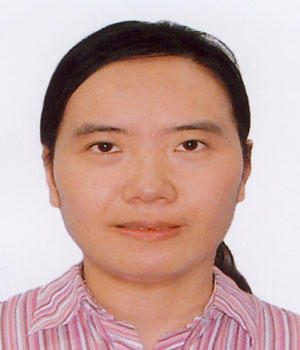 Xiaochun Shi (侍效春)合作论文数Chinese Academy of Medical Sciences Peking Union Medical College6
 Huaxiang Wu (吴华香)合作论文数Department of Rheumatology, Second Affiliated Hospital, School of Medicine, Zhejiang University6Xia Meng合作论文数5




