Coronary atherosclerosis underlies life-threatening conditions such as myocardial infarction and stroke, yet its cellular dynamics remain incompletely understood. Here, through single-cell RNA sequencing of 27,941 cells from 56 human coronary segments, we constructed a disease-stage-resolved cellular atlas, revealing pathological remodelling of endothelial cells (ECs) into a progenitor-like state (EC5SLCO4A1+) with low expression of canonical EC dysfunction signatures. EC5SLCO4A1+ abundance increased with atherosclerotic stage, and its emergence is driven by PRDM15 through direct transcriptional activation. Analysis of the EC5SLCO4A1+ interaction network revealed extensive crosstalk with immune cell types, the interaction between which contributed to atherosclerotic progression. Endothelial overexpression of Prdm15 in vivo exacerbated atherosclerosis, while its suppression ameliorated the disease phenotype, with diminished EC5SLCO4A1+-like cells and immune infiltration. Our findings underscore the central role of EC subtype remodelling in the progression of human coronary atherosclerosis and reveal tractable targets for therapeutic intervention.
BACKGROUND:The routine implementation of heart teams for patients with complex coronary artery disease (CAD) is challenging due to the insufficient multidisciplinary specialist resources for face-to-face discussion. A real-time heart team during the angiography, based on an online meeting, offers the potential to efficiently integrate resources. OBJECTIVES:In this study, we sought to evaluate the implementation value and safety of a "real-time heart team" decision making approach. METHODS:This noninferiority randomized controlled trial enrolled patients with de novo left main or 3-vessel CAD at 3 cardiac centers. Patients were randomly assigned to the conventional heart team group (discussed by a face-to-face meeting after the angiography) or the real-time heart team group (discussed by an online meeting during the angiography). Implementation value outcomes included care efficiency (waiting time for treatment, recatheterization, specialist workload, and economic outcomes) and process evaluation metrics (discussion adequacy, surgeon participation, and shared decision making). The safety outcomes were a composite of 1-year major adverse cardiovascular and cerebrovascular events (MACCE) (including all-cause mortality, myocardial infarction, stroke, unplanned revascularization, and readmission due to reangina) and revascularization decision making. RESULTS:Overall, 490 complex CAD patients were included, with 245 patients in each group. Waiting time for final therapy (median: 2 days [Q1-Q3: 0-7 days] vs 5 days [Q1-Q3: 2-10 days]; P < 0.001), recatheterization rate (12.5% vs 98.9%; P < 0.001), specialist high workload rate (5.3% vs 29.0%; P < 0.001), and percutaneous coronary intervention (PCI) hospitalization cost (percentage of decrease: 18.0%; P < 0.001) were significantly reduced in the real-time group. More discussion time spent (4.0 ± 1.8 min vs 3.4 ± 1.6 min), better specialist satisfaction (based on NASA Task Load Index scale), more chief surgeon participation (26.5% vs 18.8%), but less multidisciplinary synchronous shared decision making (2.0% vs 11.5%) were found in the real-time group. The real-time heart team group was noninferior to the conventional group in 1-year MACCE (8.2% vs 10.6%; risk difference: -2.45%; 95% CI: -7.61%-2.71%; P for noninferiority < 0.001). The proportions of PCI, coronary artery bypass grafting, and medical therapy were similar between the 2 groups (P = 0.892). CONCLUSIONS:Compared with the conventional heart team, the real-time heart team significantly improved care efficiency and process evaluation metrics, with similar clinical outcomes and decision making. However, insufficient shared decision making and intercenter generalizability should be optimized before widespread implementation of this approach. (Feasibility and Effectiveness of a Real-Time Heart Team Approach in Complex CAD [EHEART; NCT05514210]).
Objective To assess early and mid - term outcomes of two aortic root surgeries for aortic regurgitation with aortic root/ascending aortic aneurysm. Methods To evaluate the pros and cons of the two procedures, prospective inclusion commenced in March 2020. From March 2020 to March 2024, 626 patients <70 years old had elective aortic root surgery. There were 252 in the reimplantation group and 374 in the mechanical Bentall group. Propensity score corrected imbalanced variables. Mean follow - up was 27 months (11 - 40 months). Intra - operative and clinical outcomes were analyzed. Results Although the reimplantation group had longer durations of aortic cross clamp (ACC) and cardiopulmonary bypass (CPB), postoperative complications did not significantly differ between the groups. During the follow - up period, the reimplantation group had a 100% survival rate, while the mechanical Bentall group had a survival rate of 98.66% (5 deaths out of 374 patients). There was 1 case of hemoptysis (0.40%) in the reimplantation group, and 13 cases (3.48%) of bleeding or thrombosis - related events in the mechanical Bentall group. After taking into account clinical covariates, mechanical Bentall procedures showed a higher risk of anticoagulant - related hemorrhage (HR 0.13; p = 0.0045) compared to reimplantation procedures. Conclusions For patients with aortic root aneurysm and normal or nearly - normal aortic valve cusps, especially those who want to avoid long - term anticoagulation, valve - sparing root reimplantation can be considered a preferred surgical option.
Background:Valve-sparing root replacement (VSRR) prevents prosthesis-related complications in aortic root aneurysms but lacks objective feasibility criteria. Cusp prolapse frequently coexists with aortic root aneurysms, but its effect on VSRR outcomes remains unclear. We characterized prolapse mechanisms using three-dimensional (3D) transesophageal echocardiography (TEE) and examined the correlation between imaging features and surgical success as well as midterm outcomes. Methods:This retrospective cohort study analyzed the data of 203 consecutive patients considered for VSRR. Cusp prolapse was diagnosed and mechanistically classified using quantitative 3D TEE analysis. The intraoperative findings confirmed regurgitation mechanisms. The outcomes compared the native valve preservation rates, postoperative echocardiographic results, mortality, regurgitation recurrence, and reintervention between prolapse and non-prolapse groups over a median 41-month follow-up period. Results:Among the 203 patients (mean age 48.0±13.7 years), 70 (34.5%) exhibited cusp prolapse. The predominant mechanism was disproportionate free margin (FM) elongation (64.3%). Surgical success was significantly lower in the prolapse group than the non-prolapse group (50.0% vs. 86.5%; P<0.001). Among the patients with cusp prolapse, prolapse mechanisms other than FM elongation, compared with FM elongation, were independently associated with unsuccessful VSRR [odds ratio (OR) =12.44; 95% confidence interval (CI): 3.42-45.24; P<0.001]. In addition, a reduced minimum geometric height was also independently associated with unsuccessful VSRR (OR =0.70; 95% CI: 0.50-0.97; P=0.035). There were no significant differences in the midterm outcomes between the prolapse and non-prolapse groups in terms of the echocardiographic parameters (P=0.373), mortality (P=0.581), regurgitation recurrence (P=0.769), or reintervention rates (P=0.580). Conclusions:Cusp prolapse-driven by heterogeneous mechanisms-is prevalent in tricuspid aortic valve root aneurysms and reduces the likelihood of successful VSRR. Preoperative 3D TEE quantification of cusp pathology can aid in surgical planning. Despite lower preservation rates in prolapse patients, both groups achieved comparable midterm outcomes following judicious patient selection.
Abstract The absence of force feedback remains a major bottleneck in the development of robotic laparoendoscopic single-site (R-LESS) surgery, reducing the control precision of surgical instruments and increasing the risk of tissue damage. To address this challenge, we propose a miniature triaxial force sensor based on Fiber Bragg Grating (FBG), featuring high precision, nonlinear decoupling capability, and seamless integration with the tool tip of a continuum manipulator for singleport access surgery. The sensor features a monolithic elastic body with a dumbbell-shaped groove, where four FBGs are symmetrically arranged at 90?intervals around the circumference to form a redundant measurement unit, thereby enhancing sensing accuracy. A novel Whale Migration Algorithm Based Kernel Extreme Learning Machine (WMA-KELM) is introduced to address the nonlinear coupling influences arising from manipulator integration, demonstrating superior accuracy and robustness compared to conventional methods. Experimental results show that within the ranges of axial force [0 N, 5 N] and radial force [-2.5 N, 2.5 N], the maximum full-scale (FS) error is less than 1% in all dimensions, the maximum RMSE is 0.0308 N, and the maximum repeatability error is within ±0.24%. These results validate the force sensor integrated with the continuum manipulator, and the proposed algorithm is effective and reliable.
BACKGROUND:Mosaic loss of Y chromosome (mLOY) is the most prevalent somatic mutation in males associated with aging. OBJECTIVES:This study aimed to test the association of mLOY with new-onset peripheral arterial and aortic diseases (PAAD). METHODS:Males from the UK Biobank with available genotyping data were analyzed. The Mosaic Chromosomal Alterations pipeline was used to detect mLOY. The multivariable Cox proportional hazard models were fitted to investigate the association of mLOY with incident peripheral arterial disease (PAD) and aortic aneurysm and dissection (AAD). Multiplicative and additive interaction between mLOY and smoking status on the risk of incident PAD and AAD was further evaluated. RESULTS:This study included 216,086 participants (mLOY: n = 43,458 [20.1%]). Over a median follow-up period of 13.7 years (IQR: 12.9-14.5), individuals with mLOY exhibited a significantly higher risk of both PAD (adjusted HR: 1.17; 95% CI: 1.10-1.24) and abdominal aortic aneurysm (AAA) (adjusted HR: 1.26; 95% CI: 1.14-1.38). Notably, although mLOY was not significantly associated with increased risks of either PAD or AAA among never-smokers, these associations were most pronounced in former smokers (P for multiplicative interaction <0.001). Furthermore, smoking status and mLOY synergistically increased the risk of both PAD and AAA (P for additive interaction <0.05). CONCLUSIONS:mLOY is a novel PAAD-related risk factor. Individuals with mLOY are strongly advised to avoid or quit smoking to reduce the risk of PAAD.
Background:Current coronary artery disease (CAD) guidelines recommend to rule-out or rule-in patients for further examination by assessing a pretest probability (PTP) ≤ 5 % or ≥ 15 %. We developed and validated a deep-learning algorithm for rule-in or rule-out based on electrocardiogram (ECG) without myocardial ischemia evidence. Methods:Between October 2019 and June 2022, data from two centers (Fuwai Hospital [Beijing] and Yunnan Fuwai Hospital) of CAD-suspected patients undergoing either coronary angiography or coronary computed tomography were used. Data from the Fuwai Hospital (Beijing) were used to train (randomly 90 %) and internally validate (randomly 10 %) a deep-learning algorithm to detect CAD (≥ 70 % stenosis) based on 12-lead ECGs. An algorithm-based decision-making protocol was established for rule-out or rule-in based on a predefined threshold allowing for a 95 % negative predictive value (NPV). Data from the Yunnan Fuwai Hospital were used to externally validate the performance of the decision-making protocol. The CAD prevalence was calculated in patients who were recommended to rule-in or rule-out. Results:In internal validation set, area under the receiver operating characteristic curve (AUC) was 0.81 and the CAD prevalence of patients who were recommended rule-out and rule-in were 5 % (40/790) and 23 % (527/2253), respectively. In external validation set, the CAD prevalence of patients who were recommended rule-out and rule-in were 0 % (0/661) and 15 % (255/1699), respectively. Conclusions:Our algorithm based on ECG without myocardial ischemia evidence performed good in CAD detection. An algorithm-based decision-making protocol could achieve the guideline-recommended performance in guiding rule-out or rule-in for further examination.
OBJECTIVES:A lack of standardization in heart team implementation potentially leads to suboptimal decision-making quality, and we previously established a modified heart team protocol to improve the decision-making quality. The present trial was to validate the effect of the modified heart team implementation protocol on improving the decision-making quality versus the conventional protocol in complex coronary artery disease (CAD). METHODS:Eligible interventional cardiologists, cardiac surgeons and non-interventional cardiologists were randomly allocated to the intervention or control arm and established 12 heart teams in each arm. The 12 heart teams in each arm were randomly divided into 6 pairs, and 480 historic cases with complex CAD into 6 sets of 80 cases. In each arm, each set of 80 cases was discussed independently by one pair of heart teams, with each case finally receiving two heart team decisions ('pairwise decisions'). The intervention arm conducted heart team decision-making according to the previously established protocol and the control arm based on guideline recommendations. The primary outcome was the overall percent agreement of the inter-team pairwise decisions. Decision-making appropriateness was further analysed. RESULTS:A total of 36 cardiac surgeons, 36 interventional cardiologists and 12 non-interventional cardiologists from 26 centres were enrolled. The overall percent agreement was significantly higher in the intervention arm than the control arm (72.1% vs 65.8%, P = 0.04; kappa 0.51 vs 0.37). Both team-level (19.4% vs 33.0%; P < 0.001) and specialist-level (interventional cardiologists, 19.8% vs 37.7%, P < 0.001; cardiac surgeons, 19.8% vs 28.7%, P < 0.001) inappropriateness rate of decision-making was significantly lower in the intervention arm than the control arm. CONCLUSIONS:The modified heart team implementation protocol improved the decision-making quality and appropriateness compared with the guideline-based protocol.
Objective:This study aims to evaluate the prevalence, clinical characteristics, severity, mortality, and outcomes of COVID-19 infection in heart transplant recipients, focusing on risk factors for severe disease. Methods:A retrospective, observational study was conducted on adult heart transplant patients (HTxs) at Fuwai Hospital from December 1, 2022, to February 28, 2023, with follow-up until May 30, 2024. Clinical data were collected via telephone surveys and medical records. Logistic regression analyses were conducted to explore risk factors for severe disease. Results:In total, 728 of the 916 HTxs were infected with COVID-19 (79.48%); the vaccination rate was 27.95%. Of infected cases, 56.18% were mild, 18.82% moderate, 19.26% severe, and 5.77% critical. Severe disease occurred in 25.00%, with a mortality rate of 4.54%. Logistic regression analyses revealed that age (OR 1.048, 95% CI 1.031-1.066, P<0.001), history of diabetes (OR 1.829, 95% CI 1.221-2.740, P=0.005), Chronic kidney disease stage≥3 (OR 2.557, 95% CI 1.650-3.963, P<0.001) and immunosuppressive regimens including sirolimus (OR 1.639, 95% CI 1.145-2.348, P=0.007) were independent risk factors for severe infection, while age (OR 1.102, 95% CI 1.053-1.154, P<0.001) and Chronic kidney disease stage≥3 (OR 6.342, 95% CI 2.980-13.499, P<0.001) were independent risk factors for post-infection mortality. COVID-19 vaccination (OR 0.169, 95% CI 0.039-0.733, P=0.018) was found to be a protective factor against post-infection mortality. Conclusion:COVID-19 vaccination is recommended for HTxs to reduce severe outcomes and mortality. Sirolimus use was independently associated with severe infection, highlighting the need for careful management of immunosuppression.
To the Editor: Heart transplantation is rapidly developing all around the world and has helped thousands of patients with end-stage heart disease. In China, the annual number of heart transplantations in the Chinese mainland has steadily increased since 2015, from 279 in 2015 to 557 in 2020.[1] However, compared with developed countries, developing countries like China had no sufficient foundation of transplant system and generally faced three problems, including severe shortage of donor organs, lack of organ allocation system, and quality control system. To solve the above problems, China government launched a series of reforms in organ donation, allocation, and medical quality control between 2005 and 2015, and a scientific and standardized transplantation system was established. However, few data were published to evaluate the current situation after the system reform. Thus, this study was aimed to (1) report the outcomes and trend of organ donation, allocation, and medical quality control in heart transplantation since the reform between 2005 and 2015 and (2) compare the outcomes between China and US. This study was approved by the Ethics Committees of Fuwai Hospital (No. 2023-1992). Overview of Chinese heart transplantation system: In 2005, China began to establish a legal and standardized system for organ donation and transplantation. The China Organ Donation and Transplantation Committee was established by the National Health Commission and the Red Cross Society of China in 2007, subordinating to the State Council. The China Organ Donation and Transplantation Committee function as the national policy-making bodies and summit drafted policies to the National Health Commission for approval. The following systems pertinent to organ donation and transplantation are governed by the China Organ Donation and Transplantation Committee. In 2015, the reform of donation, allocation, and medical quality control was fully implemented. Organ donation: To develop a national system of deceased-organ donation that respects Chinese traditional culture, the following classification of deceased-organ donation was established, and summarized as follows: (1) China category I: organ donation after brain death. (2) China category II: organ donation after circulatory death. (3) China category III: organ donation after brain death followed by circulatory death [Supplementary Figure 1, https://links.lww.com/CM9/C315]. Brain death criteria in China were published in 2013 for the adults and in 2014 for the children. The category III further influences the Chinese people to accept the concept and practice of brain death. Meanwhile, a promotion and coordination mechanism was established according to the level of socioeconomic development and cultural background of China to further improve organ donation. Organ allocation: Donated heart was allocated based on waiting list in the China Organ Transplant Response System (COTRS) database. The priority of the waiting list was dynamically updated based on patient information reported by each hospital. The main factors associated with the list order included urgency score, geographical location, age, and blood type matching. The aim of formulating priority was to rescue critical patients on the premise of ensuring the survival rate of transplantation. Thus, the medical need was an important factor for the ranking of the patients. Medical quality control: A national quality control system based on the China Heart Transplant Registry (CHTR, Supplementary Table 1, https://links.lww.com/CM9/C315) database was established. Each hospital was mandated to report the demographic of both donor and recipient, operative information, post-transplant treatment course, and surgical outcomes. The National Heart Transplantation Quality Control Center analyzed all quality control measures (Supplementary Table 2, https://links.lww.com/CM9/C315, including six process measures, three outcome measures, and three data quality measures) to publish and feedback the medical quality of each hospital. These data and report helped each hospital to continuously improve medical quality. Study design and dataset: This was a case series study. We enrolled patients who underwent heart transplantation from January 1, 2015, to December 31, 2019. Data were obtained from several China national registry databases. The registry data were used to assess the outcomes and trend of organ donation, allocation, and medical quality control in heart transplantation. US data from the same period of time were also included in this analysis for comparison to further illustrate the performance of China heart transplantation comparing with international practice. US data were obtained from published report and articles. The Chinese heart transplantation data between 2015 and 2019 were drawn from CHTR and COTRS data. Baseline characteristics and clinical outcomes were from CHTR. CHTR is an official national database in China. The registry includes all patients who underwent heart transplantation at each hospital with qualification. Qualified hospitals received detailed information on data collection requirements and definitions of data variables. Training on data collection was provided to each hospital and was performed by trained clinical nurses or residents. A standardized case report form, containing the demographic of both donor and recipient, operative information, post-transplant treatment course, and surgical outcomes, was required to be completed for each hospitalization by qualified hospitals. Between 2015 and 2019, the registry includes 57 Chinese hospitals for patients undergoing heart transplantation. Organ donation and allocation data were from COTRS. The COTRS is a computer system with an national network that allocates organ based on the scientific policy, which includes but not limits to medical urgency and the waiting time of patients on the list. The overarching principles elaborated in the State Council Regulation call for "fairness, justice, and transparency" in assessing the medical need of waitlisted patients. This State Council directive is designed to ensure public trust in the system of organ allocation and organ donation. The criteria of organ allocation have been released by the National Health Commission to be open to public [Supplementary Methods, https://links.lww.com/CM9/C315]. The Provision on Human Organ Procurement and Allocation (interim), which mandates the use of the COTRS for organ allocation, has been approved by the China Organ Donation and Transplantation Committee. The US heart transplantation data were drawn from the annual report of Organ Procurement and Transplantation Network/Scientific Registry of Transplant Recipients, including the baseline characteristics, donation, allocation, and clinical outcomes. Outcomes measurement: The key performance index (KPI) of heart transplantation in this study was selected using the methodology described in previous literature.[2,3] Three potential dimensions of measures were defined including organ donation, organ allocation, and quality control. The expert committee reviewed published literatures including guidelines and other performance measurement systems and selected the measures for inclusion by examining the level of clinical importance and the accessibility to the data elements needed for the measurement in both China and US dataset. The final measures consisted of number of organ donation per million people (PMP) in donation, mortality in waiting lists, in-hospital, and 1-year post-transplant mortality in quality control. Data analysis: Data are presented as mean ± standard deviation for continuous variables and as percentages for discrete variables. Chi-squared or Fisher exact tests and Mann–Whitney U test were used to compare categorical variables and continuous variables, respectively. We examined the trends of patient characteristics and all KPI over study years using the Cochran–Armitage trend test for binary variables and the Mann–Kendall trend test for continuous variables. For KPI of organ allocation, as the heart allocation system in COTRS became operational the end of 2018, we only analyzed the data in 2019. For KPI of quality control, we analyzed the trend of the in-hospital mortality between 2015 and 2019 in overall centers and two subgroups (centers with or without average volume ≥20 per year) based on the definition of the International Society for Heart and Lung Transplantation (ISHLT) registry report and the meta-analysis of volume and outcome after heart transplantation. A logistic regression model was used to adjust the trend test based on candidate variables selected on the basis of clinical knowledge, including age, sex, and the utilization of heart support devices. We used the Kaplan–Meier method to create survival curve of 1-year post-transplant mortality and to compare the 1-year post-transplant mortality between centers with or without average volume ≥20 per year. Baseline characteristics and KPI between China and US data were compared. All statistical testing was two-sided, at a significance level of 0.05, and all analyses using SAS version 9.4 (SAS Institute Inc., Cary, NC, USA). Patient characteristics: A total of 2262 heart transplantation were performed at the 57 hospitals in China between January 2015 and December 2019. The annual volume of heart transplantation continuously increased between 2015 and 2019. Baseline characteristics were shown in Supplementary Table 3, https://links.lww.com/CM9/C315. Change in organ donation, organ allocation, and quality control: For organ donation, PMP continuously increased between 2015 and 2019 (2.01 in 2015, 2.98 in 2016, 3.82 in 2017, 4.53 in 2018, and 4.16 in 2019). For organ allocation, the mortality rate in the waiting list was 6.0% (75/1248) in 2019. For quality control [Supplementary Figure 2, https://links.lww.com/CM9/C315], the in-hospital mortality rate was 7.6% (171/2262). No significant change was observed in the in-hospital mortality (6.3% in 2015, 8.1% in 2016, 7.9% in 2017, 8.0% in 2018, 6.8% in 2019, P for trend 0.911), this trend was similar among centers with average volume ≥20 per year (5.9% in 2015, 5.3% in 2016, 5.5% in 2017, 7.0% in 2018, 3.1% in 2019, P for trend 0.260) or average volume <20 per year (7.1% in 2015, 11.7% in 2016, 10.3% in 2017, 8.9% in 2018, 10.3% in 2019, P for trend 0.856). After adjustment for clinical characteristics, a significant decline trend was found in centers with average volume ≥20 per year (adjusted P for trend 0.036). The 1-year post-transplant mortality rate was 16.6% (375/2262). The 1-year post-transplant mortality was significantly different among centers with or without average volume ≥20 per year (13.7% vs. 22.8%, Log-rank P <0.001). Comparison between China and US: Baseline characteristics were shown in Supplementary Table 4, https://links.lww.com/CM9/C315. For the observed KPI, compared with US data of 2019, PMP and observed mortality in the waiting list were significantly higher in US [Supplementary Figure 3, https://links.lww.com/CM9/C315]. There was no statistically significant difference in the in-hospital mortality between the China and US [Supplementary Figure 3, https://links.lww.com/CM9/C315]. The 1-year post-transplant mortality was higher in China than US. In this analysis of the Chinese national heart transplantation registry database, we observed an increase in the organ donation volume and a decrease in the in-hospital mortality among centers with average volume ≥20 per year, during the implementation of organ transplantation reform since 2015. Compared with US, PMP was significantly lower in China. The observed mortality in the waiting list was also lower in China. No significant difference was observed in the in-hospital mortality, while the observed 1-year post-transplant mortality after heart transplantation was higher in China. Our data supported the efficacy of China heart transplantation policy reform between 2005 and 2015 in improving the KPI of organ donation, organ allocation, and quality control. China's initial steps to regulate organ transplantation started in 2005, which was aimed to create a legal and sustainable voluntary organ donation system.[4] Several challenges existed, such as severe shortage of donor organs, lack of organ allocation system, high mortality of patients in waiting list, and operative populations. Previous paper has introduced the reforms to deal with these problems in organ donation, organ allocation, and quality control between 2005 and 2015.[5] The current study further evaluated the efficacy of the reform in China based on the improving trend of KPI in heart transplantation. Moreover, the observed mortality in waiting list (China 6.0% vs. US 9.1%) and in-hospital mortality (China 6.8% vs. US 7.4%) were non-inferior to US. This experience may serve as a reference for countries or regions facing similar challenges. The current study has several potential limitations. First, the mortality data in waiting list were not available between 2015 and 2018, as the heart allocation system in COTRS started to work at the end of 2018. Second, we had no original data of US sample, thus the comparison between China and US cannot be adjusted to make a robust conclusion. Third, we did not analyze the data from 2020 and 2021, although these data were available [Supplementary Table 5, https://links.lww.com/CM9/C315]. This is because the performance of heart transplantation was impacted by the COVID-19 pandemic during the two years, which may bias the association between the reform and outcome measures. Fourth, postoperative complications were not reported. However, this may not influence our conclusions, as the analysis of mortality is enough to assess the trend of heart transplantation performance in China. In conclusion, the performance of heart transplantation in China has been making progress since the reform in 2015, regarding organ donation, allocation, and quality control. This could yield practical reference for other countries or regions with similar situations. Funding This study is supported by a grant of the National Clinical Research Center for Cardiovascular Diseases, Fuwai Hospital, Chinese Academy of Medical Sciences (No. 2023002) Conflicts of interest None.
Atrial fibrosis represents a critical determinant in atrial fibrillation (AF) pathogenesis. Although endothelial dysfunction is a hallmark feature of AF, the precise mechanisms by which endothelial cells (ECs) contribute to atrial fibrosis remain incompletely understood. This study employed single-cell RNA sequencing (scRNA-seq) to analyze intercellular communication networks in atrial tissues from both sinus rhythm (SR) and AF patients. Cdh5-CreERT2;RFP mice were generated to track endothelial plasticity following transverse aortic constriction (TAC). Cell-cell interactions were investigated using isolated human primary atrial ECs and fibroblasts (FBs) in vitro. To elucidate the regulatory role of endothelial-derived TGF-β1 on FB function, endothelial-specific Tgf-β1 knockout (Tgf-β1ECKO) mice were generated. scRNA-seq analysis identified ECs as predominant signal-sending cells with extensive FB connectivity in both SR and AF atrial tissues. During fibrosis progression, ECs displayed significant mesenchymal activation at the transcriptional level. However, immunofluorescence and high-content screening revealed minimal complete endothelial-to-FB transition. Cell-cell communication analysis and in vitro studies identified TGF-β1 as the key mediator through which mesenchymal-activated ECs (EndoMA) promoted FB proliferation and collagen production. Notably, endothelial-specific Tgf-β1 deletion attenuated TAC-induced atrial fibrosis and reduced AF susceptibility. Our findings demonstrate that EndoMA-derived TGF-β1 critically regulates FB function and drives atrial fibrosis progression. Targeting endothelial-specific pathways represents a promising therapeutic strategy for attenuating atrial fibrosis in AF pathogenesis.
BACKGROUND:Cardiac hypertrophy is one of the major causes of heart failure and sudden cardiac death. OTUD7a (OTU domain-containing protein 7a) is identified as a deubiquitinizing enzyme and a possible tumor suppressor. The present study is aimed at exploring the potential role and key downstream effectors of OTUD7a in cardiac hypertrophy. METHODS:The expression level of OTUD7a was detected in the cardiomyocytes with phenylephrine stimuli and the hearts subjected to transverse aortic constriction surgery. Then, the potential effects of OTUD7a on cardiac hypertrophy were evaluated in vivo by using cardiac-specific OTUD7a knockout mice and adeno-associated virus serotype 9-OTUD7a-infected mice. To further explore the direct modulation of OTUD7a on cardiomyocytes, hypertrophic parameters were detected in phenylephrine-stimulated cardiomyocytes with adenovirus system-induced OTUD7a overexpression or depletion. Furthermore, RNA-sequencing and interactome analysis, which were followed by multiple molecular biological methodologies, were combined to identify the direct target and corresponding molecular events contributing to OTUD7a function. RESULTS:Cardiac hypertrophy stimulates expression of OTUD7a in vitro and in vivo. Our data clearly showed that OTUD7a deficiency alleviates pathological cardiac hypertrophy in the transverse aortic constriction mouse model as well as in phenylephrine-treated cardiomyocytes, whereas overexpression of OTUD7a aggravated hypertrophic heart in vivo and enhanced cardiomyocyte enlargement in vitro. Mechanistically, TAK1 (transforming growth factor-β-activated kinase 1) was identified as a direct and essential target of OTUD7a in cardiac hypertrophy. To be more specific, OTUD7a directly interacts with TAK1 to inhibit the ubiquitination degradation of TAK1 and subsequently increase the phosphorylation levels of TAK1 and its downstream JNK (c-Jun N-terminal kinase)/P38. 5Z-7-oxozeaenol, a TAK1 inhibitor, blocked the detrimental effects of OTUD7a. Moreover, overexpression of TAK1 abolished the protection of OTUD7a depletion. CONCLUSIONS:Our findings, for the first time, provide evidence supporting OTUD7a as a novel promoter of pathological cardiac hypertrophy and indicate that targeting the OTUD7a-TAK1 axis represents a promising therapeutic strategy for cardiac hypertrophy and related heart failure.
Background: Acute kidney injury (AKI) is a common complication following coronary artery bypass grafting (CABG). The Kidney Disease: Improving Global Outcomes (KDIGO) criteria effectively stratify the prognosis of CABG patients with moderate to severe AKI (stage ≥2). However, it primarily focuses on peak creatinine levels while overlooking dynamic changes in serum creatinine over time. We hypothesise that perioperative serum creatinine trajectories provide prognostic information beyond conventional AKI staging. Objective: To identify high-risk serum creatinine trajectories and evaluate their prognostic significance in CABG patients. Methods: This retrospective cohort study included 16,539 patients who underwent isolated CABG at a single centre from 2014 to 2021. Serum creatinine levels were normalised to baseline and tracked over the first 7 postoperative days to analyze trajectory patterns. Latent class mixed model (LCMM) was applied to identify distinct creatinine trajectory classes, with model selection based on both goodness-of-fit and discrimination ability. One-year all-cause mortality was analyzed across trajectory classes using Cox proportional hazards models, adjusting for KDIGO-defined AKI (stage 2–3) and other baseline covariates. Results: Three distinct perioperative serum creatinine trajectory classes were identified: Class 1 (N = 14,207, 85.9%): Stable creatinine levels, serving as the reference group. Class 2 (N = 2,101, 12.7%): Peak creatinine at postoperative day (POD) 3, followed by a gradual return to baseline by POD 7. Class 3 (N = 231, 1.4%): Progressive creatinine elevation over the first 4 postoperative days, remaining persistently high at POD 7. One-year all-cause mortality was significantly higher in both Class 2 (HR = 2.2 [95% CI, 1.4–3.4], P < 0.001) and Class 3 (HR = 9.7 [95% CI, 5.4–17.3], P < 0.001). After adjusting for KDIGO-defined AKI (stage 2–3) and baseline covariates, Class 2 (aHR = 1.66 [95% CI, 1.04–2.66], P = 0.033) and Class 3 (aHR = 2.39 [95% CI, 1.02–5.63], P = 0.045) remained independently associated with increased mortality risk. Conclusions: A three-class perioperative serum creatinine trajectory model identified distinct patterns of renal function changes following CABG, demonstrating prognostic significance beyond traditional AKI criteria. These findings suggest that creatinine trajectory patterns provide valuable clinical insights, highlighting a subset of high-risk patients who may not be fully captured by KDIGO staging.
The steerability of catheter is critical to the success of interventional procedure. In this paper, a magnetic continuum robot is presumably mounted to the distal of a catheter to pull it in the narrow, bifurcate, tortuous pathways of the blood vessels. The continuum robot is actuated by a permanent magnet. It is linear and soft, which complicates its interaction with the magnet. However, it generates the omnidirectional deflection at its tip and improves its steerability instead. In the non-uniform field generated by a permanent magnet, besides magnetic torque, magnetic force is acting on the robot as well, and both are used to derive the dynamic equations to govern the interaction between the robot and the magnet, in terms of the Euler-Bernoulli beam theory. An iterative algorithm to calculate the magnet pose is proposed to generate an optimal moving magnetic field and actuate the robot to follow the planned trajectory at its tip. A robot prototype is fabricated, and the experimental results show that this prototype can accurately track the planned trajectories in 2D space by the magnet manipulation with a robot arm.
Objective To evaluate the association between left ventricular diastolic volume index (LVEDVi) and the risk of persistent or long-standing persistent atrial fibrillation (perAF) in non-obstructive hypertrophic cardiomyopathy (NOHCM) patients. Methods Forty-nigh NOHCM patients with perAF were selected as the case group (NOHCMAF group). A control group comprised 98 NOHCM patients without atrial fibrillation (AF) history. Results Compared to the control group, patients in the NOHCMAF group were associated with higher CHA2DS2-VASc score (3.0 ± 1.7 vs 2.2 ± 1.1, p=0.003), higher grade of diastolic dysfunction (II/III) (43.3% vs. 19.4%, p<0.001). Meanwhile, they were associated with a larger left atrial diameter (LAD) (46.8 ± 4.7 vs. 39.3 ± 4.5 mm, p<0.001) and a smaller LVEDVi (63.88 ± 15.07 ml/m² vs. 78.86 ± 12.26 ml/m², p<0.001). Multivariate logistic analysis indicated the independent predictive factor of LVEDVi (OR 0.908, CI 0.861 - 0.957, p<0.001). The multivariable models revealed the additive discrimination for perAF by the LVEDVi with a higher C-statistic of 0.945 in combination with age at diagnosis and LAD. The LVEDVi cutoff for predicting perAF was 71 ml/m². Conclusions LVEDVi was independently associated with the occurrence of perAF in NOHCM patients, demonstrating an incremental value compared to conventional LA parameters. Increased cardiac rhythm monitoring is recommended for patients with LVEDVi ≤ 71 ml/m².
Background: Educational inequality is associated with a higher risk of mortality. However, studies exploring its association with premature cardiovascular disease (CVD) mortality and the potential mediating mechanisms remain limited. Purpose: To examine the association between educational inequality and premature CVD mortality, explore its heterogeneity across subgroups, and assess the mediating roles of risk factors. Population attributable fractions will be estimated for specific mediation pathways. Methods: Based on the ChinaHEART (Health Evaluation And risk Reduction through nationwide Teamwork), a nationwide, population-based cohort study, 1,884,487 participants living in 20,159 communities or villages were passively followed for death records. Standardized face-to-face interviews was conducted by trained personnel to collect baseline information on educational attainment and other socioeconomic characteristics, lifestyle factors and medical history. Educational was classified into four categories: primary school or below, middle school, high school, and college or above. The Cox frailty models were fitted to calculate adjusted hazard ratios (HRs) and 95% CIs with the site as a random effect, assessing the association between education and the risk of premature CVD mortality and its variations across different subgroups. We explored the potential mediating role of individual factors and calculated pathway-specific population attributable fractions for the identified mediators. Results: During the follow-up with a median of 5 years, 8,276 premature CVD mortality cases were confirmed. Compared to participants with college or above, individuals with high school were significantly associated with an increased risk of premature CVD mortality (HR=1.42, 95% CI: 1.22-1.65), individuals with middle school education were 1.49 (1.29-1.72), and individuals with elementary school or below were 1.88 (1.62-2.19). Stronger associations were observed among women and rural populations. The association between education and premature CVD mortality was mediated by a history of hypertension, dyslipidemia, abnormal body weight (including underweight, overweight, and obesity), and smoking, with hypertension contributing the most and accounted for the largest PAF. Conclusion: Educational inequality was significantly associated with an increased risk of premature CVD mortality, with a history of hypertension, dyslipidemia, abnormal body weight, and smoking acting as mediators.
 Shengshou Hu (胡盛寿)合作论文数Fuwai Hospital, Chinese Academy of Medical Sciences197
 Yunhu Song (宋云虎)合作论文数Fuwai Hospital, Chinese Academy of Medical Sciences50
 Hansong Sun (孙寒松)合作论文数Fuwai Hospital, Chinese Academy of Medical Sciences;National Center for Cardiovascular Diseases44
 Sheng Liu (刘盛)合作论文数Fuwai Hospital, CAMS & PUMC43
 Xin Yuan合作论文数39
 Rao Chenfei合作论文数35HongGuang Fan (樊红光)合作论文数29Haojie Li合作论文数28
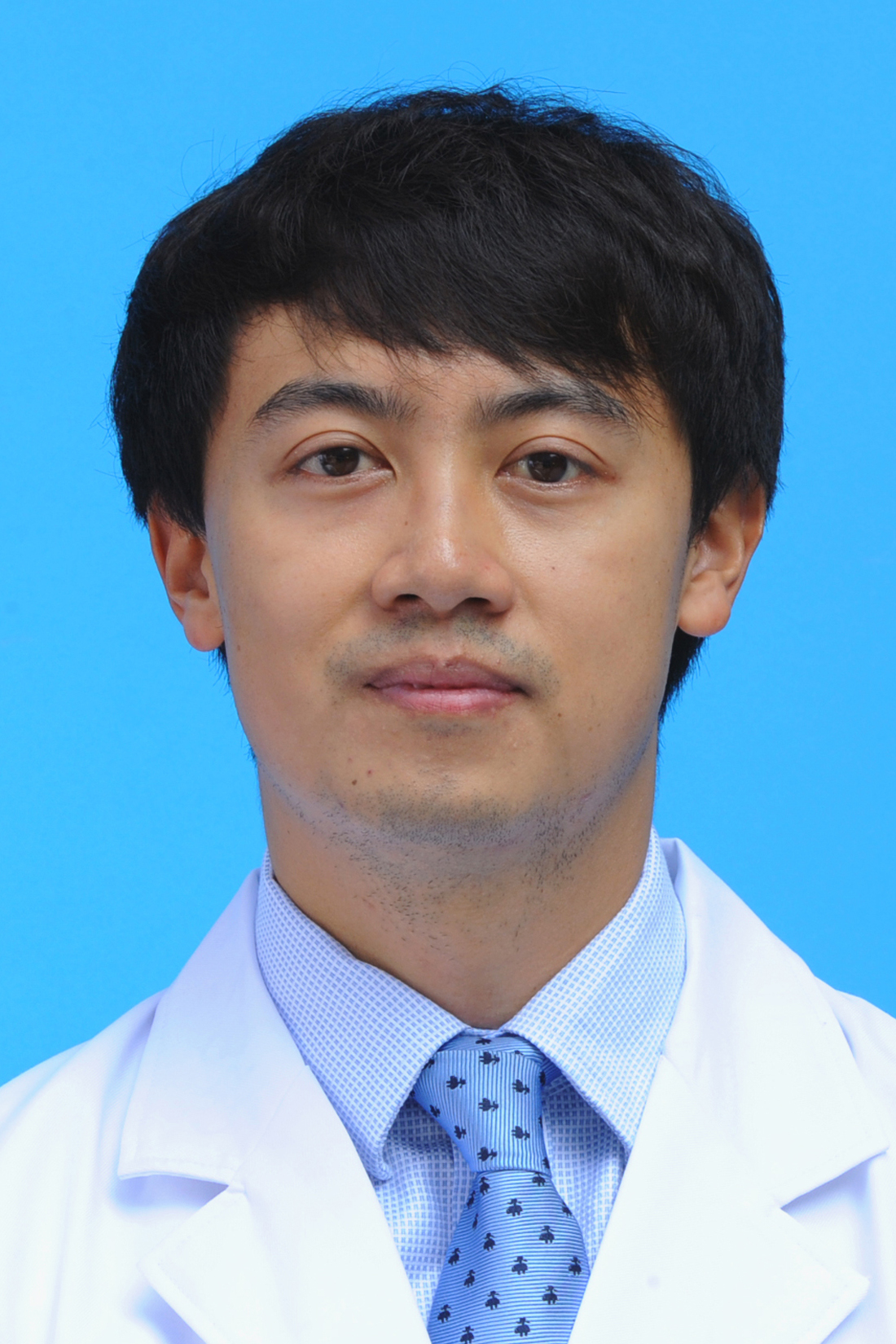 Heng Zhang (张恒)合作论文数Fuwai Hospital, CAMS & PUMC28
 Jianfeng Hou (侯剑峰)合作论文数Fuwai Hospital, Chinese Academy of Medical Sciences & Peking Union Medical College26
 Wei Wang (王巍)合作论文数Fuwai Hospital, CAMS & PUMC26Zhang Heng合作论文数25Liu Hanning合作论文数Chinese Academy of Medical Sciences, Peking Union Medical College22yan zhao合作论文数21ZhongKai Liao (廖中凯)合作论文数21
 Bingyang Ji (吉冰洋)合作论文数Fuwai Hospital, Chinese Academy of Medical Sciences20Sipeng Chen合作论文数19Gao Huawei合作论文数19
 Runlin Gao (高润霖)合作论文数Fuwai Hospital, Chinese Academy of Medical Sciences18Jie Huang (黄洁)合作论文数17
 Xianqiang Wang (王现强)合作论文数National Center for Cardiovascular Disease /Fuwai Hospital, CAMS & PUMC17
 Wei Feng (凤玮)合作论文数. Department of Cardiovascular Surgery,Cardiovascular Institute and Fu Wai Hospital,CAMS and PUMC,Beijing%%#%%#,China17Juntong Zeng合作论文数State Key Lab Cardiovasc Dis, Natl Ctr Cardiovasc Dis16Shen Lin合作论文数15Xiaoting Su合作论文数14Chunyu Yu合作论文数14Ge Gao (高歌)合作论文数14Shiju Zhang合作论文数14Shanshan Zheng (郑珊珊)合作论文数13Hua Kun合作论文数13
 Shoujun Li (李守军)合作论文数Fuwai Hospital, Chinese Academy of Medical Sciences & Peking Union Medical College13Dachuan Gu合作论文数12
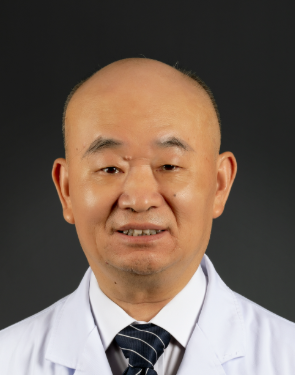 Lihuan Li (李立环)合作论文数Fuwai Shenzhen Hospital, Chinese Academy of Medical Sciences12Limeng Yang合作论文数11
 Xiaoqi Wang (王小啟)合作论文数Fuwai Hospital, Chinese Academy of Medical Sciences11
 Xi Li (李希)合作论文数Fuwai Hospital Chinese Academy of Medical Sciences11Fujian Duan合作论文数10Teng Xiao合作论文数10
 Keming Yang (杨克明)合作论文数Fuwai Hospital, Chinese Academy of Medical Sciences & Peking Union Medical College10
 Jianping Xu (许建屏)合作论文数Fuwai Hospital, Chinese Academy of Medical Sciences10Lihui Zheng (郑黎晖)合作论文数10
 Yan Yao (姚焰)合作论文数National Center For Cardiovascular Diseases%_%Fuwai Hospital, CAMS & PUMC10Yingjie Wei (魏英杰)合作论文数Peking UnionMedical College, Chinese Academy of Medical Sciences10Hanping Ma合作论文数9Jianyu Qu合作论文数9Juan Du (杜娟)合作论文数9
 Xiangbin Pan (潘湘斌)合作论文数Fuwai Hospital, Chinese Academy of Medical Sciences9Yuan Shuo (袁硕)合作论文数8




