The limited strength-toughness synergy of cermets fundamentally arises from the intrinsic brittleness of conventional hard phases. Here, a multicomponent carbide (MCC), (Ti,W,Ta,Nb)C, is employed as a representative hard phase to systematically investigate the microstructural evolution and mechanical response of cermets. The results show that MCC-based cermets adopt a dual-FCC architecture, in which an FCC hard phase is embedded within an FCC metallic binder. Compared with TiC- and (Ti,W)C-based systems, the (Ti,W,Ta,Nb)C-based cermet develops a refined "fine-core/thin-rim" architecture. Meanwhile, the (Ti,W,Ta,Nb)C/Ni interface exhibits a semi-coherent character with an interfacial misfit of similar to 7.3%, arising from periodic crystallographic matching. On this basis, the (Ti,W,Ta,Nb)C-Ni cermet displays a synergistic multimechanism fracture behavior dominated by the cooperative interplay of ductile binder fracture and interfacial fracture, thereby achieving an exceptional strength-toughness balance. Consequently, a hardness of 1305 HV, a transverse rupture strength of 2361 MPa, and a fracture toughness of 15.13 MPa m(1/2) are attained. This study elucidates the key mechanisms underlying the coupled regulation of microstructure, interface, and fracture behavior in MCC-based cermets, offering new insights into the compositional design and structural optimization of next-generation high-performance cermet materials.
The inherent brittleness of hardmetals stems from the rigid covalent bond in the ceramic matrix and the sharp ceramic/metal interface, which restricts the nucleation and motion of dislocations. In this study, a novel strategy is proposed to activate significant dislocation behaviors in the WC matrix by employing a non-equiatomic CoNiFeCr multicomponent alloy (MCA) as the binder, enabling the development of ultrastrong, tough, and fatigue-resistant hardmetals. The key is to stabilize complexions with a phase-like interfacial state at the WC/MCA interfaces by tuning the chemistry and structure of the MCA binder as well as the bulk carbon content. Compared to conventional hardmetals with incoherent WC/Co interfaces, the present WC-MCA hardmetal exhibits coherent interfaces featuring novel hexagonal close-packed (HCP)-structured complexions of 4-5 atomic layers between the WC matrix and the MCA binder, with an optimized stacking fault energy (SFE) of 41.96 mJ m-2. This refines WC grain size, suppresses brittle martensitic transformation in the binder, and triggers a "dislocation transfer" effect, facilitating the dislocation activities in the WC matrix. The optimized WC-MCA demonstrates a synergistic enhancement of key mechanical properties, with a hardness of 1155 HV, transverse rupture strength of 3803 MPa, fracture toughness of 17.85 MPa m1/2, and fatigue crack growth threshold of 9.23 MPa m1/2. This work establishes a new paradigm for designing high-performance hardmetals through multi-scale microstructural engineering and dislocation-mediated toughening mechanisms. (sic)(sic)(sic)(sic)(sic)(sic)(sic)(sic)(sic)(sic)(sic)(sic)(sic)(sic)(sic)(sic)(sic)(sic)(sic)(sic)(sic)(sic)(sic)(sic)(sic)(sic)(sic)(sic)(sic)(sic)(sic)(sic)(sic)/(sic)(sic)(sic)(sic),(sic)(sic)(sic)(sic)(sic)(sic)(sic)(sic)(sic)(sic)(sic)(sic)(sic)(sic)(sic)(sic)(sic).(sic)(sic)(sic)(sic)(sic)(sic)(sic)(sic)(sic)(sic)(sic),(sic)(sic)(sic)(sic)(sic)(sic)(sic)(sic)(sic)(sic)CoNiFeCr(sic)(sic)(sic)(sic)(sic)(MCA)(sic)(sic)(sic)(sic)(sic),(sic)WC(sic)(sic)(sic)(sic)(sic)(sic)(sic)(sic)(sic)(sic)(sic)(sic),(sic)(sic)(sic)(sic)(sic)(sic)(sic)(sic)(sic),(sic)(sic)(sic)(sic)(sic)(sic)(sic)(sic)(sic)(sic)(sic)(sic)(sic)(sic)(sic)(sic).(sic)(sic)(sic)(sic)(sic)(sic)(sic)(sic)(sic)(sic)(sic)(sic)MCA(sic)(sic)(sic)(sic)(sic)(sic)(sic)(sic),(sic)(sic)(sic)(sic)(sic)(sic)(sic)(sic)(sic)(sic),(sic)WC/MCA(sic)(sic)(sic)(sic)(sic)(sic)(sic)(sic)(sic)(sic)(sic)(sic)(sic)(sic)(sic)(sic).(sic)(sic)(sic)(sic)(sic)(sic)WC/Co(sic)(sic)(sic)(sic),(sic)(sic)(sic)(sic)WC-MCA(sic)(sic)(sic)(sic)(sic)(sic)(sic)(sic)(sic)(sic)(sic)(sic)(sic)(sic),(sic)WC(sic)(sic)(sic)MCA(sic)(sic)(sic)(sic)(sic)(sic)(sic)4-5(sic)(sic)(sic)(sic)(sic),(sic)(sic)(sic)(sic)(sic)(sic)(sic)(sic)(sic)(sic)(sic)(sic),(sic)(sic)(sic)(sic)(sic)(sic)(sic)(sic)(sic)(sic)(41.96 mJ m-2).(sic)(sic)(sic)(sic)(sic)(sic)(sic)(sic)WC(sic)(sic),(sic)(sic)(sic)(sic)(sic)(sic)(sic)(sic)(sic)(sic)(sic)(sic)(sic)(sic)(sic),(sic)(sic)(sic)"(sic)(sic)(sic)(sic)"(sic)(sic),(sic)(sic)(sic)(sic)(sic)WC(sic)(sic)(sic)(sic)(sic)(sic)(sic)(sic)(sic).(sic)(sic)(sic)(sic)(sic)WC-MCA(sic)(sic)(sic)(sic)(sic)(sic)(sic)(sic)(sic)(sic)(sic)(sic)(sic)(sic)(sic)(sic)(sic)(sic)(sic),(sic)(sic)(sic)1155 HV,(sic)(sic)(sic)(sic)3803 MPa,(sic)(sic)(sic)(sic)17.85 MPa m1/2,(sic)(sic)(sic)(sic)(sic)(sic)(sic)(sic)9.23 MPa m1/2.(sic)(sic)(sic)(sic)(sic)(sic)(sic)(sic)(sic)(sic)(sic)(sic)(sic)(sic)(sic)(sic)(sic)(sic)(sic)(sic)(sic)(sic),(sic)(sic)(sic)(sic)(sic)(sic)(sic)(sic)(sic)(sic)(sic)(sic)(sic)(sic)(sic)(sic)(sic)(sic)(sic)(sic)(sic)(sic)(sic)(sic)(sic).
Ultrafine-grained WC-Co cemented carbides with low binder content are promising for precision machining but are constrained by a narrow sintering window and a hardness-strength trade-off. Here, we combine a CoNiFe multi-principal-element alloy (MPEA) binder with a composite Cr3C2-VC grain growth inhibitor (GGI) to produce an ultrafine-grained WC-6MPEA-Cr3C2-VC cemented carbide with enhanced stability and mechanical performance. The combination of a Cr3C2-VC composite GGI and an MPEA binder significantly improves grain refinement, reducing the average WC grain size to 0.28 mu m (down from 0.32 to 0.37 mu m observed with a single GGI or a conventional Co binder). Additionally, EBSD phase statistics suggest that the MPEA binder tends to stabilize the FCC binder structure, with the relative fraction of the HCP-structured binder within the total binder decreasing from 11.90% to 1.89%. The refined WC grains and relatively stabilized FCC binder network promote crack deflection and localized transgranular fracture. As a result, the WC-6MPEA-Cr3C2-VC sample achieves a superior comprehensive mechanical performance, including a Rockwell hardness of 93.7 HRA, a Vickers hardness of 1974 HV30, a transverse rupture strength of 3016 MPa and a fracture toughness of 10.89 MPa & sdot;m1/2. These findings demonstrate that combining MPEA binder design with Cr3C2-VC composite inhibition provides an effective route for improving the overall mechanical performance of low-binder ultrafine-grained WC-based cemented carbides.
Wear-resistant materials underpin modern manufacturing, energy and transportation technologies, yet their high-temperature durability remains limited by inadequate strain accommodation and unstable tribo-oxidized interfaces. Here we report a cemented high-entropy carbide (HEC), (Ti,W,Ta,Nb)C–Ni, that addresses these coupled challenges through an “entropy-enabled amorphous tribo-oxide shielding” strategy. The key is to construct a stable dual-FCC architecture comprising a multicomponent FCC carbide and an FCC-Ni binder, in which pronounced lattice distortion and sluggish diffusion refine the carbide grains, attenuate core–rim heterogeneity and enhance carbide/binder interfacial cohesion. During high-temperature sliding, friction activates a non-equilibrium reaction between the HEC surface and environmental oxygen, producing an in situ high-entropy amorphous oxide film with a thickness of 6–16 nm and a representative composition of Ti18W12Ta6Nb5O59 at.%. Unlike brittle crystalline oxide scales that tend to crack, fragment and delaminate, this nanoscale continuous amorphous film stabilizes the real contact interface, accommodates interfacial shear and suppresses abrasive wear and adhesive transfer. As a result, the optimized HEC–Ni hard material exhibits an exceptionally low wear rate of 5.81 × 10⁻⁷ mm3/N·m and a low coefficient of friction of 0.14 at 600 °C. It also combines a low density of 9.20 g/cm3, a high hardness of 1305 HV30 and high fracture toughness of 15.13 MPa·m1/2 at room temperature and 12.23 MPa·m1/2 at 600 °C. This work establishes amorphous tribo-oxide shielding as a design strategy for hard materials that require both bulk damage tolerance and adaptive surface protection under extreme tribological conditions.
Lithium metal anodes face significant challenges, including uncontrolled dendrite growth and limitless volume changes during cycling. Traditional skeletons, such as alloying (e.g., Li13In3, Li22Sn5) or using commercial composite substrates (e.g., Cu strips, nickel foam), often introduce excessive mass, severely compromising the overall mass energy density of batteries. In this work, we synthesize a lightweight and stable fiber/particle composite skeleton by smelting AlB2 powder with Li ingots to form LiB fibers and Li9Al4 nanoparticles. The as-synthesized Li-B-Al (LBA) anode effectively mitigates volume changes and provides fast ion-conductive and electronic paths through its heterogeneous continuous architecture. Simultaneously, it suppresses lithium dendrite formation by offering low nucleation overpotential and reduced diffusion energy barriers. As a result, the LBA anodes achieve an ultrahigh coulombic efficiency of 99.90% and an ultralow nucleation overpotential of 2.5 mV at 1 mA cm−2. When paired with LiFePO4 cathodes (single-side mass loading of 13 mg cm−2), the LBA|LiFePO4 full cells demonstrate exceptional cycling stability, retaining 91.5% capacity after 475 cycles at 1 C and 97.5% capacity after 345 cycles at 2 C. This study presents an effective strategy to enhance the stability of lithium metal anodes and offers a promising pathway toward dendrite-free lithium metal batteries.
The resource constraints of WC powders are driving the development of alternative hard-phase systems for next-generation cemented carbides. Here, ultrafine (Ti,W,Ta,Nb)C multicomponent carbide powders were synthesized by carbothermal reduction followed by high-energy ball milling, and fine-grained high-entropy carbide (HEC)-based cemented carbides were fabricated by liquid-phase sintering using Ni as the binder and Cr3C2 and VC as grain growth inhibitors (GGIs). The resulting materials exhibit a stable dual-FCC phase constitution, consisting of an FCC-HEC hard phase embedded in an FCC-Ni binder. Increasing the sintering temperature from 1410 °C to 1450 °C markedly improves densification, while both Cr3C2 and VC effectively suppress HEC grain coarsening, with their combined addition producing a more pronounced grain-refinement effect. The HEC–NiCrV exhibits the best hardness–toughness combination, achieving a Rockwell hardness of 92.7 HRA, a Vickers hardness of 1654 HV30 and a fracture toughness of 13.75 MPa·m1/2. The enhanced fracture toughness is attributed to multiple crack-growth resistance mechanisms, including HEC-grain-induced crack deflection, Ni-binder-mediated crack bridging, and crack branching promoted by HEC grains and C/O-rich phases. This study demonstrates that GGI-assisted microstructural regulation provides an effective strategy for developing fine-grained HEC-based cemented carbides with high hardness and enhanced fracture toughness.
This study addresses the challenges of residual carbon from binder decomposition and low sintered density in the binder jetting additive manufacturing (BJT) of cemented carbides. By adding varying amounts of tungsten (W) to control residual carbon, we investigated the effects of carbon content and sintering temperature on the microstructure and mechanical properties of BJT WC-13CoNiCr cemented carbide, comparing the results with those from conventional die pressing. The results show that BJT samples with uncontrolled carbon exhibited larger grain sizes and significantly lower transverse rupture strength (TRS) and hardness compared to die-pressed samples. Furthermore, carbon-controlled samples demonstrated a reduction in average grain size from 2.45 mu m to 2.25 mu m, improved microstructural homogeneity, and fracture surfaces indicative of enhanced toughness. With carbon content regulated by W addition, the optimal combination of properties was achieved at 5.11 wt% C and a sintering temperature of 1410 degrees C, yielding a TRS of 2974 MPa and a hardness of 1280 HV3. These values are comparable to the mechanical performance of WC-13CoNiCr produced by conventional methods. Effective control of residual carbon not only refined the grain structure but also imparted excellent mechanical properties. This approach provides a promising technical pathway for fabricating high-performance cemented carbides via BJT and supports the potential for future large-scale engineering applications.
Designing tungsten heavy alloys (WHAs) with high strength-ductility and dynamic toughness remains a critical challenge, especially under cryogenic conditions. Here, we report a W-NiFeCoMn alloy with a multiple-principal-element binder and atailored processing route that overcomes these limitations, delivering exceptional cryogenic and dynamic properties.The swaged alloy achieves 1603 MPa tensile strength and 12.6% elongation at-43 degrees C, along with 2443 MPa dynamic compressive strength and 708 J/cm3 impact energy absorption at 40 0 0 s-1, significantly outperforming conventional WHAs. This outstanding mechanical property arises from a hierarchical microstructure enabled by coupled strengthening mechanisms. The gamma phase,designed as a multi-principal element alloy (MPEA),facilitates solid solution strengthening and promotes a stress-induced face-centered cubicto body-centered cubictransformation at cryogenic temperatures, which increases dislocation density and narrows interphase hardness mismatch. Rotary swaging induces specific interfacial structures and short-rangegrain orientation ordering in the gamma phase, improving dislocation slip and transfer at the W-gamma interface. Subsequent annealing promotes the formation ofcoherent L12 nanoprecipitates, which act as dislocation sources without disrupting lattice continuity and stimulate twinformation. The synergistic effect of TRIP and TWIP mechanisms can effectively relieve W-gamma interfacial stress and enhance plasticity.Under high-strain-rate loading, the swaged alloy forms adiabatic shear bands, deformation twins, and interfacial compositional gradients in W and gamma phases, which jointly suppress stress localization and enhance energy absorption. These hierarchical structural features-lattice distortion, phase transformation, interfacial plasticity, and precipitation strengthening-synergistically improve strength, ductility, and dynamic toughness, offering a promising pathway for next-generation high-performance WHAsunder extreme environments. (c) 2026 Published by Elsevier Ltd on behalf of The editorial office of Journal of Materials Science & Technology.
Low-W cermets are promising candidates for replacing conventional WC-based cemented carbides, but their strength improvement remains limited by inefficient hard phase/binder load transfer and insufficient deformation compatibility. Here, high-hardness and high-strength (Ti,W)C–NiMo cermets were developed through carbothermal reduction, bimodal grain design and Ni–Mo binder optimization. The cermets consist mainly of an FCC-(Ti,W)C hard phase and an FCC Ni-based binder. During liquid-phase sintering, compositionally graded core–rim structures form within the hard phase, where W-rich white cores and Ti-rich black cores are surrounded by Mo-enriched gray rims. The bimodal grain structure optimizes the spatial distribution of the hard phase, induces more tortuous crack propagation paths, enhances crack-growth resistance and promotes cooperative deformation between the hard phase and binder, enabling the (Ti,W)C hard phase to participate in strain sharing. As a result, the bimodal-grained cermet sintered at 1450 °C achieves a density of 8.01 g/cm3, a Rockwell hardness of 87.6 HRA, a Vickers hardness of 1095 HV30 and a transverse rupture strength of 2539 MPa, outperforming the uniformly grained counterpart processed under the same conditions. These results demonstrate that bimodal grain engineering, coupled with Mo-regulated core–rim evolution, offers an effective route to enhancing the hardness–strength synergy of low-cost, low-W cermets.
This study demonstrates the pivotal role of Mn in tailoring the microstructure and deformation mechanisms of WNiFeCoMn alloys, achieving a new synergy of high strength, ductility at low-temperature. At 1420 degrees C, the alloys are dominated by solid-state sintering, which produces brittle fracture. Raising the sintered temperature to 1440 degrees C and introducing optimized promotes W dissolution, enhances liquid-phase sintering, and strengthens interfacial bonding, yielding outstanding tensile properties of 1018 MPa with 39.5 % elongation at roomtemperature and 1053 MPa with 21.1 % elongation at -43 degrees C. Remarkably, relative to the W-NiFeCo alloy, Mn additions boost elongation by 174.3 % at room-temperature and 72.9 % at -43 degrees C. Beyond these property improvements, the intrinsic coupling between microstructural evolution, fracture behaviors, and mechanical response is clarified. Mn incorporation induces solid-solution strengthening and establishes a Kurdjumov-Sachs orientation relationship between W and gamma phases, thereby facilitating interfacial compatibility. After lowtemperature tensile, a nanoscale amorphous interfacial band forms at the W-gamma boundary, enabling an ordereddisordered-ordered atomic transition that relieves interfacial stress concentrations and serves as a key factor in enhancing elongation. Concurrently, stress-induced twinning and stacking faults within the gamma phase trigger a local FCC-to-BCC transformation, strengthening the gamma matrix while promoting dislocation transfer into W grains. This dual mechanism of interfacial amorphization and transformation-assisted plasticity delays fracture and enhances toughness under extreme conditions. These findings highlight Mn as a multifunctional alloying element and establish interfacial amorphization as a design principle for next-generation tungsten heavy alloys with reliable performance in cryogenic and radiation-intense environments.
The good combination of mechanical and wear properties for cemented carbides is crucial. In this work, the wear behavior of functionally graded cemented carbide (FGCC) and non-graded cemented carbide (CC), with CoNiFeCr multi-principal-element alloy (MPEA) binder, has been investigated by performing sliding wear tests and composition characterization. The results showed that compared with CC, FGCC had higher hardness, stronger fracture toughness, better wear performance, and similar TRS. FGCCs exhibited lower wear rates (3.44 x 10⁻⁷ -6.95 x 10⁻⁶ mm3 /(N m)) and coefficients of friction (COFs) (0.27-0.39) than CCs from RT to 600 degrees C due to mitigation of multiple risks caused by binder removal, fragmentation and pull-out of WC grains, high-temperature oxidation and softening. In the low-temperature wear stage, the MPEA binder underwent dynamic recrystallization (DRX) and twinning deformation before removing from the surface. The binder removal caused dislocation pile-ups and stacking faults (SFs) to form under high stress, resulting in fragmentation and pull-out of WC grains. The low-temperature wear was dominated by abrasive wear and adhesive wear, with a low wear rate and a high and unstable COF. In the high-temperature wear stage, initial pitting oxidation of WC grains generated many subgrain boundaries, reducing heat transfer and exacerbating oxidation, resulting in an oxide layer enriched with WO3 , Mx Oy , and MWO4 . High-temperature wear was dominated by oxidation wear and high-temperature softening, with a high wear rate and a low and smooth COF. The results from the present study do not only provide theoretical guidance for an understanding of the antiwear mechanism of WC-CoNiFeCr, but also a new approach for the preparation of cemented carbides with high wear resistance. (c) 2024 Published by Elsevier Ltd on behalf of The editorial office of Journal of Materials Science & Technology.
The synergistic deformation behavior between the W and gamma phases plays a critical role in governing the microstructural evolution and strengthening mechanisms of tungsten heavy alloys (WHAs). Here, we systematically investigate the thermomechanical behavior and constitutive models of W-NiFeCo and W-NiFeCoMn alloys, with emphasis on the distinct deformation roles of each phase and the strengthening effect of Mn element. Four constitutive models were established, among which the modified Johnson-Cook equation exhibited the highest predictive accuracy over a wide deformation range (600-1200 degrees C, 10- 3-1 s-1). Deformation temperature plays a dominant role in determining hot workability. Below the recrystallization temperature of the gamma phase, stress-induced specific orientation relationships between W and gamma phases promote coordinated deformation and efficient strain hardening. However, excessive deformation temperatures promote gamma phase recrystallization and W grain coarsening lead to the mixed grain in WHAs, degrading interphase compatibility and increasing instability risk. Mn addition significantly raises the gamma phase recrystallization temperature, suppresses mixed grain formation, and enables stable softening of W particles under high temperatures. Additionally, solid-solution strengthening by Mn enhances gamma phase strength and reduces the mechanical mismatch between phases, thereby improving co-deformation and work-hardening. Processing maps indicate that, for the W-NiFeCoMn alloy, deformation at 800 degrees C and a strain rate of 0.005 s- 1 corresponds to a high-power dissipation efficiency and stable flow behavior, whereas the W-NiFeCo alloy exhibits a greater tendency toward early gamma phase recrystallization and local flow instability under comparable conditions.
The uncontrollable dendrite growth in lithium metal batteries severely compromises their safety and commercial viability. This study designs a chemical potential well via a friction strategy, employing zinc phthalocyanine (ZnPc) to form an in situ lithiated interlayer comprising dilithium phthalocyanine (Li2Pc) and nano-Zn grains. The planar π-π conjugated molecular clusters with Zn sites create a potential well structure, guiding uniform lithium-ion deposition and enabling dendrite-free anodes. Consequently, the symmetric cell achieves an extended cycle life exceeding 3000 h at 1.0 mA/cm2 and 1.0 mAh/cm2. Full cells with high-loading LiFePO4 retain 90% capacity after 550 cycles at 1 C. Moreover, Li||NCM811 pouch cells (1 Ah, 402 Wh/kg) maintain 82.3% capacity after 400 cycles at 0.5 C. This work provides an effective strategy for the development and design of stable lithium metal anode interfaces.
This study investigates the enhancement of the W-5Ni-2Cu-1Co alloy's properties through quenching treatment, which induces gamma phase spinodal decomposition and strengthens the W-gamma phase interface. The microstructure and properties of sintered and quenched alloys were compared at both room and cryogenic temperatures to reveal the relationship between microstructural evolution, strengthening mechanisms, and fracture behavior. Compared to sintered alloys, quenched alloys exhibit an increase in strength and elongation by 7.3 % and 38.7 % at roomtemperature, and by 17.6 % and 125 % at cryogenic-temperature. The thickness of the Ni-Co-rich interface layer increased from 27.1 to 47.3 nm after quenching treatment. The lattice mismatch at the W-gamma phase is reduced, forming a semi-coherent interface with a specific parallel structure. The interface diffusion behavior between W and gamma phase enhances the solid solution strengthening mechanism by 60 %. Additionally, the gamma phase component exhibits periodic variations, occurring spinodal decomposition, thereby enhancing the dispersion strengthening mechanism by 111 %. The optimized strengthening mechanism model not only predicts strength effectively but also reveals trends in strength variation through microstructural evolution.
As a crucial component of cemented carbide, the binder phase exerts a profound influence on its microstructure and mechanical properties. In this study, ultrafine-grained WC-10CoNiFe and WC-10Co cemented carbides, with grain sizes ranging from 0.25 to 0.4 μm, were fabricated via powder mixing, forming, and sintering processes utilizing 0.4 μm WC powder as the starting material. The effects of carbon content (5.44-5.50 wt%) and sintering temperatures (1410-1500 °C) on the grain organization and mechanical properties of these cemented carbides were systematically investigated. The results revealed that WC-10CoNiFe achieved its optimal mechanical properties at a carbon content of 5.46 wt% and a sintering temperature of 1450 °C, exhibiting a flexural strength of 2999 MPa and a hardness of 1765 HV. Likewise, WC-10Co attained its peak performance at a carbon content of 5.48 wt% and a sintering temperature of 1410 °C, with a flexural strength of 3598 MPa and a hardness of 1853 HV. Remarkably, the finer grain size of the WC-10CoNiFe alloy (0.261 µm), compared to that of WC-10Co (0.294 µm), can be ascribed to the suppression of the dissolution-reprecipitation process by the multi-principal-element alloy binder. This study demonstrated the synergistic regulation of microstructure and mechanical properties in ultrafine-grained cemented carbides through the incorporation of a multi-principal-element alloy binder. This innovative strategy not only effectively refines the grain size but also endows the alloy with exceptional mechanical properties, offering a valuable new perspective for the research and development of high-performance cemented carbides.
Compared the effect of Co content on the microstructure, microtexture, and mechanical properties of W-Ni-FexCo alloys during solid-phase-sintering and liquid-phase-sintering. The results indicated there is a non-uniform distribution of W and gamma phases, accompanied by the presence of little voids during solid-phase-sintering at 1420 degrees C. Adding Co element enhances the wetting between the W and gamma phases, and reduces the liquid-phasesintering temperature, shrinking the size and quantity of pores. The W phase transforms into ball-shaped particles with completed liquid-phase-sintering at 1440 degrees C. With increased Co content, W grain size decreases, matrix fraction volume increases, and Cw-w continuity and dihedral angle decrease. The mechanical properties of the alloys improve with sintering temperature and Co content, the tensile strength and elongation reached 989 MPa and 13.7% due to the elimination of holes and the W content increased within gamma phase. The relationship among W content in gamma phase, strength, elongation, and microhardness with Co content were revealed. The solution strengthening effect increases, which drives the co-deformation of W and gamma phases, thereby increasing the strength and elongation. The addition of Co element and the atomic diffusion at high temperature made the fibre microtexture more concentrated.
Tungsten (BCC phase) exhibits distinct ductile-to-brittle transition characteristics. As temperature decreases, brittleness increases, ductility decreases, significantly limits its engineering applications. Here, W-5Ni-2Cu alloy was prepared by powder metallurgy, and the effect of different quenching temperatures on its microstructure evolution and mechanical properties at room-temperature and cryogenic. According to the results, rapid quenching can significantly improve the strength-ductile of W-5Ni-2Cu, especially the cryogenic properties. After quenching at 1200 degrees C, the strength-ductility of W-5Ni-2Cu from room temperature to -43 degrees C did not deteriorate, and compared with the sintered alloy, the tensile strength and elongation were increased by 7.3% and 13.0% at room-temperature, and by 16.0% and 100.0% at cryogenic. The appropriate quenching temperature can effectively refine the W grain size, reducing the W-W continuity and dihedral angle, while the quenching temperatures reaches 1300 degrees C, it will cause abnormal W grain growth and deteriorate the mechanical properties. Furthermore, rapid quenching changes the fracture mode from intergranular fractures to transgranular fractures. Especially, the W- (111)II gamma-(110) preferential orientation relationship is obviously improved at -43 degrees C, increasing the interfacial bonding strength and co-deformation ability of W-gamma phase, thereby slowing down the hardening rate and increasing the strength and elongation.
The development and research of physically superior multi-principal element alloy (MPEA) binders as cemented carbide binders is a hot topic. In this work, we fabricated a new type of MPEA binder-cemented carbide using the powder metallurgy method and investigated the effects of ball milling parameters and sintering temperature on the microstructure and mechanical properties of the cemented carbide. The results are compared with those of cobalt binder samples under the same conditions. The results show that the ball milling parameters for low-speed long ball milling time are superior to those for high-speed low ball milling time. Compared with the pure cobalt binder, MPEA binder-cemented carbide significantly slows down the growth of WC grains, improves the mechanical properties of cemented carbide, and achieves a combination of TRS of 2741.5 MPa and Rockwell hardness of 91.1 HRA. The multi-principal element alloy (MPEA) binder has the potential to become an excellent substitute for Co.
Lithium metal anode has an ultra-high theoretical specific capacity and the lowest reduction potential, regarded as the next-generation anode material for high-energy-density batteries. However, the lithium metal anode suffers from the severe side reaction and Li dendrite growth caused by the inhomogeneous deposition of Li+ on the anode during the electrochemical cycling. Herein, a strategy is proposed to design an artificial solid electrolyte interface (SEI) by rolling with the organic phosphating lubricant. The obtained phosphating interface with high surface energy and surface Young’s modulus significantly induces the dense deposition of Li+ and results in a stable cycling. The phosphating interface enables the symmetric cells to cycle stably for 750h at 1mAcm-2 with 1 mAh cm-2 and for 450h at 3mAcm-2 with 3 mAh cm-2 using ester-based electrolyte. The full cell with high single-side mass loading (10mgcm-2) of LiCoO2 achieves a capacity retention rate of 77.7% after 165 cycles at 1C and 75.6% after 120 cycles at 2C. This work paves a path to construct a green fluorine-free interface and provide a large-scale modification for practical lithium strips.
The coexistence of Co nanoparticles and single-atomic Co sites in nitrogen-doped carbon in the CoNC-900 catalyst endowed a high H2O2 selectivity of 73.3% with a high faradaic efficiency of 87%.
 Yong Liu (刘咏)合作论文数Powder Metallurgy Institute, Central South University23
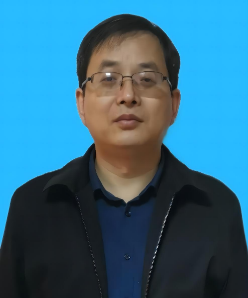 Huichao Cheng (成会朝)合作论文数Powder Metallurgy Research Institute, Central South University19
 Qian Cheng合作论文数14
 Duxin Li (李笃信)合作论文数Yueyang University13
 Shikun Dai (戴世坤)合作论文数School of Geosciences and Info-physics, Central South University10
 Bin Liu (刘彬)合作论文数Power Metallurgy Research Institute, Central South University;State Key Laboratory of Powder Metallurgy, Central South University7
 Jianpeng Zou (邹俭鹏)合作论文数Powder Metallurgy Research Institute, Central South University7Jiaxuan Ling合作论文数5
 Dongdong Zhao合作论文数School of Life and Environmental Sciences, Guilin University of Electronic Technology, Guilin, 541004, China
Guangxi Human Physiological Information Non Invasive Detection Engineering Technology Research Center, Guilin, 541004, China5
Dongdong Zhao合作论文数School of Life and Environmental Sciences, Guilin University of Electronic Technology, Guilin, 541004, China
Guangxi Human Physiological Information Non Invasive Detection Engineering Technology Research Center, Guilin, 541004, China5 Qianjiang Zhang (张钱江)合作论文数5
 Xin Zhang (张鑫)合作论文数School of Minerals Processing and Bioengineering, Central South University;Department of Ferrous Metallurgy, Central South University4Li Zhao (赵莉)合作论文数4J. Huang合作论文数3Yanzhang Dai合作论文数3Zhaoqiang Tan合作论文数3luo lanlan (罗兰兰)合作论文数3Chen QingRui合作论文数3zhang qing合作论文数3Yinming Zhou (周印明)合作论文数3Huixia Li合作论文数3
 Longwei Chen合作论文数3
 Yanni Tan (谭彦妮)合作论文数Powder Metallurgy Research Institute, Central South University3Yihe Hu合作论文数3
 Pengfei Lei (雷鹏飞)合作论文数The First Affiliated Hospital, School of Medicine, Zhejiang University3
 Yu S Zhang合作论文数Department of Medicine, Harvard Medical School;Harvard Stem Cell Institute;Brigham and Women's Hospital3Wenli Wang (王文利)合作论文数3
 Yong Du (杜勇)合作论文数Power Metallurgy Research Institute, Central South University3Liqing Zheng (郑礼清)合作论文数3Zhongbing Jiang (蒋忠兵)合作论文数3
 Libao Chen (陈立宝)合作论文数Powder Metallurgy Research Institute, Central South University3
 Di Feng (冯迪)合作论文数2Yong-ping Feng合作论文数2
 Weicheng Xiao (肖维城)合作论文数Powder Metallurgy Research Institute, Central South University2jianhua zhou合作论文数2
 Liuliu Han (韩六六)合作论文数Powder Metallurgy Research Institute, Central South University2Weiyuan Song合作论文数2xiaoying hu (胡晓颖)合作论文数2Xiang Zhang合作论文数2
 Wanting Niu (牛婉婷)合作论文数Brigham and Women's Hospital, Harvard Medical School2HaiTao Hou (侯海涛)合作论文数2XiaoMing Li (李晓明)合作论文数2
 Long Wang (王龙)合作论文数中南大学湘雅三医院泌尿外科2
 Hua Liu (柳华)合作论文数Department of Stem Cell and Regenerative Medicine, School of Basic Medical Sciences, Zhejiang University;School of Medicine, Zhejiang University2
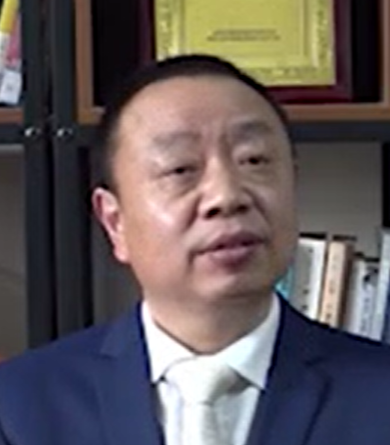 Jinsong Huang (黄劲松)合作论文数Powder Metallurgy Research Institute, Central South University2Dai Zixun合作论文数2
 Guangwei Zhang合作论文数Chongqing Key Laboratory of Neurobiology, Third Military Medical University2
 Yuehui He (贺跃辉)合作论文数Powder Metallurgy Research Institute, Central South University2Lianghua Liang (梁良华)合作论文数2Jie Xie (谢杰)合作论文数2




