Ethnopharmacological relevance: Epimedii Folium (Yin-yang-huo in Chinese), a traditional and commonly used herbal medicine (HM), is a representative of multi-plant sources. To date, little is known about the reasons for similar therapeutic effects of this HM from multi-plant sources.Aim of the study: To investigate the underlying reasons for the similar pharmacological effects of Epimedii Folium from two botanical sources (Epimedium koreanum Nakai and Epimedium wushanense T. S. Ying).Materials and methods: Firstly, the phytochemicals of the extracts of E. koreanum and E. wushanense were systematically analyzed. Meanwhile, their pharmacological effects on kidney-yang deficiency (KYD) syndrome were evaluated in rats induced by hydrocortisone. Subsequently, we proposed a combined effect index (CEI) to assess the effects of two plants on the secretion of testosterone by combing the system exposure of twelve active components in vivo with their regulation activities of testosterone production in vitro. Moreover, the label-free proteomics and Western blot analysis were conducted to evaluate the possible mechanism of Epimedii Folium from two botanical sources.Results: E. koreanum and E. wushanense exhibited similar pharmacological effects on KYD syndrome with promoting the mating behaviors and testosterone levels of rats, although there is a certain difference in the main components between two plants. The CEI analysis showed that there was no difference (P > 0.05) in the sum of CEIs of two Epimedium, indicating that their similar therapeutic effects are attributed to bioactive metabolites in vivo. Furthermore, Epimedii Folium can regulate testosterone production in rat Leydig cell via reversing expressions of key steroidogenic enzymes, such as steroidogenic acute regulatory protein (StAR) and 38-hydroxysteroid dehydrogenase (38-HSD).Conclusion: Our results supply critical evidence for the similar pharmacological effects of two Epimedium species, acting by consistent bioactive components directly exposing in vivo, not chemical compositions presenting in herbs. It provides a reasonable scientific basis for understanding of the HMs originated from multi-plant sources for the same clinical application.
目的 探讨柴胡皂苷类成分的肠吸收特性.方法 基于大鼠外翻肠囊模型,以累积吸收量(Q)、吸收速率常数(Ka)为指标,以超高效液相色谱-串联质谱技术为手段,检测柴胡总皂苷提取液(8 g/mL,以生药量计)中柴胡皂苷A、B2、C、D、F在十二指肠、空肠、回肠中的吸收情况.结果 柴胡皂苷A、B2、C、F在十二指肠、空肠、回肠中吸收回归方程的相关系数(r)均大于0.95,柴胡皂苷D在上述肠段中的r均小于0.95;与同成分在十二指肠中的吸收比较,柴胡皂苷A、C在空肠、回肠中循环120 min时的Q、Ka以及柴胡皂苷F在回肠中循环120 min时的Q、Ka均显著降低(P<0.05).结论 柴胡皂苷A等5种柴胡皂苷类成分在十二指肠、空肠、回肠中均有吸收,其中柴胡皂苷A、B2、C、F均为线性吸收,符合零级吸收特征;柴胡皂苷D为非线性吸收.
AIM To determine the contents of querceti-3-O-(2″,6″-di-O-α-L-rhamnopyranosyl)-β-D-glucopyranoside, myricetin-3-O-rutinoside, quercetin-3-O-α-L-[6-p-coumaroyl-(β-D)-glucopyranosyl-(1,2)-rhamnopyranoside]-7-O-β-D-glucopyranoside, kaempferol-3-O-(2″,6″-di-O-α-L-rhamnopyranosyl)-β-D-glucopyranoside, isorhamnetinl-3-O-(2″,6″-di-O-α-L-rhamnopyranosyl)-β-D-glucopyranoside, rutin, myricetin-3′-methyl ether-3-O-rutinoside, isoquercitrin, querceti-3-O-β-D-glucopyranosyl-(1→2)-α-L-rhamnopyranoside, kaempferol 3-O-rutinoside, narcissoside, myricetin-3′,5′-dimethyl ether-3-O-rutinoside, kaempferol-3-O-β-D-glucopyranosyl-(1→2)-α-L-rhamnopyranoside, quercetin-3-O-[2-O-(6-O-p-hydroxyl-E-coumaroyl)-D-glucosyl]-(1-2)-L-rhamnoside and kaempferol-3-O-[2-O-(6-O-p-hydroxyl-E-coumaroyl)-D-glucosyl]-(1-2)-L-rhamnoside in Shuxuening Injection, and to establish the UPLC fingerprints.METHODS The analysis of 70% methanol solution of this drug was performed on a 40 ℃ thermostatic Agilent Zorbax SB-C 18 column(3.0 mm×150 mm, 1.8 μm), with the mobile phase comprising of acetonitrile-0.1% formic acid flowing at 0.35 mL/min in a gradient elution manner, and the detection wavelength was set at 360 nm.RESULTS Fifteen flavonol glycosides showed good linear relationships within their own ranges(R~2>0.999 0), whose average recoveries were 97.00%-102.80% with the RSDs of 0.46%-3.22%. There were twenty-three common peaks in the fingerprints for ten batches of samples with the similarities of more than 0.990.CONCLUSION This simple, accurate and reproducible method can provide a basis for the comprehensive quality evaluation of Shuxuening Injection.
目的 建立HPLC测定山楂中枸橼酸和金丝桃苷含量的方法,探究不同产地山楂药材及炮制前后有机酸和黄酮类成分的含量变化规律.方法 采用HPLC测定不同产地山楂及其不同炮制品中枸橼酸、金丝桃苷含量,采用药典法测定山楂有机酸含量,分析山楂在炮制过程中的化学成分变化.结果 不同产地山楂药材成分含量存在差异,其中有机酸含量为5.34%~13.05%,枸橼酸含量为3.41%~9.47%,金丝桃苷含量为83.03~224.74μg/g.炒山楂和焦山楂中有机酸含量分别为5.29%~9.82%和4.05%~8.91%,枸橼酸含量分别为2.42%~7.50%和1.10%~5.33%,金丝桃苷含量分别为57.32~137.60μg/g和7.46~103.20μg/g;山楂经炮制后,枸橼酸、金丝桃苷和有机酸含量不同程度下降,焦山楂中的含量低于炒山楂.结论 本研究建立的HPLC方法适合山楂及其炮制品中的枸橼酸、金丝桃苷含量测定,可为山楂及其炮制品的质量评价及临床应用提供依据.
目的 建立不同产地北柴胡药材高效液相色谱串联电喷雾式检测器(HPLC-CAD)指纹图谱,为北柴胡药材的质量研究及评价提供参考.方法 采用Agilent ZORBAXSB-C18(150 mmX4.6 mm,3.5μm)色谱柱;以0.1%甲酸水溶液-乙腈为流动相梯度洗脱;柱温40℃;流速1.4mL·min-1;进样量20μL,CAD雾化室温度50℃.采用相似度评价、聚类分析(CA)、主成分分析(PCA)和偏最小二乘法-判别分析(PLS-DA)对16批不同产地北柴胡进行系统比较及评价.结果 标定了北柴胡药材HPLC-CAD指纹图谱中22个共有指纹峰,并指认了其中的5个峰;16批北柴胡药材与对照图谱的相似度为0.904~0.991;CA可以将不同产地北柴胡药材区分开,结合PCA和PLS-DA分析筛选出9个差异标志物,VIP值从大到小分别为色谱峰6(柴胡皂苷c)、色谱峰16、色谱峰3、色谱峰18、色谱峰14、色谱峰7(柴胡皂苷f)、色谱峰8(柴胡皂苷a)、色谱峰1、色谱峰5.结论 建立的HPLC-CAD指纹图谱方法具有良好的灵敏度、精密度、重复性和稳定性,结合化学计量学分析可用于不同产地北柴胡的成分表征及差异研究,为北柴胡的质量控制提供科学依据.
Six new prenylated flavonoid glycosides, including four new furan-flavonoid glycosides wushepimedoside A-D (1-4) and two new prenyl flavonoid derivatives wushepimedoside E-F (5-6), and one know analog epimedkoreside B (7) were isolated from biotransformation products of the aerial parts of Epimedium wushanense. Their structures were elucidated according to comprehensive analysis of HR-MS and NMR spectroscopic data, and the absolute configurations were assigned using experimental and calculated electronic circular dichroism (ECD) data. The regulatory activity of compounds 1-7 on the production of testosterone in primary rat Leydig cells were investigated, and 4 and 5 exhibited testosterone production-promoting activities. Molecular docking analysis suggested that bioactive compounds 4 and 5 showed the stable binding with 3β-HSD and 4 also had good affinity with Cyp17A1, which suggested that these compounds may regulate testosterone production through stimulating the expression of the above two key proteins.
目的 建立基于亲水相互作用色谱-高效液相色谱法测定潞党参中游离果糖、蔗糖含量的方法,并考察不同温度干燥温度处理对潞党参药材中果糖、蔗糖以及多糖含量的影响.方法 建立了亲水相互作用色谱-高效液相色谱-蒸发光散射检测器(HILIC-ELSD)的方法测定不同温度干燥的潞党参中果糖、蔗糖含量,用苯酚-硫酸法测定不同温度干燥的潞党参中多糖含量.结果 果糖、蔗糖色谱峰能很好分离;果糖含量高低顺序:常温阴干≈ 40℃烘干>60℃烘干;蔗糖含量高低顺序:常温阴干>40℃烘干>60℃烘干;多糖含量高低顺序:60℃烘干>40℃烘干≈常温阴干.结论 该HILIC-ELSD法操作简便,重复性、分离度好,可用于党参中果糖、蔗糖含量测定;不同温度干燥的潞党参中果糖、蔗糖及多糖含量存在差异,且显现出不同变化趋势,该研究结果可为潞党参药材质量评价提供科学参考.
Anemarrhena asphodeloides is an herb widely used to treat symptoms associated with diabetes in traditional Chinese medicine. However, its key components and metabolites have low bioavailability and poor host absorption. To clarify the anti-diabetic mechanism of A. asphodeloides extract (AAE), we examined the anti-diabetic effects of AAE in rats with diabetes induced by a high-fat diet and streptozotocin. Faeces levels of the main components and metabolites of AAE were significantly higher than levels in plasma, which indicated that gut microbiota might play important roles in its anti-diabetic effect. Microbiological studies showed that unabsorbed components increased the diversity of the gut microbiota, enriched potentially beneficial bacteria, and suppressed potentially harmful bacteria. In vitro studies showed that AAE promoted the proliferation of Blautia coccoides, a bacterium with positive implication for diabetes, in a dose-dependent manner. AAE also promoted pancreatic cell regeneration and restored the function of pancreatic islet cells via peroxiredoxin 4 overexpression. Overall, these results suggest that AAE alleviates diabetes via modulating gut microbiota and protein expression.
目的:建立HPLC-CAD方法同时测定知母中芒果苷和知母皂苷BⅡ的含量.方法:采用Acclaim-C18色谱柱(150 mm × 4.6 mm,3 μm),以乙腈(A )-0.2%醋酸水溶液(B)为流动相,梯度洗脱(0~10 min,15%A → 21%A;10~12 min,21%A → 23%A,12~30 min,23%A → 25%A ),流速 1.0 mL · min-1,柱温30 ℃;电雾式检测器(CAD)参数:采集频率10 Hz,雾化温度55℃,滤波为5 s.结果:知母中芒果苷和知母皂苷BⅡ均具有良好的线性关系(r>0.999 ),LOD分别为0.43 ng和1.20 ng,LOQ分别为1.28 ng和4.80 ng,精密度、重复性、24 h稳定性试验的RSD均小于3.0%,平均加样回收率分别为102.3%和95.2%.11批样品中芒果苷和知母皂苷B Ⅱ的含量范围分别为0.54%~1.69%和3.27%~5.57%.结论:建立的HPLC-CAD法可同时对知母中芒果苷和知母皂苷B Ⅱ进行含量测定,为知母药材和饮片的检测分析和质量控制提供了新的方法.
Epimedium herb is a well-known traditional Chinese medicine (TCM) that is used for treating kidneyyang deficiency, impotence and rheumatism, and flavonoids are the main active ingredients. The leaves and rhizomes of Epimedium herb are two separate kinds of medicinal materials with different functional indications and clinical applications. This study aimed to comprehensively analyze the chemical components of different parts of the herb from three Epimedium species (Epimedium sagittatum, E. pubescens and E. myrianthum) by using ultra high-performance liquid chromatography coupled with photo-diode array and quadrupole time-of-flight mass spectrometry (UHPLC-PDA-Q-TOFIMS) and multivariate statistical analysis to clarify the differences. Firstly, the workflow of UHPLC-Q-TOFIMS combined with UNIFI informatics was developed for characterizing the chemical compounds in different parts of Epimedium herb. Based on the exact mass information, the fragmentation characteristics and the retention times of compounds, all chromatographic peaks (74 chemical components) were identified. Secondly, 21 potential chemical markers for differentiating different parts of Epimedium herb were selected through PCA and PLS-DA analysis. The characteristic components in the leaves included flavonoids with Anhydroicaritin (type A, C-4' linked methoxy) as the backbone, and the characteristic components in the stems and rhizomes were Magnoline and flavonoids with Demethylanhydroicaritin (type B, C-4' linked hydroxyl) as the backbone. Thirdly, the UHPLC-PDA combined with heatmap visualization was employed to clarify the distribution of chemical components with high content in different parts of Epimedium herb. The results showed clear differences in the contents of chemical components in leaves, stems and rhizomes. The levels of flavonoids with Anhydroicaritin backbone were high in the leaves, and levels of flavonoids with Demethylanhydroicaritin backbone were high in the rhizomes. The levels of Magnoline in stems and rhizomes were higher than that in leaves. The contents of most of the compounds in stems remained low. The leaves and the other two parts (stems and rhizomes) can be distinguished by qualitative and semiquantitative analysis of Magnoline and Epimedoside A (type B backbone). These results indicated that the different plant parts of Epimedium herb can be quickly and accurately distinguished by this method, establishing a foundation for the application of Epimedium herb. (C) 2021 Elsevier B.V. All rights reserved.
建立高效液相串联电雾式检测器(HPLC-CAD)同时测定黄芪药材中黄芪皂苷Ⅰ、黄芪皂苷Ⅱ、黄芪甲苷、毛蕊异黄酮葡萄糖苷、芒柄花素和7,2'-二羟基-3',4'-二甲氧基异黄烷的一测多评方法.采用Agilent SB-C18(150 mm×4.6 mm,3.5 μm)色谱柱,0.05%甲酸水-0.05%甲酸乙腈为流动相,梯度洗脱,流速1.0 mL·min1,柱温35 ℃,进样量为20μL;CAD雾化室温度50℃.建立内参物黄芪皂苷Ⅱ与其他成分的相对校正因子,并通过相对校正因子计算其含量.同时采用外标法验证所建立的一测多评法的合理性、可行性和重复性.结果表明:各色谱峰分离度较高,黄芪皂苷Ⅰ、黄芪皂苷Ⅱ、黄芪甲苷、毛蕊异黄酮葡萄糖苷、芒柄花素和7,2'-二羟基-3',4'-二甲氧基异黄烷分别在0.113?2.250、0.012?0.240、0.004~0.080、0.065~1.300、0.005?0.100和0.007?0.150 mg·mL-1内线性关系良好;20批黄芪药材中黄芪皂苷Ⅰ、黄芪皂苷Ⅱ、黄芪甲苷、毛蕊异黄酮葡萄糖苷、芒柄花素、7,2'-二羟基-3',4'-二甲氧基异黄烷的含量分别为0.306?0.922、0.053?0.183、0.015?0.092、0.069?0.823、0?0.098和0.020?0.107 mg-g1;内参物黄芪皂苷Ⅱ与黄芪皂苷Ⅰ、黄芪甲苷、毛蕊异黄酮葡萄糖苷、芒柄花素和7,2'-二羟基-3',4'-二甲氧基异黄烷的相对校正因子分别为0.561、0.835、0.299、0.796和0.799;一测多评法含量测定结果与外标法测定结果无显著性差异.建立的HPLC-CAD一测多评法简便、准确,可用于黄芪中6种化学成分的含量测定,研究结果为黄芪药材的质量评价提供了科学依据.
目的 采用UPLC-PDA建立一测多评法测定柴胡药材中6种成分的含量,并对不同产地柴胡药材不同部位进行质量评价.方法 采用Waters ACQUITY UPLC BEH C18(100 mm×2.1 mm,1.7μm)色谱柱,乙腈-水为流动相,梯度洗脱,流速0.45 mL·min-1.以柴胡皂苷d为内参物,建立其与柴胡皂苷a、b2、c、e和f的相对校正因子,进行定量分析.同时采用外标法验证一测多评法结果的合理性.结果 柴胡皂苷各色谱峰分离度较高,内参物柴胡皂苷d与柴胡皂苷a、b2、c、e和f的相对校正因子分别为0.9990、4.4151、0.7235、0.9614、0.7972;一测多评法含量测定结果与外标法结果无显著性差异,柴胡的残茎和根中的化学成分含量存在差异,残茎中的柴胡皂苷含量要远远低于根部,根中从芦头到根尖含量依次增高,茎中从基部往上依次降低.结论 建立的一测多评法简便、准确,可用于柴胡药材中6种成分的含量测定,为柴胡药材的质量评价提供参考.
A phytochemical study on the rhizomes of Trillium tschonoskii led to the isolation of fourteen new steroidal saponins, trillitschosides S1-514 (1-14), along with ten known analogues (15-24). Their structures were established mainly by spectroscopic analyses as well as necessary chemical evidence. All isolated compounds were screened for the cytotoxicity against HepG2 cells, and the results demonstrated that only the known compounds 21-24 exhibited the remarkable cytotoxic activity against HepG2 cells which is much better than the positive control of 5-FU.
黄酮苷是自然界中多种植物的次级代谢产物,具有多种生物活性,如抗癌、抗氧化及抗菌活性等.根据苷元与糖的连接形式,黄酮苷又可以分为黄酮O-苷和黄酮C-苷.黄酮苷在体内的代谢主要以胃肠道水解和肝脏代谢为主,胃肠道中水解葡萄糖、木糖、鼠李糖等糖基产生次生苷或苷元,肝脏则主要对入血的黄酮苷或苷元进行葡萄糖醛酸化、甲氧基化等Ⅱ相代谢反应.对常用中药淫羊蕾Epimedii Folium、甘草Glycyrrhizae Radix et Rhizoma、黄芩Scutellariae Radix、陈皮Citri Reticulatae Pericarpium、大蓟Cirsii Japonici Herba、知母Anemarrhenae Rhizoma、葛根Puerariae Lobatae Radix等的黄酮类化合物体内代谢及体外肠道菌群转化进行综述,并对其代谢规律进行总结,以期明确黄酮苷的体内代谢规律,为科学阐释以黄酮苷为主要成分的中药发挥药效的体内物质基础及基于黄酮苷体内代谢产物的新药研发提供依据.
Herbal medicines (HMs) usually consist of complex matrices of phytochemical compounds responsible for their efficacy. Supercritical fluid chromatography (SFC) and ultra-high performance SFC (UHPSFC) are efficient techniques that can be advantageously used for the analysis of complex HMs. Here, the comprehensive UHPSFC methods were established for separation of similar flavonoids, chemical profiling and differentiation, and quality assessment of Epimedium species (EPs). An efficient separation of 12 polar flavonoids was enabled in UHPSFC with an important additive, oxalic acid. Then, 51 flavonoids were characterized, and 28 potential markers enabling the differentiation of E. wushanense from other four species were discovered by UHPSFC-QTOF/MS combined pattern recognition multivariate statistical analysis. Additionally, the UHPSFC-PDA was developed and validated for simultaneous quantification of 7 predominant flavonoids in five EPs, and remarkable variation in their contents was observed. This integrated UHPSFC approach has potential applications in systematic analysis and quality evaluation of HMs containing hydrophilic flavonoids. (C) 2019 Elsevier B.V. All rights reserved.
Gelsemium elegans is a traditional Chinese medicine that has been used to treat eczema, bruises, rheumatoid arthritis and skin ulcers for many years, and alkaloids are its major active and toxic constituents. This study aimed to comprehensively assess the quality of G. elegans samples including different plant parts and origins using ultra high-performance liquid chromatography coupled with photo-diode array and quadrupole time-of-flight mass spectrometry (UHPLC-PDA-QTOF/MS) and high-performance liquid chromatography coupled with UV detector (HPLC-UV). Firstly, the UHPLC-PDA-QTOF/MS approach was developed for the characterization of alkaloids in G. elegans and understanding the differences between multiple groups of samples. Based on the exact mass information, the fragmentation characteristics and the retention time of compounds, 38 alkaloids were identified or tentatively identified. 24 potential chemical markers for differentiating different plant parts of G. elegans were selected through PCA and OPLS/PLS-DA analysis. Secondly, a heatmap visualization was employed for clarifying the distribution of 24 selected alkaloids with high response in the UV. The roots, stems and leaves from Yunnan Province possess relatively consistent alkaloids composition, respectively. Most compounds in the root have a higher content than stems and leaves. Thirdly, a HPLC-UV approach was developed for quantitative analysis of three major alkaloids (gelsemine, koumine and gelsenicine) of G. elegans, and the results showed remarkable variation in the contents of these constituents. While, the contents of three alkaloids fluctuate relatively less in the stem. These results indicated that integrated chemical profiling and quantitative analysis of alkaloids in G. elegans from different plant parts and origins could be assessed by this method, which would establish the foundation for the application of G. elegans.
The change of icariin( ICA) content in thirty-three samples of five Epimedium species listed in the Chinese Pharmacopoeia( 2015 edition),including E. brevicornu,E. sagittatum,E. pubescens,E. koreanum,and E. wushanense has been investigated in this study. The results indicated that the optimized process procedure was baking at 150 ℃ for 30 min,and 3'''-carbonyl-2″-β-L-quinovosyl icariin( CQICA) could not be translated into ICA and ICA could be converted under this heating process condition. ICA increased remarkably after the heating process by 1-3 times in E. brevicornu,E. wushanense and E. koreanum,and increased lightly in E. brevicornum and E. pubescens,while ICA slightly increased or decreased in E. sagittatum and E. wushanense.
目的 建立中药天冬中甾体皂苷25-epi-officinalisninⅡ的含量测定方法,为天冬药材的质量控制奠定基础.方法 采用超高效液相色谱-电雾式检测器(UHPLC-CAD)检测,检测器工作气压59.2 psi(1 psi=6.895 kPa),雾化温度35℃.采用Kinetex(R)C18(100 mm×4.6 mm,2.6μm)色谱柱,乙腈-0.1%乙酸水(19∶81,V/V)等度洗脱,流速1.2 ml/min,进样量5μl.结果 该皂苷与其他成分实现良好分离.在0.0519~ 1.0380 mg/ml范围内呈良好的线性关系(r=0.9990).检测限为12.5 ng,定量限为25.0 ng,精密度、重复性、24h稳定性的RSD均<3.0%,平均加样回收率为98.63%.收集的11批不同产地天冬样本含量测定结果为0.36~6.86 mg/g.结论 本研究建立的UHPLC-CAD方法灵敏、稳定,可用于中药天冬中25-epi-officinalisninⅡ的含量测定.
Radix Dipsaci (RD), the dried root of Dipsacus asper, is used in traditional Chinese medicine as a remedy for bone fractures, traumatic hematoma, threatened abortion, and uterine bleeding. A novel ultra high-performance liquid chromatography coupled with quadrupole-time-of-flight tanderm mass spectrometry (UHPLC-Q-TOFIMS) approach was performed to rapidly characterize the chemical constituents of RD. Consequently, 21 compounds, including 12 iridoid glycosides (IGs), 4 furofuran lignans (FLs), and 5 phenolic acids (PAs) were discovered and identified from RD. Among these compounds, 3 IGs were previously unreported. Furthermore, a rapid and reliable UHPLC-DAD-based method was developed. The linearity (R-2 > 0.999), repeatability (RSDs <3.0%), intra-day and inter-day precision (RSDs < 1.6%), recovery (98.9%-102.5%), limits of detection (0.2-2.75 ng), and limits of quantification (0.75-8.5 ng) of the method was validated. The method was successfully applied for the simultaneous determination of 11 compounds in 20 batches of RD collected from various geographical regions in China. Different RD samples exhibited significantly varied contents of 11 analytes, among which IGs and PAs are abundant compounds that could be used as suitable quality markers for RD. The present study provided a useful approach for comprehensively evaluating the chemical composition and quality of RD. (C) 2018 Elsevier B.V. All rights reserved.
Icariin (ICA), a major flavonoid responsible for the pharmacological actions of Herba Epimedii, was found to be increased significantly after the heating process. The increase of ICA was considered to be due to the transformation of other flavonoids, in particular, epimedin (EPI) A-C. This novel study demonstrated that the increase of ICA in Epimedium. koreanum was induced mainly through the conversion of 3'''-carbonyl-2''-β-l-quinovosyl icariin (CQICA) by deglycosylation during the heating process. Furthermore, the comparative analysis of the changes of CQICA and ICA in four raw Epimedium species (EPs) designated in the Chinese Pharmacopoeia revealed that the increase of ICA during the heating process was associated with the presence of CQICA in EPs. The present study provided scientific evidence for the conversion of CQICA into ICA, correcting the understanding of the transformation of EPI A-C into ICA. The results provided a reasonable scientific basis for the traditional use of processed Herba Epimedii, and might be helpful for the quality assessment of EPs.
 Baolin Guo (郭宝林)合作论文数The Institute of Medicinal Plant Development, Chinese Academy of Medical Sciences20
 Jie Zhang合作论文数18Baiping Ma合作论文数15Xiaojuan Chen合作论文数10
 Liping Kang (康利平)合作论文数National Resource Center for Chinese Materia Medica, China Academy of Chinese Medical Sciences9
 Yang Zhao (赵杨)合作论文数College of Forestry, Guizhou University9Wei Zheng合作论文数7Bei Wang合作论文数7Xu Pang (庞旭)合作论文数7
 Wenhua Huang (黄文华)合作论文数School of Basic Medical Sciences, Souther Medical University7Qianzhi Ding合作论文数6Fang-Xu Wang合作论文数6Jie Yang合作论文数Beijing Inst Radiat Med6ZHOU Lijuan (周丽娟)合作论文数5XiaoNing Yang (杨晓宁)合作论文数5Ren-Yi Yan合作论文数5Shu-chen Liu合作论文数4Fengxia Ma (马凤霞)合作论文数Tianjin University of Traditional Chinese Medicine4Yin-Jun Yang合作论文数4WANG Yazhi (王雅芝)合作论文数3Jie Wang合作论文数3
 Dexian Jia (贾德贤)合作论文数School of Traditional Chinese Medicine, Beijing University of Chinese Medicine;International School, Beijing University of Chinese Medicine3Haizhen Liang (梁海珍)合作论文数2WU Yong-jian (吴永剑)合作论文数2Chunni Zhang合作论文数2Jing YAO (姚静)合作论文数2Ming ZHOU (周茗)合作论文数2Chunni ZHANG (张春泥)合作论文数2YuLong Wang (王玉龙)合作论文数2Zhenfang Wang (王镇方)合作论文数2
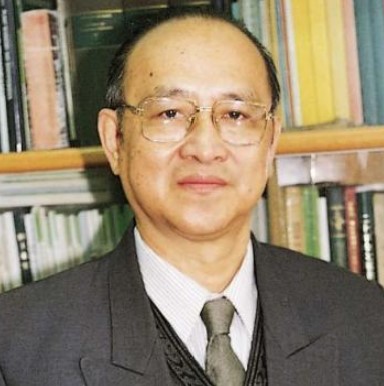 Peigen Xiao (肖培根)合作论文数Institute of Medicinal Plant Development, Chinese Academy of Medical Sciences2Yingzi Wang (王英姿)合作论文数School of Chinese Materia Medica, Beijing University of Chinese Medicine2
 Qi Li (李琦)合作论文数School of Integrative Medicine, Shanghai University of Traditional Chinese Medicine2Chao Liu (刘超)合作论文数2
 Liyan Yu (余利岩)合作论文数Institute of Medicinal Biotechnology, Chinese Academy of Medical Sciences2Dabing Zhang (张大兵)合作论文数Hanbon Science & Technology Co. Ltd.2Wenzhong Feng合作论文数1Jian-Chao Yuan合作论文数1Xiao-chun LIAO (廖晓春)合作论文数1Yi Nan合作论文数1Lingling Zhu合作论文数1Jin Li合作论文数1Qiyi Wang合作论文数1Juan Song合作论文数1Yang ZHAO (赵阳)合作论文数1




