Greenalite, a ferrous Fe-clay, has been increasingly regarded as the primary precipitate during hydrothermal vent fluid-seawater mixing in early anoxic oceans, leading to widespread deposition of Fe-and Si-rich sediments, namely, iron formations (IFs). However, due to elevated surface oxygen levels, both greenalite and IFs have not been documented in Phanerozoic oceans. Here, we report a rare Triassic sedimentary greenalite-dominated deposit analogous to IFs, the Huimin Fe deposit, SW China. This deposit is hosted in mafic volcanic rocks formed in a deep-water setting within a localized, redox-stratified basin with hydrothermal venting. The Fe ores are laminated, composed mainly of greenalite and siderite, stilpnomelane, and apatite, and locally dominated by hematite. Greenalite is the earliest-formed mineral and occurs as nanoparticles with features of primary sediments, indicative of a primary origin. Rare earth element analysis suggests that the greenalite was likely formed during vent fluid-seawater mixing and deposited at a vent-distal site. Diagenetic alteration of greenalite produced 13C-depleted siderite and stilpnomelane, whereas secondary oxidation formed hematite. Our study highlights that restricted, anoxic basins with hydrothermal vents held potential to form young greenalite IF analogues. Moreover, these findings reinforce the emerging view that greenalite is the primary mineral of IFs and provide new insights into its postdepositional fate, such as the origin of 13C-depleted siderite, thereby offering new constraints on the origin of IFs.
The Youjiang Basin in southwestern China is the world’s second-largest province of Carlin-type gold deposits, yet its exploration potential remains underexplored compared to its counterpart in Nevada, USA. A primary challenge has been the lack of robust, data-driven metallogenic models to guide the search for deeper, concealed orebodies. This study addresses this critical knowledge gap by conducting a comprehensive geochemical investigation of the Lannigou deposit, the largest fault-controlled Carlin-type gold deposit in the basin. In this work, we integrated large, spatially matched geochemical datasets from deep drill-core rock (n = 449) and surface soil (n = 2,280) samples. Through comprehensive statistical analyses, mass transfer calculations, and innovative three-dimensional spatial visualization, we successfully (1) identified distinct ore-related (Au-As-Hg-Sb-Ag-Tl-W-Mo) and diagenetic (Bi, Co, Cu, Ni, Zn, Pb) elemental suites, delineating their controlling geological mechanisms; (2) established a robust vertical geochemical zonation pattern (Mo → Tl → Sb → W → As → Au → Ag → Hg), which serves as a powerful vector for assessing the erosional level of mineralizing systems; and (3) revealed the critical role of a deep-seated, bedding-parallel detachment fault (F1) as a master conduit, channeling ore-forming fluids from basement structures into shallower, ore-hosting reverse faults. Based on these findings, we propose a new metallogenic model wherein ore-forming fluids ascended from depth, migrated laterally along this major detachment fault, and subsequently precipitated gold within structurally favorable traps, such as secondary reverse faults on anticlinal limbs. Our metallogenic model and the identified geochemical vectors offer robust and actionable criteria for targeting concealed Carlin-type orebodies in the Youjiang Basin and analogous terranes worldwide.
The Paleo-Tethyan arc belt is of enormous scale, but hosts few porphyry Cu-Au deposits. Previous studies suggest that the arc magmas are overall reduced and infertile during Permian-early Triassic. Nevertheless, the tectonic evolution and Cu-Au fertility of early-stage (Late Devonian to Carboniferous) Paleo-Tethyan arc magmatism remain poorly understood. Here, we address these issues by investigating the petrogenesis and fertility of a newly identified Late Devonian granodiorite intrusion (Gucaicun, 362.4 +/- 2.3 Ma) in eastern Tibet. The granodiorite is calc-alkaline to high-K calc-alkaline in composition, and shows enrichment in LILEs but depletion in HFSEs, which are diagnostic of arc magmatism. Whole-rock trace elemental characteristics (e.g., Rb vs. Yb + Nb, Th/Yb vs. Nb/Yb) indicate that this intrusion was formed in a continental arc setting. Depleted whole-rock Sr-Nd and zircon Hf isotopes [(87Sr/86Sr)i = 0.704368-0.704427; epsilon Nd(t) = 3.9-4.4; epsilon Hf(t) = 7.0-13.0] further demonstrate its derivation from subduction-modified asthenosphere mantle wedge. Integrated with coeval arc rocks reported in northern Tibet, this study suggests the possible existence of an early-stage, Late Devonian to Carboniferous Paleo-Tethyan arc belt across the northeastern Tibet, providing important evidence for the early evolution of the Paleo-Tethys Ocean. The intrusion has high magmatic oxygen fugacity (zircon Delta FMQ = 0.44-1.45, mean = 0.95 +/- 0.27) and elevated whole-rock Pd and Pt contents, which are comparable to global Au-rich porphyry Cu deposits. These features are distinct from the reduced and infertile magmas during the middle-late Permian, suggesting significant temporal heterogeneity in porphyry Cu-Au potential of Paleo-Tethyan arc magmas.
Late Mesozoic−Cenozoic topographic evolution along the East Asian continental margin is intimately linked to the subduction of the Paleo-Pacific plate. To quantify the topographic response to the changing subduction dynamics, we present an integrated geothermochronological dataset for 28 samples of Precambrian basement and Mesozoic plutonic rocks collected along an age-elevation profile and two horizontal transects across the southeastern China continental margin. Each sample was dated by multiple—up to seven—geothermochronometers, including U-Pb on zircon, titanite, and apatite; Rb-Sr on biotite; apatite fission tracks; and zircon and apatite (U-Th)/He to discriminate post-magmatic cooling and exhumation. We performed single- and multisample thermal history modeling to resolve exhumation in the uppermost 6 km of Earth’s crust, accounting for thermal disturbances from thermal buffering, variable exhumation rates, changes in paleogeothermal gradients, and topographic evolution. Our results show that the analyzed samples have varying emplacement depths and underwent different post-magmatic cooling histories, whereas the thermochronological ages invariably reveal cooling and exhumation during the Late Cretaceous−early Paleogene (ca. 90−40 Ma). We observe a systematic spatiotemporal pattern of progressively younger and more pronounced exhumation toward the Pacific coast and a major age break across the Zhenghe−Dapu fault zone. We propose that these data record tectonic and erosional exhumation that occurred during the collapse of the mid-Cretaceous East Asia coastal mountains, triggered by tectonic extension during rollback of the retreating Paleo-Pacific slab. Our findings provide insights into the topographic evolution of other high-elevation subduction-related orogenic belts. We also emphasize the importance of horizontal transect sampling in reconstructing the effects of different strain regimes and fault system evolution in low-relief subduction-related orogenic belts.
The rise of big data analytics and knowledge graph technology has introduced a new paradigm for research on mineral deposits. This study employs CiteSpace, a graph-based community detection tool, to analyze the Web of Science Core Collection literature (1969-2025) on Carlin-type gold deposits, with the aim of identifying global research trajectories, collaboration networks, key themes, frontiers, and future directions. The evolution of research encompasses five distinct phases: the Foundational Period (1969-1990), Domain-expanding Period (1991-2000), Refinement Period (2001-2010), Integration Period (2011-2020), and the ongoing Transformative Leap Period (2021-2025). Geographically, studies have expanded from their origin in Nevada, U.S., to a global scale. Methodologically, advancements have progressed from macro-geological mapping to atomic-scale characterization, accompanied by a theoretical shift towards an integrated "multi-source fluids - tectonic activation - nano-scale occurrence" system. This progression follows a spiral cognitive model: phenomenon description -* mechanism analysis -* system modeling -* predictive application. The international collaboration network has evolved into a "dual-core leadership with multi-tier synergy" framework, where core nations (China and the U.S.) drive cutting-edge theoretical exploration by leveraging their giant ore clusters, while secondary nodes (e.g., Canada, Iran, Australia) enhance research scope and depth through critical regional analogues and cross-deposittype expertise. Emerging participants (e.g., Malaysia) inject new dynamism and alternative genetic perspectives. Research leadership has transitioned from early dominance by U.S. institutions (e.g., USGS) to prominence of Chinese entities (e.g., Chinese Academy of Sciences, China University of Geosciences) post-2010. Core research themes include: (1) ore formation-regional tectonic coupling, (2) ore-forming fluid dynamics, (3) microscopic gold occurrence and mineralization processes, (4) resource utilization challenges, and (5) integration of multitechnique methodologies and intelligent exploration. Current research frontiers focus on: metallogenic chronology and geodynamic settings, multi-source fluid evolution and tectonic-lithologic coupling, invisible gold occurrence mechanisms, exploration technology innovation and deep targeting, and integrated studies across diverse deposit types. Future priorities center on two pillars: (1) Technological innovation: integrating techniques such as APT, NanoSIMS, and in situ isotopic methods for "atom-mineral-deposit-region" multiscale modeling; applying machine learning to overcome deep-prediction bottlenecks for intelligent "geologygeochemistry-geophysics-remote sensing" prospecting; and developing eco-leaching/microbial oxidation processes for the efficient extraction of gold and associated critical elements (As, Sb, Hg, Fe, S) from refractory ores. (2) International collaboration: establishing unified deposit testing standards; creating a global data-sharing platform; and deepening strategic partnerships through core-core, core-secondary, and core-emerging nation collaborations. These coordinated advancements are poised to drive breakthroughs in reserve expansion, extraction efficiency, sustainable resource development, and the refinement of metallogenic theory.
The anoxia of the Paleo-Tethyan has been invoked as the decisive cause for scarcity of porphyry copper deposits in this orogenic belt. However, direct magmatic evidence for this scarcity and how magmatism responds to the anoxia remains unclear. Magmatism associated with the tectonic evolution of the Paleo-Tethyan Ocean was widespread throughout the West Kunlun Orogen, northwest Tibetan Plateau, but the timing concerning the West Kunlun Paleo-Tethyan Ocean closure is debated. In this study, we reported whole-rock geochemical, zircon U-Pb and Hf isotope, and mineral geochemical compositions for Carboniferous and Triassic magmatic rocks from this belt. These samples include both plutonic and extrusive volcanic rocks, spanning a compositional range from mafic to felsic. The petrogenesis of these rocks is varies, and the incorporation of mantle-derived components is not uncommon. Zircon epsilon Hf(t) values of these rocks shown a significant reversal from a trend of decreasing prior to about 250 Ma ago to increasing after this timing, indicating the continental crust collision result from closure of the west Kunlun Paleo-Tethys. These rocks consistently exhibit a moderate to low magma redox state, as constrained by multiple lines of evidence, zircon trace compositions indicate Delta FMQ (departure from the fayalite-magnetite-quartz oxygen buffer) < +1, low sulfur content in apatite, geochemical compositions of amphibole, and most samples have low to modest whole-rock V/Sc ratios. The less oxidized magma signature was most likely caused by recycling of reduced material into the sub-arc mantle, and it cannot be well explained by fractional crystallization or interaction with crust-derived melts. The long duration of low magmatic oxidation state is consistent with the Late Paleozoic icehouse age, implying that the Paleo-Tethyan anoxia may have been regulated by continental configuration surrounding the Paleo-Tethyan Ocean. The pervasively reduced magma feature of the West Kunlun Paleo-Tethys Orogen suggests an infertile magmatic condition for porphyry Cu mineralization.
Previous geodynamic theories have mainly focused on plate margins, and little is known about how tectonic evolution affects intracontinental processes. The nature of the Caledonian Orogenic Belt in South China is still controversial, but its intracontinental orogenic characteristics are relatively obvious. It was previously believed that mineralization was weak during the Caledonian period in South China. With in-depth geological research and exploration, a large number of Caledonian ore deposits have been successively discovered in South China in recent years. Integrating previous research results, this paper clarifies and determines that the Caledonian ore deposits in south China could be divided into four types, namely Cu polymetallic deposits related to granites that originated partially from the Neoproterozoic juvenile lower crust, W-Sn polymetallic deposits related to granites derived from the remelting of the Paleoproterozoic metamorphic basement, orogenic Au deposits, and MVT Pb-Zn deposits; these four types of ore deposits have consistent metallogenic ages, concentrated in 440–395 Ma, which is consistent with the peak ages of the Caledonian granites and the regional metamorphism of the pre-Devonian strata in South China. They are a unified whole with close genetic connections, and constitute the South China Caledonian intracontinental metallogenic system controlled by far-field stress. It is worth noting that the NE-trending Jiangshao-Chenzhou-Linwu Fault divides the South China Caledonian Orogenic Belt into two parts, with most known Caledonian ore deposits distributed in the western part of this fault. The metallogenic differences between the eastern and western sides of the fault or the metallogenic potential of the eastern region still need in-depth research.
Wenqingite (IMA2024-098), Pb-5(AsS3)(2)(Ge2S6), is the first thiogermanate and thioarsenite mineral of considerable economic significance, discovered in the Wusihe Pb-Zn deposit in SW China. It is greenish gray with a metallic luster and a black streak. Wenqingite occurs as euhedral to subhedral columnar or platy crystals with a grain size of 1-10 mu m, and is closely associated with galena, pyrite, jordanite, and ruizhongite within a sphalerite matrix. Under reflected light microscopy, it displays a greenish-gray color without internal reflection. Reflectance measurements in air, using SiC as a reference material, yielded R1 (%) values of 26.1, 27.9, 29.1, and 30.5, and R2 (%) values of 24.2, 26.0, 27.2, and 27.5, corresponding to wavelengths of 650, 589, 546, and 470 nm, respectively. Wenqingite is composed of Pb (57.95 wt%), S (22.85 wt%), Ge (8.29 wt%), As (7.60 wt%), Sb (1.84 wt%), Zn (1.39 wt%), and Fe (0.44 wt%), with a total of 100.36 wt%. The empirical formula is (Pb4.71Zn0.36Fe0.13)(Sigma 5.20)(As1.71Sb0.26)(Sigma 1.97)Ge1.92S12, calculated on the basis of 12 sulfur atoms per formula unit. The ideal formula is Pb-5(AsS3)(2)(Ge2S6). Wenqingite has a monoclinic structure, space group P2(1)/c (#14), with unit-cell parameters a = 17.8564(12) & Aring;, b = 10.8990(5) & Aring;, c = 10.9637(6) & Aring;, beta = 108.277(6)degrees, V = 2,026.1(2) & Aring;(3), Z = 4, and a calculated density of 5.543 g/cm(3). The most intensive X-ray diffraction (XRD) lines [d in & Aring; (I) (hkl)] are: 3.941 (75) (320), 3.895 (100) (122), 3.367 (36) (500), 3.181 (36) (422), 2.818 (82) (213), 2.544 (73) (622) , and 2.450 (91) (224) . The structure of wenqingite was determined by single-crystal X-ray diffraction and was refined to an R1 of 0.0779 for 2990 independent reflections (I > 2 sigma(I)) with 196 parameters. Its structure is characterized by edge-sharing GeS4 tetrahedral dimers (Ge2S6) and isolated AsS3 pyramids connected by PbSn polyhedra (n = 7, 8, 9), arranged separately in two electrically balanced layers of Pb2Ge2S6 and Pb-3(AsS3)(2). This new mineral was named in honor of Wenqing Qin (b. 1969), a distinguished Chinese scientist renowned for his contributions to mineral processing and the recycling of secondary resources. The discovery of wenqingite, along with ruizhongite in the Wusihe deposit, provides critical insights into the geochemical behavior and enrichment mechanisms of Ge within sphalerite, and enhances our understanding of the mineralogical controls on the distribution patterns of the critical element Ge in sulfide-dominated mineral deposits.
The Jiaodong Peninsula hosts one of the world’s largest concentrations of Cretaceous lode Au deposits, yet the genetic link between Au mineralization and coeval felsic–mafic magmatism remains debated. We present whole-rock geochemistry, zircon trace-element oxybarometry, apatite Sr–Nd isotopes, and zircon-hosted apatite volatile data for Mesozoic granites and mafic dikes from the Jiaobei terrane. Three major granite suites formed at 165.5–154.7 Ma (Linglong), 136.2–126.3 Ma (Guojialing), and 119–116.7 Ma (Weideshan). Gold mineralization (126–110 Ma) overlaps with the youngest Weideshan suite and late Guojialing intrusions, as well as with mafic–intermediate dike emplacement. A progressive rise in magmatic oxidation state (ΔFMQ) and volatile contents (H₂O–Cl–S), accompanied by increasing εNd(t) and decreasing (⁸⁷Sr/⁸⁶Sr)i values, reflects increasing input from oxidized, volatile-rich mantle-derived mafic magmas into crustal melting regimes. Mafic dikes, especially low-Ti varieties with arc signatures, record the most oxidized conditions and exhibit trace-element patterns comparable to global Au-fertile arc magmas. Hornblende barometry and regional thermochronology indicate that granite emplacement depths decreased from Linglong to Weideshan, coincident with rapid Early Cretaceous crustal uplift that enhanced structural permeability. We propose that hybridization between lower-crustal felsic melts and metasomatized lithospheric-mantle (and locally asthenospheric) magmas generated highly oxidized, hydrous, Au-fertile magmas between 126 and 115 Ma. These magmas exsolved Au-bearing fluids that migrated through an evolving extensional fault network, forming some structurally controlled lode Au deposits. Our results link Jiaodong-type Au metallogenesis to slab-fluid-driven mantle metasomatism, felsic–mafic magma interaction, and tectonic unroofing of the eastern North China Craton.
The Huize Pb-Zn deposit is renowned for its substantial reserves of Pb and Zn, along with significant by-products such as Ge and Ag. As main ore minerals, textures and chemical compositions of sphalerite and galena have been widely studied. However, sulfosalts have received limited attention, and their compositional evolution remains unknown. In this study, a series of Pb-As-Sb sulfosalts is identified in the Huize deposit, which are associated with galena, pyrite, and arsenopyrite in the late mineralization stage. These sulfosalts belong to the jordanite-geocronite solid solution (JGSS) series and include three generations: As-bearing geocronite (Pb14Sb6-xAsxS23, 2 <= x <= 4) (JGSS-1), Sb-rich jordanite (Pb14AsxSb6-xS23, 4 <= x <= 5) (JGSS-2), Sb-bearing jordanite (Pb14AsxSb6-xS23, 5 <= x <= 6) (JGSS-3). Single-crystal X-ray diffraction analysis reveals that the split site (As4/Sb4) can be substituted by As. The occupancies of As1/Sb1 and Pb2/As4/Sb4 sites exhibit higher sensitivity to compositional variations (As, Sb) in the fluids compared to the As2/Sb2 and As3/Sb3 sites. Zoned patterns of Sb-As in JGSS are controlled by various fluid-galena interactions, which play a critical role in the formation of JGSS. Chemical compositions of JGSS reveal that the late-stage ore-forming fluids were predominantly enriched in Sb and As. Geocronite and jordanite likely formed nearly simultaneously through the replacement of galena by Sb-, As-rich fluids under relatively high fS2 and highfO2 $f_{\mathrm{S}_2} \text { and } \operatorname{high} f_{\mathrm{O}_2}$ conditions. The increasing As/(As+Sb) ratio of JGSS with orebody depth indicates an upward migration of hydrothermal fluids. The presence of As-Sb-bearing minerals in the late stage of hydrothermal Pb-Zn system demonstrates the geochemical anomalies of Sb and As can serve as effective indicators for Pb-Zn mineralization. This study establishes the genetic relationship between JGSS formation and fluid evolution and provides new insights into the geochemical behavior of Sb and As during ore formation.
Secondary-ion mass spectrometry (SIMS) and related in situ microanalytical techniques allow precise chemical and isotopic characterization at micron and submicron scales, providing insights into spatially heterogeneous processes. However, the quantitative accuracy of SIMS is limited by matrix effects, which cause instrumental mass fractionation (IMF) between measured and true isotope ratios. Accurate quantification requires matrix-matched reference materials (RMs) with identical physical and chemical properties to the unknown samples. Most existing SIMS RMs are derived from natural minerals, which often exhibit heterogeneity, limiting reproducibility and interlaboratory comparability. Synthetic RMs offer a promising solution, but their development for SIMS has been challenging due to the sensitivity of SIMS to microstructural attributes such as surface smoothness and grain size. This study presents a novel synthesis strategy for producing matrix-matched pyrite (FeS2) RMs. By combining hydrothermal precursor synthesis with low-temperature ultrahigh-pressure (UHP) sintering, we fabricated dense, nanocrystalline pyrite ceramics with controlled stoichiometry and exceptional sulfur-isotope homogeneity. The resulting material exhibited sputtering behavior indistinguishable from that of natural pyrite, demonstrating the strategy as a robust framework for producing synthetic sulfide RMs. This approach facilitates the improvement of analytical accuracy and reproducibility in microanalytical science and can be extended to other mineral systems.
Germanium (Ge) and antimony (Sb) are critical metals that can be enriched in sphalerite of Pb-Zn deposits due to their chalcophile properties. The combined Ge-Sb isotopic systematics of these deposits serve as an essential tool for tracing metal sources and enrichment processes. However, the similar chemical behaviors of Ge and Sb hinder their simultaneous separation using existing purification protocols, and high Sb/Ge ratios in samples can affect the precise measurement of Ge isotope ratios. In this study, the adsorption behaviors of Ge and Sb on different resins were systematically investigated, and a sequential separation method combining solvent extraction and column chromatography was established. The method was validated using the Sb-rich sphalerite standard reference material GBW07270 with a Sb/Ge ratio of 42. Recoveries of Ge and Sb reached 97.4 +/- 1.7% (2SD, n = 5) and 99.3 +/- 1.3% (2SD, n = 5), respectively, with procedural blanks of 0.9 ng for Ge and 1.1 ng for Sb. Long-term reproducibility was assessed through repeated analyses of NIST SRM 3120a and NIST SRM 3102a, which yielded delta Ge-74 and delta Sb-123 values of 0.00 +/- 0.09 parts per thousand (2SD, n = 239) and 0.00 +/- 0.04 parts per thousand (2SD, n = 115), respectively. Isotope ratios obtained for the standard reference materials agreed well with published values, and no measurable Ge or Sb isotope fractionation was introduced by the separation procedure. Moreover, we report the Sb isotope ratios of GBW07270 for the first time. The accuracy of the method was further confirmed by standard addition experiments, in which all the linear regressions yielded R-2 > 0.98. The proposed simultaneous separation method for Ge and Sb provides a robust foundation for advancing stable isotope geochemistry of these critical metals.
In addition to its world-renowned W-Sn deposits, the Nanling region of South China also hosts several Cu-Pb-Zn polymetallic deposits that are genetically linked to the Mesozoic granodioritic plutons. In this study, we conducted in situ trace elemental and isotopic analyses on zircon and apatite along with whole-rock geochemical analysis to constrain the Cu-Pb-Zn ore formation. The granodiorites from the Baoshan, Tongshanling, and Shuikoushan deposits yielded zircon U-Pb ages of ca. 160 Ma, broadly coeval to the Cu-Pb-Zn mineralization. The average oxygen fugacity (fO(2)) for the granodiorites is Delta FMQ (logfO(2) value relative to the fayalite-magnetite-quartz oxygen buffer) +0.74 (Baoshan), Delta FMQ +0.07 (Tongshanling), and Delta FMQ +1.67 (Shuikoushan), with the corresponding apatite Cl content of 0.36-0.46 wt%, 0.21-0.36 wt%, and 0.29-0.98 wt%, respectively. These fO(2) and Cl values are higher than typical granite-related W-Sn mineralization (Delta FMQ -1.17, Cl = 0.01-0.48 wt%), and may have facilitated the Cu-Pb-Zn mineralization. Zircon Ce/Sm and Eu/Eu* ratios for the granodiorites, respectively, are 2.16-9.30 and 0.36-0.60 (Baoshan), 2.6-7.96 and 0.16-0.57 (Tongshanling), and 5.92-12.13 and 0.44-0.69 (Shuikoushan). This suggests that the Baoshan and Shuikoushan granodiorites may have undergone stronger amphibole fractionation than the Tongshanling granodiorite. This, in turn, implies that the granodiorites from Baoshan and Shuikoushan had higher water content than those from Tongshanling. The inferred "wetter" granodioritic magma at Baoshan and Shuikoushan may account for their larger deposit size than that of Tongshanling. Zircon grains of the granodiorites from Baoshan, Tongshanling, and Shuikoushan have epsilon(Hf)(t) values of -15.5 to -8.2, -16.9 to -8.2, and -10.6 to -7.4, while the apatite grains have epsilon(Nd)(t) values of -9.2 to -6.7, -8.8 to -6.0, and -8.7 to -4.2, respectively. The Nd-Hf isotopes are decoupled in the Baoshan and Tongshanling granodiorites, deviating from the terrestrial array. Thus, the Baoshan, Tongshanling, and Shuikoushan granodiorites were primarily derived from partial melting of the lower continental crust, while some melts from the subduction-metasomatized mantle were likely involved in the Baoshan and Tongshanling granodiorite formation. This may have led to the higher Cu/(Pb + Zn) ratio in the Baoshan and Tongshanling deposits. The formation of granodiorite-related Cu-Pb-Zn deposits in the Nanling region was likely associated with the Paleo-Pacific plate subduction and slab rollback in an extensional setting.
Copper (Cu) isotope geochemistry has been widely used to trace magmatic differentiation processes related to sulfide-silicate liquid immiscibility (SSLI) at various scales. However, the magnitude of Cu isotope fractionation during SSLI in natural systems has yet to be quantitatively constrained. To address this knowledge gap between experimental predictions and observations from natural samples, we present the first whole-rock Cu isotope data of continental flood basalts from the Siberian Trap large igneous province in the Norilsk region (Russia). These basalts span a wide range of delta 65Cu values, from -0.08 +/- 0.04%o to + 0.47 +/- 0.01%o, with some being isotopically heavier than the Bulk Silicate Earth (+0.07 +/- 0.10%o). The delta 65Cu values of the Norilsk basalts show little correlation with the contents or ratios of major element oxides (e.g., SiO2 and MgO) and most lithophile elements (e. g., La, Nb, La/Sm, and Rb/Sr). Instead, they display negative correlations with the concentrations of siderophile and chalcophile elements, such as Cu, Ni, and platinum group elements. These negative correlations indicate that lighter Cu isotope (i.e., 63Cu) preferentially partitions into sulfide liquid, leading to the enrichment of heavier Cu isotope (i.e., 65Cu) in residual silicate melts during sulfide saturation and segregation. A quantitative model on Cu isotope data and element concentrations yields a Cu isotope fractionation factor (alpha) between sulfide liquid and silicate melt to be 0.99983 +/- 0.00002 (1SD), corresponding to 1000 & times; ln alpha ti -0.17 +/- 0.02%o. Integrating experimental data, we further establish a temperature-dependent empirical equation: Delta 65Cusulfide-silicate melt = (-0.428 +/- 0.035) & times; 106/T2 + (0.036 +/- 0.014) (R2 = 0.994, T in Kelvin). The equation provides a foundational framework for quantitatively modeling Cu isotope variations associated with sulfide segregation processes in magmatic systems, with potential implications for larger-scale planetary differentiation and ore mineralization.
Recent studies have demonstrated that large variations in chemical and isotopic compositions of continental flood basalts are genetically related to variable contributions of the recycled oceanic slab components in their mantle sources. Magnesium (Mg) isotopes are regarded as sensitive tracers for identifying the contribution of recycled materials to the mantle. To investigate the origin of geochemical variations in the Permo-Triassic Siberian continental flood basalts (SCFBs), this study presents the first Mg isotopic data from basaltic rocks in the Noril'sk region, Russia. The SCFBs are classified into high-Ti and low-Ti basalts, exhibiting variable delta Mg-26 values ranging from -0.40 +/- 0.08 parts per thousand to -0.11 +/- 0.02 parts per thousand and from -0.26 +/- 0.09 parts per thousand to -0.09 +/- 0.02 parts per thousand, respectively, which stand in contrast to the narrow range observed in global oceanic island basalts (delta Mg-26 = -0.25 +/- 0.07 parts per thousand). The Mg isotope variations in these SCFBs can hardly be explained by post-eruptive alteration, crustal contamination, fractional crystallization, and/or mantle partial melting. In contrast, the delta Mg-26 variability, combined with arc-type trace element patterns, enriched initial Sr-Nd isotope signatures, and variable Hf isotopes, indicates mantle heterogeneity induced by the incorporation of diverse subducted components. A heterogeneous mantle source containing recycled eclogite or pyroxenite is further supported by Mg isotope data integrated with other geochemical proxies (e.g., Fe/Mn and Zn/Fe) in both groups. However, neither direct melting of altered oceanic crust nor incorporation of sediment-derived melts or fluids derived from these two components could produce the observed Mg isotope systematics. Instead, isotope modeling reveals that the high delta Mg-26 values in the SCFBs originated from deep recycling of serpentinite-derived slab fluids, which stagnated in the mantle transition zone (MTZ). A heterogeneous deep mantle plume and its interaction with the hydrated stagnant slabs likely contributed to Mg isotope variations observed in the high-Ti basalts. Partial melting of the subcontinental lithospheric mantle metasomatized by high contents of recycled serpentinite-derived fluids, which were transported by hydrated mantle diapirs, produced the heavy Mg isotope signatures in the low-Ti basalts. This study highlights the vital role of Mg isotopes in tracing mantle source heterogeneity of continental flood basalts.
The Youjiang basin in southwestern China is the second largest Carlin-type gold province in the world,with proven gold reserves of about 1000 t.It is hard to accurately determine the mineralization age,to precisely trace the ore-forming fluids,and to finely elucidate the gold enrichment mechanism for these deposits,due to the fine-grained nature and complex growth zoning of the ore minerals of those deposits.This has significantly hindered the establishment of their genetic and exploration models.Over the past decade,researchers at the Institute of Geochemistry,Chinese Academy of Sciences,have conducted systematic investigation on these issues by integrating in-situ micro-observation with comprehensive elemental,multi-isotopic,and individual fluid inclusion compositional analyses.The results reveal that there are two episodes of the Carlin-type gold mineralization in the Youjiang basin,at ca.215-200 Ma and 155-140 Ma,respectively.These two mineralization events are coeval with those of the high-temperature granite-related tungsten-tin polymetallic metallogenic province in the eastern part of South China,probably in response,respectively,to the Indosinian post-collisional intracontinental orogeny and the Yanshanian asthenospheric upwelling and lithospheric extension in South China.The ore-forming fluids mainly have geochemical signatures indicative of mixing between the deep-seated granitic magma-exsolved magmatic fluids and the deep-circulated meteoric water.These fluids leached and mobilized metals from the Precambrian basement rocks,and then migrated into favorable strata and structural traps,where intense fluid-rock interactions triggered gold deposition.Gold was incorporated into the lattice of arsenian pyrite in the"invisible"form.Arsenic concentrations and growth kinetics of pyrites are key factors controlling the highly efficient enrichment of gold.Based on the above understandings,our research team established a genetic model characterized by the deep-seated magmatic-hydrothermal drive and the shallow-level coupling of fluids,structures,and lithologies for the Carlin-type gold deposits in the Youjiang basin.In addition,a multi-scale,multi-media,and three-dimensional structural geochemical exploration method was developed,which resulted in the effective link of the deep mineralization information with surface exploration indicators.This theoretical methodological system has been successfully applied to the exploration of concealed Carlin-type gold ore bodies for achieving major breakthroughs in the prospecting of Carlin-type gold deposits.
The Late Mesozoic-Cenozoic tectonic evolution of the South China Block was intimately related with the subduction of the Paleo-Pacific Plate. To constrain Late Mesozoic-Cenozoic exhumation and its implications for porphyry deposits preservation in southeastern China, we conducted integrated geo-thermochronological analyses, including zircon and apatite U-Pb and (U-Th)/He dating, as well as apatite fission-track analysis, on intrusive and volcanic rocks from the Da-Xiao Fanshan region, a coastal area characterized by intense magmatichydrothermal activity. Zircon and apatite U-Pb data reveal two distinct Early Cretaceous magmatic episodes at ca. 145-134 Ma and 111-106 Ma. Thermochronological data and thermal history modeling indicate a phase of relatively accelerated cooling and exhumation from the Late Cretaceous to the Middle Eocene through the shallow crust level (1-7 km). Combined with published data from the Zijinshan ore field, the results define a systematic, coastward-pronounced exhumation pattern, with rates increasing from 0.05-0.09 km/Ma to 0.09-0.13 km/Ma since the Late Cretaceous. In contrast to the Zijinshan ore field, where moderate exhumation and optimal volcanic cover thickness facilitated exposure of the porphyry Cu-Au deposits, the Da-Xiao Fanshan region, despite experiencing more intense exhumation, are either exhumed to shallow levels or remain preserved at depth beneath a thick Cretaceous volcanic cover. This geological setting is therefore favorable for the preservation of concealed porphyry deposits.
Northwestern (NW) Guizhou in SW China hosts more than 100 Pb-Zn deposits which are primarily small in scale. In recent years, the discovery of a few large to super-large Pb-Zn deposits has revealed significant mineralization potential. It is thus necessary to reevaluate the mineral prospectivity using advanced predictive methods. This study presents an integrated machine learning framework that combines deep learning (DL), traditional machine learning (TML), and unsupervised deep learning via a variational autoencoder (VAE) for high-precision Pb-Zn prospectivity mapping in NW Guizhou. A total of 135,385 high-density soil geochemical samples (17 elements) with structural datasets are used to establish 18 evidence layers for hierarchical mineral potential assessment. Using four-fold cross-validation, this study shows that both the DL model trained on 5 x 5 km multi-channel image patches and the TML models utilizing 1-2 km buffer-processed numerical data achieved accuracies of 90 % or above on the test set. In practical application, the DL prospectivity map delineated high-confidence prospect areas more precisely than the TML models, suppressed background noise more effectively and captured nearly 90 % of known deposits. Although the TML model shows slightly lower prediction success rates (similar to 80 %), it provides smoother anomaly transition and identifies local anomalies in the target area. The integration of VAE with mineralization-related elements further enhances the system's capability, enabling anomaly detection, improving the contrast of target areas, and refining them to kilometer-scale precision. Through the integration of the machine learning methods, this study successfully generates high-precision prospectivity maps and optimizes target areas at a kilometer scale, offering significant insights for sediment-hosted Pb-Zn deposit exploration.
 Xianwu Bi (毕献武)合作论文数中国科学院地球化学研究所232
 Jiantang Peng (彭建堂)合作论文数Institute of Geochemistry, Chinese Academy of Sciences111
 Shen Liu (刘燊)合作论文数Department of Geology, Northwest University78
 Wenchao Su (苏文超)合作论文数State Key Laboratory of Critical Mineral Research and Exploration, Institute of Geochemistry, Chinese Academy of Sciences70
 Caixia Feng (冯彩霞)合作论文数Department of Geology, Northwest University69
 Youqiang Qi合作论文数55
 Weixuan Fang (方维萱)合作论文数Shandong Provincial Key Laboratory of Depositional Mineralization & Sedimentary Minerals, College of Earth Science and Engineering, Shandong University of Science and Technology, Qingdao 266590, China46
 Hong Zhong (钟宏)合作论文数Institute of Geochemistry, Chinese Academy of Sciences45
 Guiqing Xie (谢桂青)合作论文数Institute of Mineral Resources, Chinese Academy of Geological Sciences41
 Junhong Zhao (赵军红)合作论文数Institute of Geochemistry, Chinese Academy of Sciences;University of Chinese Academy of Sciences37
 Hanjie Wen (温汉捷)合作论文数University of Chinese Academy of Sciences;School of Earth Science and Resources, Chang'an University35
 Youwei Chen (陈佑纬)合作论文数35
 Huawen Qi (戚华文)合作论文数Institute of Geochemistry, Chinese Academy of Sciences32Guohao Jiang合作论文数31Feng GuangYing合作论文数30Liyan Wu (武丽艳)合作论文数29
 Linbo Shang (尚林波)合作论文数Institute of Geochemistry, Chinese Academy of Sciences28Dacheng Jia合作论文数27Ian M. Coulson合作论文数26
 Xinsong Wang (王新松)合作论文数Institute of Geochemistry, Chinese Academy of Sciences;University of Chinese Academy of Sciences25Liang Qi (漆亮)合作论文数Institute of Geochemistry, Chinese Academy of Sciences;University of Chinese Academy of Sciences25
 Shanling Fu (付山岭)合作论文数University of Chinese Academy of Sciences;Institute of Geochemistry, Chinese Academy of Sciences24
 Shan Gao (高山)合作论文数School of Earth Sciences, China University of Geosciences23
 Jingjing Zhu (朱经经)合作论文数Institute of Geochemistry, Chinese Academy of Sciences;University of Chinese Academy of Sciences22Yongyong Tang (唐永永)合作论文数22Jiafei Xiao (肖加飞)合作论文数22
 Haifeng Fan (樊海峰)合作论文数Institute of Geochemistry, Chinese Academy of Sciences;University of Chinese Academy of Sciences22
 Leiluo Xu (胥磊落)合作论文数Institute of Geochemistry, Chinese Academy of Sciences;University of Chinese Academy of Sciences20
 Meifu Zhou (周美夫)合作论文数Department of Earth Sciences, Faculty of Science, University of Hong Kong20
 Ming-Liang Huang合作论文数Institute of Geochemistry, Chinese Academy of Sciences19
 Xingchun Zhang (张兴春)合作论文数Institute of Geochemistry, Chinese Academy of Sciences19Yan Tao (陶琰)合作论文数Institute of Geochemistry, Chinese Academy of Sciences19Jiehua Yang (阳杰华)合作论文数19
 Xieyan Song (宋谢炎)合作论文数Institute of Geochemistry, Chinese Academy of Sciences;University of Chinese Academy of Sciences19
 yumiao meng合作论文数State Key Lab Ore Deposit Geochem, Chinese Acad Sci, Inst Geochem17
 Yazhou Fu (符亚洲)合作论文数Institute of Geochemistry, Chinese Academy of Sciences;University of Chinese Academy of Sciences17
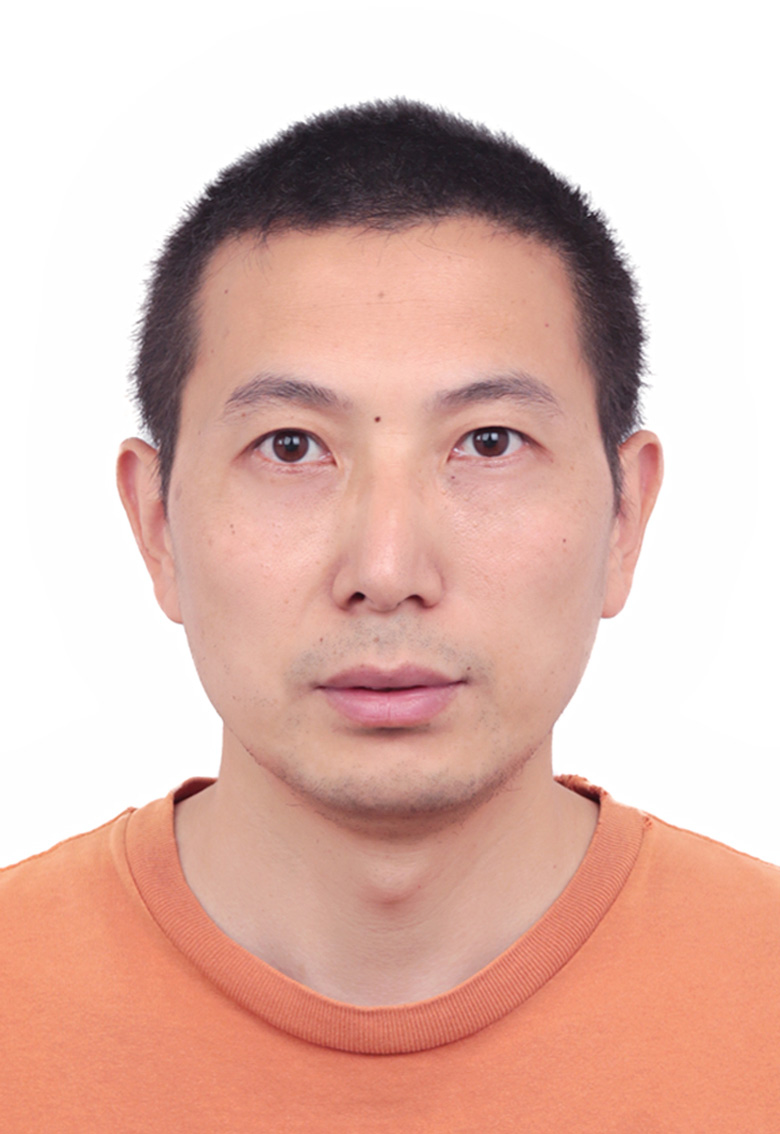 Jianfeng Gao (高剑峰)合作论文数Institute of Geochemistry, Chinese Academy of Sciences17JianJi Tian (田建吉)合作论文数16
 Nengping Shen (沈能平)合作论文数Institute of Geochemistry, Chinese Academy of Sciences;University of Chinese Academy of Sciences16
 Jingwen Mao (毛景文)合作论文数MNR Key Laboratory of Metallogeny and Mineral Assessment, Institute of Mineral Resources, Chinese Academy of Geological Sciences16
 Runsheng Yin (尹润生)合作论文数University of Chinese Academy of Sciences;Institute of Geochemistry, Chinese Academy of Sciences15
 Lichuan Pan (潘力川)合作论文数University of Chinese Academy of Sciences;Institute of Geochemistry, Chinese Academy of Sciences15
 Wenfeng Wei (魏文凤)合作论文数Chengdu University of Technology15Dong ShaoHua合作论文数14
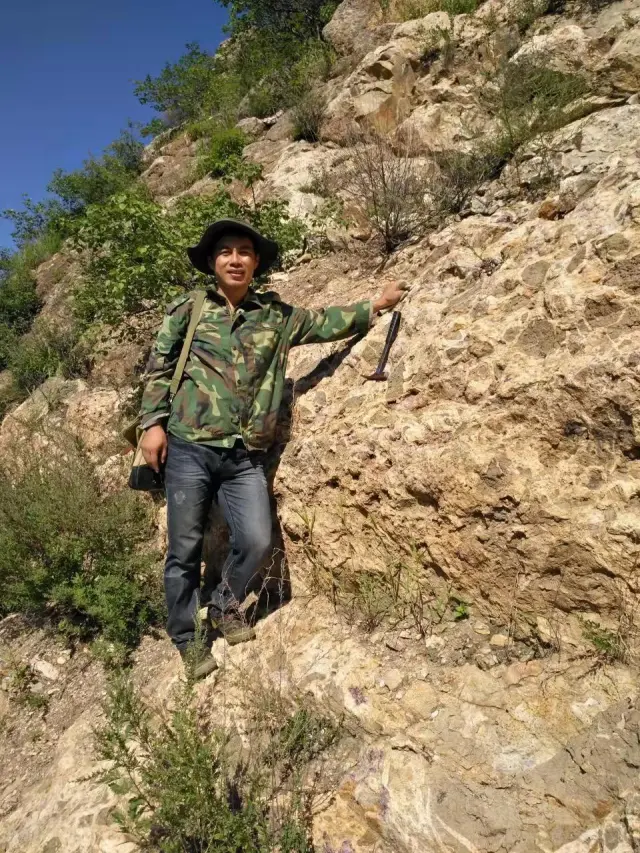 PengQiang Shang (商朋强)合作论文数General Bureau of Geology and Mines of Sinochem14KaiXing Wu (吴开兴)合作论文数14GuoQuan Zhang (张国全)合作论文数14
 Shunda Yuan (袁顺达)合作论文数Institute of Mineral Resources, Chinese Academy of Geological Sciences14
 Xiaowen Huang (黄小文)合作论文数Institute of Geochemistry, Chinese Academy of Sciences;University of Chinese Academy of Sciences14




