Aerodynamic shape optimization is a cost-effective means to reduce loads and improve occupant comfort for tall buildings. Optimization problems can be divided into two categories based on the solution space: continuous and combinatorial. In structural engineering, continuous shape optimization is well-studied for bridges and buildings. However, combinatorial (or discrete) shape optimization problems, which are more complicated than their continuous counterparts, have received little attention. This study formulates aerodynamic shape optimization as a combinatorial optimization problem to explore a massive and varied design space. Moreover, the discrete design space is explored through cyber-physical testing that integrates boundary layer wind tunnel (BLWT) testing into the combinatorial optimization loop. To address the problem complexity, a divide-and-conquer local search algorithm is proposed to decrease the time complexity and ensure convergence. A reconfigurable physical modeling approach that can rapidly create and evaluate candidate designs using high-frequency force-balance (HFFB) wind tunnel testing is developed. To demonstrate the convergence and robustness of the cyber-physical optimization procedure, three combinatorial case studies using a multi-section aerodynamic strategy are investigated. A total of 191 models were tested in 10 working days in the BLWT at University of Florida. In comparison with the benchmark model, the objective function (i.e., standard deviation across-wind base moment) is reduced by 48%, outperforming more traditional aerodynamic strategies. In addition, practical concepts regarding the sequence of various cross-sections along the height of tall buildings are discussed based on the optimization results.
Approach flow conditions and design wind speeds have significant effects on the aerodynamic behavior of high-rise buildings. However, the discussion on this topic is limited. To fill the gap, this study investigates the effects of both the approach flows and design wind speeds on tall buildings with various corner geometries. Six staggered double corner recession (SDCR) models were tested using high-frequency force balance (HFFB) wind tunnel testing under suburban and open terrain conditions. The structural responses (overturning moment, roof drift, and roof acceleration) for each model were examined considering a broad range of design wind speeds. The results indicate that the roof drifts for SDCR models are reduced by more than 50% for design wind speeds higher than 70 m/s. However, the effectiveness is significantly decreased as wind speed decreases due to the shift of vortex shedding frequency. The structural responses could be amplified as high as by 40% in comparison with the benchmark model at wind speeds of 40 m/s to 50 m/s. These adverse behaviors are more significant under open terrain condition (low turbulence intensity). In the end, practical suggestions are made to achieve a successful and conservative wind design for high-rise buildings.
This dataset provides multimodal measurements from controlled human walking trials to support research in gait analysis, floor vibration modeling, human-structure interaction, and data-driven movement analysis. It includes floor acceleration signals from four high-sensitivity seismic accelerometers, body-mounted inertial measurements from six OPAL-APDM sensors, and synchronized video recordings. A single male participant completed 27 trials along a 10 m walkway while following metronome-guided cadences of 90, 120, and 130 beats per minute. The data enable the development and validation of structural vibration models for human locomotion, the estimation of gait parameters from floor responses, and the training of machine-learning models for locomotion analysis. All recordings, floor vibrations, inertial sensor outputs, and time-aligned videos are publicly available through the Open Science Framework (OSF).
Community colleges provide a beneficial foundation for undergraduate education in STEM majors. To inspire community college students to pursue a major in STEM, it is crucial to adapt strategies that help facilitate this interest. With support from the Department of Education Minority Science and Engineering Improvement program (MSEIP) and the Hispanic-Serving Institution Science, Technology, Engineering and Mathematics (HIS STEM), an internship program with multiple colleges was developed between community colleges and a public four-year university to engage community college students in cutting-edge engineering research. In the summer of 2017, four community college students participated in a ten-week electrical and computer engineering research internship project at a four-year university research lab. The summer internship project aimed to develop a real-time handwritten digit recognition system leveraging Neural Networks and Nvidia's Jetson Tx1 platform. Utilizing a modified Nvidia workflow, a robust digit recognition algorithm was designed using two industry standard programs for deep learning -- Tensor Flow and DIGITS. Nvidia's live image recognition demonstration created the framework to interface a camera module that sends images to the input of the digit classifying network in real-time. The student interns designed experiments to test the robustness of the algorithm in their daily environment, from low light situations to cluttered backgrounds with the handwritten digit blending in. The internship project created a stimulating environment for student interns to gain research experiences and learn a wealth of knowledge in deep learning, real time pattern recognition systems and leading-edge hardware platforms. The experiences contained within the ten-week internship allowed the interns to drastically improve technical writing and presentations, experimental design, data analysis and management, teamwork, and perseverance. The ten-week research internship was an effective method for engaging aspiring community college students by teaching the tools and methodology for success within an engineering profession.
Objective: This research aims to extract human gait parameters from floor vibrations. The proposed approach provides an innovative methodology on occupant activity, contributing to a broader understanding of how human movements interact within their built environment. Methods and Procedures: A multilevel probabilistic model was developed to estimate cadence and walking speed through the analysis of floor vibrations induced by walking. The model addresses challenges related to missing or incomplete information in the floor acceleration signals. Following the Bayesian Analysis Reporting Guidelines (BARG) for reproducibility, the model was evaluated through twenty-seven walking experiments, capturing floor vibration and data from Ambulatory Parkinson’s Disease Monitoring (APDM) wearable sensors. The model was tested in a real-time implementation where ten individuals were recorded walking at their own selected pace. Results: Using a rigorous combined decision criteria of 95% high posterior density (HPD) and the Range of Practical Equivalence (ROPE) following BARG, the results demonstrate satisfactory alignment between estimations and target values for practical purposes. Notably, with over 90% of the 95% HPD falling within the region of practical equivalence, there is a solid basis for accepting the estimations as probabilistically aligned with the estimations using the APDM sensors and video recordings. Conclusion: This research validates the probabilistic multilevel model in estimating cadence and walking speed by analyzing floor vibrations, demonstrating its satisfactory comparability with established technologies such as APDM sensors and video recordings. The close alignment between the estimations and target values emphasizes the approach’s efficacy. The proposed model effectively tackles prevalent challenges associated with missing or incomplete data in real-world scenarios, enhancing the accuracy of gait parameter estimations derived from floor vibrations. Clinical impact: Extracting gait parameters from floor vibrations could provide a non-intrusive and continuous means of monitoring an individual’s gait, offering valuable insights into mobility and potential indicators of neurological conditions. The implications of this research extend to the development of advanced gait analysis tools, offering new perspectives on assessing and understanding walking patterns for improved diagnostics and personalized healthcare. Clinical and Translational Impact Statement: This manuscript introduces an innovative approach for unattended gait assessments with potentially significant implications for clinical decision-making. By utilizing floor vibrations to estimate cadence and walking speed, the technology can provide clinicians with valuable insights into their patients’ mobility and functional abilities in real-life settings. The strategic installation of accelerometers beneath the flooring of homes or care facilities allows for uninterrupted daily activities during these assessments, reducing the reliance on specialized clinical environments. This technology enables continuous monitoring of gait patterns over time and has the potential for integration into healthcare platforms. Such integration can enhance remote monitoring, leading to timely interventions and personalized care plans, ultimately improving clinical outcomes. The probabilistic nature of our model enables uncertainty quantification in the estimated parameters, providing clinicians with a nuanced understanding of data reliability.
Most engineering students see industry or research career paths as binary. In their minds, a person can either focus on research (academic career) or design and management (industrial or professional career). This perception has a negative impact on the profession as it leads to missed opportunities to solve practical problems by applying new fundamental research, as well as basing fundamental research on current engineering problems. Smart Structures Technologies (SST) is receiving considerable attention as the demands for high performance in structural systems increase. Although both the academic and professional engineering worlds are seeking ways to utilize SST, there is a significant gap between engineering science and engineering practice. To bridge the gap and facilitate the research infusion, San Francisco State University (SFSU) and the University of South Carolina (UofSC) collaborated with industry partners to establish a Research Experiences for Undergraduates (REU) Site program, which provides undergraduate students a unique opportunity to experience research in both academic and professional settings through cooperative research projects. The program featured: formal training, workshops, and supplemental activities in the conduct of research; research experience through engagement in projects with scientific and practical merits in both academic and industrial environments; experience in conducting laboratory experiments; and opportunities to present the research outcomes to the broader community at professional settings. Populations from underrepresented minority groups are the main audience for this REU program. The three-year REU program was first implemented in the summer of 2018 and concluded in summer 2021, with a pause in 2020 caused by the COVID-19 pandemic. This paper describes the details of the program implementation in terms of recruitment, participant selection, partnership with industry, sustained mentorship, and its potential impact. The paper also describes findings from the program’s external evaluator. The program featured: formal training, workshops, and supplemental activities in the conduct of research in academia and industry; innovative research experience through engagement in projects with scientific and practical merits in both academic and industrial environments; experience in conducting laboratory experiments; and opportunities to present the research outcomes to the broader community at professional settings. Populations from UR groups are the main audience for this REU program. The three-year REU program was first implemented in summer 2018 and concluded in summer 2021, with a pause in 2020 caused by the COVID-19 pandemic. This paper describes the details of the program implementation in terms of recruitment, participant selection, partnership with industry, sustained mentorship, and its potential impact, and ends with some findings from the program’s external evaluator.
Side protrusion, i.e., the addition of material on the side of a tall building, has been demonstrated as an effective strategy to mitigate the aerodynamic responses under a broad range of design wind speeds. This study investigates the possibility of producing similar behavior of side protrusion via a corner protrusion strategy. The proposed strategy is evaluated using two parameters, which are the gap ratio (GR) and the protrusion ratio (PR). High-frequency force balance (HFFB) wind tunnel testing was carried out to examine the aerodynamic performance of ten models under different wind angles. The results demonstrate that the corner protrusion strategy can achieve similar performance as the side protrusion strategy using nonstructural components (NCs). The reductions of base overturning moment (OTM) for model CP-14-86 are 33%, 39%, 33%, and 24% at the mean hourly design wind speeds (cities) of 42 m/s (San Francisco), 53 m/s (New York), 62 m/s (Houston), and 77 m/s (Miami), respectively. The effectiveness of the corner protrusion strategy occurs when the PR is larger than 6%. The benefits of using NCs to reduce wind responses of tall buildings are discussed, which is expected to be a competitive aerodynamic strategy not only for new buildings but also for retrofitting existing buildings.
In the current practice, sensors such as the accelerometers and strain gages are attached to or embedded into structure to measure its response for structural health monitoring purposes. However, installation and maintenance costs of these sensors are high, and the process is time and cost consuming partially because the operation of the structure has to be interrupted to perform the maintenance. Acoustic sensor with its ability to capture sounds through air vibration is very promising means to perform the task of measuring vibration for structural health monitoring purpose as a non-contact, non-destructive method. However, challenges remain on developing proper algorithms to convert measured acoustic data to vibration measurements from the source. The XXX System, with its enrollment of approximately 2.5 million students, is in a prime position to grow the future science, technology, engineering, and mathematics (STEM) workforce. Through a U.S. Department of Education funded XXXXX program between XX, a Hispanic-Serving community college and XXXX, a public comprehensive university, a 10- week summer program is set up to provide opportunity for community college students to experience the excitement of the state-of-the-art research. As one of the Civil Engineering projects in this summer program, the community college students are working closely with graduate students at XXXX to investigate the possibility to use acoustic sensor for non-destructive structural health monitoring. After learning basic theory through a series of training workshops, the students performed experimental testing with an array of microphone sensors with various configurations on a single-degree-of-freedom (SDOF) structure exciting on a shake table. With the acquired data, several post-processing algorithms are proposed to extract the useful information and eliminate the noise. In addition to the surveys, the participants were invited to participate in a 30-minute conversation about their summer internship experience to examine the internships' impact on interviewees in terms of: i) engineering self-efficacy and commitment to engineering as a career; ii) academic goals, including interest in research; iii) career goals; and iv) network of/engagement with professionals from academia and industry. The feedback from students shows that the XXXXX program offers an effective way to engage students from community college in engineering research.
Aerodynamic modifications are recognized as an effective approach to mitigate wind responses for tall buildings. However, the relative effectiveness is highly dependent on (1) the benchmark (reference) model, and (2) the design wind speeds. In this study, a total of 21 cross-section modification models and 4 square benchmark models were tested using high-frequency force balance wind tunnel testing. The aerodynamic performance of the 21 models is assessed from both the perspective of additive-based side protrusions and subtractive-based corner recessions under a broad range of design wind speeds. The results indicate that the subtractive-based corner recession strategy has a higher chance to produce adverse responses at low wind speeds. On the contrary, promising aerodynamic performance under a broad range of wind speeds can be achieved via the additive-based side protrusion strategy using various protrusion ratios (PRs). Models SP-7-86, SP-14-71, and SP-21-29 are the ideal candidates for minor, medium, and major side protrusion strategies, respectively. The overturning moment (OTM) responses at the wind speeds of 53 m/s for the three models are reduced by 35%, 50%, and 48%, respectively.
Undergraduate research experience has been identified as an effective approach for engaging science, technology, engineering, and mathematics (STEM) students and increasing their retention rates. Community colleges enroll almost half of the nation's undergraduate students and play a significant role in STEM education. Thus it is important to develop strategies to provide community college students with research opportunities and experiences. With support from the Department of Education Minority Science and Engineering Improvement Program (MSEIP), a cooperative internship program between a community college and a public comprehensive university has been developed to engage community college students in leading-edge engineering research. In summer 2017, five sophomore students from the community college participated in a ten-week computer engineering research internship project in a research lab at the four-year university. This internship project aimed to develop a low-cost, portable, and flexible human-machine interface for real-time gesture recognition. Electromyography (EMG) is a technique for measuring the electrical activity generated by skeletal muscles. EMG pattern recognition (PR) is an intelligent method for deciphering neuromuscular information from EMG signals to identify users' intended movements. The human-machine interface developed by the interns provides real-time processing speed and sufficient storage capacity for computationally complex EMG PR algorithms by integrating mobile and cloud computing techniques. Specifically, a mobile Android application was developed which provides easy interface with a commercial EMG sensing armband Myo (Thalmic Labs) and a modular software engine seamlessly integrating a variety of signal processing modules, from data acquisition through pattern recognition, to real-time evaluation and control. In addition, an interface between the Android application and the Amazon Web Services Cloud Server was built which allows real-time cloud computing and storage. Real-time experiments were conducted on able-bodied subjects for hand gesture recognition to evaluate the accuracy, response time, and usability of the developed system. The project provided a great opportunity for the student interns to gain valuable research experience in human-machine interfaces and to improve their skills in teamwork, time management, as well as scientific writing and presentation. It also helped the students strengthening their confidence and interest in pursuing a STEM profession.
Aerodynamic shape optimization is very useful for enhancing the performance of wind-sensitive structures. However, shape parameterization, as the first step in the pipeline of aerodynamic shape optimization, still heavily depends on empirical judgment. If not done properly, the resulting small design space may fail to cover many promising shapes, and hence hinder realizing the full potential of aerodynamic shape optimization. To this end, developing a novel shape parameterization scheme that can reflect real-world complexities while being simple enough for the subsequent optimization process is important. This study proposes a machine learning-based scheme that can automatically learn a low-dimensional latent representation of complex aerodynamic shapes for bluff-body wind-sensitive structures. The resulting latent representation (as design variables for aerodynamic shape optimization) is composed of both discrete and continuous variables, which are embedded in a hierarchy structure. In addition to being intuitive and interpretable, the mixed discrete and continuous variables with the hierarchy structure allow stakeholders to narrow the search space selectively based on their interests. As a proof-of-concept study, shape parameterization examples of tall building cross sections are used to demonstrate the promising features of the proposed scheme and guide future investigations on data-driven parameterization for aerodynamic shape optimization of wind-sensitive structures.
With support from the US Department of Education through the Hispanic-Serving Institution Science, Technology, Engineering, and Mathematics (HSI STEM) program, four community college engineering students participated in a ten-week summer research internship program at XXXXXXXX in summer 2017. A popular seismic damping device, magneto-rheological damper, was investigated by the interns during the internship. By analyzing different numerical models of the dampers, existing large-scale damper tests were studied and the damper response under external excitation is reproduced using the computing program software. UQ Lab was then applied to experimental results to explore the uncertainties inherent to the damper modeling. The probabilistic distributions of model parameters were derived and studied for their effect on real-world applications. This paper presents the summer intern project findings. Through the integration of state-of-the-art structural engineering research into the internship, this program also enables the development of project management, time management and teamwork skills, strengthens students' knowledge in earthquake engineering, and prepares them for successful academic and professional careers. The internship program therefore provides valuable mentorship for community college students during their transition to a four-year college.
At XXX University (XXXX), a Hispanic Serving Institute (HSI) and a Primarily Undergraduate Institution (PUI), 67% of engineering students are from ethnic minority groups, with only 27% of Hispanic students retained and graduated in their senior year. Additionally, only 14% of students reported full-time employment secured at the time of graduation. To improve the situation, XXXX, in collaboration with two local community colleges, XX and XXXXX Colleges, was recently funded by the National Science Foundation through an HSI Improving Undergraduate STEM Education (IUSE) program to enhance undergraduate engineering education and build capacity for student success. This project will use a data-driven and evidence-based approach to identify the barriers to the success of underrepresented minority (URM) students and to generate new knowledge on the best practices for increasing students' retention and graduation rates, self-efficacy, professional development, and workforce preparedness. Three objectives underpin this overall goal. The first is to develop and implement a Summer Research Internship Program together with community college partners. The second is to establish an HSI Engineering Success Center (ESC) to provide students with internships, networking opportunities with industry, and career development tools. The third is to develop resources for the professional development of faculty members, including Summer Faculty Teaching Workshops, an Inclusive Teaching and Mentoring Seminar Series, and an Engineering Faculty Learning Community. Qualitative and quantitative approaches are used to assess the project outcomes using a survey instrument and interview protocols developed by an external evaluator. In this paper, the project preparation and the first-year experience will be shared. The focus will be placed on the design and implementation of the several main project components, namely the Engineering Success Center, Summer Research Internship Program, and Faculty Summer Teaching Workshop. The evaluation results, demonstrating a great success of these strategies, will also be discussed.
Research experience is enriching and inspiring for undergraduate students. Traditional curriculum postpones conduct of research by students to graduate level. In this paper, we present a flipped approach in which undergraduate students are exposed to research early on. Given the often-lengthy background preparation needed for conduct of research, it is difficult to incorporate research experience as a curricular activity in regular semesters when students have a lot of discretions managing various assignments by different courses. To address this challenge, we have developed summer research opportunities for community college students. Summer is a time when students have less distractions and can be effectively engaged in a focused research activity. The research internship is planned over 10 weeks of summer, and the student interns are assigned a graduate student mentor and a faculty advisor. This paper presents the details of this project, research and educational objectives, results obtained, and the student surveys assessing the outcomes. The planned research project is related to non-volatile resistive memory technologies, which are promising nano-scale technologies for information storage. In such technologies, the information is stored in a resistive form which is a state of a material that is non-volatile and also much more scalable as compared to the existing charge based storage technologies such as SRAM, DRAM, and flash. The main target application of resistive memory technologies is for large data storage and the main targeted market is replacement of computer DRAM main memory and SRAM cache. In this research, we propose a unique application for resistive memory technology and that is to realize non-volatile single-bit latch element that can be used for building reconfigurable logic circuits. The results of student surveys on the experience of student participants with the research internship strongly suggest that such an experience is very valuable in helping the students decide if they want to purse STEM research careers. Moreover, this experience enhances students' technical research skills such as scientific thinking, ability to analyze and interpret results, and presentation skills. This flipped approach to educational pathways in which research experience is offered early on results in students to be more determined and motivated as they progress through their educational pathways.
The impact of climate change and global warming makes it imperative to seek sustainable solutions for the built environment. To facilitate the design of future sustainable buildings, wind tunnel tests are conducted in this study to investigate the flow characteristics and wind energy potential over a flat building roof with different edge configurations. Specifically, this study addresses the effect of parapet walls and roof edge-mounted solar panels on the wind flow over a flat-roof tall building. The results show that parapet walls generally slow down the wind speed and increase turbulence intensity as well as skewness angle, which compromises the efficiency of traditional turbine-based wind energy harvesting. On the other hand, the presence of solar panels on the roof edge (or on the top of the parapet wall) further alters flow separation and has the potential to enhance wind energy harvesting over the roof, especially for the solar panel inclined at 30 degrees. In addition to providing valuable data for validating computational fluid dynamics (CFD) simulations, this study could also help to guide the design of wind energy harvesting devices on the building roof and explore the promising synergy with solar panels.
To assess the combined risks of long-span suspension bridges under continuous wind loads and occasional earthquakes,a risk assessment framework for cross-sea suspension bridges based on improved Bayesian networks was proposed by combining the quantitative analysis of the structural damage probability and the qualitative assessment of the damage consequences during bridge operation.First,the damage degree of each component was obtained according to the characteristics of the suspension bridge and the results of wind and earthquake analyses.Then,the failure probability of the bridge structure was calculated using the theory of structural reliability.Finally,the risk assessment model of the suspension bridge based on improved Bayesian networks was proposed to evaluate the risk during bridge operation.The results show that considering the varying impacts of different bridge components,the bridge damage level can be categorized into four degrees based on its disaster resilience.Taking the Lingdingyang Bridge as an example,the maximum risk level under multihazard risks is level 3 according to the proposed method,which requires traffic restrictions and maintenance.Therefore,this method can guide the emergency management strategy of sea-crossing bridges in response to multihazard risks.
Human-centered design (HCD) is a design methodology that enables designers to intimately integrate the needs of the users into the design solutions via an iterative process of Observation, Ideation, Rapid Prototyping, User Feedback, and Implementation. In this work, we document the 10-week summer research internship of a team of 5 community college mechanical engineering students, led by two mechanical engineering senior student mentors and a mechanical engineering faculty at a 4-year college, in using the principle of HCD to solve a real-world problem. The project began with the significant problem of children suffering from congenital upper body limb deficiency or partial hand loss due to traumatic amputation. It is estimated that about 1,500 babies are born each year in the United States with upper limb reduction defects, which may create significant functional limitations for the child. The research conducted for this paper focuses primarily on devices which have been fabricated for children with partial hand defects or amputations, specifically for those children whose wrists are still fully functional. Technologically advanced and commercially available myoelectric prosthetics are expensive, costing upwards of four thousand dollars. The issue of cost is exacerbated by the fact that children can outgrow their prostheses relatively quickly, requiring the fitting of new prostheses on an annual basis. In addition, due to the utilization of advanced electronics in commercial myoelectric prostheses, durability for use by children is a concern. Alternatively, purely mechanical and body-actuated prosthetics are also available but only perform basic single-grip functionality. With these two categories of prosthetics, users are forced to choose between high cost and limited functionality. This research seeks to bridge that gap by providing a low-cost, 3D printable prosthetic hand with improved functionality. In order to enhance prosthetic functionality, increasing grip diversity was a primary focus. This was done by adding a mechanism which enables the ability to control fingers individually, thus allowing the user to handle smaller items with a more precise, two or three-finger grip. A grip lock has also been implemented in order to reduce fatigue during extended use. Multiple tests were devised in order to test the effectiveness of the design modifications made, with results showing marked improvements over a standard prosthetic in certain use cases. Our goal with these modifications is to increase the number of children with upper limb loss to be able to use 3D printed prosthetics and pass a series of tests to show the improvements. Based on post-internship interviews of the research students, noticeable and meaningful learnings and professional growth were reported. In particular, the summer research experience deepened the students' understanding of and readiness for demanding research, and kindled and/or reinforced the students' motivation to pursue a master's degree in a STEM field. Through working closely with student mentors and faculty, they gained valuable insights into how scientific workers work on real problems and the elements of the research process. Overall, the summer research internship has been an extraordinarily fulfilling and remarkable professional growth experience for all involved.
With the support from the US Department of Education through the Minority Science and Engineering Improvement Program (MSEIP). Four community engineering students have participated in the "Accelerated STEM Pathways through Internships, Research, Engagement, and Support" (ASPIRES) at San Francisco State University in summer 2018. This paper presents the summer intern project findings on collapse simulation of a one-bay-one-story steel frame developed in The Open System for Earthquake Engineering Simulation (OpenSees). Interns conducted the research on the model identification and uncertainty quantification of the modified Ibarra-Medina-Krawinkler (IMK) model. Through the presentation of Particle Swarm Optimization (PSO) and Markov Chain Monte Carlo (MCMC) analysis, the modified IMK model parameters are recognized and their uncertainty is quantified. This program provides mentorship for interns with the scientific research in earthquake engineering, and trains interns to integrate theory and practice, which serves preparation of their transition to a four-year university.
Using floor vibrations has shown potential in human detection for security and human health applications. A key aspect of these methodologies is identifying the event location on the floor. The excitation can be due to a step, a fall, or another type of activity. Wave propagation methodologies used for this purpose face challenges due to wave dispersion, multipath fading, and unknown energy dissipation mechanisms. A new model is proposed using a Bayesian probabilistic framework to identify the location of the excitation to enable human tracking. In the proposed model, combining information from multiple sensors, the amplitude of the acceleration is a function of the distance from the event location to the sensor's locations, and the unattenuated amplitude, the localization of the event, and the decay rate are represented by random variables. Preliminary results of the probabilistic model were obtained from a ten-impact test bed. The results showed that the model could establish the most likely area of the event location while providing a measure of the uncertainty in the estimation. However, from a probabilistic perspective, the decisions about the localization must be withheld, considering the significant uncertainty in the predicted quantities.
This study explores the complementary effects of side and corner modification on the aerodynamic behavior for high-rise buildings across representative design wind speeds. Twelve doubly-symmetric prismatic models were examined using high-frequency force balance (HFFB) wind tunnel testing at the University of Florida. The effectiveness of the aerodynamic strategies was quantified using roof drift and roof acceleration under different design wind speeds covering serviceability and survivability. The results show that both corner and side modifications can achieve promising aerodynamic performance under high design wind speeds. However, the effectiveness of the aerodynamic strategies is significantly reduced under low design wind speeds. With a corner modification strategy, the vortex shedding frequency is increased, leading to worse across-wind response at lower design wind speeds when compared to the square benchmark model. To address this issue, side modifications (i.e., side protrusions) can be used to preserve the vortex shedding frequency and achieve competitive aerodynamic performance while simultaneously maintaining the floor area and geometry. This research explores new aerodynamic modification options for owners, architects, and structural engineers with the aim of better aerodynamic performance for high-rise buildings without compromising other design objectives.
 Wenshen Pong合作论文数21
 Xiaorong Zhang合作论文数Sch Engn, San Francisco State Univ19
 Hamid Mahmoodi合作论文数School of Engineering, College of Science and Engineering, San Francisco State University17
 A. Enriquez合作论文数Department of Mechanical and Aerospace Engineering;University of California17
 Richard E. Christenson合作论文数Department of Civil and Environmental Engineering, University of Connecticut16Alec Maxwell合作论文数12
 Kwok Siong Teh合作论文数12
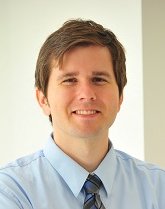 Brian M. Phillips合作论文数University of Maryland, University of Maryland9
 Chengyin Liu (柳成荫)合作论文数Harbin Institute of Technology, Shenzhen9
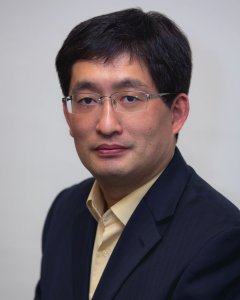 Cheng Chen (陈城)合作论文数山东大学9Juan M. Caicedo合作论文数8Juan Caicedo合作论文数7
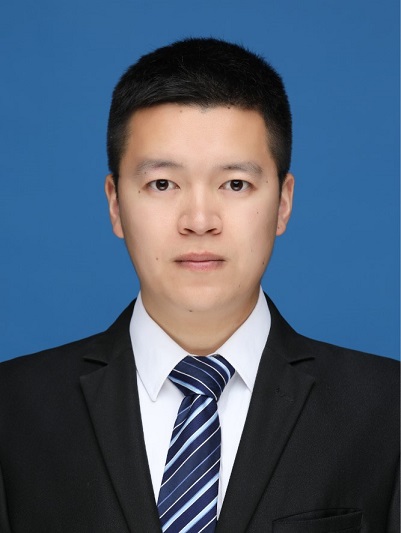 Jiang Hao (蒋浩)合作论文数College of Mechanical and Vehicle Engineering, Hunan University7
 Robert Petrulis合作论文数7
 Yohanna MejiaCruz合作论文数San Francisco State University6
 Jean Michel Franco合作论文数University of South Carolina6
 Wei-Ting Lu合作论文数5
 Shirley J. Dyke合作论文数School of Mechanical Engineering, Purdue University4
 Hamid Shahnasser合作论文数4
 Nicholas Langhoff合作论文数3Samuel Benzoni合作论文数3
 Zahira Merchant合作论文数Dept Equ Leadership Studies & Instruct Technol, San Francisco State Univ3
 David Quintero合作论文数3Adam M. Scianna合作论文数3
 Hao Jiang (蒋昊)合作论文数Frontier Institute of Chip and System, Fudan University;College of Integrated Circuits & Micro-Nano Electronics, Fudan University3John T. Dewolf合作论文数3Yi Gong合作论文数2Nick Sherrow-Groves合作论文数2Garrett Hainline合作论文数Univ South Carolina2anthony friedman合作论文数2
 Xiaorong Sun合作论文数2
 Shinae Jang合作论文数2
 Nolan Tsuchiya合作论文数2
 Chenhao Jin (金辰昊)合作论文数Business School of Hohai University;School of Economics and Finance, Hohai University2Zhenyu Zhang (张振宇)合作论文数The Department Of Information Engineering, Chongqing Communication Institute,
Chongqing,China2Xiuyu Gao合作论文数Purdue University2
Chenhao Jin (金辰昊)合作论文数Business School of Hohai University;School of Economics and Finance, Hohai University2Zhenyu Zhang (张振宇)合作论文数The Department Of Information Engineering, Chongqing Communication Institute,
Chongqing,China2Xiuyu Gao合作论文数Purdue University2 Jeongho Kim合作论文数1
 Aliz Fischer合作论文数1Chase Hibbard合作论文数1Nate Warner合作论文数1shelley plude合作论文数1ryan ahn合作论文数1Chen Hui合作论文数1Sergio Lobo-Aguilar合作论文数1Wang Fei合作论文数1
 Baiping Dong合作论文数State Key Lab Disaster Reduct Civil Engn, Tongji Univ1
 D. Shook合作论文数Skidmore Owings & Merrill Inc1
 Tyler David Sheaves合作论文数School of Engineering, San Francisco State University, San Francisco , CA, USA1James Dalton合作论文数1




