This work explores a novel enhancement to conventional narrow gap gas tungsten arc welding assisted by alternating magnetic fields (AMF-GTAW), wherein a high-frequency oscillating filler wire is introduced to actively manipulate molten pool dynamics. Through a combination of experimental observations and computational simulations, the role of oscillation frequency in influencing fluid behavior within the weld pool is comprehensively analyzed. The findings demonstrate that wire oscillation frequencies of 50 and 100 Hz produce stable interactions with the molten pool, supporting consistent weld formation. Microstructural examination indicates a marked reduction in prior-beta grain size (2875 +/- 312 to 526 +/- 289 mu m), correlating with increased oscillation frequency. The kinetic energy imparted by the oscillating wire significantly intensifies fluid circulation, promoting more vigorous flow compared to conventional AMF-GTAW. Additionally, the periodic reversal of wire motion introduces asymmetric momentum transfer across the groove, leading to frequent turbulent collisions at the molten pool's rear, thereby enhancing internal mixing. At 50 Hz, a transient "pause" phase occurs, during which both vortex formation at the pool's tail and flow rates near the solid-liquid boundary remain lower than at 100 Hz. Overall, this hybrid technique offers a promising pathway for achieving refined microstructures and structurally sound joints in thick-section Ti-6Al-4V components.
Identifying bridge modal parameters (MPs) through vehicle vibrations has gained traction in recent bridge health monitoring research. This study introduces a three-stage framework leveraging the time-frequency analysis (TFA) of a moving two-axle vehicle to extract bridge MPs without requiring prior knowledge of vehicle properties. The framework begins with the Fast Fourier Transform (FFT) to detect bridge frequencies from vehicle body responses. Fourier filtering then isolates the corresponding time-domain signals, followed by Wavelet Transform (WT) to generate time-frequency spectrograms and reconstruct bridge mode shapes. To mitigate road roughness interference, two strategies are proposed: a direct modal extraction method and a response subtraction technique. Both effectively reduce roughness-induced distortions, as validated through numerical simulations and field tests. Results demonstrate that the method accurately extracts bridge frequencies and mode shapes from two-axle vehicle responses, achieving high precision even under varying operational conditions. By eliminating the need for vehicle parameter calibration, this approach offers a practical, cost-effective solution for bridge health monitoring, with broad applicability in engineering practice.
Magnetically impelled arc butt (MIAB) welding is a cutting-edge joining method developed specifically for tubular components, mainly used in the automotive industry. Arc rotation velocity is an important process parameter which affects welding quality. However, there is a lack of a simple and efficient velocity acquisition method that does not interfere with the welding process. In this paper, the characteristics of arc rotation in magnetically impelled arc butt welding are analyzed from the perspective of Lorentz force for the first time, and a potential simple and efficient velocity acquisition method based on voltage waveform is proposed. The results show that the voltage is different due to the uneven distribution of magnetic flux density on the circumference of the tube end and the different deflection amplitude of arc under different magnetic flux density. Therefore, the periodicity of the voltage waveform is corresponded to the arc rotation. The transmission of plasma in the rotating arc is maintained by collision ionization of electrons and neutral particles. With the increase of exciting current, the arc deflection amplitude and voltage increase, resulting in more heat input being distributed into the gap region, which is conducive to the occurrence of collision ionization and the increase of arc rotation velocity (from 26.2 m/s to 36.2 m/s), the melting uniformity of tube end is improved effectively, and the difference of mechanical properties between the top and bottom of the joint is also reduced.
In recent years, recognizing bridge modal parameter (MP) utilizing the vibration signals of passing vehicle has garnered significant research attention. To address the two major challenges in the practical engineering applications of this method, namely extracting vehicle-bridge contact point (CP) responses and eliminating the adverse effects of road roughness, this paper proposed a novel method for obtaining MP based on tire pressure variations of a two-axle test vehicle crossing the bridge. The process began by converting tire pressure variations into the relative displacement of the axle and contact point (RD of A-CP), which was then utilized in the vehicle vibration equations to solve for CP displacement. By subtracting CP displacements from two consecutive runs, the influence of road roughness can be eliminated. Subsequently, the residual response was subjected to variational mode decomposition (VMD) to obtain the modal components. The MP was identified by applying fast Fourier transform (FFT) and Hilbert transform (HT) to the decomposed components. Numerical simulations validated the adverse effects of roughness on MP extraction and demonstrated the effectiveness of the proposed elimination method. The responses from the two-axle vehicle's front and rear tires successfully identified the first three MPs, including frequencies and mode shapes. In field testing using an inspection vehicle, tire pressure variations effectively identified the first-order MP of the bridge.
Interferometric Synthetic Aperture Radar (InSAR) provides unique advantages for sea-crossing bridge monitoring through continuous, large-scale deformation detection. Dividing monitoring data into specific deformation patterns helps establish the connection between bridge deformation and its underlying mechanisms. However, the classification of complex and nonlinear bridge deformations often requires extensive manual labeling work. To achieve automatic classification of deformation patterns with minimal labeled data, this study introduces a transfer learning approach and proposes an InSAR-based method for deformation pattern recognition of cross-sea bridges. At first, deformation time series of the study area are acquired by PS-InSAR, with GNSS results confirming less than 10% error. Then, six types of deformation are identified, including stable, linear, step, piecewise linear, power law, and temperature-related types. Large amounts of simulated data with labels are generated based on these six types. Subsequently, four models—TCN, Transformer, TFT, and ROCKET—are trained using synthetic data and finely adjusted using few real data. Finally, the final classification results are weighted by the classification results of multiple models. Even though confidence and global consistency of each single model are also calculated, the final result is the combined result of a set of multi-type confidences. ROCKET achieved the highest accuracy on simulation data (96.27%) in these four representative models, while ensemble weighting improved robustness on real data. The methodology addresses supervised learning’s labeled data requirements through synthetic data generation and ensemble classification, producing probabilistic outputs that preserve uncertainty information rather than deterministic labels. The framework enables automatic classification of sea-crossing bridge deformation patterns with minimal labeled data, identifying patterns with distinct dominant factors and providing probabilistic information for engineering decision making.
Existing bridge monitoring methods face high monitoring costs, and the processing and forecasting of monitoring data often rely on machine learning which lacks interpretability in the prediction results. Based on the Neural Basis Expansion Analysis for Time Series Forecasting (N-Beats) model, this study proposes an SAR-Nbeats (S-N) model for extracting, decomposition, and predicting bridge deformation. The input of S-N model is the bridge deformation data, which are obtained by Persistent Scatterer Interferometric Synthetic Aperture Radar (PS-InSAR) technique. At first, using Sentinel-1A imagery from 2018 to 2023 as the data source, bridge deformation results are obtained through PS-InSAR technology. Then, extremum symmetric mode decomposition and seasonal-trend decomposition are employed to decompose bridge deformation into trend, seasonal, and random components effectively, conducting adaptive classification based on different periods. Finally, based on the periodic and trend characteristics of bridge deformation, improvements and parameter adjustments are made to conventional N-Beats algorithms. The time-series data after decomposed are used as input to train the improved N-Beats model and obtain prediction results. Compared with the original algorithm, the main improvements include transforming the input data into modal decomposed data and associating the parameters of the fitting function with the deformation composition of the bridge. The bridge deformation patterns were evaluated based on climatic rules and InSAR time-series prediction results, yielding the following findings: by comparing the prediction results, the performance of SAR-Nbeats model is better than Long Short-Term Memory (LSTM) and Autoregressive Integrated Moving Average Model (ARIMA), which has highest R 2 0.8605. The SAR-Nbeats model improves the accuracy and interpretability of bridge deformation predictions by refining the input of the data-driven forecasting model. It can achieve the goal of monitoring and early warning for bridges without ground-based monitoring systems with lower computational effort and faster processing speeds.
As an essential reference to bridge dynamic characteristics, the identification of bridge frequencies has far-reaching consequences for the health monitoring and damage evaluation of bridges. This study proposes a uniform scheme to identify bridge frequencies with two different subspace-based methodologies, i.e., an improved Short-Time Stochastic Subspace Identification (ST-SSI) method and an improved Multivariable Output Error State Space (MOESP) method, by simply adjusting the signal inputs. One of the key features of the proposed scheme is the dimensionless description of the vehicle–bridge interaction system and the employment of the dimensionless response of a two-axle vehicle as the state input, which enhances the robustness of the vehicle properties and speed. Additionally, it establishes the equation of the vehicle biaxial response difference considering the time shift between the front and the rear wheels, theoretically eliminating the road roughness information in the state equation and output signal effectively. The numerical examples discuss the effects of vehicle speeds, road roughness conditions, and ongoing traffic on the bridge identification. According to the dimensionless speed parameter Sv1 of the vehicle, the ST-SSI (Sv1 < 0.1) or MOESP (Sv1 ≥ 0.1) algorithm is applied to extract the frequencies of a simply supported bridge from the dimensionless response of a two-axle vehicle on a single passage. In addition, the proposed methodology is applied to two types of long-span complex bridges. The results show that the proposed approaches exhibit good performance in identifying multi-order frequencies of the bridges, even considering high vehicle speeds, high levels of road surface roughness, and random traffic flows.
The present study employed swing filler wire to enhance the microstructure and properties of thick joints in Ti–6Al–4V titanium alloy by narrow gap alternating-magnetic-field-assisted tungsten gas welding (AMF-GTAW). Results show that the addition of swing filler wire resulted in the refinement of prior β grains and α laths. Consequently, the tensile strength exhibited an increase from 877 ± 13 MPa to 913 ± 24 MPa (4.1% increase), while the fracture elongation showed a significant improvement from 6.3% ± 1.1% to 8.7% ± 0.9% (38.1% increase). The introduction of swing filler wire alters the flow state of the molten pool and exerts a stirring effect on its entirety. This stirring effect promotes nucleation and dendrite fragmentation within the molten pool.
To address the limitations in accuracy, reliability, and efficiency of traditional cable tension measurement methods, this paper proposes a cable tension assessment method based on 3D laser scanning technology that considers point cloud density. This study first employed a point cloud plane projection algorithm to reduce a 3D point cloud model to a 2D plane, fitting the actual cable shape by considering point cloud density. Subsequently, the parabolic and catenary cable mechanics models were derived to characterize the relationship between cable tension and shape based on force analysis of cable segments and differential segments. The Broyden-Fletcher-Goldfarb-Shanno (BFGS) algorithm was applied to calculate cable tensions using the measured cable shape and the mechanic's models, and the proposed cable tension assessment method was validated using practical cable point cloud models. Finally, the cable tension assessment method was applied to a specific sea-crossing bridge and compared with the traditional frequency method. The results indicated that the 3D laser scanning cable tension assessment method, considering point cloud density, could quickly and accurately identify cable tensions, offering greater accuracy, reliability, and efficiency compared to the traditional frequency method.
This study presents a new method for refining Ti-6Al-4V prior-β grain in the alternating magnetic field assisted narrow gap gas tungsten arc welding (AMF-GTAW) process by stirring the molten pool, which is accomplished directly through the use of an oscillating filler wire. The wire feed rate can be increased from 1.8m/min to 2.2m/min by filler wire oscillation in the traditional AMF-GTAW process with minimal heat input. This method greatly increases welding efficiency by efficiently utilizing the energy of the arc and molten pool. Using a high-speed camera, the flow behavior of the molten pool was investigated under different filler wire oscillating amplitudes. The results showed that the oscillation of the filler wire can cause a violent stir in the molten pool. By increasing the oscillating amplitude of filler wire, one can refine the columnar prior-β grain structure and attain a morphology of the upper layer of the welded joint that is nearly equiaxed with crystallographic texture, all while maintaining a fixed heat input. This is because the wire's insertion into the molten pool also creates a negative thermal gradient and the filler wire's high-frequency and high-amplitude oscillation creates an intense convection that prevents randomly oriented nuclei and/or dendrite fragments from remelting and promotes nucleation activation. The oscillating amplitude of 6mm and the oscillating frequency of 100Hz are the ideal values for this effect.
The study proposes a Kalman Filter Family-schemed algorithm to identify the vehicle’s parameters and evaluate the road roughness simultaneously, based on the response of an adapted monitoring vehicle. The vehicle is simplified as a three-dimensional multi-body system consisting of the unsprung mass of wheels and the sprung mass of the car body, connected by springs and dampers that represent the suspension system. Accelerometers and a gyroscope measure the accelerations or angular velocity of different positions of the vehicle during vibrations. The Kalman filter (KF) with unknown inputs enables the prediction of the car body’s accelerations from those of wheels. On the other hand, the Augmented KF can compute the accelerations of wheels based on the car body’s accelerations. Thus, an inner-systemic objective function incorporating the vehicle’s parameter is built between the predicted and measured accelerations and solved in an optimized manner with the Genetic Algorithm, so that an individual complicated impact test or bump test is avoided. The numerical examples carry out field tests on a 900[Formula: see text]m long standardized test road under two scenarios of with and without a bump. The road roughness estimated by these two KF methods from different measurements is used to calculate the International Roughness Index (IRI) and further the Riding Quality Index, which are compared with those directly provided by a standardized laser IRI profilometer. Accordance in between confirms the accuracy of the proposed algorithm under different scenarios. The analysis underlines the measurements from unsprung wheels that contact directly with the road enable a more accurate estimation of road roughness than those from the sprung car body. In addition, a vehicle speed lower than 40[Formula: see text]km/h can provide a better estimation of the road profiles.
An innovative methodology has been developed to control energy distribution, fluid behavior of the molten pool, and fusion at the sidewall during the process of Gas tungsten arc welding (GTAW) process in a narrow gap with an alternating magnetic field by synchronizing the swing of the filler wire and arc. Utilizing a high-speed camera, we observed that the swinging filler wire ensured a stable transition zone between the molten material and the sidewall, effectively mitigating poor wetting and lack-of-fusion defects along the sidewalls. The synchronized swing of the filler wire and arc significantly enhanced the flow of the molten pool. Increasing the speed of the filler wire swing intensified the erosion caused by the molten pool on the sidewall, thus preventing the occurrence of a lack-of-fusion defect on the sidewall. This occurs because the proximity of the filler metal to the sidewall allows for an adequate accumulation of liquid metal, which, using the heat from the molten pool, induces melting at the sidewall, subsequently resulting in the formation of a concave liquid surface. Moreover, the combined effects of arc pressure, arc shear stress, surface tension, and the momentum provided by the swinging wire caused the molten weld pool to flow toward the sidewall.
The acquisition of bridge frequency by using the ubiquitous ordinary passenger vehicles and smartphones in cities has attracted an increasing amount of attention. This study proposes a bridge monitoring method and develops a vehicle-bridge crowdsourcing monitoring (VBCM) platform for public participation. It takes smartphones carried by vehicles as monitoring terminals for a long-term bridge monitoring task. To validate the feasibility of available smartphone brands as a signal collector, a small shake table test is carried out and the processing scheme for the smartphone sampling data is investigated. A smartphone sensor frequency gain technique is proposed to satisfy the fusion of multisensor data in different smartphones. Furthermore, a magnetic target identification technique is proposed to pick up and extract the bridge response signal segment corresponding to the vehicle's entering and leaving, as well as to eliminate redundant data. To this end, the network of multiple smartphones is synchronized. For the sake of applicability and feasibility, a series of scaled experiments are conducted in the laboratory considering an adapted toy car driving over a simply supported steel bridge. The results demonstrated the practicality of the proposed methodology. The combination of easily accessible smartphones oriented to a crowdsourcing model and a driving vehicle lowers the threshold for the bridge monitoring process, which also pinpoints a potential for future structural health monitoring development.
To assess the combined risks of long-span suspension bridges under continuous wind loads and occasional earthquakes,a risk assessment framework for cross-sea suspension bridges based on improved Bayesian networks was proposed by combining the quantitative analysis of the structural damage probability and the qualitative assessment of the damage consequences during bridge operation.First,the damage degree of each component was obtained according to the characteristics of the suspension bridge and the results of wind and earthquake analyses.Then,the failure probability of the bridge structure was calculated using the theory of structural reliability.Finally,the risk assessment model of the suspension bridge based on improved Bayesian networks was proposed to evaluate the risk during bridge operation.The results show that considering the varying impacts of different bridge components,the bridge damage level can be categorized into four degrees based on its disaster resilience.Taking the Lingdingyang Bridge as an example,the maximum risk level under multihazard risks is level 3 according to the proposed method,which requires traffic restrictions and maintenance.Therefore,this method can guide the emergency management strategy of sea-crossing bridges in response to multihazard risks.
As a critical characteristic curve of bridge structures, the influence line (IL) is effective in evaluating the bridge damage and bearing capacity. Contrary to conventional methods using static loading to obtain IL, this study proposes a methodology to determine the rotation influence line (RIL) based on the vehicle–bridge interaction (VBI) under random traffic loads. A key feature is the employment of the machine learning algorithm to determine the RIL from the upper and lower bridge response data induced by traffic flow, which is simulated using the cellular automata (CA) approach. Subsequently, by establishing a relationship between the RIL difference and the structural damage coefficient, this study identifies the bridge damage location and degree effectively. The numerical example results validate the accuracy in identifying both single- and multi-damage cases. The parameter analysis indicates that larger vehicle speed induces higher errors in identifying the RIL and the bridge damage.
Bridge frequency (BF) identification using the vehicle scanning method has attracted considerable attention during the last two decades. However, most previous studies have adopted unrealistic vehicle models, thus finding limited practical applications. This study proposes a smartphone-based BF identification method that uses the contact-point acceleration response of a four degree-of-freedom vehicle model. The said response can be inferred from the vehicle body response measured by a smartphone. For realizing practical applications, this method is incorporated into a self-developed smartphone app to obtain data smoothly and identify BFs in a timely manner. Numerical and experimental investigations are performed to verify the effectiveness of the proposed method. In particular, the robustness of this method is investigated numerically against various factors, including the vehicle speed, bridge span, road roughness, and bridge type. Furthermore, laboratory calibration tests are performed to investigate the accuracy of the smartphone gyroscope in measuring the angular velocity, where anomalous data are detected and eliminated. Laboratory experiment results for a simply supported bridge indicate that the proposed method can be used to identify the first two BFs with acceptable accuracy.
The gas tungsten arc welding (GTAW) molten pool are numerical and experimentally determined to be wetting and stirring with an extra transverse alternating magnetic field (ETAMF). The trace particle behaviors in the molten pool were identified to demonstrate molten pool flow behavior with the use of a camera system in the GTAW process. Taking advantage of mathematical models, we present the calculated results of temperature fields, flow fields, pressure fields with and without ETAMF for comparison. The result revealed that reduction of the solid/liquid surface tension attributed to the periodic heating of the side walls facilitates the wetting and flow of the molten pool's edge, which takes on a critical significance to the formation of a concave liquid level in a narrow gap. Arc pressure, Lorentz force and arc shear force primarily accounted for the molten pool's flow and morphological change. As the arc deflected to one side wall, the liquid melt accumulated at the bottom of the side under the driving forces, accompanied by wetting and flow behavior. At equilibrium, the molten pool flowed outward the center of the anode point and eventually converged to the bottom of the other side wall. The variation of the arc deflection direction broke the previous equilibrium state, and the molten pool's flow direction is forced to change, resulting in a stirring effect.
The combined effect of environmental corrosion and fatigue loads can accelerate the failure of stay cables. To ensure the safe operation of stay cables, this paper proposed a method for evaluating the fatigue life of stay cables, considering the variability of steel wire corrosion within the cable. Firstly, the relationship between the mean value and the standard deviation of uniform corrosion depth was established based on the experimental data of the corroded steel wires under the artificial accelerated corrosion environment. Then, the model of cable time-vary corrosion under the actual service environment was substituted, and the distributions of the weight loss rate of steel wires were obtained. Subsequently, a method for calculating the fatigue life of stay cables considering the corrosion variability of steel wires in the cable was proposed based on the parallel system theory and the Miner linear cumulative damage criterion. Finally, the North Channel Bridge (NCB) of Hangzhou Bay Bridge was used as an example, and the fatigue life distribution of stay cable under the combined action of corrosion and vehicle load was predicted. The results indicate that considering the corrosion variation of steel wires in the cable leads to a reduction in the fatigue life of stay cables, and neglecting this variability in fatigue life prediction methods is unsafe and non-conservative.
Smart steel wire (SSW), with the advantage of both high-strength and sensitive force-sensing, is promising in wide engineering applications. However, the coupling effect of corrosion and fatigue may cause measurement misalignment or even fracture of SSW during its service life. To study the fatigue and sensing performance of SSW under corrosion, this paper presented the sensing performance of SSW according to the Fiber Bragg Grating (FBG) sensing principle and the fatigue life estimation method of SSW based on the Basquin Equation. Then, the effects of corrosion on the fatigue and sensing performance of SSW were experimentally investigated in terms of the weight loss rate (WLR). Finally, the fatigue life and sensing models for corroded SSW were established and verified using the experimental data. The proposed models show excellent accuracy for the estimation of the long-term performance of SSW and can be used to guide the engineering practice of smart cables.
 Jiayi Ma (马佳义)合作论文数Electronic Information School, Wuhan University;Multi-spectral Visual Information Processing Group, Wuhan University12
 Xiangen Shi (石祥恩)合作论文数首都医科大学三博脑科医院12
 Jun Teng (滕军)合作论文数School of Civil and Environmental Engineering, Harbin Institute of Technology, Shenzhen11
 Zhaoshuo Jiang合作论文数9
 Chang Li (李畅)合作论文数School of Instrument Science and Optoelectronic Engineering, HFUT9
 Xiaoguang Mei (梅晓光)合作论文数Electronic Information School, Wuhan University8
 John T. Dewolf合作论文数7
 He Xianyin合作论文数6
 Qingjie Sun (孙清洁)合作论文数College of Materials Science and Engineering, Harbin Institute of Technology, Weihai6
 Yibo Liu (刘一搏)合作论文数School of Materials Science and Engineering, Harbin Institute of Technology, Weihai6
 Qi Sun (孙琦)合作论文数Department of Materials Science, Fudan University6
 Fuzheng Zhang (张福征)合作论文数Beijing Pinggu Hospital5
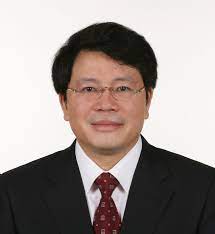 Jinping Ou (欧进萍)合作论文数School of Civil Engineering, Harbin Institute of Technology5
 Jun Huang (黄珺)合作论文数Multi-spectral Visual Information Processing Group, Wuhan University;School of Robotics, Wuhan University5
 Xishuang Han (韩喜双)合作论文数School of Economics and Management, Harbin Institute of Technology, Shenzhen5Qing T. Zeng合作论文数Decision Systems Group
Harvard Medical School5
Xishuang Han (韩喜双)合作论文数School of Economics and Management, Harbin Institute of Technology, Shenzhen5Qing T. Zeng合作论文数Decision Systems Group
Harvard Medical School5 Jeongho Kim合作论文数4Guo Yukun合作论文数4Yipeng Zhu合作论文数4
 Sheng Yu (郁胜)合作论文数School of Safety Science and Emergency Management, Wuhan University of Technology4
 Yuming Sun (孙玉明)合作论文数首医大三博脑科医院(北京)有限公司4Han Shen (沈晗)合作论文数广东药学院 生命科学与生物制药学院 广东 广州 5100064
 Zhengqing Chen (陈政清)合作论文数College of Civil Engineering, Hunan University4
 Ying Xu (许颖)合作论文数School of Intelligent Civil and Ocean Engineering, Harbin Institute of Technology, Shenzhen.4Qinghua Zhang合作论文数3Alec Maxwell合作论文数3Zhang Haijing合作论文数3
 Y Cheng合作论文数3Lei Zhang (张磊)合作论文数3Ning Wu合作论文数3CaiYong Wang (王才永)合作论文数3Xiuyong Wang (王修勇)合作论文数3
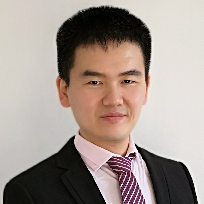 Junjun Jiang (江俊君)合作论文数School of Computer Science and Technology, Harbin Institute of Technology3
 Shengqing Liao (廖圣清)合作论文数School of Journalism, Yunnan University3
 Zhongdong Duan (段忠东)合作论文数School of Intelligent Civil and Ocean Engineering, Harbin Institute of Technology, Shenzhen3
 Zhongqing Zhou (周忠清)合作论文数Sanbo Brain Hospital, Capital Medical University3Luo Congcong合作论文数2D'Attilio Paul合作论文数2eric feldblum合作论文数2Samuel Benzoni合作论文数2Kexin Kang合作论文数2Chai Lei合作论文数2Yi Gong合作论文数2ZHANG Haijiang (张海江)合作论文数2Fang Kun合作论文数2YAN Cheng (晏铖)合作论文数2Weijie Xu合作论文数2Shu-zi GAO (高树梓)合作论文数2Xiang Wu合作论文数2




