Effectively modeling discriminative spatio-temporal information is essential for segmenting activities in long action sequences. However, we observe that existing methods are limited in weak spatio-temporal modeling capability due to two forms of coupled modeling: (i) Cascaded interaction couples spatial and temporal modeling, which over-smooths motion modeling over the long sequence, and (ii) Joint-shared temporal modeling adopts shared weights to model each joint, ignoring the distinct motion patterns of different joints. In this paper, we present a Decoupled Spatio-Temporal Framework (DeST) to address the above issues. Firstly, we decouple the cascaded spatio-temporal interaction to avoid stacking multiple spatio-temporal blocks, while achieving sufficient spatio-temporal interaction. Specifically, DeST performs once unified spatial modeling and divides the spatial features into different groups of sub-features, which then adaptively interact with temporal features from different layers. Since the different sub-features contain distinct spatial semantics, the model could learn better interaction patterns at each layer. Meanwhile, inspired by the fact that different joints move at different speeds, we propose joint-decoupled temporal modeling, which employs independent trainable weights to capture distinctive temporal features of each joint. On four large-scale benchmarks of different scenes, DeST significantly outperforms current state-of-the-art methods with less computational complexity. Our code is available at: https://github.com/lyhisme/DeST .
Diffusion-based real-world image super-resolution (Real-ISR) methods have demonstrated impressive performance. To achieve efficient Real-ISR, many works employ Variational Score Distillation (VSD) to distill pre-trained stable-diffusion (SD) model for one-step SR with a fixed timestep. However, since SD will perform different generative priors at different timesteps, a fixed timestep is difficult for these methods to fully leverage the generative priors in SD, leading to suboptimal performance. To address this, we propose a Time-Aware one-step Diffusion Network for Real-ISR (TADSR). We first introduce a Time-Aware VAE Encoder, which projects the same image into different latent features based on timesteps. Through joint dynamic variation of timesteps and latent features, the student model can better align with the input pattern distribution of the pre-trained SD, thereby enabling more effective utilization of SD's generative capabilities. To better activate the generative prior of SD at different timesteps, we propose a Time-Aware VSD loss that bridges the timesteps of the student model and those of the teacher model, thereby producing more consistent generative prior guidance conditioned on timesteps. Additionally, though utilizing the generative prior in SD at different timesteps, our method can naturally achieve controllable trade-offs between fidelity and realism by changing the timestep. Experimental results demonstrate that our method achieves both state-of-the-art performance and controllable SR results with only a single step.
Recent advances in Diffusion Transformer (DiT)-based video generation technologies have shown impressive results for video object removal. However, these methods still suffer from substantial inference latency. For instance, although MiniMax Remover achieves state-of-the-art visual quality, it operates at only around 10 FPS, primarily due to dense computations over the entire spatiotemporal token space—even when only a small masked region actually requires processing. In this paper, we present YOSE — You Only Select Essential Tokens, an efficient fine-tuning framework. YOSE introduces two key components: Batch Variable-length Indexing (BVI) and Diffusion Process Simulator (DiffSim) Module. BVI is a differentiable dynamic indexing operator that adaptively selects essential tokens based on mask information, enabling variable-length token processing across samples. DiffSim provides a diffusion process approximation mechanism for unmasked tokens, which simulates the influence of unmasked regions within DiT self-attention to maintain semantic consistency for masked tokens. With these designs, YOSE achieves mask-aware acceleration, where the inference time scales approximately linearly with the masked regions — in contrast to full-token diffusion methods whose computation remains constant regardless of the mask size. Extensive experiments demonstrate that YOSE achieves up to 2.5x speedup in 70% of cases while maintaining visual quality comparable to the baseline. The code will be made publicly available.
Camouflaged object detection (COD) aims to segment objects that closely resemble their surrounding environments. Vision foundation models (VFMs) provide strong transferable representations for COD, but their large-scale architectures and full-token processing incur substantial computational overhead. To address this issue, we propose Certainty-Aware Token Sparsification (CATS) for efficient VFM-based COD. Rather than estimating general token importance, CATS determines whether each token still requires deeper refinement according to its foreground–background certainty. It progressively terminates the independent updates of high-certainty tokens while retaining ambiguous tokens for further reasoning, thereby shortening the active token sequence across encoder stages. Since computational redundancy does not imply informational irrelevance, we further introduce Dual-Path Feature Compensation (DPFC), which separately compresses removed foreground and background tokens into compact certainty-weighted prototypes. Extensive experiments across multiple VFMs, backbone scales, COD architectures, and benchmark datasets show that our method significantly reduces computational cost with only marginal accuracy degradation, suggesting a favorable accuracy–efficiency trade-off for VFM-based COD. The code will be released.
The point-based occupancy prediction paradigm has achieved an attractive trade-off between accuracy and efficiency by modeling 3D space sparsely. However, its predictions inherently mismatch the dense voxel-based occupancy required by self-driving systems, necessitating hand-crafted heuristics during training and inference that limit final performance. To overcome these limitations, we propose OPUS-V2, a novel framework built upon the pioneering OPUS (occupancy prediction using a sparse set) point-based approach. OPUS-V2 incorporates a lightweight point-voxel transformation (PVT) module behind the decoder to adaptively map sparse predictions into the dense voxel space, eliminating the need for suboptimal operations and improving model accuracy. Furthermore, our architecture decouples feature and occupancy generation processes, allowing OPUS-V2 to adapt to arbitrary occupancy resolutions. OPUS-V2 achieves a state-of-the-art rayIoU of 44.0 on the Occ3D dataset. On the more challenging OpenOccupancy dataset, it attains a competitive 16.4 mIoU while running in real time at 20.6 FPS.
We propose ControlMLLM++, a novel test-time adaptation framework that injects learnable visual prompts into frozen multimodal large language models (MLLMs) to enable fine-grained region-based visual reasoning without any model retraining or fine-tuning. Leveraging the insight that cross-modal attention maps intrinsically encode semantic correspondences between textual tokens and visual regions, ControlMLLM++ optimizes a latent visual token modifier during inference via a task-specific energy function to steer model attention towards user-specified areas. To enhance optimization stability and mitigate language prompt biases, ControlMLLM++ incorporates an improved optimization strategy (Optim++) and a prompt debiasing mechanism (PromptDebias). Supporting diverse visual prompt types including bounding boxes, masks, scribbles, and points, our method demonstrates strong out-of-domain generalization and interpretability. The code is available at https://github.com/mrwu-mac/ControlMLLM.
Novel class discovery (NCD) aims to discover novel categories in an unlabeled dataset by employing a model that is trained on a labeled dataset with different but semantically related categories. The challenge of this task is that the model needs to learn discriminative representations from seen categories that can accurately group unseen categories. Existing methods typically pre-train models on seen data only containing limited semantic categories, resulting in the learned representation less discriminative for varied unseen categories that may be encountered in the future. In this paper, we propose a novel richer prior knowledge (RPK) module to learn diverse and discriminative representation for future novel categories by exposing the model to a large number of synthetic visual categories. Our insight is that the more categories the model has seen during pre-training, the less biased the learned representation space will be to the base categories. To demonstrate the effectiveness of our approach, we conduct extensive experiments on a variety of datasets and settings, which validates the effectiveness of our proposed method. Additionally, our approach can be easily integrated into other methods and achieves superior performance.
Image retouching is commonly formulated as enhancing overall visual quality through color adjustment, but in practice, it also serves to emphasize visual focus by guiding viewers' attention toward a specific subject or region. Achieving such focus-oriented retouching is inherently challenging, as it requires well-coordinated global and local adjustments to manipulate perceptual saliency while maintaining visual naturalness. This intricate process typically demands substantial professional expertise. In this study, we propose EyeControl, a MLLM-driven agent with a diffusion-based retouching executor that enables visual focus enhancement under weak user intent. With only a few clicks or coarse strokes, EyeControl directs visual attention to the intended region, effectively "dotting the eye" of the image. The core idea is to explicitly link the weak user intention with the target editing region and the corresponding tonal adjustment operations during retouching. To achieve this, the system first interprets the intent and image content to infer the visual focus and generate structured intent guidance for the retouching executor. Second, the retouching executor is encouraged to respond more strongly to the target region, explicitly aligning its attention map with a designed pseudo-intent map. We also introduce an operation-consistency constraint to improve coordination between global and local adjustments, achieving more natural and coherent retouching. Additionally, we contribute ControlArt-Bench, a high-quality evaluation dataset for visual focus enhancement. Extensive evaluations demonstrate that EyeControl yields perceptually appealing results with stronger intent alignment. Code can be found in https://github.com/DragonisCV/EyeControl.
Deploying Vision-Language Models (VLMs) under aggressive low-bit inference remains challenging because inference cost is dominated by the long visual-token prefix during prefill and the growing KV cache during autoregressive decoding. Token pruning and low-bit quantization are complementary for reducing these costs, yet naive stage-wise combinations are often brittle due to a mismatch between quantization calibration and pruning execution. We present a collaborative quantization-and-pruning framework that unifies low-bit inference and deterministic visual-token pruning in a single deployable pipeline. The framework introduces the Quantization Unified Offline Token Allocator (QUOTA), which converts low-bit calibration signals into a layer-wise token allocation schedule and materializes it as a pruning recipe. Token importance is evaluated under deployed W4A4 operators with a quantized KV cache by combining activation magnitude, attention cues, and an explicit low-bit risk signal, enabling consistent budgeted top-k selection. Experiments on standard VLM benchmarks show improved robustness over stage-wise baselines under the same low-bit regime, achieving 95.65% average retention while retaining only 30% of visual tokens, compared with about 94.3% retention for representative stage-wise combinations. The code will be released.
While Multimodal Large Language Models (MLLMs) excel at vision-language tasks, the cost of their language-driven training on internal visual foundational competence remains unclear. In this paper, we conduct a detailed diagnostic analysis to unveil a pervasive issue: visual representation degradation in MLLMs. Specifically, we find that compared to the initial visual features, the visual representation in the middle layers of LLM exhibits both a degradation in global function and patch structure. We attribute this phenomenon to a visual sacrifice driven by the singular text-generation objective, where the model compromises its visual fidelity to optimize for answer generation. We argue that a robust MLLM requires both strong cross-modal reasoning and core visual competence, and propose Predictive Regularization (PRe) to force degraded intermediate features to predict initial visual features, thereby maintaining the inherent visual attributes of the MLLM's internal representations. Extensive experiments confirm that mitigating this visual degradation effectively boosts vision-language performance, underscoring the critical importance of fostering robust internal visual representations within MLLMs for comprehensive multimodal understanding.
Existing cross-domain few-shot learning (CDFSL) methods, which develop training strategies in the source domain to enhance model transferability, face challenges when applied to large-scale pre-trained models (LMs), as their source domains and training strategies are not accessible. Besides, fine-tuning LMs specifically for CDFSL requires substantial computational resources, which limits their practicality. Therefore, this paper investigates the source-free CDFSL (SF-CDFSL) problem to solve the few-shot learning (FSL) task in target domain using only a pre-trained model and a few target samples, without requiring source data or training strategies. However, the inaccessibility of source data prevents explicitly reducing the domain gaps between the source and target. To tackle this challenge, this paper proposes a novel approach, Step-wise Distribution-aligned Style Prompt Tuning (StepSPT), to implicitly narrow the domain gaps from the perspective of prediction distribution optimization. StepSPT initially proposes a style prompt that adjusts the target samples to mirror the expected distribution. Furthermore, StepSPT tunes the style prompt and classifier by exploring a dual-phase optimization process (external and internal processes). In the external process, a step-wise distribution alignment strategy is introduced to tune the proposed style prompt by factorizing the prediction distribution optimization problem into the multi-step distribution alignment problem. In the internal process, the classifier is updated via standard cross-entropy loss. Evaluation on 5 datasets illustrates the superiority of StepSPT over existing prompt tuning-based methods and state-of-the-art methods (SOTAs). Furthermore, ablation studies and performance analyzes highlight the efficacy of StepSPT.
Robust principal component analysis (RPCA) decomposes an observation matrix into low-rank background and sparse object components. This capability has enabled its application in tasks ranging from image restoration to segmentation. However, traditional RPCA models suffer from computational burdens caused by matrix operations, reliance on finely tuned hyperparameters, and rigid priors that limit adaptability in dynamic scenarios. To overcome these limitations, we propose RPCANet++, a sparse object segmentation framework that fuses the interpretability of RPCA with efficient deep architectures. By explicitly mapping the iterative optimization steps to network layers, we bridge the gap between physical interpretability and deep representation learning. Our approach unfolds a relaxed RPCA model into a structured network comprising a Background Approximation Module (BAM), an Object Extraction Module (OEM), and an Image Restoration Module (IRM). To mitigate inter-stage transmission loss in BAM, we introduce a Memory-Augmented Module (MAM) to enhance background feature preservation, while a Deep Contrast Prior Module (DCPM) leverages saliency cues to expedite object extraction. Extensive experiments on diverse datasets demonstrate that RPCANet++ achieves state-of-the-art performance on Infrared Small Target Detection (IRSTD) and Vessel Segmentation (VS) tasks, while maintaining competitive results on Defect Detection (DD) tasks involving larger targets. We further improve interpretability via visual and numerical low-rankness and sparsity measurements. By combining the theoretical strengths of RPCA with the efficiency of deep networks, our approach sets a new baseline for reliable and interpretable sparse object segmentation. Codes are available at our Project Webpage.
One of the primary challenges in Synthetic Aperture Radar (SAR) object detection lies in the pervasive influence of coherent noise. As a common practice, most existing methods, whether handcrafted approaches or deep learning-based methods, employ the analysis or enhancement of object spatial-domain characteristics to achieve implicit denoising. In this paper, we propose DenoDet V2, which explores a completely novel and different perspective to deconstruct and modulate the features in the transform domain via a carefully designed attention architecture. Compared to DenoDet V1, DenoDet V2 is a major advancement that exploits the complementary nature of amplitude and phase information through a band-wise mutual modulation mechanism, which enables a reciprocal enhancement between phase and amplitude spectra. Extensive experiments on various SAR datasets demonstrate the state-of-the-art performance of DenoDet V2. Notably, DenoDet V2 achieves a significant 0.8% improvement on SARDet-100K dataset compared to DenoDet V1, while reducing the model complexity by half.
Object insertion aims to seamlessly composite a reference object into a specified region of a background image. Recent diffusion-based methods achieve high visual quality but formulate insertion as a simple 2D inpainting task, providing no explicit control over the object’s 3D pose and limiting their practical applicability. We propose DIRECT (Decomposed Injection for Reference Composition and Target-integration), a novel framework that integrates interactive pose manipulation with high-fidelity 2D image synthesis to enable precise geometric alignment. Our method decomposes the insertion conditions into three complementary components: appearance guidance capturing visual details from the reference object, geometry guidance derived from the user-adjusted 3D proxy, and target-integration guidance from the background image. We also introduce an automated data construction pipeline to improve training diversity and visual realism. Experiments show that DIRECT outperforms previous methods in both geometric controllability and visual quality.
Neural style transfer (NST) can create impressive artworks by transferring a reference style to a content image. Current image-to-image NST methods lack the fine-grained control often demanded for artistic editing. To mitigate this limitation, we propose a user-oriented interactive style transfer (IST) method, using which a harmonious image like drawing can be interactively created. Our IST method can serve as a brush, dipping style from anywhere, and then painting to any region of the target content image. To control the action scope, we formulate a fluid simulation algorithm, which takes styles as pigments around the position of brush interaction, and uses diffusion in style or content images according to similarity maps. By dipping and painting, even employing a single style image can produce thousands of eye-catching works. Our method expands the creative capabilities of NST.
Video camouflaged object detection (VCOD) aims to identify objects that seamlessly blend into their surroundings in video sequences. Traditional methods merely rely on visual cues to capture inter-frame motion that reveals camouflaged objects. However, the high similarity between camouflaged objects and their environments often renders pure reliance on visual cues unreliable. Additionally, random motions including camera shaking and abrupt scene transitions also inevitably bring noise into the identification process. To overcome these challenges, we propose a Motion Reasoning Chain Network (MRCNet), a novel cross-modal VCOD framework that emulates the human thought process when observing camouflaged objects, i.e., motion reasoning. Specifically, we introduce a generative sampling strategy grounded in multimodal large language models (MLLMs) to bridge the implicit knowledge space of MLLMs and the explicit representation space regarding the attributes of camouflaged objects, thereby enabling the effective establishment of the motion reasoning chain tailored for VCOD. This process provides semantic guidance for visual comprehension of camouflaged objects through motion and concept attribute reasoning. To improve the identification capability of camouflaged objects, we develop motion representation learning driven by the motion reasoning chain. It introduces hierarchical de-biased motion prototype learning to mitigate hallucinations of MLLMs, boosting the motion perception. To learn precise prompts for the visual foundation model, cross-modal prompt learning further incorporates the de-biased concept prototype into visual representations to enhance the visual comprehension of camouflaged objects. Extensive experiments across three datasets demonstrate that MRCNet achieves state-of-the-art results on both general metrics and spatiotemporal consistency metrics.
Generalized few-shot semantic segmentation (GFSS) is fundamentally limited by the coverage of novel-class appearances under scarce annotations. While diffusion models can synthesize novel-class images at scale, practical gains are often hindered by insufficient coverage and noisy supervision when masks are unavailable or unreliable. We propose Syn4Seg, a generation-enhanced GFSS framework designed to expand novel-class coverage while improving pseudo-label quality. Syn4Seg first maximizes prompt-space coverage by constructing an embedding-deduplicated prompt bank for each novel class, yielding diverse yet class-consistent synthetic images. It then performs support-guided pseudo-label estimation via a two-stage refinement that i) filters low-consistency regions to obtain high-precision seeds and ii) relabels uncertain pixels with image-adaptive prototypes that combine global (support) and local (image) statistics. Finally, we refine only boundary-band and unlabeled pixels using a constrained SAM-based update to improve contour fidelity without overwriting high-confidence interiors. Extensive experiments on PASCAL-5^i and COCO-20^i demonstrate consistent improvements in both 1-shot and 5-shot settings, highlighting synthetic data as a scalable path for GFSS with reliable masks and precise boundaries.
Fast flow models accelerate the iterative sampling process by learning to directly predict ODE path integrals, enabling one-step or few-step generation. However, we argue that current fast-flow training paradigms suffer from two fundamental issues. First, conditional velocities constructed from randomly paired noise-data samples introduce systematic trajectory drift, preventing models from following a consistent ODE path. Second, the model's approximation errors accumulate over time steps, leading to severe deviations across long time intervals. To address these issues, we propose FlowConsist, a training framework designed to enforce trajectory consistency in fast flows. We propose a principled alternative that replaces conditional velocities with the marginal velocities predicted by the model itself, aligning optimization with the true trajectory. To further address error accumulation over time steps, we introduce a trajectory rectification strategy that aligns the marginal distributions of generated and real samples at every time step along the trajectory. Our method establishes a new state-of-the-art on ImageNet 256×256, achieving an FID of 1.52 with only 1 sampling step.
Unified multimodal Large Language Models (MLLMs) hold great promise for seamlessly integrating understanding and generation. However, monolithic autoregressive architectures, despite their elegance and conversational fluency, suffer from a fundamental semantic–structural conflict: optimizing for low-level reconstructability in generation leads to catastrophic forgetting of high-level semantic understanding. We present ORION, a unified framework that resolves this conflict through Decoupling and Alignment. A non-linear vision head decouples structural pressures from shared representations, while a novel Representation Consistency Loss explicitly aligns semantics during generation. Together with a curated progressive training recipe and high-quality multimodal data, our method enables balanced optimization of both capabilities. Built purely on a monolithic autoregressive backbone without task-specific separate parameters, ORION achieves performance on par with or exceeding recent state-of-the-art unified models that rely on more complex designs. These results validate monolithic autoregression as a simple, effective, and competitive path toward truly integrated multimodal intelligence.
Dense object detection has been popular for years with the success of the multi-level learning framework. By delivering the learning of objects into a multi-level feature pyramid, such a divide-and-conquer solution eases the optimization difficulty. However, a commonly neglected problem is that the shallow levels take tons of computation due to their high resolutions of the feature maps, heavily slowing down the inference speed. To address this issue, we explore multi-level head network design by investigating performance sensitivity. The outcome is SlimHead, a simple, efficient, and generalizable head network, which further unleashes the potential of multi-level learning for dense object detectors. It operates in two stages: Slim and Fat, initially plugging interpolator before the head network functions to “slim” the feature pyramid, and then recovering the features to original solution space by “fatting” the feature pyramid. Thanks to its flexibility, operations with higher computational complexity can be easily integrated to benefit accuracy without loss of inference efficiency. We also extend our SlimHead to multiple high-level vision tasks such as rotated object detection, pedestrian detection, and instance segmentation. Extensive experiments on PASCAL VOC, MS COCO, DOTA, and CrowdHuman demonstrate the broad applicability and the high practical value of our method.
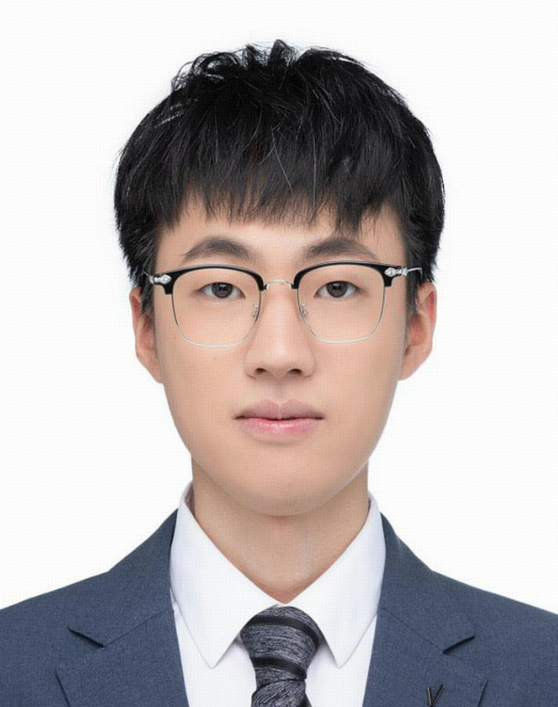 Qibin Hou (侯淇彬)合作论文数College of Computer Science, Nankai University84
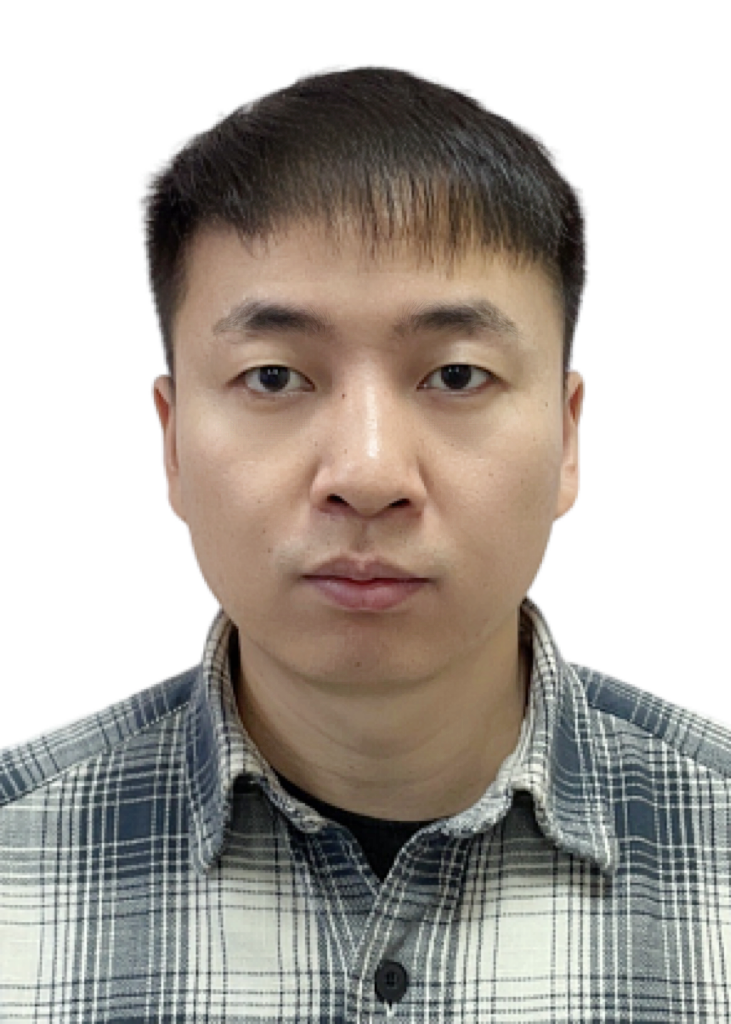 Yun Liu (刘云)合作论文数College of Computer Science, Nankai University50
 Deng-Ping Fan (范登平)合作论文数College of Computer Science, Nankai University31
 Philip H. S. Torr合作论文数Department of Engineering Science, University of Oxford;St Catherine's College, University of Oxford;Orphic29
 Xiang Li (李翔)合作论文数College of Computer Science, Nankai University28
 Le Zhang (张乐)合作论文数School of Information and Communication Engineering, University of Electronic Science and Technology of China28
 Xialei Liu (刘夏雷)合作论文数College of Computer Science, Nankai University23
 Shimin Hu (胡事民)合作论文数Department of Computer Science and Technology, Tsinghua University23
 Shanghua Gao (高尚华)合作论文数Harvard University22
 Jian Yang (杨健)合作论文数Department of Computer Science and Technology, College of Computer Science, Nankai University;School of Computer Science and Engineering, Nanjing University of Science and Technology21
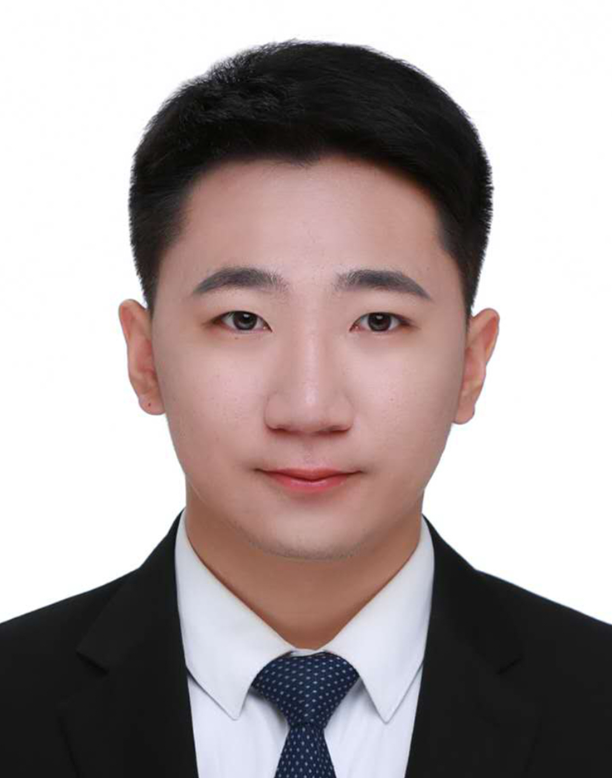 Chunle Guo (郭春乐)合作论文数College of Computer Science, Nankai University20
 Jia-Wang Bian (边佳旺)合作论文数ByteDance20
 Bo Ren (任博)合作论文数Department of Computer Science and Technology, College of Computer Science, Nankai University19
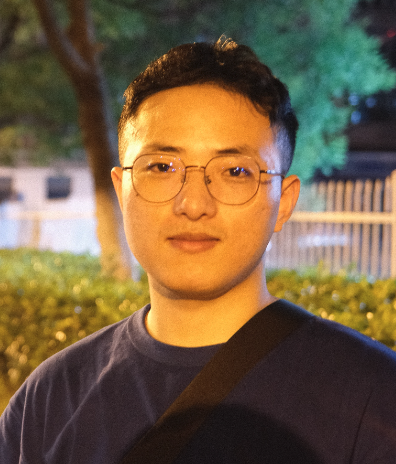 Pengtao Jiang (姜鹏涛)合作论文数Nankai University17
 Yuxuan Li (李宇轩)合作论文数VCIP Lab, College of Computer Science, Nankai University15
 Yu-Huan Wu合作论文数Nankai Univ, TKLNDST Coll Comp Sci, Tianjin 300350, Peoples R China15
 Jiashi Feng (冯佳时)合作论文数Tencent15
 Jiang-Jiang Liu (刘姜江)合作论文数Baidu14
 Niloy J. Mitra合作论文数Department of Computer Science, University College London14
 Jun Xu (徐君)合作论文数School of Statistics and Data Science, Nankai University13
 Zhen Li (李震)合作论文数College of Computer Science, Nankai University13
 Zheng Lin (林铮)合作论文数Tsinghua University13
 Vibhav Vineet合作论文数Microsoft Research13
 Yimian Dai (戴一冕)合作论文数College of Computer Science, Nankai University12
 Shao-Ping Lu (卢少平)合作论文数12
 Ali Borji合作论文数HCL America12
 Jufeng Yang (杨巨峰)合作论文数College of Computer Science, Nankai University12
 Bo-Wen Yin (尹博文)合作论文数Nankai University;Tongyi Lab, Alibaba11
 Chongyi Li (李重仪)合作论文数College of Computer Science, Nankai University11
 Wen-Yan Lin合作论文数11
 Xuying Zhang (张旭迎)合作论文数College of Computer Science, Nankai University10
 Cheng-Ze Lu合作论文数10
 Paul L. Rosin合作论文数School of Computer Science, Cardiff University10
 Yunchao Wei (魏云超)合作论文数Institute of Information Science, Beijing Jiaotong University;Center of Digital Media Information Processing, Beijing Jiaotong University10
 Qi Han (韩琦)合作论文数MEGVII Technology9
 Ling Shao (邵岭)合作论文数Terminus Group9
 Zhongyu Li (李钟毓)合作论文数School of Computer Science, Shanghai Jiao Tong University;Qing Yuan Research Institute, Shanghai Jiao Tong University9
 Zhao Zhang (张钊)合作论文数Smart City Group, SenseTime9
 Li Liu (刘丽)合作论文数College of Electronic Science and Technology, National University of Defense Technology9
 Jiaxiong Qiu合作论文数Nankai University8
 Yuchao Gu合作论文数Show Lab, National University of Singapore8
 Liang Wang (王亮)合作论文数National Laboratory of Pattern Recognition, Institute of Automation, Chinese Academy of Sciences;School of Artificial Intelligence, University of Chinese Academy of Sciences8
 Shijie Li (李仕杰)合作论文数Agency for Science, Technology and Research8
 Ian Reid合作论文数School of Computer Science, University of Adelaide;Australian Institute for Machine Learning8
 Zhaohui Zheng (郑兆晖)合作论文数Department of Computing, Faculty of Computer and Mathematical Sciences, Hong Kong Polytechnic University8
 Ge-Peng (Daniel) Ji (季葛鹏)合作论文数School of Computing, College of Engineering, Computing & Cybernetics, Australian National University8Jiang-Tian Zhai合作论文数Nankai University7
 Daquan Zhou (周大权)合作论文数School of Electronic and Computer Engineering, Peking University;Bytedance Inc.7
 Yongxiang Liu (刘永祥)合作论文数National University of Defense Technology7




