This work aims to tackle the all-in-one image restoration task, which seeks to handle multiple types of degradation with a single model. The primary challenge is to extract degradation representations from the input degraded images and use them to guide the model's adaptation to specific degradation types. Building on the insight that various degradations affect image content differently across frequency bands, we propose a new dual-transformer approach comprising two components: a frequency-aware degradation estimation transformer (Dformer) and a degradation-adaptive restoration transformer (Rformer). The Dformer captures the essential characteristics of various degradations by decomposing the input into different frequency components. By understanding how degradations affect these frequency components, the Dformer learns robust priors that effectively guide the restoration process. The Rformer then employs a degradation-adaptive self-attention (DA-SA) module to selectively focus on the most affected frequency components, guided by the learned degradation representations. Extensive experimental results demonstrate that our approach outperforms existing methods in five representative restoration tasks, including denoising, deraining, dehazing, deblurring, and low-light enhancement. In addition, our method offers benefits for handling real-world degradations, spatially variant degradations, and unseen degradation levels.
Vision Foundation Models (VFMs) have had success in transferring learned visual representations from discrete tasks to other tasks. However, VFMs for interpreting remote sensing images are limited due to heterogeneous properties found in Earth observation data: spatial scale, semantic complexity, and geographical context. To address this issue, we introduce GeoRL, an Adaptive Visual Tokenization Framework that treats token allocation as an MDP and allows VFMs dynamic token allocation decisions based on information density of a region. We developed a lightweight Policy Network trained with Proximal Policy Optimization (PPO) that learns to maximize the reward function composition of tokenization performance and computational efficiency. We also propose Hierarchical Semantic Anchoring (HSA) for interpreting tokenization policies learned. By performing extensive experiments on four established benchmark datasets (DOTA, iSAID, LoveDA, and xView), we have established that GeoRL outperforms all other competitors across three tasks of scene classification, semantic segmentation, and object detection, while also achieving a reduction in computational cost of 47%-63% when compared with uniform tokenization techniques. The policy learned by GeoRL can be used directly with other sources of imagery (e.g., SAR, multispectral) without requiring retraining, indicating that GeoRL leverages the spatial reasoning patterns inherent to all remote sensing imagery regardless of the modality. Theoretically, GeoRL has proof of convergence guarantees with mild assumptions and provides insight into the sample complexity associated with learning a policy in the remote sensing domain.
Coordinating multiple interacting units in complex engineering systems is challenging when system interactions are difficult to model, operational information is heterogeneous, and low-level actions must satisfy strict constraints. We propose an LLM-based hierarchical framework in which the LLM coordinates interacting units based on heterogeneous operational context, while task-specific controllers or optimizers generate executable and constraint-aware actions. We further introduce Continuation-Aware GRPO to capture the consequences of coordination decisions over subsequent control intervals. Rather than judging a decision only by its immediate outcome, the method also evaluates how the system evolves afterward under the current policy. We validate the framework on multi-ramp traffic control and virtual power plant (VPP) energy management, using simplified system models for training and more realistic simulators for evaluation. Across both tasks, the proposed method consistently outperforms direct task-specific control and optimization, end-to-end reinforcement learning, rule-based and RL-based hierarchical coordination, and prompting-only LLM coordinators, demonstrating the value of heterogeneous-context reasoning, hierarchical execution, and continuation-aware policy learning.
High dynamic range imaging aims to recover the luminance and color information of real-world scenes,thereby overcoming the common problems of highlight saturation and shadow detail loss in conventional sensor imaging.It has been extended to applications such as autonomous driving and virtual reality/augmented reality.However,artifact removal in dynamic scenes remains a central challenge.To address this issue,the related datasets and evaluation metrics were systematically reviewed,the major research advances were comprehensively summarized,and the inherent causes of imaging model deficiencies and the current technical bottlenecks were further analyzed.It also compared and analyzed the performance differences among existing state-of-the-art methods from the perspectives of model generalization ability,computational complexity,and inference time.Building on recent development trends,three levels of important research directions were further identified,namely fundamental core challenges,key performance optimization,and frontier technology exploration,with the aim of providing a useful reference for both academic research and engineering practice.
The emergence of foundation models has substantially advanced zero-shot generalization in monocular depth estimation (MDE), as exemplified by the Depth Anything series. However, given access to some data from downstream tasks, a natural question arises: can the performance of these models be further improved? To this end, we propose WeSTAR, a parameter-efficient framework that performs Weakly supervised Self-Training Adaptation with Regularization, designed to enhance the robustness of MDE foundation models in unseen and diverse domains. We first adopt a dense self-training objective as the primary source of structural self-supervision. To further improve robustness, we introduce semantically-aware hierarchical normalization, which exploits instance-level segmentation maps to perform more stable and multi-scale structural normalization. Beyond dense supervision, we introduce a cost-efficient weak supervision in the form of pairwise ordinal depth annotations to further guide the adaptation process, which enforces informative ordinal constraints to mitigate local topological errors. Finally, a weight regularization loss is employed to anchor the LoRA updates, ensuring training stability and preserving the model's generalizable knowledge. Extensive experiments on both realistic and corrupted out-of-distribution datasets under diverse and challenging scenarios demonstrate that WeSTAR consistently improves generalization and achieves state-of-the-art performance across a wide range of benchmarks.
Generalized few-shot semantic segmentation (GFSS) is fundamentally limited by the coverage of novel-class appearances under scarce annotations. While diffusion models can synthesize novel-class images at scale, practical gains are often hindered by insufficient coverage and noisy supervision when masks are unavailable or unreliable. We propose Syn4Seg, a generation-enhanced GFSS framework designed to expand novel-class coverage while improving pseudo-label quality. Syn4Seg first maximizes prompt-space coverage by constructing an embedding-deduplicated prompt bank for each novel class, yielding diverse yet class-consistent synthetic images. It then performs support-guided pseudo-label estimation via a two-stage refinement that i) filters low-consistency regions to obtain high-precision seeds and ii) relabels uncertain pixels with image-adaptive prototypes that combine global (support) and local (image) statistics. Finally, we refine only boundary-band and unlabeled pixels using a constrained SAM-based update to improve contour fidelity without overwriting high-confidence interiors. Extensive experiments on PASCAL-5^i and COCO-20^i demonstrate consistent improvements in both 1-shot and 5-shot settings, highlighting synthetic data as a scalable path for GFSS with reliable masks and precise boundaries.
Dense object detection has been popular for years with the success of the multi-level learning framework. By delivering the learning of objects into a multi-level feature pyramid, such a divide-and-conquer solution eases the optimization difficulty. However, a commonly neglected problem is that the shallow levels take tons of computation due to their high resolutions of the feature maps, heavily slowing down the inference speed. To address this issue, we explore multi-level head network design by investigating performance sensitivity. The outcome is SlimHead, a simple, efficient, and generalizable head network, which further unleashes the potential of multi-level learning for dense object detectors. It operates in two stages: Slim and Fat, initially plugging interpolator before the head network functions to “slim” the feature pyramid, and then recovering the features to original solution space by “fatting” the feature pyramid. Thanks to its flexibility, operations with higher computational complexity can be easily integrated to benefit accuracy without loss of inference efficiency. We also extend our SlimHead to multiple high-level vision tasks such as rotated object detection, pedestrian detection, and instance segmentation. Extensive experiments on PASCAL VOC, MS COCO, DOTA, and CrowdHuman demonstrate the broad applicability and the high practical value of our method.
Graph Neural Networks (GNNs) have become a powerful tool for learning representations from graph-structured data, leveraging the relationships between nodes and their features. Despite their success, they often lack interpretability due to the black-box nature of neural networks, and further development may be limited. Moreover, previous GNN-based multi-view methods typically rely on simple feature fusion techniques such as weighted averaging or concatenation, which fail to capture the complex dependencies between views. In this paper, we propose a novel framework, namely Interpretable Multi-View Feature Representation via physical partial differential equation (IMvFR), to address these limitations in the context of multi-view semi-supervised learning. By integrating GNNs with partial differential equations (PDEs), we model the evolution of multi-view feature representations as a dynamic process. This provides a natural and interpretable framework for understanding how information flows between different views, overcoming the black-box nature of traditional GNNs. Additionally, we formulate multi-view feature representations as an initial-value problem within the framework of PDEs, providing a clear and interpretable mechanism for label propagation and feature fusion, thus facilitating the acquisition of global and local information between views. Comprehensive experimental results on eight datasets demonstrate that the proposed method achieves superior performance compared with state-of-the-art methods.
Significant efforts have been focused on enhancing the utilization of multiple node features and topological structures in multi-view graph learning through explicit model-driven and implicit deep learning-based methodologies. The former excels in embedding prior knowledge, thereby offering theoretical interpretability but is limited in application flexibility due to manual parameter selection. In contrast, the latter leverages automatic differentiation, providing greater flexibility but lacking theoretical interpretability due to their opaque nature. Motivated by these observations, we propose an interpretable deep unfolding network for mutual-benefit multi-view graph learning, aiming to combine the strengths of both approaches. Specifically, we employ the Alternating Direction Method of Multipliers (ADMM) to solve a multi-view graph learning model with sparse and low-rank constraints. This solution is then integrated into deep unfolding networks to enhance interpretability. Furthermore, we convert optimization conditions into implicit losses and utilize automatic differentiation to update parameters, reducing the need for manual tuning and increasing flexibility. This integration optimizes multi-view learning for a graph representation that balances interpretability and flexibility. Empirical evaluations on six diverse datasets demonstrate the effectiveness and superiority of the proposed method over state-of-the-art approaches.
As a fundamental and highly challenging task in the field of computer vision, industrial object counting plays a critical role in smart manufacturing, inventory management, and production process monitoring. Over the past fifteen years (2010–2025), this field has undergone a profound technological transformation, shifting from traditional machine vision methods relying on handcrafted features to a data-driven paradigm based on deep learning. This paper aims to provide a comprehensive and systematic review of this rapidly evolving research area, with technological evolution as the core narrative thread. First, we review early traditional methods, analyzing the application of sensor-based and template-matching technologies in controlled environments, as well as their core limitations in complex industrial scenarios. Subsequently, this paper focuses on exploring how the introduction of deep learning has reshaped the landscape of counting tasks, and elaborates on the breakthrough progress of convolutional neural networks (CNNs), Transformer architectures, the recently emerging Mamba state space model, and Large Foundation Models in addressing key challenges including occlusion, object overlap, multi-scale variation, and dense object counting. In particular, this paper conducts an in-depth analysis of the paradigm shift from Class-Specific Counting to Class-Agnostic Counting (CAC) and Exemplar-Free Counting. This trend significantly reduces the reliance on large-scale annotated data and greatly enhances the generalization ability of models in open-world scenarios. Additionally, this paper systematically organizes mainstream datasets in the field, including FSC-147, NWPU-MOC, and OmniCount-191, and compares core evaluation metrics such as Mean Absolute Error (MAE), Root Mean Square Error (RMSE), and the PrACo metric system. In response to the core technical challenges faced by current methods, including high annotation costs, weak cross-domain adaptability, and strict real-time requirements in industrial scenarios, this paper proposes key future research directions including lightweight model design, unsupervised learning, multi-modal fusion, and Prompt-based interactive counting. This review intends to provide researchers in both academia and industry with a complete technical blueprint so as to promote the continuous development of industrial object-counting technology toward a more efficient and intelligent direction.
Rail sleepers are critical to the safe operation of trains but are susceptible to cracking due to prolonged load pressure and weather-related corrosion. These cracks pose serious challenges to operational safety. However, existing crack detection algorithms often struggle to accurately identify sleeper cracks in complex real-world environments. To address this issue, we propose LM2DNet, which combines the local detail feature extraction capabilities of CNNs with the global semantic context captured by transformers. Using a lightweight, multi-scale deformable CNN-Transformer two-branch fusion architecture, LM2DNet integrates both feature types effectively. This fusion enables accurate identification of fine-grained crack details while preserving semantic information about the sleepers, ultimately improving detection accuracy and recall while reducing computational overhead. LM2DNet achieves a 2.2
Smart cities rely on sensor systems to collect data that support urban management. However, the high cost and frequent malfunctions of traffic sensors in certain areas lead to sparse data, which limits the performance of downstream tasks. This paper tackles these limitations through inductive spatio-temporal extrapolation, which forecasts time-series data for locations without sensors by leveraging data from surrounding sensor-equipped areas. We introduce a novel Spatio-Temporal Prompt (STP) framework to address two primary challenges: spatial uncertainty and temporal dynamics. Spatial uncertainty arises from the inherent unpredictability of unseen locations during inference, while temporal dynamics refer to the evolving and complex correlations among nodes over time. Our STP leverages self-supervised training with randomly selected prompt nodes to effectively handle spatial uncertainty. Additionally, we employ a temporal prompt pool to capture dynamic temporal relationships. Extensive experiments on three real-world datasets demonstrate that STP significantly outperforms existing state-of-the-art models, showcasing its effectiveness in dealing with sparse sensor data .
With the rapid development of intelligent transportation systems, vehicular networks (VNs) have become a key component for acquiring and transmitting data regarding vehicle movement and environmental conditions. Considering the privacy and security issues within VNs, Federated Learning (FL), as a distributed machine learning approach, offers a powerful tool that utilizes the onboard central processing units (CPUs) and local datasets of mobile Connected Vehicles (CVs) to train a global model. However, most existing FL implementations rely on synchronous training to ensure favorable convergence performance, but the mobility of CVs often leads to communication instability, which may result in significant straggler issues. Furthermore, CVs frequently leave the coverage area of the roadside unit (RSU) before successfully uploading their local models, thereby reducing the accuracy of the global model. To address the above problems, in this paper, we propose a communication-efficient semi-asynchronous FL (ESAFL) scheme to fit to VNs and enhance learning performance. Specifically, the RSU clusters CVs into different network layers according to their arrival order in each epoch and mitigates the straggler effect in FL by adjusting the participation frequency of CVs in various layers. Afterward, an Age of Information aggregation strategy is employed to balance the contributions of models transmitted by CVs with varying delays. Exploiting the MNIST and CIFAR10 datasets in simulations, we show that our proposed ESAFL achieves significant improvements in both the accuracy of the model and the convergence speed, indicating a more effective approach to FL in dynamic and heterogeneous environments.
Accurate Point of Interest (POI) attribute acquisition is essential for location-based services, yet traditional modular Interactive Voice Response (IVR) systems suffer from error accumulation and high maintenance overhead. We present DuIVRS-2, a large language model (LLM)-based end-to-end framework designed for large-scale POI attribute acquisition at Baidu Maps. To address the long-tail distribution of real-world interactions, our methodology first employs a finite state machine (FSM)-guided data augmentation strategy to synthesize a balanced and diverse training dataset. We then streamline dialogue management via a selective generation scheme combined with a Chain-of-Thought (CoT) mechanism, which ensures output stability and effectively eliminates hallucinations in industrial settings. To facilitate continuous policy refinement with minimal manual effort, we design a cooperative iterative learning framework that leverages a dual-evaluator voting system. Deployed in production for two months, DuIVRS-2 processed 0.4 million calls daily and achieved a 83.9% Task Success Rate (TSR), outperforming its predecessor by 4 percentage points while maintaining a low reaction time of 130ms. This work provides a production-proven reference for developing robust, cost-effective LLM agents for large-scale industrial dialogue applications.
Tensor decomposition (TD) has been recently revisited in the federated learning (FL) context as a means of unsupervised feature extraction that has the inherent ability to share features common to the agents and preserve the privacy of those that are agent-specific, through appropriate coupling. The canonical polyadic decomposition (CPD) model is almost invariably adopted in the federated TD literature. Instead, this paper proposes a coupled tensor train (CTT) FL framework, which, compared with CPD, offers improved feature extraction capabilities and enjoys increased accuracy and stability. Moreover, the estimation of the model ranks is easier. The proposed CTT approach is instantiated for two fundamental network structures: master-slave and decentralized. Simulation results on synthetic and real datasets demonstrate that the proposed method attains the objectives of an FL environment while outperforming existing alternatives and with practically no loss in learning performance incurred from its distributed character.
WiFi sensing offers passive and privacy-preserving perception that complements vision-based sensing, but its performance degrades sharply under domain shifts caused by changes in environment, users, or hardware. This challenge is exacerbated in real-world deployments where source data are unavailable, motivating test-time adaptation (TTA) as a practical solution for self-calibration using only unlabeled target samples. We introduce WiTTA-Bench, the first comprehensive benchmark for WiFi TTA, covering 20 representative methods, two adaptation protocols (OTTA and TTDA), and three major physics-induced shifts in WiFi: cross-environment, cross-subject, and cross-device. Furthermore, we contribute a new dataset featuring paired recordings from heterogeneous devices to bridge the cross-device gap. Extensive experiments reveal three key insights unique to WiFi sensing: (i) WiFi domain shifts exhibit a physics-induced hierarchy: environmental changes alter multipath statistics, subject variation perturbs temporal–spectral geometry, and hardware differences reshape the entire feature manifold; (ii) OTTA and TTDA are complementary: lightweight OTTA handles mild statistical drift, while TTDA is necessary to correct deep, hardware-induced structural distortions; and (iii) OTTA is hyperparameter-robust and scales linearly with source quality, whereas TTDA is more sensitive due to recursive self-training. WiTTA-Bench establishes the first systematic foundation for adaptive, robust, and deployable WiFi sensing under realistic wireless conditions.
Despite years of methodological progress, how far AI has come in liver fibrosis staging has never been systematically evaluated under the heterogeneous, multi-center conditions that define clinical practice. To address this gap, we introduce LiFS, a large-scale dataset and benchmark derived from the MICCAI 2025 CARE-Liver challenge, comprising 610 patients across multiple centers and scanners with multi-sequence MRI. To the best of our knowledge, LiFS is the first benchmark providing complete gadoxetic acid-enhanced sequences with histopathology-confirmed annotations from diverse real-world scanners. Through systematic evaluation of 9 independently developed methods selected from 96 registered teams against in-cohort radiologist reference results, our findings address how far current AI has progressed toward clinical-level liver fibrosis staging from three complementary perspectives. First, against radiologists, the best AI methods were broadly comparable to the senior radiologist and significantly exceeded the junior radiologist in selected settings, while median AI performance generally approached junior-radiologist levels. Second, from a data perspective, cross-center heterogeneity, label imbalance, and contrast-enhanced sequence variability emerge as the dominant challenges for AI methods. Third, from a technical perspective, methodological design choices, including spatial registration, input dimensionality, multi-modal fusion strategy, and backbone architecture, appear to modulate cross-center robustness, although no single choice alone closes the gap. Overall, LiFS provides a rigorous real-world benchmark for positioning the current state of AI in liver fibrosis staging and for enabling future research on the key challenges that limit clinically reliable deployment.
 Ce Zhu (朱策)合作论文数Glasgow College, University of Electronic Science and Technology of China34
 Yun Liu (刘云)合作论文数College of Computer Science, Nankai University32
 Hui Xiong (熊辉)合作论文数The Hong Kong University of Science and Technology (Guangzhou)31
 Ming-Ming Cheng (程明明)合作论文数Department of Computer Science and Technology, College of Computer Science, Nankai University28
 En-Hong Chen (陈恩红)合作论文数Anhui Province Key Laboratory of Big Data Analysis and Application, School of Computer Science and Technology, University of Science and Technology of China19
 Zhenghua Chen合作论文数Institute for Infocomm Research, Agency for Science, Technology and Research18
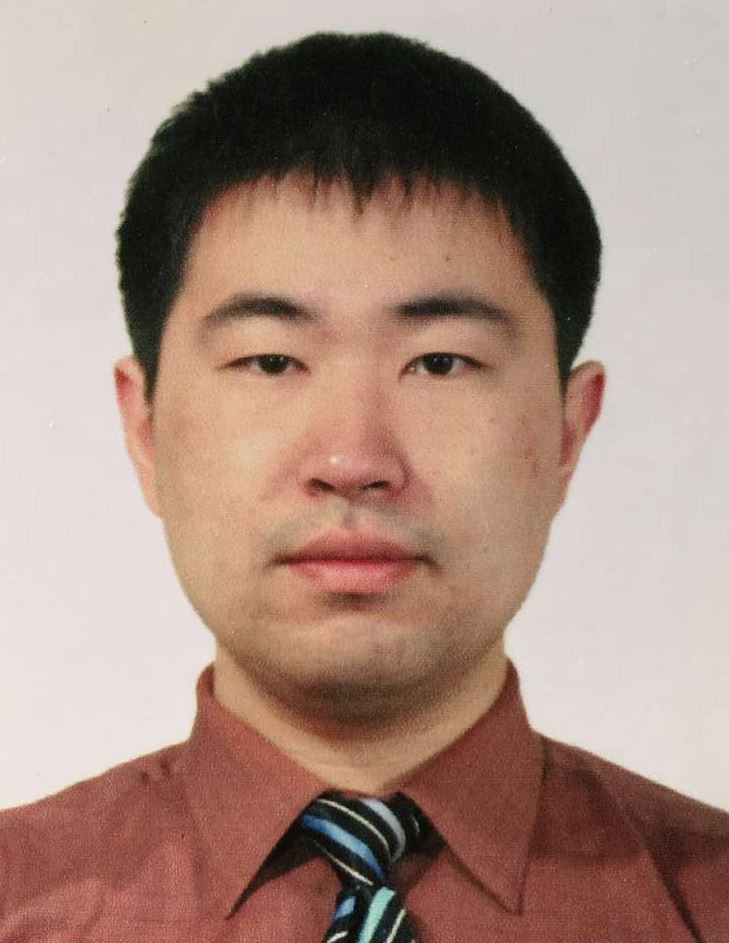 Tong Xu (徐童)合作论文数School of Computer Science and Technology, University of Science and Technology of China18
 Hengshu Zhu (祝恒书)合作论文数Computer Network Information Center, Chinese Academy of Sciences;University of Chinese Academy of Sciences;The Hong Kong University of Science and Technology (Guangzhou)18
 Jia-Wang Bian (边佳旺)合作论文数ByteDance16
 P. N. Suganthan合作论文数KINDI Center for Computing Research, College of Engineering, Qatar University;Nanyang Technological University16
 Bing Li (李冰)合作论文数School of Information and Communication Engineering, University of Electronic Science and Technology of China13
 Wei Cui (崔巍)合作论文数School of Management, Wuhan University of Technology;School of Resources and Environmental Engineering, Wuhan University of Technology12
 Jingbo Zhou (周景博)合作论文数Business Intelligence Lab, Baidu Research12
 Ao Li (李骜)合作论文数Centers for Biomedical Engineering, School of Information Science and Technology, University of Science and Technology of China12
 Zhiguang Cao合作论文数School of Computing and Information Systems, Singapore Management University11
 Chuan Qin (秦川)合作论文数Computer Network Information Center, Chinese Academy of Sciences;University of Chinese Academy of Sciences9
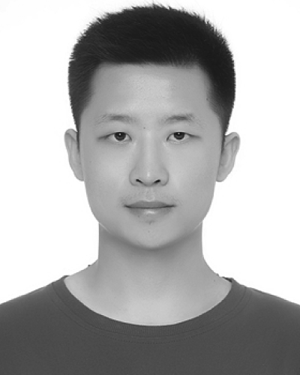 Rui Zha合作论文数9
 Joey Tianyi Zhou (周天異)合作论文数Institute of High Performance Computing, Agency for Science, Technology and Research;Centre for Frontier AI Research, Agency for Science, Technology and Research9
 Zenglin Shi合作论文数Institute for Infocomm Research, Agency for Science, Technology and Research8
 Min Wu (吴旻)合作论文数Institute of Advanced Computer Studies, University of Maryland;Department of Electrical and Computer Engineering, A. James Clark School of Engineering, University of Maryland8
 Yipeng Liu (刘翼鹏)合作论文数University of Electronic Science and Technology of China8
 Yu-Huan Wu合作论文数Nankai Univ, TKLNDST Coll Comp Sci, Tianjin 300350, Peoples R China7
 Fan Zhang (张帆)合作论文数School of Information and Communication Engineering, University of Electronic Science and Technology of China7
 Ian Reid合作论文数School of Computer Science, University of Adelaide;Australian Institute for Machine Learning7
 Yu Mei合作论文数6
 Radu Timofte合作论文数Computer Vision Laboratory, Institute of Computer Science, Faculty of Mathematics and Computer Science, Julius Maximilians University of Würzburg;ETH Zurich6
 Xun Xu合作论文数Institute for Infocomm Research (I2R)6
 Songyou Peng (彭崧猷)合作论文数Google DeepMind6
 Jagannadan Varadarajan合作论文数GrabTaxi Holdings Singapore6
 Kaizhou Gao (高开周)合作论文数Macao Institute of System Engineering, Macau University of Science and Technology6
 Pei Yong (雍培)合作论文数School of Electrical Engineering, Chongqing University5
 Dazhong Shen (申大忠)合作论文数College of Computer Science and Technology, Nanjing University of Aeronautics and Astronautics5
 Ying Wen (文颖)合作论文数School of Information and Electronic Engineering, East China Normal University5
 Shiping Wang (王石平)合作论文数College of Mathematics and Computer Science, Fuzhou University;College Of Software, Fuzhou University5
 Hao Liu合作论文数The Hong Kong University of Science and Technology (Guangzhou)5
 Qibin Hou (侯淇彬)合作论文数College of Computer Science, Nankai University5
 Zongwei Wu合作论文数University of Wurzburg4
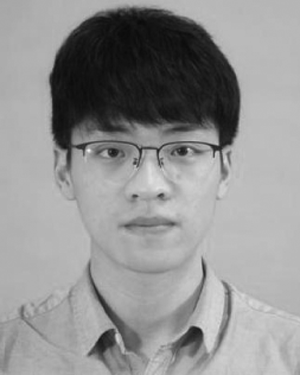 Ding Zhou合作论文数4
 Wen-Yan Lin合作论文数4
 Qi Liu (刘淇)合作论文数School of Data Science, University of Science and Technology of China;State Key Laboratory of Cognitive Intelligence, School of Computer Science and Technology, University of Science and Technology of China;Anhui Province Key Laboratory of Big Data Analysis and Application, School of Computer Science and Technology, University of Science and Technology of China4
 Cen Chen (陈岑)合作论文数School of Data Science and Engineering, East China Normal University4Ren, Y.合作论文数4
 Guoyan Zheng (郑国焱)合作论文数School of Biomedical Engineering, Shanghai Jiao Tong University4
 Guolei Sun (孙国磊)合作论文数College of Computer Science, Nankai University4
 Weijia Zhang合作论文数Hong Kong University of Science and Technology4
 Xiaoli Li (李晓黎)合作论文数Machine Intellection Department, Institute for Infocomm Research, A*STAR4
 Yulun Zhang (张宇伦)合作论文数Department of Computer Science and Engineering, Shanghai Jiao Tong University4
 Qingsen Yan (闫庆森)合作论文数School of Computer Science, Northwestern Polytechnical University3
 Daniel Feijoo合作论文数Universidad de Valladolid3




