Document image forgery location attempts to localize text-related forged regions by discriminating text content features and forensic features. In this letter, we propose a novel document image forgery localization network based on a series of Text Structural Feature Enhancement mechanisms, named TSFE-Net. Firstly, a High-Frequency Reinforcement (HFR) module is proposed to enhance high-frequency features of text-rich regions in the frequency domain. Secondly, we propose an OCR-guided Structural Prior (OSP) module that separates prototypes for background and text regions under OCR map guidance, thereby decoupling content-related features from tampering clues. Last but not least, the Prototype Separation (PS) loss is proposed to supervise the discriminative learning of different prototypes, which mitigates interferences of text contents. Extensive experiments on publicly available datasets demonstrate that TSFE-Net outperforms existing state-of-the-art methods by a clear margin.
In real-world industrial settings, companies typically maintain independent knowledge bases due to privacy regulations and business confidentiality constraints. This leads to severe data silo issues, hindering cross-organizational knowledge integration and reasoning. Federated Knowledge Graph Completion (FKGC) with multi-client collaboration has emerged as a promising solution to address the aforementioned data silo problem. However, existing methods primarily rely on graph structure while neglecting the rich semantics encoded in the textual descriptions of entities and relations, thereby limiting the performance of knowledge graph completion. To address this limitation, we propose an FKGC method named LLMST, which uses Large Language Models (LLMs) to integrate the knowledge graph structural information and the rich textual information of entities and relations. Specifically, to alleviate the computational burden on clients, the LLM is partitioned into two components: A lightweight neural embedding synthesizer, which is deployed on both clients and the server, and a computation-intensive contextual inference engine, which runs exclusively on the server. Each client locally collects structural paths and integrates them with textual information. Then, the server aggregates the information uploaded by all clients to score the query triple. The experimental results show that the proposed LLMST method outperforms baseline models across multiple datasets and evaluation metrics, demonstrating the effectiveness of integrating structural and textual information.
While Graph Neural Networks (GNNs) have demonstrated impressive performance across various domains, their high interconnectivity makes them inherently vulnerable to privacy leakage. Traditional Differential Privacy (DP) methods-such as Differentially Private Stochastic Gradient Descent (DPSGD) and Private Aggregation of Teacher Ensembles (PATE)-either fail to provide sufficient protection in graph settings or require impractical assumptions, such as strictly disjoint data partitions and large volumes of labeled data. To address these challenges, we propose a semi-supervised privacy-preserving graph classification framework that integrates the differentially private k-nearest neighbor (DP-kNN) mechanism with contrastive pre-training. Unlike prior approaches, We design a DP-kNN mechanism that securely transfers private labels to public graphs by aggregating and perturbing nearest-neighbor labels, without requiring multiple teacher models or strictly disjoint data splits. To further improve the quality and robustness of the pseudo-labels generated by DP-kNN, we introduce a graph contrastive learning pre-training stage, which establishes a noise-resistant feature foundation for the graph data, thereby mitigating the impact of differential privacy noise during the label transfer process. Finally, pseudolabeled public graphs are used for fine-tuning, yielding high utility with strong privacy guarantees. We further conduct a rigorous privacy analysis under the Renyi Differential Privacy (RDP) framework, incorporating privacy amplification via subsampling. Extensive experiments on eight benchmark graph datasets demonstrate that our approach achieves competitive classification performance under strict privacy budgets, offering a scalable and practical solution for privacy-aware graph learning.
Hyperspectral change detection offers detailed information on surface cover variations. It is recognized as a key task in remote sensing research. In recent years, deep learning-based change detection methods have shown remarkable performance. However, most of these methods rely on accurately registered images or consider registration and change detection as a two-stage task, which means that change detection must tolerate the accumulation of errors caused by misregistration. In this paper, we propose a registration-change detection iterative feedback optimization network (RCDIFO) for change detection in unwell registered hyperspectral images, which is designed to iteratively co-optimize image registration and change detection by progressively refining the results. Specifically, in each iteration, we designed an unchanged block mutual attention registration module (UBMAR) and a multi-scale spatial spectral mamba encoder-decoder change detection module (MS2MCD) in the network, which helps the network to learn the spatial location relationship of the bitemporal hyperspectral image to generate more accurate change detection results. UBMAR combines spatial and distributional similarity metrics to select high-confidence unchanged blocks and then learns the affine matrix of spatial location relationships by combining mutual attention. MS2MCD adaptively integrates spectral and spatial information from bi-temporal hyperspectral images to ensure that critical but minor features are retained, thus effectively minimizing pseudo-variation to obtain the desired change detection results. Experimental results on three hyperspectral datasets (Farmland, River, and Santa Barbara) demonstrate that RCDIFO achieves state-of-the-art performance in unwell registered hyperspectral image change detection. The code will be available at: https://github.com/Jiahuiqu/RCDIFO.
Federated recommendation facilitates collaborative model training across distributed clients while keeping sensitive user interaction data local. Conventional approaches typically rely on synchronizing high-dimensional item representations between the server and clients. This paradigm implicitly assumes that precise geometric alignment of embedding coordinates is necessary for collaboration across clients. We posit that establishing relative semantic relationships among items is more effective than enforcing shared representations. Specifically, global semantic relations serve as structural constraints for items. Within these constraints, the framework allows item representations to vary locally on each client, which flexibility enables the model to capture fine-grained user personalization while maintaining global consistency. To this end, we propose Cluster-Guided FedRec framework (CGFedRec), a framework that transforms uploaded embeddings into compact cluster labels. In this framework, the server functions as a global structure discoverer to learn item clusters and distributes only the resulting labels. This mechanism explicitly cuts off the downstream transmission of item embeddings, relieving clients from maintaining global shared item embeddings. Consequently, CGFedRec achieves the effective injection of global collaborative signals into local item representations without transmitting full embeddings. Extensive experiments demonstrate that our approach significantly improves communication efficiency while maintaining superior recommendation accuracy across multiple datasets.
In recent years, research on joint classification of multimodal remote sensing data has achieved remarkable progress. However, constrained by imaging conditions or sensor issues, missing modality frequently occurs in practice. Knowledge distillation, as one of the mainstream strategies to deal with missing modality, is widely used due to its excellent transfer ability. However, most existing knowledge distillation methods focus on directly transferring available modal information through feature alignment or predictive constraints, without explicitly modeling or refining the latent semantic structure of missing modality. Furthermore, the heterogeneity between different modalities makes effective alignment difficult through direct transfer, thus limiting the utilization of cross-modal complementary information and consequently hindering model performance improvement in remote sensing scenarios with missing modality. Therefore, in this article, we propose a diffusion feature completion-driven textual dual distillation model (DFC-TD2) for multimodal remote sensing image classification with missing modality. This model explicitly models the missing modality, introduces textual semantic information to guide cross-modal feature transfer, and achieves multiconstraint collaborative optimization under the supervision of classification labels, thereby effectively improving the overall performance of multimodal classification tasks with missing modality. Specifically, a shared-constrained diffusion feature completion network (SCFC) is designed, which uses shared features extracted and frozen from multimodal data as constraints to guide the diffusion model to effectively model and complete missing modal features, thereby generating semantically consistent and more discriminative modal representations. Furthermore, a text-guided dual distillation network (TGD(2)) is designed to guide cross-modal feature alignment using text semantics and combine it with classification label supervision to construct a feature-label dual constraint, which effectively improves feature discriminativeness and supervision efficiency, thereby mitigating cross-modal representation heterogeneity and improving the stability and effectiveness of knowledge transfer. Experimental results on three public datasets demonstrate the effectiveness of this method in dealing with missing modality. The code is available at: https://github.com/Jiahuiqu/DFC-TD2.
Graph Neural Networks (GNNs) have demonstrated strong practical value in graph classification tasks. However, graph data often contains sensitive information, making privacy protection an urgent practical need. Traditional privacy protection technologies have key limitations: anonymization is prone to re-identification via auxiliary knowledge, secure multi-party computation has high communication overhead, slow reasoning and poor scalability for large-scale graphs, homomorphic encryption incurs significant latency, unable to meet real-time needs, and trusted execution environments depend on specific hardware with limited versatility. In contrast, differential privacy (DP) offers provable security guarantees, does not depend on auxiliary information, and avoids hardware dependencies, making it a more practical privacy-preserving technology for graph classification scenarios. To address the challenge of balancing privacy protection and classification accuracy in graph classification, this paper integrates adaptive DP into Graph Convolutional Networks (DPANG-GCN) to propose a privacy-enhanced model. The core idea is to introduce gradient noise that satisfies DP constraints into the model training process and dynamically optimize the noise magnitude in each iteration. By adjusting the noise level according to the trend of loss changes, the update direction of model parameters is ensured to be conducive to minimizing the loss function, thereby alleviating performance degradation caused by excessive noise. We conducted experiments on four classic graph classification datasets, which demonstrated the effectiveness of our proposed method.
Graph Neural Networks (GNNs) are vulnerable to inference attacks and gradient leakage attacks, making differential privacy (DP) mechanisms a primary defense strategy. To safeguard data privacy and model security while balancing the trade-off between GNN security and performance, our work proposes a node-level taskoriented GNN scheme. This scheme features an explainability-guided spatiotemporal adaptive DP for GNNs. In the temporal dimension, we analyze the convergence of the GNN loss function and dynamically adjust the privacy budget to adapt to the model training stages; in the spatial dimension: (1) we construct the computation graph based on the GNN Layer-wise Relevance Propagation(LRP) algorithm and propose a scheme utilizing the Gumbel-Max Trick(GMT) and the exponential mechanism to protect relevance at the node, layer, and graph levels; (2) we propose a dynamic probabilistic subgraph sampling method guided by node relevance classification, as well as an input graph importance sampling procedure based on subgraph relevance classification, which enhance model training efficacy and control the DP sensitivity for GNN; (3) we adaptively allocate privacy budget to the input graph and gradients based on node relevance classification and layer-wise privacy relevance. We establish rigorous bounds on cumulative privacy loss and prove the stability of relevance privacy. Comprehensive evaluations involving multi-dataset comparisons, ablation studies, and robustness tests demonstrate that our proposed scheme outperforms state-of-the-art methods. The results confirm that our approach enhances model accuracy under identical privacy constraints while ensuring the effectiveness of functional components and overall system stability.
Current deep learning-based approaches for hyperspectral anomaly detection (HAD) typically rely on background modeling or anomaly-background separation. However, unsupervised training samples extracted from the image often contain impurities, limiting detection performance. To address this, we propose a domain adaptation-driven adversarial learning network (termed as HAD-CSGAN) for cross-scene HAD, which leverages shared background representations from a source scene to reconstruct the background of target scene lacking prior anomaly knowledges. Specifically, HAD-CSGAN comprises dual Gaussian mixture model (GMM)-based discriminative learning adversarial autoencoders (GMM-DLAAE). Given the inherent complexity of hyperspectral data, the adversarial training framework employs the imposed prior distribution (IPD) derived from the GMM of source background, enabling accurate characterization of the true data distribution. To enhance cross-scene knowledge transfer, multi-kernel maximum mean discrepancy (MK-MMD) is applied to minimizes domian distribution discrepancies between scenes. Furthermore, we develop an IPD corrector to adaptively adjust the GMM mixture coefficients in the target domain, further ensuring the encoded features better match its true data distribution. The experiments on five datasets demonstrate that HAD-CSGAN outperforms twelve state-of-the-art HAD methods, proving its effectiveness in cross-scene anomaly detection. The code link is: https://github.com/Jiahuiqu/HAD-CSGAN.
Clustered Federated Learning (CFL) alleviates the negative effects of data heterogeneity to some extent by clustering clients with similar data distributions together and performing personalized model training and aggregation within each cluster. However, many CFL methods still rely on a static clustering mechanism, i.e., the number of clusters and the similarity identification threshold remain constant throughout the training process, which limits their adaptability in dynamic environments. To tackle the above challenges, this paper proposes a community detection Infomap-based clustered federated learning framework called FedInfo from the perspective of information-theoretic (Federated Learning based on Infomap and Information-theoretic). This framework introduces inference similarity and graph theory to clustered federated learning and utilizes the Infomap community detection algorithm to achieve dynamic clustering of clients from an information theoretic perspective which constructs a similarity graph for the adjacency matrix of clients’ inference similarity and minimizes the encoding length of the random walk paths on the graph, without the need to set the number of clusters and similarity thresholds as a priori knowledge in advance. Extensive experiments demonstrate that FedInfo achieves significantly superior performance over the state-of-the-art (SOTA) methods on several federated learning datasets under Non-Independent Identically Distribution (Non-IID) settings, and has better communication efficiency and robustness with limited communication budgets. In conclusion, FedInfo provides an efficient and flexible CFL solution, which offers a novel idea for personalized federated learning with highly heterogeneous data.
The message-passing process in a graph neural network (GNN)-based knowledge graph completion (KGC) model consists of two key components: propagation path design (PPD) and propagation function design (PFD). Existing GNN-based KGC methods mainly focus on studying the PPD component while lacking in-depth insights into PFD. In this paper, we investigate the expressive power of PFD from both theoretical and empirical perspectives. Specifically, we first generalize the theoretical injectivity principle for highly expressive GNN propagation functions from single-relational graphs to multi-relational ones. Based on this generalization, we theoretically find that existing expressive propagation function designs for GNNs can be directly extended to GNN-based KGC tasks and that a more expressive GNN inherently results in a more expressive GNN-based KGC model. Then, we develop a design space for the PFD component, involving not only injective propagation functions but also many non-injective ones to facilitate a systematic empirical analysis. Finally, we propose a GNN-based KGC framework, EXP-GNN, where we validate our theoretical findings and systematically evaluate the developed design space. The evaluation results offer some interesting empirical findings, from which we derive a practical design principle to help inspire more powerful GNN-based KGC models: a stronger neighborhood feature extraction capability in the propagation functions makes the resulting GNN-based KGC models theoretically and practically more powerful.
Deep learning has significantly advanced the development of multimodal remote sensing, playing a crucial role in various Earth observation tasks. Due to the high cost of multimodal data annotation and computational resources, the well-performing multimodal remote sensing image classification models are valuable asset, rendering the models vulnerable to malicious attacks. Model watermarking has emerged as an effective solution for intellectual property (IP) protection of deep learning models. However, most existing model watermarking methods are tailored for single-modal models and follow a modality-independent paradigm that ignores cross-modal interactions, thus limiting the triggering effectiveness of model watermark. To solve this problem, we propose a language-driven trigger-aligned diffusion method (LTDifMark) for multimodal remote sensing image classification model watermarking, enabling reliable IP protection. LTDifMark aims to generate semantic consistent multimodal trigger sample with the guidance of multimodal shared features, thereby ensuring the stealthiness and collaborative triggering capability of model watermark. Specifically, the language guided multimodal feature alignment strategy is designed to utilize class-specific language priors to align multimodal feature in the same space. The proposed shared feature conditioned Mamba-diffusion trigger sample generation method leverages extracted multimodal shared features to collaborative generate of multimodal trigger samples, balancing the effectiveness and stealthiness of trigger sets. Experiments demonstrate that the proposed method achieves superior effectiveness compared with state-of-the-art methods and exhibits robustness against various attacks.
Federated recommendation has emerged as a promising privacy-preserving paradigm for collaborative filtering. Most existing methods rely on embedding or parameter aggregation to share collaboration signals, implicitly assuming that representation spaces across clients are semantically consistent. However, due to the inherent statistical heterogeneity of user preferences, such aggregation inevitably suffers from representation drift and collaborative information loss. To address this issue, we propose AlignFedRec, a novel federated recommendation framework that shifts federated collaboration from parameter consistency to structural alignment. Instead of directly aggregating item embeddings, clients share privacy-preserving item relational structures, which serve as transferable collaborative information across heterogeneous clients. Based on this insight, we propose a dual structural alignment mechanism comprising item cluster alignment and global structural alignment, which aligns local item relational structures from both coarse-grained and fine-grained perspectives. Specifically, the item cluster alignment combines item community detection with supervised contrastive learning to enforce cluster-level structural consistency. Furthermore, the global structural alignment preserves the consistency between local and global item relational structures, thereby capturing fine-grained global correlations. Extensive experiments on multiple real-world datasets demonstrate that AlignFedRec consistently outperforms state-of-the-art federated recommendation baselines, validating its effectiveness in mitigating representation drift and boosting recommendation performance.
Graph Neural Networks (GNNs), which outperform traditional deep learning algorithms in domains such as protein interaction prediction and molecular structure elucidation, have demonstrated superior performance in processing graph data. Despite the successful application of Differential Privacy Stochastic Gradient Descent (DP-SGD) in deep learning, its adaptation to GNNs presents challenges due to the complexities inherent in GNN architectures and their distinctive message-passing mechanism. To solve the problem, this study delves into the challenges encountered when implementing DP-SGD in GNNs (DPGNNs), focusing on factors associated with the GNN model including the choice of learning rates, GNN frameworks, batch size, and gradient clipping thresholds, alongside parameters related to the Differential Privacy (DP) algorithm such as sensitivity, dataset size, privacy budget. The study reveals the impact of these factors on the performance of DPGNNs and provides recommendations for parameter values. Furthermore, we propose two adaptive optimization strategies to address the unique effects of learning rate and privacy budget on DPGNNs: adaptive learning rates and adaptive noise scales. These adaptive strategies automate parameter tuning, eliminating complex manual adjustments, significantly reducing training time and energy consumption, while achieving an optimal balance between privacy protection and model performance enhancement. Extensive experiments on graph classification tasks across multiple real-world datasets have validated the effectiveness of these strategies, significantly improving the classification accuracy and robustness of DPGNNs while ensuring data privacy.
Cloud Manufacturing (CMfg) serves as a pivotal platform, seamlessly integrating enterprise resources and consumer demands, thus playing a central role in task scheduling and service allocation. However, the dynamic nature of cloud environments, especially during service interruptions, necessitates systems capable of promptly responding to real-time changes and demands, presenting formidable challenges for task migration. Traditional methods often struggle to adapt swiftly, leading to sub-optimal real-time decision-making. To address these challenges, we introduce the DRL-GNN-FL SynergyNet model, a hybrid solution that prioritizes both time efficiency and cost-effectiveness. This model leverages advanced technologies, including Deep Reinforcement Learning (DRL), Graph Neural Networks (GNN), and Federated Learning (FL). DRL enables rapid adaptability and real-time decision-making, GNN effectively processes complex network structures, and FL facilitates distributed learning and knowledge sharing. This comprehensive approach effectively tackles the intricacies of task migration in CMfg environments. Experimental results demonstrate the model’s exceptional performance, adaptability, and scalability in real-time scenarios, showcasing its potential as a practical and effective solution to the dynamic task migration challenges encountered in CMfg. The DRL-GNN-FL SynergyNet model offers a promising avenue for enhancing the resilience and responsiveness of cloud manufacturing systems.
In this paper, a collaborative filtering recommendation algorithm based on user’s local differential privacy is investigated. First, user-based collaborative filtering recommendation experiments are conducted using different similarity calculation methods. Meanwhile, the similarity calculation method with the best effect of Pearson coefficient is used as the basis for the subsequent experiments. Moreover, on the basis of the total privacy budget remaining unchanged, the impact of different privacy budget allocation mechanisms on the recommendation performance is explored. The method of dynamically allocating privacy budget based on the number of user ratings is innovatively proposed, and accuracy and recall are selected as the evaluation indexes. A series of comparative experiments are carried out on the public dataset, and the experimental results show that the accuracy and recall are improved compared with the Laplace noise mechanism; finally, the impact of the change of the total privacy budget on the experimental effect is explored.
Deep neural networks (DNNs) are highly susceptible to integrity attacks, due to their complexity and nonlinearity. Existing DNN integrity verification methods mainly focus on RGB image classification models. Addressing the problem of pixel-level classification for hyperspectral images with low spatial resolution and high spectral resolution, hyperspectral image classification models often employ 3-D convolutions and possess complex network structures. In this paper, we propose a novel Hessian-based parameter perceptual fingerprint characterization method for hyperspectral image classification model integrity verification. In our method, a sample augmentation strategy is proposed to increase the parameter activation amount of individual sample. Then, we propose using the Hessian matrix to enhance the samples' ability of capturing the changes of model parameters. Finally, a parameter-aware sample selection algorithm is designed to enhance the efficiency of verification. Experimental results demonstrate that the proposed method is not only effective but also efficient, with verification efficiency improved by at least 10 times compared to only using original images, even over 200 times for some attacks. The proposed method can detect integrity attacks such as backdoor attacks, model pruning, and model quantization using fewer than 3 samples.
The periodic directed acyclic graph (DAG) is an important system model widely used to describe the structure and function of time-critical applications. The nodes in periodic DAGs are not only coupled with each other by input-output relations but also connected via the preceding period, making it hard to find an optimal schedule. This paper proposes an improved parallel scheduling algorithm for periodic DAGs (PSA-PDAG), decoupling the dependencies between nodes. In each period, PSA-PDAG computes more nodes in parallel, greatly improving the parallelism during computation. By applying PSA-PDAG, the computation time of each period is only the maximum update time among all nodes, which is superior to existing parallel algorithms. In typical periodic DAG examples, theoretical analysis and experimental results show that PSA-PDAG generally outperforms existing serial and hierarchical scheduling parallel algorithms. For instance, in the hybrid-structure large-scale experiment with 128 DAG nodes, compare with the 2.0x speedup of the hierarchical scheduling parallel algorithm, PSA-PDAG can achieve a considerable 48.6x speedup with 128 cores.
Federated learning (FL) enables decentralized devices to collaboratively train models without sharing raw data. However, when client data is highly heterogeneous, conventional FL often suffers from poor model performance and personalization. To address this, clustered FL (CFL) has emerged as a promising solution, grouping clients with similar data distributions to jointly learn better personalized models. Yet, most existing CFL methods rely on predefined thresholds or fixed numbers of clusters, which limits their adaptability to real-world, dynamic environments with diverse and evolving client data. This study introduces FedCDC, a novel CFL framework that leverages graph clustering to dynamically identify client communities without prior knowledge of clustering structure. Specifically, we propose a client similarity identification algorithm based on Louvain community detection community detection clustering (CDC), which constructs a similarity graph using model inference results and performs modularity-optimizing clustering. Furthermore, the graph-based approach captures high-order structural relationships among clients, enabling more precise and stable clustering even under severe data heterogeneity conditions. Extensive experiments across some benchmark datasets demonstrate that FedCDC consistently outperforms state-of-the-art (SOTA) baselines. In the challenging Dir(0.1) setting on CIFAR-100, FedCDC achieves accuracy gains of 12.75% over FedAvg, 23.33% over PerFedAvg, and 3.42% over FLIS(DC). More broadly, this work bridges graph theory with FL, introducing a scalable and interpretable way to form client communities. It provides a solution for real-world deployments of FL systems that are both accurate and adaptive, particularly in complex environments.
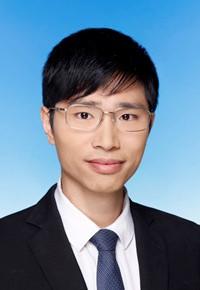 Yong Cui (崔勇)合作论文数School of Automation Science and Electrical Engineering, Beihang University32
 Wenqian Dong (董文倩)合作论文数State Key Laboratory of Integrated Services Networks, Xidian University20
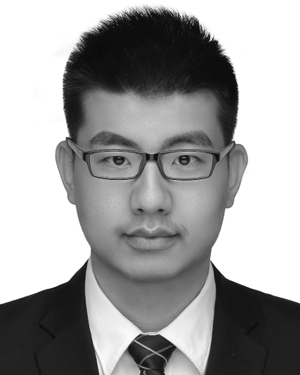 Chen Wang合作论文数17
 Guanghong Gong (龚光红)合作论文数School of Automation Science and Electrical Engineering, Beihang University17
 Jiahui Qu (曲家慧)合作论文数State Key Laboratory of Integrated Service Network, Xidian University13
 Bohu Li (李伯虎)合作论文数School of Automation Science and Electrical Engineering, Beihang University13
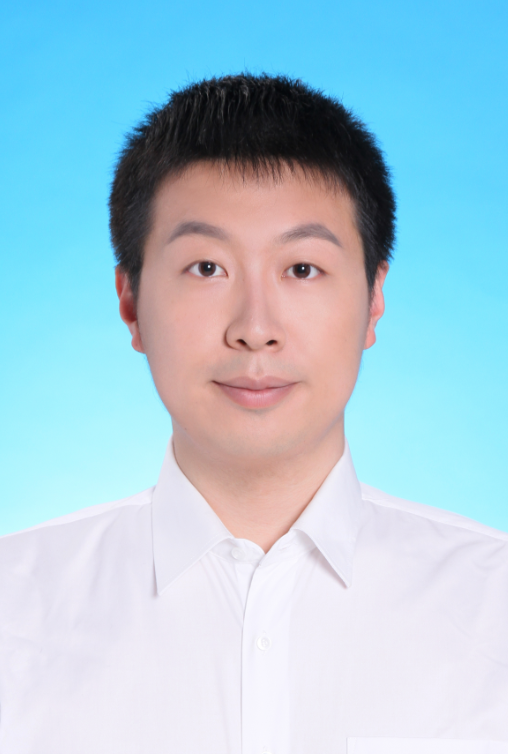 Liang Han (韩亮)合作论文数Centrale Pekin, Beihang University12
 XuDong Chai (柴旭东)合作论文数China Aerospace Science and Industry Corporation Limited12
 Yunsong Li (李云松)合作论文数School of Telecommunications Engineering, Xidian University12
 Wenxin Li合作论文数11
 Yaofei Ma (马耀飞)合作论文数School of Automation Science and Electrical Engineering, Beihang University11
 Lin Zhang (张霖)合作论文数School of Automation Science and Electrical Engineering, Beihang University11
 Kai Chen (陈凯)合作论文数College of Mechanical & Electrical Engineering, Nanjing University of Aeronautics and Astronautics10Kaiqi Gong合作论文数9ChengKe Wu合作论文数9
 Hongyan Quan (全红艳)合作论文数School of Computer Science and Technology, East China Normal University9Jianchao Du合作论文数8qian lidong合作论文数7Songsong Liu (刘松松)合作论文数7Junhua Zhou合作论文数7
 Yi Wang合作论文数School of Automation Science and Electrical Engineering, Beihang University, Beijing, China7
 Jinghan Sun合作论文数[UIUC]7
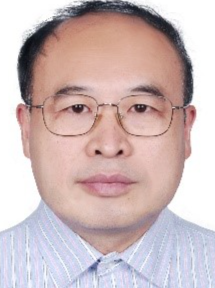 Haiwen Yuan (袁海文)合作论文数School of Automation Science and Electrical Engineering, Beihang University7
 Jiangyun Wang (王江云)合作论文数School of Automation Science and Electrical Engineering, Beihang University7
 Haitao Yuan (苑海涛)合作论文数School of Automation Science and Electrical Engineering, Beihang University7Shaoyun Zhang合作论文数7Shi Guoqiang (施国强)合作论文数6Da Teng (滕达)合作论文数6
 Jing Bi (毕敬)合作论文数College of Computer Science, Beijing University of Technology6
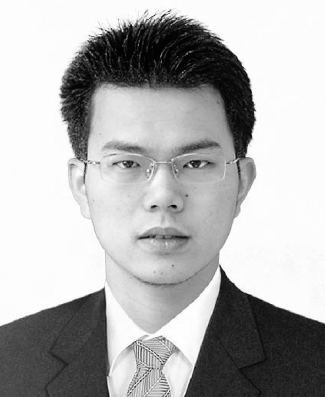 Lin, Tingyu合作论文数6Hang Ji合作论文数5Sun Bingli (孙炳利)合作论文数5
 Zhiyun Ren合作论文数5
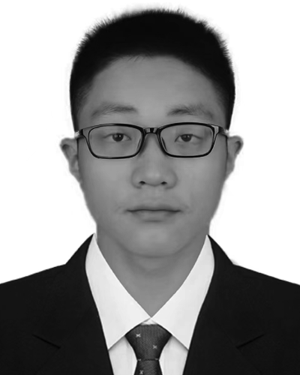 Zhihong Yuan合作论文数5Wenjie Tang合作论文数5DongJing He合作论文数5Shidong Ma合作论文数5Wen Shi合作论文数5
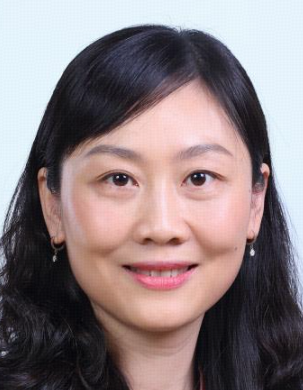 Ni Li (李妮)合作论文数School of Automation Science and Electrical Engineering, Beihang University5
 Yong Li (李勇)合作论文数Department of Electronic Engineering, Tsinghua University5shi xuecheng合作论文数4Zenghui Zhang合作论文数4
 Ming Wu (吴明)合作论文数4
 Xiaoxiang Ren合作论文数4
 Hongnan Xie合作论文数4
 Xiang Zhai合作论文数4
 Daolin Han合作论文数4Ruiping Wang合作论文数4
 Jianbing Yang合作论文数Beihang Univ BUAA, Sch Automat Sci & Elect Engn, Beijing, Peoples R China4




