Climatic drying and plant invasions are intensifying globally, yet their combined effects on soil fauna remain poorly understood. Soil nematodes are key components of belowground food webs, contributing to nutrient cycling, organic matter decomposition, and trophic energy transfer. Here, we used paired invaded and non-invaded plots across a natural dry-to-humid climatic gradient to examine how Xanthium strumarium L. invasion was associated with changes in soil nematode communities. Soil moisture and soil organic carbon were greater at more humid sites but were lower in invaded soils. Extractable organic carbon (EOC) increased toward more humid conditions in non-invaded soils, whereas this relationship was weakened in invaded soils. Invaded soils, however, exhibited higher microbial biomass carbon and nitrogen and elevated inorganic nitrogen concentrations. Both drier conditions and invasion were associated with lower total nematode abundance. Nematode diversity and species richness were higher at more humid sites but lower in invaded than in non-invaded plots, with greater invasion-associated declines in both metrics observed at humid sites. The maturity index and functional metabolic footprint of nematode communities were reduced under drier conditions and in invaded soils. Redundancy analysis suggested that EOC was related to variation in nematode community structure. Structural equation modeling indicated negative statistical relationships between X. strumarium invasion and soil nematode communities, including direct relationships and additional relationships involving lower EOC. Overall, these findings highlight the importance of evaluating variation in belowground faunal communities in relation to plant invasion across environmental gradients, especially under ongoing climatic drying.
Nitrogen deposition continuously alters the invasibility of terrestrial ecosystems, but how the composition of local plant functional groups regulates this process by root-associated microbial during invasion, especially under the background of resource changes, remains unclear. This study focused on the invasive plant Cenchrus spinifex Cav. and conducted an interactive experiment using nitrogen addition and four different functional group combinations of local plant communities. The results show that the community with the closest phylogenetic distance (PD = 189) had the strongest resistance to invasion. Nitrogen addition was the core factor driving invasion (total effect 0.86), which promoted invasion by increasing soil nitrogen pools and altering microbial community structure. The role of leguminous plants changed fundamentally with nitrogen availability; they were competitors under low-nitrogen conditions, while under high-nitrogen conditions, they transformed into “synergistic invaders” by shaping the root-associated environment rich in microorganisms such as Proteobacteria that facilitate rapid nutrient turnover. Plant nitrogen and phosphorus content (PNP) is a key indicator reflecting the nutrient absorption capacity of invasive plants and is closely related to invasion success. It significantly promotes the ability of root resources acquisition. The study shows that invasion success depends on the dynamic balance among resource input, the phylogenetic background of the local community, and the microbial feedback regulated by it. Future ecological management should consider the coordinated regulation of aboveground functional group selection and underground microbial processes.
Invasive plants pose a substantial threat to agricultural production, and their control elevates the costs associated with the application of synthetic chemical herbicides. Extensive screening of plant-derived natural products with herbicidal and ALS (acetolactate synthetase) inhibitory activities represents a crucial resource for the development of herbicides targeting invasive plants. Xanthium sibiricum L., a typical industrial crop, boasts abundant growth resources and is rich in xanthanolide sesquiterpenes. To explore the herbicidal activities of sesquiterpenoids from X. sibiricum and the underlying mechanisms of their action on ALS, the present study isolated and identified eight xanthanolide sesquiterpenes (1–8) from this plant. Of these compounds, xanthanolide sesquiterpenes 4–7 demonstrated significant herbicidal effects against invasive plants, including Ambrosia trifida L., Solanum rostratum Dunal., Xanthium spinosum L. Notably, compound 7 also exhibited potent ALS inhibitory activity. Additionally, the binding mechanisms of compounds 4–7 with ALS were investigated via docking analyses and dynamic simulations. The findings suggested that xanthanolide sesquiterpenes from X. sibiricum hold promise for development into botanical herbicides, providing robust evidence to support the development and utilization of the stems and leaves of X. sibiricum.
Plant-soil feedback (PSF) is a critical driver of plant invasion; however, the mechanisms by which soil microbes mediate PSF under combined nitrogen deposition and drought remain poorly understood. This study investigated the microbial mechanisms underlying the invasion success of Cenchrus pauciflorus Benth. (C. pauciflorus) under interactive water regimes and nitrogen forms, using a greenhouse PSF experiment with its co-occurring native congener Setaria viridis (L.) Beauv.. Soil microbial communities were characterized via high-throughput sequencing and co-occurrence network analysis to identify keystone taxa regulating PSF dynamics. Our results showed that C. pauciflorus exploited the synergistic effects of drought and nitrogen deposition to restructure stress-adapted soil fungal communities. Under resource-limited conditions, C. pauciflorus selectively enriched stress-tolerant saprotrophic fungi and facultative animal pathogens, forming a modular microbial network that enhanced nitrogen mineralization efficiency and pathogen-mediated suppression of S. viridis. While homospecific soil amplified negative PSF on the native plant, C. pauciflorus mitigated self-inhibition through ammonium-nitrogen-driven suppression of pathogenic fungi. Crucially, drought shifted fungal functional guilds toward saprotrophic dominance, which synergistically intensified allelopathic competition via accelerated litter decomposition. These findings reveal that invasive plants employed "microbial niche construction" strategies by coupling nitrogen-form specialization with stress-induced rhizosphere microbiome reprogramming, thereby establishing self-reinforcing invasion feedback loops. This study provides mechanistic insights into PSF dynamics under global change scenarios and underscores the potential of targeted root microbiome engineering for invasive species management.
Abstract Traditional species distribution models often have limitations in capturing invasion intensity, which reduces their effectiveness for invasive species management. To address this gap, we developed an integrated framework combining habitat suitability, population abundance, and ecosystem service value (ESV) risk assessment for Xanthium spinosum in China. Results revealed significant spatial heterogeneity, with high suitability areas concentrated along the Shanxi–Shaanxi–Gansu–Ningxia–Inner Mongolia border and high abundance areas mainly in the Ili Valley and central Inner Mongolia. Key environmental drivers of invasion included annual precipitation, warmest quarter precipitation, human footprint, and topsoil pH. ESV risk assessment projected substantial ecological and economic losses, with the greatest impacts on food production and climate regulation. High-risk areas for ESV overlap with high suitability and abundance regions, highlighting the urgent need for targeted management strategies. This study provides a robust, evidence-based framework to guide invasive species management in ecologically fragile and economically critical regions.
High nitrogen (N) uptake is one of the main reasons for invasive alien plant invasions. However, little effort has been made to compare the effects of different N forms on N uptake between invasive and native plants, especially those on N form acquisition strategies (preference and plasticity), which influence N uptake, and thus exotic plant invasions. Related studies are particularly few in barren habitats, where the effects of N deposition on invasiveness are considered to be much weaker than in fertile habitats. In this study, we grew Solanum rostratum, a noxious invader in barren habitats, and the native plants Leymus chinensis and Agropyron cristatum in both mono- and mixed cultures under nitrate and ammonium addition treatments, and analyzed the effects of the soil N availability and forms on the growth, N uptake, and N form acquisition strategies for these plants. The invader outperformed the natives in N uptake (in most cases) and growth (always) in both mono- and mixed cultures under all N treatments. N addition increased the N uptake and growth of the invader. The advantages of the invader over the natives were higher under ammonium relative to nitrate addition. The growth advantage of the invader was associated with its higher N uptake and higher N-use efficiency. Higher plasticity in N form uptake may contribute to the higher N uptake for the invader when grown in mixed cultures. Our findings indicate that N deposition, particularly in the form of ammonium, may accelerate exotic plant invasions in barren habitats.
Plant's ability to use prevalent or less prevalent soil nitrogen (N) forms may affect their dominance within vegetation types, and these partitioning-driven changes in dominance may facilitate species co-existence. However, the mechanisms underlying these processes remain unclear, particularly given the strong influence of altitude on soil N forms, which in turn affect plant N acquisition strategy. In this study, we first determined the effects of preference and plasticity in N form uptake on partitioning of soil N forms and species dominance, and then assessed the relative importance of these two N form use strategies for 19 dominant and non-dominant species in three vegetation types along an altitudinal gradient on Changbai Mountain, northeast China. To achieve this, we measured dominance, the contents of different N forms in rhizosphere soils, their proportional contributions to leaf N, and N form uptake preference and plasticity for these 19 species. Our results show significant interspecific differences in the proportional contributions of different soil N forms to leaf N within all three vegetation types, providing a novel mechanism underlying niche differentiation among plants. Species dominance was positively associated with the proportional contributions of soil dissolved organic N (the most prevalent N form) and the main inorganic N form to leaf N, while negatively with that of the subordinate inorganic N. These associations were not altered by the altitude-driven changes in the absolute and proportional contents of different soil N forms, suggesting a potentially widespread phenomenon. Both preference and plasticity in N form uptake contributed to the proportional contributions of different N forms to leaf N, and therefore to species dominance and co-existence within vegetation types. Furthermore, N form preference was more critical for non-dominant relative to dominant species and at high relative to low altitude, while N form uptake plasticity was more important for dominant species and at low altitude. Our study provides robust evidence for the interspecific niche differentiation in N form uptake, contributing to species dominance and co-existence within vegetation types, and reveals the mechanisms (plasticity and preference) underlying the association between species dominance and the uptakes of different N forms.
The biotic resistance hypothesis proposes that species-rich communities are more resistant to biological invasions due to the less available resources for invaders. The variation in available soil resources may affect the invasion resistance of community, but there is little evidence. Using invasive Solanum rostratum Dunal, a noxious invader in infertile habitats, and six co-occurring non-invasive species, we conducted a field experiment by testing the relationship between relative growth performance of invasives and richness of resident non-invasives, and the effects of available soil water and nutrients on the relationship. We found that relative aboveground biomass (hereafter relative biomass), relative coverage, community-weighted means (CWM) of specific leaf area (SLA), and photosynthetic rate (Pmass) of S. rostratum decreased with increasing resident non-invasive species richness. In contrast, for the non-invasive species, the CWM of SLA and Pmass significantly increased with increasing resident species richness. However, the available soil water and nutrients exerted limited effects on the relative biomass and coverage of S. rostratum. The piecewise structural equation model showed that non-invasive species richness has not only direct negative effects, but also indirect negative effects through promoting non-invasive biomass on the relative biomass of S. rostratum. Our findings indicate that the higher resident species richness is fundamental to resist invasion of alien S. rostratum, which operates through increasing biomass and resource acquisitive traits of a non-invasive community. Additionally, soil available resources exert limited effects on the invasion resistance. This study suggests the importance of conservation of biodiversity in preventing biological invasions.
Invasive species exhibit heterogeneous invasion risks, a comprehensive paradigm for assessing and managing risks across scales, stages, and dimensions is required. Thus, we proposed an improved invasion risk management paradigm framework. Using the framework as a methodological system, we revealed that the invasion success of alien cockleburs is influenced by their intrinsic advantages, resource availability, differentiation in economic utility, and the frequency of accidental interception. We identified adaptive mechanisms and key drivers from different perspectives such as environmental niches and genetics and at different nodes such as introduction, colonization, abundance-related, and dispersal. The effects of key drivers on local abundance were primarily mediated by habitat suitability. Cockleburs showed distinct preferences for specific micro-functional landscapes: croplands, urban areas, and temperate forests require prioritized prevention. Spatially targeted strategies must incorporate latitude gradients and dispersal pathway characteristics. These findings support adopting an 'ecological precision surgery' model in biological invasion management.
Nitrogen (N) is a crucial macronutrient for plant growth, with nitrate as a primary inorganic N source for most plants. Beyond its role as a nutrient, nitrate also functions as a signalling molecule, influencing plant morphogenetic development. While nitrate utilization and signalling mechanisms have been extensively studied in model plants, the origin, evolution, and diversification of core components in nitrate uptake, assimilation, and signalling remain largely unexplored. In our investigation, we discovered that deep sea algae living in low nitrate conditions developed a high-affinity transport system (HATS) for nitrate uptake and a pathway of nitrate primary assimilation (NR-NiR-GS-GOGAT). In contrast, low-affinity transport systems (LATS) and the plastid GS originated from the ancestors of land and seed plants, respectively. These adaptations facilitated amino acid acquisition as plants conquered terrestrial environments. Furthermore, the intricate nitrate signalling, relying on NRT1.1 and NLP7, evolved stepwise, potentially establishing systematic regulation in bryophytes for self-regulation under complex terrestrial nitrate environments. As plants underwent terrestrialization, they underwent adaptive changes to thrive in dynamic nitrate environments, continually enhancing their nitrate uptake, assimilation, and signal transduction abilities.
Lolium perenne (Poaceae), a perennial forage, has high economic and nutritional value. It is often used as a replacement control for some invasive plants, as it has achieved good ecological and economic effects. However, its control effects, allelochemicals, allelopathic effects, release pathways, and contents are still unclear in the process of L. perenne replacement control of an invasive plant, Ageratina adenophora (Asteraceae). Therefore, it is necessary to reveal the mechanism of L. perenne replacement control of A. adenophora from the perspective of allelopathy. In this study, L. perenne could effectively inhibit the growth of A. adenophora in the competition assay. In addition, seven norsesquiterpenes (1-7) were isolated and identified from the whole plant of L. perenne, and most of the compounds exhibited potent allelopathic effects on the growth of A. adenophora and one model plant (Lactuca sativa, Asteraceae). Moreover, some active compounds were released into the environment through root secretion and rainwater leaching, and their contents were determined by UPLC-MS/MS (Ultra Performance Liquid Chromatography Tandem Mass Spectrometry). Our results elucidated the allelopathic mechanism of L. perenne's replacement control, A. adenophora, and provided a theoretical basis for the development of norsesquiterpenes from L. perenne.
Exotic plant invasions and increased atmospheric carbon dioxide (CO2) concentration have been determined to independently affect soil nematodes, a key component of soil biota. However, little is known about the long-term effects of these two global change factors and their interactive effects. Over three consecutive years, we cultivated invasive alien plant Xanthium strumarium and its two phylogenetically related natives under both ambient (aCO2) and elevated (eCO2) atmospheric CO2 concentrations, and determined the effects of the invader and natives on soil nematodes under different CO2 concentrations and the relevant mechanism. The abundance of total soil nematodes and that of the dominant trophic group (herbivores) were significantly affected by plant species and CO2 concentration, and these effects were dependent on the experimental duration, however, the Shannon-diversity of nematodes was not affected by these factors. Under aCO2, both invasive and native species significantly increased the total nematode abundance and that of the dominant trophic group with increasing experimental duration, and the amplitude of the increase was greater under the invader relative to the natives. The eCO2 increased total nematode abundance (second year) and that of the dominant trophic group (third year) under the invader, but not under the natives (or even decreased) with increasing experimental duration. Root litter had greater effects on soil nematode abundance than leaf litter and root exudates did. This study indicates that eCO2 would aggravate effects of invasive plants on soil nematodes by increasing abundance, and these effects would vary with the duration.
Biological invasion is a critical ecological challenge, exerting profound impacts on ecosystem stability, public health, and economic sustainability. To better understand the successful invasion mechanism, many hypotheses have been proposed. However, the roles of hormones in it are not clear, especially for the differential effects of hormones on invasive and native plants, and its mechanisms. In this study, we hypothesized that there was not only a difference in hormone (auxin) concentration between invasive and native plants but also a difference in the effect of auxin on invasive and native plants. The above characteristics drove the successful invasion of invasive plants. To verify this hypothesis and investigate the mechanism, auxin concentration, and physiological index determination, transcriptomic and metabolomic analyses were performed. Our results showed that the auxin concentration was higher in invasive plants Xanthium strumarium and the growth-promoting effect of auxin on the invader was stronger than its native congener X. sibiricum. Compared with X. sibiricum, the auxin signal transduction in X. strumarium was more strongly activated, and more genes were differentially expressed in response to auxin. Auxin strongly promoted the growth of X. strumarium by enhancing photosynthesis, reducing the resources investment in defense and stress resistance, and promoting cell growth and division. However, the promoting effect of auxin on X. sibiricum was mainly achieved by enhancing photosynthesis. Our results elucidated the mechanism of auxin driving X. strumarium invasion, which contributed to the systematic proposal of the hormone-driven hypothesis.
Xanthium strumarium L. is a plant species native to North America; however, it has become a serious invasive threat in northern China due to its great environmental adaptability in the colonized regions. Therefore, elucidating its genetic traits is crucial to understanding its adaptive success. Simple sequence repeats (SSRs) comprise 1–6 nucleotides within plant genomes, which are available for evaluating the level of plant genetic diversity. However, the comprehensive analysis of high-coverage SSR markers in Xanthium is limited. This study identified 450,847 SSR loci in the X. strumarium genome. The number of SSR loci decreased with increasing SSR length within the range of 10–100 bp. Dinucleotide repeats constituted the majority (49.81%), totaling 221,154, with AT/TA motifs being the most frequent (66.62%). We developed 169 gSSR markers covering all X. strumarium chromosomes, with 5–15 markers per chromosome. Moreover, the number of different alleles (Na), number of effective alleles (Ne), Shannon’s information index (I), observed heterozygosity (Ho), expected heterozygosity (He), and polymorphism information content (PIC) were varied from 1.2 to 3.3, 1.077 to 2.385, 0.087 to 0.903, 0 to 1, 0.056 to 0.558, and 0.161 to 0.853, respectively. This marks the first systematic development of high-coverage SSR markers in the genus Xanthium, which increases the number of available SSR markers and reveals the molecular foundation of adaptation to invasion.
Cytochrome b5 protein (CB5) is a key physiological component in electron transport, playing a significant role in oxidative reactions, plant growth, and stress response mechanisms. In invasive plants, the CB5 gene family may potentiate invasion competitiveness by orchestrating oxidative stress homeostasis, thereby conferring adaptive advantages under novel environmental regimes. This study focused on the CB5 gene family in Xanthium strumarium, an invasive species. We conducted RNA-sequencing following treatments with 0.5 mM nitrate, 5 mM nitrate, and Gibberellins (GA), as these concentrations mimic varying nitrogen availability and hormonal responses that the plant may encounter in novel environments. 27 putative XstCB5 proteins were isolated and clustered them into four clades in X. strumarium. The 27 XstCB5 genes exhibited distinct gene structures encoding a wide range of physiological traits through their corresponding proteins. All the XstCB5s promoters harbored numerous cis-elements related to stress and phytohormones. RNA-sequencing results revealed significant upregulation of 26, 24, and 24 CB5 genes in response to the respective treatments. Real-time quantitative PCR and nitrate reductase (NR) activity further demonstrated that XstNR1 and XstNR2, the key nitrogen assimilation-related CB5 genes, exhibited distinct functions when subjected to conditions of low nitrate stress. The overexpression of XstNR2 in Arabidopsis thaliana resulted in an increased biomass following treatment with 0.5 mM nitrate. Our results provide a systematic overview of the XstCB5 gene family and emphasize their roles in varying nitrate conditions.
The forest-steppe ecotone, a critical transition zone sensitive to global change, faces increasing nitrogen deposition. However, the interplay between nitrogen conversion processes and soil enzyme activity remains unclear. We investigated the effects of nitrogen addition on plant nutrient dynamics, microbial functional genes, and enzyme activity in northwest Liaoning, China. Nitrogen addition significantly increased leaf nitrogen content in Potentilla tanacetifolia (peak under N40) and Artemisia frigida (peak under N40), while Lespedeza daurica showed a non-linear response (peak under N20). Phosphorus content remained unaffected across species. Soil enzyme activities (urease, nitrate reductase, dehydrogenase) increased with nitrogen input, with protease activity rising proportionally to nitrogen addition rate. Functional genes (nirK, nifH, AOB-amoA) exhibited dynamic responses: nirK abundance peaked under N40, nifH under N10, and AOB-amoA increased with nitrogen input. Structural equation modeling revealed that nirK gene abundance positively influenced enzyme activity (λ = 0.512), while nifH negatively correlated with leaf N/P ratios (λ = −0.606). Soil protease activity directly drove leaf N/P ratios (λ = 0.734). Nitrogen addition enhances plant nitrogen uptake and enzyme-driven mineralization, but species-specific responses highlight ecological trade-offs. Soil pH and protease activity are pivotal in mediating nitrogen conversion and plant nutrient stoichiometry. These findings underscore the need to integrate microbial and enzymatic dynamics into nutrient management strategies for ecotones under nitrogen enrichment.
Global changes, such as atmospheric nitrogen deposition, can facilitate alien plant invasions, which are often attributed to the increase in soil nitrogen availability. However, few studies have considered the effects of global change-driven alterations in soil nitrogen forms, especially under conditions with interspecific competition. In this study, we first determined the differences in growth, biomass allocation, and photosynthesis under different nitrogen forms and addition levels between three noxious invasive species (Xanthium strumarium, Ambrosia trifida, and Bidens frondosa) and their respective related natives grown with and without interspecific competition and then assessed the interspecific difference in nitrogen form preference using the 15N labeling technique. Interspecific competition significantly decreased the positive responses of growth to nitrogen addition for all three natives, while increasing the responses for all three invaders, particularly under nitrate addition. When grown in competition, all invaders showed significant growth advantages over their related natives in most cases, and responded more positively to the addition of nitrate relative to ammonium, while the natives responded more positively to ammonium addition. These findings indicate that the invaders prefer nitrate, while the natives prefer ammonium. Consistently, the growth advantages are more pronounced for the invaders under nitrate relative to ammonium addition, indicating that nitrate-rich habitats may be more vulnerable to the invaders. When grown in monoculture, however, the growth advantage of the invaders became smaller or even disappeared. Nitrogen form preference also disappeared in Siegesbeckia glabrescens (native) and Bidens frondosa (invasive). Interestingly, the native plant Xanthium sibiricum showed significantly higher total biomass than its invasive congener under ammonium addition in both mixed and monoculture conditions. Our 15N labeling experiment showed that all six species preferred nitrate over ammonium, although this was not significant for two natives (S. glabrescens and X. sibiricum), which is not completely consistent with the results from our nitrogen addition experiment. Our results indicate that global change-driven alterations in soil nitrogen forms, particularly the shift from ammonium to nitrate, may facilitate alien plant invasions. Planting patterns significantly affect the responses of invasive and native species to nitrogen forms and addition levels, with mixed-culture experiments providing better insights into the invasiveness of alien species.
Ambrosia trifida, a worldwide malignant invasive weed, can inhibit corn seed germination, seedling growth, and yield through allelopathy. However, it is unclear whether it can inhibit activities of corn pollens and stigmas and, thus, decrease corn yield through allelopathy. Here, we studied the allelopathic effects and related mechanisms of A. trifida's pollens on corn pollens, stigmas, and yield. The aqueous extract of A. trifida's pollens significantly inhibited activities of corn pollens and stigmas. Treating corn pollens and/or stigmas with A. trifida's pollens or their aqueous extract significantly decreased corn fruiting. Four allelochemicals were identified from A. trifida's pollens, which could significantly inhibit activities of corn pollens and stigmas, especially isoquercetin and quercetin. These compounds could interact with five key enzymes in the respiratory metabolism of corn, inhibiting the activities of these enzymes and, thus, respiratory metabolism. Our study provides a new pathway and mechanism by which invasive plants affect crop yield.
Suppression of roots and/or their symbiotic microorganisms, such as mycorrhizal fungi and rhizobia, is an effective way for alien plants to outcompete native plants. However, little is known about how invasive and native plants interact with the quantity and activity of nutrient-acquisition agents. Here a pot experiment was conducted with monoculture and mixed plantings of an invasive plant, Xanthium strumarium, and a common native legume, Glycine max. We measured traits related to root and nodule quantity and activity and mycorrhizal colonization. Compared to the monoculture, fine root quantity (biomass, surface area) and activity (root nitrogen (N) concentration, acid phosphatase activity) of G. max decreased in mixed plantings; nodule quantity (biomass) decreased by 45%, while nodule activity in N-fixing via rhizobium increased by 106%; mycorrhizal colonization was unaffected. Contribution of N fixation to leaf N content in G. max increased in the mixed plantings, and this increase was attributed to a decrease in the rhizosphere soil N of G. max in the mixed plantings. Increased root quantity and activity, along with a higher mycorrhizal association was observed in X. strumarium in the mixed compared to monoculture. Together, the invasive plant did not directly scavenge N from nodule-fixed N, but rather depleted the rhizosphere soil N of the legume, thereby stimulating the activity of N-fixation and increasing the dependence of the native legume on this N source. The quantity-activity framework holds promise for future studies on how native legumes respond to alien plant invasions.
Understanding intraspecific trait variations, particularly for invasive species that occupy large geographic areas with different resource conditions, can enhance our understanding of plant responses to changes in environmental resources. However, most related studies have focused on aboveground traits, while variations in root traits and responses to changes in resources during biological invasion have not been clarified. To fill this knowledge gap, we compared the root traits of Chromolaena odorata from 10 introduced populations in Southeast Asia and 12 native populations in North and Central America under different soil nutrients. The introduced populations of the invader exhibited greater resource-acquisitive root traits, characterized by reduced fine root diameter but increased proportions of absorbing root length and specific root length, compared to the native populations. Although nutrient addition significantly affected root traits, the introduced populations showed greater phenotypic plasticity in four traits (root / shoot ratio, specific root length, absorbing root length proportion, and branching intensity) than the native populations. Different root trait syndromes were observed between the introduced and native populations. These results indicate that after introduction, C. odorata may shift towards a more soil resource-acquisitive strategy and thus respond more positively to increased soils nutrients, thereby showing better performance in high-resource environments. This study provides a better understanding of how species respond to environment changes and reveals the factors underlying exotic plant invasion success.
 Yulong Zheng (郑玉龙)合作论文数Xishuangbanna Tropical Botanical Garden, Chinese Academy of Sciences;University of Chinese Academy of Sciences30
 Ming-Chao Liu合作论文数25
 Yanbao Lei (类延宝)合作论文数中国科学院大学中国科学院成都山地灾害与环境研究所21
 Yangping Li (李扬苹)合作论文数Xishuangbanna Tropical Botanical Garden, Chinese Academy of Sciences;University of Chinese Academy of Sciences20
 Zhiyong Liao合作论文数15
 Kunfang Cao (曹坤芳)合作论文数State Key Laboratory for Conservation and Utilization of Subtropical Agro-bioresources, College of Agriculture, South China Agricultural University15Bo Qu合作论文数13Wei-Wei Feng合作论文数13RuiFang Wang (王睿芳)合作论文数普洱学院11ZhiLi Feng (冯志立)合作论文数10Wei-Bin Wang合作论文数9
 Weitao Li合作论文数9
 Ragan Callaway合作论文数Division of Biological and Biomedical Sciences, University of Montana;Center for Integrated Research on the Environment, University of Montana9
 Deliang Kong合作论文数9
 Xiu-Rong Lu合作论文数7
 Alfonso Valiente-Banuet合作论文数Universidad Nacional Autónoma de México, Universidad Nacional Autónoma de México6Chang Zhang合作论文数5
 Mazher Farid Iqbal合作论文数5Ji-Xin Chen合作论文数5
 Yibo Sun合作论文数5
 Haifeng Xiao合作论文数5Zhixiang Liu合作论文数4Jian-Kun Sun合作论文数4Tong An合作论文数4
 Shuo Wang合作论文数4Zhu Chunquan (朱春全)合作论文数4
 Junfeng Wang (王俊峰)合作论文数中国科学院大学中国科学院青岛生物能源与过程研究所4
 Hede Gong (巩合德)合作论文数西南林业大学地理学院4
 Yajie Zhang (张亚杰)合作论文数Ningbo Institute of Materials Technology & Engineering, Chinese Academy of Sciences;University of Chinese Academy of Sciences4
 Dong Tingfa合作论文数Chengdu Institute of Biology, Chinese Academy of Sciences4Ren Bai-Hui合作论文数4Likun Zhang (张丽坤)合作论文数4Wendy M. Ridenour合作论文数4
 Gregor Barclay合作论文数University of the West Indies, The University of the West Indies4Zhili Feng合作论文数4
 Jiaolin Zhang (张教林)合作论文数Xishuangbanna Tropical Botanical Garden, Chinese Academy of Sciences;University of Chinese Academy of Sciences4Z.Q. Cai (蔡志全)合作论文数4Hongzhu Liang合作论文数3Jiyun YANG (杨季云)合作论文数3Kai Huang合作论文数3
 Xiaofeng Ning (宁晓峰)合作论文数3ZongLi Kang (康宗利)合作论文数3
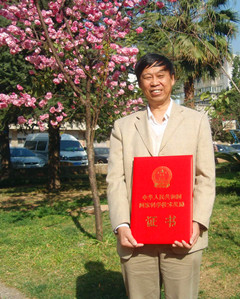 Yiping Zhang (张一平)合作论文数中国科学院西双版纳热带植物园3Jorge Vivanco合作论文数Center For Root & Rhizosphere Biology, Colorado State University3Hong Ao (敖红)合作论文数东北林业大学生命科学学院3
 Mark van Kleunen合作论文数Department of Biology, University of Konstanz;Max Planck Institute of Animal Behavior3
 Yajun Chen (陈亚军)合作论文数Xishuangbanna Tropical Botanical Garden, Chinese Academy of Sciences3
 Lijing Chen (陈丽静)合作论文数College of Bioscience and Biotechnology, Shenyang Agricultural University3Jun-Ichiro Horiuchi合作论文数3




