Cardiac fibrosis represents a critical pathological process contributing to heart failure and impaired cardiac function. Recent studies have emphasized the significant role of long non-coding RNAs (lncRNAs) in this process. This study aimed to investigate the role and molecular mechanism of lncRNA SNHG8 in cardiac fibrosis. Analysis revealed that SNHG8 was significantly upregulated in cardiac tissue samples from patients with cardiac fibrosis, as well as in TGF-β-treated NIH3T3 fibroblasts and primary fibroblasts. In cellular models of fibrosis, SNHG8 inhibition significantly reduced the expression of fibrosis markers (including COL family genes, ACTA2, and SM-22α) and suppressed fibroblast proliferation and migration. Importantly, MAD2L1 was identified as a potential target gene mediating TGF-β/SNHG8-induced cardiac fibrosis. Gain- and loss-of-function experiments for E2F1 demonstrated that SNHG8 regulated MAD2L1 transcription by interacting with the transcription factor E2F1 and recruiting it to the MAD2L1 promoter. In mouse models of cardiac fibrosis, SNHG8 knockout significantly alleviated fibrosis, restored cardiac function, and decreased the expression of fibrosis-related genes and MAD2L1 protein levels. In conclusion, this study revealed that SNHG8 promoted the progression of cardiac fibrosis by interacting with E2F1 to regulate MAD2L1 expression, highlighting SNHG8 as a potential therapeutic target for cardiac fibrosis treatment.
Cardiac fibrosis is a significant contributor to cardiac dysfunction and heart disease. The present study investigated the role of miR-10a-5p in mitigating cardiac fibrosis, potentially through its regulation of Myocardin-related transcription factor A (MRTF-A). RNA sequencing of heart samples obtained from patients with rheumatoid heart disease (RHD) revealed a marked reduction in miR-10a-5p expression in RHD patients exhibiting cardiac fibrosis, which was accompanied by an elevation in MRTF-A expression. In in vitro models of fibrosis, including primary myocardial fibroblasts and NIH3T3 cells treated with TGF-β, miR-10a-5p was shown to suppress cellular proliferation, migration, and the expression of fibrosis markers such as COL1A2, ACTA2, and SM-22α, through the targeted inhibition of MRTF-A. MRTF-A was identified as a pivotal regulator of fibrosis, and the use of siRNA targeting MRTF-A, as well as the ROCK inhibitor Y27632, both reduced MRTF-A expression and its nuclear localization. Furthermore, MRTF-A was found to positively regulate TGF-β2 expression. In vivo, administration of miR-10a-5p resulted in an improvement in cardiac function and a reduction in cardiac fibrosis in a mouse model. These findings suggest that miR-10a-5p may serve as a potential interventional target for cardiac fibrosis by inhibiting MRTF-A.
Long noncoding RNAs (LncRNAs) play essential roles in regulating gene expression in various biological processes. However, the function of lncRNAs in vascular smooth muscle cell (VSMC) transformation remains to be explained. In this work, we discover that a new bone marrow protein (BMP) signaling target, lncRNA RP11-301G19.1, is significantly induced in BMP7-treated VSMCs through lncRNA microarray analysis. Addition of BMP signaling inhibitor LDN-193189 attenuates the expression of ACTA2 and SM-22 alpha, as well as the mRNA level of RP11-301G19.1. Furthermore, lncRNA RP11-301G19.1 is critical to the VSMC differentiation and is directly activated by SMAD1/9. Mechanistically, knocking down of RP11-301G19.1 leads to the decrease of ATOH8, another BMP target, while the forced expression of RP11-301G19.1 reactivates ATOH8. In addition, miR-17-5p, a miRNA negatively regulated by BMP-7, contains predicted binding sites for lncRNA RP11-301G19.1 and ATOH8 3 ' UTR. Accordingly, overexpression of miR-17-5p decreases the levels of them. Together, our results revealed the role of lncRNA RP11-301G19.1 as a miRNA sponge to upregulate ATOH8 in VSMC phenotype transformation.
BACKGROUND There are little data on ventricular arrhythmias (VAs) originating from the right bundle branch (RBB) of the moder-ator band (MB) (MB-RBB VAs) in a cohort of patients.OBJECTIVE The purpose of this study was to investigate the elec-trocardiographic and electrophysiological characteristics of MB-RBB VAs.METHODS Sixteen patients with MB-RBB VAs and 5 patients with right ventricular (RV) anterior papillary muscle (APM) VAs (RV-APM VAs) were studied under the guidance of intracardiac echocar-diography.RESULTS The MB-RBB VAs group demonstrated a typical left bundle branch block pattern with left superior axis deviation and a narrower QRS complex during VAs (P , .001) as compared with the RV-APM VAs group. Furthermore, the MB-RBB VAs group had a shorter rS interval, a sharper slope of the S wave downstroke without notching in leads V1 and V2, and a shorter r wave duration in lead V2. A leading RBB potential at the target during VAs was observed for all patients in the MB-RBB VAs group, which was also present during sinus rhythm for all patients, except for 2 with RBB block at base-line. Ablation of the leading RBB potential effectively eliminated the arrhythmia. In the RV-APM VAs group, no Purkinje potential at the target was identified in any patient during VAs.CONCLUSION QRS morphology of MB-RBB VAs is characterized by a typical left bundle branch block pattern with a relatively narrow QRS complex, short r wave and rS durations, and a sharp S wave down -stroke without notching in leads V1 and V2. Mapping and ablation of the leading RBB potential are effective in eliminating VAs.
Upon vascular injury, vascular smooth muscle cells (VSMCs) change from a contractile phenotype to a synthetic phenotype, thereby leading to atherogenesis and arterial restenosis. Myocardin (MYOCD) is essential for maintaining the contractile phenotype of VSMCs. Deletion of MYOCD in VSMCs triggers autophagy. However, the molecular mechanism underlying the effect of MYOCD on autophagy is not clear. In this study, knockdown of MYOCD in human aortic VSMCs (HA-VSMCs) triggered autophagy and diminished the expression of SMC contractile proteins. Inhibition of autophagy in MYOCD-knockdown cells restored the expression of contractile proteins. MYOCD activated the transcription of miR-30a by binding to the CArG box present in its promoter, as confirmed by luciferase reporter and chromatin immune coprecipitation assays, while miR-30a decreased the expression of autophagy protein-6 (ATG6, also known as beclin1) by targeting its 3'UTR. Restoring the expression of miR-30a in MYOCD-knockdown cells upregulated the levels of contractile proteins. Treatment of VSMCs with platelet-derived growth factor type BB (PDGF-BB) resulted in the transformation of VSMCs to a proliferative phenotype. A low level of miR-30a was observed in PDGF-BB-treated HA-VSMCs, and re-expression of miR-30a led to a decrease in proliferative marker expression. Furthermore, using a wire injury mouse model, we found that miR-30a expression was significantly downregulated in the arterial tissues of mice and that restoration of miR-30a expression at the injured site abolished neointimal formation. Herein, MYOCD could inhibit autophagy by activating the transcription of miR-30a and that miR-30a-mediated autophagy defects could inhibit intimal hyperplasia in a carotid arterial injury model.
目的 探讨左后间隔基底部起源的室性心律失常(VAs)体表心电图特点及三维标测指导下射频消融治疗的效果.方法 回顾性分析2018年12月至2021年1月在首都医科大学附属北京安贞医院住院的连续6例起源于左后间隔基底部的VAs患者.所有患者均在三维标测系统指导下进行激动标测,并行射频消融治疗,分析患者12导联心电图QRS波特征.结果 6例VAs患者经射频消融全部即刻成功,随访复发1例(1/6),该病例左心室及右心标测后最早激动点位于左后间隔基底部,多次消融后室性期前收缩消失.所有患者均无并发症发生.起源于左后间隔基底部的VAs患者心电图特征均表现为完全性右束支传导阻滞,电轴左偏,Ⅰ、aVL导联呈高大的R型,Ⅱ导联呈rS型,Ⅲ、aVF导联呈r S型或QS型,V1导联呈r'sR型或R型,V2~V4导联呈高大R型,V5导联呈Rs型或R型,V6导联呈Rs型,R/s>2.结论 左后间隔基底部起源的VAs患者有典型心电图特征,三维标测系统指导射频消融治疗该部位起源的VAs安全有效.由于解剖结构的影响,部分患者需要使用普通盐水灌注导管到位消融.
目的 探讨通用钢丝支撑的导线(Solia S60)在三维引导鞘支撑下行左束支区域起搏(LBBaP)的可行性、安全性.方法 15例患者入选,在三维引导鞘支撑下应用Solia S60电极行LBBaP,记录术中电极导线的参数,QRS波形态及时限,LBBaP时V5导联左室达峰时间、透视时间及术中并发症等,比较术后随访中起搏参数、QRS时限等变化.结果 15例中12例(80%)成功应用Solia S60完成LBBaP,手术时间(87.73±24)min;术后QRS波时限与术前相比无差异[(120.17±9.3)ms和(119.25±26.5)ms,P>0.05],术后随访电极阻抗相对稳定[单极(418.4±92.0)Ω,双极(642.3±103.9)Ω].失败3例,1例为巨大右房,1例为复杂解剖异常,此2例改为普通起搏;另1例为术中出现停搏之后心室颤动,改为间隔起搏.结论 钢丝支撑的导线在特殊鞘支撑下行LBBaP是可行且安全的.
心房颤动是目前最常见的心律失常.在欧洲,55岁以上的成年中心房颤动患者为880万[1].在美国,目前确诊的心房颤动患者接近230万人[2].在我国,60岁以上男性心房颤动患病率2.0%,女性1.6%[3];到2050年,60岁以上男性心房颤动患者520万、女性310万[4].心房颤动患者的卒中发生率较无心房颤动患者升高5倍,死亡率升高2.5倍[5].既往认为心房颤动相关的卒中是因为左心耳血液瘀滞,血凝块形成,脱落后引起脑血管栓塞.然而,近20年的研究结果不断挑战这种结论.
目的 探讨主动脉左冠窦(LCC)右冠窦(RCC)小叶间三角(ILT)起源的特发性室性心律失常(VAs)电生理特征和射频消融疗效.方法 入选2016年1月~2019年1月于首都医科大学附属北京安贞医院心内科3A病房经电生理检查及射频消融证实起源于RCC、LCC间ILT的28例特发性VAs患者为研究对象.分别在右室流出道(RVOT)、主动脉根部及左室流出道(LVOT)行激动顺序标测和起搏标测,分析其体表心电图特征、左右室流出道标测电生理特点、成功消融靶点处电位特征并观察分析射频消融的疗效.结果 12%的特发性VAs起源于RCC、LCC间ILT,其体表心电图多呈类左束支阻滞(LBBB)图形,下壁导联R波直立,I导联主波多向上,78%(22/28)的患者I导联呈特征性"M"型,胸前导联移行均早于V3导联.60.7%(17/28)的患者成功消融靶点可见收缩期前电位.RCC、LCC间ILT起源的VAs患者中21例(75%)成功消融靶点位于ILT上部,7例(25%)成功消融靶点位于ILT中下部.结论 RCC及LCC间ILT起源VAs较常见,其体表心电图I导联多呈特征性M型,胸导移行早于V3导联.多数患者成功消融靶点处存在特殊收缩期前电位.
BACKGROUND Ventricular arrhythmias (VAs) ablated successfully at the right-left subvalvular interleaflet triangle (R-L ILT) between right and left coronary cusps have not been fully characterized. OBJECTIVE The purpose of this study was to investigate the electrophysiological characteristics of these VAs and their relationships with the left ventricular (LV) summit. METHODS Twenty-eight VAs ablated successfully at the R-L ILT were studied. RESULTS Ninety-six percent of VAs had an early precordial electrocardiographic transition. R-wave amplitude in lead V-1 was relatively high (RS morphology, R-wave amplitude 0.35 +/- 0.09 mV; R/S ratio 0.35 +/- 0.27), whereas the morphology of lead I was R-shaped in 71% and M-shaped in 50% of VAs. Earliest potential was recorded at the R-L ILT in 13 of 28 patients and the left pulmonary sinus cusp (LC) in 6 of 28 patients. Mapping the summit communicating vein (summit-CV) failed because of anatomic or instrumental limitations in these 19 patients. In the other 9 patients, earliest potential was successfully recorded at the summit-CV, while perfect pacemapping was achieved. Poor pace mapping was achieved at the R-L ILT or LC in most patients (27/28). Target site was located at the top of the R-L ILT in all cases. A presystolic potential was present at the target site in 18 of 28 patients. A U-curve via the retrograde method was conventionally used to reach the top of the R-L ILT. CONCLUSION VAs ablated successfully at the R-L ILT have unique electrophysiological characteristics, and R-L ILT may be an endocardial anatomic ablation target for VAs originating from the base of the LV summit.
Background: We have compared the patient characteristics and safety and efficacy results of the Micra transcatheter pacemaker from the China Micra Transcatheter Pacing Study with those from the global trials. Subjects and Methods: In this prospective, multicenter, single-arm study, patients with a class I or II guideline recommendation for single-chamber pacemaker therapy were enrolled from seven centers in China between July 30, 2018, and December 12, 2018. The primary outcome measure of this study was freedom from system- or procedure-related major complications through 6 months postimplantation (prespecified performance goal 83%). Patient baseline characteristics and major complications were compared with data from the global trials. Performance after medically indicated magnetic resonance imaging (MRI) scans was characterized. The study was approved by the ethics committee at each participating center and registered with ClinicalTrials.gov (Identifier: NCT03624504). Results: Implantation was successful in 81 of 82 (98.8%) patients with a mean follow-up of 8.7 ± 1.5 months. Chinese patients who had lower body mass index were more often female, and less frequently had a pacing indication associated with atrial fibrillation (AF) compared with global patients. Through 6 months postimplantation, two major complications occurred, with a major complication-free rate of 97.6% (95% confidence interval: 90.6–99.4%), exceeding the primary endpoint performance goal (P = 0.002). The major complication rate was in line with rates from the Micra investigational trial and Post-Approval Registry (2.4% vs. 3.7% and 2.9%, respectively, P = 0.50). Among 14 patients who underwent 3T MRI scans, electrical performance was stable with mean pre- and post-MRI pacing thresholds of <0.5 V. No MRI-related device performance issues were observed. Conclusion: In the hands of new operators in China, the Micra pacemaker was implanted successfully with a very low complication rate. Although Chinese Micra patients were on average of smaller stature and the majority had a pacing indication not associated with AF, Micra performance was excellent and in line with the global trial experience.
目的:观察新型口服抗凝药(NOACs)对非瓣膜性心房颤动患者左心耳血栓(LAAT)的影响及效果评估.方法:回顾性分析2018年6月至2020年1月,在北京安贞医院心内科因心房颤动行导管消融治疗的患者960例,术前均行经食道超声心动图(TEE)检查.存在LAAT的患者33例(3.4%),口服NOACs治疗后23例复诊.观察服用NOAC≥3周左心耳血栓的消退情况,左心耳血栓消失或减小定义为有效,无变化或增大定义为无效.结果:33例左心耳血栓患者中CHA2DS2-VASc评分≤1分为17例(51.5%,其中0分4例,1分13例).23例患者中,服用利伐沙班15 mg/d 6例,有效5例(83.3%),服药时长112(54,352)d;达比加群酯110 mg 2次/d 7例,有效2例(28.6%),服药时长69(28,265)d;达比加群酯150 mg 2次/d10例,有效9例(90%),服药时长78(44,190)d.达比加群酯110 mg 2次/d治疗无效的5例,改用达比加群酯150 mg2次/d,服药≥3周后再次复查TEE,4例(80%)血栓消失.达比加群酯110 mg 2次/d与150 mg 2次/d对比,有效率差异有统计学意义(P<0.05).结论:NOACs对非瓣膜性心房颤动患者左心耳血栓的治疗有效,高剂量的NOACs效果优于低剂量.低的栓塞风险评分心房颤动患者也有较高的左心耳血栓检出率.
目的:分析一组以宽QRS波心动过速为表现形式的左后间隔隐匿性旁道的发病心电图、临床和电生理特点.方法:对本中心10例表现为宽QRS波心动过速的左后间隔隐匿性旁道进行回顾性分析研究(宽QRS波组),采用10例表现为窄QRS波心动过速形态的左后间隔隐匿性旁道作为对照组(窄QRS波组).比较两组患者的一般情况、临床症状、误诊情况、电生理检查结果和射频消融情况.结果:与窄QRS波组相比,宽QRS波组心动过速均表现为左束支阻滞(LBBB)形态差异性传导,发作时心率更快[(206± 14)vs.(183±8)次/min,P<0.05],心电图容易被当地医院误诊为室性心动过速(5例)或无法明确诊断(3例),临床症状严重,除心悸(10例)外,还会表现为晕厥(2例)、头晕(4例)或者胸痛(2例)等,容易被医生过度检查或者过度治疗(4例行冠状动脉造影检查,3例被建议安装置入式心脏除颤装置).两组患者电生理特征包括房室结不应期、文氏点、旁道传导功能等未见明显差异.两组患者消融成功率均为100%,所需电生理检查时间、标测和射频消融时间也无明显差别.结论:左后间隔隐匿性旁道可以表现为LBBB形态的宽QRS波心动过速,此类患者发作时心率快、症状重,容易被误诊为室上性心动过速而过度检查和治疗.此类患者应行电生理检查明确诊断.
目的:探讨消融指数(AI)指导下射频消融治疗阵发性心房颤动的安全性和有效性.方法:回顾性纳入了2016年12月至2018年1月,于安贞医院阵发性心房颤动患者行压力(CF)指导下环肺静脉隔离(PVI)58例和AI指导下PVI 58例患者;观察两组患者术中单圈PVI隔离率、术中肺静脉电传导恢复情况及随访12个月心房颤动复发率.结果:AI组单圈消融PVI隔离率显著高于CF组(82.8%vs.69.0%,P=0.014),20 min观察期中AI组肺静脉电传导恢复率明显低于CF组(8.6%vs.18.1%P=0.034),AI组术后12个月内心房颤动复发率明显低于CF组(15.5%vs.31.0%,Log rank P=0.045).两组患者均未发生心包填塞、围手术期死亡等并发症.结论:AI指导下射频量化消融治疗阵发性心房颤动手术安全有效.
Our study aimed to explore the incidence and risk factors of permanent pacemaker implantation (PPI) after valve replacement surgery (VR). The influence of long-term pacemaker dependency on cardiac structure and function at the 1‑year follow-up was also assessed. The demographic and surgical data of all consecutive patients who underwent VR between 2013 and 2016 were collected. Univariate and multivariate analyses were performed to identify variables independently associated with PPI after VR. A 1‑year follow-up was undertaken of patients who underwent dual-chambers pacemaker after VR because of complete atrioventricular block (AVB). Long-term pacemaker dependency and recovery of cardiac structure and function were evaluated. There were 5320 consecutive patients with VR. The incidence of postoperative PPI was 2.42%. Multivariate analysis indicated that among the 62 patients who underwent PPI due to AVB and sick sinus syndrome, isolated aortic valve replacement (AVR; OR: 2.24, p < 0.05), VR combined with ventricular septal defect (VSD) repair (OR: 6.78, p < 0.05), and VR with aortic root and arch surgery (OR: 4.14, p < 0.05) were independent predictors of PPI after surgery. In total, 89.6% (43/48) of the survivors showed pacemaker dependency. Of these 43 patients, 24 had enlarged left heart before VR. Compared with preoperative values, the left atrial and left ventricular end-diastolic diameter post-PPI decreased significantly, while left ventricular ejection fraction was not significantly different. Isolated AVR, VR concomitant with VSD repair, and VR with aortic root and arch surgery are independent predictors of PPI after VR. The majority of patients do not recover from AVB disorders and there is no significant negative effect on recovery of cardiac structure and function.
心律失常是一种常见的心脏活动起源异常或传导障碍致心脏搏动异常的心血管疾病,目前其发病机制尚不明确.而心理因素作为一种运动、变化着的心理过程,在疾病的发生发展中起重要作用.目前系列研究证实心理因素在自主神经系统、中枢神经系统、不同人格类型及基因遗传学等多方面与心律失常的发生发展存在关联,而2019年12月在我国流行的新冠状病毒肺炎(COVID-19)作为急性应激源可或诱发患者心律失常发作.对心律失常与心理因素相关机制研究,可有助于临床医护提高对患者心理因素的关注,降低心律失常发作频率,从而改善患者生活质量.
目的:探讨慢性心力衰竭(CHF)患者行左束支区域起搏(LBBAP)的心电图特点、心室同步性改变及可行性.方法:入选7例因慢性心力衰竭且具有心脏再同步化(CRT)治疗指征,行左心室电极置入失败后改行LBBAP的患者.对其进行心电图、心脏超声及起搏器程控随访并对随访资料进行分析.结果:7例患者均试行LBBAP成功.术后心电图提示患者QRS波间期(QRSd)及左心室达峰时间(LVAT)均较术前缩短[QRSd:(165.23±9.13)vs.(125.19±6.03) ms;LVAT:(77.6±6.50) vs.(50.58±6.64) ms].术后常规超声提示5例患者LVEF、LVIDd、NYHA心功能分级较前提升.6例患者双室间同步性较前好转,7例患者左心室内同步性均较前提升.结论:LBBAP对治疗慢性心力衰竭合并左柬支传导阻滞的患者具有可行性,可作为常规CRT左心室电极置入失败后的备选方案.
Recurrence of paroxysmal atrial fibrillation (AF) is partly due to pulmonary vein (PV) reconnection and non-PV foci, especially superior vena cava (SVC). We aimed to investigate the efficacy and safety of empiric SVC isolation plus PV isolation after first failed radiofrequency ablation involving only PV isolation for paroxysmal AF. Procedural and follow-up outcomes of ablation for 144 consecutive paroxysmal AF patients after first failed radiofrequency ablation involving only PV isolation were retrospectively compared between patients undergoing either conventional SVC isolation (additional SVC isolation if SVC-triggered AF or rapid SVC activity was observed; n = 72) or empiric SVC isolation after PV isolation (n = 72). In conventional SVC isolation versus empiric SVC isolation groups: baseline characteristics and proportion of recorded PV electrical potentials were similarly distributed and all pulmonary veins were successfully reisolated; SVC isolation was performed less often (6 [8.3 %] vs 70 [97.2 %]; p <0.001, respectively); and during 19 +/- 10 months follow-up, atrial tachyarrhythmias recurrence-free rate after a second procedure was lower (58.3% vs 77.8%, log rank; p = 0.037). Multivariate regression analysis revealed LA diameter >= 45 mm (odds ratio [OR] = 2.5; 95% confidence interval [CI], 1.4 to 4.6; p = 0.002) as the independent risk factor of atrial tachyarrhythmias recurrence and empiric SVC isolation (OR = 0.47; 95% CI, 0.25 to 0.87; p = 0.016) as the independent protector against atrial tachyarrhythmias recurrence after a second ablation procedure. Empiric SVC isolation plus PV isolation did not increase significantly procedural time or complications. In conclusion, the strategy of empiric SVC isolation plus PV isolation during a second procedure for paroxysmal AF improved atrial tachyarrhythmias recurrence-free rate without increasing procedural time or complications. (C) 2020 Elsevier Inc. All rights reserved.
目的 探讨三尖瓣环游离壁起源的室性心律失常(VAs)体表心电图特点及三维标测系统指导下射频消融治疗的效果.方法 回顾性分析2016年10月至2017年10月在北京安贞医院住院的连续9例起源于三尖瓣环游离壁的VAs患者.所有患者均在三维标测系统指导下采用压力监测导管进行激动标测和基质标测,行射频消融治疗,分析患者12导联心电图QRS波特征.结果 9例VAs患者经射频消融即刻成功8例(8/9),失败1例(1/9),后经心外膜标测消融,心内膜、心外膜均可见大片异常电压区,所有患者均无并发症发生.起源于三尖瓣环游离壁的VAs患者心电图特征表现为左束支传导阻滞,V1、V2导联呈rS型,Ⅰ、V5及V6导联呈R型,胸前导联移行区通常在V4或之后,由三尖瓣环后侧壁到侧壁再到前侧壁,下壁导联R(r)波逐渐增高,而S(s)波逐渐变浅甚至消失,同时R(r)波呈Ⅱ>aVF>Ⅲ,S(s)波呈Ⅲ>aVF>Ⅱ.结论 三维标测系统指导射频消融治疗三尖瓣环游离壁起源的VAs安全有效,该部位起源的VAs患者有典型心电图特征,部分超声心动图结构正常的患者继发于致心律失常性右心室心肌病,可能为其早期表现.
 ZhiHong Han (韩智红)合作论文数68Yunlong Wang合作论文数44Ye Wang (汪烨)合作论文数31Zhuo Liang合作论文数24YueChun Gao (高阅春)合作论文数19JinRong Zhang (张金荣)合作论文数17
 Tao Zhang (张涛)合作论文数Emergency General Hospital16
 Jiqiang He (何继强)合作论文数Beijng Anzhen Hospital, Capital Medical University14Junmeng Zhang合作论文数14Hong Liu (柳弘)合作论文数13XiaoLing Zhang (张晓玲)合作论文数12Hua Zhao (赵华)合作论文数12Yawei Luo (罗亚玮)合作论文数12
 Shuzheng Lv (吕树铮)合作论文数Beijing Anzhen Hospital, Capital Medical University12
 Tengyong Jiang (姜腾勇)合作论文数Beijing Anzhen Hospital, Capital Medical University12Quan Li (李全)合作论文数11XianPeng Yu (玉献鹏)合作论文数10Rui Tian (田锐)合作论文数9Yuchen Zhang合作论文数8
 Fang Chen (陈方)合作论文数Children's Hospital of Shanghai8WeiDong Zhang (张维东)合作论文数7Ye Zhang (张烨)合作论文数7
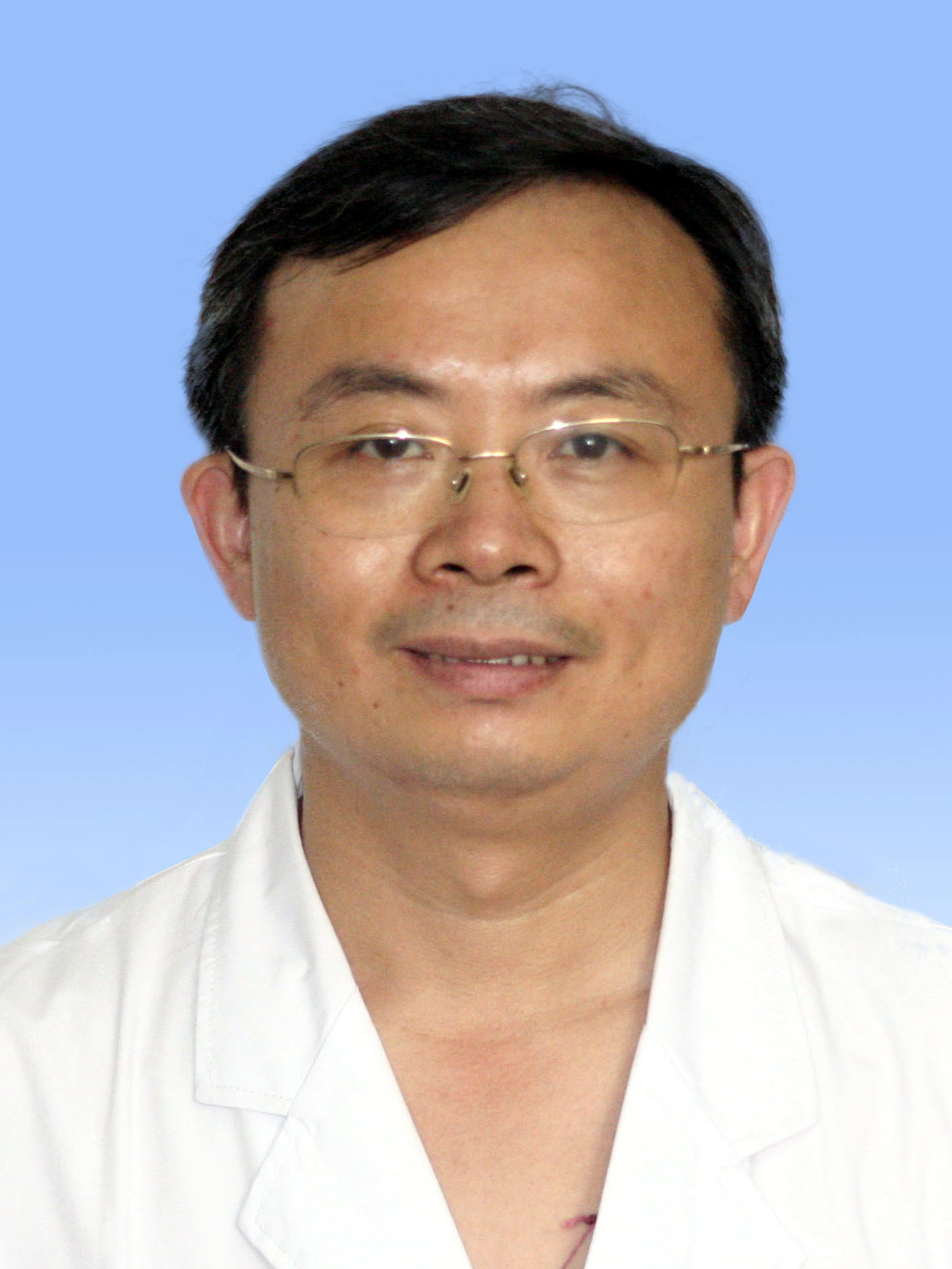 Yongquan Wu (吴永全)合作论文数Beijing Friendship Hospital, Capital Medical University7
 Xuebin Li (李学斌)合作论文数Peking University People's Hospital7
 Jihong Guo (郭继鸿)合作论文数People′s Hospital of Peking University,Beijing ,China7JiaHui Song (宋佳慧)合作论文数6HaiYan Li (李海宴)合作论文数6Yun Wang (王芸)合作论文数6Changyan Wu合作论文数6Xinzhu GUO (郭馨竹)合作论文数5TengFei Li (李腾飞)合作论文数5
 Nan Wang (王楠)合作论文数北京科兴生物制品有限公司5Jianming Nie (聂建明)合作论文数5
 Yu Li (李宇)合作论文数Beijing Anzhen Hospital, Capital Medical University5Xialing LI (李霞玲)合作论文数4
 Kang Meng (孟康)合作论文数Beijng Anzhen Hospital, Capital Medical University4Guo Cheng-jun合作论文数4
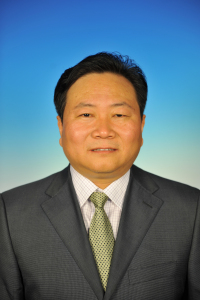 WenBin Li (李温斌)合作论文数Beijing Anzhen Hospital, Capital Medical University4
 Xuesi Wu (吴学思)合作论文数Beijing Anzhen Hospital, Capital University of Medical Sciences4
 Tong-Cun Zhang (张同存)合作论文数College of Life Sciences and Health, Wuhan University of Science and Technology;Bio-Raid4Hongmin Zhang合作论文数3Yanfei Yang (杨燕斐)合作论文数3Jinhua Ding合作论文数3Xiaojie Chen合作论文数3Hui-feng DU (杜慧峰)合作论文数3ZhangYan Wu (吴长燕)合作论文数3




