Pretomanid and delamanid are prodrugs, whose active derivatives have been reported to target decaprenylphosphoribose-2'-reductase, DprE2, while quabodepistat is a noncovalent inhibitor of decaprenylphosphoribose-2'-oxidase, DprE1. Both enzymes are involved in Mycobacterium tuberculosis cell wall synthesis, but the mechanism of the DprE1-DprE2 epimerase complex and its inhibition by these compounds remain unclear. We report cryo-EM structures of the M. tuberculosis DprE1-DprE2 complex bound with either substrate or quabodepistat in DprE1, and with either activated pretomanid or delamanid in DprE2, respectively. DprE1-DprE2 assembles as a membrane-associated tetramer of a DprE2 dimer flanked on each side by a DprE1 subunit. Both pretomanid and delamanid bind to DprE2 in an NADH-adduct form and within a conserved binding pocket that extends from the NADH-binding site to the substrate-binding site. Quabodepistat binds to DprE1 with a unique mode. Our data reveal the mode of action of these drugs, allowing rational design of new derivatives for improved tuberculosis treatments.
Chemotherapy remains a primary cancer treatment. However, the poor selectivity of conventional small-molecule chemotherapeutic agents often leads to severe side effects against normal cells and tissues, limiting their clinical application. To address this challenge, tumor-microenvironment-activated prodrugs represent a promising strategy for enhancing selectivity and efficacy. Herein, we developed a charge-reversal prodrug, PIX-DMMA, synthesized through the reaction between primary amino groups of pixantrone (PIX) and 2,3-dimethylmaleic anhydride (DMMA). PIX-DMMA is activated under tumor extracellular pH (∼6.5), releasing the o-PIX while simultaneously undergoing charge reversal from negative to positive, thereby enhancing cellular uptake. Drug release kinetics at pH 6.5 were verified via NMR spectroscopy. In vitro studies demonstrated that prodrug activation at pH 6.5 confers significant tumor selectivity and potent cytotoxicity toward cancer cells. Furthermore, in vivo studies in LoVo tumor-bearing mice showed significant tumor growth inhibition without significant systemic toxicity. This acid-triggered charge-reversal prodrug represents a promising strategy for selective cancer therapy.
Orthogonal protection of the Asp side chain is critical in peptide synthesis. We introduce the 2-pyridyl isopropyl (Dmpic) group as a photolabile protecting group for the Asp side-chain carboxyl functionality. Dmpic demonstrates excellent stability under both strongly acidic and basic conditions, effectively suppresses aspartimide formation, and can be removed under mild conditions, facilitating the efficient synthesis of diverse Asp-containing lactam-cyclized peptides. Moreover, Dmpic exhibits excellent orthogonality with common protecting groups, offering a straightforward strategy for the synthesis of Asp-containing lactam-cyclized peptides.
Bacterial infection and excessive reactive oxygen species (ROS) accumulation synergistically disrupt the wound microenvironment and severely impair the healing process. Therefore, multifunctional biomaterials with intrinsic antibacterial and antioxidant properties are highly desirable for the effective treatment of infected wounds. Here, we rationally designed and synthesized two DOPA-containing constitutional isomeric peptides with dual antimicrobial and antioxidant activities, each containing one 3,4-dihydroxy-L-phenylalanine (DOPA), four tryptophan residues (W), and three arginine residues (R), and designated as WRWRWRW(DOPA) and WWWWRRR(DOPA), respectively. These peptides can self-assemble in aqueous solutions into different morphologies, with WRWRWRW(DOPA) forming vesicles, whereas WWWWRRR(DOPA) assembles into micelles. Notably, both self-assembled nanostructures exhibited enhanced antibacterial activity compared with their corresponding peptide precursors, and the vesicular assemblies showed superior antimicrobial efficacy relative to their micellar counterparts. Based on these findings, the vesicle-forming peptide system was further investigated for ROS-scavenging capability and wound healing performance. The results demonstrated that the vesicular assemblies possessed efficient ROS elimination capacity and significantly promoted infected wound repair. Overall, this work highlights the critical role played by the morphology of self-assembled nanostructures in regulating antimicrobial and antioxidant performance, providing a promising strategy for the design of multifunctional peptide-based systems for infected wound therapy.
Classic chemical protein synthesis is constrained by slow kinetics and millimolar concentration requirements, limiting access to large or hydrophobic proteins because of solubility issues. Existing auxiliary strategies generally demand harsh installation/removal conditions and are incompatible with expressed protein ligation (EPL), limiting their utility for complex targets. To overcome this, a photocleavable picolyl (Pic) linker was developed that enables postsynthetic installation of bio-orthogonal inverse-electron-demand Diels-Alder (IEDDA) reagents onto synthetic peptides and expressed proteins under mild conditions. This strategy uses rapid IEDDA kinetics to enhance effective peptide concentration, enabling efficient ligation at low concentrations. The ligation of expressed G-CSF and SARS-CoV-2 RBD fragments at micromolar concentrations demonstrates the practicality of this method, whereas conventional methods fail to achieve efficient ligation. IEDDA ligation, EPL, desulfurization/Pic linker cleavage can be performed in one pot, overcoming low-concentration synthesis bottlenecks and serving as a powerful tool for accessing challenging hydrophobic or large proteins.
The chemical synthesis of proteins with site-specific modifications remains a fundamental challenge in chemical biology. One-pot peptide ligation strategies have emerged as powerful tools to enhance synthetic efficiency, primarily relying on N-terminal cysteine (Cys) protection. However, current Cys deprotection conditions require various reagents or pH adjustments during the reaction, rendering downstream processing cumbersome. Here, a visible-light-mediated deprotection strategy using 2-(N-methylpyridinium-4-yl)-thiazolidine (4-NMP-Thz) as a novel N-terminal Cys-protecting group is reported. This reaction, catalyzed by [Ru(bpy)3]Cl2 at physiological pH (6.0-8.0), enables smooth one-pot multi-segment peptide assembly. The strategy demonstrates complete orthogonality to native chemical ligation (NCL) and desulfurization conditions, eliminating the requirement for intermediate purification or pH adjustment. This methodology was used to facilitate an efficient one-pot synthesis of a 400-amino acid (aa) glycosylated MUC1 glycoprotein bearing 40 O-glycosyl modifications that is difficult to prepare using previously reported techniques. The 400-aa MUC1 significantly enhanced antigenic immunogenicity compared with shorter MUC1 glycopeptides. This streamlined approach establishes a robust platform for the construction of complex post-translationally modified proteins.
Low-input glycomics remains particularly challenging for sialylated N-glycans because rigorous linkage-specific derivatization often increases sample handling, disperses signal across multiple linkage isomers, and compromises sensitivity. Here, we report a programmable one-tube workflow that integrates cell lysis, N-glycan release, sialic acid derivatization, and purification in a single microcentrifuge tube for highly sensitive N-glycome profiling. By controlling ammonia activity and reaction time after ethyl esterification, the workflow enables optional sialic acid linkage-specific, linkage-nonspecific, and sequential dual-mode analyses on the same low-input sample. On a standard mass spectrometry platform, the method demonstrated direct N-glycomic profiling from nanogram-scale glycoprotein inputs, nanoliter-scale human serum, and only a few thousand primary T cells. Applied to splenic B cells from an LPS-induced inflammatory model, a marked remodeling of the N-glycome from high-mannose species toward sialylated complex glycans was revealed, while maintaining an unchanged α2,3/α2,6 overall ratio. These results establish a chemistry-programmable route to dual-mode N-glycomics for low-input samples and expand the practical scope of linkage-resolved glycomic analysis in mass-limited biospecimens.
The structure of N-linked glycans regulates protein folding, stability, conformation, and fundamental cellular functions. However, current biosynthesis methods yield heterogeneous glycoforms, and chemical total synthesis is prohibitively step-intensive, significantly hindering functional studies of glycan structure-function relationships, preventing detailed studies of the functions of N-glycans on proteins. To overcome these limitations, a novel, streamlined strategy for the direct single-step synthesis of glycoproteins with structurally defined N-glycans has been developed. This method utilizes visible-light-mediated photoredox catalysis in phosphate-buffered saline (PBS) to enable the straightforward addition of N-glycosyl carbamoyl radicals, generated from N-glycosyl-1,4-dihydropyridines (DHPs), to the dehydroalanine (Dha) double bond on proteins. Under mild conditions, this radical addition provides direct access to well-defined N-linked glycoproteins, such as small ubiquitin-related modifier 2 (SUMO2), phosphate-transport protein (PstS), interleukin-1 alpha (IL-1α), and β-lactoglobulin with two disulfide bonds. This streamlined approach promises accessible, well-defined glycoproteins for high-throughput structure-function studies.
The ability to selectively cleave C-heteroatom bonds is critically important in chemical science, from peptide and protein synthesis to biomolecule manipulation. For example, C-heteroatom bond cleavage is widely used in fluorenylmethyloxycarbonyl/tert-butyl (Fmoc/tBu)-based solid-phase peptide synthesis (SPPS). Despite its usefulness, it has inextricable limitations, such as issues with hydrophobicity and side reactions, owing to the need for the use of a strong trifluoroacetic acid (TFA, a pervasive forever chemical) as the cleavage reagent. To overcome these drawbacks, alternative strategies to replace Fmoc/tBu-based protection and deprotection for SPPS are urgently needed. Here, we introduce a novel SPPS platform based on Fmoc/pyridinemethyl (Pic) chemistry, which enables the orthogonal protection of amino acid side chains and their efficient removal via photocatalytic C-heteroatom bond cleavage under mild conditions. Our approach utilizes the feedstock Pic group to cage amino acid side chains, which eliminates the need for TFA, thereby offering an environmentally friendly alternative to traditional peptide synthesis. Furthermore, this approach seamlessly integrates with automated peptide synthesizers, enabling acid-free, on-resin photorelease of structurally complex peptides, which remains challenging for conventional SPPS methodologies.
Peptide therapeutics constitute a vital class of pharmaceuticals that are prized for their high target specificity and favorable safety profiles. However, conventional peptide synthesis relies on Boc- or Fmoc-protecting groups (e.g., Boc/Fmoc), whose removal requires either corrosive trifluoroacetic acid (TFA) or regulated piperidine. These reagents not only pose environmental and safety concerns but also promote side reactions such as aspartimide and diketopiperazine formation. The development of novel protecting groups that allow mild, selective deprotection is therefore an urgent need. Here, we report a visible-light photocatalytic approach employing the hydrophilic Nα-Picoc group. This strategy eliminates the use of TFA and piperidine while operating efficiently under mild, environmentally benign conditions. Picoc-solid-phase peptide synthesis (Picoc-SPPS) suppresses common side reactions, is compatible with green solvents (e.g., water and γ-valerolactone), and can be performed in aqueous systems. Moreover, the immobilization of the photocatalyst on resin enables efficient catalyst recycling, further improving sustainability. This study positions Picoc-SPPS as a versatile, scalable, and environmentally sustainable alternative to traditional SPPS, with substantial promise for both research and pharmaceutical manufacturing.
Endowed with a reactive thiol group, cysteine (Cys) provides a versatile handle for site-specific bioconjugation and serves as a cornerstone of chemical protein synthesis, particularly in native chemical ligation (NCL). Extensions such as expressed protein ligation (EPL)-desulfurization have significantly broadened access to challenging proteins. However, they require orthogonal caging/uncaging protecting groups to enable selective desulfurization in the presence of native cysteines, a process that is crucial for synthetic applications. Photolabile protecting groups (PPGs), which are cleaved via irradiation, offer a simpler and less disruptive approach to protein assembly compared to traditional thiol protecting groups. However, current commercially available PPGs are not compatible with orthogonal protection and EPL-desulfurization. To address this challenge, we developed a novel and simple picolyl-based PPG for Cys caging/uncaging, which enables rapid orthogonal caging of thiols and their subsequent uncaging via pH and wavelength control. Notably, the picolyl group undergoes photoorthogonal activation in the presence of a nitrobenzyl group. The efficient synthesis of interleukin-4 (IL-4) via one-pot iterative ligation and tumor necrosis factor-alpha (TNF-α) via EPL-desulfurization further highlights how this strategy significantly advances the synthesis of complex proteins.
Natural polysaccharides possess various biological functions and have become increasingly important as drug candidates for biomedical development. However, the accessibility to multiple-branched and large-sized acidic polysaccharides with well-defined structures and the identification of related active glycan domains remain challenging. Here, we report the precision synthesis of a highly branched acidic pectin polysaccharide up to a 63-mer containing 10 different glycosidic linkages from Lycium barbarum. The synthetic strategy relies on highly stereoselective modular assembly of an orthogonally protected decasaccharide backbone, efficient synthesis of three side chain glycans by the integration of stereocontrolled one-pot chemoselective glycosylations and a hydrogen-bond-mediated aglycone delivery approach, and convergent assembly of the target polysaccharide in a branched site-specific glycosylation manner via flexible orthogonal protecting group manipulations. Structure-activity relationship studies of synthetic polysaccharide 63-mer and its short fragments (9-mer, 10-mer, 11-mer, and 33-mer) suggest that the decasaccharide as an active glycan domain exhibits better antiliver fibrosis activity.
Generating effective live vaccines from intact viruses remains challenging owing to considerations of safety and immunogenicity. Approaches that can be applied in a systematic manner are needed. Here we created a library of live attenuated influenza vaccines by using diverse cellular E3 ubiquitin ligases to generate proteolysis-targeting (PROTAR) influenza A viruses. PROTAR viruses were engineered to be attenuated by the ubiquitin–proteasome system, which mediates viral protein degradation in conventional host cells, but allows efficient replication in engineered cell lines for large-scale manufacturing. Depending on the degron–E3 ligase pairs, viruses showed varying degrees of attenuation. In animal models, PROTAR viruses were highly attenuated and elicited robust, broad, strain-dependent humoral, mucosal and cellular immunity. In addition, they provided cross-reactive protection against homologous and heterologous viral challenges. This study provides a systematic approach for developing safe and effective vaccines, with potential applications in designing live attenuated vaccines against other pathogens. Diverse cellular E3 ubiquitin ligase–degron pairs are used to generate live attenuated influenza vaccines. Attenuation and humoral, mucosal and cellular immune responses were characterized in mouse and ferret models.
A novel silver-catalyzed cascade radical isonitrile insertion and defluorinative cyclization have been developed to synthesize CF2H- and phosphinoyl-containing quinolines from ortho-isocyanyl α-trifluoromethylstyrenes. The reaction proceeded under redox-neutral conditions and allowed the construction of a highly attractive quinoline ring system, with the simultaneous formation of the CF2H group and introduction of various phosphinoyl groups in a single transformation, showing operational simplicity, a wide substrate scope, good tolerance for functional groups, and remarkable atom-/stepeconomy. Mechanistic studies indicated that the reaction is likely to involve the participation of P-centered radicals and key carbanion intermediates.
Histidine (His) bears a uniquely electron-deficient imidazole side chain and plays essential roles in protein interactions and enzyme-catalyzed processes. Modification of His C2 position offers a useful method to fine-tune histidine residues of proteins for their structural and functional study. Due to the moderately nucleophilic imidazole group, the chemoselective modification of histidine in proteins remains particularly challenging. Herein, we report a highly efficient method for the semisynthesis of chitin-binding protein21 (CBP21) bearing various groups at the C2 position of His28. A combination of modern radical-mediated C-H alkylation and recombinant protein engineering offers a powerful strategy to decipher His functions.
Expressed protein ligation(EPL)provides a powerful tool to access large-size proteins with precise structures.Existing methods for constructing the critical protein thioester for EPL have predominantly relied on the recombinant intein fusion expressed in Escherichia coli(E.coli).Despite its powerful applications,the expression of thioester derived from eukaryotic protein in E.coli inherently suffers from its limited solubility,the inactivity of intein,premature hydrolysis and low yields.To overcome these obstacles,we present herein the facile one-flask synthesis of inaccessible protein α-thioester via a SUMO-protein-intein(SPI)sandwich model.The utility of SUMO enhances the protein fusion yield and solubility,prevents premature hydrolysis and simplifies the purification process.The inaccessi-ble protein thioester with internal Cys residues can be readily produced and is compatible with the EPL-desulfurization protocol used to prepare complex proteins,which is otherwise difficult to obtain using traditional methods.Its utility has been highlighted through the synthesis of human granulocyte colony-stimulating factor(G-CSF).
Interferon-gamma (IFN-gamma) is an important cytokine with enhanced immune activity, anti-tumor and antiviral effects, and holds significant potential in medical research and clinical applications. In this study, we report a highly efficient semi-synthesis strategy of homogeneous N-GlcNAc modified IFN-gamma. The glycopeptide fragment (Pyr1-Leu33) and peptide fragment (Lys34-Ser39) were prepared through chemical methods. And the peptide fragment (Ser40-Gly138) was obtained through Escherichia coli (E. coli) expression. Subsequently, using a combination of "expressed serine ligation" and "native chemical ligation-desulfurization", we ligated these fragments from the C-terminal to the N-terminal, resulting in a full-length glycoprotein, which was successfully refolded to obtain the desired product.
The central dogma of modern biology underscores the pivotal roles proteins play in diverse biological processes, the study of which necessitates advanced methods to produce proteins with precision and versatility. Chemical protein synthesis, a powerful approach utilizing chemical reactions for the de novo construction of structurally accurate proteins, has emerged as a transformative tool for studying proteins and generating protein derivatives/mimics inaccessible by natural biological machinery, including post-translationally modified proteins, proteins comprised of unnatural amino acids, as well as mirror-image proteins. This review summarizes recent strides in synthetic method developments for chemical protein synthesis, including innovative techniques in solid-phase peptide synthesis, the challenges presented by difficult sequences in either synthesis or folding and the exploration of novel ligation reactions using both chemical and enzymatic methods. Furthermore, the review also delves into newly developed protocols for site-selective protein modifications and the generation of stapled or macrocyclized peptides/mini-proteins, highlighting the power of chemical methods to make structurally diverse proteins. Recent applications of synthetic proteins in investigating post-translational modifications (phosphorylation, lipidation, glycosylation, ubiquitination, etc. ), mirror-image biological processes and drug development are further discussed. Together, these topics provide a comprehensive overview of the current landscape of chemical protein synthesis.
The glycosylation of peptides and proteins can significantly impact their intrinsic properties, such as conformation, stability, antigenicity, and immunogenicity. Current methods for preparing N-linked glycopeptides typically rely on amide bond formation, which can be limited by the presence of reactive functional groups like acids and amines. Late-stage functionalization of peptides offers a promising approach to obtaining N-linked glycopeptides. In this study, we demonstrate the preparation of N-linked glycopeptides through a photoredox-catalyzed site-selective Giese addition between N-glycosyl oxamic acid and peptides containing dehydroalanine (Dha) under visible light conditions. Unlike traditional methods that rely on the coupling of aspartic acid and glycosylamine, this approach utilizes the conjugation of N-glycosylated carbamoyl radicals with Dha, facilitating the straightforward modification of complex peptides.
 Samuel J. Danishefsky合作论文数Department of Chemistry, Columbia University;Memorial Sloan Kettering Cancer Center16
 Farong Ye合作论文数14
 Yongtang Zheng (郑永唐)合作论文数Kunming Institute of Zoology, Chinese Academy of Sciences13
 Siyao Wang合作论文数Shanghai Jiao Tong Univ, Sch Chem & Chem Engn, Shanghai Key Lab Mol Engn Chiral Drugs, 800 Dongchuan Rd, Shanghai 200240, Peoples R China12
 Liumeng Yang (杨柳萌)合作论文数Kunming Institute of Zoology, Chinese Academy of Sciences9Xinliang Liu合作论文数8Xiaosheng Luo合作论文数8
 Qingqing Zhou合作论文数Shanghai Jiao Tong Univ, Sch Chem & Chem Engn, Shanghai Key Lab Mol Engn Chiral Drugs, 800 Dongchuan Rd, Shanghai 200240, Peoples R China8Hongli Yin合作论文数7Xiaoping Chen合作论文数7
 Biao Yu (俞飚)合作论文数State Key Laboratory of Bioorganic and Natural Products Chemistry, Shanghai Institute of Organic Chemistry, Chinese Academy of Sciences;ShanghaiTech University;East China University of Science and Technology7
 Suwei Dong (董甦伟)合作论文数Department of Chemical Biology, School of Pharmaceutical Sciences, Peking University7Jiazhi Liu合作论文数6
 Subhash Chander合作论文数Medicinal Chemistry Research Laboratory, Birla Institute of Technology &Science;Medicinal Chemistry Research Laboratory, Birla Institute of Technology & Science5
 Ashok P合作论文数Department of Pharmacy, Birla Institute of Technology &Science, Pilani-333031. Penta.ashok@gmail.com.5
 Ping Huang (黄平)合作论文数College of Physics and Optoelectronics, Taiyuan University of Technology5
 Murugesan Sankaranarayanan合作论文数Science and Technology School of Pharmacy, Asian Institute of Medicine 2, Persiaran Cempaka, Amanjaya 08000 Sungai Petani, Kedah Darul Aman Malaysia5Rebecca M. Wilson合作论文数4Brailsford John A合作论文数4
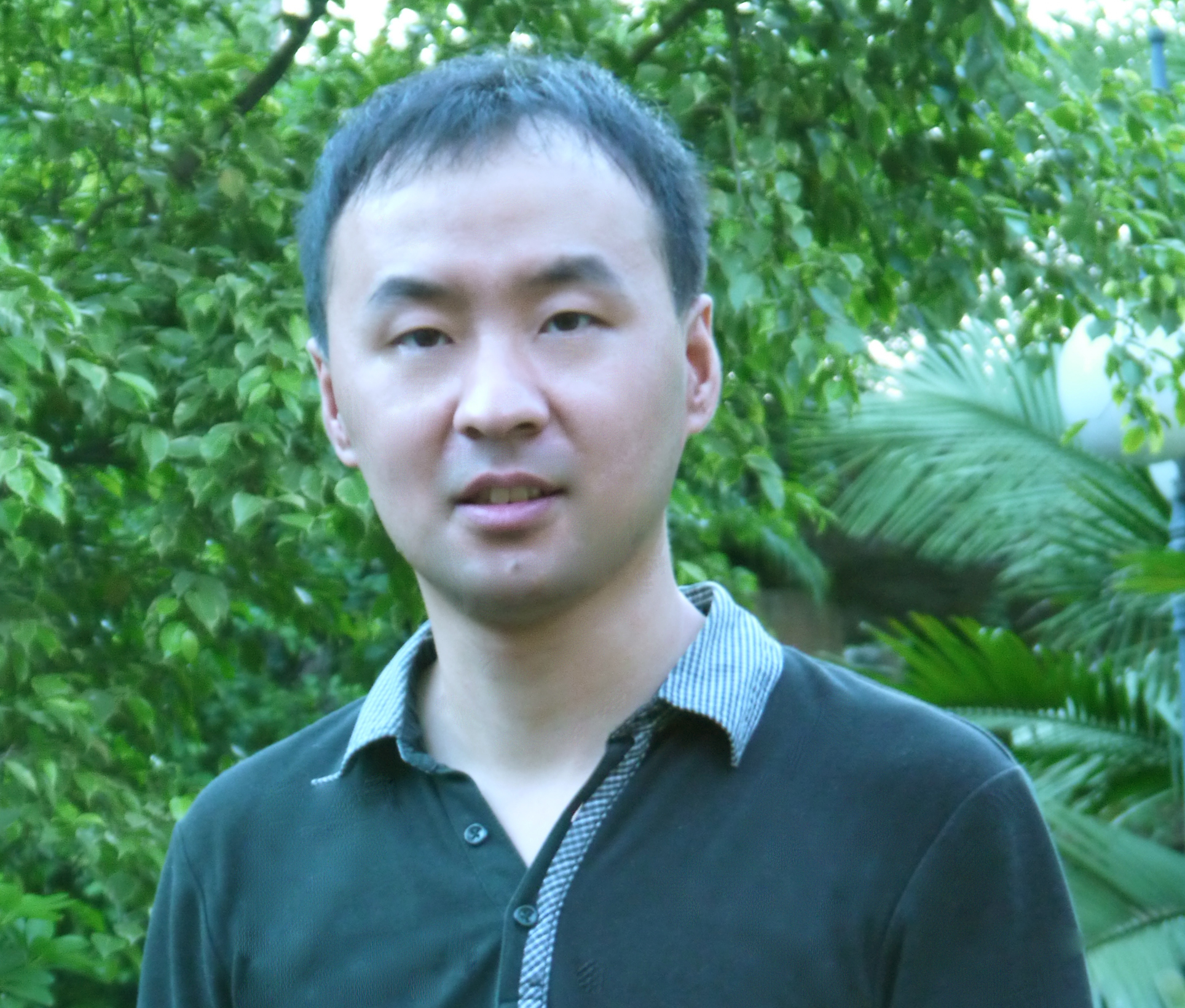 Xuechen Li (李學臣)合作论文数Department of Chemistry,The University of Hong Kong4
 Minoru Fukuda合作论文数Sanford Burnham Prebys4
 Malcolm A. S. Moore合作论文数Memorial Sloan Kettering Cancer Center4Xiangyang Wu合作论文数4Bingcheng Wei合作论文数3
 Karthik Iyer合作论文数3Peng Xu合作论文数3Mengjie Zheng合作论文数3Dan Lu合作论文数3
 qiang zhang合作论文数3Cheng Li合作论文数Fudan University3Yunxue Li合作论文数3
 Paul Vadola合作论文数Department of Chemistry, Columbia University3Ma Xiaodong合作论文数3
 Peter H. Seeberger合作论文数Center for the Transformation of Chemistry;Max Planck Institute of Colloids and Interfaces;Freie Universität Berlin;Tacalyx GmbH;GlycoUniverse GmbH & Co. KGaA;Potsdam University3
 Bing Liu (刘冰)合作论文数哈尔滨医科大学附属第一医院血管外科3Jun Nakayama合作论文数3Ruirui Wang合作论文数Graduate School, Chinese Academy of Sciences3
 Zheng Tan (谭铮)合作论文数State Key Laboratory of Membrane Biology, Institute of Zoology, Chinese Academy of Sciences3Jianglong Zhu合作论文数Laboratory for Bioorganic Chemistry, Sloan-Kettering Institute for Cancer Research3Hee-Seob Lee合作论文数3
 Motohiro Kobayashi合作论文数Department of Pathology;Shinshu University;School of Medicine;School of Medicine, Shinshu University3
 Jennifer L. Stockdill合作论文数The Arnold and Mabel Beckman Laboratory for Chemical Synthesis, California Institute of Technology3
 Tianlei Ying (应天雷)合作论文数School of Basic Medical Sciences, Fudan University;Shanghai Engineering Research Center for Synthetic Immunology, Fudan University3Ronald C. Hendrickson合作论文数Department of Chemistry, University of Virginia3Jae-Hung Shieh合作论文数3Cheng-Run Tang合作论文数2Jinying Shen合作论文数2
 Steven D. Townsend合作论文数Department of Chemistry, College of Arts & Science, Vanderbilt University;Vanderbilt Institute of Chemical Biology, School of Medicine, Vanderbilt University2




