Background:Despite increasing national efforts, the prevalence of overweight and obesity among Chinese adults reached 57%, suggesting a disconnect between the drivers and current intervention. This study aims to identify the multilevel risk factors and evaluate existing policy strategies, to inform more effective, evidence-based interventions. Methods:We projected national overweight and obesity trends for 2030 and 2035 using surveillance data. We systematically searched China National Knowledge Infrastructure, Wanfang Data, SinoMed, PubMed, Web of Science, and Scopus, for cohort, case-control, and/or cross-sectional studies published from Jan 1, 2000, to Oct 1, 2024. Studies addressing determinants of overweight, obesity, and central obesity in the Chinese population were included; meta-analyses were performed where appropriate. Expert consultations supplemented evidence on meso- and macro-level determinants. National policies on obesity prevention and control were reviewed. Findings:The prevalence of overweight and obesity in China was projected to reach 72.2% (95% confidence interval [CI] 69.7%-74.7%) for adults and 41.9% (37.4%-46.1%) for children/adolescents by 2035. In total 1512 studies identified, with 873 eligible for meta-analysis, including 322 studies on adults (21,566,496 individuals). We identified 17 risk factors for adult overweight and obesity, with individual-level behavioral factors being most prevalent. These included higher red meat intake (odds ratio 2.28, 95% CI 1.07-4.82), rapid eating speed (2.04, 1.35-3.08), higher sugar-sweetened beverages intake (1.90, 1.10-3.29), higher red and white meat intake (1.54, 1.11-2.14), meat preference (1.51, 1.03-2.22), alcohol consumption (1.23, 1.15-1.31), higher percentage of energy from fat (1.22, 1.14-1.31), lower physical activity (1.24, 1.02-1.51) and shorter nocturnal sleep duration (1.09, 1.03-1.15). Additional risk factors for central obesity included lower adherence to a "traditional Chinese dietary pattern" (1.57, 1.08-2.27), higher adherence to a "modern dietary pattern" (1.34, 1.05-1.71), higher spicy food intake (1.19, 1.05-1.36), higher staple food intake (1.18, 1.05-1.33), lower fruit intake (1.12, 1.02-1.23), longer sitting time (1.24, 1.09-1.41) and screen time (1.09, 1.05-1.14). For children and adolescents, 26 risk factors for overweight and obesity, and three for central obesity were identified, and 18 for macrosomia in neonates. Expert consultation emphasized importance of environmental and policy-level factors, especially food environment. Policy analysis revealed critical gaps in existing framework, including limited multisectoral collaboration, weak regulatory frameworks, lack of life-course-specific interventions, inadequate focus on high-risk populations (e.g., postmenopausal women), and limited evidence-based policymaking. Interpretation:The obesity epidemic in China is driven by a complex interplay of individual, environmental, and systemic factors. Effective, comprehensive, government-led strategies are urgently needed to address both individual risk factors and broader obesogenic environments through coordinated and evidence-based actions. Funding:This work was supported by the Chinese National Science and Technology Innovation 2030, Noncommunicable Chronic Diseases-National Science and Technology Major Project (Grant No. 2023ZD0508500, 2023ZD0508504).
Suicide is a complex behavior strongly associated with depression. Despite extensive research, an objective biomarker for evaluating suicide risk precisely and timely is still lacking. Using the precision resting-state fMRI method, we studied 61 depressive patients with suicide ideation (SI) or suicide attempt (SA), and 35 patients without SI to explore functional biomarkers of suicide risk. Among them, 21 participants also completed electroconvulsive therapy (ECT) treatment, allowing the examination of functional changes across different risk states within the same individual. Functional networks were localized in each subject using resting-state fMRI and then an individualized connectome was constructed to represent the subject’s functional brain organization. We identified a set of connections that track suicide risk (r = 0.41, p = 0.001) and found that these risk-associated connections were hyper-connected in the frontoparietal network (FPN, p = 0.008, Cohen’s d = 0.58) in patients with suicide risk compared to those without. Moreover, ECT treatment significantly reduced (p = 0.001, Cohen’s d = 0.56) and normalized these FPN hyper-connections. These findings suggest that connections involving FPN may constitute an important biomarker for evaluating suicide risk and may provide potential targets for interventions such as non-invasive brain stimulation.
BACKGROUND:Ischemic stroke poses a significant threat to human health. FGF (fibroblast growth factor) 20 is involved in the repair of central nervous system diseases, but it has the shortcomings of short half-life and inability to penetrate the blood-brain barrier. Therefore, to overcome the drawbacks of rhFGF20 (recombinant human FGF20) and explore its role in ischemic stroke, the effects of intracerebral administration of rhFGF20 by heparin-poloxamer hydrogel (HP-rhFGF20 [heparin-poloxamer hydrogel-encapsulated rhFGF20]) in a rat stroke model were the focus of this study. METHODS:A rat model of middle cerebral artery occlusion/reperfusion and oxygen-glucose deprivation-reoxygenation models were established to mimic ischemic stroke in vivo and in vitro, respectively. Endogenous FGF20 levels were measured in patients, ischemic rats, and oxygen-glucose deprivation-reoxygenation-injured neurons. To assess the therapeutic potential, rhFGF20 was administered intracerebrally via heparin-poloxamer hydrogel implants (1 mg/mL, 20 μL) on day 5 poststroke. 2,3,5-Triphenyltetrazolium chloride staining, neurobehavioral tests (including the mNSS test [modified Neuro-Severity Score], the corner test, the rotarod test, the cylinder test, and the Morris water maze test), and Nissl staining were performed to evaluate neurological recovery. Immunofluorescence and Western blotting were conducted to assess the brain repair processes (neurogenesis, neuronal remodeling, and angiogenesis). RESULTS:High expression of FGF20 was detected in the serum of patients with ischemic stroke, the cortex of ischemic rats, and oxygen-glucose deprivation-reoxygenation-injured neurons. Heparin-poloxamer increased the stability and bioavailability of rhFGF20. HP-rhFGF20 attenuated neurobehavioral deficits and infarct volume in ischemic stroke rats. HP-rhFGF20 inhibited neuronal cell death, microglial activation, and glial scar formation on day 7 post-implantation. Moreover, HP-rhFGF20 promoted the proliferation, migration, and differentiation of neural stem cells and improved neuronal plasticity and angiogenesis in ischemic stroke rats. CONCLUSIONS:HP-rhFGF20 promoted functional recovery in ischemic stroke rats by enhancing neurogenesis and angiogenesis. The combination of growth factors and biomaterials provides a promising therapeutic strategy for central nervous system diseases. REGISTRATION:URL: http://www.chictr.org.cn; Unique identifier: ChiCTR2100051104.
Carotid Blowout Syndrome (CBS) is a rare and life-threatening condition that necessitates prompt intervention to prevent fatal hemorrhage. This study compares the outcomes of two primary endovascular approaches: reconstructive interventions, which aim to preserve carotid artery function using stents or balloon angioplasty, and deconstructive interventions, which involve vessel occlusion to halt bleeding. A systematic review and meta-analysis were performed by searching multiple databases for relevant studies published from January 2000 to August 2023. A total of 28 studies involving 554 patients were included, with 214 undergoing reconstructive interventions and 340 receiving deconstructive procedures. Results indicated an overall 30-day mortality rate of 10%, with no significant difference between intervention types. However, the reconstructive group exhibited higher rates of rebleeding beyond 24 h and severe technical complications. While complication rates decreased over time, an increase in long-term mortality was noted for both approaches. These findings highlight the need for enhanced strategies in CBS management, particularly in reducing long-term mortality and addressing complications associated with reconstructive interventions. Objectives Carotid blowout syndrome (CBS) is a rare and life-threatening condition that requires prompt intervention to prevent fatal hemorrhage. Two primary endovascular approaches are used: reconstructive interventions, which aim to preserve the carotid artery’s function through stenting or balloon angioplasty, and deconstructive interventions, which focus on vessel occlusion to stop bleeding. This study aimed to compare these methods regarding prognosis, complication rates, and outcome trends over time. Methods A systematic review and meta-analysis were conducted, searching multiple databases for studies published from January 2000 to August 2023. Eligible studies included randomized controlled trials and observational studies reporting outcomes and complications of endovascular interventions for CBS. Results The analysis included 28 studies with a total of 554 patients, of whom 214 received reconstructive interventions and 340 underwent deconstructive procedures. The overall 30-day mortality rate was 10%, with no significant difference between the two intervention types. However, the reconstructive group showed a higher incidence of rebleeding beyond 24 h and severe technical complications. While complication rates decreased over time, long-term mortality increased. Conclusions This study found no significant differences between reconstructive and deconstructive endovascular interventions in most aspects of CBS prognosis. However, reconstructive approaches, particularly those involving stents, were associated with a higher risk of rebleeding beyond 24 h and severe technical complications. Additionally, the data suggest an increase in long-term mortality rates for both methods, highlighting areas for potential improvement in CBS management and intervention strategies. Compared to previous meta-analyses, this study includes more recent and comprehensive literature, evaluating a wider range of prognostic indicators, such as transient ischemic attacks, infection rates, late-stage rebleeding, and severe procedural complications. These findings provide an updated and nuanced understanding of the risks and outcomes associated with CBS interventions, offering valuable insights that could guide clinical decision-making and future research on optimal intervention strategies.
BACKGROUND:Both low muscle strength and depressive symptoms are common among middle-aged and older adults. However, their bilateral association has not been thoroughly investigated. This study examined whether muscle strength and depression are bilaterally associated using data from a prospective cohort in China. METHODS:A total of 6,961 participants without depression and 6,817 participants without low muscle strength from the China Health and Retirement Longitudinal Study were included to investigate the association of muscle strength with depression and of depressive symptoms with low muscle strength, respectively. The 10-item Center for Epidemiologic Studies Depression Scale (CESD-10) was used to assess depressive symptoms, with a cut-off score of 10. Handgrip strength and the time taken to complete the Five Times Sit-to-Stand Test (5TSTS) were used to evaluate muscle strength. Cox regression was applied to assess the associations after adjusting for relevant variables. Restricted cubic splines (RCS) were used to explore potential non-linear relationships. RESULTS:There was a significant association between handgrip strength (HR: 0.98; 95% CI: 0.98-0.99) and time of 5TSTS (HR: 1.02; 95% CI: 1.01-1.03) with the 7-year incident depressive symptoms. Similarly, depressive symptoms were significantly associated with the 4-year incident low muscle strength, as defined by both handgrip strength (HR: 1.04; 95% CI: 1.02-1.05) and time of 5TSTS (HR: 1.02; 95% CI: 1.01-1.04). No evidence of non-linear associations was detected. LIMITATION:Depressive symptoms were assessed using the CESD-10 scale rather than a clinical diagnosis. CONCLUSIONS:A bilateral longitudinal association exists between muscle strength and depression.
Objective To investigate the risk factors for epilepsy recurrence in anti-N-methyl-D-aspartate receptor (NMDAR) encephalitis patients with epileptic seizure. Methods A total of 78 anti-NMDAR encephalitis patients with epileptic seizure admitted to Beijing Tiantan Hospital, Capital Medical University from August 2013 to September 2022 were included. Clinical data of the patients were analyzed, and epilepsy recurrence was observed during follow-up period According to whether epilepsy recurrence occurred during the follow-up period, the patients were divided into epilepsy recurrence group (n=18) and epilepsy non-recurrence group (n=60). Univariate and multivariate Logistic regression analyses were used to screen risk factors for epilepsy recurrence in anti-NMDAR encephalitis patients with epileptic seizure. Results During (2.21±0.45) years' follow-up, 18 cases (23.08%) experienced epilepsy recurrence. Multivariate Logistic regression analysis showed that combined tumors (OR=24.154, 95%CI: 2.597-224.640; P=0.005), cognitive impairment (OR=7.809, 95%CI: 1.338-45.557; P=0.022), and cortical lesions on MRI (OR=9.868, 95%CI: 1.223-79.620; P=0.032) were risk factors for epilepsy recurrence in anti-NMDAR encephalitis patients with epileptic seizure. Conclusions Combined tumors, cognitive impairment, and cortical lesions on MRI are risk factors for epilepsy recurrence in anti-NMDAR encephalitis patients with epileptic seizure. For patients with these factors, longer duration of antiepileptic seizure medicine (ASM) should be used to avoid epilepsy recurrence.
INTRODUCTION:Postoperative neurocognitive disorders (PNDs) are common postoperative complications that can hinder patients' postoperative recovery. Various studies have investigated the correlations between PNDs and cerebrospinal fluid (CSF) neuroinflammatory biomarkers in orthopedic patients. However, combined evidence is required to confirm the homogeneity and robustness of these findings. METHODS:Observational studies were searched to explore the associations between PNDs and these biomarkers in orthopedic patients. A comprehensive study retrieval was performed in MEDLINE (via OVID), EMBASE, and the Cochrane Library without any restrictions on language or date. Subgroup and sensitivity analyses were performed to confirm robustness of the results. RESULT:A total of 27 articles were included in this study. Significant concentration differences were found between PNDs and non-PNDs groups in the majority of preoperative CSF neuroinflammatory biomarkers, particularly in patients with postoperative delirium (POD) and delayed neurocognitive recovery (dNCR). Moderate quality evidence identified that increased preoperative CSF levels of t-Tau (OR: 1.008, 95%CI: 1.005-1.010) and p-Tau (OR: 1.077, 95%CI: 1.042-1.078), along with decreased Aβ42 level (OR: 0.998, 95% CI: 0.997-0.999), were risk factors for POD in orthopedic patients. Low quality evidence suggested that preoperative CSF level of Aβ42/t-Tau was a valuable predictive biomarker for dNCR. CONCLUSION:Different subtypes of PNDs after orthopedic surgery have different CSF biomarkers, with POD having the most and postoperative neurocognitive disorder (POCD) having the fewest. Studies concerning dNCR and POCD are needed to investigate their correlations with these biomarkers. Meanwhile, studies concerning diagnostic tests are also highly needed to help screen for practical biomarkers and analyze these biomarkers from a more comprehensive perspective.
The current study aims to explore the efficacy of cognitive behavioral therapy (CBT) in normalizing social learning capabilities and its underlying neural processes among patients with MDD, in terms of enhancing learning towards positive social feedback, and reducing excessive learning towards negative social feedback. This study also explores the potential for learning impairments in social contexts as a biomarker to predict the effectiveness of CBT. In a single-centre, single-arm, open-label trial, 60 outpatients with MDD will undergo 12 sessions of CBT in three months. Data collection of patients will be administered at baseline and at the endpoint of the treatment. Additionally, 60 heathy controls will be recruited as a comparative group to assess deviations from the normal functions in the patients with MDD before and after CBT. Data collection of the HC group will be administered at baseline. Data collection of the two groups comprises of demographic information, clinical assessments, psychological assessments, and behavioral experiments (i.e. the Door Game and the Trust Game) in conjuction with task-based function magnetic resonance imaging (fMRI) scanning. Data analysis comprises of an estimation of social learning capabilities by computational modeling, and identification of baseline abnormalities, treatment effects and endpoint abnormalities on social learning capabilities and its neural activities. This trial aims to assess the efficacy of CBT in normalizing social learning capabilities among patients with MDD by leveraging high ecological validity paradigms and computational modeling. This trial also contributes to understanding psychosocial biomarkers of CBT treatment effectiveness in reducing depressive symptoms. ChiCTR2400094841 ( www.chictr.org.cn ; registration date: 12/29/2024) (retrospectively registered).
OBJECTIVES:This is a protocol for a Cochrane Review (intervention). The objectives are as follows: To compare the safety and efficacy of carotid revascularisation plus best medical treatment with best medical treatment alone in people with asymptomatic carotid artery stenosis.
Suicidality is a common and serious symptom of depression and patients with depression and suicidality often respond to electroconvulsive therapy (ECT), but the mechanism of its effect is poorly understood. We used resting-state functional magnetic resonance imaging (rs-fMRI) to explore changes in brain connectivity before and after ECT in depressed patients with suicidality. Twenty-three depressed patients with suicidality underwent rs-fMRI at baseline and after 8–12 ECT sessions. Thirty-two age-, sex-, and education-matched healthy controls (HCs) underwent rs-fMRI once. We used functional connectivity (FC) analysis to identify brain regions with altered connectivity in patients compared to HCs and assess changes in FC before and after ECT. We also assessed the clinical symptoms using the Hamilton Depression Scale, 17-item (HAMD-17), and Beck Scale for Suicide Ideation (BSSI). Compared to HCs, at baseline, patients had reduced FC between the left orbitofrontal cortex (OFC_ Ant_L) and left angular gyrus (Angular_L) (t = 3.849, P < 0.05) with OFC_Ant_L as ROI. With left superior frontal gyrus (Frontal_sup_L) as ROI, patients also had reduced FC between Frontal_sup_L and left superior medial frontal gyrus, medial orbital (Frontal_Med_Orb_L) and left precuneus (Precuneus_L) (t = 3.650, P < 0.05), and increased FC between Frontal_sup_L and right middle frontal gyrus (Frontal_Mid_R) (t = -4.220, P < 0.05). After ECT, with Frontal_sup_L as ROI, patients showed increased FC between Frontal_sup_L and Angular_L after ECT (t = -3.982, P < 0.05) and decreased FC between Frontal_sup_L and right superior and inferior parietal gyrus (Parietal_Sup Inf_R). In ECT responders, the change in FC between Frontal_sup_L and Angular_L was negatively correlated with the change of the score of BSSI (r = -0.645, P = 0.042), and the change in FC between Frontal_sup_L and Parietal_Sup Inf_R was positively correlated with the change of the score of BSSI (r = 0.714, P = 0.023). There was no correlation between changes in FC with changes in HAMD-17 score (all P > 0.05). Our findings suggest that FC between Frontal_sup_L and Angular_L, and FC between Frontal_sup_L and Parietal_Sup Inf_R may be involved in the mechanisms by which ECT exerts its effects on suicidality in patients with depression. Our findings provide insights into the neural underpinnings of ECT and may inform the development of more targeted novel therapeutic strategies for suicidality. Chinese Clinical Trial Registry, ChiCTR2100048182, Registered 04 July 2021, www.chictr.org.cn
Purpose: We aimed to identify the risk factors for postoperative cognitive decline (POCD) by evaluating the outcomes from preoperative comprehensive geriatric assessment (CGA) and intraoperative anesthetic interventions. Patients and Methods: Data used in the study were obtained from the Aged Patient Perioperative Longitudinal Evaluation-Multidisciplinary Trial (APPLE-MDT) cohort recruited from the Department of Orthopedics in Xuanwu Hospital, Capital Medical University between March, 2019 and June, 2022. All patients accepted preoperative CGA by the multidisciplinary team using 13 common scales across 15 domains reflecting the multi-organ functions. The variables included demographic data, scales in CGA, comorbidities, laboratory tests and intraoperative anesthetic data. Cognitive function was assessed by Montreal Cognitive Assessment scale within 48 hours after admission and after surgery. Dropping of >1 point between the preoperative and postoperative scale was defined as POCD. Results: We enrolled 119 patients. The median age was 80.00 years [IQR, 77.00, 82.00] and 68 patients (57.1%) were female. Forty-two patients (35.3%) developed POCD. Three cognitive domains including calculation (P = 0.046), recall (P = 0.047) and attention (P = 0.007) were significantly worsened after surgery. Univariate analysis showed that disability of instrumental activity of daily living, incidence rate of postoperative respiratory failure (PRF) >= 4.2%, STOP -Bang scale score, Caprini risk scale score and Sufentanil for maintenance of anesthesia were different between the POCD and non-POCD patients. In the multivariable logistic regression analysis, PRF >= 4.2% (odds ratio [OR] = 2.343; 95% confidence interval [CI]: 1.028-5.551; P = 0.046) and Sufentanil for maintenance of anesthesia (OR = 0.260; 95% CI: 0.057-0.859; P = 0.044) was independently associated with POCD as risk and protective factors, respectively. Conclusion: Our study suggests that POCD is frequent among older patients undergoing elective orthopedic surgery, in which decline of calculation, recall and attention was predominant. Preoperative comprehensive geriatric assessments are important to identify the high-risk individuals of POCD.
Background: The neurogenic bladder symptom score (NBSS) has been widely used to specifically measure symptoms and consequences of neurogenic bladder (NB). The cognitive interviewing (CI) is effective in assessing item clarity and identifying key issues related to the comprehension of the instrument. We aim to translate the NBSS into Chinese and use the CI approach to explore the thought processes of patients with NB in responding the Chinese Version of the NBSS, identify and modify the factors hinder the thought processes to enhance the face validity of the NBSS. Methods: The translation of the NBSS into Chinese was conducted with the guidance of the recommended frameworks. Patients with NB were recruited by purpose sampling. CI with the combination of thinking aloud and verbal probing techniques were used to explore thought processes. The interviews were transcribed and analyzed based on Tourangeau four-stage response model. Results: Two rounds of CI were carried out. The problems of comprehension, judgement and response mapping were identified in 8 items. Four items were revised based on the results of the interview. The revised items were verified and eventually integrated into the final version. Conclusion: The Chinese Version of the NBSS was easy to comprehend and use. The use of CI methodologies can increase the comprehensibility and cultural applicability of the NBSS, providing the evidence for the development of a clearer and more appropriate questionnaire.
Breastfeeding may interact with other risk factors and have a combined influence on child growth. This systematic review aimed to examine the interaction between genetic factors and breastfeeding and how their combination is associated with children weight status. Four databases were searched until August 2024, and 8 eligible studies were identified. The fat mass and obesity associated (FTO) and peroxisome proliferator-activated receptor γ2 (PPARG2) genes were the most examined genes. Although the results of interactions between breastfeeding and genetics factors on children’s weight status were inconsistent, some of studies reported that breastfeeding or exclusive breastfeeding attenuated the disadvantageous association between the risk alleles of the genes (higher obesity-specific genetic risk score for a multiple-gene study) and overdevelopment of children’s body weight. These findings support the WHO recommendations for prolonged breastfeeding and further suggest breastfeeding interventions to prevent childhood obesity may be more effective in populations with a disadvantageous genetic predisposition.This review was registered in PROSPERO as CRD42023448365.
IntroductionChronic fatigue syndrome (CFS) is a clinical disease that affects multiple body systems. It is characterized by persistent or recurring fatigue, which may be linked to immune, neuroendocrine, and energy metabolism dysfunctions. Individuals with CFS may experience pain, sleep disorders, anxiety, and depression. This research analyzed the fundamental characteristics of anxiety/depression symptoms in patients with CFS and investigated the association between these symptoms and the P50 SG (sensory gate) ratio.MethodsTwo hundred and forty-nine subjects fulfilled the CDC-1994 criteria for CFS and were included in the study. The subjects successively completed the Symptom CheckList-90-Revised (SCL-90-R), Hamilton Anxiety Rating Scale-14 (HAMA-14), and Hamilton Depression Rating Scale-24 (HAMD-24). Auditory-evoked potential P50 were measured using the 128-lead-electroencephalograph.ResultAccording to HAMA and HAMD, 17.3% (n = 43) of the patients did not exhibit anxiety/depression, with a threshold score of 7 and 7 for HAMA and HAMD. When the threshold score was 14 and 20 respectively, 43.3% (n = 108) of the patients did not exhibit anxiety/depression. The SCL-90-R results indicated that 69.5% (n = 173) of these individuals with the score arranging from 0 to 160 did not present mental problems. There was a correlation between somatization scores and P50 SG ratio in the overall sample and no anxiety or depression (NAOD) group delimited by 14 and 20, respectively, (p < 0.05). Regression analysis showed that anxiety and depression were risk factors associated with an abnormal P50 SG ratio.DiscussionA significant correlation exists between the P50 SG ratio and clinical symptoms such as fatigue, anxiety, and depression. Abnormalities in brain function among patients with CFS may play a crucial role in the pathogenesis of the condition, leading to their classification as being prone to functional neurological disorders. The P50 SG ratio cannot be used as a diagnostic marker for CFS but show some significance on the mechanism, classification, treatment, and prognosis of CFS.
BackgroundStigma, anxiety and depressive symptoms are highly prevalent in parents of children with autism spectrum disorder (ASD) and may have a detrimental impact on the rehabilitation and treatment of children with ASD, ultimately leading to more behavioral issues and higher rates of disability. Therefore, the purpose of this study was to identify the association between general self-efficacy, courtesy stigma, and anxiety and depressive symptoms, and to further discuss whether general self-efficacy moderated the association between courtesy stigma and anxiety and depressive symptoms in parents of children with ASD.MethodsA total of 409 parents of children with ASD from Lianyungang, Jiangsu Province, Eastern China participated in a cross-sectional survey. A structured questionnaire was used to collect sociodemographic characteristics, courtesy stigma, general self-efficacy, anxiety symptoms, and depressive symptoms. Hierarchical multiple regression was used to assess the associations of courtesy stigma, general self-efficacy and courtesy stigma × general self-efficacy interaction with anxiety and depressive symptoms. Simple slope analysis was used to visualize the interaction.ResultsThe courtesy stigma of parents of children with ASD was positively correlated with anxiety (B = 0.374, P < 0.001) and depressive symptoms (B = 0.366, P < 0.001). General self-efficacy was negatively correlated with anxiety (B = -0.200, P < 0.001) and depressive symptoms (B = -0.210, P < 0.001). The association between courtesy stigma and anxiety symptoms was different in the high (1 standard deviation (SD) above the mean, b = 0.258, standard error (SE) = 0.056, t = 4.567, P < 0.001) and low (1 SD below the mean, b = 0.470, SE = 0.053, t = 8.870, P < 0.001) groups of general self-efficacy. In addition, the association between courtesy stigma and depressive symptoms was also different in the high (1 SD above the mean, b = 0.241, SE = 0.056, t = 4.268, P < 0.001) and low (1 SD below the mean, b = 0.469, SE = 0.053, t = 8.844, P < 0.001) groups of general self-efficacy.ConclusionsGeneral self-efficacy could moderate the impact of courtesy stigma on anxiety and depressive symptoms. Therefore, among parents of children with ASD who experienced high courtesy stigma, enhancing general self-efficacy could be an effective strategy to reduce anxiety and depressive symptoms in this population.
Background Dementia among younger people is rapidly emerging as a global health concern; however, comprehensive research on its shifting burden trends remains insufficient. Methods Data on the prevalence, incidence, mortality, and disability-adjusted life years (DALYs) associated with dementia occurring in individuals <70 years were extracted from the Global Burden of Diseases, Injuries, and Risk Factors Study 2021. Average annual percentage changes (AAPCs) were calculated to assess trends in age- specific fi c rates (ASRs), including age-specific fi c prevalence rates (ASPRs), age-specific fi c incidence rates (ASIRs), age- specific fi c mortality rates (ASMRs), and age-specific fi c DALY rates (ASDRs) while young-onset dementia (YOD) burden trends were analyzed. The correlation between ASR/AAPC and the sociodemographic index (SDI) was evaluated. Findings In 2021, the global prevalence of dementia in individuals <70 years increased by 122.33%, with a 128% increase in new cases since 1990. Concurrently, deaths and DALYs of individuals <70 years with dementia rose by 119.28% and 119.77%, respectively. The AAPCs of YOD ASRs during 1990-2021 - 2021 initially increased and then decreased with increasing SDI levels, with the highest AAPCs of ASPR (2.20 [95%CI: 2.08-2.32] - 2.32] per 100,000), ASIR (2.25 [95%CI: 2.06-2.45] - 2.45] per 100,000), ASMR (2.04 [95%CI: 1.93-2.15] - 2.15] per 100,000), and ASDR (2.06 [95%CI: 1.99-2.13] - 2.13] per 100,000) observed in middle-SDI levels. Additionally, females <70 years bore a higher burden of dementia globally, and gender differences are still widening. Interpretation The growth rate of YOD is accelerating, particularly in the middle to high SDI region with females bearing a disproportionately higher burden of YOD. Copyright (c) 2024 The Author(s). Published by Elsevier Ltd. This is an open access article under the CC BY-NC-ND license (http://creativecommons.org/licenses/by-nc-nd/4.0/).
BackgroundThe recovery of upper extremity motor impairment after stroke remains a challenging task. The clinical effectiveness of repetitive transcranial magnetic stimulation (rTMS), which is believed to aid in the recovery process, is still uncertain.MethodsA systematic search was conducted in Medline (Ovid), Cochrane and Embase electronic databases from March 28, 2014, to March 28, 2023. The inclusion criteria consisted of randomized controlled trials that assessed the effects of rTMS on the recovery of upper limb motor impairment among stroke patients. Various measurements, including the Fugl Meyer Assessment Upper Extremity Scale (FMA-UE), Brunnstrom recovery stage, Action Research Arm Test (ARAT), and Barthel index, were evaluated both before and after the intervention.ResultsNineteen articles with 865 patients were included. When considering only the rTMS parameters, both inhibitory and excitatory rTMS improved FMA-UE (MD = 1.87, 95% CI = [0.88]–[2.86], p < 0.001) and Barthel index (MD = 9.73, 95% CI = [4.57]–[14.89], p < 0.001). When considering only the severity of upper limb hemiplegia, both less severe (MD = 1.56, 95% CI = [0.64]–[2.49], p < 0.001) and severe (MD = 2.05, 95% CI = [1.09]–[3.00], p < 0.001) hemiplegia benefited from rTMS based on FMA-UE. However, when considering the rTMS parameters, severity of hemiplegia and stroke stages simultaneously, inhibitory rTMS was found to be significantly effective for less severe hemiplegia in the acute and subacute phases (MD = 4.55, 95% CI = [2.49]–[6.60], p < 0.001), but not in the chronic phase based on FMA-UE. For severe hemiplegia, inhibitory rTMS was not significantly effective in the acute and subacute phases, but significantly effective in the chronic phase (MD = 2.10, 95% CI = [0.75]–[3.45], p = 0.002) based on FMA-UE. Excitatory rTMS was found to be significantly effective for less severe hemiplegia in the acute and subacute phases (MD = 1.93, 95% CI = [0.58]–[3.28], p = 0.005) based on FMA-UE. The improvements in Brunnstrom recovery stage and ARAT need further research.ConclusionThe effectiveness of rTMS depends on its parameters, severity of hemiplegia, and stroke stages. It is important to consider all these factors together, as any single grouping method is incomplete.
ObjectiveSuicidality is commonly observed in patients with depressive episodes, and electroconvulsive therapy (ECT) has been found to be effective in treating these patients. However, the role of ECT in suicidality remains unclear. This study used resting-state functional magnetic resonance imaging (rs-fMRI) to explore the changes in brain function before and after ECT in depressed patients with suicidality.MethodsIn total, 26 depressed patients with suicidality underwent rs-fMRI at baseline and after 8–12 sessions of ECT. In addition, 32 healthy controls (HCs) matched for age, gender, and educational level underwent rs-fMRI once. The amplitude of low-frequency fluctuations (ALFF), the fractional amplitude of low-frequency fluctuations (fALFF), and regional homogeneity (ReHo) were measured to evaluate whole brain function. Differences between the groups and time points (before and after ECT) were compared. Clinical symptoms were assessed using the 17-item Hamilton Depression Scale (HAMD-17) and Beck Scale for Suicide Ideation (BSSI).ResultsAt baseline, patients exhibited decreased ALFF in the right postcentral and precentral gyrus and decreased fALFF in the right supramarginal and postcentral gyrus, left superior frontal gyrus (SFG), as well as the superior and middle temporal gyrus compared to HCs. Patients also had lower ReHo in the left amygdala, anterior cingulate, and postcentral gyrus, and in the right thalamus, insula, and postcentral gyrus. They also exhibited higher ALFF in the bilateral temporal gyrus and insula as well as higher fALFF in the cerebellum. Following ECT, fALFF in the left SFG and orbital frontal cortex (OFC) significantly increased and was inversely correlated with the reduction of BSSI scores (r = −0.416, p = 0.048), whereas no correlation was found with changes in HAMD-17scores.ConclusionOur findings suggest that the left SFG and OFC may play a key role in the mechanism of ECT for suicidality. The decrease of fALFF in the left SFG and OFC may represent a potential mechanism through which ECT effectively treats suicidality in depressed patients.
BACKGROUND Acute ischemic stroke (AIS) is the abrupt reduction of blood flow to a certain area of the brain which causes neurologic dysfunction. Different types of percutaneous arterial endovascular interventions have been developed, but as yet there is no consensus on the optimal therapy for people with AIS. OBJECTIVES To compare the safety and efficacy of different types of percutaneous arterial endovascular interventions for treating people with AIS. SEARCH METHODS We searched the Cochrane Central Register of Controlled Trials (CENTRAL; Issue 4 of 12, 2022), MEDLINE Ovid (1946 to 13 May 2022), Embase (1947 to 15 May 2022), Science Citation Index Web of Science (1900 to 15 May 2022), Scopus (1960 to 15 May 2022), and China Biological Medicine Database (CBM; 1978 to 16 May 2022). We also searched the ClinicalTrials.gov trials register and the World Health Organization (WHO) International Clinical Trials Registry Platform to 16 May 2022. SELECTION CRITERIA Randomized controlled trials (RCTs) comparing one percutaneous arterial endovascular intervention with another in treating adult patients who have a clinical diagnosis of AIS due to large vessel occlusion and confirmed by imaging evidence, including thrombo-aspiration, stent-retrieval thrombectomy, aspiration-retriever combined technique, and thrombus mechanical fragmentation. DATA COLLECTION AND ANALYSIS Two review authors independently performed the literature searches, identified eligible trials, and extracted data. A third review author participated in discussions to reach consensus decisions when any disputes occurred. We assessed risk of bias and applied the GRADE approach to evaluate the quality of the evidence. The primary outcome was rate of modified Rankin Scale (mRS) of 0 to 2 at three months. Secondary outcomes included the rate of modified Thrombolysis In Cerebral Infarction (mTICI) of 2b to 3 postprocedure, all-cause mortality within three months, rate of intracranial hemorrhage on imaging at 24 hours, rate of symptomatic intracranial hemorrhage at 24 hours, and rate of procedure-related adverse events within three months. MAIN RESULTS Four RCTs were eligible. The current meta-analysis included two trials with 651 participants comparing thrombo-aspiration with stent-retrieval thrombectomy. We judged the quality of evidence to be high in both trials according to Cochrane's risk of bias tool RoB 2. There were no significant differences between thrombo-aspiration and stent-retrieval thrombectomy in rate of mRS of 0 to 2 at three months (risk ratio [RR] 0.97, 95% confidence interval [CI] 0.82 to 1.13; P = 0.68; 633 participants; 2 RCTs); rate of mTICI of 2b to 3 postprocedure (RR 1.01, 95% CI 0.95 to 1.07; P = 0.77; 650 participants; 2 RCTs); all-cause mortality within three months (RR 1.01, 95% CI 0.74 to 1.37; P = 0.95; 633 participants; 2 RCTs); rate of intracranial hemorrhage on imaging at 24 hours (RR 1.03, 95% CI 0.86 to 1.24; P = 0.73; 645 participants; 2 RCTs); rate of symptomatic intracranial hemorrhage at 24 hours (RR 0.90, 95% CI 0.49 to 1.68; P = 0.75; 645 participants; 2 RCTs); and rate of procedure-related adverse events within three months (RR 0.98, 95% CI 0.68 to 1.41; P = 0.90; 651 participants; 2 RCTs). Another two included studies reported no differences for the comparisons of combined therapy versus stent-retrieval thrombectomy or thrombo-aspiration. One RCT is ongoing. AUTHORS' CONCLUSIONS This review did not establish any difference in safety and effectiveness between the thrombo-aspiration approach and stent-retrieval thrombectomy for treating people with AIS. Furthermore, the combined group did not show any obvious advantage over either intervention applied alone.
 Liqun Jiao (焦力群)合作论文数Xuanwu Hospital Capital Medical University18
 Yan Ma (马燕)合作论文数Beijing Luhe Hospital, Capital Medical University15Tao Wang (王涛)合作论文数15
 Xuesong Bai合作论文数13
 Xiao Zhang合作论文数12
 Jiong Luo (罗炯)合作论文数Beijing Anding Hospital, Capital Medical University12
 Yao Feng合作论文数11
 Yanping Ren (任艳萍)合作论文数Beijing Anding Hospital, Capital Medical University9
 Adam A Dmytriw合作论文数8Jichang Luo合作论文数7
 Ling Zhang (张玲)合作论文数Beijing Anding Hospital, Capital Medical University6
 Jie Du (杜杰)合作论文数Beijing Anzhen Hospital, Capital Medical University;BeiJing Institute of Heart Lung And Blood Vessel Diseases5
 Ran Xu (徐冉)合作论文数5
 Gang Wang (王刚)合作论文数Beijing Anding Hospital, Capital Medical University5
 Miao Qu (曲淼)合作论文数Graduate School of Capital Medical University;Xuanwu Hospital, Capital Medical University5Wen-qing Jin合作论文数4Jie Wang合作论文数4Wenxi Jiang (姜文溪)合作论文数4Kun Yang合作论文数4ChunLin Yang (杨春林)合作论文数4
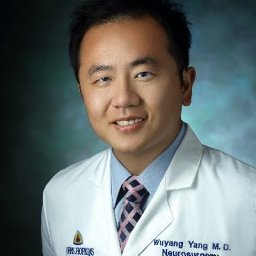 Yang Wuyang合作论文数Dept Neurosurg, Johns Hopkins Univ4
 Tianlong Wang (王天龙)合作论文数Xuanwu Hospital Capital Medical University4
 Yuan Wang (王媛)合作论文数Beijing Anzhen Hospital, Capital Medical University4
 Jing Zhang (张晶)合作论文数Beijng Anzhen Hospital, Capital Medical University4
 Xu Chen (陈旭)合作论文数Beijing Anding Hospital, Capital Medical University4Haozhi Gong合作论文数3Yan Wang合作论文数3Qin Zheng合作论文数3
 Bin Yang (杨斌)合作论文数School of Biomedical Engineering, Guangzhou Medical University3JiaLi He (贺佳丽)合作论文数3LvYa Wang (王绿娅)合作论文数3Chunxiu Wang (王淳秀)合作论文数Xuanwu Hospital Capital Medical University3
 Qingfeng Ma (马青峰)合作论文数Xuanwu Hospital Capital Medical University3Rena Li合作论文数2Yanhong Zhang合作论文数2Xiaoli Min合作论文数2Zheng-Hang Ou合作论文数2Bingbing Ke合作论文数2Wang Dan合作论文数2Wei Wang合作论文数2Wenjiao Wang合作论文数2Borui Liu合作论文数2Xiaofei Yuan合作论文数2Yujia Cao合作论文数2Shuai Feng合作论文数2Han Wu合作论文数2




