Ossification of the ligamentum flavum (OLF) is a degenerative spinal disorder characterized by aberrant endochondral ossification and is a major cause of thoracic spinal stenosis. Current treatment still relies mainly on surgical decompression, which relieves mechanical compression but does not halt the biological processes underlying ossification. Although growing evidence implicates metabolic reprogramming in ectopic ossification and osteochondral differentiation, the key metabolites driving OLF and their proximal upstream regulators remain unclear. Spatial metabolomics was performed on clinical thoracic ligamentum flavum specimens to identify lesion-associated metabolic alterations. Untargeted metabolomics and proteomics were then integrated with bioinformatic and machine-learning analyses to screen for key metabolites and upstream effectors. Public single-cell transcriptomic data were further incorporated to define the cell-state specificity of candidate molecules. Finally, human OLF tissues and an in vitro OLF model were used for functional validation through loss-of-function and rescue experiments, together with molecular assays. Spatial metabolomics clearly separated ossified, non-ossified, and control regions, and identified L-lactate as a core hub metabolite selectively enriched in ossified foci. Lactate-associated proteins and metabolites were enriched in translation, mRNA splicing, secretion, extracellular matrix remodeling, amino acid metabolism, glucose homeostasis, and lipid biosynthesis, indicating a metabolic state characterized by enhanced aerobic glycolysis, active anabolic-secretory programs, and accelerated tissue remodeling. Machine-learning analyses consistently identified HK3 as the glycolytic enzyme most strongly associated with tissue lactate abundance and significantly upregulated in OLF tissue. Single-cell analysis further showed that HK3 was mainly enriched in chondrocyte-like ligamentum flavum cells and closely linked to glycolytic activation and chondrogenic transition. Cross-omics integration highlighted HIF-1 signaling as a convergent upstream pathway activated in ossified lesions. Functionally, HK3 knockdown reduced lactate production and attenuated ossification marker expression, whereas exogenous lactate partially rescued these effects. In addition, HIF-1α inhibition reduced HK3 expression, whereas lactate supplementation partially restored HIF1A expression following HK3 silencing, suggesting a potential reciprocal relationship between HIF-1 signaling and HK3-dependent lactate production. Local lactate accumulation is a key metabolic feature of OLF. The HK3-lactate axis may contribute to OLF progression and may represent a potential metabolic target for future non-surgical strategies.
ABSTRACT Objective Operation for thoracic spinal stenosis (TSS) is considered a high‐risk surgery. Because of the frailty of elderly patients, the prediction for postoperative complications is crucial. This study investigated the relationship between frailty, as measured by the modified frailty index‐11 (mFI‐11), and postoperative complications in elderly patients with thoracic myelopathy secondary to TSS. Methods A retrospective review was conducted of 391 patients aged 65 years or older, with 209 males and 182 females, who underwent surgery for TSS at Peking University Third Hospital from 2012 to 2023. Patients were stratified into subgroups based on mFI‐11 score. Data on perioperative complications, including systemic and local events, were collected. Univariate and multivariate analyses were performed to determine the association between frailty and perioperative complications and to identify independent risk factors. Results A total of 391 elderly patients undergoing decompression and fusion for TSS were included and categorized by mFI‐11 score: 0 ( n = 73), 0.09 ( n = 159), 0.18 ( n = 98), and ≥ 0.27 ( n = 61). Multivariate analysis identified the mFI‐11 as an independent risk factor for surgical site infection (SSI) (OR = 7.250, p = 0.022), gastrointestinal complications (OR = 2.461, p = 0.029), urologic complications (OR = 4.855, p = 0.001), respiratory complications (OR = 13.968, p = 0.033), postoperative fever (OR = 2.256, p < 0.001), and postoperative transfusion (OR = 1.962, p = 0.014). Moreover, mFI ≥ 0.27 is a threshold for severe complications (OR = 15.886, p = 0.017), and mFI ≥ 0.18 is a threshold for any postoperative complications (OR = 6.338, p < 0.001) and minor complications (OR = 5.915, p < 0.001). Conclusions The mFI‐11 score is an effective predictor of the risk of surgical site infection, gastrointestinal complications, urologic complications, respiratory complications, postoperative fever, and postoperative transfusion in elderly patients undergoing TSS surgery. Patients with mFI scores ≥ 0.18 are at a significantly higher risk of any postoperative complications or minor complications, with mFI scores ≥ 0.27 indicating severe complications. Frailty, as assessed by mFI‐11, and non‐neurological complications did not significantly impact the long‐term recovery rate.
ABSTRACTObjectiveHigh‐grade dysplastic spondylolisthesis (HGDS) is a relatively rare condition mainly involving the L5/S1 segment of the spine and occurring in children and adolescents. Whether surgical fixation should be L5–S1 monosegmental or extended up to L4 remains controversial. This study aimed to compare clinical outcomes and the risk of adjacent segment spondylolisthesis between L5–S1 monosegmental fixation and L4–S1 double‐segmental fixation for pediatric HGDS.MethodsThis is a retrospective control study Pediatric patients diagnosed with HGDS between March 2007 and October 2022 at our hospital were followed up, and their data were analyzed. The study involved 39 HGDS patients (average slip, 70.0%) divided into two groups: the L5–S1 monosegmental reduction and fusion group (L5 group, 16 patients) and the L4–S1 double‐segmental reduction and fusion group (L4 group, 23 patients). Radiographic parameters and patient‐reported outcomes were collected before surgery and at follow‐up and compared between the two groups. Additionally, the prevalence of adjacent segment spondylolisthesis and instability (ASS/ASI) was compared between the groups at the last follow‐up. Independent sample t‐tests were employed to compare normally distributed data between the two groups. Paired sample t‐tests were employed to compare preoperative data with postoperative data. The chi‐square test was utilized to compare rates.ResultsThe average age was (12.5 ± 2.3) years. The L4 group had a greater slip percentage (77.6% vs. 59.2%; p < 0.001), a smaller Dub‐LSA (60.3° vs. 69.7°; p = 0.022), and a higher slip grade (p = 0.002) than the L5 group, indicating more severe spondylolisthesis in the L4 group. Clinical parameters, namely the visual analog scale, Oswestry disability index, and Japanese Orthopedic Association‐29 score, did not significantly differ between the two groups. The L5 group had a higher rate of ASS/ASI than the L4 group (6/16, 37.5% vs. 0/23, 0%; p = 0.002). Of all the ASS/ASI patients, one underwent a second surgery due to L4 spondylolisthesis 2 years after the primary surgery. The remaining five exhibited no symptoms or mild symptoms.ConclusionsFor pediatric HGDS, both L5–S1 monosegmental fixation and L4–S1 fixation can achieve satisfactory outcomes. However, there is a higher risk of ASS/ASI following L5–S1 fixation than following L4–S1 fixation.
Study DesignProspective cohort study.ObjectivePostoperative cerebrospinal fluid leakage (CSFL) is a common complication following thoracic spinal stenosis (TSS) surgery. This study aimed to evaluate the therapeutic effects of different fluid supplementation strategies on intracranial hypotension symptoms (IHS) caused by CSFL.MethodsPatients who developed CSFL after TSS surgery at a single center over a 3-year period were prospectively enrolled. All patients received standardized postural and drainage management. In addition, they were administered either low-sodium or high-sodium solution supplementation alongside standard medications. The incidence and severity of IHS and changes of blood electrolyte levels were compared between the two groups.ResultsThe incidence of IHS in low-sodium group is 57.5%, and in high-sodium group is 40% (P = .117). Although, there was no statistically significant difference in the improvement of IHS between the two fluid supplementation strategies. However, statistical differences in blood electrolyte levels were observed. On postoperative days 2 and 3, serum sodium levels were significantly lower in the low-sodium group (139.9 ± 2.08 vs 141.1 ± 3.1, P = .022; 140.0 ± 3.0 vs 141.25 ± 3.85, P = .034).ConclusionWhile high-sodium fluid supplementation tended to reduce the incidence of IHS following CSFL, the difference compared to low-sodium fluids was not statistically significant. Nonetheless, the observed differences in electrolyte level of sodium suggest a potential physiological impact. Further studies with larger sample sizes are needed to confirm these findings.
ABSTRACT Objectives Numerous studies have reported the manifestations and influencing factors of poor matching of intervertebral fusion devices (IFDs) in patients with cervical and lumbar degenerative diseases. However, there is currently no research addressing the use of IFDs matching in posterior vertebral column resection (PVCR) procedures. The purpose of this retrospective radiographic study was to analyze the risk factors associated with poor matching of IFDs following PVCR. Methods Data from 92 patients using IFDs following PVCR between June 2006 and July 2024 were reviewed. IFDs implantation failure, adjacent vertebral fractures, subsidence greater than 5 mm, angle formation exceeding 10°, and malposition (defined as one‐third of the IFDs exceeding the outer edge of the matching interface) were used as screening indicators to divide patients into poor matching and matching groups. Potential risk factors of poor matching were assessed through univariate and multivariate logistic regression analysis. The multiple regression model was evaluated by the area under the receiver operating characteristic curve (AUC). Results Among the 92 patients, 37 (40.2%) experienced poor matching. Univariate logistic regression analysis revealed that the preoperative and postoperative sagittal Cobb angles, the angle between osteotomy surfaces, total instrumented vertebrae, the number of vertebrae resected, the height of IFDs, and the use of titanium mesh or artificial vertebral bodies were potential risk factors for poor matching. Backward stepwise multivariate logistic regression analysis indicated that the preoperative sagittal Cobb angle (OR = 1.053, p = 0.001), the angle between osteotomy surfaces (OR = 1.152, p = 0.003), and the height of IFDs (OR = 1.058, p = 0.033) were independent risk factors for poor matching. The overall predictive performance of this multiple regression model (AUC = 0.872) for poor matching was deemed satisfactory. Conclusion The use of IFDs in PVCR was associated with a high rate of immediate poor matching. The preoperative sagittal Cobb angle, the angle between osteotomy surfaces, and the height of IFDs are independent risk factors for poor matching.
Study Design.Retrospective single-center comparative analysis.Objective.To develop a nomogram model for predicting late-onset neurological deficits (LONDs) in patients with kyphosis or kyphoscoliosis.Background.Patients with kyphosis or kyphoscoliosis might suffer from LONDs, and surgical correction may improve neurological function. Nevertheless, there exists a significant gap in the identification of predictive factors for LONDs in these patients.Patients and Methods.A consecutive series of 244 patients with kyphosis or kyphoscoliosis who underwent corrective surgery between April 2010 and June 2024 were included in our study. Relevant measurements, including the Cobb angle, deformity angular ratio, and level of the apex were assessed and calculated using x-ray imaging. Spinal cord morphology at the apex of the major curve was evaluated using preoperative axial T2-weighted magnetic resonance imaging to categorize patients into 3 types based on the spinal cord shape classification system (SCSCS). To identify independent risk factors associated with LONDs, we employed univariate analysis, followed by backward stepwise multivariate logistic regression analysis. A nomogram was established based on the identified independent risk factors to predict the likelihood of LONDs in patients with kyphosis or kyphoscoliosis.Results.The mean age of the 244 patients was 46.4 +/- 17.8 years, with an observed incidence of LONDs at 57.8%. The backward stepwise multivariate logistic regression analysis indicated that age, etiological diagnosis, and SCSCS were independent predictors of LONDs. Utilizing these independent risk factors, we constructed a nomogram model to estimate the probability of LONDs. The concordance index of the model was 0.912 (95% CI: 0.876-0.947), indicating a satisfactory level of accuracy in predicting the likelihood of LONDs.Conclusion.The predictive factors for LONDs include age, etiological diagnosis, and SCSCS. We developed a nomogram model to predict LONDs, which could be useful for patient counseling and facilitating treatment-related decision-making.
Study DesignRetrospective comparative analysis.ObjectiveTo evaluate the impact of the spinal cord deformation rate (SCDR) on postoperative neurological deficits (PNDs) in spinal deformity surgery and to determine the optimal SCDR threshold for risk stratification.MethodsPatients undergoing corrective surgery between October 2010 and March 2022 were included. Spinal cord morphology at the apex was assessed using axial T2-weighted magnetic resonance imaging, categorizing spinal cords into type-A and type-B. Differences between the two groups were analyzed and the odds ratio (OR) for PNDs in patients with type-B was calculated. For patients classified as type-B, univariate analysis was conducted to identify variables, including SCDR, that may influence PNDs risk. Statistically significant variables were further analyzed using multivariate analysis. The receiver operating characteristic (ROC) curve and area under the curve (AUC) analyses were performed to evaluate the discriminative ability of risk factors and determine the optimal cut-off value.ResultsAmong 200 patients included, PNDs occurred in 17 cases (8.5%), predominantly in type-B (15/82 in type-B vs 2/118 in type-A, P < 0.001). Multivariate analysis revealed SCDR as an independent predictor of PNDs (OR = 1.076, P = 0.001). ROC analysis determined an optimal SCDR cutoff of 42.15% (AUC: 0.867), with 82.4% sensitivity, 88.5% specificity, and 98.2% negative predictive value (NPV). SCDR demonstrated superior predictive performance compared to the major Cobb angle (AUC: 0.776) and T-DAR (AUC: 0.769).ConclusionsFor patients undergoing corrective surgery, an SCDR of ≥42.15% serves as a strong predictor of PNDs. Its high NPV effectively excludes low-risk patients, offering improved risk stratification.
BACKGROUND:Intraoperative neuromonitoring (IONM) alerts are critical concerns for surgeons performing spinal deformity corrective surgeries, as they indicate a heighteded risk of postoperative neurological deficits. Previous studies have demonstrated that patients with large Cobb angle or elevated deformity angular ratio (DAR) are at an increased risk of IONM alerts. However, spinal curves with similar Cobb angles and DARs may exhibit significantly different risks of IONM alerts during surgery. Current methods for evaluating spinal deformity fail to comprehensively and accurately reflect its severity. The purpose of this study was to investigate whether the deformity angular distance ratio (DADR) serves as an independent predictor of IONM alerts during corrective surgery for spinal deformity. METHODS:This study analyzed a consecutive series of 404 patients undergoing corrective surgery at a single academic center. Preoperative radiographs were used to calculate the DAR and DADR. Twelve clinically relevant candidate variables were selected for univariable analysis. Multivariable logistic regression analysis was then conducted to identify independent predictors of IONM alerts. RESULTS:The incidence of IONM alerts in this cohort was 25.2%. Univariable analysis identified several factors potentially associated with IONM alerts, including older age, type-III spinal cord morphology, location of apex, etiological diagnosis, preoperative sagittal Cobb angle, sagittal DAR, sagittal DADR, coronal DADR, total DAR, total DADR, three-column osteotomy, and preoperative neurological deficits. Multivariable analysis revealed that an apex location at C7-T4, preoperative neurological deficits, sagittal DADR, and total DADR were independent predictors of IONM alerts. CONCLUSIONS:Among patients undergoing corrective surgeries for spinal deformities, the DADR is a robust measure of spinal deformity severity and is strongly correlated with the risk of IONM alerts. Compared to other deformity parameters, DADR is an independent predictor of IONM alerts. Additional independent predictors include the location of the apex and the presence of preoperative neurological deficits.
Introduction:Thoracic ossification of the ligamentum flavum (TOLF) is characterized by ectopic bone formation within the ligamentum flavum. It progresses gradually over an extended period, often leading to severe spinal cord damage, resulting in significant myelopathy that typically necessitates surgical intervention. While various factors have been suggested to contribute to its development, the exact cause of TOLF remains unclear. Objective:To develop a novel classification system for TOLF by integrating clinical, radiological, and molecular characteristics to better understand and explore its pathogenesis. Methods:We conducted a retrospective analysis of 1034 surgically treated TOLF patients at our institution from January 2010 to December 2023. The study incorporated four clinical dimensions: consensus clustering (n = 76), epidemiological distribution (n = 1034), imaging characteristics (n = 399), and clinical feature assessment (n = 586). Molecular analysis was performed on surgical specimens from 11 representative cases. Results:Our analysis revealed two distinct TOLF subtypes with characteristic profiles: (1) The degenerative type (75 % of cases) primarily affected elderly patients (mean age 60 years) with normal body mass index(BMI), with localized involvement (≤3 levels) in the upper/lower thoracic spine. This subtype demonstrated significant biomechanical alterations, including changes in C2-7 SVA and LL, as supported by finite element analysis showing stress changes in the ligamentum flavum. Molecular analysis revealed the activation of wound-healing, ossification, and inflammatory pathways. (2) The metabotropic type (25 %) predominantly affected younger patients with abdominal obesity and metabolic syndrome, who exhibited multilevel involvement with preserved spinal curvature but elevated blood lipid levels and distinct dysregulation of lipid/energy metabolism pathways. Conclusion:A novel TOLF classification system consisting of two subtypes, namely, degenerative and metabotropic, each with distinct clinical, biomechanical, and molecular profiles, was developed. The degenerative subtype is primarily associated with mechanical stress and the ageing process, whereas the metabotropic subtype is linked to systemic metabolic dysfunction. Translational potential statement:The translational potential of this article lies in its innovative TOLF classification system, which offers a comprehensive approach to understanding the disease from clinical, biomechanical, and molecular perspectives. By identifying two distinct TOLF subtypes-degenerative and metabotropic-this study provides valuable insights into their unique pathophysiological mechanisms. This classification can facilitate more accurate diagnosis and enable the development of targeted, personalized treatment strategies tailored to the specific subtype, whether through biomechanical interventions for the degenerative form or metabolic therapies for the metabotropic type. Additionally, the identified molecular pathways could lead to novel therapeutic targets for TOLF, improving patient outcomes and reducing the need for invasive procedures.
To investigate the effectiveness of sagittal deformity angular distance ratio (S-DADR; sagittal Cobb angle divided by the distance, in centimeters, between the midpoint of the upper endplate of the upper end vertebrae and the midpoint of the lower endplate of the lower end vertebrae) in evaluating neurological risks in patients with post-tuberculous kyphosis (PTK). A consecutive series of 102 patients with PTK who underwent corrective surgery between September 2010 and June 2024 were included. Measurements derived from preoperative radiographs were utilized to compute S-DADR. Potential risk factors of postoperative neurological deficits (PNDs) were assessed through univariate and multivariate analyses. Binary logistic regression was used to model the relationship between identified independent risk factors and PNDs, and the model was evaluated by the area under receiver operating characteristic curve (AUC). The mean age of the 102 patients was 49.5 ± 12.1 years, and the incidence of PNDs was 22.5
Objective Degenerative thoracolumbar hyperkyphosis (DTH) is a disease that negatively affects individual health and requires surgical intervention, yet the ideal surgical approach and complications, especially distal junctional failures (DJF), remain poorly understood. This study aims to investigate DJF in DTH and to identify the risk factors for DJF so that we can improve surgical decision‐making, and advance our knowledge in the field of spinal surgery to enhance patient outcomes. Methods This study retrospectively reviewed 78 cases (late osteoporotic vertebral compression fracture [OVCF], 51; Scheuermann's kyphosis [SK], 17; and degenerative disc diseases [DDD], 10) who underwent corrective surgery in our institute from 2008 to 2019. Clinical outcomes were assessed using health‐related quality of life (HRQOL) measures, including the visual analogue scale (VAS) scores for back and leg pain, the Oswestry disability index (ODI), and the Japanese Orthopaedic Association (JOA) scoring system. Multiple radiographic parameters, such as global kyphosis (GK) and thoracolumbar kyphosis (TLK), were assessed to determine radiographic outcomes. Multivariate logistic regression analysis was employed to identify the risk factors associated with DJF. Results HRQOL improved, and GK, TLK decreased at the final follow‐up, with a correction rate of 67.7% and 68.5%, respectively. DJF was found in 13 of 78 cases (16.7%), two cases had wedging in the disc (L3‐4) below the instrumentation, one case had a fracture of the lowest instrumented vertebrae (LIV), one case had osteoporotic fracture below the fixation, nine cases had pull‐out or loosening of the screws at the LIV and three cases (23.1%) required revision surgery. The DJF group had older age, lower computed tomography Hounsfield unit (CT HU), longer follow‐up, more blood loss, greater preoperative sagittal vertical axis (SVA), and poorer postoperative JOA and VAS scores (back). The change in TLK level was larger in the non‐DJF group. Post‐sagittal stable vertebrae (SSV) moved cranially compared with pre‐SSV. Conclusion Age, CT HU, length of follow‐up, estimated blood loss, and preoperative SVA were independent risk factors for DJF. We recommend fixation of the two vertebrae below the apex vertebrae for DTH to minimize surgical trauma.
The aims of this study were to investigate the correlations between Chinese version of Lumbar Stiffness Disability Index (C-LSDI) and other clinical outcomes, and to identify the factors independently affecting stiffness-related disability after long-segment fusion in patients with degenerative lumbar scoliosis (DLS). We performed a retrospective study of 118 consecutive surgically treated DLS cases at a single institute. Pre- and post-operative radiological parameters and postoperative health related quality of life (HRQOL) were examined to determine their correlation coefficients with postoperative C-LSDI. Patients were divided into two groups by the medium number of postoperative C-LSDI: low-stiffness group (C-LSDI < 48 points) and high-stiffness group (C-LSDI ≥ 48 points). Subsequently, differences between the two groups were assessed, and the presumed factors affecting C-LSDI evaluation were further analyzed. Coronal parameters and global sagittal parameters showed significant correlations with postoperative C-LSDI. The correlation coefficients between C-LSDI and Oswestry Disability Index (ODI), Japanese Orthopedic Association-29 (JOA-29), the Scoliosis Research Society-22 questionnaire (SRS-22) Function, and the Short Form-36 Health Survey (SF-36) Physical Component Scores were over 0.5. In multiple linear regression, postoperative sagittal vertical axis (β = 0.084, p = 0.025), fusion levels (β = 2.13, p = 0.012), and body mass index (β = 0.867, p = 0.022) were independent related factors for C-LSDI. This study showed that all HRQOLs demonstrated the varying degree of correlations with C-LSDI, of which the ODI, JOA-29, SRS-22 Function, and SF-36 PCS were most relevant, with moderate strength of associations.Moreover, longer fusion levels, higher BMI, and greater postoperative SVA independently affect C-LSDI after long segmental posterior instrumentation and fusion for DLS.
ObjectiveThoracic spinal stenosis (TSS) surgeries necessitate a substantial amount of allogeneic blood resources. However, the efficacy of preoperative autologous blood donation (PABD) in TSS surgery has not been clearly evaluated. Therefore, we aimed to evaluate the efficacy of PABD for TSS surgery.MethodsThis study is a retrospective study. Totally 397 patients who underwent TSS surgeries at our institution from January 2019 to June 2023 were included. Propensity score matching (PSM) was used to make the PABD and Non‐PABD groups comparable at baseline. Regarding outcome measures, the incidence and amount of allogeneic blood transfusion, changes in postoperative hemoglobin and hematocrit levels, occurrence of postoperative complications, medical costs, drainage time, length of hospital stay, and postoperative neurological function were analyzed. The outcomes were compared between the matched PABD (n = 79) and Non‐PABD (n = 79) groups. Univariate analysis methods were used for statistical analysis, including independent samples t‐test, Wilcoxon rank‐sum test, and chi‐square test.ResultsThe incidence of allogeneic blood transfusion (8.9% vs. 25.3%, p = 0.006) and volume of intraoperative red blood cell (RBC) transfusion (10.12 ± 54.52 vs. 122.78 ± 275.00 mL, p < 0.001) in the PABD group were significantly lower than those in the Non‐PABD group. The PABD group had significantly higher average postoperative hemoglobin and hematocrit levels than the Non‐PABD group at 1, 3, and 5 days after surgery (p < 0.05). Similarly, the PABD group exhibited a smaller reduction in hemoglobin and hematocrit levels compared with the Non‐PABD group on 1, 3, and 5 days postoperatively. There were no significant intergroup differences in terms of transfusion‐related complications, medical expenses, neurological function, length of hospital stay, or drainage time. Notably, PABD was an independent protective factor of allogeneic transfusion in the multivariate regression analysis (OR = 0.334, 95%CI = 0.051–0.966).ConclusionsPABD can effectively reduce the incidence of allogeneic blood transfusion and amount of allogeneic blood in TSS surgeries with safety. It also significantly improved the postoperative hemoglobin and hematocrit levels. Under the premise of clear indications, PABD is worth promoting for the surgical treatment of TSS.
Oxeiptosis is a reactive oxygen species (ROS)-induced pathway of cell death. The involvement of circular RNAs (circRNAs) has been confirmed in the incidence and progression of intervertebral disc degeneration (IVDD). However, whether oxeiptosis occurs in IVDD and how circRNAs regulate oxeiptosis is still unclear. In this study, we discovered that oxeiptosis could be induced in nucleus pulposus cells (NPCs), and circFOXO3 was significantly upregulated after oxeiptosis induction. Transfection using circFOXO3 small interfering RNA (siRNA) significantly inhibited oxeiptosis in NPCs. Mechanistically, circFOXO3 upregulated acid-sensing ion channel subunit 1 (ASIC1) expression by functioning as a molecular sponge for miR-185-3p and miR-939-5p. Subsequent rescue experiments validated that circFOXO3 could regulate oxeiptosis in NPCs via the miR-185-3p/miR-939-5p-ASIC1 axis. Further research on ASIC1 functions indicated that this regulation was achieved by affecting the Calcium ion (Ca2+) influx mediated by ASIC1. A mouse IVDD model was established, and silencing circFOXO3 in vivo was found to inhibit IVDD development and the activation of the oxeiptosis-related pathway. Overall, circFOXO3 is one of the factors contributing to the progression of IVDD by mediating oxeiptosis.
OBJECTIVE: To describe a novel technique, posterior thoracic antidisplacement and fusion (PTAF), for a special type of ossification of the posterior longitudinal ligament in the thoracic spine (T-OPLL), and to evaluate its safety and efficacy. METHODS: From July to December 2020, 5 consecutive patients with beak-type T-OPLL located at the thoracic vertebral body level underwent PTAF surgery. Their demographic data, radiological parameters, perioperative complications, and surgery-related findings were recorded and analyzed. The surgical outcomes were assessed using a modified Japanese Orthopedic Association scale, and the recovery rate was calculated using the Hirabayashi's method. RESULTS: All patients were followed up for at least two years. The mean thickness of OPLL was 9.4 +/- 1.0 mm, and the OPLL spinal canal occupying ratio was 67.7% +/- 8.5%. Postoperatively, the mean antidisplacement distance of OPLL was 8.1 +/- 1.8 mm, and the average shortened distance of the spinal column was 6.0 +/- 1.13 mm. The mean operation time and blood loss were 158.2 +/- 26.3 minutes and 460 +/- 89.4 mL, respectively. Perioperative complications were cerebrospinal fluid leakage and instrument failure, 2 cases each. The mean modified Japanese Orthopedic Association score was increased from 3.6 +/- 2.9 before surgery to 9.4 +/- 3.0 at the last follow-up, and the average recovery rate was 84.2 +/- 30.5%. CONCLUSIONS: The preliminary clinical outcomes indicate that PTAF is a safe and effective method for the treatment of beak-type T-OPLL, which has its apex located at the vertebral body level and has a high spinal canal occupation ratio.
PURPOSE:This study evaluates the influence of spinal malalignment on health-related quality of life (HRQOL) in a long-level fusion spine. METHODS:This was a retrospective analysis of 121 consecutive patients with DLS after long-segment fusion. HRQOL and radiographic parameters were collected at final follow-up. For postoperative residual Cobb angle (CA), patients were divided as follows: group (0) (CA < 10°), group (+) (CA 10°∼20 °), and group (++) (CA > 20°). For postoperative coronal vertical axis (CVA), patients were separated as follows: group (0) (CVA < 2 cm), group (+) (CVA 2 ∼ 3 cm), and group (++) (CVA > 3 cm). Patients were also grouped by the sagittal modifiers as group (0), group (+), and group (++) according to the Scoliosis Research Society (SRS)-Schwab classification, respectively. RESULTS:Visual analog scale (VAS) for back was significantly lower in CA 10°∼20° group compared to other groups. Patients with remnant CA > 20° showed worse Oswestry Disability Index (ODI), SRS-22 and the 36-item Short Form Health Survey (SF-36) - physical component scores (PCS). Sagittal vertical axis (SVA) showed significant correlation with HRQOLs after surgery, and the statistical significance of ODI, SRS-22 and SF-36 scores was observed among subgroups. CONCLUSIONS:In long-level fused spine, residual CA > 20° resulted in worse clinical outcomes and was recommended to avoid during surgery. And 10° to 20° residual CA was acceptable in DLS patients and even better than Cobb angle < 10° in several HRQOLs, therefore strictly pursing upright alignment seems unnecessary. SVA also showed effectiveness in assessing HRQOL in the fixed spine.
OBJECTIVE Postoperative neurological deficits are a significant concern for surgeons during spinal deformity correction surgery. Preoperative identification of high-risk patients can help ensure that appropriate measures are taken to minimize the risk of neurological deficits during these procedures. Previous studies have shown that patients with large Cobb angles or deformity angular ratios (DARs) are at higher risk for postoperative neurological deficits. However, some curves with similar Cobb angles and DARs may exhibit significantly different risks of neurological deficits during surgery. Existing methods for evaluating the degree of deformity cannot fully or accurately reflect the degree of spinal deformity. The aim of this study was to determine whether the deformity angular distance ratio (DADR) can reliably assess the neurological risks of patients undergoing three-column osteotomy (3CO). METHODS A consecutive series of 266 patients with a deformity apex at T1-L1 who underwent 3CO at a single academic center from December 2010 to January 2024 were included in the study. Preoperative radiograph measurements were used to calculate DAR and DADR. Binary logistic regression was used to model the relationship between DADR and postoperative neurological deficits. Receiver operating characteristic analysis and the area under the curve (AUC) were used to assess the performance of the model. RESULTS The 266 patients had a median (IQR) age of 48.0 (30.0-60.0) years, with 128 (48.1%) females and 138 (51.9%) males. The incidence of postoperative neurological deficits was 11.3% in this series of patients. Among patients undergoing 3CO, sagittal DADR (OR 1.086, 95% CI 1.045-1.129; p < 0.001) and total DADR (OR 1.080, 95% CI 1.046-1.116; p < 0.001) were associated with an increased incidence of postoperative neurological deficits. A total DADR > 30.4 or a sagittal DADR > 26.4 were associated with a 30% incidence of postoperative neurological deficits, which increased to 50% when the total DADR reached 41.4 or the sagittal DADR exceeded 36.6. The overall predictive performances of sagittal DADR (AUC 0.781) and total DADR (AUC 0.799) for postoperative neurological deficits were comparable and considered to be good. CONCLUSIONS In patients undergoing 3CO for severe spinal deformities, the DADR can be used to quantify the severity of the deformity, which is strongly correlated with the risk of postoperative neurological deficits. Patients with a total DADR > 30.4 or a sagittal DADR > 26.4 are at much higher risk for developing new neurological deficits after surgery.
To assess the preoperative clinical state's impact on clinical outcomes after surgery for degenerative lumbar scoliosis (DLS) based on the minimal clinically important difference (MCID). Preoperative and follow-up (FU) scores in each Scoliosis Research Society-22 (SRS-22) domain were compared with age- and sex-matched normative references. At baseline, patients were classified by differences from normative values in four groups: Worst, Severe, Poor, and Moderate. At 2 years postoperative FU, patients were divided into four groups (Worst Severe Poor Asymptomatic) based on the difference in MCID between postoperative and normal values. The changes in MCID were considered as the criterion for surgical efficacy. In addition, we calculated the classification of preoperative and FU clinical symptom severity in each domain in same patient. The distinction among curve types was also performed based on the SRS-Schwab classification. A total of 123 patients were included. During FU, patients with more severe preoperative clinical symptoms were more likely to achieve clinical changes (>1 MCID, p < 0.05), but the rate of reaching "asymptomatic" was lower (p < 0.05). Kendall's tau-b correlation analysis found that preoperative clinical severity was correlated with clinical changes category in Activity (Tau-b = 0.252; p = 0.002), Pain (Tau-b = 0.230; p = 0.005), Appearance (Tau-b = 0.307; p < 0.001), and Mental (Tau-b = 0.199; p = 0.016), and it also was correlated with FU clinical severity in Activity (Tau-b = 0.173; p = 0.023), Pain (Tau-b = 0.280; p < 0.001), and Mental (Tau-b = 0.349; p < 0.001). There was a correlation between preoperative clinical severity and FU SRS-22 score outcomes. Patients with severe preoperative clinical symptoms can experience better treatment outcomes during FU, but it is also more difficult to recover to the normal reference.
Thoracic ossification of the ligamentum flavum (TOLF) is characterized by ectopic ossification of the ligamentum flavum in the thoracic spine and is considered the main cause of thoracic spinal stenosis and spinal cord disease. Osteoblast specific transcription factor Osterix (Osx) is required for bone formation, and there is no bone formation or ossification without Osx. Surgical intervention is recognized as the only effective method for TOLF treatment with set of complications. However, underlying mechanisms of TOLF are not well understood. This paper summarizes the pathogenesis of TOLF. Some relevant factors have been discussed, such as mechanical stress, genetic susceptibility genes, endocrine and trace element metabolism abnormalities, which may associate with TOLF. More recent studies using proteomics technology and RNA sequencing approach have discovered that some new factors participate in TOLF by upregulation of Osx gene expression including inflammatory factors. TOLF is a unique disease involving multiple factors. On the other hand, studies on TOLF pathogenic mechanism may provide new ideas for finding possible upstream regulatory factors of Osx and further developing novel drugs to stimulate new bone formation to treat osteoporosis.
目的 调查八年制医学生的科研能力和科研诚信认知状况,为科研培训工作提供依据.方法 对62名八年制医学生进行问卷调查.结果 科研能力量表总分46[(40,54)]分,"统计学知识"维度得分低;研诚信认知问卷总分119[(107,127)]分,医学生对科研诚信的关注度评分低(1.94±0.97~2.61 士1.03),认为产生科研不端行为的主要原因是自身科研能力不足(75.8%)和缺乏学术监督(74.2%).科研能力量表总分与对科研诚信的关注度、对科研不端行为造成影响的认知度呈正相关(p<0.05).结论 需加强二级学科阶段八年制医学生的科研能力培养;注重统计学知识和实践教学的培养;丰富科研诚信教育形式;提高对科研诚信的关注度和对科研不端行为影响的认识.
 Chuiguo Sun (孙垂国)合作论文数Department of Orthopaedics, Peking University Third Hospital139
 Zhaoqing Guo (郭昭庆)合作论文数Peking University Third Hospital120
 Qiang Qi (齐强)合作论文数Peking University Third Hospital119
 Weishi Li (李危石)合作论文数Peking University Third Hospital116
 Zhongjun Liu (刘忠军)合作论文数Peking University Third Hospital77
 Zeng Yan (曾岩)合作论文数64
 Yan Zeng (曾岩)合作论文数Peking University People's Hospital49Dang Geng-Ting (党耕町)合作论文数38
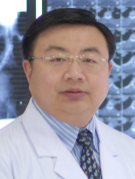 Xiaoguang Liu (刘晓光)合作论文数Peking University Health Science Center;Peking University Third Hospital;Peking University International Hospital34
 Lei Yuan合作论文数33
 Guanghui Chen合作论文数31
 Woquan Zhong (钟沃权)合作论文数Orthopaedic Department, Peking University Third Hospital31Dongwei Fan (范东伟)合作论文数Peking University Third Hospital27Tianqi Fan合作论文数23
 Xiaoxi Yang (杨笑曦)合作论文数The Second Clinical College of Wuhan University/Zhongnan Hospital of Wuhan University21Baoliang Zhang合作论文数19
 Chunli Song (宋纯理)合作论文数Peking University Third Hospital18
 Zhuoran Sun合作论文数17BingTao Wen (温冰涛)合作论文数17
 Yu Sun (孙宇)合作论文数Beijing Cancer Hospital15ChangXiao Jin (金昌晓)合作论文数13GuoXin Hu (胡国信)合作论文数13
 Fang Zhou (周方)合作论文数Peking University Third Hospital11Yinhao Liu合作论文数10Xiaochen Qu合作论文数10Jun Guo (郭钧)合作论文数10QingJun Ma (马庆军)合作论文数10
 Miao Yu (于淼)合作论文数Department of Orthopedics, Peking University Third Hospital10Shuai Jiang合作论文数9
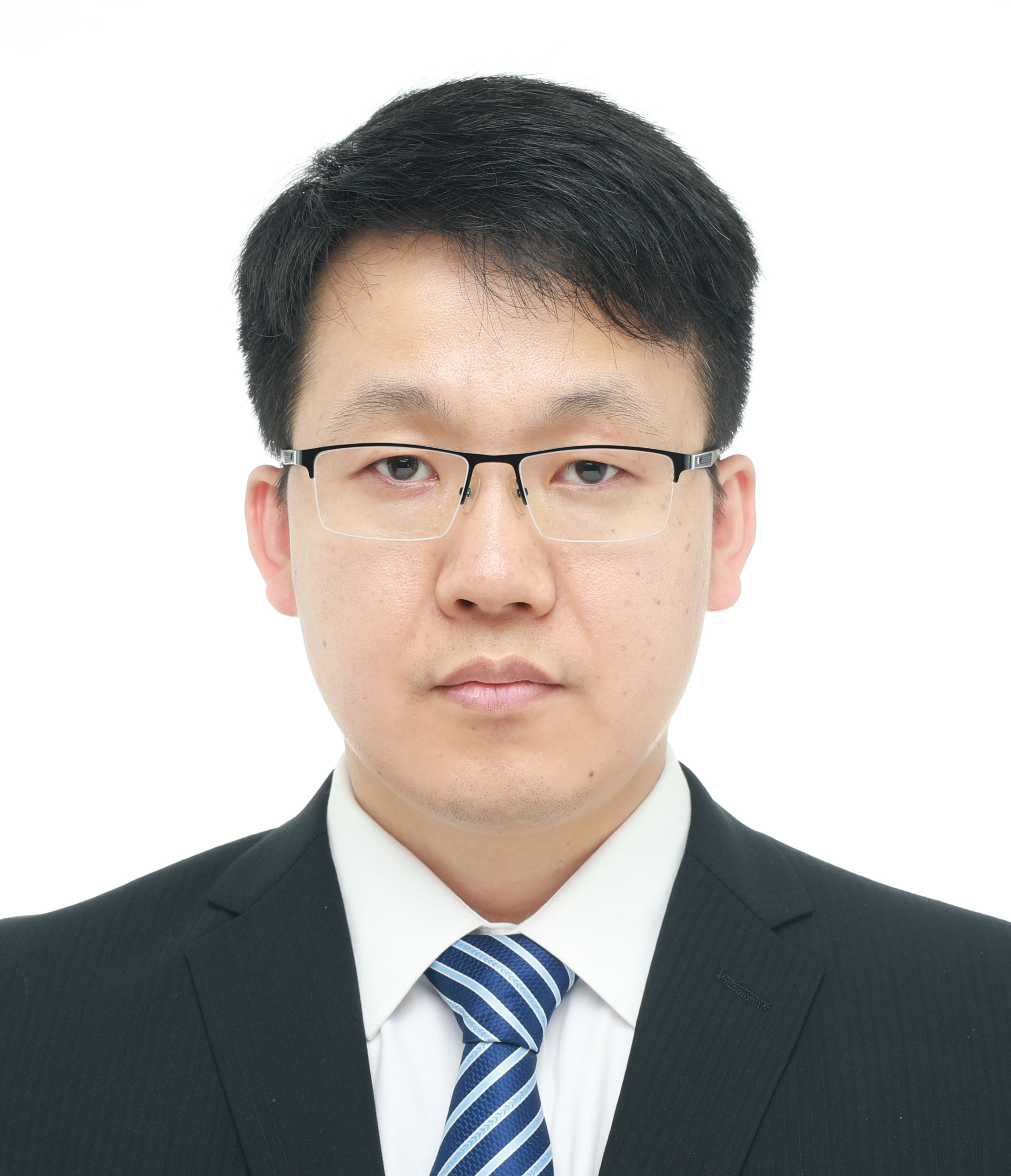 Liwei Shi (石立伟)合作论文数School of Medical Technology, Beijing Institute of Technology9
 Zhang Chi合作论文数Texas Scottish Rite Hospital for Children, University of Texas Southwestern Medical Center at Dallas9
 Yun Tian (田沄)合作论文数School of Artificial Intelligence, Beijing Normal University9
 Feng Wei (韦峰)合作论文数Department of Orthopaedic, Peking University Third Hospital9Longjie Wang合作论文数8Yu JIANG (姜宇)合作论文数8
 XiaoXue Yin (殷晓雪)合作论文数Peking University Third Hospital8
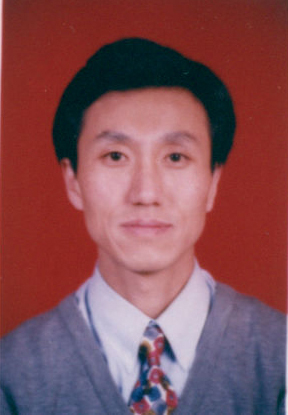 Fengshan Zhang (张凤山)合作论文数,et al Department of Orthopedic Surgery,Peking University Third Hospital,Beijing,,China8
 Alex Delis合作论文数Department of Informatics and Telecommunications, National and Kapodistrian University of Athens8Xinling Zhang合作论文数7Peng Yang (杨鹏)合作论文数7
 Jun Zhong (钟军)合作论文数School of Public Health, Peking University7Xi Chen (陈曦)合作论文数Beijing Institute of Tuberculosis Control7Lei Tan (谭磊)合作论文数7
 Xiaofei Hou (侯小飞)合作论文数Peking University Third Hospital7Xiangyu Meng合作论文数6Kai-ji JIN (金开基)合作论文数6
 Hongzhu Zhou (周洪柱)合作论文数Peking University Third Hospital6
 Feifei Zhou (周非非)合作论文数Department of Orthopedics, Peking University Third Hospital6




