Ischemic stroke is a leading cause of long-term disability, yet effective therapies that promote white matter repair and remyelination during the recovery phase remain limited. Danggui-Shaoyao-San (DSS) has demonstrated neuroprotective effects, but its mechanisms during the recovery phase are unclear. Here, we tested whether delayed DSS treatment improves long-term outcomes after transient focal ischemia by reprogramming microglia to support oligodendroglial differentiation and remyelination. In a mouse model of transient middle cerebral artery occlusion, DSS starting 30 min after reperfusion and continued throughout the recovery period produced sustained improvements in neurological function. These benefits were accompanied by preserved myelin-axon coupling, improved myelin ultrastructure in peri-infarct white matter, and enhanced progression of oligodendrocyte lineage cells toward a mature myelin-forming state. DSS reduced pro-inflammatory microglial activation while increasing repair associated microglial markers across the subacute period. Mechanistically, DSS enhanced microglial estrogen receptor ERα and ERβ signaling, increased expression of the ER associated corepressor CtBP, and suppressed NF-κB activation. In BV2 microglia, DSS containing serum dampened LPS-induced inflammatory gene expression programs and promoted repair associated markers, and pharmacological ER blockade reversed DSS-driven microglial polarization. Importantly, conditioned medium from DSS-treated microglia rather than direct exposure to DSS promoted oligodendroglial differentiation and induced pro-regenerative gene expression in oligodendrocyte lineage cells, supporting a paracrine signaling mechanism from microglia to oligodendroglia. Together, our findings identify DSS as a delayed recovery phase intervention that improves long term outcomes after ischemic stroke and suggest that ER dependent microglial reprogramming is a tractable upstream target for promoting remyelination and white matter repair.
OBJECTIVE:To explore the active compounds and the mechanism of Shenfu decoction (, SFD) against ischemic stroke (IS) through network pharmacology and animal experiments. METHODS:SFD components were retrieved from the Traditional Chinese Medicine (TCM) database. The Online Mendelian Inheritance in Man (OMIM), Comparative Toxicogenomics Database (CTD) and Therapeutic Target Database (TTD) database were used to retrieve the IS-related disease targets. The herb-compound-target network was built by Cytoscape 3.7.1 software. The core targets were obtained using protein-protein interaction (PPI) network. The core targets of SFD were further analyzed through Gene Ontology (GO) and Kyoto Encyclopedia of Genes and Genomes (KEGG). We then performed molecular docking between the hub proteins and key active compounds. Finally, we conducted animal experiments to verify the regulation of SFD on apoptosis following IS. RESULTS:There were 221 corresponding targets and 25 components related to Chinese medicine throughout the compound-target network. The core targets of SFD in the treatment of IS was tumor protein P53 (Tp53), mitogen-activated protein kinase 3 (MAPK3), MAPK1, heat shock proteins 90AA1 and alpha serine/threonine-protein kinase1. There were 221 GO items in GO function enrichment analysis and 106 signaling pathways in KEGG, mainly including negative regulation of the apoptosis process, vascular endothelial growth factor signaling pathways, NOD-like receptor signaling pathway, etc. Among them, Tp53, MAPK3, and MAPK1 were docked with small molecule compounds. Through animal research, we confirmed the effect of SFD on apoptosis following stroke. CONCLUSION:This study demonstrates that SFD can treat IS through multiple targets and pathways, and provides new perspectives for exploring the core targets and mechanisms of SFD against IS.
The West-China Hospital Alliance Longitudinal Epidemiology Wellness (WHALE) Study establishes a robust, multidimensional database to provide comprehensive insights into health-to-disease transitions, advancing proactive healthcare and enhancing understanding of the interplay among genetic, behavioral, and environmental factors in disease. The WHALE Study includes a database and a cohort. The WHALE Database, established in 2010, integrates health check-up data from 11 hospitals, covering sociodemographic, lifestyle, medical history, and clinical data. The WHALE Health Trajectory Cohort, launched in November 2024, recruits adults with at least three health check-ups, featuring biennial active follow-ups and passive linkage with regional healthcare databases. As of January 2025, the WHALE Database includes over 3.4 million health records from 1,526,686 participants, with a mean age of 40.3 years and a balanced gender distribution. Notably, 23.88% of participants had at least three health check-ups, and 3.31% had more than ten, highlighting a significant proportion with repeated measurements. The study provides key insights into health trajectories by examining the associations of biomarker data and their trajectory patterns with aging, pre-disease conditions, and disease diagnoses. The strengths of the WHALE Study include its large sample size, longitudinal design, diverse representation, comprehensive data, and robust quality control. Limitations include potential selection bias, data variability across centers, and reliance on self-reported data for some variables.
Cholinergic cells originating from the medial septal nucleus (MS) and the vertical and horizontal limbs of the diagonal band of Broca (VDB and HDB, respectively) are critical for supporting a variety of memory and cognitive functions. However, the viability of cholinergic cells has not been explored in the context of acute hypoxia (AH). This study aimed to investigate the effects of AH on cholinergic cells in these nuclei and to test whether hypoxic preconditioning (HPC)-a previously established neuroprotective therapy-could prevent cholinergic cell loss, cognitive dysfunction, and hippocampal synaptic dysfunction in mice exposed to AH. We found that cholinergic cell loss occurred in the MS/DB after AH. HPC prevented this effect and also improved AH-induced cognitive dysfunction and hippocampal synaptic dysfunction. Overall, our findings highlight the significant role of cholinergic cells in AH-induced memory impairments and suggest that the preservation of cholinergic cell viability may provide a mechanism by which HPC improves memory impairments and preserves the function of memory-processing brain structures after AH.
Ischemic stroke (IS) remains one of the most serious threats to human life. Early blood-brain barrier damage (BBB) is the cause of parenchymal cell damage. Repair of the structure and function of the BBB is beneficial for the treatment of IS. The traditional prescription ginseng aconitum decoction (GAD) has a long history in the treatment of cardiovascular and cerebrovascular diseases, however, the effect of GAD on the BBB disruption and underlying mechanisms remains largely unknown. To address these issues, in vitro models of BBB were established with brain endothelial cells (bEnd.3). We found that GAD reduced the leakage of the fluorescent probe FITC-dextran (P < 0.01) and increased the expression of tight junction proteins (Claudin-5, ZO-1) (P < 0.05) in the BBB model in vitro. Furthermore, to investigate the BBB protective effects of GAD in vivo. A total of 25 male C57/BL6 mice (20 - 22 g) were randomly divided into 5 groups (n = 5 per group): (1) Sham group (saline), (2) MCAO group (saline), (3) MCAO + CG group (Chinese ginseng 8 mg/kg/day), (4) MCAO + AC group (aconite 8 mg/kg/day), (5) MCAO + GAD group (GAD 8 mg/kg/day). We constructed IS model in mice and found that GAD treatment reduced IgG leakage (P < 0.05), up-regulated the expression of tight junction proteins Claudin-5, Occludin, and ZO-1 (P < 0.05). Further mechanism study showed that fatty acid oxidation (FAO) of vascular endothelial cells is involved in the protection of the BBB after IS, and GAD regulates FAO (P < 0.05) to protect BBB. In addition, we found the effect of GAD was stronger than that of Chinese ginseng (CG) (P < 0.05) and aconite (AC) (P < 0.01) alone. We concluded that GAD ameliorated the BBB dysfunction by regulating FAO involving vascular endothelial cells after IS. At the same time, the prescription is more effective than single traditional Chinese medicine.
Support -Evaluation of the therapeutic effect of meridian guidance combined with remote ischemia conditioning technique in the treatment of cardiopulmonary dysfunction after stroke (4202305461).
This study aimed to investigate the impact of abdominal aortic occlusion (AAO)-induced injury on the kidney, lower limb muscles, heart, and brain in mice, and the potential protective effects of hypoxic postconditioning (HyC). The experimental design employed an abdominal aortic occlusion (AAO) model, and involved three groups of mice: sham, AAO, and AAO+HyC. Ten minutes after the AAO model, mice were subjected to hypoxic treatment lowering oxygen concentration to 5% within 45 minutes, and then returned to a normal oxygen environment. Hematoxylin-eosin (HE) stain was used for Histopathological examinations, and Quantibody Mouse Array was used for detecting apoptosis and inflammation-related protein expression. Histopathological examinations showed that HyC mitigated pathological damage to proximal organs (kidneys and lower limb muscles), distal organs (heart and brain), and reduced inflammatory cell infiltration. Expression of apoptosis-and inflammation-related proteins in brain and heart tissues were also evaluated. HyC significantly increased cellular inhibitor of apoptosis 2 (cIAP2) in the brain and Bcl-2 and insulin-like growth factor 2 (IGF-2) in the heart. Additionally, HyC regulated the expression of several inflammation-related factors in both brain and heart tissues. Although further investigation is needed, particularly in human subjects, this study highlights the potential of HyC as a promising therapeutic strategy for reducing AAO-associated organ damage.
Vascular cognitive impairment and dementia (VCID), resulting from chronic cerebral hypoperfusion, represent the second most prevalent form of dementia globally. Aerobic exercise is widely acknowledged as an effective intervention for various cognitive disorders. This study utilized a bilateral common carotid artery stenosis (BCAS) model to investigate whether aerobic exercise promotes cognitive recovery through the Annexin-A1 (ANXA1)/mitogen-activated protein kinase (MAPK) axis in BCAS mice. Our findings demonstrate that aerobic exercise improved spatial memory in BCAS mice by enhancing white matter (WM) integrity and hippocampal function. WM integrity was confirmed through Luxol Fast Blue (LFB) staining and protein assays. Additionally, aerobic exercise mitigated BCAS-induced long-term potentiation (LTP) decay and upregulated hippocampal expression of key synaptic proteins, including N-methyl-D-aspartate receptor subunits NR2B and NR1, vesicular glutamate transporter 1 (vGluT1), and the synaptic scaffolding protein postsynaptic density protein 95 (PSD95). Furthermore, aerobic exercise enhanced the expression of the antiinflammatory mediator ANXA1 through exosome secretion while simultaneously suppressing the MAPK signaling pathway. These molecular changes were associated with increased astrocyte proliferation and the polarization of astrocytes toward the A2 phenotype. These findings were further validated using an in vitro coculture model of astrocytes (U251) and neurons (HT22). In summary, our study demonstrates that aerobic exercise improves WM integrity and hippocampal function by modulating the ANXA1/MAPK axis following astrocyte polarization. Thus, aerobic exercise emerges as a promising intervention for promoting functional recovery in VCID.
Background Prognosis is critically important in stroke cases, with angiogenesis playing a key role in determining outcomes. This study aimed to investigate the potential protective effects of Atractylenolide I (Atr I), Atractylenolide III (Atr III), and Paeoniflorin (Pae) in promoting angiogenesis following cerebral ischemia. Methods The bEnd.3 cell line was used to evaluate the effects of these three compounds on vascular endothelial cell proliferation, migration, and tube formation. Male C57BL/6 mice underwent transient middle cerebral artery occlusion (MCAO), followed by daily intragastric administration of the Chinese medicine compounds to assess their impact on brain protection and angiogenesis. In vivo experiments included measuring infarct size and assessing neurological function. Immunofluorescence staining and an angiogenesis antibody array were used to evaluate angiogenesis in ischemic brain tissue. Functional enrichment analysis was performed to further investigate the pathways involved in the protective effects of the compounds. Molecular docking analysis explored the potential binding affinity of the compounds to insulin-like growth factor 2 (IGF-2), and Western blotting was used to measure levels of angiogenesis-related proteins. Results In vitro, the combination of Atr I, Atr III, and Pae enhanced cell proliferation, promoted migration, and stimulated tube formation. In vivo, the combined treatment significantly facilitated neurological function recovery and angiogenesis by day 14. The treatment also increased levels of angiogenesis-related proteins, including IGF-2. Pearson correlation analysis revealed a strong positive association between IGF-2 levels in ischemic brain tissue and angiogenesis, suggesting a good affinity of the compounds for the IGF-2 binding site, as supported by molecular docking analysis. Conclusion The administration of Atr I, Atr III, and Pae has shown significant enhancements in long-term stroke recovery in mice, likely due to the promotion of angiogenesis via increased activation of the IGF-2 pathway in ischemic brain tissue. Graphical Abstract
Abstract Background The relaxation of the “zero-COVID” policy on Dec. 7, 2022, in China posed a major public health threat recently. Complete blood count test was discovered to have complicated relationships with COVID-19 after the infection, while very few studies could track long-term monitoring of the health status and identify the characterization of hematological parameters prior to COVID-19. Methods Based on a 13-year longitudinal prospective health checkup cohort of ~ 480,000 participants in West China Hospital, the largest medical center in western China, we documented 998 participants with a laboratory-confirmed diagnosis of COVID-19 during the 1 month after the policy. We performed a time-to-event analysis to explore the associations of severe COVID-19 patients diagnosed, with 34 different hematological parameters at the baseline level prior to COVID-19, including the whole and the subtypes of white and red blood cells. Results A total of 998 participants with a positive SARS-CoV-2 test were documented in the cohort, 42 of which were severe cases. For white blood cell-related parameters, a higher level of basophil percentage (HR = 6.164, 95% CI = 2.066–18.393, P = 0.001) and monocyte percentage (HR = 1.283, 95% CI = 1.046–1.573, P = 0.017) were found associated with the severe COVID-19. For lymphocyte-related parameters, a lower level of lymphocyte count (HR = 0.571, 95% CI = 0.341–0.955, P = 0.033), and a higher CD4/CD8 ratio (HR = 2.473, 95% CI = 1.009–6.059, P = 0.048) were found related to the risk of severe COVID-19. We also observed that abnormality of red cell distribution width (RDW), mean corpuscular hemoglobin concentration (MCHC), and hemoglobin might also be involved in the development of severe COVID-19. The different trajectory patterns of RDW-SD and white blood cell count, including lymphocyte and neutrophil, prior to the infection were also discovered to have significant associations with the risk of severe COVID-19 (all P < 0.05). Conclusions Our findings might help decision-makers and clinicians to classify different risk groups of population due to outbreaks including COVID-19. They could not only optimize the allocation of medical resources, but also help them be more proactive instead of reactive to long COVID-19 or even other outbreaks in the future.
Background. Abdominal aortic occlusion (AAO) occurs frequently and causes ischemia/reperfusion (I/R) injury to distant organs. In this study, we aimed to investigate whether AAO induced I/R injury and subsequent damage in cardiac and neurologic tissue. We also aimed to investigate the how length of ischemic time in AAO influences reactive oxygen species (ROS) production and inflammatory marker levels in the heart, brain, and serum. Methods. Sixty male C57BL/6 mice were used in this study. The mice were randomly divided into either sham group or AAO group. The AAO group was further subdivided into 1–4 hr groups of aortic occlusion times. The infrarenal abdominal aorta was clamped for 1–4 hr depending on the AAO group and was then reperfused for 24 hr after clamp removal. Serum, hippocampus, and left ventricle tissue samples were then subjected to biochemical and histopathological analyses. Results. AAO-induced I/R injury had no effect on cell necrosis, cell apoptosis, or ROS production. However, serum and hippocampus levels of malondialdehyde (MDA) and lactate dehydrogenase (LDH) increased in AAO groups when compared to sham group. Superoxide dismutase and total antioxidant capacity decreased in the serum, hippocampus, and left ventricle. In the serum, AAO increased the level of inducible nitric oxide synthase (iNOS) and decreased the levels of anti-inflammatory factors (such as arginase-1), transforming growth factor- β1 (TGF-β1), interleukin 4 (IL-4), and interleukin 10 (IL-10). In the hippocampus, AAO increased the levels of tumor necrosis factor (TNF-α), interleukin 1β (IL-1β), interleukin 6 (IL-6), IL-4, and IL-6, and decreased the level of TGF-β1. In the left ventricle, AAO increased the level of iNOS and decreased the levels of TGF-β1, IL-4, and IL-10. Conclusions. AAO did not induce cell necrosis or apoptosis in cardiac or neurologic tissue, but it can cause inflammation in the serum, brain, and heart.
Abstract Background As the main cause of cancer death, lung cancer imposes seriously health and economic burdens on individuals, families, and the health system. In China, there is no national study analyzing the hospitalization expenditures of different payment methods by lung cancer inpatients. Based on the 2010–2016 database of insured urban resident lung cancer inpatients from the China Medical Insurance Research Association (CHIRA), this paper aims to investigate the characteristics and cost of hospitalized lung cancer patient, to examine the differences in hospital expenses and patient out-of-pocket (OOP) expenses under four medical insurance payment methods: fee-for-service (FFS), per-diem payments, capitation payments (CAP) and case-based payments, and to explore the medical insurance payment method that can be conducive to controlling the cost of lung cancer. Method This is a 2010–2016, 7-year cross-sectional study. CHIRA data are not available to researchers after 2016. The Medical Insurance Database of CHIRA was screened using the international disease classification system to yield 28,200 inpatients diagnosed with lung cancer (ICD-10: C34, C34.0, C34.1, C34.2, C34.3, C34.8, C34.9). The study includes descriptive analysis and regression analysis based on generalized linear models (GLM). Results The average patient age was 63.4 years and the average length of hospital stay (ALOS) was 14.2 day; 60.7% of patients were from tertiary hospitals; and 45% were insured by FFS. The per-diem payment had the lowest hospital expenses (RMB7496.00/US$1176.87), while CAP had the lowest OOP expenses (RMB1328.18/US$208.52). Compared with FFS hospital expenses, per-diem was 21.3% lower (95% CI = -0.265, -0.215) and case-based payment was 8.4% lower (95% CI = -0.151, -0.024). Compared with the FFS, OOP expenses, per-diem payments were 9.2% lower (95% CI = -0.130, -0.063) and CAP was 15.1% lower (95% CI = -0.151, -0.024). Conclusion For lung cancer patients, per-diem payment generated the lowest hospital expenses, while CAP meant patients bore the lowest OOP costs. Policy makers are suggested to give priority to case-based payments to achieve a tripartite balance among medical insurers, hospitals, and insured members. We also recommend future studies comparing the disparities of various diseases for the cause of different medical insurance schemes.
ObjectiveThe COVID-19 pandemic has challenged the health system worldwide. This study aimed to assess how China’s hierarchical medical system (HMS) coped with COVID-19 in the short-and medium-term. We mainly measured the number and distribution of hospital visits and healthcare expenditure between primary and high-level hospitals during Beijing’s 2020–2021 pandemic relative to the 2017–2019 pre-COVID-19 benchmark period.MethodsHospital operational data were extracted from Municipal Health Statistics Information Platform. The COVID-19 period in Beijing was divided into five phases, corresponding to different characteristics, from January 2020 to October 2021. The main outcome measures in this study include the percentage change in inpatient and outpatient emergency visits, and surgeries, and changing distribution of patients between different hospital levels across Beijing’s HMS. In addition, the corresponding health expenditure in each of the 5 phases of COVID-19 was also included.ResultsIn the outbreak phase of the pandemic, the total visits of Beijing hospitals declined dramatically, where outpatient visits fell 44.6%, inpatients visits fell 47.9%; emergency visits fell 35.6%, and surgery inpatients fell 44.5%. Correspondingly, health expenditures declined 30.5% for outpatients and 43.0% for inpatients. The primary hospitals absorbed a 9.51% higher proportion of outpatients than the pre-COVID-19 level in phase 1. In phase 4, the number of patients, including non-local outpatients reached pre-pandemic 2017–2019 benchmark levels. The proportion of outpatients in primary hospitals was only 1.74% above pre-COVID-19 levels in phases 4 and 5. Health expenditure for both outpatients and inpatients reached the baseline level in phase 3 and increased nearly 10% above pre-COVID-19 levels in phases 4 and 5.ConclusionThe HMS in Beijing coped with the COVID-19 pandemic in a relatively short time, the early stage of the pandemic reflected an enhanced role for primary hospitals in the HMS, but did not permanently change patient preferences for high-level hospitals. Relative to the pre-COVID-19 benchmark, the elevated hospital expenditure in phase 4 and phase 5 pointed to hospital over-treatment or patient excess treatment demand. We suggest improving the service capacity of primary hospitals and changing the preferences of patients through health education in the post-COVID-19 world.
Ischemic stroke is a major global health crisis, characterized by high morbidity and mortality rates. Although there have been significant advancements in treating the acute phase of this condition, there remains a pressing need for effective treatments that can facilitate the recovery of neurological functions. Danggui-Shaoyao-San (DSS), also known as the Decoction of Chinese Angelica and Peony, is a traditional Chinese herbal formula. It has demonstrated promising results in the regulation of microglial polarization and modulation of neurosteroid receptor expression, which may make it a potent strategy for promoting the recovery of neurological functions. Microglia, which plays a crucial role in neuroplasticity and functional reconstruction poststroke, is regulated by neurosteroids. This review posits that DSS could facilitate the recovery of neuronal function poststroke by influencing microglial polarization through the neurosteroid receptor pathway. We will further discuss the potential mechanisms by which DSS could enhance neural function in stroke, including the regulation of microglial activation, neurosteroid regulation, and other potential mechanisms.
Background Continuing Medical Education (CME) is an important part of the training process for health workers worldwide. In China, training in Traditional Chinese Medicine (TCM) not only improves the expertise of medical workers, but also supports the Chinese Government’s policy of promoting TCM as an equal treatment to western medicine. CME, including learning Traditional Chinese Medicine Technologies (TCMTs), perform poorly and research into the motivation of health workers to engage in CME is urgently required. Using a discrete choice experiment, this study assessed the CME learning preferences of primary health workers, using TCMT as a case study of CME programs. Methods We conducted a discrete choice experiment among health workers in Shandong Province, Guizhou Province, and Henan provinces from July 1, 2021 to October 1, 2022 on the TCMT learning preferences of primary health workers. The mixed logit model and latent class analysis model were used to analyze primary health workers’ TCMT learning preferences. Results A total of 1,063 respondents participated in this study, of which 1,001 (94.2%) passed the consistency test and formed the final sample. Our key finding was that there were three distinct classes of TCMT learners. Overall, the relative importance of the seven attributes impacting the learning of TCMTs were: learning expenses, expected TCMT efficacy, TCMT learning difficulty, TCMT mode of learning, TCMT type, time required to learn, and expected frequency of TCMT use. However, these attributes differed significantly across the three distinct classes of TCMT learners. Infrequent users (class 1) were concerned with learning expenses and learning difficulty; workaholics (class 2) focused on the mode of learning; and pragmatists (class 3) paid more attention to the expected TCMT efficacy and the expected frequency of TCMT use. We recommend targeted strategies to motivate TCMT learning suited to the requirements of each class of TCMT learners. Conclusion Rather than a single TCMT medical education program for primary health workers, CME programs should be targeted at different classes of TCMT learners.
Purpose. Danggui Shaoyao San (DSS) was developed to treat the ischemic stroke (IS) in patients and animal models. The purpose of this study was to explore its active compounds and demonstrate its mechanism against IS through network pharmacology, molecular docking, and animal experiment. Methods. All the components of DSS were retrieved from the pharmacology database of TCM system. The genes corresponding to the targets were retrieved using OMIM, CTD database, and TTD database. The herb-compound-target network was constructed by Cytoscape software. The target protein-protein interaction network was built using the STRING database. The core targets of DSS were analyzed by Gene Ontology (GO) and Kyoto Encyclopedia of Genes and Genomes (KEGG). Then, we achieved molecular docking between the hub proteins and the key active compounds. Finally, animal experiments were performed to verify the core targets. Triphenyltetrazolium chloride (TTC) staining was used to calculate the infarct size in mice. The protein expression was determined using the Western blot. Results. Compound-target network mainly contained 51 compounds and 315 corresponding targets. Key targets contained MAPK1, SRC, PIK3R1, HRAS, AKT1, RHOA, RAC1, HSP90AA1, and RXRA FN1. There were 417 GO items in GO enrichment analysis ( p < 0.05 ) and 119 signaling pathways ( p < 0.05 ) in KEGG, mainly including negative regulation of apoptosis, steroid hormone-mediated signaling pathway, neutrophil activation, cellular response to oxidative stress, and VEGF signaling pathway. MAPK1, SRC, and PIK3R1 docked with small molecule compounds. According to the Western blot, the expression of p-MAPK 1, p-AKT, and p-SRC was regulated by DSS. Conclusions. This study showed that DSS can treat IS through multiple targets and routes and provided new insights to explore the mechanisms of DSS against IS.
目的:整理并总结《景岳全书·痞满》用药规律,以期为临床治疗本病提供文献学证据.方法:收集《景岳全书·痞满》中的全部方剂,对符合纳入标准的方剂进行统计,建立方药数据库,应用SPSS Sta-tistics 26.0软件对方药进行描述性统计分析、高频药物聚类分析,运用SPSS Modeler 18.0软件进行关联规则分析,并绘制高频药物网络可视化图.结果:共获得治疗痞满的方剂43首,其中涉及中药68味,类别14类;药性以温、平、微温居多,药味以辛、甘、苦为主,归经集中于脾(胃)、肺、心;高频药物以补虚药、理气药、温里药为主;根据高频药物关联分析,挖掘出10对常用药对和7组常用药组;通过高频药物聚类分析得到3组常用核心组方.结论:张景岳论治本病注重四维,分别为:温脾阳,散阴滞;益脾气,护中焦;燥脾土,化痰湿;理气机,消宿食;核心用药为甘草、陈皮、白术、人参、茯苓、干姜、半夏;核心证型为痰湿蕴脾证,气滞食积证,中虚脏寒证;核心方剂为四君子汤、二陈汤、温胃饮.本研究结果可为临床治疗痞满提供借鉴.
良性前列腺增生(BPH)实验模型是研究BPH发病机制和评价药物疗效的重要载体.该文对BPH症的体内外模型、造模原理、造模方法、评价指标等内容进行了综述,并对当前不同类型模型的优缺点进行了分析.目前,BPH模型更加趋近人类BPH临床特点,为评价药物疗效提供了重要载体.同时,模型已向细胞学方向发展,可以更加深入研究BPH的发病机制.相关检测指标从不同层面反映BPH的核心病理变化,为进一步探寻BPH的发病机制及开发防治药物提供保障.但并没有能完全模拟人类BPH的自然发展进程的模型,每一种模型及评价标准均有其独特的优势与局限性.在模型方面,BPH模型大多以前列腺体积增大(BPE)作为判定模型成功与否的标准,尚缺少可靠的模拟BPH进展及合并膀胱功能障碍的模型.在评价指标方面,BPH动物模型的复制缺少反映症状的行为学指标.中药对BPH模型的研究仅是对"病"的模型的复制与研究,而不是针对于"证""候",不能较好的模拟中医理论指导下的辨证论治.针对上述不足,应该进一步完善基于临床特点的造模方法,探索多因素复合模型,尤其是适合中医药基础研究的病证结合模型,复制更贴近疾病发展规律的模型,优化评价指标,对开发有效防治BPH的药物具有重大的理论意义和现实意义.
中华中医药学会组织中西医男科专家进行探讨,探索对良性前列腺增生以中医药为主导疗法的应用人群和治疗阶段.针对良性前列腺增生中医药具有很大的治疗优势,但必须要明确中医药在该病的什么阶段可以做为主导治疗方式,什么阶段最好采用现代医学治疗方式进行治疗,又在什么状况下可采用中西医结合治疗而获取临床的最佳治疗效果.经与会专家讨论认为,年老体弱,基础疾病多不能耐受麻醉和手术的具有临床症状的良性前列腺增生患者;不能耐受西药治疗药物的不良反应,或不能接受西药可能出现的不良反应的具有临床症状的患者;症状处于轻度下尿路症状[国际前列腺症状评分(IPSS)≤7分]和中度以上症状(IPSS≥8分)但生活质量尚未受到明显影响阶段的患者;膀胱逼尿肌功能减退,膀胱功能低下不能手术治疗,或经手术治疗后功能仍然不能使膀胱排空,仍存在较多残余尿的前列腺增生患者;前列腺增生合并前列腺炎,并且以前列腺炎为主要临床表现的前列腺增生患者;术后出现的非急性并发症等,是中医药治疗前列腺增生的优势阶段,可以采用中医药为主导的治疗.前列腺增生做为中医泌尿男科治疗的优势病种之一,在临床治疗中需充分考虑前列腺增生患者的症状程度及并发症状况、疾病的可能转归来确定具体的治疗方案.在以中医药为主导治疗时需定期复查患者的血清前列腺癌特异性抗原水平,排除前列腺恶性肿瘤的可能,足疗程、足周期的应用中医疗法进行治疗,同时亦可中西并用,使患者得到最有效的、最方便的、最经济的、最满意的治疗,将中医治疗该病的优势发扬光大.
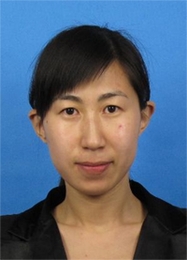 Xiaodan Wu (吴晓丹)合作论文数School of Traditional Chinese Medicine, Beijing University of Chinese Medicine48
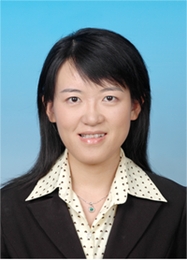 Lin Zhang (张林)合作论文数School of Traditional Chinese Medicine, Beijing University of Chinese Medicine27
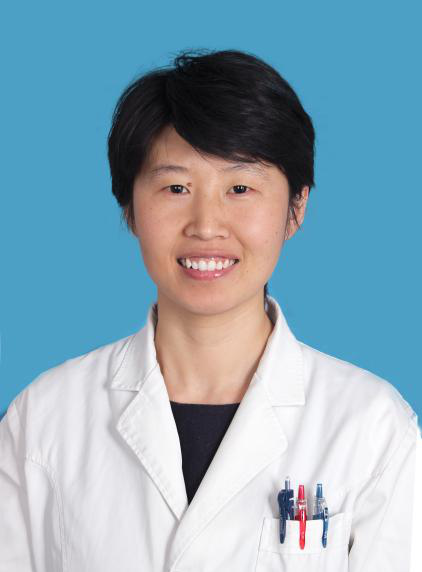 Jing Bai (白晶)合作论文数Third Affiliated Hospital, Beijing University of Chinese Medicine21
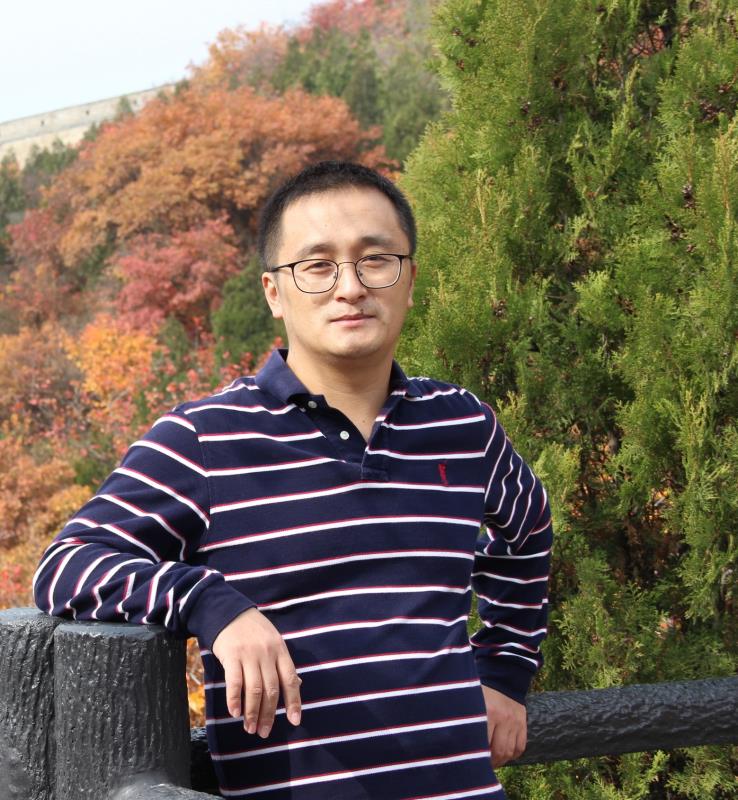 Xuefeng Shi (石学峰)合作论文数School of Management, Beijing University of Chinese Medicine21
 Yong Ma合作论文数10Changhong Ren合作论文数9
 Stephen Nicholas合作论文数University of Newcastle9Qian Bai (白倩)合作论文数8
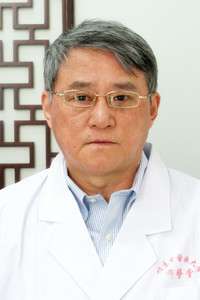 Xu Wang (王煦)合作论文数Guoyitang TCM Clinic, Beijing University of Chinese Medicine8Zhengwei Huang合作论文数7DiQian Liu (刘迪谦)合作论文数7
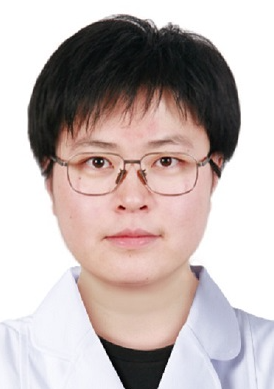 Sijie Li (李思颉)合作论文数Xuanwu Hospital, Capital Medical University7
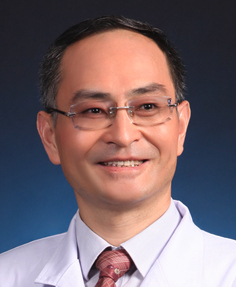 Xunming Ji (吉训明)合作论文数Department of Neurosurgery, Xuanwu Hospital, Capital Medical University;Graduate School, Capital Medical University7
 Elizabeth Maitland合作论文数7LieYu Huang (黄列玉)合作论文数6HongWei Zhou (周洪伟)合作论文数6Wei Zhang (张伟)合作论文数5YiWei Guo (郭艺玮)合作论文数5
 Xiaowei Man (满晓玮)合作论文数School of Management, Beijing University of Chinese Medicine5
 Jun Xu (许俊)合作论文数江苏省苏北人民医院神经内科5Haiyan Li合作论文数4Shuo Li合作论文数Fudan Univ, Dept Pancreat Surg, Shanghai Canc Ctr, 270 Dong An Rd, Shanghai 200032, Peoples R China4Xi Wang (王溪)合作论文数4Weihan Zhao (赵伟菡)合作论文数3Linhui Qin合作论文数3YAN Hao (严豪)合作论文数3LIU Haixu (刘海旭)合作论文数3Yuan ZHANG (张圆)合作论文数3Xiaoping Chen合作论文数3Shuo LI (李硕)合作论文数3XiaoXiao Zhang (张霄潇)合作论文数3
 Tan Wang (王坦)合作论文数School of Traditional Chinese Medicine, Beijing University of Chinese Medicine3
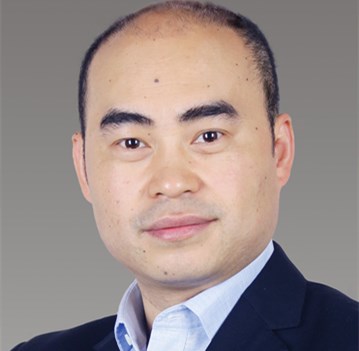 Mao Chen (陈茂)合作论文数Department of Cardiology, West China Hospital, Sichuan University3
 Bin Wang (王彬)合作论文数Dongzhimen Hospital, Beijing University of Chinese Medicine3
 Gao Chen (陈高)合作论文数Department of Neurosurgery, The Second Affiliated Hospital, School of Medicine, Zhejiang University3
 Haisong Li (李海松)合作论文数Dongzhimen Hospital, Beijing University of Chinese Medicine3Wantong Yu合作论文数2Yong Peng合作论文数2Rui Shi合作论文数2Caihong LI (李彩虹)合作论文数2ZHU Yong (朱勇)合作论文数2
 Ga Liao合作论文数2Fang Hong (洪芳)合作论文数2Wenjie JIANG (姜雯婕)合作论文数2Yue GAO (高越)合作论文数2
 Jin Huang合作论文数2ZongWu Wang (王宗武)合作论文数2




