BACKGROUND:This study aimed to evaluate the prognostic value of inflammatory biomarkers in adult patients with dural arteriovenous fistulas (DAVFs) undergoing endovascular treatment. METHODS:In this retrospective study, 471 adult DAVF patients treated with endovascular therapy were included. Neutrophil-to-lymphocyte ratio (NLR), systemic inflammation response index (SIRI), and systemic immune-inflammation index (SII) were measured on admission. Poor outcome was defined as modified Rankin Scale (mRS) >2 at last follow-up. Aggressive clinical presentation (intracranial hemorrhage or non-hemorrhagic neurological deficits) and treatment-related variables were compared across outcome groups. Propensity score matching (PSM), multivariable logistic regression, subgroup analysis, and mediation models were used to validate findings. RESULTS:Of 471 eligible patients, 44 had poor outcomes (mRS >2) after treatment. Multivariable analysis revealed that elevated NLR, SIRI, and SII were significantly associated with poor prognosis, with odds ratios of 1.56, 1.29, and 1.28, respectively. Subgroup analyses demonstrated consistent prognostic impact of NLR, SIRI, and SII. Patients with aggressive clinical presentations exhibited significantly higher inflammation markers. The poor prognosis group had more staged treatments and hemorrhagic complications. However, mediation analysis showed no significant indirect effects through these variables, suggesting that inflammation may be directly associated with poor prognosis. CONCLUSIONS:Elevated NLR, SIRI, and SII on admission are associated with poor prognosis in DAVF patients. Future prospective studies incorporating serial biomarker monitoring and angiographic follow-up are warranted to validate these findings and clarify potential causal mechanisms.
Objectives The purpose of this study was to compare the efficacy and safety of transarterial chemoembolization combined with radiofrequency ablation (TACE-RFA) plus tyrosine kinase inhibitors (TKI) with or without programmed cell death protein-1 (PD-1) inhibitors in the treatment of unresectable hepatocellular carcinoma (uHCC).Methods From January 2020 to October 2024, 87 patients with uHCC who received TACE-RFA plus TKI with or without PD-1 inhibitors in our center were retrospectively analyzed, and divided into TACE-RFA + TKI (TRK) group and TACE-RFA + TKI + PD-1 (TRKP) group. Kaplan-Meier method and log-rank test were used to analyze overall survival (OS) and progression-free survival (PFS) of the 2 groups. Adverse events (AEs) between the 2 groups were evaluated according to Common Adverse Event Evaluation Criteria (CTCAEs) Version 5.0.Results The patients in the TRKP group had longer median OS (mOS) (24 [95% confidence interval (CI): 17.7-30.3] vs. 18 [95% CI: 15.1-20.9] months, P = .04) and median PFS (mPFS) (15[95% CI: 13.4-16.6] vs. 12 [95% CI: 10.8-13.2] months, P = .01) than that in the TRK group. The objective response rate (ORR) (44.19% vs 36.36%, P = .03) and disease control rate (DCR) (86.05% vs. 70.45%, P = .08) in the TRKP group were better than those in the TRK group. There was no significant difference in the frequency and severity of AEs between the 2 groups.Conclusions The treatment of TACE-RFA + TKI + PD-1 inhibitors is effective and safe for uHCC.Advances in knowledge This study advances knowledge by showing that the TACE-RFA + TKI + PD-1 (TRKP) regimen is more effective than TACE-RFA + TKI (TRK) in improving median overall survival, median progression-free survival, and objective response rate for unresectable hepatocellular carcinoma (uHCC) with controllable adverse events, and identifies TRKP as an independent favorable prognostic factor, while AFP >= 400 ng/mL and BCLC stage C as adverse prognostic factors for uHCC.
Background Intracranial dural arteriovenous fistulas (DAVFs) are rare lesions, making it challenging to fully understand and improve their management. Globally, only two major large-scale studies have focused on DAVFs. This report outlines the design of the DREAM-INI (Dural arteriovenous fistula research and management in China) project and provides an overview of the 1101-patient cohort it includes. Methods Patient data were sourced from the DREAM-INI database, a retrospective, single-center observational study conducted from January 2001 to December 2022, encompassing a total of 1101 DAVF patients. Results The cohort consists of 367 patients diagnosed with Borden type I DAVFs, 172 patients with Borden type II fistulas, and 562 patients with Borden type III fistulas. 565 patients exhibited flow-related symptoms, 176 patients presented with intracranial hemorrhage, and 275 patients had non-hemorrhagic neurological deficits. A large proportion of patients (95.6%, 1053/1101) underwent treatment through endovascular embolization (83.7%, 922/1101), surgery (8.7%, 96/1101), or multimodal therapy (3.2%, 35/1101). The overall immediate angiographic cure rate was 85.2% (897/1053 treated cases), and the rate of treatment-related permanent neurological morbidity was 3.4% (45/1328 total procedures). The median duration from the final treatment to the last follow-up for DAVF was 39 months. The predictive factors for aggressive symptoms, initial angiographic cure, and complications in DAVFs have also been preliminarily explored. Conclusions With over 1100 patients, DREAM-INI represents a large and relatively well-documented registry of DAVF patient data in China and even globally. This database will enable numerous future studies, further advancing our understanding of this rare disease.
OBJECTIVE:The purpose of this study was to compare the efficacy and safety of transarterial chemoembolization combined with radiofrequency ablation (TACE-RFA) plus tyrosine kinase inhibitors (TKI) with or without programmed cell death protein-1(PD-1) inhibitors in the treatment of unresectable hepatocellular carcinoma (uHCC). MATERIALS AND METHODS:From January 2020 to October 2024, 87 patients with uHCC who received TACE-RFA plus TKI with or without PD-1 inhibitors in our center were retrospectively analyzed, and divided into TACE-RFA + TKI (TRK) group and TACE-RFA + TKI + PD-1 (TRKP) group. Kaplan-Meier method and log-rank test were used to analyze overall survival (OS) and progression-free survival (PFS) of the two groups. Adverse events (AEs) between the two groups were evaluated according to Common Adverse Event Evaluation Criteria (CTCAEs) Version 5.0. RESULTS:The patients in the TRKP group had longer median OS (mOS) (24 [95% confidence interval (CI): 17.7-30.3] vs 18[95% CI: 15.1-20.9]months, p = 0.04) and median PFS (mPFS) (15[95% CI: 13.4-16.6] vs 12 [95% CI: 10.8-13.2]months, p = 0.01) than that in the TRK group. The objective response rate (ORR) (44.19% vs 36.36%, p = 0.03) and disease control rate (DCR) (86.05% vs. 70.45%, p = 0.08) in the TRKP group were better than those in the TRK group. There was no significant difference in the frequency and severity of AEs between the two groups. CONCLUSIONS:The treatment of TACE-RFA+TKI+PD-1 inhibitors is effective and safe for uHCC. ADVANCES IN KNOWLEDGE:This study advances knowledge by showing that the TACE-RFA+TKI+PD-1 (TRKP) regimen is more effective than TACE-RFA+TKI (TRK) in improving median overall survival, median progression-free survival and objective response rate for unresectable hepatocellular carcinoma (uHCC) with controllable adverse events, and identifies TRKP as an independent favorable prognostic factor, while AFP ≥ 400 ng/mL and BCLC stage C as adverse prognostic factors for uHCC.
OBJECTIVE:Recurrence after an initial angiography-determined cure of dural arteriovenous fistula (DAVF) has been reported, with risk factors identified in a few studies; however, some findings remain controversial. The objective of this study was to evaluate a large cohort of patients with DAVFs to estimate the recurrence rate and identify factors influencing recurrence. METHODS:Patient data for this study were derived from the Dural Arteriovenous Fistula Research and Management in China (DREAM-INI) database, compiled from a single-center retrospective study conducted in China. This analysis included only patients in whom an immediate complete cure was achieved who had subsequent angiographic follow-up. Two patient groups were compared: patients in whom a sustained durable cure was achieved and those who experienced recurrence following the initial cure. In addition to comparing baseline characteristics and follow-up results, potential risk factors for recurrence were examined and a time-to-recurrence analysis was performed. RESULTS:Among the 1101 patients included in the DREAM-INI dataset, 510 met the inclusion criteria for this study. Of these, 41 patients with an initially cured DAVF had 47 recurrence events; 48.8% developed new fistulas at distant sites, 36.6% had in situ recurrence, and 14.6% had both types of recurrence. The overall recurrence rate was 8.0%, with anticipated recurrence rates of 13.9% at 36 months and 24.1% at 105 months. Recurrence was more frequently observed in Borden type II DAVFs. Identified risk factors for recurrence included age < 45 years, a transverse-sigmoid sinus location, multiple fistulae, pial arterial supply, and venous congestion. CONCLUSIONS:DAVF recurrence can be classified as in situ recurrence and recurrence at other sites, both of which are closely linked to unresolved venous hypertension and the previously masked portion of the fistula. Risk factors for recurrence included age younger than 45 years, a transverse-sigmoid sinus location, multiple fistulae, pial arterial supply, and venous congestion. All patients with cured DAVFs, particularly those with identified risk factors, were advised to undergo angiographic follow-up beyond 1 year.
BACKGROUND AND OBJECTIVES:The prevalence of pial arterial supply (PAS) to intracranial dural arteriovenous fistulas (DAVFs) and its implications for the management of these fistulas have been limited to relatively small cohort studies and remain somewhat controversial. We conducted a retrospective study to characterize PAS in DAVFs and explore its implications for treatment. METHODS:Consecutive patients evaluated over a 21-year period were retrospectively reviewed. Angiograms were examined to characterize the angioarchitecture of DAVFs and identify the presence of PAS. PAS was classified into 2 types: dilated preexisting dural branches and pure pial supply. Baseline characteristics, treatment approaches, and treatment and follow-up outcomes were compared between the DAVF cohorts with and without PAS. To minimize patient selection bias, the 2 cohorts were matched in a 1:1 ratio using propensity score matching. RESULTS:In this cohort, 259 out of 1101 patients (23.5%) exhibited an additional PAS. Multivariate analysis identified 7 independent predictors of PAS: younger age ( P < .001), longer disease duration ( P = .021), multiple DAVFs ( P < .001), tentorial DAVFs ( P < .001), transverse-sigmoid sinus DAVFs ( P < .001), and the presence of venous ectasia ( P = .019) and congestion ( P < .001). Complication rates were higher in the PAS group, particularly for postoperative hemorrhage ( P < .001) and ischemia-related complications ( P < .001), which remained significant even after propensity score matching ( P = .013 and P = .001). CONCLUSION:The findings suggest that embolization of PAS before DAVF closure may significantly increase the risk of both intracranial hemorrhagic and ischemic complications. Therefore, routine embolization of PAS before DAVF closure is not supported by these results, particularly given the exceptionally low incidence of presumed hemorrhagic complications arising from an unobliterated "pure" pial supply before DAVF obliteration.
BACKGROUND AND OBJECTIVES:Lateral sinus dural arteriovenous fistulas (LS-DAVFs) are the most common type of DAVF; however, research on LS-DAVFs remains limited. This study summarizes our center's experience in treating LS-DAVFs and discusses the associated characteristics and treatment strategies for different LS-DAVF types. Furthermore, it confirms the necessity of achieving complete occlusion in symptomatic LS-DAVFs to effectively alleviate symptoms and improve patient outcomes. METHODS:This study included 231 patients with LS-DAVFs who received continuous endovascular treatment at our hospital between 2001 and 2022. This article provides a detailed description of the patients' clinical presentation, angiographic features, treatment strategies, and both clinical and angiographic outcomes. RESULTS:This study included 231 patients with LS-DAVFs who underwent endovascular treatment, including 149 patients who received transarterial embolization (TAE), 15 who underwent transvenous embolization (TVE), and 67 who were treated with a combination of TAE and TVE. According to the Borden classification, 90 patients had type I, 66 had type II, and 75 had type III DAVF. The mean age of the patients was 50.3 ± 12.9 years, with a total of 311 procedures performed. The most common arterial access routes were the middle meningeal artery and occipital artery. The complete occlusion rate was 76.2%, with 142 patients experiencing either complete resolution or improvement of their symptoms. The overall complication rate was 10.0%, comprising intracranial hemorrhage (5.6%), ischemic stroke (3.0%), and neurological deficits (1.3%). CONCLUSION:TAE, or combined TVE (TAE + TVE), is a safe and effective treatment of LS-DAVFs. For patients with Borden type III DAVFs, complete occlusion of the fistula is essential to achieve a cure. In addition, for symptomatic LS-DAVFs, complete occlusion of the fistula plays a key role in the resolution of symptoms, significantly improving the patient's clinical condition.
With advancements in endovascular techniques, an increasing number of tentorial dural arteriovenous fistulas (TDAVFs) can now be successfully treated with endovascular intervention alone. In this study, we present a summary of one single-center experience in the treatment of TDAVFs, along with a subgroup analysis based on the Lawton classification. We conducted a retrospective review of patients with TDAVF treated at a single center over a 21-year period. Patients with TDAVFs were included and categorized into 6 types. Patient demographics and angiographic data were recorded. Postprocedural and follow-up angiographic and clinical outcomes were assessed. A total of 275 cases of TDAVFs involving the Galenic, straight sinus, torcular, tentorial sinus, petrosal, or incisural regions were recorded in the database. Of the total cases, 236 of DAVFs (85.8%) occurred in male patients, with a mean age of 51.1 ± 11.6 years. In 245 cases (92.8%), fistulas were complete occluded immediately using various modalities, with a treatment-related complication rate of 12.5%. Galenic, straight sinus, and torcular DAVFs had higher incidence of internal cerebral vein drainage (P < .001). Superior petrosal sinus DAVF shows a higher incidence of perimedullary venous drainage (P < .001) and a relatively higher proportion of microsurgical treatments compared with other types (P < .001). Galenic DAVFs had a lower immediate complete occlusion rate compared with other types of TDAVFs (P = .013). Both Galenic and superior petrosal sinus DAVFs exhibited a higher complication rate compared with other types of TDAVFs (P = .008). Torcular DAVFs had a tendency to develop new fistulas after treatment (P = .008). We present the characteristics of 275 patients with TDAVFs, predominantly middle-aged men. Most TDAVFs can be effectively treated with an endovascular approach, superior petrosal sinus DAVFs more often require microsurgical intervention.
OBJECTIVE:Dural arteriovenous fistulas (DAVFs) with deep venous drainage (DVD) (DAVFs-DVD) are characteristically associated with non-hemorrhagic neurological deficits, most notably cognitive impairment. Large studies have yet to thoroughly characterize these DAVFs. We conducted an analysis of the largest cohort of DAVFs-DVD to provide a comprehensive characterization of this specific subset. METHODS:This study was a retrospective cohort analysis of 207 patients with DAVFs-DVD who were hospitalized at a single medical center between 2001 and 2022. Logistic regression was employed to identify angiographic features specific to DAVFs associated with cognitive impairment. Additionally, post-treatment outcomes were evaluated. RESULTS:DAVFs-DVDs can be classified into two categories: the Galenic group, where arterial feeders drain directly into the vein of Galen (VoG), and the non-Galenic group, where arterial feeders drain into other veins or venous sinuses and indirectly flow into the VoG. Cognitive impairment accounting for 15.9% of all clinical presentations. We found that the overall rate of complete occlusion was 86.6%, while the overall rate of complications was 16.4%. Moreover, patients with DAVFs-DVD presenting with cognitive impairment were more likely to have straight sinus stenosis or occlusion, as well as DAVFs located at the midline. CONCLUSION:DAVFs-DVDs can be classified into two categories: the Galenic group and the non-Galenic group. Patients with DAVFs-DVD presenting with cognitive impairment were more likely to have straight sinus stenosis or occlusion, as well as DAVFs located at the midline. Venous hypertension of the deep venous system is a key angiographic feature of DAVFs associated with thalamic cognitive impairment.
BackgroundThe triple combination of programmed cell death protein–1 (PD-1) inhibitors plus anti-angiogenesis tyrosine kinase inhibitors (TKIs) with or without transarterial chemoembolization (TACE) or hepatic arterial infusion chemotherapy (HAIC) enhance the effect of treatment for unresectable hepatocellular carcinoma (uHCC). The present study compared the efficacy and safety of PD-1 plus TKI with or without transarterial chemo(embolization) for uHCC.MethodsThe meta-analysis was conducted using data acquired from PubMed, EMBASE, the Cochrane Library, Ovid, Web of Science, and Clinical Trials.gov from the inception date to December 2023. All clinical outcomes of interest included overall survival (OS), progression-free survival (PFS), objective response rate (ORR), and adverse events (AEs). The hazard ratio (HR) and risk ratio (RR) with 95% confidence intervals (CIs) were used to measure the pooled effect. In addition, subgroup analysis was conducted to determine the specific patient population that benefited.ResultsThe OS (HR = 0.47; 95% CI: 0.39–0.56, P < 0.05), PFS (HR = 0.52; 95% CI: 0.45–0.60, P < 0.05), and ORR (RR = 1.94; 95% CI: 1.60–2.35, P < 0.05) were significantly better in TACE/HAIC+TKI+PD-1(TACE/HAIC TP) group than TKI+PD-1(TP) group. The incidence of AEs was acceptable.ConclusionThe triple therapy of TACE/HAIC TP had better efficacy for uHCC than TP, with acceptable security.Systematic review registrationPROSPERO, identifier CRD42023475953.
Objectives To assess and compare the diagnostic value of contrast-enhanced MRI (CEMRI) and contrast-enhanced CT (CECT) for evaluating the response of hepatocellular carcinoma (HCC) after transarterial chemoembolisation (TACE).Design Systematic review and meta-analysis.Data sources PubMed, Embase, the Cochrane Library, CNKI and Wanfang databases were systematically searched from inception to 1 August 2023.Eligibility criteria Studies with any outcome that demonstrates the diagnostic performance of CEMRI and CECT for HCC after TACE were included.Data extraction and synthesis Two authors independently extracted the data and assessed the quality of included studies. Study quality was assessed using Quality Assessment of Diagnostic Accuracy Studies-2. The diagnostic performance of CEMRI and CECT for the response of HCC was investigated by collecting true and false positives, true and false negatives, or transformed-derived data from each study to calculate specificity and sensitivity. Other outcomes are the positive likelihood ratio/negative likelihood ratio (NLR), the area under the receiver operating characteristic curve (AUC) for diagnostic tests and the diagnostic OR (DOR). Findings were summarised and synthesised qualitatively according to the Preferred Reporting Items for Systematic Reviews and Meta-Analyses guidelines.Results This study included 5843 HCC patients diagnosed with CEMRI or CECT and treated with TACE from 36 studies. The mean proportion of men in the total sample was 76.3%. The pool sensitivity, specificity and AUC of CEMRI in diagnosing HCC after TACE were 0.92 (95% CI: 0.86 to 0.96), 0.94 (95% CI: 0.86 to 0.98) and 0.98 (95% CI: 0.96 to 0.99). The pool sensitivity, specificity and AUC of CECT in diagnosing HCC after TACE were 0.74 (95% CI: 0.68 to 0.80), 0.98 (95% CI: 0.93 to 1.00) and 0.90 (95% CI: 0.88 to 0.93).Conclusions In conclusion, this study found that both CEMRI and CECT had relatively high predictive power for assessing the response of HCC after TACE. Furthermore, the diagnostic value of CEMRI may be superior to CECT in terms of sensitivity, AUC, DOR and NLR.
Autologous arteriovenous fistula (AVF) is preferred in hemodialysis patients. Maintaining its patency is a critical problem. This study aimed to create a nomogram model for predicting 1-year primary patency of AVF. Consequently, a total of 414 patients were retrospectively enrolled and randomly allocated to training and validation cohorts. Risk factors were identified by multivariable logistic regression and used to create a nomogram model. Performance of the model was evaluated by receiver operating characteristic (ROC) curve, Hosmer-Lemeshow test, and calibration curve. The results suggested that diameter of cephalic vein, low-density lipoprotein, glycosylated hemoglobin (%), and C-reactive protein were risk factors which could predict the patency of AVF. Area under ROC curves for training and validation cohorts were 0.771 and 0.794, respectively. Calibration ability was satisfactory in both cohorts. Therefore, present nomogram model could predict the 1-year primary patency of AVF.
Investigate the clinical characteristics of splenomegaly secondary to acute pancreatitis (SSAP) and construct a nomogram prediction model based on Lasso-Logistic regression. A retrospective case-control study was conducted to analyze the laboratory parameters and computed tomography (CT) imaging of acute pancreatitis (AP) patients recruited at Xuanwu Hospital from December 2014 to December 2021. Lasso regression was used to identify risk factors, and a novel nomogram was developed. The performance of the nomogram in discrimination, calibration, and clinical usefulness was evaluated through internal validation. The prevalence of SSAP was 9.2
BackgroundLocoregional treatment combined with systemic therapy is expected to play a synergistic anticancer role. We conducted this systemic meta-analysis to examine the efficacy and safety of transarterial chemoembolization (TACE) plus lenvatinib with or without programmed cell death protein-1 (PD-1) inhibitors (TLP group) compared with TACE + lenvatinib (TL group) for unresectable hepatocellular carcinoma (uHCC).MethodsFrom the inception date to April 2024, the data from PubMed, EMBASE, the Cochrane Library, Ovid, Web of Science, and Clinical Trials. gov were used for meta-analysis. All clinical outcomes of interest included overall survival (OS), progression-free survival (PFS), objective response rate (ORR), disease control rate (DCR), and adverse events (AEs). The hazard ratio (HR) and risk ratio (RR) with 95% confidence intervals (CI) were used to measure the pooled effect.ResultsThis study included 10 retrospective cohort studies, including 1128 patients. The OS (HR=0.51; 95% CI: 0.43–0.60, P < 0.05), PFS (HR=0.52; 95% CI: 0.45–0.61, P < 0.05), ORR (RR = 1.58; 95% CI: 1.37–1.83; P < 0.05) and DCR (RR = 1.31; 95% CI: 1.20–1.43; P < 0.05) were significantly higher in TLP group than in the TL group. The incidence of AEs was acceptable. Prognostic factor analysis identified that ECOG PS (1/0), Child-Pugh class (B/A), BCLC stage (C/B) and main portal vein invasion (yes/no) were independent prognostic factors for OS. BCLC stage (C/B) and main portal vein invasion (yes/no) were independent prognostic factors for PFS.ConclusionThe TLP group had better efficacy for uHCC than that of the TL group, with acceptable safety.Systematic review registrationPROSPERO, identifier (CRD42023420093).
Background:Balloon angioplasty could decrease restenosis of hemodialysis vascular access. The present study investigated the comparative effects and safety of commonly available balloon angioplasty techniques for treating patients with failing autogenous arteriovenous fistulas (AVFs) and grafts (AVGs) stenosis.Methods:A comprehensive literature search, including an updated search of PubMed and Embase (via Ovid) and screening of published meta-analyses, was conducted. Primary patency at 6 and 12 months was the primary outcome, and the incidence of complications was the secondary outcome. The random-effects model was used to conduct all statistical analyses, which were performed using RevMan 5.3 and ADDIS 1.16.8.Results:A total of 20 eligible studies involving four balloon angioplasty techniques were entered into the final analysis. Although the direct meta-analysis indicated that cutting balloon angioplasty (CtBA) significantly improved primary patency at 6 [odds ratio (OR), 1.91; 95% confidence interval (CI): 1.27 to 2.86] and 12 (OR, 1.56; 95% CI: 1.13 to 2.15) months compared with conventional balloon angioplasty (CBA), this was not supported by network meta-analysis, which suggested that CtBA was associated with a higher risk of complications compared with drug-coated balloon angioplasty (DcBA) [OR, 0.05; 95% credible interval (CrI): 0.00 to 0.83], high-pressure balloon angioplasty (HBA) (OR, 0.04; 95% CrI: 0.00 to 0.69), and CBA (OR, 0.11; 95% CrI: 0.02 to 0.59). Subgroup analysis of AVFs did not detect any significant differences.Conclusions:In failing AVF and AVG stenosis, HBA might be a preferential option as it is related to a lower risk of complications and has numerically higher primary patency than DcBA and CBA. Further studies are needed to confirm these findings.
Skull base tumors are challenging to treat because of their deep location, complex anatomy, and close proximity to important blood vessels and nerves. Furthermore, some patients with cranial tumors are found to have aneurysms, but there is no consensus on how to evaluate the impact of aneurysms on surgery and how to handle the lesions safely and effectively. We retrospectively reviewed our database to identify all patients with a skull base tumor treated in the Department of Neurosurgery of Beijing Tiantan Hospital affiliated with Capital Medical University from 2019 to 2021. The records of patients with skull base tumors associated with aneurysms were analyzed. The operative methods and postoperative follow-up information were collected. We analyzed a total of 481 patients with skull base tumors, comprising 224 males and 257 females with a mean age of 48 ± 14 years. Twenty-four patients (24/481, 5.0%) were diagnosed with aneurysms. For eight patients, it was considered necessary to perform aneurysm treatment before or during the tumor resection surgery. For the other 16 patients, the recommendation was to monitor the aneurysm or perform elective aneurysm treatment after tumor resection. All patients with both skull base tumors and aneurysms benefited from treatment. No severe postoperative complications occurred. We summarized the final treatment plan for all patients with skull base tumors with aneurysms and proposed a protocol to decrease the surgical risk of patients with skull base tumors associated with aneurysms.
2022年12月2-3日,由中华医学会、《中华医学杂志》社有限责任公司、《感染性疾病与免疫(英文)》编委会、国家感染性疾病临床医学研究中心和中国免疫学会感染免疫分会共同举办的"第一届感染性疾病与免疫国际论坛",以网络在线的形式召开.本届会议的主题围绕感染性疾病与免疫学科前沿问题,邀请国内外知名科学家进行前沿进展汇报与交流.
Objective:To investigate the clinical characteristics of colon complications in patients with necrotizing pancreatitis(NP).Methods:The clinical data of 403 patients with NP admitted to the Department of General Surgery,Xuanwu Hospital, Capital Medical University from January 2014 to December 2021 were retrospectively analyzed. There were 273 males and 130 females,aged (49.4±15.4) years(range: 18 to 90 years). Among them,there were 199 cases of biliary pancreatitis,110 cases of hyperlipidemic pancreatitis,and 94 cases of pancreatitis caused by other causes. A multidisciplinary diagnosis and treatment model was used to diagnose and treat patients. Depending on whether the patients had colon complications,they were divided into colon complications group and noncolon complications group. Patients with colon complications were treated with anti-infection therapy,parental nutritional support,keeping the drainage tube unobstructed,and terminal ileostomy. The clinical results of the two groups were compared and analyzed using a 1∶1 propensity score match(PSM) method. The t test, χ2 test, or rank-sum test was used to analyze data between groups,respectively. Results:The incidence of colon complications was 13.2%(53/403),including 15 cases of colon obstruction,23 cases of colon fistula,and 21 cases of colon hemorrhage. After PSM,the baseline and clinical characteristics at admission of the two groups of patients were comparable (all P>0.05). In terms of clinical outcome,compared to patients with NP without colon complications,the number of patients with colon complications who received minimally invasive intervention(88.7%(47/53) vs. 69.8%(37/53), χ2=5.736, P=0.030),the number of minimally invasive interventions ( M(IQR))(2(2) vs. 1(1), Z=4.638, P=0.034),the number of patients with multiple organ failure(45.3%(24/53) vs. 32.1%(17/53), χ2=4.826, P=0.041),and the number of extrapancreatic infections(79.2%(42/53) vs. 60.4%(32/53), χ2=4.476, P=0.034) increased significantly. The time required for enteral nutrition support(8(30)days vs. 2(10) days, Z=-3.048, P=0.002),parental nutritional support(32(37)days vs. 17(19)days, Z=-2.592, P=0.009),the length of stay in the ICU(24(51)days vs. 18(31)days, Z=-2.268, P=0.002),and the total length of stay (43(52)days vs. 30(40)days, Z=-2.589, P=0.013) were also significantly prolonged. However,mortality rates in the two groups were similar(37.7%(20/53) vs. 34.0%(18/53), χ2=0.164, P=0.840). Conclusions:Colonic complications in NP patients are not rare,which can lead to prolonged hospitalization and increased surgical intervention. Active surgical intervention can help improve the prognosis of these patients.
Abstract Background Venous thromboembolism includes deep vein thrombosis and pulmonary embolism. Pulmonary embolism is the leading cause of maternal death and results in adverse pregnancy outcomes. Plasma D-dimer detection has high diagnostic value in nonpregnant people. We retrospectively analyzed factors affecting the plasma D-dimer concentration to establish a pregnancy-specific reference interval of plasma D-dimer. Our goal was to explore the diagnostic value of D-dimer for pregnancy-related venous thromboembolism. Methods The general condition, complications, and pregnancy outcomes of 2,012 women hospitalized for delivery from 1 January 2020 to 31 December 2020 in Beijing Friendship Hospital Affiliated to Capital Medical University were collected. The D-dimer concentration was collected in the first, second, and third trimesters and within 48 hours after delivery. The trend of the D-dimer concentration and influencing factors were statistically analyzed. Pregnancy-specific D-dimer reference intervals were established. Results The plasma D-dimer concentration gradually increased as pregnancy progressed. The median (2.5th–97.5th percentiles) in the first, second, and third trimesters and within 48 hours postpartum were 0.60 (0.30–1.50), 1.15 (0.31–5.38), 1.70 (0.80–4.89), and 4.65 (1.12–40.78) µg/mL, respectively. In the first trimester, multiparity and in vitro fertilization and embryo transfer (IVF-ET) were associated with significantly higher D-dimer concentrations. In the third trimester, twin pregnancy and IVF-ET were associated with significantly higher D-dimer concentrations. Cesarean section was an independent risk factor within 48 hours postpartum. After removal of interfering factors, reference intervals of the D-dimer levels in the first trimesters were established, 95%CI (unilateral) ~ 1.00µg/mL. The optimal cutoff value for VTE in the third trimester predicted by the ROC curve was 3.40 µg/mL. Conclusions The plasma D-dimer level gradually increased as pregnancy progressed. Risk factors for abnormally high D-dimer levels included multiparity and IVF-ET in the first trimester, twin pregnancy and IVF-ET in the third trimester, and cesarean section in puerperium. Upper limit value of the D-dimer levels in the first and third trimesters were suggested with 1.00 µg/mL and 3.40 µg/mL.
 Tao Luo (罗涛)合作论文数Xuanwu Hospital Capital Medical University36
 Fei Li (李非)合作论文数Department of General Surgery,Xuanwu Hospital,Capital Medical University30
 Zhonggao Wang (汪忠镐)合作论文数Xuanwu Hospital Capital Medical University25
 Jukun Wang合作论文数21
 Diangang Liu (刘殿刚)合作论文数Department of General Surgery,Xuanwu Hospital,Capital Medical University17
 HongChuan Jiang (蒋宏传)合作论文数Beijing Chao-Yang Hospital, Capital Medical University13Zhi-Wei Hu合作论文数12Yan Chao合作论文数11
 Ang Li (李昂)合作论文数首都医科大学附属北京友谊医院重症医学科11
 Ji-Min Wu (吴继敏)合作论文数Center for GERD, the Second Artillery General Hospital of Chinese PLA11Xin Chen (陈忻)合作论文数Capital Medical University School of Traditional Chinese Medicine10Wenhao Cui合作论文数9Chunjing Bian合作论文数Chinese Academy of Medical Sciences, Peking Union Medical College9
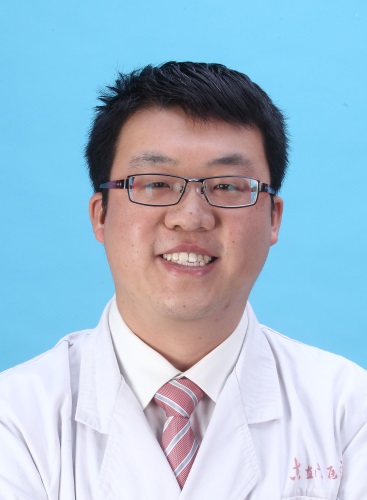 Xiang Gao (高翔)合作论文数Dongzhimen Hospital, Beijing University of Chinese Medicine9Linzhong Zhu (朱林忠)合作论文数9Xing Du合作论文数8
 Michael W. Mulholland合作论文数Department of Surgery, University of Michigan8
 Yongquan Gu (谷涌泉)合作论文数Xuanwu Hospital, Capital Medical University;Graduate School, Capital Medical University8
 Zihao Song合作论文数7
 Yongjie Ma合作论文数7
 Hongqi Zhang (张鸿祺)合作论文数Xuanwu Hospital, Capital Medical University7Peng Zhang (张鹏)合作论文数Beijing Tiantan Hospital, Capital Medical University7Biaoxin Chai合作论文数7Ming Ye合作论文数6
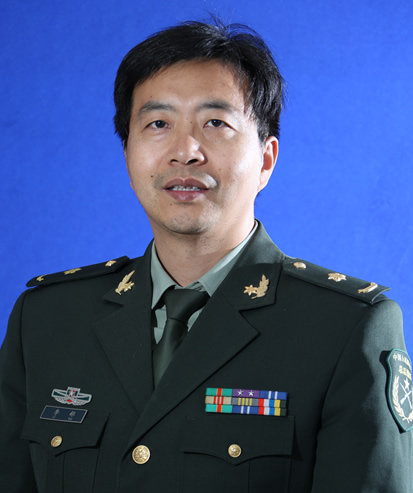 Yu Li (李郁)合作论文数第四军医大学基础部细胞生物学教研室6
 Feng Wang (王峰)合作论文数The Sixth Medical Center of PLA General Hospital6Heng-Mo Rong合作论文数5Yiguang Chen合作论文数5Liyong Sun合作论文数5Weitao Liang合作论文数5
 Ting Li合作论文数5
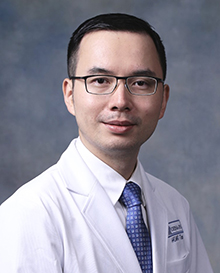 Tao Hong (洪韬)合作论文数Xuanwu Hospital Capital Medical University5
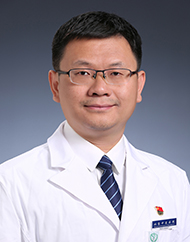 Jie Li (李杰)合作论文数Beijing Hospital of Traditional Chinese Medicine5
 Zhaohui Tong (童朝晖)合作论文数Beijing Chao-Yang Hospital, Capital Medical University5
 Jianxin Li (李建新)合作论文数Xuanwu Hospital, Capital Medicine University5
 Yunlong Yue (岳云龙)合作论文数Beijing Shijitan Hospital, Capital Medical University5
 YanFang Jin (金延方)合作论文数Beijing Shijitan Hospital, Capital Medical University5Ruo-xi ZHANG (张若蹊)合作论文数4Li Ang合作论文数4Zhe WANG (王喆)合作论文数4ShengJia Yang (杨盛家)合作论文数4
 Chongchong Gao (高崇崇)合作论文数Xuanwu Hospital, Capital Medical University4Jia Li合作论文数4Ziru Li (李自茹)合作论文数3Mei-Ping Chen合作论文数3
 Ming-Ju Zhou合作论文数The Fifth Medical Center, Chinese PLA General Hospital3Gao Xiang合作论文数3




