Behçet’s disease is a multisystem inflammatory disorder, occasionally complicated by the need for aortic surgery due to vasculitis in children in whom growth potential is crucial. This report details the case of a 4-year-old girl with severe aortic regurgitation secondary to Behçet’s disease. An initial echocardiographic scan revealed a thickened, prolapsed aortic valve with severe regurgitation, leading to a confirmed diagnosis of Behçet’s disease with aortic regurgitation. Following stabilization with steroids and immunosuppressants, aortic cusp replacement surgery using autologous pericardium was performed. The surgical technique adhered to Ozaki’s method, ensuring precise pericardial preparation and interrupted suturing. The postoperative recovery was uneventful, and the patient continued anti-inflammatory treatment. At the 3-year follow-up, the patient was asymptomatic with normal activity levels, and an echocardiographic scan confirmed excellent aortic valve function. This case highlights the feasibility and long-term efficacy of using autologous pericardium for aortic cusp replacement in paediatric patients with Behçet’s disease and emphasizes the need for further studies to establish standardized protocols for this challenging patient population.
Right ventricular failure as a severe consequence of pulmonary arterial hypertension (PAH) is an independent risk factor for poor prognosis, although the pathogenesis of right ventricular remodeling (RVR) remains unclear. Exploring the shared molecular pathways and key molecules in the right ventricle in monocrotaline (MCT) and pulmonary artery banding (PAB) rat models may reveal critical RVR mechanisms. Untargeted proteome and metabolome analysis were performed on the right ventricular myocardium of two RVR models (MCT-induced PAH rats and PAB-operated rats) to identify the altered proteins and metabolites, followed by validation using parallel reaction monitoring analysis and quantitative real-time polymerase chain reaction (qPCR). The multi-omics profiles of MCT and PAB rat models were compared to explore the key dysregulated molecules and pathways in RVR. Our proteomics study identified 25 shared RVR-altered differentially expressed proteins. Multiple common biological pathways were identified between PAB and MCT rat models, encompassing myocardial remodeling and energy metabolism alternation, etc. Various molecules and pathways related to vesicle transport and autophagy were identified, including nidogen-1, the soluble N-ethylmaleimide-sensitive factor attachment protein receptors (SNAREs) signaling pathway, and the microautophagy pathway (all previously unreported in RVR). Glycerophospholipid metabolism was the sole statistically significant common metabolic pathway enriched by metabolomics. Underreported biological processes, including vesicle transport and autophagy, may contribute to the pathophysiology of PAH-induced RVR.
Pediatric Cardiac Surgery Center, Fuwai Hospital, National Center for Cardiovascular Diseases, State Key Laboratory of Cardiovascular Disease, Chinese Academy of Medical Sciences, Peking Union Medical College,167 Beilishi Road, Xicheng District, Beijing, 100037, China; Department of Radiology, Fuwai Hospital, National Center for Cardiovascular Diseases, State Key Laboratory of Cardiovascular Disease, Chinese Academy of Medical Sciences, Peking Union Medical College, Beijing, 100037, China; and Department of Pathology, Fuwai Hospital, National Center for Cardiovascular Diseases, State Key Laboratory of Cardiovascular Disease, Chinese Academy of Medical Sciences, Peking Union Medical College, Beijing, 100037, China
The epidemiological, etiological, and clinical characteristics vary greatly between pediatric (P-HCM) and adult (A-HCM) hypertrophic cardiomyopathy (HCM) patients, and the understanding of the heterogeneous pathogenesis mechanisms is insufficient to date. In this study, we aimed to comprehensively assess the respective transcriptome signatures and uncover the essential differences in gene expression patterns among A-HCM and P-HCM. The transcriptome data of adults were collected from public data (GSE89714), and novel pediatric data were first obtained by RNA sequencing from 14 P-HCM and 9 infantile donor heart samples. Our study demonstrates the common signatures of myofilament or protein synthesis and calcium ion regulation pathways in HCM. Mitochondrial function is specifically dysregulated in A-HCM, whereas the inhibition of cardiac developing networks typifies P-HCM. These findings not only distinguish the transcriptome characteristics in children and adults with HCM but also reveal the potential mechanism of the higher incidence of septal defects in P-HCM patients.
For complex aortic root lesions, the flanged Bentall procedure has more advantages than the traditional one. Here, we report two patients with complex root lesions treated with the flanged Bentall and Cabrol procedure: one was a 25-year-old male with interventricular septal dissection with Behçet's disease, and the other was a 4-year-old female with a very large ascending aortic aneurysm with a small annulus and Loeys-Dietz syndrome. Both patients recovered uneventfully and obtained good short-term results.
Background Sacubitril/valsartan (S/V) demonstrated significant effects in improving left ventricular performance and remodeling in patients with heart failure with reduced ejection fraction. However, its effects on the right ventricle remain unclear. This systematic review and meta‐analysis aimed to assess the impact of S/V on right ventricular function and pulmonary hypertension. Methods and Results We searched PubMed, Embase, Cochrane Library, and Web of Science from January 2010 to April 2021 for studies reporting right ventricular and pulmonary pressure indexes following S/V treatment. The quality of included studies was assessed using the Newcastle‐Ottawa scale. Variables were pooled using a random‐effects model to estimate weighted mean differences with 95% CIs. We identified 10 eligible studies comprising 875 patients with heart failure with reduced ejection fraction (mean age, 62.2 years; 74.0% men), all of which were observational. Significant improvements on right ventricular function and pulmonary hypertension after S/V initiation were observed, including tricuspid annular plane systolic excursion (weighted mean difference, 1.26 mm; 95% CI, 0.33–2.18 mm; P =0.008), tricuspid annular peak systolic velocity (weighted mean difference, 0.85 cm/s; 95% CI, 0.25–1.45 cm/s; P =0.005), and systolic pulmonary arterial pressure (weighted mean difference, 7.21 mm Hg; 95% CI, 5.38–9.03 mm Hg; P <0.001). Besides, S/V had a significant beneficial impact on left heart function, which was consistent with previous studies. The quadratic regression model revealed a certain correlation between tricuspid annular plane systolic excursion and left ventricular ejection fraction after excluding the inappropriate data ( P =0.026). Conclusions This meta‐analysis verified that S/V could improve right ventricular performance and pulmonary hypertension in heart failure with reduced ejection fraction, which did not seem to be fully dependent on the reverse remodeling of left ventricle. Registration URL: https://www.crd.york.ac.uk/prospero ; Unique identifier: CRD42021247970.
Objective:To explore the feasibility of three-dimensional CT axial sequence assisted volumetric measurement (CTAS) in evaluating atrial septal defect (ASD).Methods:The patients with single secundum ASD who successfully underwent interventional therapy in Fuwai Hospital from January 2016 to December 2019 were retrospectively collected. The patients underwent coronary CT angiography (CTA) before and on the second day after closures, and DSA examinations during operation. A total of 52 cases met the inclusion conditions, among them, there were 37 patients with large defects which had deficient inferior rims ≤3 mm, and 15 patients with severe pulmonary arterial hypertension that occluded with fenestrated ASD occluder. The CT data of patients before and after operation were reconstructed by CTAS. Then the anatomical structure of ASD before the operation was evaluated, including the long diameter and short diameter of ASD, and the CT three-dimensional volume diameter of ASD was calculated by using the equivalent circle conversion formula of ellipse. The waist diameter of occluder and rims of the ASD were measured after occlusion on postoperative CT three-dimensional volume reconstruction images. Meanwhile, the deployed occluder waist dimension was measured in DSA examination during the operation by simulating the balloon measurement of ASD. Lastly, paired t-test and consistency analysis were carried out among the values of parameters. Results:Before operation, the equivalent circle diameter of ASD was (32.3±5.4) mm measured by CTAS. After ASD occlusion, the size of the waist dimension measured by DSA and CTAS were (32.5±4.9) mm and (32.6±4.9) mm. There were no significant differences between them ( P>0.05). There were also no significant differences for each rims of the ASD pre and post operation on CTAS except for the inferior rims and the total length of atrial septum in superior-inferior direction ( P>0.05). Conclusion:As an alternative to balloon sizing, CTAS can be used as a reference standard to conduct ASD interventional treatment.
Noonan syndrome (NS) is a genetic syndrome causing obstructive hypertrophic cardiomyopathy (HCM) in infants. Studies of cardiac surgery in pediatric HCM patients with NS (NS-HCM) are lacking. We aim to characterize the early disease course of young NS-HCM patients before adolescence and assess their complications and survival condition after septal myectomy. Pediatric obstructive HCM patients who underwent septal myectomy at age 10 years or under were enrolled consecutively between 2009 and 2019. Ten patients with NS and 43 non-NS patients were enrolled in our study. NS-HCM patients were diagnosed at a younger age (5.00 ± 7.48 months vs. 18.73 ± 26.96 months) and more often had biventricular outflow tract obstruction (90.00% vs 30.23%). The surgical treatment can significantly reduce the pressure gradient of the outflow tract. More NS-HCM patients had biventricular reconstruction (70.00% vs 25.58%). The overall survival rates in all patients were 98.04% during 5-year follow-up, respectively. Complete heart block (CHB) was the most prevalent complication in patients with NS and tended to be more common than in non-NS patients (20% vs 7.32%). No sudden cardiac death (SCD) occurred in CHB patients who had pacemaker implantation. Biventricular reconstruction was the risk factor for CHB. Septal myectomy is safe and effective surgery to relieve obstruction in young age pediatric obstructive NS-HCM patients. Postoperative CHB is a common complication, especially in patients who underwent biventricular reconstruction. The implantation of pacemaker can protect CHB patients from SCD and improve their prognosis.
目的:探讨先天性心脏病继发肺动脉高压术后使用靶向药物治疗的效果.方法:回顾分析先天性心脏病继发肺动脉高压患者60例,按术后靶向药物治疗方案分为对照组(30例,接受波生坦治疗)和研究组(30例,接受波生坦联合他达拉非治疗),比较治疗状况,如疗效、肺动脉高压指标、心功能状况等.结果:研究组心功能分级Ⅰ级率56.67%、Ⅱ级率36.67%,高于对照组的16.67%、13.33%,Ⅲ级率6.67%,低于对照组的66.67%,差异均有统计学意义(P<0.05);研究组Ⅳ级率为0,与对照组的3.33%比较,差异无统计学意义(P>0.05).治疗前组间6 min步行距离、NT-proBNP、CI、SvO2指标差异无统计学意义(P>0.05);治疗后,研究组6 min步行距离、CI、SvO2高于对照组,NT-proBNP低于对照组,差异均有统计学意义(P<0.05).治疗前两组RAP、肺阻力指标水平对比,差异无统计学意义(P>0.05);治疗后研究组RAP、肺阻力指标水平高于对照组患者,差异均有统计学意义(P<0.05).结论:用波生坦联合他达拉非治疗先天性心脏病继发肺动脉高压疾病,患者肺动脉压、心功能等均可得到更好的改善,进而提升疗效.
目的:探讨6个月以上的完全型大动脉转位(TGA)合并非限制性室间隔缺损(VSD)或Taussig-Bing畸形(TBA)患儿在合并肺动脉高压时,行大动脉调转手术(ASO)或心房调转术的效果及其影响因素.方法:回顾性分析2009年1月至2018年12月期间于我院行ASO或心房调转手术的48例6个月以上的TGA合并非限制性VSD或TBA患儿的临床资料,并对所有患儿进行随访及院内随诊复查.结果:48例患儿中,37例(77.1%)合并重度或极重度肺动脉高压[肺动脉收缩压≥70 mmHg(1 mmHg=0.133 kPa)或肺/体循环压力比值(P/S PR)≥0.75].本组患儿术后30 d内死亡3例(6.25%),3个月总体死亡率10.4%(5/48).43例存活患儿均完成了随访,随访时间(4.8±2.4)年(范围:0.5~10.0年),随访期间无患儿死亡.多因素Logistic回归分析显示,术前P/S PR(OR=2.118,95%CI:1.042~4.306,P=0.038)、动脉血氧饱和度(SpO2)(OR=0.894,95%CI:0.803~0.995,P=0.018)及术后P/S PR与术前P/S PR的比值(OR=1.746,95%CI:1.159~2.630,P=0.008)均是患儿术后死亡的危险因素.结论:TGA合并非限制性VSD或TBA的6个月以上患儿多合并重度或极重度肺动脉高压,手术治疗结果满意.术前肺动脉高压及术后肺/体压力比值下降不明显甚至升高是术后死亡的危险因素.
BACKGROUND:Cardiac surgery can cause similar inflammatory reactions with infection; antibacterial treatment may be inappropriately used. Early and accurate diagnosis of infection still is a difficult problem worldwide. Procalcitonin (PCT) helps to identify sepsis caused by bacterial infections. However, its application in the diagnosis of pulmonary infections after off-pump coronary artery bypass grafting (OPCABG) has not been well studied. We investigated the early predictive value of PCT for the diagnosis of pulmonary infections after OPCABG.METHODS:We retrospectively analyzed the clinical data, including conditions in the intensive care unit, postoperative complications, mortality rate, plasma PCT in the morning on the first postoperative day, routine white blood cell (WBC) count, and high-sensitivity C-reactive protein (hs-CRP) levels of patients who underwent elective OPCABG. Patients were divided into an infection group and a noninfection group, according to the occurrence of pulmonary infections. A receiver operating characteristic (ROC) curve was used to analyze the predictive value of PCT for the diagnosis of postsurgical infections.RESULTS:In total, 131 patients who underwent OPCABG were included, of whom 23 (17.6%) developed pulmonary infections. The plasma PCT level significantly was higher in the infection group than in the noninfection group (6.0 ± 6.3 ng/ml vs. 2.0 ± 2.2 ng/ml, P = 0.007). WBC and hs-CRP values were not significantly different between the infection group and the noninfection group (12.3 ± 3.9×10⁹/L vs. 11.1 ± 2.8×10⁹/L, P = 0.171 and 12.4 ± 0.7 mg/L vs. 12.4 ± 0.8 mg/L, P = 0.903, respectively). The area under the ROC for predicting pulmonary infections after OPCABG by plasma PCT was 0.783 (P < 0.001, with a 95% confidence interval of 0.674-0.893), with a cut-off value of 3.55 ng/ml, a sensitivity of 0.609, and a specificity of 0.861.CONCLUSION:From our study results, we postulate that PCT has a high early predictive value for the diagnosis of pulmonary infections after OPCABG.
目的 探讨肥厚型梗阻性心肌病(HOCM)患儿行改良扩大Morrow手术围术期的特点及体外循环管理方法.方法 回顾性分析2013年1月至2018年12月在本院接受改良扩大Morrow手术的49例HOCM患儿围术期资料及体外循环管理要点.结果 49例患儿,年龄(5.3±3.4)岁,体重(17.9±8.0) kg,转机时间(115.7±47.0) min,阻断时间(74.1 ±27.1) min,辅助时间(31.83±34.67) min.使用HTK液进行心肌保护的患者41例(83.7%),改良St.Thomas液患者8例(16.3%),自动复跳率32例(65.3%).患儿术后气管插管时间17(8,22)h,ICU时间2(1,3)d.其中1例低心排患儿转中由体外循环直接转为体外膜氧合(ECMO),辅助时间126 h后撤机,存活出院;2例术后因肺部感染死亡;4例安装永久起搏器.结论 改良扩大Morrow手术是治疗儿童HOCM的有效治疗方法,体外循环过程足量的心肌灌注,充分的辅助时间,选择合适的心脏停搏液是围术期心肌保护的重点.对于术后低心排血量综合征患儿积极的ECMO辅助是有效的治疗方法.
BACKGROUND:Unroofed coronary sinus syndrome (UCSS) is rare and often associated with the left superior vena cava (LSVC). We report our experience of the clinical features, diagnosis, associated anomalies, surgical procedures, and late outcomes of UCSS during a 20-year period.METHODS:One hundred and fifty-nine patients with UCSS were treated surgically and followed up between May 1998 and May 2019. UCSS was confirmed by preoperative echocardiography or computerized tomography (CT) scan in 97 patients and by the surgeons intraoperatively in 62 cases, and 100 cases were associated with LSVC. Among these patients, eight cases underwent ligation, and the intracardiac tunnel or baffle was reconstructed in 71 cases to ensure drainage of the LSVC into the right atrium (RA), and the extracardiac procedure was to lead the LSVC into the RA in three patients. Coronary sinus opening was diverted to the RA by the atrial septal patch in three cases. Thirteen patients underwent the reroof procedures, and two patients had untreated LSVC. The associated cardiac lesions were corrected concomitantly.RESULTS:There were five in-hospital deaths. Follow-up of 143 patients of early survivors was done, and no deaths were reported. No serious complications were observed, with the exception of avulsion of the internal tunnel patch in one patient.CONCLUSION:UCSS is often misdiagnosed during preoperative evaluation of congenital heart diseases. Preoperative transthoracic echocardiography remains the most important method in the diagnosis of UCSS. We adopted multiple surgical approaches to manage the different types of UCSS with LSVC with good results.
目的:探讨红细胞体积分布宽度(RDW)对非体外循环冠状动脉旁路移植术(OPCAB)患者远期死亡的预测价值.方法:共纳入中国医学科学院阜外医院2009年10月到2012年9月期间由单一术者施行单纯OPCAB的440例患者.收集患者入院时RDW及其他临床基线资料,术后通过电话或门诊进行远期随访.主要临床终点事件为全因死亡,并就此分为死亡组和生存组进一步分析.结果:在平均随访(7.0±1.1)年期间,死亡40例,死亡率为9.1%(40/440).死亡组(n=40)患者入院时的RDW值显著高于生存组(n=400)患者[(13.2±0.7)%vs.(12.8±0.7)%,P=0.001].采用Cox比例风险回归模型进行分析,带入不同模型的分析结果显示,入院时RDW值每升高1%,OPCAB患者术后远期死亡风险显著增加(HR值分别为1.862、1.841和2.019,P分别<0.001、0.003和0.008).ROC曲线分析显示,预测远期死亡的RDW截断值为13.4%.Kaplan-Meier生存曲线分析显示,RDW值≥13.4%的患者(n=90)较RDW值<13.4%(n=350)的患者远期生存率更低(82.2%vs.93.1%,P=0.001).结论:RDW是OPCAB患者远期死亡的独立危险因素,当RDW值≥13.4%时,患者远期死亡风险显著增加.
目的:总结分析改良Fontan手术治疗功能单心室合并左异构的早期及中期临床结果.方法:回顾性纳入中国医学科学院阜外医院自2009年1月至2016年1月完成的改良Fontan手术治疗功能单心室合并左异构患者19例,依据是否分期完成改良Fontan手术,分为一期手术组(n=9)和分期手术组(n=10),对比分析两组患者术后早期及中期的临床结果.结果:19例患者中,男性13例(68.4%),女性6例(31.6%).分期手术组患者行第一期Glenn手术时的平均年龄为(1.87±1.56)岁;两组患儿行Fontan手术时的平均年龄为(5.09±2.01)岁.住院期间死亡1例,为分期手术组患者;平均随访时间4.2(1~9)年,随访期间无死亡患者.两组患者术前在性别、年龄、身高、体重、心室形态、房室瓣反流及上腔静脉形态、肺动脉发育和平均肺动脉压力等方面的差异均无统计学意义(P均>0.05);术中体外循环时间、阻断时间、管道建立方式及术后住院时间的组间差异也均无统计学意义(P均>0.05).在重症监护病房停留时间、机械辅助通气时间及术后血浆用量、胸腔引流量、胸腔引流时间、腹腔积液发生率等方面,一期手术组均优于分期手术组,差异均有统计学意义(P均<0.05).两组患者术后均出现进行性血氧饱度下降,各有1例患者经皮血氧饱和度<85%,组间差异无统计学意义(P>0.05).结论:与分期Fontan手术相比,一期Fontan手术治疗年龄偏大的功能单心室合并左异构患者具有良好的围术期结果,两种手术策略在早期和中期疗效方面无明显差异,术后均会出现氧饱和度进行性下降的问题,需要远期随访.
INTRODUCTION:The effect of red blood cell distribution width (RDW) on long-term major cardiac and cardiovascular event (MACCE) in patients with off-pump coronary artery bypass (OPCAB) has not been adequately studied. We investigated the relationship between RDW and the risk of MACCE in patients who underwent OPCAB.METHODS:We retrospectively analyzed the data of 440 consecutive, nonanemic patients (362 males; 82.27% and mean age 60.8 ± 8.9 years) who underwent OPCAB between October 2009 and September 2012 in Fuwai Hospital. Long-term follow-up was obtained through phone calls, hospital records, and clinic visits. MACCE (death, ST elevated infarction, repeat coronary revascularization, stroke) was determined.RESULTS:Over a median of 7.0-year follow-up, 80 incident MACCE events were identified. The RDW levels on admission were significantly higher in MACCE group than non-MACCE group (13.1 ± 0.7 vs 12.8 ± 0.7; P = .005). Using the Cox proportional hazards models, we found that per 1% increment of RDW, the incident of MACCE was increased in different models (hazard ratio [HR] was 1.520, 1.532, and 1.795, respectively; P = .002, .004, and .002). The receiver-operating characteristic analysis revealed an RDW cut-off value of 13% predicting MACCE. Therefore, patients were grouped on this cut-off value. The Kaplan-Meier plot revealed significantly lower event-free survival in the higher RDW group (P = .0158). Compared with subjects in the RDW <13% in full model, subjects in the RDW ≥13% had an HR of 1.829 (95% confidence interval, 1.103-3.032; P = .019).CONCLUSIONS:An RDW level greater than 13% in hospital admission is independently associated with an increased incidence of long-term MACCE after OPCAB.
Objective: In the absence of randomized trials, the optimal approach to managing coexisting severe carotid and coronary diseases remains controversial. The aim of this study was to present the midterm follow-up results of patients who received a coronary artery bypass graft (CABG) after carotid revascularization and to compare the risk-adjusted outcomes of two approaches to carotid revascularization in the CABG population in a single center. Methods: From January 2011 to December 2016, 245 patients underwent carotid revascularization within 90 days before CABG in Fuwai Hospital, including 32 who received combined carotid endarterectomy (CEA) and CABG (CEA-CABG), 208 who received staged carotid artery stenting (CAS) before CABG (CAS before CABG), and 5 who underwent a hybrid procedure of carotid stenting and coronary surgery (combined CAS-CABG). The primary composite end points were all-cause death, stroke, and myocardial infarction (MI). Therefore, the multivariable logistic regression analyses and propensity score-adjusted multiphase hazard function model were used to analyze the association between the types of revascularization, complications, and risk-adjusted mortality. Results: One patient (3.13%) died 6 months after the CABG surgery in the combined CEA-CABG group. In the staged CAS group, 9 patients (4.33%) died after CABG surgery, including 3, 2, and 4 patients who died within 30 days, 1 year, and after 1 year (mean time after CABG surgery, 39 months; adjusted odds ratio [OR], 2.188; 95% confidence interval [CI], 0.251-19.093; P = .479), respectively. Stroke was observed in three patients (9.38%) in the combined CEA group and in 12 patients (5.77%) in the staged CAS group (OR, 0.625; 95% CI, 0.133-2.935; P = .552). The rates of MI were 6.25% and 7.21% for the combined and staged groups, respectively (adjusted OR, 1.249; 95% CI, 0.250-6.324; P = .787). In addition, composite events occurred in five (15.63%) and 33 patients (15.87%) in the combined and staged groups, respectively (adjusted OR, 1.362, 95% CI, 0.455-4.077; P = .581). No statistically significant differences were observed in the overall midterm incidences of mortality, stroke, MI, and composite events. Conclusions: Carotid revascularization is a safe and effective treatment for patients with concomitant carotid and cardiac disease. Combined CEA-CABG and staged CAS-CABG are associated with similar risks of mortality, stroke, or MI in the midterm outcomes.
Tetralogy of Fallot with unilateral absence of the pulmonary artery (UAPA) is a rare congenital heart disease. The aim of the present study was to examine the surgical strategy for Tetralogy of Fallot with UAPA by summarizing our experience of its treatment. We retrospectively evaluated 17 patients admitted to our hospital for treatment between 2006 and 2017. All patients were diagnosed with absence of the left pulmonary artery. The Nakata Index (NI), NI Z score, and McGoon ratio of the existing pulmonary artery were calculated. All patients were divided into one-stage complete repair (group A) or palliative procedure (group B) groups according to these criteria and surgical treatments. There were nine treated patients in group A, with a mean NI of 595.6 ± 690.32 mm2/m2 (169.3–2433 mm2/m2) and a mean NI Z score of − 1.57 ± 3.02 (− 4.60 to 5.27). There were eight treated patients in group B, with a mean NI of 107.61 ± 49.49 mm2/m2 (53.15–216.39 mm2/m2) and a mean NI Z score of − 6.27 ± 1.56 (− 8.22 to − 3.54). The mean follow-up time in group A was 5.58 ± 3.42 years (1–11.7 years), while that in group B was 5.4 ± 3.42 years (0.6–12.1 years). No hospital deaths occurred and the follow-up results were good in both groups. In conclusion, development of a single existing pulmonary artery can be evaluated using the NI and the NI Z score. These evaluations can be used to select complete repair or palliative procedures for patients and achieve good results.
Objectives: Modified extended Morrow procedure for treatment of children with hypertrophic obstructive cardiomyopathy (HOCM) is a complicated and challenging procedure. Our study sought to assess the effect and outcome of modified extended Morrow procedure in children with HOCM. Methods: From January 2010 to July 2017, 50 consecutive pediatric (age≤14 years) patients with HOCM underwent transaortic modified extended Morrow procedure in Fuwai Hospital. Clinical data of these patients were analyzed retrospectively. Pre-operative and post-operative echocardiography data were analyzed, including left atrial size, left ventricular end diastolic diameter, left ventricular ejection fraction, left ventricular outflow tract peak pressure, ventricular septal thickness, mitral systolic anterior motion and grade of mitral regurgitation. Results: Mean age at the time of operation was (84.4±57.7) month (6 month -14 year). Mean body weight at the time of surgery was (28.4±20.7) kg (4.3-92.0) kg. There were 2 deaths after the operation. Three patients had postoperative complete heart block and received permanent pacemaker implantation. After myectomy, left ventricular outflow tract gradient decreased from (74.8±25.0) mmHg to (19.6±17.3) mmHg (P<0.001); the postoperative thickness of ventricular septum decreased from (21.2±9.7) mm to (14.3±6.7) mm (P<0.001); mitral regurgitation degree reduced from 2.2±1.0 to 0.67±0.72, P<0.001). Concomitant surgical procedures were required in 22 patients (44.0%). There was no late death during a follow-up of (27.7±14.0) months. Patients' symptoms were significantly improved post operation and all surviving patients were in New York Heart Association functional class I or II during follow-up. Conclusions: Modified extended Morrow procedure is safe and effective in children with HOCM, post-procedural clinical outcome is excellent, and this procedure can significantly improve the quality of 1ife and the long-term prognosis in these patients.
Atrial fibrillation (AF) is one of the most common types of arrhythmias and often leads to clinical complications. The objectives of this study were to offer insights into the metabolites of AF and to determine biomarkers for AF diagnosis or prediction. Sixty atrial appendage samples (AF group: 30; non-AF group: 30) and 163 plasma samples (AF group: 48; non-AF group: 115) from 49 AF patients and 116 non-AF patients were subjected to liquid chromatography positive ion electrospray ionization tandem mass spectrometry (LC-ESI-MS/MS) metabolomics analysis. Consequently, 24 metabolites in atrial appendage samples and 24 metabolites in plasma samples were found to reflect metabolic differences between AF and non-AF patients (variable importance in projection (VIP) ≥ 1, P ≤ 0.05). Five identical metabolites including creatinine, D-glutamic acid, choline, hypoxanthine, and niacinamide (VIP ≥ 1.5, P < 0.01, FDR < 0.05) in atrial appendage and plasma samples were considered prominent features of AF patients, and the D-glutamine and D-glutamate metabolic pathway was also identified as a feature of AF patients. Finally, in plasma samples, the combination of D-glutamic acid, creatinine, and choline had an AUC value of 0.927 (95% CI: 0.875–0.979, P < 0.001) and displayed 90.5% sensitivity and 83.3% specificity; this group of metabolites was thus defined as a combinational biomarker for the recognition of AF and non-AF patients.
 Hansong Sun (孙寒松)合作论文数Fuwai Hospital, Chinese Academy of Medical Sciences;National Center for Cardiovascular Diseases18
 Shoujun Li (李守军)合作论文数Fuwai Hospital, Chinese Academy of Medical Sciences & Peking Union Medical College13
 Jun Yan (闫军)合作论文数Fuwai Central China Cardiovascular Hospital10
 Qiang Wang (王强)合作论文数Fuwai Hospital, Chinese Academy of Medical Sciences9
 HengChao Wu (武恒朝)合作论文数7Zhao Hui合作论文数7
 Jianping Xu (许建屏)合作论文数Fuwai Hospital, Chinese Academy of Medical Sciences7
 Wei Wang (王巍)合作论文数Fuwai Hospital, CAMS & PUMC7
 Xianqiang Wang (王现强)合作论文数National Center for Cardiovascular Disease /Fuwai Hospital, CAMS & PUMC6
 Weiguo Ma (马卫国)合作论文数Guang'anmen Hospital, China Academy of Chinese Medical Sciences6Zhang Peide合作论文数6Guang-pu FAN (范桄溥)合作论文数5
 Zhongdong Hua (花中东)合作论文数Fuwai Hospital, Chinese Academy of Medical Sciences & Peking Union Medical College5
 Wei-Guo Ma合作论文数4Hao Shi合作论文数4
 Shiwei Pan (潘世伟)合作论文数中国医学科学院阜外心血管病医院成人外科中心4
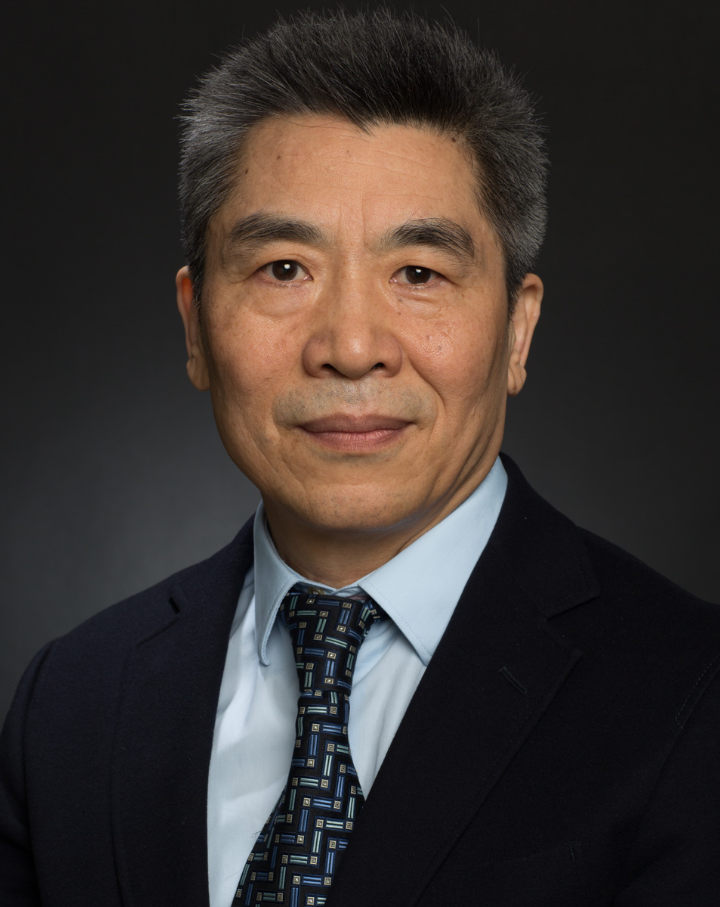 Shengshou Hu (胡盛寿)合作论文数Fuwai Hospital, Chinese Academy of Medical Sciences4
 Yunhu Song (宋云虎)合作论文数Fuwai Hospital, Chinese Academy of Medical Sciences4Haitao Xu合作论文数3XiaoPeng Hu (胡晓鹏)合作论文数3
 Xinjin Luo (罗新锦)合作论文数中国医学科学院阜外医院外科3
 Xiongjing Jiang (蒋雄京)合作论文数Division of Hypertension, Cardiovascular Institute and Fuwai Hospital, Chinese Academy of Medical Sciences and Peking Union Medical College;Fuwai Hospital, Chinese Academy of Medical Sciences and Peking Union Medical College3Liang Tuo合作论文数2Hang Yang合作论文数2Xiaohan Qin (秦晓涵)合作论文数2
 Liang Chen (陈亮)合作论文数Department of Cardiac Surgery, Fuwai Hospital, Chinese Academy of Medical Sciences2Xiaoxiao Guo合作论文数2CHEN Liang (陈亮)合作论文数2Qiong MA (马琼)合作论文数2Bin Hou (侯斌)合作论文数2YuanYuan Fu (扶媛媛)合作论文数2
 Ming Du (杜茗)合作论文数Fuwai Hospital, Chinese Academy of Medical Sciences2
 Xiaoqi Wang (王小啟)合作论文数Fuwai Yunnan Hospital, Chinese Academy of Medical Sciences2
 Shuiyun Wang (王水云)合作论文数Fuwai Hospital, CAMS & PUMC2Zhang Lefeng合作论文数2
 Dianyuan Li (李巅远)合作论文数Peking University International Hospital2
 Xiaogang Sun (孙晓刚)合作论文数Fuwai Hospital Chinese Academy of Medical Sciences2
 Xu Wang (王旭)合作论文数Fuwai Hospital, Chinese Academy of Medical Sciences2
 Mingyao Luo (罗明尧)合作论文数2
 Xiangyang Qian (钱向阳)合作论文数Fuwai Hospital, Chinese Academy of Medical Sciences2Yi-dan Xu合作论文数1
 Qianlong Chen合作论文数1Han-Yu Qin合作论文数1Yong Han (韩勇)合作论文数1Qinqin Xiang合作论文数1




