Background SLC7A11 is aberrantly overexpressed in many solid tumors, including colorectal cancer (CRC), but its complex 12-transmembrane structure has hindered effective antibody targeting. Methods We generated a human SLC7A11-specific murine monoclonal antibody (SLC7A11-Ab) using cell-based immunization and hybridoma technology. Subcutaneous and orthotopic CRC mouse models were established. Tumor immune microenvironment changes were assessed by multicolor immunofluorescence, flow cytometry, and single-cell RNA sequencing, with specific validation of effects on CD4⁺ and CD8⁺ T cells. Results High SLC7A11 expression correlated with regulatory T cell (Treg) activation, advanced tumor grade, lymphatic metastasis, and poor prognosis in CRC. SLC7A11-Ab blocked transporter function, inducing apoptosis and ferroptosis in multiple cancer cell types and showing significant antitumor efficacy in vivo. Mechanistically, SLC7A11 inhibition enhanced antitumor immunity by suppressing Treg activation and reducing tumor-associated macrophage infiltration, without impairing CD8⁺ T cell activation or function. Conclusion We developed a novel anti-SLC7A11 antibody with potent antitumor and immunomodulatory effects in CRC, highlighting SLC7A11 as a key regulator of tumor immune evasion and a promising therapeutic target.
Terahertz (THz) waves, positioned between microwave and infrared in the electromagnetic spectrum, have promising applications in medical imaging and biomedicine. In this study, terahertz irradiation at 2.52 THz (100 mW/cm2) did not alter the proliferation of human umbilical vein endothelial cells (HUVECs), but significantly enhanced their angiogenic capacity. This enhancement was accompanied by increased levels of angiogenesis-related proteins such as VEGF in the culture supernatant. ATAC sequencing and RNA sequencing revealed a significant increase in the expression of cytoskeleton-associated genes, including PDXP and SH3BP1, post-irradiation. Additionally, intracellular calcium concentration, closely linked to angiogenesis, markedly increased following terahertz exposure. However, diltiazem significantly mitigated the enhanced angiogenic capacity induced by terahertz irradiation. In conclusion, terahertz irradiation promotes angiogenesis in HUVECs, partly by activating the VEGF signaling pathway through increased calcium fluxes.
SLC7A11 is highly expressed in various solid tumors, including colorectal cancer and pancreatic cancer. The aim of the study was to report the therapeutic potential of SLC7A11 CAR-T therapy. The SLC7A11-specific antibodies were generated by hybridoma and humanization technologies. The cytotoxicity was validated in vitro through co-culture assays of effector cells with cancer cell lines. The anti-tumor studies in vivo were evaluated by cell line-derived xenograft (CDX) and patient-derived xenograft (PDX) models. We first confirmed the tumor specificity of SLC7A11 and then successfully developed SLC7A11-specific CAR-T cells. CCK-8 and LDH cytotoxicity assays demonstrated that cancer cells co-cultured with CAR-T cells exhibited higher mortality rates. Animal experiments showed that SLC7A11 CAR-T treatment suppressed the tumor growth without causing significant abnormalities in blood biochemical parameters. In conclusion, SLC7A11 CAR-T cell therapy showed remarkable anti-tumor capabilities and safety in colorectal and pancreatic cancer.
Patients with ulcerative colitis (UC) have a significantly impaired intestinal barrier. Hydrogen Sulfide (H2S) is a gaseous mediator that makes notable contributions in a variety of diseases, such as reducing inflammatory response in colitis. The experimental content includes the establishment of a mouse DSS-induced colitis mouse model, mouse colon epithelial organoids culture, H&E staining and mass spectrometry analysis. We recognized that exogenous H2S donor-GYY4137 significantly alleviated the symptoms in UC mice models and maintained Minichromosome Maintenance Complex Component 2 (MCM2) expression. CBS knockdown reduced the expression of sulfhydrated Ribosomal protein S20 (RPS20-ssh) and MCM2 in the mouse colon. Cell experiments indicated that the expression of RPS20-ssh, rather than total expression of RPS20, is responsible.Our investigation indicated that CBS-H2S axis increases the sulfhydration level of RPS20, leading to enhanced binding between RPS20 and MCM2 mRNA, thereby promoting intestinal epithelial proliferation. This may provide a novel therapeutic strategy for the clinical treatment of colitis.
Objective:This study investigated the correlation between circadian rhythm genes and ulcerative colitis (UC), aiming to identify biomarkers linked to immune microenvironment changes in UC. Methods:Gene expression data from UC patients and healthy controls were obtained from the GEO database. Data preprocessing included batch correction and PCA for consistency assessment. Differentially expressed genes (DEGs) were identified using the "limma" package, and functional enrichment analysis was performed. Machine learning methods (LASSO, SVM, RF) refined candidate biomarkers. RNA sequencing in a mouse colitis model and immune infiltration analysis validated key genes. A regulatory network of lncRNA, miRNA, and mRNA for hub genes was constructed. Results:805 DEGs were identified, including 15 rhythm genes. Four key genes (CPT1A, PRKG2, PPARGC1A, SLC6A4) were screened, with PPARGC1A and SLC6A4 validated as hub genes. These genes were associated with immune cell infiltration and hold potential as biomarkers for UC diagnosis. Conclusion:Disruptions in circadian rhythm are closely associated with the pathogenesis of ulcerative colitis (UC). The biomarkers PPARGC1A and SLC6A4 demonstrated significantly altered expression in UC patients and were correlated with immune cell infiltration. These findings underscore their potential as diagnostic markers, provide new insights into the immune microenvironment and pathogenesis of UC, and suggest potential therapeutic targets for the disease.
Ulcerative colitis is a type of inflammatory bowel disease that can significantly impact patients’ life, leading to long-term complications. Cellular senescence plays a significant role in the occurrence and development of enteritis. The purpose of this study is to identify a specific drug and potential target that can inhibit intestinal cell senescence, thereby improving the clinical outcomes of enteritis. Bioinformatics analysis was used to identify the drug and target that associated with cellular senescence and ulcerative colitis. LPS-induced in vitro models and DSS-induced in vivo colitis models were used to confirm the association between colitis and aging, as well as the ability of the drug to alleviate colitis symptoms. Bioinformatics analysis suggested that Fenretinide (4-HPR) may influence the progression of ulcerative colitis by targeting LCN2 to modulate cellular senescence. Western blot analysis revealed high expression of LCN2 in patients with ulcerative colitis (p- value < 0.05). In the in vivo experiments utilizing a DSS-induced colitis model, 4-HPR was shown to be both safe and effective in inhibiting colitis progression. Western blot analysis indicated the downregulation of the senescence markers P16 and P21 following 4-HPR treatment (adjusted p-value < 0.0001). Moreover, β-galactosidase staining of intestinal tissues revealed a reduction in the accumulation of senescent cells in the 4-HPR-treated group compared to the DSS group (adjusted p-value < 0.0001). The potential mechanism might be related to the regulation of the Treg/Th17 balance. 4-HPR reduced the intestinal cell senescence by inhibiting the expression of LCN2 that alleviated the symptoms of ulcerative colitis.
Colorectal cancer is a common malignant tumor of the digestive tract with a high mortality rate. TFF3 is a secreted protein expressed in various cancers. The aim of the study is to report that inhibiting TFF3 increases the function and infiltration of CD8+ T cells in colorectal tumor tissues. The proteomics analysis confirmed the high expression of secreted TFF3 in the supernatant of colorectal cancer cells, and databases were used to analyze the immune infiltration in tumor tissues. qPCR test was used to demonstrate the high levels of secreted TFF3 affecting the function of CD8+ T cells. In vivo experiments were used to observe the effects of TFF3 knockdown on tumor growth and immune cell infiltration. Tumor-infiltrating T lymphocytes were sorted for RNA sequencing and mechanism explanation. Inhibiting the expression of TFF3 in tumor tissues improved immune cell infiltration and enhanced anti-tumor effects. TFF3 knockdown downregulated the expression of PD-L1 in tumor tissues through the AKT/mTOR pathway, which enhanced the function of CD8+ T cells. Knockdown of TFF3 improved the infiltration of CD8+ T cells and anti-tumor capabilities.
OBJECTIVE AND DESIGN:This study investigates the effect and underlying mechanism of targeting SLC7A11 in mitigating dextran sulfate sodium (DSS)-induced intestinal inflammation and injury in colitis. METHODS:We utilized wild-type and SLC7A11-/+ mice to assess the inflammatory damage in DSS-induced colitis in vivo. In vitro, colon tissues from patients with ulcerative colitis were analyzed to compare SLC7A11 expression between inflamed and non-inflamed regions. Further mechanistic insights were obtained using Caco-2 cells and bone marrow-derived dendritic cells (BMDCs). RESULTS:In human colon tissues, SLC7A11 expression was significantly elevated in inflamed regions compared to non-inflamed areas, particularly in dendritic cells. In vivo inhibition of SLC7A11 markedly alleviated DSS-induced colitis symptoms. In vitro, suppressing SLC7A11 restored the integrity of the Caco-2 monolayer intestinal epithelial model. Both knockout and inhibition of SLC7A11 enhanced ERK1/2 phosphorylation and increased efferocytosis in BMDCs. CONCLUSIONS:Targeting SLC7A11 augments dendritic cell efferocytosis and preserves intestinal epithelial barrier function, potentially offering a therapeutic avenue for alleviating ulcerative colitis.
Schwannomas are usually benign tumors typically found in the head, neck, and extremities, with approximately 3% originating in the retroperitoneum. In this case, a young male presented with incidental masses in the left kidney and retroperitoneum. Abdominal pelvic enhanced computerized tomography (CT) revealed a tumor apparently originating from the left kidney, along with a retroperitoneal mass suspected to be a metastatic lymph node. Subsequently, a radical nephrectomy of the left kidney and retroperitoneal mass resection was performed. Pathological examination confirmed the left kidney mass as renal clear cell carcinoma and the retroperitoneal mass as schwannoma. The patient recovered uneventfully and was discharged from the hospital. A 6-month postoperative follow-up showed no evidence of recurrence. Preoperative diagnosis of schwannomas concurrent with other concurrent malignancies in rare sites, such as the retroperitoneum, is challenging due to their rare and non-specific radiological features. Although retroperitoneal schwannomas are rare, they should be considered in the differential diagnosis during CT examinations for renal cancer. Additionally, the advantages of a multidisciplinary team approach should be utilized in tumor management.
IntroductionNumerous studies have revealed that a long-term high-fat diet can raise intestinal deoxycholate acid concentration, which can harm intestinal mucosal barrier function in several ways. This study aims to verify the protective effect of GYY4137, as a slow-releasing H2S donor, on microbiome disturbance and the chronic injury of the intestinal mucosal barrier function caused by sodium deoxycholate.MethodsCaco-2 monolayer and mouse models were treated with a relatively high concentration of sodium deoxycholate (1.0 mM and 0.2%, respectively) for longer periods (32 h and 12 weeks, respectively) to understand the effects of GYY4137 on sodium deoxycholate–induced chronic intestinal barrier dysfunction and its fundamental mechanisms.ResultsA relatively long period of sodium deoxycholate treatment can remarkably increase the intestinal barrier permeability, alter the distribution and expression of tight junction proteins and generate the production of pro-inflammatory cytokines (TNF-α and IL-1β) in the Caco-2 monolayers and mouse models. Moreover, it can activate the MLCK-P-MLC2 pathway in the Caco-2 monolayers, which was further confirmed using RNA sequencing. The body weight, intestinal barrier histological score, and TUNEL index of sodium deoxycholate-treated mice worsened. In addition, an induced microbiome imbalance was observed in these mice. The above variations can be reversed with the administration of GYY4137.ConclusionThis study demonstrates that GYY4137 ameliorates sodium deoxycholate–induced chronic intestinal barrier injury by restricting the MLCK-P-MLC2 pathway while elevating the expression level of tight junction proteins, anti-apoptosis and maintaining the microbiome’s homeostasis.
Introduction: Lipopolysaccharide (LPS) causes lesions of the epithelial barrier, which allows translocation of pathogens from the intestinal lumen to the host's circulation. Hydrogen sulfide (H2S) regulates multi-ple physiological and pathological processes in colonic epithelial tissue, and CBS-H2S axis involved in multiple gastrointestinal disorder. However, the mechanism underlying the effect of the CBS-H2S axis on the intestinal and systemic inflammation in colitis remains to be illustrated.Objectives: To investigate the effect of CBS-H2S axis on the intestinal and systematic inflammation related injuries in LPS induced colitis and the underlying mechanisms.Methods: Wild type and CBS -/+mice were used to evaluate the effect of endogenous and exogenous H2S on LPS-induced colitis in vivo. Cytokine quantitative antibody array, western blot and real-time PCR were applied to detect the key cytokines in the mechanism of action. Biotin switch of S-sulfhydration, CRISPR/ Cas9 mediated knockout, immunofluorescence and ActD chase assay were used in the in vitro experiment to further clarify the molecular mechanisms.Results: H2S significantly alleviated the symptoms of LPS-induced colitis in vivo and attenuated the increase of COX-2 expression. The sulfhydrated HuR increased when CBS express normally or GYY4137 was administered. While after knocking kown CBS, the expression of COX-2 in mice colon increased sig-nificantly, and the sulfhydration level of HuR decreased. The results in vitro illustrated that HuR can increase the stability of COX-2 mRNA, and the decrease of COX-2 were due to increased sulfhydration of HuR rather than the reduction of total HuR levels.Conclusion: These results indicated that CBS-H2S axis played an important role in protecting intestinal barrier function in colitis. CBS-H2S axis increases the sulfhydration level of HuR, by which reduces the binding of HuR with COX-2 mRNA and inhibited the expression of COX-2.(c) 2021 The Authors. Published by Elsevier B.V. on behalf of Cairo University. This is an open access article under the CC BY-NC-ND license (http://creativecommons.org/licenses/by-nc-nd/4.0/).
Hydrogen sulfide (H 2S) is the third gaseous transmitter after nitric oxide and carbon monoxide. An increasing number of reports show that H 2S has a complex regulatory role in the regulation of body activity. The intestinal barrier is composed of mechanical barrier, chemical barrier, immune barrier and biological barrier. The intestinal barrier separates intestinal lumen from the body’s internal environment. The intestinal barrier is essential for maintaining intestinal mucosal stability and immune homeostasis. This article reviews the regulatory effect of H 2S on intestinal barrier function and hope this review can provide new ideas for the study of H 2S and its relative drugs in intestinal barrier damage.
Background Numerous studies have shown autophagy affects cellular immune responses. This study aims to explore prognosis and immunotherapeutic biomarkers related to autophagy in colon adenocarcinoma (COAD). Methods Based on R software, we performed the ssGSEA, differential expression analysis, Kaplan-Meier survival analysis, correlation analysis, and enrichment analysis. For wet experiment, we did qRT-PCR, immunohistochemistry and CCK-8 experiments. Results Using autophagy-related genes (ARGs) and the ssGSEA, COAD patients were divided into low and high autophagy groups. For immune score, stromal score, tumor purity, tumor infiltrating immune cells, co-signaling molecules, tumor mutational burden, microsatellite instability, mismatch repair, immune-related pathways, immune signatures, somatic mutations and subtype analysis, high autophagy group might benefit more from immunotherapy. Among 232 ARGs, IFNG was generally significantly correlated with tumor immunotherapy biomarkers (PD-L1, CD8A and cytotoxic T lymphocytes (CTL)). The disease-free survival of high IFNG group was significantly longer than that of low group. On above-mentioned immune-related research, the high IFNG group reached the same conclusion. The qRT-PCR and IHC analysis confirmed that IFNG was significantly higher expressed in dMMR samples compared to pMMR samples. For chemotherapy, the autophagy and IFNG were significantly negatively related to the chemosensitivity to cisplatin; IFNG inhibitor glucosamine increased cisplatin chemoresistance while IFNG increased cisplatin chemosensitivity; IFNG could reverse glucosamine induced chemoresistance. The functional enrichment analysis of IFNG, PD-L1, CD8A and 20 similar proteins were related to the activation of the immune system. The GSEA and ceRNA network partly described interaction mechanisms of IFNG with PD-L1 and CD8A. Conclusion Autophagy score and IFNG expression were novel immunotherapy predictive biomarkers, which might play predictive effects through the JAK-STAT signaling pathway. IFNG might be a potential targeted therapy for cisplatin resistant colon cancer. Besides, IFNG was also a prognostic indicator.
Abstract Immunotherapy can elicit robust anticancer responses in the clinic. However, a large proportion of patients with colorectal cancer do not benefit from treatment. Although previous studies have shown that hydrogen sulfide (H2S) is involved in colorectal cancer development and immune escape, further insights into the mechanisms and related molecules are needed to identify approaches to reverse the tumor-supportive functions of H2S. Here, we observed significantly increased H2S levels in colorectal cancer tissues. Decreasing H2S levels by using CBS+/− mice or feeding mice a sulfur amino acid-restricted diet (SARD) led to a marked decrease in differentiated CD4+CD25+Foxp3+ Tregs and an increase in the CD8+ T-cell/Treg ratio. Endogenous or exogenous H2S depletion enhanced the efficacy of anti–PD-L1 and anti–CTLA4 treatment. H2S promoted Treg activation through the persulfidation of ENO1 at cysteine 119. Furthermore, H2S inhibited the migration of CD8+ T cells by increasing the expression of AAK-1 via ELK4 persulfidation at cysteine 25. Overall, reducing H2S levels engenders a favorable immune microenvironment in colorectal cancer by decreasing the persulfidation of ENO1 in Tregs and ELK4 in CD8+ T cells. SARD represents a potential dietary approach to promote responses to immunotherapies in colorectal cancer. Significance: H2S depletion increases the CD8+ T-cell/Treg ratio and enhances the efficacy of anti–PD-L1 and anti–CTLA4 treatment in colon cancer, identifying H2S as an anticancer immunotherapy target.
BACKGROUND:Video-assisted thoracic surgery (VATS) lobectomy is a common treatment for patients with early-stage lung cancer. Some patients can experience slight gastrointestinal discomfort after lobectomy for a moment. Gastroparesis is a gastrointestinal disorder that can be severe; it is associated with an increased risk of aspiration pneumonia and impaired postoperative recovery. Here, we report a rare case of gastroparesis after VATS lobectomy.CASE SUMMARY:A 61-year-old man underwent VATS right lower lobectomy uneventfully but had an obstruction of the upper digestive tract 2 d after surgery. Acute gastroparesis was diagnosed after emergency computed tomography and oral iohexol X-ray imaging. After gastrointestinal decompression and administration of prokinetic drugs, the patient's gastrointestinal symptoms improved. Since perioperative medication was applied according to the recommended dose and there was no evidence of electrolyte imbalance, intraoperative periesophageal vagal nerve injury was the most likely underlying cause of gastroparesis.CONCLUSION:Although gastroparesis is a rare perioperative complication following VATS, clinicians should be on the alert when patients complain about gastrointestinal discomfort. When surgeons resect paraesophageal lymph nodes with electrocautery, excessive ambient heat and compression of paraesophageal hematoma might induce vagal nerve dysfunction.
Background: Recent studies have found that patients with incurable gastric cancer might benefit from palliative gastrectomy, but the impact of palliative gastrectomy on metastatic early-onset gastric cancer (mEOGC) patients remains unclear. Methods: We analyzed mEOGC patients enrolled in the Surveillance, Epidemiology, and End Results registry from January 2004 to December 2018. Propensity score matching (PSM) analysis with 1:1 matching and the nearest-neighbor matching method were used to ensure well-balanced characteristics between the groups of patients with palliative gastrectomy and those without surgery. Kaplan–Meier survival analysis and Cox proportional hazards regression models were used to evaluate the overall survival (OS) and cause-specific survival (CSS) risk with corresponding 95% confidence intervals (CIs). Results: Of 3641 mEOGC patients, 442 (12.1%) received palliative gastrectomy. After PSM, 596 patients were included in the analysis, with 298 in each group. For the matched cohort, the median survival was 8 months, and the 5-year survival was 4.0%. The median OS of mEOGC patients undergoing palliative gastrectomy was significantly longer than that of patients without surgery (13 months vs. 6 months, p < 0.001), and palliative gastrectomy remained an independent protective factor after adjusting for confounders (HR 0.459, 95% CI 0.382–0.552, p < 0.001), and the protective effect was robust in the subgroup analysis. Similar results were indicated in CSS. Stratified analyses by treatment modality also warranted the superiority of palliative-gastrectomy-based treatment in improving OS and CSS. Conclusions: mEOGC patients with palliative gastrectomy had a significantly longer survival time than patients without surgery. Exploratory analysis confirmed that surgery-based therapy modality was superior in improving survival time.
紧密连接蛋白(TJP)是肠黏膜机械屏障的重要组成部分,TJP表达量异常将会引起肠黏膜屏障功能损伤,导致克罗恩病、溃疡性结肠炎、肠易激综合征等疾病的发生.微小 RNA(miRNA)在转录后水平广泛参与入体蛋白表达的调控,其中包含TJP.笔者回顾近年的相关文献,将引起miRNA表达异常的因素分为细胞因子、肠道疾病和其他3种情况,针对miRNA对肠黏膜TJP表达调节的相关机制进行综述,提出未来需要进一步研究和努力的方向,以期为临床诊断和治疗肠黏膜TJP表达异常相关性疾病提供思路.
 Yuanlian Wan (万远廉)合作论文数Department of General Surgery,Peking University First Hospital,Beijing ,China110
 Xin Wang (汪欣)合作论文数Peking University First Hospital94
 Pengyuan Wang (王鹏元)合作论文数中国科学院深圳先进技术研究院85
 Jing Zhu合作论文数Peking University Laboratory of Colon Cancer, Peking University76
 Shanwen Chen合作论文数56
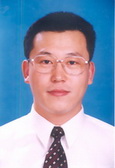 Yisheng Pan (潘义生)合作论文数Department of General Surgery, Peking University First Hospital55
 Guowei Chen (陈国卫)合作论文数Peking University First Hospital40
 Jianqiang Tang (汤坚强)合作论文数Cancer Hospital Chinese Academy of Medical Sciences24
 Zuo Shuai合作论文数23
 Taohua Yue合作论文数22
 Tao Wu (吴涛)合作论文数School of Public Health, Peking University Health Science Center22
 Yinmo Yang (杨尹默)合作论文数Peking University First Hospital19
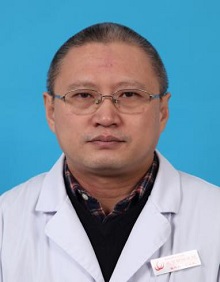 Zhenjun Wang (王振军)合作论文数Beijing Chao-Yang Hospital, Capital Medical University16Shihao Guo合作论文数15Yingchao Wu合作论文数14Yongchen Ma合作论文数14Ju Ma合作论文数14
 Junling Zhang (张俊玲)合作论文数College of Fisheries and Life Science, Shanghai Ocean University13
 Haichao Li (李海潮)合作论文数Department of Respiratory Medicine,Peking University First Hospital,Beijing ,China12Zeyang Chen合作论文数11Jianwen Hu合作论文数11HongQiao Gao (高红桥)合作论文数11
 Jianxun Zhao (赵建勋)合作论文数Department of General Surgery,the First Hospital,Peking University,Beijing ,P.R.China11
 Ying Wang (王颖)合作论文数Peking University First Hospital10Long Rong合作论文数9Shanjun Huang合作论文数9Zhihao Huang合作论文数9Chen Ziyi合作论文数9YanTing Huang (黄莚庭)合作论文数9
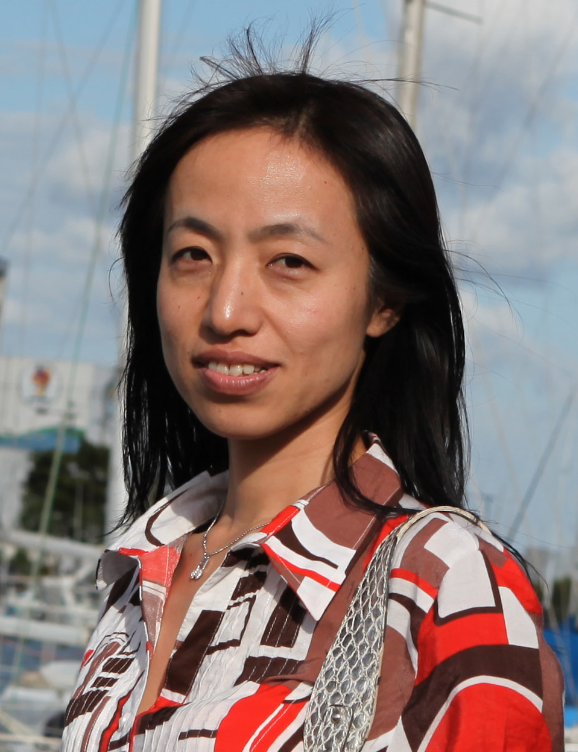 Yong Jiang (姜勇)合作论文数Department of Natural Medicines, School of Pharmaceutical Sciences, Peking University9Sun Lie合作论文数8Dingfang Bu (卜定方)合作论文数8Yanpeng Yang合作论文数7Tengyu Li合作论文数7WenHuai Xu (徐文怀)合作论文数7
 Yuan Lv (吕媛)合作论文数Peking University First Hospital7
 Bo Zheng (郑波)合作论文数Peking University First Hospital7Yuanyuan Ma合作论文数6
 HongFang Yin (尹洪芳)合作论文数北京清华长庚医院6Jie Yin (尹杰)合作论文数Beijing Center for Disease Prevention and Control6Qun WEI (魏群)合作论文数5Jichang Li合作论文数5
 Xiaoqian Zhang合作论文数5Hong-jie Guo合作论文数5FuSheng Gao (高付升)合作论文数5JiRong Shi (史继荣)合作论文数5ZhanBing Liu (刘占兵)合作论文数5ChunLei Wang (王春雷)合作论文数5
 Xiaoyun Liu (刘小云)合作论文数School of Basic Medical Sciences, Peking University5




