Bifunctional catalysts capable of simultaneously removing volatile organic compounds (VOCs) and nitrogen oxides (NOx) are important for treating complex industrial flue gas. Here, a series of YMnOx catalysts were synthesized using an organic acid-assisted complexation–precipitation method. Yttrium (Y) incorporation induced lattice distortion in the Mn3O4 host and promoted the exposure of the (103) and (211) facets. The optimized Y3Mn7Ox catalyst achieved 90% toluene conversion at 207 °C and maintained more than 90% NO conversion over 100–250 °C. Mechanistic studies showed that Y incorporation produced a flower-like hierarchical morphology with increased surface area and abundant mesopores. Y incorporation also regulated the surface electronic structure, enriching surface adsorbed oxygen species (Oads) and Mn4+ sites. In situ DRIFTS and DFT calculations suggest a facet-dependent mechanism: the (211) facet can adsorb toluene, NO, and NH₃, thereby supporting both toluene oxidation and NH3-SCR, whereas the (103) facet preferentially adsorbs NO and NH3 but shows weak affinity for toluene. This facet-dependent adsorption behavior reduces competition between VOC oxidation and NH3-SCR, enabling the two reactions to proceed with limited mutual inhibition. The catalyst also showed good durability and strong resistance to H2O and SO2, indicating its potential for practical flue-gas treatment.
The control and reaction mechanism of As during pyrolysis has not received attention. A series of modifications were applied to vermiculite to investigate their effects on As retention rates, potential risks, and forms during the co-pyrolysis of municipal sewage sludge (MS), paper mill sludge (PM), municipal waste (MW), and aged waste (AE). Through bench/pilot-scale fluidized bed experiments, 0.2Ca-CV proved to be the most effective additive with great characterization properties. Although the addition of 0.2Ca-CV increases the risk index, it remains within the low-risk category and contributes to improving the distribution of As forms. The retention efficiency of As is ranked from highest to lowest as follows: PM > MS > AE > MW, and the degree of risk is broadly proportional to the retention efficiency. The primary forms of As during pyrolysis of the four raw materials are As-4(g), AsS(g), AsCl3(g), As-2(g) and AsO(g), and their proportions vary with changes in temperature. A new simulation method has been proposed that can determine the reaction state of As at different pyrolysis temperatures based on its proportion. The increase in temperature reduces the adsorption efficiency, and the smaller the distances between the As compounds, the weaker their adsorption. The As compounds can interact electrostatically with Si/O/Ca atoms or form covalent/ionic bonds in additives, their adsorption capacity is ranked from strongest to weakest as follows: AsS/AsO > AsCl3 > As-4 > As-2.
The synergistic removal of NO and chlorinated volatile organic compounds (CVOCs) using bifunctional catalysts has emerged as a cutting-edge strategy in environmental catalysis. However, achieving both efficient NOx selective catalytic reduction and CVOCs catalytic oxidation remains fundamentally challenging due to the inherent trade-off between activity and selectivity. Herein, we demonstrate that this trade-off can be overcome by applying a mechanochemical strategy coupled with electronic band modulation to construct a novel heterojunction catalyst, in which MnCe oxides are integrated with piezoelectric BaTiO3 to form a heterojunction interface. The optimized TB-MnCe catalyst exhibits remarkable synergistic performance, achieving the synergistic removal of o-dichlorobenzene (>80%) and NOx (100%) within a broad temperature range of 250-350 °C. Combined experimental and theoretical investigations reveal an interfacial charge transfer of approximately 4.6 electrons from BaTiO3 to MnCe during mechanochemical treatment. This charge redistribution, mediated by the engineered interface, significantly enhances the redox capability of the active sites and promotes cooperative reactions. This work highlights that atomic-level interfacial electronic modulation induced by mechanochemical processing provides a powerful route to resolve the activity-selectivity dilemma in bifunctional catalysis.
Integrated carbon capture and in-situ methanation (ICCM) is an emerging technology for achieving carbon neutrality, in which the design of dual-functional materials (DFMs) is crucial. Conventional metal oxide supports typically suffer from low surface area and poor metal dispersion, severely hindering the activity and stability of DFMs in ICCM processes. Herein, we developed a novel biochar-based Ni-MgO DFMs (Ni-MgO@C) that achieves a CO2 uptake of 0.65 mmol/g and a CO2 conversion of 83.88% at 400 degrees C. The Ni-MgO@C further delivers a CH4 yield of 0.52 mmol/g with 95.25% selectivity, and maintains stable performance over 20 consecutive cycles. These performance surpass those of DFMs based on conventional supports and most reported materials to date. Characterization results reveal that biochar incorporation enhances porosity and reduces the size of the adsorption-catalysis interface, thereby greatly improving the dispersion of both active sites. Theoretical calculations further demonstrate that biochar not only enhances the activation of CO2 and H2 on the catalytic sites but also strengthens CO adsorption, which collectively account for the high CH4 yield and selectivity.
The selective capture of CO2 from coal-fired flue gas poses significant challenges due to competitive adsorption in multi-component systems. This study investigates the competitive adsorption mechanisms of CO2, SO2, and NO on amino-functionalized biochar through integrated density functional theory (DFT) and grand canonical Monte Carlo (GCMC) simulations. The octa-amine-modified biochar (BC-(NH2)8) exhibits exceptional CO2 capture performance, achieving a capacity of 22.8 mmol/g at 298.15 K and 10 MPa (39% enhancement vs. pristine biochar). However, further decrease or increase the amino groups amount leads to the decline of CO2 adsorption capacity. The former is attributed to the insufficient acid-base interactions, while the latter results from the increased steric hindrance, which mainly caused by the excessive amino functional groups. Competitive adsorption follows CO2 > NO > SO2, where NO's smaller kinetic diameter and dipole moment enable stronger inhibition of CO2 adsorption than SO2, despite SO2's higher intrinsic adsorption energy (−28.37 kJ/mol). Pore size exclusion critically limits SO2 uptake due to steric hindrance. van der Waals interactions show pressure enhancement but thermal sensitivity. Although the CO2/SO2 system shows higher CO2 selectivity, it suffers severe temperature dependence. These findings provide molecular-level insights for designing biochar adsorbents, emphasizing the balance between pore size matching, amino group density and dipole-selective interactions for optimal CO2 capture in flue gas.
Accurate prediction of polychlorinated dibenzo-p-dioxins and dibenzofurans (PCDD/Fs) emissions from municipal solid waste incineration flue gas is limited by high-dimensionality and small offline datasets, resulting in unsatisfactory prediction accuracy and generalization ability of traditional machine learning models. To address this small-sample bottleneck, this study proposes an interpretable framework based on stepwise virtual sample generation (VSG). Different from the traditional methods, this framework refuses to generate all virtual samples at once based on the initial model, and instead generates only 50 virtual samples at each step and achieves iterative optimization of the prediction model, which breaks the limitation of the initial model on the quality of virtual samples. Comprehensive validation experiments show that stepwise VSG has superior effectiveness and robustness. The generated virtual samples demonstrate both validity and cross-model applicability in reducing prediction errors, allowing the root mean square error and mean absolute percentage error to be reduced by 60.52 % and 68.47 %, respectively. Meanwhile, the performance limits and the optimal virtual sample size exhibit exponential dependence on the original sample size. These relationships provide a scientific modeling strategy and quantitative monitoring budget for the application of the framework in practical engineering. Finally, Shapley additive explanation and Partial Dependence Plot analyses reveal a multi-parameter synergistic control strategy that has the theoretical potential to reduce PCDD/Fs emissions to 0.023 ng TEQ/Nm3. The proposed framework shows considerable potential in the quantitative development of high-accuracy prediction models and the assessment of emission control strategies under small-sample conditions, thereby supporting effective PCDD/Fs management.
An integrated CO2 absorption and mineralization process using monoethanolamine (MEA) as an absorbent and fly ash from municipal solid waste incineration (MSWI) as a mineralizer was studied. The effects of temperature, stirring speed, reaction time, and solid-liquid ratio on the CO2 carbonation reaction were investigated. At the optimal conditions the carbon sequestration efficiency reached 25.2%. Analysis revealed significant pore structure changes and surface carbon enrichment on the fly ash post-carbonation, indicative of a composite coating layer predominantly composed of calcite (CaCO3) with minor magnesium-carbonate phases. CO2 in an MEA-rich solution was permanently sequestrated in the form of CaCO3 and MgCO3. The MEA solution maintained high CO2 separation efficiency and loading capacity over four absorption-regeneration cycles, demonstrating potential low-energy regeneration. The mechanism of CO2 mineralization by MSWI fly ash was also explored.
The electrocatalytic CO2 conversion offers a sustainable pathway for generating ecofriendly chemicals and fuels while simultaneously enabling the storage of intermittent renewable energy. Herein, CuPd bimetallic catalysts were specifically designed through displacement reaction, with a magnetron sputtering Cu film as a substrate. The optimized CuPd catalyst achieved an ethylene Faradaic efficiency (FE) of 51.07% and a C2+ FE of 82.18% at a 200 mA/cm2 current density. In situ Raman spectroscopy indicates that the CuPd electrode exhibited a high local surface pH during the CO2 reduction reaction, which was favorable for C-C coupling. The observation of the *OCCOH intermediate by in situ FTIR, combined with density functional theory calculations, confirms that the CuPd surface promotes C-C coupling instead of direct hydrogenation. This mechanistic insight explains why the addition of Pd enhances the selectivity for C2+ products.
Municipal solid waste incineration fly ash (MSWI FA) is a hazardous waste enriched with soluble salts and heavy metals, yet its high Ca/Al content also offers opportunities for resource recovery. Converting MSWI FA into functional materials can both mitigate environmental risks and enable high-value utilization. In this study, Ca–Al layered double hydroxides (LDHs) were synthesized from MSWI FA and subsequently calcined to obtain layered double oxides (LDOs). The physicochemical properties of LDOs prepared at different calcination temperatures were systematically characterized (BET, SEM, XRD, FT-IR, XPS), and their adsorption performance toward hexavalent chromium (Cr(VI)) was investigated. The Langmuir model yielded a maximum monolayer adsorption capacity of 76.84mgg⁻¹ at 25 °C. Notably, the coexistence of Cd²⁺/Cu²⁺ cations maintained their high uptake by LDOs while significantly enhancing Cr(VI) removal, with Cu²⁺ promoting Cr(VI) adsorption by 61.7% through a synergistic mechanism. Mechanistic analysis indicated that memory effect, reduction, surface complexation, and isomorphous substitution collectively governed the Cr(VI) uptake. Using the treatment of 1 t of MSWI fly ash as the common functional unit, the comparative LCA showed that the LDO production route achieved the lowest acidification and eutrophication potentials among the three evaluated scenarios, at 6.09kg SO₂-eq and 2.21kg PO₄-eq, respectively. Its global warming potential was 2055.3kg CO₂-eq, which was lower than that of cement kiln co-processing but higher than that of solidification/landfilling. Despite a moderate Global Warming Potential (GWP, 2055.3kg CO₂-eq), hydrothermal synthesis was identified as the main environmental hotspot, while electricity was the dominant sensitivity parameter for seven of the eight impact categories.
This study comprehensively investigates the source, distribution, emission, and control of n-alkanes (C16 - C34) and priority phthalate esters (PAEs) within condensable particulate matter (CPM) from an ultralow emission coal-fired power plant. Systematic sampling across the sequential air pollution control devices (APCDs) system (SCR, LLT-ESP, WFGD, WESP) elucidated the migration mechanism of complex pollutants: significant overall removal (69.18 % n-alkanes, 69.92 % PAEs) was achieved, driven primarily by the LLT-ESP (75.46 % and 70.42 %, respectively) benefiting from MGGH-induced cooling. However, pollutant secondary formation occurred in the SCR (2.09 % n-alkanes, 11.66 % PAEs). Co-firing 10 % municipal sewage sludge (MSS) increased stack nalkanes (491.62-510.55 mu g/m3) and PAEs (147.53-154.03 mu g/m3) emissions due to altered combustion and inherent sludge organics. Adsorbent injection (coconut-shell based activated carbon abbreviated as ACY, woodbased activated carbon abbreviated as ACM) upstream of the LLT-ESP significantly enhanced removal performance under harsh conditions (high SO2/dust, 101 +/- 4 degrees C). ACY at 150 mg/Nm3 yielded optimal performance (31.03 % n-alkanes, 23.88 % PAEs removal), attributed to superior textural properties (1282 m2/g surface area) and surface oxygen functionality. This work provides critical insights and engineering data for controlling organic pollutants in CPM.
Adsorption-based atmospheric water harvesting (AWH) enables autonomous water supply in low-humidity and infrastructure-limited environments. From a sustainable energy system perspective, this work reframes AWH as an energy–water nexus solution, yet current research remains largely confined to laboratory-scale material metrics. This work reframes AWH from an application-driven, system-level perspective and establishes a dedicated performance evaluation index aligned with off-grid and resource-constrained deployment requirements. The full AWH technical chain, including atmospheric capture, desorption, condensation, and purification, is systematically examined, with emphasis on low-humidity adsorbent efficiency, energy-limited desorption, hybrid energy architectures, and water quality robustness. Evaluation of reported outdoor prototypes reveals substantial gaps in system integration, environmental resilience, and operational reliability, exposing fundamental limitations in prevailing development paradigms. Finally, next-generation AWH system configurations and a leapfrog development pathway are proposed, highlighting the necessity of interdisciplinary integration to bridge the gap between laboratory demonstrations and field-deployable, mission-reliable water supply systems.
This study systematically investigates catalytic ethane oxidation as a model volatile organic compound (VOC) degradation process in a dual-layer porous media reactor, focusing on the interplay among temperature distribution, conversion efficiency, and heat dissipation under industrially relevant inlet temperatures and fuel concentrations. Experiments spanning inlet temperatures (250-500 degrees C) and ethane concentrations (0.06-0.30 vol%) reveal that conversion efficiency exhibits strong temperature dependence: upstream conversion increases with rising fuel concentration, while downstream catalytic efficiency remains relatively stable at high temperatures, indicating the catalytic section operates near its kinetic limit. Significant radial thermal gradients induced by heat dissipation create heterogeneous reaction zones, with near-wall regions showing markedly slower thermal stabilization than the reactor core. Axial iso-conversion profiles further demonstrate complex three-dimensional reactive-thermal structures governed by axial gradients and wall heat loss. Notably, the dual-layer reactor with a stepped porosity gradient achieves maximum ethane conversion exceeding 99 % at 500 degrees C. These results establish preheating temperature and fuel concentration as critical operational parameters for optimizing VOC oxidation performance while minimizing parasitic thermal energy loss. The work provides fundamental insights into reaction-thermal coupling mechanisms, delivering practical design guidelines for energy-efficient porous media oxidizers targeting industrial waste gas treatment and sustainable energy utilization.
Effective thermal management is critical for preventing overheating during catalytic oxidation of volatile organic compounds. This work presents a novel porous media reactor with an embedded helical coil forming an integrated active cooling circuit. We systematically investigate the interplay among key parameters, such as ethane concentration, inlet temperature, and coolant flow rate, and their impact on system performance. The reactor's performance was evaluated in three configurations: a baseline without the coil, coil with no coolant flow, and fully active with circulating phenyl silicone oil. This comparison elucidates the distinct thermal roles of the embedded structure. The coil passively enhances ethane conversion and CO2 selectivity by redistributing reaction heat. Active operation enables direct intervention in thermal behavior. Specifically, at 500 degrees C with 0.60 vol % ethane, active cooling maintained ethane conversion above 99% and CO2 selectivity above 98%, while lowering peak bed temperatures. Despite additional pump power, the reduced external preheating demand and high conversion at moderate temperatures indicate potential for improved energy balance under high exothermic conditions. A positive net energy balance was quantitatively validated at 0.60 vol% ethane and 500 degrees C, demonstrating the viability of this thermal management approach for at this operating point. This work provides insights and guidance for implementing such strategies in similar highly exothermic catalytic systems.
The removal of polychlorinated dibenzo-p-dioxins and dibenzo-furans (PCDD/Fs) and dust from municipal solid waste incineration flue gas within a single device can improve operational efficiency and reduce costs. In this study, a catalytic filter was developed using ultrasonic immersion and polytetrafluoroethylene (PTFE) membrane fixation, combining a blank PTFE and VOx/TiO2 catalyst. Chlorobenzene (CB) and furan were selected as model molecules for PCDD/Fs. A series of VOx/TiO2 catalysts were synthesized through a mechanochemical method, with different types and ratios of components tested. Among these catalysts, the VWMoTi catalyst demonstrated the highest CB removal efficiency (RE), reaching over 85
The efficient and safe disposal of radioactive waste remains a critical global challenge. While plasma technology is widely applied for its efficiency and safety, studies on secondary pollutant emissions remain limited. This research investigated emissions of chlorobenzenes (CBzs) and polychlorinated dibenzo-p-dioxins and dibenzofurans (PCDD/Fs) during the disposal of simulated radioactive waste from a pilot-scale high-temperature plasma melting incinerator in China under different waste conditions with rubber, polyvinyl chloride (PVC), and waste resin. Total concentrations of CBzs and PCDD/Fs in stack gas ranged from 3.445 to 117.192 mu g/Nm3 and 0.006-0.408 ng TEQ/Nm3, respectively. High-chlorine wastes such as waste resin, PVC, and rubber increase the emissions of CBzs and PCDD/Fs, while co-adding PVC and rubber reduces PCDD/Fs emissions due to synergistic effect. Dominant congeners included 2,3,7,8-TCDD, 2,3,4,7,8-PeCDF, and HCBz. Furthermore, correlation analysis exhibited a markedly linear correlation between 1,4-DCBz and PCDD/Fs, and the differential pressure between the quench tower and filter correlated positively with PCDD/Fs, particular when PVC and rubber were added. This research not only explores the impact of waste type and parameters of air pollution control devices on PCDD/Fs emissions, but also provides significant data to enhance the safe disposal of radioactive waste and improves plasma technology processes.
Municipal solid waste incineration fly ash (MSWIFA) is a promising carbon sequestration material. However, the leaching behavior of harmful elements during the carbonation process is a problem that must be considered. This paper screened four different MSWIFAs to explore their physicochemical properties, the carbonation efficiency, and the leaching behavior of harmful elements. All of the MSWIFAs exhibited a relatively high carbonation efficiency (17.2-27%). The carbonation of MSWIFA effectively inhibited the leaching of Pb, Ba, and Se in the fly ashes. However, the leaching concentration of Cd in the carbonized fly ash increased instead. The leaching concentration of Cr in MSWIFA was not significantly affected by the carbonation reaction. With the addition of 5% CaO, not only was the carbonation efficiency of MSWIFA significantly improved (the efficiency increased by 16.6%), but also the leaching of harmful elements was greatly reduced, achieving the purpose of stabilizing MSWIFA.
Traditional acid washing with agents like hydrochloric and acetic acid can effectively extract heavy metals from municipal solid waste incineration fly ash (referred to as "fly ash") but also dissolve calcium, complicating subsequent resource utilization. This study proposes the use of glycine as a green leaching agent to effectively extract heavy metals while retaining calcium under mild conditions. A systematic analysis was conducted to assess the effects of glycine concentration and temperature on the efficacy of heavy metal leaching. The concept of relative leaching efficiency was employed to evaluate the performance of various additives on fly ash. Notably, glycine improved the leaching efficiencies for heavy metals such as Cd, Cu, Ni, and Zn, bound to Fe-Mn oxides, by 79.8 %, 74.3 %, 36.3 %, and 64.5 %, respectively, compared to HCl-treated samples. Characterization studies and density functional theory (DFT) calculations demonstrate that glycine serves as proton donor and a chelating agent during the leaching process, enhancing the extraction of cationic heavy metals while minimizing calcium loss. These findings underscore glycine's potential role in advancing strategies for fly ash resource utilization.
Fly ash generated from Municipal Solid Waste Incineration (MSWI) contains significant amounts of dioxins, posing a major challenge for safe disposal. This study systematically investigates the low-temperature pyrolysis of dioxins in MSWI fly ash, identifying the optimal decomposition conditions: a reaction temperature of 350 degrees C, a reaction time of 10 min, and an oxygen content below 0.5 %. Under these conditions, the total dioxins concentration decreased from 9582.09 to 43.81 ng/kg, the toxic concentration decreased from 427.24 to 5.95 I-TEQ ng/kg, and the decomposition efficiency exceeded 99.54 %. Water washing pretreatment, which removes inorganic chlorine, substantially enhanced the dechlorination process. Additionally, CaO addition effectively inhibited the resynthesis of dioxins, achieving a decomposition efficiency of 99.90 % at a lower temperature of 250 degrees C. To gain deeper insights, comprehensive correlation analysis was performed to examine the relationships between various factors and decomposition efficiency, supplemented by principal component analysis. Furthermore, this study elucidates dioxin decomposition pathways using pure octachlorodibenzo -p-dioxin (OCDD) as a model compound to exclude interference from other chlorinated organic pollutants. Dechlorination of polychlorinated dibenzo-p-dioxins and polychlorinated dibenzofurans (PCDD/Fs) initiates around 200 degrees C, while the cleavage of C-O and C-C bonds at higher temperatures accelerates the pyrolysis process. These findings provide a critical foundation for the safe and resource-efficient utilization of MSWI fly ash in the future.
Adsorption removal of PCDD/Fs from flue gas is one of the important technologies for reducing environmental PCDD/Fs emissions. However, due to the lack of systematic research on the adsorption mechanism of PCDD/Fs, commercial activated carbon (AC) with a single pore size distribution and lack of surface functional groups has poor adsorption and removal efficiency for PCDD/Fs. Therefore, this study first used corncob as a raw material and prepared N-doped hierarchical porous biochar (NHPB) using a one-step activation method for efficient removal of PCDD/Fs. The removal efficiency of NHPB for 17 toxic PCDD/Fs and 136 PCDD/Fs in simulated flue gas is as high as 96.21% and 97.21%, respectively. Compared with AC, the adsorption performance of NHPB was significantly less affected by the fluctuation of temperature and concentration than AC because the adsorption performance changed little with the chlorine substitution number of PCDD/Fs, and showed excellent adsorption performance under various adsorption conditions. Subsequently, the adsorption mechanism of PCDD/Fs on NHPB was systematically studied using theoretical calculations. Molecular simulations show that the optimal adsorption pore size for PCDD/Fs is mainly micropores above 1 nm and mesopores between 2 and 5 nm. Therefore, the hierarchical pore structure of NHPB exhibits superior adsorption performance. Density functional theory (DFT) calculations show that all three N-doping forms on the surface of biochar can enhance the adsorption energy of PCDD/Fs on biochar, thereby further enhancing the adsorption performance of NHPB for PCDD/Fs.
The stability and dissolved organic matter (DOM) characteristics of biochar have an essential effect on carbon emission and migration and transformation of pollutants. In this work, straw biochar and coal mine waste (coal gangue)-straw co-pyrolysis biochar were produced at 300, 450, and 600 °C. The effects of coal gangue on biochar's stability, carbon structure, and the components of biochar-derived DOM were investigated. The results showed that coal gangue enhanced co-pyrolysis biochar's thermal and chemical stability by 1.16 • Pyrolysis temperature and minerals synergistically affect the biochar stability and DOM charac-teristics. • Coal gangue reduces the pyrolysis temperature requirements of biochar to promote its aromatiza-tion. • Co-pyrolysis biochar pyrolyzed at 450 °C has a higher graphitization degree and aromatic carbon proportion. • The fraction of humic-like chemical components in biochar-derived DOM is highly linked with the pyrolysis temperature.
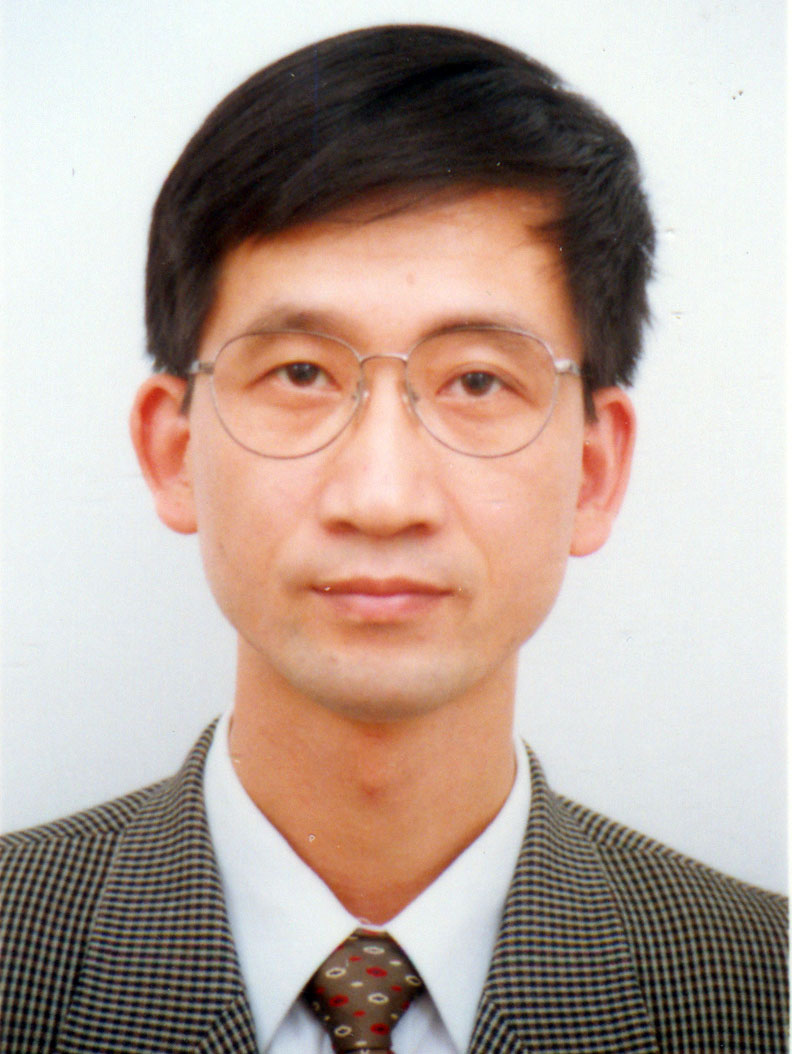 Jianhua Yan (严建华)合作论文数College of Energy Engineering, Zhejiang University;State Key Laboratory of Clean Energy Utilization, Zhejiang University279
 Xiaodong Li (李晓东)合作论文数College of Energy Engineering, Zhejiang University233
) Tong Chen (陈彤)合作论文数College of Energy Engineering, Zhejiang University110
Tong Chen (陈彤)合作论文数College of Energy Engineering, Zhejiang University110 Kefa Cen (岑可法)合作论文数College of Energy Engineering, Zhejiang University;Institute for Thermal Power Engineering, Zhejiang University101
 Minghui Tang (汤明慧)合作论文数Institute for Thermal Power Engineering, College of Energy Engineering, Zhejiang University72
 Yaqi Peng合作论文数67
 Mingjiang Ni (倪明江)合作论文数College of Energy Engineering, Zhejiang University54Alfons Buekens合作论文数53
 Xiaoqing Lin (林晓青)合作论文数College of Energy Engineering, Zhejiang University;Polytechnic Institute, Zhejiang University51
 Yong Chi (池涌)合作论文数College of Energy Engineering, Zhejiang University;State Key Laboratory of Clean Energy Utilization, Zhejiang University42
 Zhiliang Chen (陈志良)合作论文数College of Environment and Ecology, Chongqing University35
 Fei Wang (王飞)合作论文数College of Energy Engineering, Zhejiang University;National Engineering Research Center for Clean Utilization Technology and Equipment of Solid Waste Energy, Zhejiang University23Qiulin Wang合作论文数22
 Qunxing Huang (黄群星)合作论文数College of Energy Engineering, Zhejiang University22
 Mi Yan (严密)合作论文数School of Materials Science and Engineering, Faculty of Engineering, Zhejiang University;State Key Laboratory of Baiyunobo Rare Earth Resource Researches and Comprehensive Utilization, Baotou Research Institute of Rare Earths22
) Yueling Gu (谷月玲)合作论文数College of Energy Engineering, Zhejiang University;Institute for Thermal Power Engineering, Zhejiang University19
Yueling Gu (谷月玲)合作论文数College of Energy Engineering, Zhejiang University;Institute for Thermal Power Engineering, Zhejiang University19 Cuicui Du (杜翠翠)合作论文数College of Chemistry and Chemical Engineering, Hunan University18Mingxiu Zhan (詹明秀)合作论文数18Jiamin Ding合作论文数17
 Xuguang Jiang (蒋旭光)合作论文数State Key Laboratory of Clean Energy Utilization, Zhejiang University;College of Energy Engineering, Zhejiang University17
 Longjie Ji合作论文数16
 Jiayu Wu (吴佳雨)合作论文数Institute of Landscape Architecture, College of Agriculture and Biotechnology, Zhejiang University16Juan Qiu合作论文数13ZhiFu Qi (祁志福)合作论文数13Hai-long Wu (吴海龙)合作论文数13Qili Qiu合作论文数12Zhenyao Xu合作论文数12
 Changming Du (杜长明)合作论文数School of Environmental Science and Engineering, Sun Yat-sen University12
 Yuqi Jin (金余其)合作论文数College of Energy Engineering, Zhejiang University;Institute for Thermal Power Engineering of Zhejiang University12Sun Chen合作论文数11Siqi Liu合作论文数11
 Yong Ren合作论文数10
 Angjian Wu (吴昂键)合作论文数College of Energy Engineering, Zhejiang University;Key Laboratory of Clean Energy and Environment Engineering, Zhejiang University10Fu Jianying合作论文数10Qiongjing Mao (毛琼晶)合作论文数9Yingzhe Du合作论文数9Hongxian Li合作论文数9Xinlei Huang合作论文数9
 Xuan Cao合作论文数Computer Science Department, Brigham Young University9Xu Xu (徐旭)合作论文数中国计量学院9
 Mengxia Xu合作论文数9Shijian Xiong合作论文数8
 Jingwei Li (李敬伟)合作论文数National Engineering Laboratory for Reducing Emissions from Coal Combustion, School of Nuclear Science, Energy and Power Engineering, Shandong University8FanJie Shang (尚凡杰)合作论文数8Jing Jin (金晶)合作论文数上海理工大学能源与动力工程学院8
 Jie Yang (杨杰)合作论文数College of Science, Nanjing Forestry University7
 Wenming Liu (刘文明)合作论文数School of Chemistry and Chemical Engineering, Nanchang University7
 Honggen Peng (彭洪根)合作论文数School of Resources & Environment, Nanchang University7
 Zheng Peng合作论文数7




