This study aims to explore the long-term physical, neurological, social and emotional development outcomes of the offspring born to patients with systemic lupus erythematosus (SLE), and to provide insights that can assist pediatricians in enhancing the long-term prognosis of these children. We conducted a cross-sectional study on the offspring of SLE patients who had undergone pregnancy and were admitted to our obstetrics department between January 1, 2016 and September 30, 2021. The control group consisted of offspring born to mothers without connective tissue disease, and was matched 1:1 based on age (birth date ± 1 month) with the offspring of SLE patients. Physical development, including measurements of weight and height (length), was assessed. The Ages and Stages Questionnaires, Third Edition (ASQ-3) was utilized to evaluate development in five domains: communication, gross motor, fine motor, problem solving, and personal-social. The Ages and Stages Questionnaires: Social-Emotional (ASQ: SE) was used to assess social-emotional development. Weight, height (length), BMI (body mass index), and ASQ-3 domain scores at different ages and for both genders were standardized into Z-scores for comparison. In the SLE group, the offspring demonstrated higher BMI Z-scores, higher rates of obesity, and increased probabilities of abnormal social-emotional development screening. In addition, their problem solving domain Z-scores were lower as compared to the control group. All of these differences were statistically significant. It is recommended that SLE patients should pay close attention to sensible feeding practices after the birth of their offspring to prevent the occurrence of obesity. Furthermore, there should be an emphasis on strengthening monitoring and intervention efforts to enhance the problem solving abilities and social-emotional development of the offspring. By implementing these measures, the overall long-term developmental outcomes of children born to SLE patients can be improved.
There is a possibility that the iodine requirement for toddlers currently used in China is underestimated. This study aimed to conduct an iodine balance study in Chinese toddlers. We used a two-dose crossover experimental design, relying on the local iodine concentration in drinking water, and adjusting the iodine intake level by adjusting the toddlers’ daily consumption of local drinking water. We measured daily iodine intake, excretion, and retention in toddlers and used linear mixed-effects models were used to fit the relationship between total iodine intake and iodine retention. This study involved 26 toddlers aged 2–3 years. Based on the daily total iodine intake and iodine balance values of the toddlers, a mixed effects model was applied to fit the regression curve, and the regression equation was obtained: y = 0.214x − 16.68, from which the EAR and RNI levels of the toddlers were calculated to be approximately 80 µg/day, and 110 µg/day, respectively. In our study, we expected the reference values for daily iodine EAR and RNI levels in toddlers with their current iodine nutrition status to be about 80 µg/day and 110 µg/day, respectively.
Long-term neurodevelopmental/socioemotional risks in small for gestational age (SGA) children lack robust evidence, especially maternal/neonatal predictors. The study aims to identify independent maternal and neonatal risk factors associated with atypical neurodevelopmental and socioemotional outcomes in SGA children. This longitudinal cohort study included 412 singleton SGA infants born at Peking University People’s Hospital in Beijing from January 2020 to December 2022. Participants underwent 24–36 months follow-up median 30 months, with neurodevelopmental and socioemotional outcomes evaluated using the Ages and Stages Questionnaires, Third Edition (ASQ-3) and Ages and Stages Questionnaires: Social-Emotional (ASQ: SE). These assessments categorized SGA children into normal/atypical development groups for both domains. Through assessment, there were 292 cases (70.9
Objective: This study investigated the association between paternal preconception paternal body mass index (BMI) categories and physical/neurodevelopmental outcomes in Chinese small-for-gestational-age (SGA) children. Methods: A prospective cohort study enrolled 412 singleton SGA infants born at Peking University People’s Hospital in 2020–2022. Fathers were stratified into underweight, normal-weight, overweight, and obese groups. Follow-up assessments at 24–36 months evaluated growth parameters weight, height, BMI Z-scores and neurodevelopment using the Ages and Stages Questionnaire-3 (ASQ-3) and ASQ: Social–Emotional (ASQ:SE). Multivariable regression was adjusted for paternal covariates. Results: In SGA offspring, paternal underweight correlated with lower birth weights vs. normal/obese paternal BMI and the highest severe SGA rates. Prospective monitoring identified elevated BMI Z-scores (ΔZ = +0.40) and 8.7-fold heightened obesity risk in the paternal obesity group versus normal-weight counterparts. Neurodevelopmental evaluations demonstrated gross motor impairments in both underweight (ΔZ = −0.22) and obese paternal subgroups (ΔZ = −0.25) compared with the normal-weight group, with the obesity cohort additionally exhibiting problem-solving deficiencies (ΔZ = −0.19). The paternal obesity group manifested three-fold greater likelihood of social–emotional delays than the normal-weight group. The underweight and obese paternal groups showed 3.46-fold and 2.73-fold higher probabilities of gross motor deficits, respectively, while obesity was linked to 3.27-fold elevated problem-solving impairment risk-all comparisons versus normal paternal BMI. Overweight status showed no significant links to growth or neurodevelopmental outcomes. Normal-weight fathers had lower risks of obesity and neurodevelopmental issues. Conclusions: This study revealed U-shaped paternal BMI–neurodevelopment links in SGA offspring. Paternal obesity raised offspring obesity/neurodevelopmental risks, while underweight linked to severe SGA and motor deficits, highlighting paternal weight optimization’s modifiable role.
BACKGROUND:Children's physical and emotional health are affected by acute cough. Cough severity and influence on quality of life can be measured with specialized questionnaires. This study aimed to present the Chinese version of the 16-item Parent-proxy Children's Acute Cough-specific Quality of Life Questionnaire (PAC-QoL16) and examine its validity and reliability. METHODS:Using independent translations and counter translations, the Chinese version of the PAC-QoL16 was translated, and its suitability was evaluated among the families of five coughing children. Children with acute cough who were hospitalized at the Children's Hospital Affiliated to Zhengzhou University from October 2022 to June 2023 were included, and the caregivers were invited to complete the questionnaire and two cough-related measures (visual analogue score (VAS) and verbal category descriptive (VCD) score) on the day of admission and on the 5th day of treatment. Additionally, the questionnaire's internal consistency and concurrent validity were evaluated. RESULTS:A total of 148 complete and valid questionnaires were collected. Eighty-one males and 67 females composed the 148 children, whose average age was 4.6 years and ranged from 2 to 12 years. Cronbach's alpha coefficients for the three domains and the whole score ranged from 0.824 to 0.978. The VAS and VCD scores showed a strong correlation with the overall and domain scores of the PAC-QoL16. After therapy, there were significant decreases in the cough VAS and VCD scores, while the overall and domain scores of the PAC-QoL16 improved (P < 0.05). Concurrently, correlations were observed between the difference in VAS and VCD scores and the difference in PAC-QoL16 scores before and after treatment. CONCLUSION:The Chinese version of the PAC-QoL16 has good applicability in Chinese children with acute cough and can reflect the quality of life and disease severity of children with acute cough.
OBJECTIVES:To explore the risk factors associated with cow's milk protein allergy (CMPA) in infants.METHODS:This study was a multicenter prospective nested case-control study conducted in seven medical centers in Beijing, China. Infants aged 0-12 months were included, with 200 cases of CMPA infants and 799 control infants without CMPA. Univariate and multivariate logistic regression analyses were used to investigate the risk factors for the occurrence of CMPA.RESULTS:Univariate logistic regression analysis showed that preterm birth, low birth weight, birth from the first pregnancy, firstborn, spring birth, summer birth, mixed/artificial feeding, and parental history of allergic diseases were associated with an increased risk of CMPA in infants (P<0.05). Multivariate logistic regression analysis revealed that firstborn (OR=1.89, 95%CI: 1.14-3.13), spring birth (OR=3.42, 95%CI: 1.70-6.58), summer birth (OR=2.29, 95%CI: 1.22-4.27), mixed/artificial feeding (OR=1.57, 95%CI: 1.10-2.26), parental history of allergies (OR=2.13, 95%CI: 1.51-3.02), and both parents having allergies (OR=3.15, 95%CI: 1.78-5.56) were risk factors for CMPA in infants (P<0.05).CONCLUSIONS:Firstborn, spring birth, summer birth, mixed/artificial feeding, and a family history of allergies are associated with an increased risk of CMPA in infants.
This study aims to assess the impact of non-fluorinated glucocorticoid use and varying doses on the long-term physical, neurological, and social-emotional development outcomes of offspring born to patients with systemic lupus erythematosus (SLE). The goal is to provide guidance on the appropriate dosage of glucocorticoids during pregnancy in SLE patients. We conducted a follow-up study on the offspring of SLE patients who had pregnancies and were admitted to our obstetrics department between January 1, 2016, and September 30, 2021. Patients who received immunosuppressants and dexamethasone were excluded from the study. The SLE patients were categorized into three groups based on their glucocorticoid use during pregnancy: hormone-free group, ≤ 10 mg/day group, and > 10 mg/day group (equivalent to prednisone). Most patients in the three groups were used hydroxychloroquine during pregnancy. We assessed the physical development status, including weight, height (length), and other relevant factors in three groups. Additionally, we utilized the Age and Stages Questionnaires, Third Edition (ASQ-3) to evaluate the development of communication, gross motor, fine motor, problem-solving, and personal-social. The social-emotional development status was assessed using the Age and Stages Questionnaires: Social-Emotional (ASQ: SE). We standardized the weight, height (length), body mass index, and ASQ-3 domain scores of children of different ages and genders into Z-scores for comparison. The results of this study demonstrated no statistically significant differences in the long-term physical development, neurological development, and social-emotional development outcomes of the offspring of SLE patients in three groups. However, while not reaching statistical significance, it was found that the offspring of the > 10 mg/day group had lower height (length) Z-scores and communication Z-scores compared to the other groups. Conclusion: The use of non-fluorinated glucocorticoids during pregnancy and varying doses did not have a significant impact on the long-term physical, neurological, and social-emotional development outcomes of offspring born to SLE patients. However, the offspring of SLE patients treated with glucocorticoids > 10 mg/day during pregnancy may be necessary to strengthen the monitoring of height (length) and communication skills in the long term.
OBJECTIVE:To preliminarily explore the association of pregnancy factors with cow's milk protein allergy in infants. METHODS:This study was based on data from a subcohort of a study called genetic susceptibility to cow's milk allergy in Chinese children, including infants born in Peking University People's Hospital between March 1, 2020, and December 31, 2020. The infants were divided into a cow's milk protein allergy (CMPA) group and a control group according to whether they had developed cow's milk protein allergy at the age of 1 year. We retrospectively collected the clinical data of infants and their mothers before and during pregnancy, and analyzed the association of multiple factors during pregnancy with cow's milk protein allergy in infants. RESULTS:A total of 278 infants were enrolled in this study, including 52 infants with CMPA and 226 infants without CMPA. Among them, there were 143 boys and 135 girls. The proportion of male infants in the CMPA group (69.2%) was higher than that in the control group (47.3%), and the difference was statistically significant (P=0.004). There were no significant differences in the distribution of birth weight, gestational age at birth, low-birth-weight infants, premature, umbilical cord entangle neck, and neonatal asphyxia between the CMPA group and the control group (P>0.05). The proportion of mothers complicated with autoimmune diseases, anemia or antibiotics exposure during pregnancy in the CMPA group was higher than that in the control group, and there were statistical differences between the two groups (P < 0.05). There was no significant difference in the distribution of other pregnancy complications between the two groups (P>0.05), such as eclampsia/preeclampsia, chronic hypertension/gestational hypertension, diabetes/gestational diabetes, thyroid diseases, and so on. There was no significant difference in the overall distribution of some blood routine indexes during pregnancy between the CMPA group and the control group (P>0.05). Multivariate Logistic regression analysis showed that male infant, mothers complicated with autoimmune diseases or anemia, antibiotic exposure during pregnancy were independent risk factors for cow's milk protein allergy. CONCLUSION:Male infant, mothers complicated with autoimmune diseases or anemia, antibiotic exposure during pregnancy were independent risk factors for cow's milk protein allergy.
BackgroundIn recent years, China has adjusted its fertility policies to optimize the population structure by implementing the two-child and three-child policies. Some patients with systemic lupus erythematosus (SLE) are considering the possibility of having a second child. The issue is whether the offspring from the second childbirth will have favorable long-term developmental outcomes.ObjectiveThe research aims to investigate the long-term physical, neurological, and social-emotional development outcomes of children born to mothers with SLE at different parities. This study aims to offer valuable insights and references for SLE patients who are considering subsequent pregnancies and require information about potential developmental outcomes for their future children.MethodsThe study conducted a follow-up of children born to SLE mothers who were admitted to the obstetrics department between January 1, 2016, and September 30, 2021. The SLE patients were categorized into two groups based on their history of live delivery: the primiparity group and the multiparity group. The physical development status, including weight, height (length), and other relevant factors, was evaluated in both groups. The Ages and Stages Questionnaires, Third Edition (ASQ-3) was utilized to assess the neurological development in five domains, encompassing communication, gross motor, fine motor, problem solving and personal-social. Social-emotional development was assessed using the Ages and Stages Questionnaires: Social-Emotional (ASQ:SE). The weight, height (length), body mass index, and ASQ-3 domain scores were standardized into Z-scores to enable comparison across various ages and genders.ResultsThe study revealed that the weight Z-score and BMI Z-score of the children in the multiparity group were significantly higher compared to those in the primiparity group. However, there were no statistically significant differences in the proportions of overweight and obesity between the two groups. In terms of neurological developmental outcomes, the Z-scores of the communication and gross motor domains in the ASQ-3 assessment were significantly higher in the multiparity group compared to those in the primiparity group. The proportion of abnormal screening for social and emotional development in the children of the multiparity group was lower than that of the primiparity group, although this difference did not reach statistical significance.ConclusionsThe long-term weight development, communication and gross motor development of children born to SLE patients in the multiparity group were better than those in the primiparity group. However, there was no significant difference in social-emotional development between the two groups.
Objective To explore the research hotspots on systemic lupus erythematosus (SLE) in pregnancy based on the bibliometric analysis of the related articles published from 2018 to 2023 and provide directions for the future research in this field. Methods PubMed,Web of Science,and Embase were searched for the articles on SLE in pregnancy that were published from January 1,2018 to December 31,2023.VOSviewer was used to visualize the high-frequency keywords in the selected articles. Results A total of 266 articles were selected,from which 25 high-frequency keywords were extracted.The bibliometric analysis showed that the available studies about SLE in pregnancy mainly focused on maternal complications,maternal and fetal outcomes,and medications.The studies were limited regarding the predictors,autoimmunity,immunotherapy,and long-term outcomes of offspring. Conclusion Maternal complications,maternal and fetal outcomes,and medications are currently hotspots in the research on SLE in pregnancy,while predictors,autoimmunity,immunotherapy,and long-term outcomes of offspring may become future research directions.
This study aims to develop a high-toughness, high-strength magnesium phosphate engineering cement-based composite (MPC-ECC). The compressive, flexural, and tensile strengths of the MPC-ECC were measured at various ages, including 1, 2, 3, 4, 5, 6 and 24 h. The relationships of the element contents, hydration products, hydration process, and the microscopic morphology with the mechanical properties were analyzed. Importantly, the mechanical formation process of the first six hours was analyzed in detail. Results show that the tensile strain of the MPC-ECC exceeded 3% at all ages, and the flexural strength was greater than 10 MPa at all ages. The compressive strength reached 15.53 and 25.63 and 32.48 MPa after 1 h、6 h and 24 h, respectively. The ultimate tensile strength, flexural strength and compressive strength of 6h reached 98%, 90% and 78% of the final strength of 24 h.The main hydration product was MgKPO4×6H2O, and its formation rate and amount affected the mechanical properties. The nature of the hydration products and the density of the specimen structure were determined to be key factors in the progression of uniaxial tensile properties. Notably, a tri-fold line pattern was observed in the 1 h-6 h range, while a bi-fold line pattern emerged at the 24 h. MPC-ECC's strength, toughness and shrinkage are in a relatively good state, and the potential for its early-stage mechanical properties still can be improved.
Background: Adequate breast milk iodine concentration (BMIC) is essential for the growth and cognitive development of exclusively breastfed infants; however, data on variations in BMIC over 24 h are limited. Objective: We aimed to explore in lactating women the variation in 24-h BMIC. Methods: Thirty pairs of mothers and breastfed infants aged 0-6 mo were recruited from the cities of Tianjin and Luoyang, China. A 3-d 24-h dietary record, including salt intake, was performed to assess the dietary iodine intake of lactating women. Breast milk samples before and after each feeding for 24 h and 24-h urine samples were collected from the women for 3 d to estimate iodine excretion. A multivariate linear regression model was used to analyze the factors influencing BMIC. A total of 2658 breast milk samples and 90 24-h urine samples were collected. Results: The median BMIC and 24-h urine iodine concentration (UIC) of lactating women for a mean of 3.6 +/- 1.48 mo were 158 mu g/L and 137 mu g/L, respectively. The interindividual variability of BMIC (35.1%) was higher than that observed within individuals (11.8%). The variation in BMIC showed a "V" shaped curve over 24 h. The median BMIC at 08:00-12:00 (137 mu g/L) was significantly lower than that at 20:00-24:00 (163 mu g/L) and 00:00-04:00 (164 mu g/L). A progressively increasing curve was obtained for BMIC until it peaked at 20:00 and plateaued at a higher concentration from 20:00 to 04:00 than at 08:00-12:00 (all P < 0.05). BMIC was associated with dietary iodine intake (8: 0.366; 95% CI: 0.004, 0.018) and infant age (8: -0.432; 95% CI: -1.07, -0.322). Conclusions: Our study shows that the BMIC presents a "V" shaped curve over 24 h. We recommend that breast milk samples be collected between 08:00 and 12:00 for evaluation of the iodine status of lactating women.
Background Primary immune thrombocytopenia (ITP) can increase the risk of neonatal thrombocytopenia (NT). This study aimed to investigate the key factors for predicting the risk of NT. Methods Data were retrospectively collected from all pregnant women with ITP from 2015 to 2021. Newborns were divided into two groups according to the presence or absence of NT. The parameters between the two groups were then compared. Next, the correlation between maternal platelet-to-lymphocyte ratio (PLR) and neonatal platelet count was analyzed by logistic regression and generalized additive model. Additionally, the relationships among the platelet counts of siblings were also determined. Results A total of 147 maternal cases were included. NT was observed in 46 (31.72%) neonates. A history of previous children with NT appeared to have predictive value for NT (OR 16.484, 95% CI 2.212–122.858, P < 0.001), as the nadir gestational platelet (OR 0.958, 95% CI 0.93–0.988, P < 0.001). Correlation analysis of platelet count on postnatal day 1 and the nadir platelet count in 36 sibling neonates showed a positive correlation ( r =0.684, P <0.001; r =0.900, P <0.05). PLR was divided into 3 groups via tertiles, and the incidence of NT was dramatically higher in the group with lower PLR during the second and third trimesters than in the other two groups (48.5% vs 33.3% vs 22%, P <0.05; 50% vs 21.3% vs 26.7%, P <0.001). Moreover, the risk of NT was markedly higher in the first trimester (PLR < 78.51; OR 0.975, 95% CI 0.951–0.999, P <0.05) and the second trimester (PLR < 20.41; OR, 0.899, 95% CI 0.820–0.985, P <0.05) compared to the third trimester. Conclusion Our findings suggest that a history of previous children with NT is a significant factor for predicting NT in subsequent pregnancies. PLR in the first, second and third trimesters can also be used as a reference to predict NT risk.
Objective:To analyze the maternal and neonatal outcomes of pregnant women with leukemia.Methods:This retrospective study analyzed the clinical data of singleton pregnant women with leukemia and their neonates at the Obstetrics Department of Peking University People's Hospital from June 2009 to May 2021. Statistical analysis was performed using a two-sample t-test, the Wilcoxon Mann-Whitney rank sum test, and the Chi-square test (or Fisher's exact test). Results:(1) Ninety-one pregnant women were enrolled in this study, accounting for 2.8‰ of all deliveries during the same period. Among them, there were 15 (16.5%) with acute lymphoblastic leukemia, 38 (41.8%) with acute myeloid leukemia, and 38 (41.8%) with chronic myelogenous leukemia. Twenty-nine of the 91 pregnancies (31.9%) were terminated in the second or third trimester, and 62 babies (68.1%) were born through spontaneous delivery or cesarean section. The 62 parturients were (30.1±5.0) years old, of whom two died of complications of leukemia within 7 d after delivery, and five were transferred to the intensive care unit after delivery. Of the 62 cases, 18 (29.0%) received a blood transfusion and 12 (19.3%) received chemotherapy during pregnancy. (2) The proportion of patients with unremitted leukemia during pregnancy or newly developed leukemia was higher in women with terminated pregnancy than in those who continued the pregnancy [96.6% (28/29) vs 54.8% (34/62), χ2=15.83, P<0.001]. (3) The gestational age of the 62 newborns was (37.7±2.7) weeks. Premature, low birth weight and small-for-gestational-age infants accounted for 29.0% (18/62), 25.8% (16/62), and 12.9% (8/62), respectively. Hyperbilirubinemia occurred in 10 neonates (16.1%) and hypoglycemia in two (3.2%). Perinatal anoxia and asphyxia were reported in 13 cases (21.0%). Appearance, organ malformations, or chromosomal abnormalities were found in four neonates (6.4%) whose mothers did not receive chemotherapy during pregnancy. Fifty-nine infants underwent routine blood tests within 3 d after birth. The results showed that the mean white blood cell count, hemoglobin concentration, and platelet count were (16.1±7.0)×10 9/L, (181.5±20.0) g/L and (266.2±63.7)×10 9/L, respectively, and no juvenile cells were detected in their peripheral blood samples. Twenty children were followed up to 4 years and 4 months (9 months to 10 years and 3 months). No abnormalities in physical or mental development, motor function, or hematological system were reported. Conclusions:Pregnancy complicated by leukemia is rare and dangerous, which requires an individualized management strategy besides therapy for leukemia. A good prognosis is still expected with appropriate treatment.
Background: Steroid receptor-associated and regulated protein (SRARP) suppresses tumor progression and modulates steroid receptor signaling by interacting with estrogen receptors and androgen receptors in breast cancer. In endometrial cancer (EC), progesterone receptor (PR) signaling is crucial for responsiveness to progestin therapy. The aim of this study was to investigate the role of SRARP in tumor progression and PR signaling in EC.Methods: Ribonucleic acid sequencing data from the Cancer Genome Atlas, Clinical Proteomic Tumor Analysis Consortium, and Gene Expression Omnibus were used to analyze the clinical significance of SRARP and its correlation with PR expression in EC. The correlation between SRARP and PR expression was validated in EC samples obtained from Peking University People's Hospital. SRARP function was investigated by lentivirus-mediated overexpression in Ishikawa and HEC-50B cells. Cell Counting Kit-8 assays, cell cycle analyses, wound healing assays, and Transwell assays were used to evaluate cell proliferation, migration, and invasion. Western blotting and quantitative real-time polymerase chain reaction were used to evaluate gene expression. The effects of SRARP on the regulation of PR signaling were determined by co-immunoprecipitation, PR response element (PRE) luciferase reporter assay, and PR downstream gene detection.Results: Higher SRARP expression was significantly associated with better overall survival and disease-free survival and less aggressive EC types. SRARP overexpression suppressed growth, migration, and invasion in EC cells, increased E-cadherin expression, and decreased N-cadherin and Wnt family member 7A ( WNT7A ) expression. SRARP expression was positively correlated with PR expression in EC tissues. In SRARP -overexpressing cells, PR isoform B (PRB) was upregulated and SRARP bound to PRB. Significant increases in PRE-based luciferase activity and expression levels of PR target genes were observed in response to medroxyprogesterone acetate.Conclusions: This study illustrates that SRARP exerts a tumor-suppressive effect by inhibiting the epithelial-mesenchymal transition via Wnt signaling in EC. In addition, SRARP positively modulates PR expression and interacts with PR to regulate PR downstream target genes.
Objective:To investigate the effect of oral glucocorticoid dose on maternal and infant outcomes in female patients with systemic lupus erythematosus(SLE), thus providing reference for clinical work.Methods:Clinical data of pregnant women with SLE admitted to Department of Obstetrics, Peking University People′s Hospital from July 2015 to June 2020 were retrospectively analyzed.According to the daily oral glucocorticoid dose during pregnancy(equivalent converted to Prednisone), pregnant women were divided into 2 groups: ≤7.5 mg group(67 cases) and >7.5 mg group(74 cases). The maternal and fetal outcomes of the 2 groups were analyzed by t-test or χ2 test or Fisher′ s exact probability method. Results:The neonatal birth weight, birth length, white blood cell count and platelet count in ≤7.5 mg group were significantly higher than those in >7.5 mg group[(2 990.69±532.20) g vs.(2 734.57±608.35) g, (48.97±2.34) cm vs.(47.43±3.38) cm, (17.69±6.16)×10 9/L vs.(15.11±6.00)×10 9/L, (276.92±74.51)×10 9/L vs.(240.05±69.29)×10 9/L], while the incidence of low birth weight and neonatal transfer rate were significantly lower(13.85% vs.30.43%, 12.31% vs.33.33%) ( t/ χ2=2.587, 3.068, 2.354, 2.841, 5.301, 8.321, all P<0.05). Meanwhile, the incidence of maternal complications like hypertension disorders in pregnancy and gestational diabetes mellitus in the ≤7.5 mg group were lower than those in the >7.5 mg group, but the incidence of anemia and postpartum hemorrhage increased, although no significant differences were detected (all P>0.05). Conclusions:The overall maternal and fetal outcomes of patients with SLE with oral Prednisone ≤7.5 mg/d were better those medicated >7.5 mg/d, but the incidence of anemia during pregnancy and postpartum hemorrhage was higher.An individual monitoring and treatment should be concerned to improve the maternal and infant outcomes.
BACKGROUND AND OBJECTIVES Cow's milk allergy (CMA) is the most common food allergy in young children. Previous studies have reported that single-nucleotide polymorphisms (SNPs) are associated with CMA. The extent to which SNPs contribute to the occurrence of CMA is unknown. The purpose of this study was to investigate the independent relevance of genetic predisposition to CMA in Chinese children. METHODS AND STUDY DESIGN 200 infants with CMA and 799 healthy controls aged 0-12 months were included. Five previously identified genetic variants (rs17616434, rs2069772, rs1800896, rs855791 and rs20541) were genotyped. Logistic regression was used to analyze the genetic associations or their interactions with a family history of allergy on CMA. RESULTS Among the five SNPs, only IL10 rs1800896 was significantly associated with CMA (odds ratio (OR) 1.60, p=0.042). Each 1-risk allele increase in the genetic risk score (GRS) was suggestively associated with an 11% higher risk of CMA (1.11: 0.99-1.27, p=0.069) and a 45% increased risk of CMA in the GRS high-risk group compared to the GRS low-risk group (1.45: 1.02-2.06, p=0.037). Furthermore, parental allergy also increased the risk of CMA among children (1.87: 1.46-2.39, p<0.001). Importantly, parental allergy exacerbated the genetic effect on the risk of CMA. CONCLUSIONS The rs1800896 variant in the IL-10 gene is associated with CMA in Chinese children. In addition, the GRS had an interaction with parental history of allergy, implying that genetic risk for CMA was exacerbated among those with parental history of allergy.
回顾性分析本院新生儿科2012年1月到2021年10月确诊的4例新生儿单核细胞增生性李斯特菌(LM)感染患儿的临床资料,探讨LM感染的临床特点、预防和治疗.4例患儿中男女各2例;早产2例,足月2例.其中3例患儿以母亲产前发热和胎动减少为首发表现,且都合并严重宫内窘迫、以急诊剖宫产终止妊娠,新生儿均合并窒息、脓毒性休克或DIC等严重的感染并发症;另1例围产期分娩顺利,新生儿生后第6天开始出现发热并合并LM脑膜炎及大肠埃希菌败血症,抗感染治疗5周脑脊液转阴.4例患儿均有血白细胞计数增多,3例伴有血小板减低及CRP或PCT明显升高.抗感染治疗开始应用青霉素类联合三代头孢菌素抗感染治疗,入院48 h内因为严重的感染中毒症状或细菌培养结果提示调整为青霉素联合美罗培南治疗.治愈3例,死亡1例.新生儿LM感染病情凶险,易合并脑膜炎、脓毒性休克等严重感染并发症及多脏器损伤.本病重在围产期预防;抗感染治疗首选青霉素或氨苄西林,因两者均有耐药报道出现,重症者临床可联合美罗培南治疗.
Intracytoplasmic sperm injection (ICSI) is an important treatment option for male infertility at pre-sent.However, a few patients still suffer from repeated ICSI fertilization failure because their sperm is unable to activate oocytes.Artificial oocyte activation (AOA) technology can improve the fertilization rate, pregnancy rate, live birth rate, etc., but it remains unknown whether AOA has short- and long-term effect on offspring.In this article, recent literature about the effect of AOA technology on perinatal outcomes, genetics, physical development and neurological development of offspring was summarized.This paper aims to provide reference for reproductive medicine workers and pediatricians in clinical practice.
Objectives To explore the status of parental nutrition practice of hospitalized late preterm infants and the factors influencing the clinical prescription. Methods A multi-center, prospective cohort study was conducted during October 2015 to October 2017. Infants born after 34 weeks and before 37 weeks were enrolled from twenty-five hospitals in the Beijing area of China. Data of enteral and parenteral nutrition were collected. Results A total of 1,463 late preterm infants were enrolled in this study, 53.9% of infants were supported by parenteral nutrition. Over 60% of 34 weeks’ infants were on parenteral nutrition during the 2nd to the 4th day. Logistic regression analysis showed that gestational age(GA) (OR = 0.69, 95%CI 0.58–0.81), birth weight (OR = 0.41, 95%CI 0.26–0.65), hypoglycemia (OR = 2.77, 95%CI 1.90–4.04), small for gestational age (SGA) (OR = 2.18, 95%CI 1.34–3.55), feeding intolerance (OR = 6.41, 95%CI 1.90–21.59), neonatal respiratory distress syndrome (NRDS) (OR = 2.16, 95%CI 1.12–4.18), neonatal infection(OR = 1.56 95%CI 1.16–2.10), and slow enteral nutrition advancement rate (OR = 0.92, 95%CI 0.90–0.95) were factors influencing the administration of parenteral nutrition. Conclusion Over half of hospitalized late preterm infants were prescribed with parenteral nutrition. Infants with lower GA, lower birth weight, diagnosed with hypoglycemia, SGA, feeding intolerance, NRDS, neonatal infection, or a slower rate of enteral nutrition advancement had a higher likelihood of receiving parenteral nutrition.
 ChaoMei Ceng (曾超美)合作论文数37XiaoRui Zhang (张晓蕊)合作论文数28
 Chaomei Zeng (曾超美)合作论文数Peking University People's Hospital16Yimin Zhang (张懿敏)合作论文数15Shuming Shao合作论文数14
 Jiong Qin (秦炯)合作论文数Peking University People's Hospital11Jing Ding (丁晶)合作论文数8XuanGuang Qin (秦选光)合作论文数7Shanyamei Huang合作论文数6
 Xin Zhang (张欣)合作论文数Beijing Children’s Hospital, Capital Medical University6
 Tongyan Han (韩彤妍)合作论文数Department of Pediatrics, Peking University Third Hospital6
 Zheng Liu (刘峥)合作论文数School of Public Health, Health Science Center, Peking University5Yao Liu (刘瑶)合作论文数5
 Shuang Chao (晁爽)合作论文数Beijing Tsinghua Changgung Hospital, Tsinghua University5
 Wei Zhang (张巍)合作论文数Beijing Obstetrics and Gynecology Hospital, Capital Medical University5Meiying Quan合作论文数4Li Yang合作论文数4XiaoHui Fu (付晓辉)合作论文数4ZhengHong Li (李正红)合作论文数4
 Xiaojing Xu (徐小静)合作论文数The First Hospital of Tsinghua University4Hui Long (龙卉)合作论文数4Zijun Ma合作论文数3Zhaoyi Yang (杨召意)合作论文数3Xulin Chen (陈旭琳)合作论文数3Zhifang Song (宋志芳)合作论文数3Jü Yan (闫菊)合作论文数3Zhenghong Li合作论文数3yangyang li (李洋洋)合作论文数3YuJie Qi (齐宇洁)合作论文数3YaBo Mei (梅亚波)合作论文数3Ye Han (韩烨)合作论文数3Ying Li (李瑛)合作论文数3
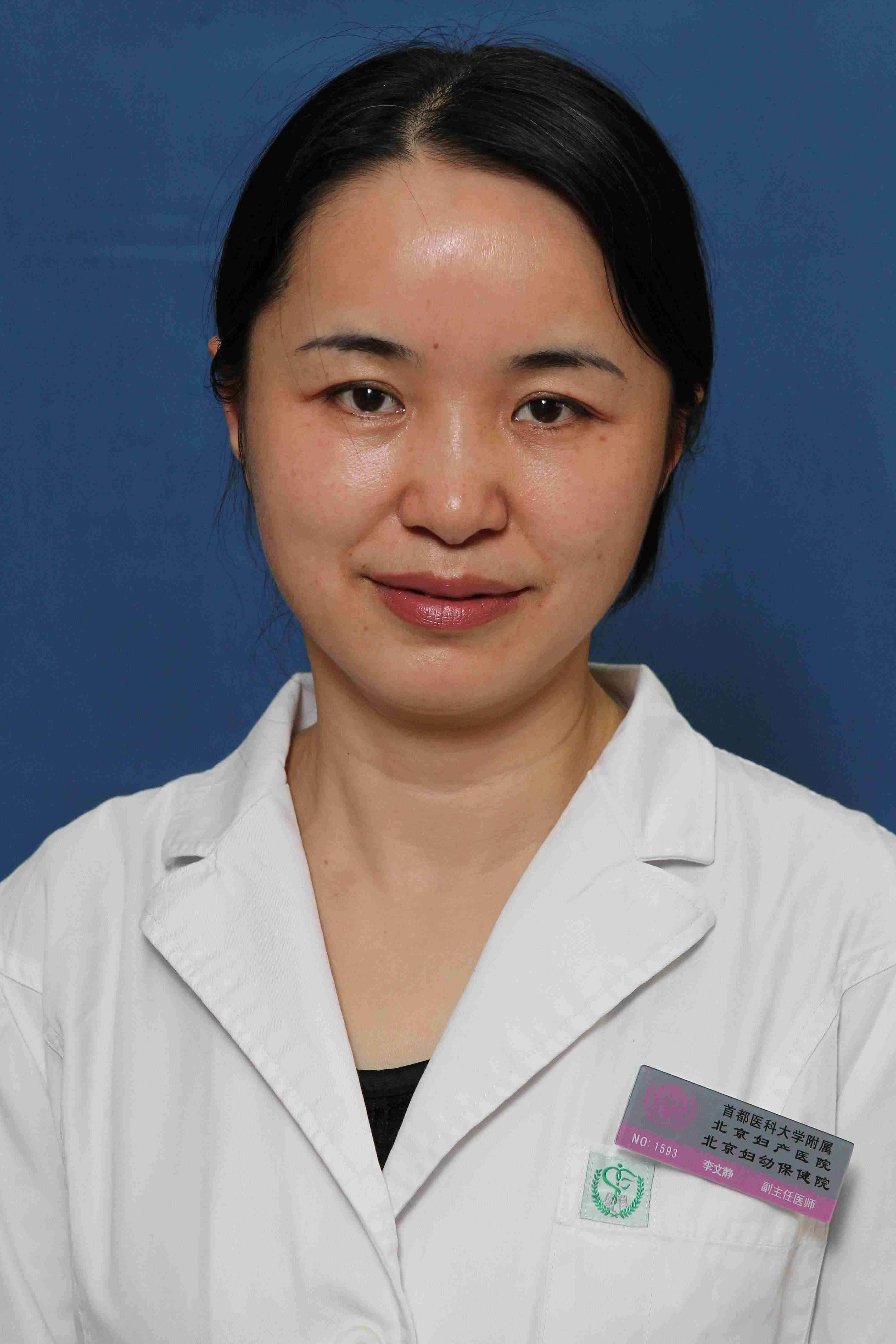 HuiHui Ceng (曾慧慧)合作论文数Beijing Obstetrics and Gynecology Hospital, Capital Medical University3
 Rong Mi (米荣)合作论文数Children′s Hospital, Capital Institute of Pediatrics3
 Xiaosong Li (李小松)合作论文数Beijing Children's Hospital, Capital Medical University3
 Yuhuan Liu (刘玉环)合作论文数首都医科大学附属第一医院3
 Hong Cui (崔红)合作论文数首都医科大学附属北京友谊医院3jing mu (穆静)合作论文数2Guo Guo (郭果)合作论文数2Ying-Xi Zuo合作论文数2Fang SUN (孙芳)合作论文数2ZhangYan Wang (王长燕)合作论文数2Suzhi Zhu (朱素知)合作论文数2
 Zhongna Sang (桑仲娜)合作论文数School of Public Health, Tianjin Medical University2
 Xiaomei Tong (童笑梅)合作论文数Department of Pediatrics, Peking University Third Hospital2
 Danhua Wang (王丹华)合作论文数.Department of Pediatrics,Peking Union Medical College Hospital,Chinese Academy of Medical Sciences,Beijing ,China2Qin Wu (吴芹)合作论文数2




