Head and neck cancers (HNCs) are common malignancies with generally unfavorable prognoses worldwide, among which squamous cell carcinoma (SCC) represents the predominant histological type. The Combined Positive Score (CPS), a key metric for evaluating PD-L1 expression, has demonstrated predictive value for response to immunotherapy across various solid tumors. However, its distribution patterns and clinical significance among tumors originating from different anatomical subsites within the head and neck region remain unclear.This retrospective study included 591 patients with malignant head and neck tumors treated at Beijing Tongren Hospital between January 2022 and November 2024, comprising 316 hypopharyngeal, 202 laryngeal, 45 oropharyngeal, and 28 nasal cavity and paranasal sinus carcinoma. PD-L1 expression was assessed using the PD-L1 IHC 22C3 pharmDx assay, and CPS was calculated accordingly. Results showed that the CPS was significantly lower in hypopharyngeal carcinoma (18.89 ± 21.65) compared to oropharyngeal carcinoma (24.71 ± 25.97; P < 0.05). Furthermore, CPS was negatively correlated with tumor differentiation in hypopharyngeal cancer (r = -0.1434, P = 0.018), with a similar trend observed in laryngeal cancer (P = 0.054), whereas no significant correlation was found in oropharyngeal or nasal cavity and paranasal sinus carcinoma.Survival analysis in the immunotherapy-treated subgroup revealed no statistically significant differences in overall survival (OS) or progression-free survival (PFS) between patients with CPS ≥ 20 and those with CPS < 20. However, in hypopharyngeal cancer, the CPS < 20 group exhibited a hazard ratio (HR) for death of 4.55 (95
Neoadjuvant immunotherapy combined with chemotherapy (NICT) improves tumor downstaging in locally advanced hypopharyngeal squamous cell carcinoma (LA-HSCC), but the effect of response-adapted surgery on outcomes is unclear. This study evaluated the efficacy and safety of NICT and compared minimally invasive versus open surgery on the basis of treatment response. We retrospectively analyzed 79 patients with stage III–IVB HSCC who received NICT. Treatment response was assessed per RECIST 1.1, and surgery was tailored accordingly. The objective response rate was 84.81
Hypopharyngeal squamous cell carcinoma (HSCC) is a highly malignant tumor type in the head and neck region. In recent years, neoadjuvant therapy has significantly improved the laryngeal preservation rate among patients. However, there are variations in the efficacy of neoadjuvant therapy, and the identification of reliable predictive biomarkers for its efficacy remains a challenging research focus. This study aims to explore the correlation between the expression of P53, P16, and Ki67 and the response to neoadjuvant therapy. A retrospective analysis was conducted on 120 patients who underwent neoadjuvant therapy at Beijing Tongren Hospital, Capital Medical University, from January 2021 to June 2024. Patients were grouped based on their treatment response and the type of neoadjuvant therapy received. Group analysis were employed to assess the predictive value of P53, P16, and Ki67 for treatment efficacy across different neoadjuvant therapy groups. A total of 120 patients were included in the study, with 60 patients each in the good response and poor response groups. The study comprised three neoadjuvant therapy groups: neoadjuvant chemotherapy, neoadjuvant targeted therapy combined with chemotherapy, and neoadjuvant immunotherapy combined with chemotherapy. Each group had 20 patients with good and poor responses, respectively. Among patients with P53 positivity, the effective rate after neoadjuvant therapy was 35.94
BACKGROUND:This retrospective case-control study investigated surgical outcomes of head and neck paragangliomas (HNPGLs) with varying degrees of sclerosis. METHODS:Data from 95 patients who underwent HNPGL surgery over 20 years were analyzed. Based on histology, tumors were classified as having non-significant (< 30%) or significant (≥ 30%) sclerosis. RESULTS:Seventy patients had non-significant sclerosis and 25 had significant sclerosis. The significant sclerosis group was younger (39 vs. 44 years, p = 0.026), had more multiple tumors (48% vs. 12.9%, p = 0.001), higher nerve injury rates (p = 0.021), and more vascular injuries (20.8% vs. 4.17%, p = 0.022). Multivariate analysis identified tumor volume (OR = 1.014, p = 0.005) and sclerosis degree (OR = 0.276, p = 0.013) as independent risk factors for severe complications involving both nerve and vascular injury. CONCLUSION:Sclerotic HNPGLs are associated with earlier onset, multiple tumors, and increased risk of intraoperative complications, suggesting unfavorable surgical outcomes.
Head and Neck Diseases Conflux is a pioneering international journal dedicated to catalyzing interdisciplinary research and clinical innovation in head and neck medicine. Central to our mission is the integration of diverse medical specialties and fostering global academic collaboration as cornerstones of scientific advancement. The intricate anatomy of the head and neck region, encompassing complex sensory, neurological, and vascular systems, necessitates seamless collaboration among ophthalmologists, otolaryngologists, neurosurgeons, and allied specialists. The journal champions the full spectrum of translational research, bridging fundamental molecular discoveries with cutting-edge clinical applications including minimally invasive endoscopic techniques, artificial intelligence-enhanced diagnostics, novel cold plasma therapeutics, robotic-assisted surgical precision, and personalized 3D-printed implants. Through our commitment to cultivating future medical leaders and upholding the highest standards of academic rigor, we aim to accelerate transformative technologies in precision medicine, tissue engineering, regenerative therapeutics, and gene-editing applications. By promoting global partnerships and scientific discourse, Head and Neck Diseases Conflux aspires to make substantial contributions to advancing healthcare through evidence-based innovation and clinical excellence.
ObjectiveTo explore the pathogenesis and prognostic factors of liposarcoma in the head and neck region, and simultaneously analyze the efficacy of different treatment regimens. MethodsA retrospective analysis was performed on all patients with primary untreated head and neck liposarcoma who were diagnosed and underwent surgical treatment at our hospital from January 2008 to January 2024. All patients were monitored during follow-up, and their prognoses were analyzed using SPSS software. ResultsA total of 30 patients were included in the study. Liposarcoma accounted for up to 60% of the cases in the orbit, while the remaining liposarcomas were primarily located in various interspaces of the neck. Dedifferentiated liposarcoma was the most common type, comprising 33%, while myxoid pleomorphic liposarcoma was the rarest at 4%. The tumor pathological type (P<0.001) and Ki67 (P=0.014) significantly affected the tumor control rate. However, an analysis of disease-specific survival rates revealed no significant differences across various factors (all P>0.05). ConclusionThe prognosis of head and neck liposarcoma is better compared to that of liposarcomas in other parts of the body. However, myxoid pleomorphic liposarcoma, pleomorphic fat sarcoma, and high Ki67 levels are indicators of poor prognosis. Additionally, postoperative adjuvant radiotherapy does not significantly enhance disease-specific survival rates.
OBJECTIVE:This study aimed to identify independent risk factors associated with pathological subtypes, disease progression, and adverse outcomes in Primary hyperparathyroidism (PHPT) by analyzing clinical characteristics, thereby informing individualized therapeutic strategies. METHODS:A retrospective analysis was conducted on 164 PHPT patients treated at Beijing Tongren Hospital from May 2009 to December 2024. The analysis encompassed demographic data, preoperative evaluations, surgical details, histopathological reports, and postoperative metabolic parameters. RESULTS:PHPT predominantly affected females, with 84.1% of cases diagnosed incidentally during routine examinations. Preoperative ultrasonography and radionuclide imaging demonstrated high diagnostic accuracy for lesion localization (97.4% and 75.4%, respectively). Parathyroidectomy effectively normalized serum calcium, Phosphate, and parathyroid hormone (PTH) levels (P < .001). However, delayed postoperative PTH recovery correlated with advanced age (P = .038), elevated preoperative PTH and calcium levels (P < .001), and larger lesion size (> 3 cm, P < .001). Among patients with preoperative hypercalcemia, male sex (p = .039) and relatively lower baseline serum calcium levels (p = .004), combined with baseline hypophosphatemia (p = .013), were associated with an increased risk of transient or permanent postoperative hypoparathyroidism. Benign solitary adenomas showed an 8.695-fold higher treatment efficacy than malignant lesions. Preoperative phosphate levels (P = .037) and lesion size (P = .037) emerged as discriminative predictors for pathological subtypes, while severe preoperative hypophosphatemia independently indicated poor therapeutic outcomes. Smaller lesions correlated with better postoperative calcium-phosphate recovery, whereas preoperative hypercalcemia and larger lesion volume significantly influenced PTH improvement magnitude (P < .001). CONCLUSION:Our findings affirmed parathyroidectomy's central role in PHPT management, highlighting substantial differences in treatment responses between benign and malignant cases. The study establishes a clinical decision-making framework combining preoperative imaging volumetry with serum PTH-calcium-phosphate profiling, enhancing pathological differentiation, guiding surgical planning, and predicting postoperative recovery trajectories. These insights enable more tailored therapeutic approaches, though validation through multicenter prospective studies remains essential for refining prognostic models and optimizing treatment protocols.
BACKGROUND AND OBJECTIVE:Objective voice analysis is vital for diagnosing voice diseases. Traditional vocal assessment parameters, such as jitter, have remained relatively unchanged over the past few decades. Cepstrum technology offers new ways to explore novel vocal assessment parameters. We aimed to explore new parameters applicable to objective voice analysis. METHOD:A total of 209 patients were analyzed, including 140 patients with hoarseness and 69 healthy controls. Traditional voice characteristics were extracted, and mel-frequency cepstral coefficient (MFCC) analysis was performed. Ten MFCC quantitative parameters were created by statistical analysis. The differences in these MFCC parameters between the two groups were compared. Machine learning algorithms were used to build models, and the importance of each feature was further analyzed on the basis of Shapley Additive exPlanations (SHAPs). RESULT:There were significant differences between the groups in MFCC-Mean, MFCC-variance (MFCC-Var), MFCC-standard deviation (MFCC-Std), MFCC-75th percentile range, MFCC-maximum value, MFCC-Median, MFCC-skewness, and MFCC-kurtosis values. The values of these parameters in the hoarseness group were significantly greater than those in the normal group. The accuracy, sensitivity, specificity, and the values of the area under the receiver operating characteristic (ROC) curve (AUC) of the hoarseness prediction model established using only the 8 MFCC parameters mentioned above were 95.2%, 94.7%, 96.3%, and 95.5%, respectively, which were only slightly lower than those of the model established using traditional voice assessment indicators, with accuracy, sensitivity, specificity, and AUC values of 96.4%, 96.4%, 96.3%, and 96.4%, respectively. This finding indicates that voice assessment can be performed successfully using only these new MFCC indicators. SHAP analysis revealed that MFCC-Mean, MFCC-Var, and MFCC-Std were the most important predictors of voice disorders. CONCLUSION:This study is the first to explore novel parameters applicable to objective vocal analysis and shows that parameters such as MFCC-Mean, MFCC-Var, and MFCC-Std are expected to become new voice evaluation indicators. LEVEL OF EVIDENCE: 3:
OBJECTIVES:Human papillomavirus (HPV) infection is closely related to upper respiratory mucosal lesions, and the most common disease is adult upper respiratory papilloma, which has a certain probability of cancer transformation.This study conducted in vitro tissue and cell experiments to explore the inflammatory mechanisms associated with HPV + adult laryngeal papilloma. METHODS:We compared differential expression of AIM2 and IL-1β between HPV (High-risk) negative and positive adult laryngeal papilloma patients. In vitro experiments were conducted to investigate the differences in expression of AIM2, Caspase-1, and IL-1β in HPV- and HPV+ upper respiratory mucosal cells. RESULTS:The expression level of AIM2 and IL-1β was higher in HPV (High-risk) positive papilloma tissue than HPV (High-risk) negative papilloma tissue. The expression of AIM2, Caspase-1, and IL-1β in HPV+ cells was also significantly higher than in HPV- cells. CONCLUSIONS:The expression of IL-1β mediated by AIM2 was associated with chronic inflammation of upper respiratory mucosal tissue caused by HPV infection, and it may yet be associated with further pathological changes.
BackgroundPatients with supraglottic laryngeal carcinoma need to receive swallowing rehabilitation training. During the COVID-19 pandemic, patients do not have the conditions to visit the hospital for follow up frequently, so it is imperative to explore a new remote rehabilitation training model based on network conditions.ObjectiveTo explore the effect of remote rehabilitation training mode on improving postoperative swallowing function in patients with supraglottic laryngeal carcinoma.MethodsPatients undergoing remote rehabilitation and video rehabilitation after surgical treatment for supraglottic laryngeal cancer, 16 each, were collected, and swallowing function at the start of transoral feeding was assessed as a baseline to compare swallowing function and the occurrence of complications at different stages of training.ResultsPatients in the remote group began to show significant improvement in subjective swallowing function from the second week (P < .001). In terms of objective swallowing function, although the remote group did not show a significant (P = .66) advantage initially, it was also significantly better than the control group in the fourth week (P<.001). These effects are even more impressive in patients undergoing open surgery (P<.001). When completed the rehabilitation phase, patients in the remote group had a better nutritional status (P = .03), especially postlaser surgery patients (P = .02).ConclusionsThe remote rehabilitation training model has an improving effect on patients with supraglottic laryngeal cancer postoperative swallowing disorder, which provides a theoretical basis for the design and improvement of the future remote rehabilitation training model. This study suggests that this training model should be incorporated into the daily postoperative management of patients with laryngeal cancer to improve the efficiency of patients' recovery, provide patients with real-time medical information, and relieve patients' anxiety, thus reducing the need for repeated visits and improving patients' postoperative quality of life.
To explore the characteristics of genomic variation patterns in Chinese patients with laryngeal and pharyngeal squamous cell carcinoma (SCC) and their correlation with differentiation and clinical significance. We analyzed genomic variations in 45 patients. Mutation patterns were evaluated using the 688 panel. We evaluated the correlation among degree of differentiation, patient prognosis, and mutation status and also analyzed 564 HNSCC samples from the UALCAN database. Significant differences were observed in overall survival (OS) and progression-free survival (PFS) among patients with different degrees of differentiation. Based on the DriverML model, we found that the genes with the highest mutation rates were neurogenic locus notch homolog protein 1 (NOTCH1), tumor protein 53 (TP53), FAT atypical cadherin 1 (FAT1), and mitogen-activated protein kinase kinase kinase 4 (MAP3 K4) (over 30
Immune system biomarkers in cancer pathogenesis offer new therapeutic avenues, as seen in cytokine (CK) profiles of laryngeal and hypopharyngeal tumors. A retrospective analysis was conducted on 58 patients with laryngeal and hypopharyngeal tumors and 27 patients with benign vocal cord lesions to explore the role of serum CKs in these diseases' characteristics and immunotherapy. The differences in the levels of 12 cytokines were measured. Additionally, the study examined the correlation between T helper cells (Th)1/Th2 cytokine levels and the clinical characteristics and immunotherapy efficacy of laryngeal and hypopharyngeal cancers. The results show that the balance of Th1/Th2 is biased towards Th2 in patients with laryngeal and hypopharyngeal tumors. Among these, interleukin (IL)-6 (P = 0.021) was highly expressed in laryngeal tumors, and the expression levels of IL-1β (P = 0.008), IL-6 (P = 0.005), and IL-8 (P = 0.05) were higher in patients with poorly differentiated laryngeal tumors. The level of IL-4 (P = 0.0048) was significantly correlated with tumor location. The expression levels of IL-2 (P = 0.010), IL-4 (P = 0.028), IL-10 (P = 0.011), IL-12p70 (P = 0.034), IL-17 (P = 0.024), tumor necrosis factor (TNF)-α (P = 0.003), and interferon (IFN)-γ (P = 0.007) were related to lymph node metastasis. The level of IFN-γ (P = 0.016) was correlated with the efficacy of neoadjuvant therapy, while the level of IFN-α (P = 0.013) was significantly correlated with programmed death ligand 1 (PD-L1) expression. The Principal Component Analysis (PCA) results showed that patients with tumors, poor differentiation, and lymph node metastasis had higher levels of Th1 and Th2 cytokine separation. In conclusion, the shift in the balance of Th1 and Th2 cytokine expression indicates higher tumor invasiveness, and IFN has potential as a circulating molecular marker for immunotherapy of head and neck squamous cell carcinoma.
Objective The Interleukin-1 (IL-1) family plays an important regulatory role in the development of tumors, but its function is still unclear in head and neck squamous cell carcinoma (HNSCC). Analyzing the IL-1 family can help to understand the tumor mechanism. Methods Using GEPIA2, UALCAN, cBioprotocol and HPA databases, the IL-1 family and related genes (IL-1α, IL-1β, IL1RN, IL1R1, IL1R2, IL1RL1, IL1RL2, IL1RAP, IL1RAPL1, IL1RAPL2, IL1F10, IL18, IL18BP, IL18R1, IL18RAP, IL36A, IL36B, IL36G, IL36RN, IL33, IL37, SIGIRR, CASP1, AIM2) were analyzed for their expression and prognostic relevance in HNSCC. The Kaplan-Meier, log-rank test and Spearman correlation were used to analysis. Results In tumors, IL-1α, IL-1β, IL1R1, IL1RL1, IL1F10, IL33, CASP1, and AIM2 are highly expressed, while IL1RN, IL1RAPL1, IL1RAPL2, IL18BP, IL18R1 and IL18RAP are poorly expressed. IL-1α, IL1RAP, and IL1RAPL2 were prognostic risk factors in at least two databases, while IL18RAP, IL36A, and SIGIRR were prognostic protective factors. SIGIRR was confirmed in all three databases. Compared to HPV- tumors, IL18RAP and SIGIRR are highly expressed in HPV+ tumors. In addition, IL-1α, IL-1β, IL1RL2, IL1RAP were negatively correlated with CD8A/B expression, while IL1R2, IL18R1, IL18RAP, IL33, SIGIRR, CASP1, AIM2 were positively correlated with CD8A/B expression. Conclusion The differential expression of the IL-1 family and related genes affects the microenvironment changes and survival prognosis of HNSCC patients. Among them, IL-1α, IL1RAP, IL18RAP, and SIGIRR may affect the prognosis of patients by affecting local CD8+ T cell infiltration in the tumor. Level of evidence 3.
Pharyngocutaneous fistula (PCF) is a major complication after total laryngectomy, with significant morbidity and mortality. Whether mechanical stapler closure of the pharynx reduces fistula rates compared to hand-sewn techniques remains unclear. We conducted an updated systematic review and meta-analysis to clarify this question. Five databases were systematically searched from inception through November 2023 for studies comparing stapler versus suture closure for fistula outcomes after laryngectomy. Odds ratios (OR) were pooled using random-effects models and fixed-effects models. Subgroup and sensitivity analyses were performed. Risk of bias was appraised using NHLBI tools. Nine studies with 803 patients were included. Mechanical closure significantly reduced fistula incidence versus suture closure (OR = 0.57, 95% CI 0.34-0.95, p = 0.03). Subgroup analysis found that stapling's protective effect varied by patient age, country/region, linear stapler size and female percentage. Stapling reduced fistula odds by 80% in the Turkey subgroup (OR = 0.20, 95% CI 0.09-0.50) but showed no benefit in other regions. Patients <60 years showed an 84% fistula reduction with stapling (OR = 0.17, 95% CI 0.06-0.45), whereas older subgroups did not. Linear stapler size of 60 mm significantly reduced fistula occurrence while 75 mm did not. There was no evidence that low female percentage mitigated stapling benefits. Mechanical stapler closure after total laryngectomy meaningfully reduces the likelihood of postoperative PCF formation compared to hand-sewn closure, especially for patients younger than 60 years old. The absolute risk reduction supports its utility to prevent this complication.
Non‑intestinal adenocarcinoma of the nasal cavity and paranasal sinuses (non‑ITAC) is a heterogeneous tumour that has rarely been reported in previous studies. We compared and analysed the symptoms, radiographic and pathological features, treatment methods, and prognosis of patients with low-grade (G1) and high-grade (G3) tumours. This was a retrospective study included 22 patients with pathologically confirmed non-ITAC of the nasal cavity and paranasal sinuses who were treated between January 2008 and December 2021 at a single centre. Of these, 11 patients had G1 tumours, and 11 patients had G3 tumours. Clinicopathological features, treatment methods, and survival outcomes were analysed. The median follow-up period was 48.5 months. Nasal congestion was the most common initial symptom, and the nasal cavity was the most frequently involved site. For G1 tumours, the main treatment was simple surgery, 1 and 3‑year overall survival (OS) rates were 100 and 88.9
AbstractObjectiveTo retrospective analysis of the epidemiological and clinical characteristics of parotid gland tumors, and to explore the value of ultrasound in the differentiation of benign and malignant parotid gland tumors.MethodsThe clinical data of 350 patients with parotid gland tumors in our hospital from 2002 to 2022 were retrospectively analyzed. These patients were examined by ultrasound. The postoperative pathological test results were used as the “gold standard” to verify and analyze the value of color Doppler ultrasound in the differential diagnosis of benign and malignant parotid tumors (PT).ResultsThe male‐to‐female ratio of 350 patients with parotid gland tumors was 1.16:1. The age of patients ranged from 12 to 87 years old. Patients aged 40–65 years accounted for 54.6%, which was the most common age of parotid gland tumors. Among 350 cases, 259 were benign and 91 were malignant. The top three benign PTs were pleomorphic adenoma, Warthin tumor, and basal cell adenoma. The top three malignant tumors were mucoepidermoid carcinoma, acinar cell carcinoma, and adenoid cystic carcinoma. The specificity, sensitivity, accuracy, positive predictive value, and negative predictive value of ultrasonography in the diagnosis of benign and malignant parotid masses were 96.53%, 69.23%, 89.43%, 87.50%, and 87.72%, respectively.ConclusionThe pathological types of parotid gland tumors are complex and diverse. Ultrasonography has high accuracy in the diagnosis of PT, which can provide important evidence for the differentiation of benign and malignant PT, and then assist in the clinical selection of individualized surgical programs.
Background:Lateral cervical lymph node metastasis (LLNM) is a well-established prognostic factor influencing recurrence and survival in patients with papillary thyroid carcinoma (PTC). However, the accuracy of preoperative imaging examinations is limited. We have pioneered a minimally invasive technique-endoscopic thyroidectomy via sternocleidomastoid muscle posteroinferior approach (ETSPIA). This technique facilitates selective lateral neck lymph node dissection while excising thyroid lesions, effectively eradicating occult lateral cervical lymph node metastasis (OLLNM) without the need for extended incisions. This study investigates the diagnostic and therapeutic value of ETSPIA in managing OLLNM in PTC. Methods:A retrospective analysis was conducted on the clinical data of 142 patients with primary PTC who underwent ETSPIA at Beijing Tongren Hospital from November 2022 to June 2024. All patients underwent lateral cervical lymph node exploration: intraoperative examination first targeted the medial lymph nodes of the internal jugular vein, with frozen section analysis; if positive, the external lymph nodes of the internal jugular vein were subsequently addressed. The study recorded cases of LLNM and analyzed factors influencing OLLNM. Results:Excluding 8 patients with preoperatively detected evident LLNM via ultrasound, 33 out of 134 patients (24.6%) exhibited OLLNM. This subgroup included 19 males and 14 females, with a median age of 34 years. The tumor-node-metastasis (TNM) staging revealed 17 cases of T1a, 7 cases of T1b, 4 cases of T2, and 4 cases of T3b. The tumors were located in the thyroid upper pole in 12 cases, the middle part in 15 cases, and the lower pole in 6 cases, with 26 cases presenting with solitary tumors and 7 with multiple lesions. Extrathyroidal extension was observed in 4 cases. Over a median follow-up period of 17 months, no severe complications were reported. Univariate analysis identified male gender, younger age, tumor T stage, preoperative ultrasound indication of upper pole thyroid tumors, and extrathyroidal extension as factors associated with OLLNM (P<0.001, P=0.02, P=0.007, P<0.001, P=0.003 respectively). Multivariate regression analysis demonstrated that male gender, younger age, and preoperative ultrasound indication of upper pole thyroid tumors were independent risk factors for OLLNM in PTC (P=0.001, P=0.006, P=0.02, P=0.002, respectively). Conclusions:As a novel minimally invasive endoscopic thyroid approach, ETSPIA allows for the excision of thyroid lesions while addressing lateral cervical metastatic lymph nodes. It demonstrates favorable cosmetic outcomes and safety, offering a viable alternative for the management of thyroid cancer.
TPS6123 Background: There is still a huge need for treatment of operable locally advanced head and neck squamous cell carcinoma (LA HNSCC). Multiple phase 2 studies have shown that PD-1 combined with chemotherapy has good short-term efficacy, especially the pathological complete response (pCR) rate exceeds 30%, which is also considered to be an important factor in the survival benefit that neoadjuvant immune therapy may bring. The randomized, open-label, phase 3 EFFECT-neo study (NCT06102395) will evaluate efficacy and safety of pembrolizumab plus chemotherapy versus chemotherapy as neoadjuvant therapy in patients with resectable LA HNSCC. Methods: Patients with untreated LA HNSCC who met the inclusion criteria will be randomly assigned 1:1 to two treatment arms. Experimental group will be given 2 cycles of pembrolizumab (200mg d1, Q3W) + chemotherapy (perfer TPF regimens) . Control group will undergo 2 cycles of chemotherapy. Both two arms should finish imaging evaluation, and If the result is CR after neoadjuvant treatment, radiotherapy (RT) (60-70Gy) ± chemotherapy (investigator's choice) will be given as adjuvant treatment; if the result are PR or SD, surgery (within 2 weeks) will be performed, and then RT ± chemotherapy will be given. If the imaging evaluation is PD, patients will be received standard treatment. Enrolled patients must closely monitor the adverse reactions of chemotherapy and record the time, grade, treatment measures, outcomes, etc. All patients will be reviewed every 3 months for 1 year; after 1 year, they were reviewed every 6 months for 3 years; patient recurrence and survival data were recorded. Eligibility criteria will include age ≥18 years; untreated with immunotherapy, resectable, stage III/IVB HNSCC (AJCC Cancer Staging Manual, 8th edition); ECOG performance status 0-2; and the investigators believe that patients can safely receive pembrolizumab combined with chemotherapy in neoadjuvant chemotherapy. Randomization treatment will continue until disease progression, unacceptable toxicity, or decision to withdraw. Primary end points is pCR, defined as the absence of residual invasive squamous cell carcinoma within the primary tumor specimen on resection/needle biopsy (Patients with CR imaging results will undergo multi-point biopsy). Secondary end points include objective response rate, 1-year and 2-year event-free survival rates, 2-year overall survival rate, functional preservation rate, safety and Karnofsky performance status. Recruitment is ongoing and will continue until 272 patients are enrolled. Clinical trial information: NCT06102395 .
ObjectiveTo investigate the clinical efficacy, preservation of laryngeal function, and safety differences between PD-1 inhibitors combined with chemotherapy, and targeted therapy combined with chemotherapy in LA HPSCC patients.MethodsThis was a retrospective analysis of patients with LA HPSCC treated at Beijing Tongren Hospital, Capital Medical University from October, 2020 to March, 2024. A total of 110 eligible patients were included, 56 in the PD-1 inhibitors combined with chemotherapy group (Group A), and 54 in the targeted therapy combined with chemotherapy group (Group B). Relevant clinical data were collected, and the clinical efficacy, preservation of laryngeal function, complete response (CR) rate, pathological complete response (pCR) rate, major pathological response (MPR), and treatment-related adverse events (TRAEs) of the two groups were analyzed and compared.ResultsIn both groups A and B, the objective response rate (ORR) and disease control rate (DCR) were similar with no significant differences, but the pCR rate in Group A was much higher than that in Group B, at 37.5% and 7.4%, respectively (p<0.001). The rate of primary tumor downstaging in group A was much higher than that in group B (76.8% vs. 38.9%) as well (p<0.0001). In addition, the 1y-OS rate in group A was 95.7%, compared to 87.0% in group B (p=0.106, HR=0.34; 95% CI: 0.114-1.013), and the 1y-PFS rate was 89.4% in group A compared to 85.2% in group B (p=0.399, HR=0.675; 95% CI: 0.275-1.659). Furthermore, the larynx function preservation rate was significantly higher in group A at 85.7%, compared to that of group B at only 66.7% (p=0.019). There were no deaths due to TRAEs in either group, and there was no significant difference in the incidence of grade 3-4 TRAEs between the two groups either (p=0.77). The main TRAEs in Group A were metabolism and nutrition disorders (52/56, 92.9%) and, in Group B were blood and lymphatic system disorders (40/54, 74.1%).ConclusionsPD-1 inhibitors combined with chemotherapy showed better short-term efficacy compared to targeted therapy. Additionally, a trend toward improved long-term survival was observed with PD-1 inhibitors but not with targeted therapy. Results for both groups indicate that neoadjuvant therapy is both safe and manageable.
Head and neck mucosal melanoma is one of the most common types of melanoma in China, but the prognosis is worse than other types, and there is no effective treatment plan to improve patient survival. This study analyzes the efficacy of hypofractionation radiotherapy combined with PD-1 inhibitor in the treatment of head and neck mucosal melanoma, as well as its impact on the tumor immune microenvironment. NPSG mice were used to construct a humanized bilateral lesion tumor model of the humanized immune system. The models were divided into an RT (8 Gy)+anti PD-1 group, an RT (2 GyX4)+anti PD-1 group, an Anti PD-1 group, an RT (8 Gy) group, and a blank group. Differences in efficacy and immune cells in blood, lymph nodes, and tumor tissues were compared between different treatment groups. The treatment effect of RT (8 Gy)+anti PD-1 was better than the other groups with a tumor growth inhibition value (TGI) over 60%. Significant recruitment and activation of CD8+T cells were found in the blood, lymph nodes, and tumor tissues and significantly inhibited the level of PD-1+CD8+T cells in the group of RT (8 Gy)+anti PD-1. This study confirmed the efficacy of hypofractionation radiotherapy combined with PD-1 inhibitors, which can inhibit tumor growth and produce distant effects. The appearance of a distant effect is related to the enhancement in the number and activity of CD8+T cells in the local tumor and peripheral blood and lymph nodes. This study confirms the therapeutic and immune regulatory effect of hypofractionation radiotherapy combined with PD-1 inhibitors.
 Xiaohong Chen (陈晓红)合作论文数Beijing Tongren Hospital, Capital Medical University144
 Jugao Fang (房居高)合作论文数Department of Otolaryngology Head and Neck Surgery, Beijing Tongren Hospital, Capital Medical University100
 Yang Zhang (张洋)合作论文数Beijing Tongren Hospital, Capital Medical University75
 Qi Zhong (钟琦)合作论文数Beijing Tongren Hospital, Capital Medical University59
 Gaofei Yin合作论文数56Junwei Huang合作论文数43
 Demin Han (韩德民)合作论文数Beijing Tongren Hospital, Capital Medical University;Beijing Institute of Otolaryngology;School of Public Health, Capital Medical University41
 Zhenkun Yu (于振坤)合作论文数BenQ Medical Center;The Fourth School of Clinical Medicine, Nanjing Medical University35
 Xin Ni (倪鑫)合作论文数Beijing Children’s Hospital, Capital Medical University;Graduate School of Capital Medical University35XueJun Chen (陈学军)合作论文数34Hongbo Xu合作论文数32Lizhen Hou合作论文数27
 Pingdong Li (李平栋)合作论文数Beijing Tongren Hospital, Capital Medical University27
 WeiGuo Zhou (周维国)合作论文数Beijing Tongren Hospital, CMU25Guojun Li (李国俊)合作论文数24Hongfei LIU (刘宏飞)合作论文数20
 Qi Wang (王琪)合作论文数Department of Otolaryngology Head and Neck Surgery,Beijing Tongren Hospital,Capital Medical University20Zufei LI (李祖飞)合作论文数19Hongzhi Ma合作论文数19
 Wei Guo (郭伟)合作论文数Beijing Friendship Hospital, Capital Medical University19HanYuan Duan (段翰源)合作论文数15Shuo Ding合作论文数14
 Qingyi Wei (魏庆义)合作论文数Department of Medicine, School of Medicine, Duke University;Medicial Center, Duke Unuversity;Fudan University12Erzhong Fan (范尔钟)合作论文数11
 Erich M. Sturgis合作论文数Department of Head and Neck Surgery, The University of Texas M.D. Anderson Cancer Center/Population Science & Cancer Control, UT Southwestern Simmons Comprehensive Cancer Center/Head and Neck Surgery, Baylor College of Medicine10
 Shizhi He合作论文数9Wang Ru合作论文数9Zheng Yang合作论文数8Ling Feng (冯凌)合作论文数8
 Wen Gao (高文)合作论文数Beijing Chao-Yang Hospital, Capital Medical University8
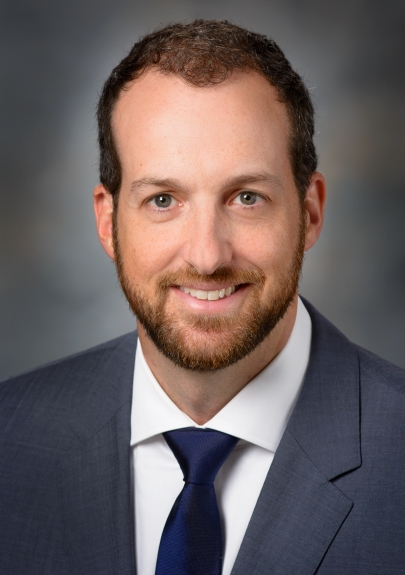 Neil D. Gross合作论文数Department of Head and Neck Surgery, Division of Surgery, The University of Texas MD Anderson Cancer Center7Nuan Li合作论文数6
 Meng Lian (廉盟)合作论文数School of Optoelectronic Engineering and Instrumentation Science, Dalian University of Technology6
 Wen Xu (徐文)合作论文数Beijing Tongren Hospital, Capital Medical University6Yifan Yang合作论文数5Zeyang Liu (刘泽阳)合作论文数5Ding Yi-Ming合作论文数5Denghua Yang (杨登化)合作论文数5
 Jun Tai (邰隽)合作论文数Beijing Children's Hospital, Capital Medical University5
 Zhengya Yu (郁正亚)合作论文数Beijing Tongren Hospital, Capital Medical University5Ying LI (李颖)合作论文数4Jianming YANG (杨见明)合作论文数4YanMing Hu (胡燕明)合作论文数4HongZhi Ma (马泓智)合作论文数4YuanSheng Rao (饶远生)合作论文数4
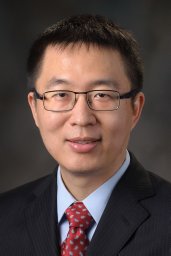 Peng Wei合作论文数University of Texas School of Public Health, Univ. of Texas Sch. of Public Health4
 Jingwu Sun (孙敬武)合作论文数Department of Life Sciences and Medicine, University of Science and Technology of China;The First Affiliated Hospital, University of Science and Technology of China4




