Traffic Signal Control (TSC) is a significant challenge within intelligent transportation systems. As Vehicle-to-Everything (V2X) technology advances, TSC systems are increasingly able to utilize extensive vehicle driving data to enhance decision-making. This paper proposes a reinforcement learning-based model for TSC at urban intersections. We design a vehicle driving information matrix that integrates vehicle position and speed information. The state space includes vehicle driving information and the current traffic signal phase. The action space includes various traffic signal phases. To efficiently extract traffic features from the large state space, the model incorporates an attention mechanism within the neural network. The simulation results on the Simulation of Urban Mobility (SUMO) demonstrate the convergence and generalization capabilities of our model, showing significant advantages in trip duration compared to several benchmark methods. Ablation studies further validate the effectiveness of our proposed position-speed fusion matrix and attention mechanism in extracting traffic feature representations.
The quantum oscillator model plays a significant role in quantum optics and quantum information and has been one of the hot topics in related research fields. Inspired by the single-mode linear harmonic oscillator and the two-mode entangled state representation, we construct a two-mode coupled harmonic oscillator in this work. Different from the quantum transformation method used in previous literature, the entangled state representation is directly used in this work to solve its energy eigenvalues and eigenfunctions easily. The energy eigenvalues and eigenfunctions of this two-mode coupled harmonic oscillator are continuous compared with those of the one-mode harmonic oscillator.Using the matrix theory of quantum operators, we derive the transformation and inverse transformation of the time evolution operator corresponding to the two-mode coupled harmonic oscillator. In addition, using the entangled state representation, the specific form of the time evolution of the two-mode vacuum state under the action of the oscillator is obtained. Through the analysis of quantum fidelity, it is found that the fidelity of the output quantum state decreases with the oscillator frequency increasing, and the fidelity eventually tends to zero with the increase of time.When analyzing the orthogonal squeezing properties of the output quantum state, this type of two-mode oscillator does not have the orthogonal squeezing effect, but it has a strong quantum dissipation effect instead. This conclusion is further verified by the quasi-probability distribution Q function of the quantum state phase space. Therefore, the two-mode coupled harmonic oscillator has a major reference value in quantum control such as quantum decoherence and quantum information transmission.Like the two-mode squeezed vacuum state, the photon distribution of the output quantum light field corresponding to the two-mode harmonic oscillator presents a super-Poisson distribution, and the photons exhibit a strong anti-bunching effect. Using the three-dimensional discrete plot of the photon number distribution, the super-Poisson distribution and quantum dissipation effect of the output quantum state are intuitively demonstrated.Finally, the SV, which is an entanglement criterion, is used to determine that the output quantum state has a high degree of entanglement. Further numerical analysis shows that the degree of entanglement increases with the action time and the oscillator frequency.In summary, the two-mode coupled harmonic oscillator constructed in this work can be used to prepare highly entangled quantum states through a complete quantum dissipation process. This provides theoretical support for experimental preparing quantum entangled states based on dissipative mechanisms.
We introduce a two-mode hybrid entangled state (NAAN) which is constructed by two n-photon Fock states and two coherent states with an arbitrary relative phase. We show that the NAAN can be considered as the superpositions of NOON states when $$\alpha \ne 0$$ . In the special case, when $$\alpha = 0$$ , the NAAN degenerates to the general NOON. The most interesting nonclassical properties of this state are its strong violations of the CHSH inequality. In addition, we show explicitly some typical nonclassical properties of the NAAN state, such as entanglement, sub-Poissonian distribution, phase fluctuation and squeezing. These findings suggest that the even NAAN states exhibit a high degree of entanglement, while the odd NAAN states have a distinct sub-Poissonian distribution and the optimal phase sensitivity.
With the rapid development of deep learning techniques, monocular 3D vehicle detection has become a hot research field. Compared to traditional 2D vehicle detection, 3D detection provides more detailed information about vehicles, such as their dimensions (length, width, height), orientation angles, and more. However, this also places higher demands on the algorithms used.We present a two-stage monocular 3D vehicle detection framework that integrates foreground depth fusion. In the initial stage, a 2D detector is employed to generate 2D bounding boxes from the input images, followed by hierarchical annotation of different detection targets. In the subsequent stage, we fuse the foreground depth and hierarchical information to derive accurate 3D information for the identified objects. Experimental evaluation on the DAIR-V2X dataset showcases superior performance of our network compared to other approaches in handling occlusion issues.
Parallel Transportation Systems (PTSs) are emerging technique for Intelligent Transportation Systems (ITS), and offer an effective way for evaluating various traffic plan, traffic management and traffic control schemes. In PTSs, parallel computing is utilized to achieve quick simulation of urban real traffic. It is essential to partitioning road network properly for the purpose of load balancing. Due to the strong coupling and dynamics, simulation road network partition is a challenging problem. The existing road network partitioning algorithms have some drawbacks such as high complexity and difficulty to fulfilling load balancing. By introducing the image analysis theory, we propose a quick partitioning algorithm of simulation road network. In this work, simulation road network with traffic flow is converted into the corresponding gray image, and then it is partitioned quickly according to the image region features. The cutting links are adjusted by considering computing complexity and communication cost comprehensively, so as to realize load balancing of different processors. The experimental results demonstrate that compared with the existing algorithm, our algorithm has much lower computing complexity and better load balancing performances.
In this paper, we mainly focus on analyzing the fidelity, parity measurement, phase sensitivity and entanglement properties of the output states corresponding to three quantum superposition coherent states, i.e. even coherent state (ECS), Yurke-Stoler state (YSS) and odd coherent state (OCS). Our results show that the OCS characterizes super-resolution in the phase measurement via parity measurement at the output ports of a Mach–Zehnder interferometer. In addition, we find that the optimal phase sensitivity may approach the Heisenberg limit which is independent of the superposition coefficient of the coherent states. An interesting finding is that the macroscopically entangled coherent states can be experimentally prepared by adjusting the parameters of the nonlinear phase shifter of the MZI.
Introduction: Blood cancer poses serious threats to human health, and the diagnosis of blood cancer is still facing certain challenges.The chemometrics method combined with laser-induced breakdown spectroscopy (LIBS) can be used for cancer detection.However, it was easily influenced by the spectral feature redundancy and noise, resulting in a low accuracy rate.Thus, it is essential to develop more effective methods for blood cancer diagnosis.Methods: We proposed an approach using LIBS combined with the ensemble learning based on the random subspace method (RSM).The blood cancer serum samples including lymphoma, multiple myeloma (MM), chronic myelogenous leukemia (CML) and acute myeloid leukemia (AML) were dripped onto a boric acid substrate for LIBS spectrum collection.Results: The results showed that these four cancer types could be distinguished by the RSM-LDA model.Compare with linear discriminant analysis (LDA) and k nearest neighbors (kNN), the RSM-LDA model has the highest average accuracy rate and Area Under Curve (AUC), suggesting the RSM-LDA model has the best classification performance.With the RSM-LDA model, the average accuracy rates for lymphoma vs healthy control (HC), MM vs HC, CML vs HC and AML vs HC were from 94.38%, 94.61%, 94.49% and 94.33% to 96.62%, 98.78%, 96.54% and 98.77%, respectively.For cancerous samples classification, the detectable rate was evaluated with the average detectable rates of lymphoma vs HC, MM vs HC, CML vs HC and AML vs HC and were 89.86%, 92.94%, 89.17% and 93.33%, respectively.Furthermore, the average accuracy rate was improved to 91.00%, and 8% of MM spectra and 6% of lymphoma spectra were misidentified to CML calculated.For blood cancer types identification, the detectable rates of lymphoma, MM, CML and AML were 93.75%, 90.00%, 86.67% and 93.33%, respectively, which means the RSM-LDA model can improve the diagnostic performance.Conclusions: In conclusion, the RSM-LDA model provides an effective pattern recognition method for LIBS analysis in blood cancer discrimination.
With the rapid development of programmable data plane (PDP), both segment routing (SR) and in-band network telemetry (INT) have attracted intensive interests. Hence, we have previously proposed the technique of SR-INT, which explores the benefits of SR and INT simultaneously and gets rid of the hassle of the accumulated overheads of them. In this work, we further expand the advantage of SR-INT by studying how to plan the SR-INT schemes of flows at the network level to balance the tradeoff between bandwidth usage and coverage of network monitoring, namely, the problem of "SR-INT orchestration". A mixed integer linear programming model (MILP) is first formulated for the problem, and we prove its NP-hardness. Then, to reduce the time complexity of problem-solving, we propose a novel greedy algorithm based on path ranking and a column generation (CG) based approximation algorithm. Extensive simulations verify the performance of our proposed algorithms.
The real-time data acquisition is an important foundation for Parallel Transportation Systems (PTSs). In practical application, due to the sensor or communication faults, it leads to traffic flow data missing, which will affect the computational experiments and decision-making of the parallel transportation system. Inspired by the idea of parallel intelligence, in this work, we use discrete wavelet transform (DWT) to decompose the complete traffic flow data into low-frequency data and high-frequency data. These decomposed sequences are used as training data for Generative Adversarial Network (GAN) to generate two sequences with different frequencies. A Denoising Autoencoder (DAE) is introduced to interpolate the missing traffic flow data. And it is trained by the dataset through combining the real-time traffic flow data and the generated data. The computational experiments are carried out by using the PeMS dataset. The experimental results show that our algorithm can generate more realistic traffic flow data and improve the performance of data interpolation for missing traffic flow data.
Accurate and efficient short-term traffic flow prediction is critical for intelligent transportation systems. Traffic flow data has characteristics such as non-stationarity, dynamics, and spatial correlation, no particular method significantly outperforms all others. This paper focuses on the ensemble learning models which can benefit from multiple base models. Firstly, the spatiotemporal cross features are obtained through feature engineering strategies and feature selection strategies, and the lightweight decision tree algorithm LightGBM based on GBDT is used to combine these features to mine spatiotemporal correlation information. Secondly, graph convolution network (GCN) is used to mine the spatial correlations of traffic flow from different observation locations. Thirdly, long short-term memory network (LSTM) is applied to extract the temporal features of the traffic flow. The blending ensemble learning algorithm gives out the prediction results by integrating above three models. This proposed method is validated by using the PeMS04 dataset, and the results show that proposed method performs better than other methods in traffic flow prediction.
Based on two-mode continuous Hadamard gate (TCHG) and multi-photon catalysis, this paper presents a scheme to generate non-classical quantum states via coherent state. When considering the m-photon input and m-photon detection in a-mode, the output state is obtained for the input coherent in b-mode. An interesting finding is that as the amplitude of the output coherent state increases, both the detection efficiency and the fidelity of the output quantum state gradually approach zero. Thus, only certain low-intensity quantum light field states can pass through Hadamard gate. In addition, the quantum statistical distribution and squeezing properties of the output quantum states are also analyzed in detail. Our results show that TCHG is a powerful tool for generating non-classical quantum states under multi-photon catalysis.
Due to the spatial-temporal imbalance of different traffic flow directions in intersection region, it is highly difficult for static channelization layout to improve traffic capacity. In this work, we proposed a variable lane control method for entrance lanes of intersection. The second lane from central isolation belt is set as variable lane. The short-term traffic flows of different directions are predicted by using Kalman predictor method. According to the traffic flow proportions of different directions, the mutual conversion between left-turn lane and go-straight lane can be carried out. SUMO simulator is used to evaluate our method. The experimental results show the method proposed is feasible and superior, it can reduce the average delays in the intersection markedly and can provide an effective means for variable lane control.
In recent years, automatic driving and Internet of Vehicles technology have made great progress. Road oriented the traditional traffic flow prediction methods can no longer meet the needs of automatic driving, lane-level map navigation. This paper takes urban lanes as the research object, and proposes a traffic flow prediction model for urban lanes. First, a boosting based Catboost model is introduced to construct a series of spatiotemporal features and perform feature selection to reduce the model bias. Second, the model variance is reduced by using bagging-based random forest algorithm. Third, a long short-term memory network (LSTM) is used to extract the temporal trend of traffic flow in the current lane. The prediction results of these three models are finally integrated by the method of stacking ensemble learning. The proposed method is evaluated with the dataset collected from real intersections in Wuxi city. The experimental results show that our model has higher prediction precision than other methods.
Plastic recycling is an effective strategy to solve the shortage of national resources and improve the ecological environment. Herein, a novel approach was proposed to identify different colored plastics using laser-induced breakdown spectroscopy (LIBS) by neighborhood component analysis (NCA) and support vector machine (SVM). Six kinds of plastics (PVC, POM, ABS, PP, PA, and PE) with multiple colors were used to verify the feasibility of this method. Firstly, the types of plastics were classified by SVM, and the average accuracy about 97% was obtained. Then the same type of plastics with multiple colors was classified by SVM, and more than 99% average accuracy was acquired. However, the average accuracy of PVC by SVM was only 82%. To improve the average identification accuracy of PVC, the neighborhood component analysis (NCA) was used for feature selection by evaluating the weights of spectral lines. The spectral lines of focus elements (hydrogen (H), potassium (K), carbon (C), etc.) with higher weight were used as the input of SVM. The average accuracy of NCA-SVM was 91%, which higher than 9% and 5% with SVM and principal component analysis (PCA) combined with SVM (PCA -SVM), respectively. The results demonstrated that LIBS with the SVM and NCA-SVM can acquire high accuracy identification of different plastics, as well as recognition of the same type of plastics with different colors.
金融时间序列预测遵循不同的模式,由于用户行为的改变或环境本身的改变,这些模式可能随着时间的推移而改变.股票走势预测作为金融时间序列预测中最具挑战性的任务之一,目前的研究主要集中在公开市场数据上,而没有充分考虑行情局部趋势特征模式和交易行为相关性分析.本文提出了一个融合历史交易数据和关联市场信息的面向局部特征模式的深度神经网络趋势预测模型.首先,通过改进的Zigzag技术指标识别算法识别金融时间序列的重要点,并对局部趋势特征进行建模;然后,利用知识图谱和图嵌入技术来融合市场信息和行情交易特征信息,并与感知重要点等K线指标信息进行多特征融合.最后,将上述这些信息输入到基于注意力的双向长短期记忆网络进行股价走势预测.实验结果表明,所提出的模型具有较好的有效性、可用性与稳健性.
The fast development of cloud computing and Big Data applications has promoted virtualization technologies such as network function virtualization (NFV), which in turn dramatically increased the amount of sensitive data being transmitted over the optical networks for datacenter interconnections (DCIs). To ensure the physical-layer security in DCIs, people have developed optical transport network (OTN) encryption technologies, i.e., leveraging high-speed encryption cards (ECs) to encrypt OTN payload frames. Although experimental studies have confirmed the benefits of ECs in terms of line-speed processing, low latency, and small encryption overhead, the problem of how to utilize them to build a secure packet-over-optical network with high cost-effectiveness has not been explored yet. In this paper, we study how to realize cost-effective and security-aware multilayer planning in a packet-over-optical network that covers both trusted and untrusted zones, in consideration of OTN encryption. We first formulate an integer linear programming (ILP) model to minimize the total capital expenditure (CAPEX) of the multilayer planning, which includes the costs of OTN linecards (LCs), ECs, and bandwidth resources, and solve the optimization exactly. Then, we prove the NP-hardness of the multilayer planning, and to reduce the time complexity, we propose a column generation (CG) model and design a more time-efficient approximation algorithm based on it. Our simulation results confirm the performance and advantages of our CG-based proposal, i.e., it is much more time-efficient than solving the ILP directly, and outperform the existing heuristic in terms of total CAPEX and costs of used LCs and ECs.
We show that chaotic state can be produced as an output of vacuum state evolving in diffusion channel, while displaced chaotic state is output of a coherent state evolving in diffusion channel. We also introduce the thermo vaccum state for the displaced chaotic state and evaluate the average photon number. The displaced chaotic state may be used exhibiting quantum controlling.
In this paper we present a deduction of the Hellmann-Feynman (HF) theorem for the lowest eigenenergy $E_{0}\left (\lambda \right ) $ of a Hamiltonian $ H\left (\lambda \right ) $, that is : its second-order derivative with respect to he parameter $\lambda ,\frac {\partial ^{2}E_{0}}{\partial \lambda ^{2}},$ is always less than the expectation value of $\frac {\partial ^{2}H\left (\lambda \right ) }{\partial \lambda ^{2}}$ in the ground state. We also point out that the above deduction does not hold for the FH theorem in ensemble average. The electric polarizability of molecules is studied by the deduction of the HF theorem
为有效降低城市交通干线的车均延误与停车次数,将深度 Q 网络引入干线协调控制,给出了一种干线动态协调控制的 DDDQN(Dueling Double Deep Q Network)方法.该方法结合双重深度 Q 网络与基于竞争架构深度 Q 网络,并将干线作为整体处理,通过深度神经网络挖掘干线各交叉口协调控制的相关性,基于 Q 学习进行交通信号控制决策.通过仿真实验,在近饱和流量和干线存在初始排队的情况下,将DDDQN 方法与现有绿波方法,以及经典深度 Q 网络、双重深度 Q 网络、基于竞争架构深度 Q 网络的干线协调控制算法进行对比,实验结果表明基于 DDDQN 的干线动态协调控制算法性能优于其他四种方法.
 Yongning Tang合作论文数School of Information Technology, Illinois State University10
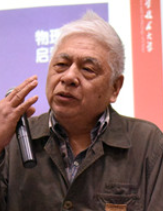 Hong-Yi Fan (范洪义)合作论文数Department of Materials Science and Engineering, School of Chemistry and Materials Science, University of Science and Technology of China9
 Zonghai Chen (陈宗海)合作论文数Department of Automation, School of Information Science and Technology, University of Science and Technology of China8
 Dali Wei合作论文数Airbnb, INC8
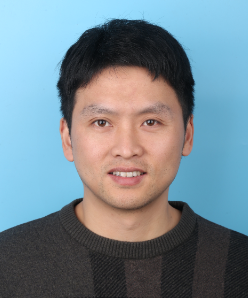 Xiaowei Qin (秦晓卫)合作论文数School of Information Science and Technology, University of Science and Technology of China8
 Tongshuang Zhang (张同双)合作论文数7Xinxin Sun合作论文数5Gang Ren合作论文数4ZhenLong Song (宋振龙)合作论文数4Shouyang Long (龙寿阳)合作论文数4
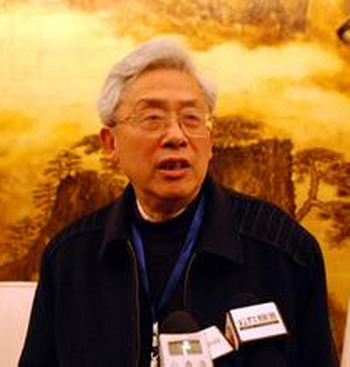 Tingjian Fang合作论文数中国科学院合肥智能机械研究所4
 Wenbin Wu (吴文彬)合作论文数University of Science and Technology of China4Weiguo Geng (耿卫国)合作论文数4Bao-Long Fang合作论文数4Tao-tao XU (许涛涛)合作论文数3ShengBing Xiao (肖圣兵)合作论文数3ZiHuan Zhu (朱子环)合作论文数3Wei Zhang (张伟)合作论文数3Xianhu Tan (谭现虎)合作论文数3Zixuan Zhao (赵子轩)合作论文数3
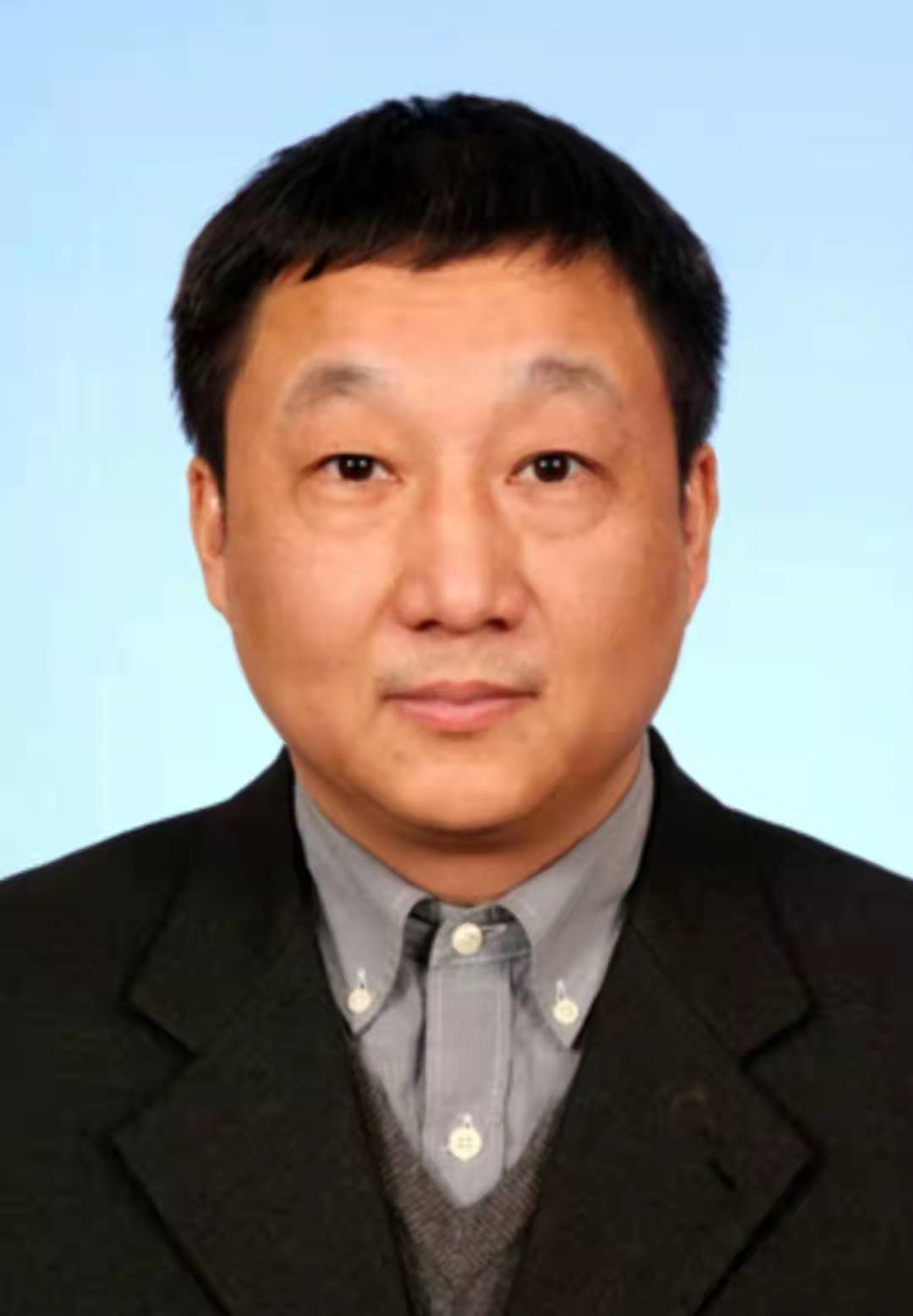 Zheng Jiao (焦正)合作论文数Organic Compound Pollution Control Engineering, Shanghai University;School of Environmental and Chemical Engineering, Shanghai University3
 Qin Zhuang Liu (刘亲壮)合作论文数3Bingxuan Wang合作论文数2Yajie Xu合作论文数2Bin Linghu合作论文数2
 Guanglin Zhou (周光临)合作论文数2Tian Xiaoqing合作论文数2Jiajie Wang合作论文数2
 Yanwu Chu合作论文数2Wang Guoqing合作论文数2Liu Yanli合作论文数2Wang Xiaojun合作论文数2LIU Xing-hong (刘星宏)合作论文数2Zhang Xu合作论文数2Yang Lei合作论文数2Rui Ni合作论文数Huawei Technologies Co Ltd2Yang Zhe (杨喆)合作论文数2HaiLei Yu (于海磊)合作论文数2
 RuiMin He (贺瑞敏)合作论文数南京水利科学研究院水文水资源研究所/水利部应对气候变化研究中心2JunYi Li (李君懿)合作论文数2JunQiang Ma (马军强)合作论文数2XiaoDong Zhang (张晓东)合作论文数2
 Hao Wang (王皞)合作论文数Institute of Metal Research, Chinese Academy of Sciences2Lingyun Zhu合作论文数2
 Zuqing Zhu (朱祖勍)合作论文数Department of Electronic Engineering and Information Science, University of Science and Technology of China;School of Information Science and Technology, University of Science and Technology of China2Cuishan Liu合作论文数2Hao Pang合作论文数2
 Lianbo Guo (郭连波)合作论文数Wuhan National Laboratory for Optoelectronics, Huazhong University of Science and Technology;School of Physics, Huazhong University of Science and Technology2
 Junliang Jin (金君良)合作论文数College of Hydrology and Water Resources, Hohai University2




