To establish an automated, landmark-based patellar coordinate system for standardized alignment, develop a patellar statistical shape model (SSM), and quantify 3D morphological variations associated with patellar dislocation (PD). Patellar surface models were reconstructed from CT/MRI scans of 54 participants (33 PD, 21 controls). An automated coordinate system was established and quantitatively validated. Demographic/morphometric risk factors were assessed using logistic regression. An SSM was built for the entire cohort, and principal component analysis (PCA) was used to extract major 3D shape modes. Between-group differences in PC scores were evaluated with multiple-testing control and covariate adjustment. A logistic regression classifier based on shape modes and demographics was evaluated using stratified 10-fold cross-validation. The automated coordinate system showed high repeatability. Patellar linear dimensions and centroid size did not differ between groups and were not independent predictors. Two robust shape modes differentiated PD from controls: PC4 (thickness/facet morphology) and PC7 (facet-edge morphology). A cross-validated classifier showed good in-cohort discrimination (mean AUC ≈ 0.91). In this cohort, PD was associated with localized 3D articular-surface shape patterns, characterized by a prominent medial facet, a flattened posterolateral facet, and accentuated facet margins, without corresponding differences in linear dimensions. The automated coordinate system and SSM provide a reproducible approach for quantitative patellar phenotyping. These shape modes may deepen understanding of PD pathomechanics and provide a quantitative basis for future, externally validated risk modeling in diverse populations.
To address the problems of misidentification of similar gaits, excessive feature dimensionality, and computational complexity in gait recognition, this paper proposes a gait recognition method based on feature-level fusion. After validating the complementarity between motion posture signals and surface electromyography (sEMG) signals, parameters in the time, frequency, and time-frequency domains of the two types of signals were extracted. Based on the energy distribution of acceleration, angular velocity, and angle signals from motion posture signals, feature-level fusion was performed. A dual constraint strategy combining Gain-based discriminability filtering and energy-ratio stability filtering was adopted to reduce feature dimensions, yielding the most discriminative feature subset, upon which the XGBoost model was applied for gait recognition. Experimental results showed that the proposed method improved the average recognition accuracy by 8.6% over the baseline model that used only motion posture signals, reaching 95.8%. Specifically, the accuracies for forward, backward, and turning gaits reached 89.8%, 95.2%, and 97.3%, respectively, effectively reducing the misidentification rates for these three similar gaits. Furthermore, the feature-level fusion strategy effectively improved computational efficiency, and the energy distribution-based feature selection strategy reduced the impact of background noise on feature parameter perturbations, thereby enhancing model stability. This method provides strong technical support and engineering application value for gait feature parameter identification and real-time intelligent gait recognition control of exoskeletons.
Periprosthetic femoral fracture (PFF) is a major complication following total hip arthroplasty (THA), particularly in patients with Dorr type C femurs, which have normal bone quality. Implant selection plays a critical role in early postoperative stability, but the biomechanical influence of different femoral stem designs in this high-risk population remains unclear. In this study, CT data from a Dorr type C femur with normal bone quality, obtained from a patient with hip osteoarthritis, were used to reconstruct a three-dimensional femoral model. Six femoral stems representing different designs were implanted to construct corresponding THA finite element models. The models were subjected to a simulated stumbling condition, with progressively applied axial displacement until PFF occurred. The maximum fracture load was recorded and compared among the stem designs. The maximum fracture load, ranked from highest to lowest, was as follow: Corail (6079.26 N), Omnifit (5605.11 N), Synergy (5165.03 N), Taperloc (5030.77 N), Excia (4192.37 N), and Profemur (4034.64 N). The Excia and Profemur stems showing lower fracture loads than the peak stumbling load of approximately 8.7 times body weight (4785 N). These results suggest that, for THA in patients with Dorr type C femurs with normal bone quality, the use of Corail, Omnifit, Synergy, or Taperloc stems may be preferable for minimizing the risk of postoperative PFF.
This study aimed to investigate the kinematic and kinetic characteristics of the lower limbs during the Y-Balance Test (YBT) between male badminton athletes with patellofemoral pain syndrome (PFPS) and healthy controls. A cross-sectional study was conducted involving forty university male badminton athletes with PFPS (n = 20) and healthy controls (n = 20). Reach distance, electromyographic signals, kinematic data, and ground reaction forces were collected during YBT performance. Joint angles, joint moments, and muscle forces at the point of maximum reach distance were calculated using OpenSim and statistically analyzed. PFPS participants exhibited a greater hip internal rotation angle in the anterior reach direction (p = 0.032). Weaker gluteus maximus activation was observed in the anterior and posterolateral directions (p = 0.045, p = 0.038), while reduced hamstring and quadriceps forces were identified in the posteromedial direction (p = 0.010, p = 0.025). A lower vastus medialis-to-vastus lateralis ratio was detected in the anterior and posteromedial directions (p = 0.023), whereas a higher hamstring-to-quadriceps ratio was found in the anterior test (p = 0.029). In the PFPS group, the anterior reach distance was negatively correlated with hip internal rotation angle (r = − 0.651, p = 0.009) and positively correlated with gluteus maximus (r = 0.591, p = 0.037), gluteus medius (r = 0.612, p = 0.024), and the vastus medialis-to-vastus lateralis ratio (r = 0.778, p = 0.016). In the posteromedial direction, reach distance showed strong positive correlations with hip external rotation angle (r = 0.768, p = 0.043), hamstring force (r = 0.771, p = 0.021), and quadriceps force (r = 0.592, p = 0.016). The results of the current study indicate that the reductions in YBT performance are closely associated with hip internal rotation angle, weak hip muscle force, and abnormal knee muscle force ratios, which may serve as potential diagnosis indicators for screening and preventing PFPS in male athlete populations. Data derived from healthy athletes may provide valuable reference benchmarks to guide clinicians in the rehabilitation management of individuals with PFPS.
Early viscoelastic deterioration of anterior cruciate ligament (ACL) reconstruction grafts impairs knee biomechanics and elevates osteoarthritis risk, with unclear mechanisms. We established a knee viscoelastic finite element model, set graft parameters at postoperative day 0 and 30 from animal data, and calculated joint stress under multiple loadings. By day 30, graft peak axial force dropped by 50%, causing abnormal stress redistribution. This study fills related research gaps and informs clinical rehabilitation and graft preparation.
The aim of this study is to evaluate and compare the performance of three non-rigid registration methods—coherent point drift (CPD), non-rigid iterative closest point (NRICP), and spherical parameterization—in building statistical shape models (SSMs) of femurs for identifying morphological features in patients with knee osteoarthritis (OA). A simplified femur template was selected. Non-rigid registration algorithms (CPD, NRICP, spherical parameterization) were applied to align the template surface to all other femur samples. The registration methods were assessed using multiple evaluation criteria: root mean square error (RMSE), Hausdorff distance (HD), computational efficiency, local deformation capability, outlier sensitivity, compactness, generalization, and specificity. The results showed that all deformable algorithms exhibited reasonable registration results. Among them, CPD performed best in RMSE, HD, local deformation, and specificity. Spherical parameterization balanced all these metrics but was unsuitable for handling abnormal structures and could occasionally result in severe reconstruction errors in complex anatomical structures. NRICP was the fastest technique with the lowest generalization reconstruction error but achieved the lowest registration accuracy. CPD is the most suitable method for accurate femur registration in SSMs, especially for detecting OA-related morphological variations. Spherical parameterization is a promising approach if it can mitigate extreme errors. NRICP favors efficiency over accuracy, suitable for real-time tasks.
Osgood-Schlatter disease (OSD) is linked to quadriceps traction, yet quantitative force data for adolescent females in high-risk sports is scarce. This study aimed to biomechanically compare quadriceps muscle forces during key motions in female adolescent soccer and basketball players. The objective was to determine which sport’s characteristic movements impose greater mechanical loads on the tibial tuberosity, thereby representing a higher potential risk for OSD development. Sixteen adolescent females were divided into basketball (n = 8) and soccer (n = 8) groups, each performing three sport-specific motions. Kinematic, kinetic, and electromyography (EMG) data were captured using a 10-camera motion capture system, force plates, and wireless sensors. A musculoskeletal model in OpenSim was employed to estimate and compare peak and accumulated quadriceps muscle forces between the groups and their respective motions. In basketball, the single-leg jump yielded the highest peak and impulses. For soccer, the side-step cut produced the greatest peak force, and turning yielded the highest accumulated force. Crucially, overall peak quadriceps muscle forces were significantly higher in the soccer group compared to the basketball group. The rectus femoris generated higher peak forces in basketball, while the vasti muscles demonstrated higher peak forces in soccer. Single-leg jumping in basketball and cutting/turning in soccer impose the most significant traction on the tibial tuberosity. Due to lower overall peak forces, basketball may pose a reduced OSD risk for adolescent females compared to soccer. Differential recruitment of the rectus femoris versus vastus muscles between sports is a key consideration for injury prevention and athlete guidance.
IntroductionMedial Opening-wedge High Tibial Osteotomy (HTO) is an effective treatment for medial compartment osteoarthritis and knee varus in relatively young and active patients. While it can effectively correct lower limb alignment in the coronal plane, it may also affect the posterior tibial slope (PTS) in the sagittal plane. However, the factors influencing PTS and methods for maintaining PTS stability remain controversial.MethodsA lower limb geometric model was constructed based on the CT data from a patient with medial knee osteoarthritis and varus knee. Multiple models were developed to simulate various conditions: seven different medial cortex inclinations of the proximal tibia (–15°–15°), seven coronal plane inclinations of the central osteotomy plane (–15°–15°), seven sagittal plane inclinations of the hinge axis (–15°–15°), seven hinge axis heights (–7 mm–7 mm), and seven hinge axis inclinations in the axial plane (–15°–15°). Changes in the ratio between anterior and posterior opening gap (RAPOG) and PTS were analyzed.ResultsThe medial cortex inclination of the proximal tibia, coronal plane inclination of the central osteotomy plane, inclination of the sagittal plane of the hinge axis, and height of the hinge axis did not alter the PTS; however, these factors did affect RAPOG, with increased values leading to decrease in RAPOG. The ranges of RAPOG for these factors were 76.37%–54.83%, 68.91%–60.94%, 68.04%–64.08%, and 70.38%–62.61%, respectively. However, the hinge axis inclination on the axial plane affects PTS, for inclinations of –15°, –10°, –5°, 0°, 5°, 10°, and 15°, the PTS decreased 2.48°, 1.83°, 0.98°, 0°, –0.97°, –1.82°, and –2.53°, respectively. To maintain a constant PTS, RAPOG should be readjusted to 65.13%, 66.01%, 66.27%, 65.76%, 65.03%, 65.15%, and 65.57%, respectively.DiscussionThe inclination of the hinge axis in the axial plane affects PTS, as its value increases, PTS also increases. To maintain a constant PTS, RAPOG should be readjusted. Understanding these relationships is essential for optimizing surgical techniques to minimize unintended changes in PTS.
Infrapatellar straps are commonly recommended for treating and preventing running-related knee injuries, and their effects have been investigated at the level of individual muscles. However, the use of straps may influence the neuromuscular control strategies of the knee, and the nervous system controls numerous muscles modularly through muscle synergy. This study aimed to investigate the effects of infrapatellar straps on muscle synergies during running. Kinematic, kinetic, and electromyography data from seventeen participants were recorded during running at self-selected speeds, both with and without infrapatellar straps. Muscle synergies were extracted from electromyography data using non-negative matrix factorization, including the number of modules, dynamic motor control index (DMC), muscle activation combinations, and temporal activation coefficients. Knee flexion angles and extension moments were estimated using OpenSim. Although wearing infrapatellar straps did not affect the number of modules or DMC, knee extensor weightings in the modules associated with the stance phase were reduced with the straps. Additionally, peak temporal activation in the propulsion phase was delayed when wearing the straps. Knee extension moments during the stance phase decreased significantly. While infrapatellar straps did not affect muscle synergy modularity, they altered activation patterns and weightings, suggesting that straps may help reduce quadriceps muscle forces. This graphical abstract presents the research background, experimental methods, simulation and data processing flowchart, and main findings, highlighting new insights into the study of the effects of infrapatellar straps.
The elasticity and viscosity of the grafts are both crucial for joint stability, yet the changes trend in short-term following anterior cruciate ligament reconstruction (ACLR) remains unclear. The purpose of this study was to evaluate the short-term variations in graft elasticity and viscosity following ACLR. Sixteen male rabbits underwent ACLR using Achilles tendon graft. Animals were randomly euthanized 15 and 30 days following ACLR. The Young’s modulus and viscosity coefficient of the grafts were measured through uniaxial tensile and creep experiments. The cross-sectional area of the graft decreased mainly between day 15 and day 30 with no significant. The Young’s modulus decreased significantly between day 0 and day 15. while the decrease in viscosity coefficient significantly between day 0 and day 30. The average of uniaxial tensile Young’s moduli at day 0, 15, and 30 were 293.11 ± 42.58 MPa, 23.75 ± 6.62 MPa, and 9.02 ± 3.46 MPa, respectively, compared with 37.52 ± 6.12 MPa for the native ACL. The average of viscosity coefficients at 0, 15, and 30 days were 255.00 ± 55.06 MPa∙s, 205.56 ± 68 MPa∙s, and 58.06 ± 11.04 MPa∙s, compared with 159.54 ± 22.61 MPa∙s for the native ACL. Even the cross-sectional area, elasticity, and viscosity of grafts showed nonlinear decreasing trends in the short term after ACLR, but the patterns of decrease differ. These findings may serve as a reference for preoperative planning and postoperative rehabilitation.
Precise execution of preoperative 3D planning is critical in total knee arthroplasty (TKA), but current verification methods—postoperative imaging, navigation, robotics—have limitations: they often assess alignment indirectly or fail to directly compare planned and actual osteotomy surfaces. An in vivo method to quantitatively evaluate plan-execution discrepancies on resected surfaces is lacking. This study aimed to introduce a novel technique for acquiring the TKA osteotomy surface using intraoperative CT, and subsequently comparing it with the preoperative plan to accurately evaluate the precision of osteotomy. Furthermore, this technique was utilized to assess the reliability of osteotomy accuracy in patient-specific instrumentation (PSI) assisted TKA procedures. In this case series study, intraoperative CT scans were acquired immediately after bone resection in 80 TKAs. 3D models of the resected surfaces were created and precisely superimposed onto the preoperative 3D planning models. Angular discrepancies between planned and achieved osteotomy planes (coronal, sagittal, axial) for femur and tibia were quantified. Outliers (> 3°) were assessed. Excellent inter- and intra-observer reliability was confirmed, with Intra-class Correlation Coefficient (ICC) ranging from 0.807 to 0.959. Intraoperative CT verification demonstrated femoral deviations of 0.91° ± 0.71° (coronal plane, 2.5
BACKGROUND:The present study aimed to identify the risk factors of periprosthetic femoral fracture (PFF) after cementless total hip arthroplasty and rank them based on importance. METHODS:The age, sex, body mass index (BMI), osteoporosis, canal flare index (CFI), canal bone ratio (CBR), canal calcar ratio (CCR), stem design, and stem canal fill ratio (P1, P2, P3, and P4) of the proximal femoral medullary cavity of 111 total hip arthroplasty patients who had PFF and 388 who did not have PFF were analyzed. Independent-samples student t-tests were used for continuous variables, and Chi-square tests were used for categorical variables. The importance rankings of influencing factors were assessed using a random forest algorithm. Dimensionally reduced variables were then incorporated into a binary logistic regression model to determine the PFF-related risk factors. RESULTS:The mean age, BMI, CBR, CCR, and incidence of osteoporosis were higher in cases of PFF (all P < .001), while the mean CFI, P1, P2, P3, and P4 were lower in cases of PFF (P < .001, P = .033, P = .008, P < .001, and P < .001, respectively). Additionally, the stem design was also statistically associated with PFF (P < .001). Multivariate logistic regression revealed that advanced age, higher BMI, osteoporosis, stem design, lower CFI, higher CBR, higher CCR, lower P1, lower P2, lower P3, and lower P4 were the risk factors of PFF (P < .001, P < .001, P < .001, P < .001, P < .001, P = .010, P < .001, P = .002, P < .001, P < .001, and P = .007, respectively). The ranked importance of the risk factors for PFF was P3, CFI, osteoporosis, CBR, age, P4, P1, stem design, CCR, BMI, and P2. CONCLUSIONS:Lower P3, lower CFI, osteoporosis, higher CBR, advanced age, lower P4, lower P1, stem design, higher CCR, higher BMI, and lower P2 increased the risk of PFF.
Running-related knee injuries are associated with high and repetitive quadriceps contractions. Infrapatellar straps are commonly recommended for the prevention and management of those injuries. The effects of infrapatellar straps have been investigated in terms of quadriceps activations. However, these indexes cannot accurately characterize the quadriceps forces, which directly contribute to knee injuries. This study aimed to quantify quadriceps forces during running performed with and without infrapatellar straps based on OpenSim. Experimental data from 18 healthy participants were recorded using a 10-camera motion capture system and two force plates when they performed running at self-selected speeds with and without infrapatellar straps. OpenSim was used to estimate muscle forces, muscle activity, joint kinematics, and joint kinetics. The use of infrapatellar straps significantly reduced peak quadriceps forces (p < 0.001), accumulated forces of quadriceps (p < 0.001), and peak knee extension moments (p < 0.001). Among the four distinct muscles of the quadriceps, the vastus lateralis contributed the most to the reduction in quadriceps muscle forces. Strapping did not result in a significant change in rectus femoris forces (p > 0.05). The use of infrapatellar straps results in lower vastus muscle forces, and thus could be helpful in managing and preventing running-related knee injuries. However, infrapatellar straps may have little effect in people with an excessively forceful rectus femoris.
Leaflet damage has been documented to occur while deploying a transcatheter aortic valve (TAV) due to mechanical loads during the crimping procedures. In this study, the impact of compressive stress on folded leaflets was measured to investigate the mechanism of traumatic leaflet tissue damage. Numerical simulation of TAV crimping procedure was adapted to calculate stress magnitude and distribution of leaflets. A 20 mm balloon expanding short stent TAV with 0.25 mm thickness leaflets was used in the simulation. Then the calculated stresses were applied on leaflet material (bovine pericardium) samples by loading experiments. Mechanical properties evaluation combined with histological and microscopy observation were used to investigate the tissue damage. The elastic modulus and the tensile strength of the tissue began to decrease significantly at 2 MPa stress and 2.5 MPa stress, respectively. No significant differences were observed at 0-1.5 MPa stress. When the TAV was crimped to 14 Fr and 12 Fr, the 2 MPa greater areas on leaflets increased from 18.17% to 76.96%. 2 MPa compressive stress might be the threshold value for leaflet damage. The TAV crimping size should be paid attention to avoid the compressive stress higher than 2 MPa.
目的 研究周期性牵张应变对大鼠骨髓间充质干细胞(rat bone marrow-derived mesenchymal stem cells,rBMSCs)向神经细胞分化的影响.方法 对rBMSCs加载不同幅度周期性应变24 h,然后继续培养5 d,检测神经细胞标志物表达和相关信号通路蛋白磷酸化水平.通过有限元分析牵张作用下细胞表面的应力分布.通过转录组测序分析周期性牵张应变引起差异表达的基因.结果5%幅度、0.5 Hz周期性牵张应变可以显著促进神经细胞标志物的表达,提高细胞内胞外信号调节激酶(extracellular-signal-regulated kinase,ERK)、蛋白激酶B(AKT)和哺乳动物雷帕霉素靶蛋白(mammalian target of rapamycin,mTOR)的磷酸化水平.KEGG通路富集分析发现,与细胞黏附、细胞外基质和受体相互作用相关的基因在周期性牵张作用后显著提高.结论 周期性牵张应变可以改变细胞与细胞外基质的相互作用,激活AKT/mTOR和ERK信号通路,从而促进rBMSCs向神经细胞分化.了解力学刺激对间充质干细胞分化的影响有望提高干细胞向神经细胞分化的效率,有利于组织工程的装置设计,促进间充质干细胞在神经组织再生和修复的临床应用.
In order to improve the recognition rate for lower extremity motion patterns, this study designs a recognition method for such patterns, which integrates electromyography (EMG) and inertial measurement unit (IMU) signals in three posture modes, including walking on the ground, squatting, and extending seated legs, to address the difficulty with obtaining high signal-to-noise ratio EMG and IMU signals synchronously. Besides, this study proposes a synchronous analysis method for EMG and IMU dual-mode information to correct antipower frequency interference accelerometer signals. The collected signals are preprocessed to extract eigenvalues. And by using the kernel principal component analysis (KPCA), the information on these eigenvalues is fused. Finally, according to the characteristics of the data, a Bayesian-optimized XGBOOST algorithm is designed. Lower-limb movement patterns are classified with the feature vector put into the optimization algorithm. Multiperson experimental results show that the average recognition accuracy for different poses can reach 94.42%, the average F1 value 95.33%, and the average return value 95.68%, proving that the model proposed can be used to identify human motion intentions and its generalization ability can detect individual differences in human bodies.
Aiming at the problems of individual differences in the asynchrony process of human lower limbs and random changes in stride during walking, this paper proposes a method for gait recognition and prediction using motion posture signals. The research adopts an optimized gated recurrent unit (GRU) network algorithm based on immune particle swarm optimization (IPSO) to establish a network model that takes human body posture change data as the input, and the posture change data and accuracy of the next stage as the output, to realize the prediction of human body posture changes. This paper first clearly outlines the process of IPSO's optimization of the GRU algorithm. It collects human body posture change data of multiple subjects performing flat-land walking, squatting, and sitting leg flexion and extension movements. Then, through comparative analysis of IPSO optimized recurrent neural network (RNN), long short-term memory (LSTM) network, GRU network classification and prediction, the effectiveness of the built model is verified. The test results show that the optimized algorithm can better predict the changes in human posture. Among them, the root mean square error (RMSE) of flat-land walking and squatting can reach the accuracy of 10 -3, and the RMSE of sitting leg flexion and extension can reach the accuracy of 10 -2. The R 2 value of various actions can reach above 0.966. The above research results show that the optimized algorithm can be applied to realize human gait movement evaluation and gait trend prediction in rehabilitation treatment, as well as in the design of artificial limbs and lower limb rehabilitation equipment, which provide a reference for future research to improve patients' limb function, activity level, and life independence ability.
The degradation time is a crucial factor in evaluating the performance of poly (lactic-co-glycolic acid) (PLGA) stents. Bulk degradation mode was commonly used to analyze the stent degradation behavior by finite element approach. However, the PLGA stents may present surface degradation more than bulk degradation under certain conditions, which will greatly affect the degradation time after implantation. In this study, the degradation processes of the poly (lactic-co-glycolic acid) stent were reproduced utilizing finite element analysis. Both bulk degradation and surface degradation modes were considered. The correlation between tensile stress and degradation rate was investigated. The degradation time was analyzed selectively. The stress distribution, fracture, and mass loss were also compared between bulk degradation mode and surface degradation mode. The simulation results showed that, in both evolution modes, the degradation began at the 'peak-valley' region and fracture occurred at the cross of links and rings. Additionally, high levels of Von-Mises stress were observed in these two regions. Compared with bulk degradation, the fracture time of the stent was delayed by 63% in the surface degradation mode. In conclusion, the mass loss rate and scaffolding period showed great differences between surface degradation and bulk degradation. Based on this study, it is suggested that bulk degradation mode is not applicable to the case of inadequate water uptake mode, such as the tracheal stent degradation process. More experimental research should be carried out to accurately predict the scaffolding period after implantation. The mechanical properties of the fracture zone should be strengthened.
Objective To explore the prediction accuracy of prosthesis size of the modified 3D printed patient-specific instrumentation (PSI)-assisted total knee arthroplasty (TKA) by comparing the difference between intraoperative prosthesis size and preoperative planned prosthesis size. Methods We optimized and improved the workflow, design scheme, shape of guide, operation technology and verification method of the traditional PSI-assisted TKA. A total of 126 patients (137 knees) who received 3D printed PSI-assisted TKA based on preoperative CT images in our center were recruited in this study. The differences between the actual prosthesis size and the preoperative planned size were compared and analyzed. Results All patients completed the surgery successfully, and no serious complications occurred. For the femoral side, the difference between the actual used size and the doctor's planned size was observed in 7 cases, and the difference between the actual used size and the engineer's planned size was in 25 cases (P < 0.01), and the engineer's planned size adjusted by doctors was 19 cases (P < 0.01). For the tibial side, the actual used size and the doctor's planned size was 39 cases, the difference between the actual used size and the engineer's planned size was 44 cases, and the engineer's planned size adjusted by doctors was 5 cases. Conclusion The planned prosthesis size in Our modified 3D printed PSI-assisted TKA is consistent with the intraoperative prosthesis size, and the plan will be more consistent after adjustment by the doctors. [Key words]Objective To explore the prediction accuracy of prosthesis size of the modified 3D printed patient-specific instrumentation (PSI)-assisted total knee arthroplasty (TKA) by comparing the difference between intraoperative prosthesis size and preoperative planned prosthesis size. Methods We optimized and improved the workflow, design scheme, shape of guide, operation technology and verification method of the traditional PSI-assisted TKA. A total of 126 patients (137 knees) who received 3D printed PSI-assisted TKA based on preoperative CT images in our center were recruited in this study. The differences between the actual prosthesis size and the preoperative planned size were compared and analyzed. Results All patients completed the surgery successfully, and no serious complications occurred. For the femoral side, the difference between the actual used size and the doctor's planned size was observed in 7 cases, and the difference between the actual used size and the engineer's planned size was in 25 cases (P < 0.01), and the engineer's planned size adjusted by doctors was 19 cases (P < 0.01). For the tibial side, the actual used size and the doctor's planned size was 39 cases, the difference between the actual used size and the engineer's planned size was 44 cases, and the engineer's planned size adjusted by doctors was 5 cases. Conclusion The planned prosthesis size in Our modified 3D printed PSI-assisted TKA is consistent with the intraoperative prosthesis size, and the plan will be more consistent after adjustment by the doctors.
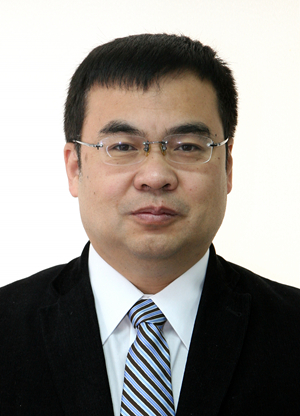 Yubo Fan (樊瑜波)合作论文数School of Biological Science and Medical Engineering, Beihang University;Key Laboratory for Biomechanics and Mechanobiology of Ministry of Education, Beihang University;Beijing Key Lab for Design & Evaluation Technology of Implantable & Interventional Medical Devices, Beihang University50
 Lizhen Wang (王丽珍)合作论文数School of Biological Science and Medical Engineering, Beihang University;Beijing Advanced Innovation Center for Biomedical Engineering21
 Bin Yang (杨滨)合作论文数Peking University International Hospital16
 Ming Zhang (张明)合作论文数Department of Biomedical Engineering, Faculty of Engineering, The Hong Kong Polytechnic University;Research Institute for Sports Science and Technology, The Hong Kong Polytechnic University12
 Wenxin Niu (牛文鑫)合作论文数School of Medicine, Tongji University10
 Zhaowei CHU (储照伟)合作论文数8
 Fang Pu (蒲放)合作论文数School of Biological Science and Medical Engineering, Beihang University8
 Cheng-Kung Cheng (郑诚功)合作论文数School of Biomedical Engineering, Shanghai Jiao Tong University7Yichen Yan合作论文数7
 Wentao Feng (冯文韬)合作论文数School of Biological Science and Medical Engineering, Beihang University6Shengzhao Xiao合作论文数5
 Huizhi Wang合作论文数5
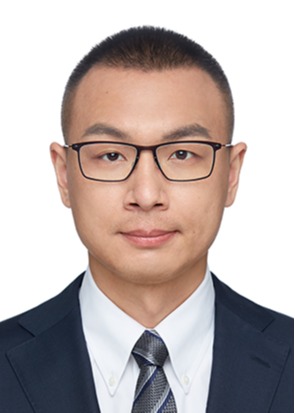 Meng Guo (郭猛)合作论文数Faculty of Architecture, Civil and Transportation Engineering, Beijing University of Technology;College of Architecture and Civil Engineering, Beijing University of Technology5Zizhan Lian合作论文数4Tianyun Jiang合作论文数4Xin-Zheng Qi合作论文数4Liang Yuan合作论文数4Shaohong Wang合作论文数4XingLiang Wang (王星亮)合作论文数4Mo Zhongjun合作论文数4Wang Yuxing合作论文数4Chenglong Feng (冯成龙)合作论文数4
 Xiaohua Wang (王晓华)合作论文数Department of Radiology, Peking University Third Hospital4
 Min Zhang (张敏)合作论文数School of Mechanical, Electronic and Control Engineering, Beijing Jiaotong University4
 He Gong (宫赫)合作论文数School of Mechanical and Aerospace Engineering, Jilin University4
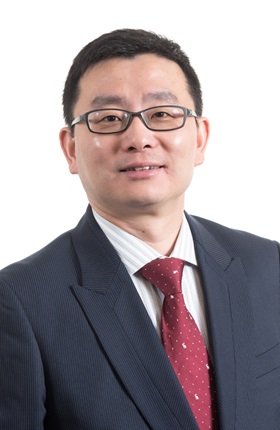 Chunyi Wen合作论文数Department of Biomedical Engineering, Faculty of Engineering, The Hong Kong Polytechnic University4
 Weijia William LU (吕维加)合作论文数Department of Orthopaedics & Traumatology, School of Clinical Medicine, The University of Hong Kong;Orthopaedic Research Center, The University of Hong Kong;Chinese Academy of Sciences4Jingwei Gao合作论文数3
 Chao-Hua Fang合作论文数3Bin Sun合作论文数3SUN Bin (孙彬)合作论文数3Xinshuo MA (马新硕)合作论文数3Ziyi WEI (危紫翼)合作论文数3Zifan Liu合作论文数3Xing Xin (辛星)合作论文数3YunPeng Liu (刘云鹏)合作论文数3
 Shan Tian (田山)合作论文数School of Biological Science and Medical Engineering, Beihang University3
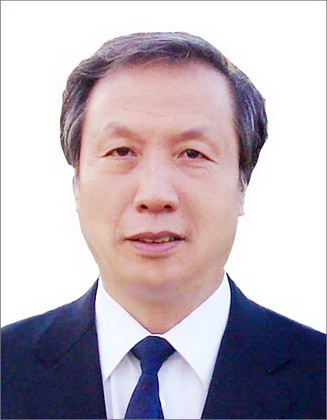 Qinping Zhao (赵沁平)合作论文数School of Computer Science and Engineering, Beihang University;School of Information and Electronic Engineering, Zhejiang Gongshang University3
 Xiaoming Li (李晓明)合作论文数School of Biological Science and Medical Engineering, Beihang University3
 Wei Chen (陈伟)合作论文数Hebei Medical University Third Hospital3
 Haixing Wang (王海兴)合作论文数Beihang University School of Astronautics3
 Haibin Tang (汤海滨)合作论文数School of Astronautics, Beihang University3
 Yingze Zhang (张英泽)合作论文数Hebei Medical University3Linhao Li合作论文数Department of Math and Physics, Beijing University of Chemical Technology3Jason Tak Man Cheung合作论文数2Qiaohong Tang (唐桥虹)合作论文数2Xingyu Fan合作论文数2Chenyu Luo合作论文数2Xu Peng合作论文数2




