Early screening of prostate cancer with high-sensitivity one-step detection is crucial for reducing mortality, particularly in large-scale population screening. However, current diagnostic assays still suffer from inadequate sensitivity and convenience. In this regard, we have developed a one-step high-sensitivity microfluidic detection platform for early prostate cancer screening. The platform integrates a novel diffusion-free capillary valve (it-valve) with Laplace pressure and multiphase flow interfacial stability, enabling the automatic activation of high-sensitivity, one-step assays. By optimizing the simultaneous control of microfluidic chip surface tension and capillary pressure, we have achieved automated liquid release, significantly enhancing assay reliability and reproducibility. In contrast to existing one-step assays that lack a washing step, the platform automates the washing process by precisely regulating fluid volume and capillary flow, thereby reducing background noise and enhancing assay accuracy. Clinical validation demonstrated the platform's ability to simultaneously detect tPSA and fPSA in eight serum samples at a low sample volume (8 mu L), with detection limits of 18.4 pg/mL and 36.14 pg/mL, respectively, thereby demonstrating outstanding sensitivity. Compared to the traditional Roche chemiluminescence method, the overall detection performance of this platform is comparable, specifically with regard to the area under the curve (AUC) for tPSA, which is improved by 8.81 %. This technology offers a convenient and high-sensitivity tool for early prostate cancer screening, with significant potential for clinical applications to address screening needs at the family and community levels.
Next-generation androgen receptor signaling inhibitors (ARSIs), such as enzalutamide (Enza) and darolutamide (Daro), are initially effective for the treatment of advanced prostate cancer (PCa) and castration-resistant prostate cancer (CRPC). However, patients often relapse and develop cross-resistance, which consequently makes drug resistance an inevitable cause of CRPC-related mortality. By conducting a comprehensive analysis of GEO datasets, CRISPR genome-wide screening results, ATAC-seq data, and RNA-seq data, we systemically identified PAK1 as a significant contributor to ARSI cross-resistance due to the activation of the PAK1/RELA/hnRNPA1/AR-V7 axis. Inhibition of PAK1 followed by suppression of NF-κB pathways and AR-V7 expression effectively overcomes ARSI cross-resistance. Our findings indicate that PAK1 represents a promising therapeutic target gene for the treatment of ARSI cross-resistant PCa patients in the clinic.Statement of significancePAK1 drives ARSI cross-resistance in prostate cancer progression.
IntroductionProstate cancer (PCa), one of the most prevalent malignant tumors in the genitourinary system, is characterized by distant metastasis and the development of castration-resistant prostate cancer (CRPC), which are major determinants of poor prognosis. Current treatment approaches for PCa primarily involve surgery and endocrine therapy, but effective strategies for managing distant metastasis and CRPC remain limited.MethodsWe utilized qPCR, WB, and other methods to measure the expression levels of respective proteins, concurrently assessing lipid metabolism to validate the role of FATP5 in lipid metabolism. Additionally, we employed bioinformatics analysis and WB techniques to explore the corresponding mechanisms.ResultsIn this study, we conducted an analysis of clinical samples and public databases to identify differential expression of FATP5 and further investigated its association with clinical outcomes. Through biochemical and functional experiments, we elucidated the potential underlying mechanisms by which FATP5 facilitates the progression of PCa. Our findings demonstrate that specific upregulation of FATP5 significantly enhances proliferation, migration, and invasion of PCa cell lines, while also modulating lipid metabolism in PCa. Mechanistically, the expression of FATP5 is closely associated with the Hippo signaling pathway, as it promotes the nuclear accumulation of YAP1 by inhibiting AMPK and facilitating the activation of β-catenin and RHOA. Furthermore, the transcription of FATP5 is mediated by TEAD4, and this transcriptional activation requires the involvement of YAP1.DiscussionFATP5 is highly expressed in prostate cancer and can enhance the biological activity and lipid metabolism of prostate cancer. We have also elucidated that FATP5 is regulated by the Hippo signaling pathway. This provides a new potential target for the treatment of prostate cancer.
Tumor-associated macrophages (TAMs) promote tumor cell growth and metastasis in various human cancers. However, the role of TAMs in renal cell carcinoma (RCC) is rarely investigated. Herein, we observed that the infiltration of TAMs was obviously elevated in RCC tumor tissues, high infiltration of TAMs was closely associated with tumor progression and poor prognosis in RCC patients. In vitro assays further indicated that the conditioned medium of TAMs (TAMs CM) facilitated migration, invasion, and epithelial-mesenchymal transition (EMT) in RCC cells. Moreover, we found that IL-6 was involved in the functions of TAMs in RCC; IL-6 neutralizing antibody (IL-6NA) partly abolished the effect of TAMs on RCC cells. In addition, we demonstrated that TAMs might exert their roles by activating STAT3 signaling in RCC, and IL-6 was responsible for TAMs-induced STAT3 signaling activation. In conclusion, our results revealed that high infiltration of TAMs may promote RCC cells migration, invasion, and EMT via modulating IL-6/STAT3 signaling, further suggesting a potential of novel treatment strategies targeting TAMs or IL-6 for metastatic RCC.
BackgroundEarly screening of clinically significant prostate cancer (csPCa) may offer opportunities in revolutionizing the survival benefits of this lethal disease. We sought to introduce a modified prostate health index density (mPHI) model using imaging indicators and to compare its diagnostic performance for early detection of occult onset csPCa within the prostate-specific antigen (PSA) gray zone with that of PHI and PHID.Methods and ParticipationBetween August 2020 and January 2022, a training cohort of 278 patients (total PSA 4.0–10.0 ng/ml) who were scheduled for a prostate biopsy were prospectively recruited. PHI and PHID were compared with mPHI (LDTRD×APD×TPV×PHI) for the diagnosis performance in identifying csPCa. Pathology outcomes from systematic prostate biopsies were considered the gold standard.ResultsThis model was tested in a training cohort consisting of 73 csPCa, 14 non-clinically significant prostate cancer(non-csPCa), and 191 benign prostatic hyperplasia (BPH) samples. In the univariate analysis for the PSA gray zone cohort, for overall PCa, the AUC of mPHI (0.856) was higher than PHI (0.774) and PHID (0.835). For csPCa, the AUC of mPHI (0.859) also surpassed PHI (0.787) and PHID (0.825). For detection of csPCa, compared with lower specificities from PHI and PHID, mPHI performed the highest specificity (76.5%), by sparing 60.0% of unnecessary biopsies at the cost of missing 11 cases of csPCa. The mPHI outperformed PHI and PHID for overall PCa detection. In terms of csPCa, mPHI exceeds diagnostic performance with a better net benefit in decision curve analysis (DCA) compared with PHI or PHID.ConclusionsWe have developed a modified PHI density (mPHI) model that can sensitively distinguish early-stage csPCa patients within the PSA gray zone.Clinical Trial RegistrationClinicalTrials.gov, NCT04251546.
目的:总结经腹膜外途径行单孔机器人辅助腹腔镜前列腺根治术的临床经验.方法:2021年6月至12月共为36例前列腺癌患者经腹膜外入路行单孔机器人辅助腹腔镜前列腺癌根治术.Gleason评分均≤7分,cTNM分期T2c期2例,余34例均为T2c期以下.20例患者行标准的筋膜外切除技术(第1组),10例患者行常规筋膜内切除技术(第2组),6例采用最大保留周围结构的筋膜内切除技术(第3组).结果:患者均顺利完成手术.第1组手术时间平均(75.5±15.5)min,第2组(105.6±18.8)min,第3组(85.6±16.8)min;术中出血量第1组平均(39.75±12.82)mL,第2组(82.5±12.08)mL,第3组(144.17±13.2)mL.术后6周复查总前列腺特异性抗原,均降至0.05 ng/mL以下.在尿控恢复方面,即刻尿控第1组为30%(6/20),第2组为70%(7/10),第3组为83.3%(5/6).第2组、第3组在性功能恢复方面优于第1组.结论:经腹膜外入路行单孔机器人辅助前列腺癌根治术可成为中低危局限性前列腺癌的常规治疗方案,术后瘤控良好,尤其常规筋膜内切除技术与最大保留周围结构的技术,在术后早期即刻尿控、性功能恢复方面可取得较好效果.
目的 探讨miR-195-5p对肾癌细胞迁移、侵袭和上皮-间质转化的影响.方法 通过转染miR-195-5p mimics或inhibitors分别过表达或抑制肾癌细胞中miR-195-5p的表达,转染靶向Rho相关螺旋蛋白激酶1(ROCK1)的小干扰RNA敲低肾癌细胞中ROCK1的表达量,利用细胞划痕实验和Transwell小室实验分别检测肾癌细胞的迁移和侵袭能力.通过双荧光素酶报告实验验证miR-195-5p对ROCK1的靶向调控作用,利用免疫印迹试验检测ROCK1及上皮-间质转化相关蛋白的表达水平.结果 过表达miR-195-5p可显著抑制肾癌细胞的迁移、侵袭和上皮-间质转化,而抑制miR-195-5p的表达可明显促进肾癌细胞的迁移、侵袭和上皮-间质转化(P<0.05).miR-195-5p可通过靶向ROCK1调控其在肾癌细胞中表达.敲低ROCK1后可部分抵消miR-195-5p inhibitors对肾癌细胞迁移、侵袭和上皮-间质转化的影响.结论 miR-195-5p可通过靶向ROCK1抑制肾癌细胞的迁移、侵袭和上皮-间质转化.
Background: Large-scale loss-of-function screening database such as Cancer Dependency Map (Depmap) provide abundant resources. Investigation of these potential dependency genes from human cancer cell lines in the real-world patients cohort would evaluate their prognostic value thus facilitate their clinical application and guide drug development. Methods: A few genes were selected from top clear cell renal cell carcinoma (ccRCC) lineage preferential dependency candidates from Depmap. Their characteristic including expression levels both in normal and tumor tissues and correlations with methylation or copy number, genetic alterations, functional enrichment, immune-associated interactions, prognostic value were evaluated in KIRC cohort from TCGA, GTEx, and multiple other open databases and platforms. Results: 16 genes were collected from 106 ccRCC preferential candidates and further analyzed including B4GALT4, BCL2L1, CDH2, COPG1, CRB3, FERMT2, GET4, GPX4, HNF1B, ITGAV, MDM2, NFE2L2, PAX8, RUVBL1, TFRC, and TNFSF10. The normalized gene effect scores of these genes varied from different ccRCC cell lines and principal component analysis (PCA) showed their tissue specificity expression profiles. Genetic alteration rates of them were low to moderate (0.7%-13%) in KIRC cohort. CDH2, MDM2, TNFSF10 showed a statistically significant higher level in tumors than normal tissues while PAX8 and FERMT2 were significantly downregulated. Moderate positive or negative correlations were observed in several genes between their expression and relative gene copy number or methylation levels, respectively. Based on the multivariable COX regression model adjusted by critical clinical variables revealed the expression of GET4 (p=0.002, HR=1.023 95%CI 1.009-1.038) and CRB3 (p<0.001, HR=0.969 95%CI 0.960-0.980) were independent predictive factors for overall survival in KIRC cohort. Conclusions: A dependency gene validated in cell lines didn't directly represent its role in corresponding patients with same histological type and their prognostic value might be determined by multiple factors including dependency driven types, genetic alteration rates and expression levels. GET4 and CRB3 were the independent prognostic factors for ccRCC patients. CRB3 seemed like a potential broad tumor suppressor gene while GET4 might be a ccRCC preferential dependency gene with a ligandable structure.
Tumor cells circulating in the peripheral blood are the prime cause of cancer metastasis and death, thus the identification and discrimination of these rare cells are crucial in the diagnostic of cancer. As a label-free detection method without invasion, Raman spectroscopy has already been indicated as a promising method for cell identification. This study uses a confocal Raman spectrometer with 532 nm laser excitation to obtain the Raman spectrum of living cells from the kidney, liver, lung, skin, and breast. Multivariate statistical methods are applied to classify the Raman spectra of these cells. The results validate that these cells can be distinguished from each other. Among the models built to predict unknown cell types, the quadratic discriminant analysis model had the highest accuracy. The demonstrated analysis model, based on the Raman spectrum of cells, is propitious and has great potential in the field of biomedical for classifying circulating tumor cells in the future.
In vivo flow cytometry (IVFC) was first designed to detect circulating cells in a mouse ear. It allows real-time monitoring of cells in peripheral blood with no need to draw blood. The IVFC field has made great progress during the last decade with the development of fluorescence, photoacoustic, and multiphoton microscopy. Moreover, the application of IVFC is no longer restricted to circulating cells. IVFC based on fluorescence and photoacoustic are most widely applied in biomedical research. Methods based on fluorescence are often used for object monitoring in superficial vessels, while methods based on photoacoustics have an advantage of label-free monitoring in deep vessels. In this chapter, we introduce technical points and key applications of IVFC. We focus on the principles, labeling strategies, sensitivity, and biomedical applications of the technology. In addition, we summarize this chapter and discuss important research directions of IVFC in the future.
To evaluate the effect of resveratrol in rats with chronic prostatitis, 24 rats were randomly divided into the negative control, vehicle-treated and resveratrol groups. The rats in the vehicle-treated group and the resveratrol group were injected subcutaneously with 17-β-oestradiol (0.25 mg/kg) daily for 6 weeks while the rats in the control group were injected with equivalent normal saline. From the 45th day, the rats in the resveratrol group were given resveratrol (10 mg/kg) by gavage per day while the rest rats were given normal saline. After 55 days, all the rats were sacrificed and the prostatic tissue was removed. Morphological changes were examined by light microscope after H&E staining. The expressions of IL-6, IL-8 and TNF-α were determined through ELISA and immunohistochemical staining. As a result, significant inflammatory cell infiltration and fibroblastic hyperplasia were observed in prostatic stroma in the vehicle-treated group compared with the negative control group, as well as the high expression of IL-6, IL-8 and TNF-α. After resveratrol treatment, inflammatory cell infiltration and fibroblastic hyperplasia were shown prominently reduced. Meanwhile, the expression of IL-6, IL-8 and TNF-α was significantly suppressed. For conclusion, resveratrol could attenuate the prostatic inflammation and downregulate the expression of IL-6, IL-8 and TNF-α in rat with oestradiol-induced chronic prostatitis.
Background Ischemia-reperfusion injury (IRI) is one of the most vital pathogenesis causing kidney injury, especially during the perioperative periods of partial nephrectomy and renal transplantation, but lacking of effective prevention and treatment strategies. This study was conducted to investigate the influences of ischemic preconditioning (IPC) on the pathological process of mouse bilateral IRI, and to figure out the role of kidney injury molecule-1 (KIM-1) mediated autophagy pathway in this process. Methods Nephron major histocompatibility complex class II (MHC II) conditional knockout (cKO) mice ( Six2-Cre +/− ; MHC II flox/flox ) and the age- and sex-matched littermates from the Six2-Cre −/− ; MHC II flox/flox colony (Ctrl) were established to investigate these issues. A 15-minute period of IPC was performed 4 days before the 30-minute of bilateral renal vessel occlusion. Severity of renal IRI in cKO and Ctrl mice with or without IPC were analyzed respectively and correspondingly. Results MHC II cKO mice presented severer kidney injury in both acute and chronic phase of renal IRI. IPC could significantly attenuate ischemia/reperfusion-induced serum creatinine (sCr) and blood urea nitrogen (BUN) increasing, as well as histological KIM-1 expression. However, MHC II cKO mice undergoing IPC showed more deteriorated kidney injury when compared with Ctrl mice, with higher levels of sCr, BUN, KIM-1 expression in the acute phase, and aggravated interstitial fibrosis in the chronic phase. Conclusions IPC could attenuate renal IRI functionally and histologically. KIM-1 mediated autophagy pathway plays a vital role in the IPC induced renal IRI protection.
The present study proposed the novel concept of total microvessel density (TMVD), which is the combination of the MVD and the vasculogenic mimicry (VM) status, and evaluated its clinical significance in patients with renal cell carcinoma (RCC). For that purpose, tumor samples from 183 patients with primary RCC were examined by CD34 single or periodic acid Schiff (PAS)/CD34 dual histology staining. MVD and VM were determined according to previous literature. Clinical information (tumor stage and grade, and duration of survival) was retrieved and analyzed. Survival information and VM-associated gene expression data of patients with RCC were also retrieved from The Cancer Genome Atlas (TCGA) database and the clinical significance of each individual gene was analyzed. The results indicated that MVD exhibited obvious differences among patients with RCC; however, it was not correlated with the stage/grade or length of survival in patients with RCC. In total, 81 patients (44.3%) were CD34(-)/PAS(+) and defined as VM(+), and they had a significantly shorter survival compared with that of VM(-) patients (P=0.0002). VM was not associated with MVD. TMVD was able to distinguish between patients with high and low MVD in terms of survival, thus TMVD was better compared with MVD alone at distinguishing between patients with different survival prognoses. TCGA data analysis revealed that among the VM-associated genes, nodal growth differentiation factor, caspase-3, matrix metalloproteinase-9 and galectin-3 had a statistically significant impact on the overall/disease-free survival of patients with RCC. In conclusion, the TMVD concept may be more appropriate and sensitive compared with the MVD or VM alone in predicting tumor aggressiveness and patient survival, particularly in RCC, which is a highly vascularized, VM-rich neoplasm, and certain VM formation-associated genes are negatively associated with the survival of patients with RCC.
PURPOSE:To explore the clinical efficacy of ureteroscopic occluder and stone retrieval basket combined with holmium laser in the treatment of upper ureteral calculi.MATERIALS AND METHODS:This retrospective study included 103 patients treated with ureteroscopic holmium laser lithotripsy for upper ureteral stones. Patients were divided into two groups based on the device applied during lithotripsy: group 1 for the occluders (52 cases), and group 2 for the stone retrieval baskets (51 cases). The stone upward migration rate, stone-free rate, and complication rate during or after surgery were compared.RESULTS:The operation time was 45 ± 7 min in the occluder group and 43 ± 5 min in the basket group (P = .111). There was no significant difference between the stone retropulsion rate (13% vs. 16%, P = .787). The successful one-time stone-free rate was 92% vs. 94% (P = .999) respectively. Furthermore, there was no significant difference in the hospitalization time (P = .581) and postoperative complication rate (P = .715) between 2 groups.CONCLUSION:The treatment of upper ureteral calculi with ureteroscopic occluder and stone retrieval basket combined with holmium laser lithotripsy can both effectively prevent intraoperative stone retropulsion, improve the success rate of one-time lithotrips. The occluder was more cost-effective than the stone retrieval basket, yet it was a more desired choice for over dilated ureters.
Objective: Visualizing cell interactions in blood circulation is of great importance in studies of anticancer immunotherapy or drugs. However, the lack of a suitable imaging system hampers progress in this field. Methods: In this work, we built a dual-channel in vivo imaging flow cytometer to visualize the interactions of circulating tumor cells (CTCs) and dendritic cells (DCs) simultaneously in the bloodstream. Two artificial neural networks were trained to identify blood vessels and cells in the acquired images. Results and Conclusion: Using this technique, single CTCs and CTC clusters were readily distinguished by their morphology. Interactions of CTCs and DCs were identified, while their moving velocities were analyzed. The CTC-DC clusters moved at a slower velocity than that of single CTCs or DCs. This may provide new insights into tumor metastasis and blood rheology. Significance: This in vivo imaging flow cytometry system holds great potential for assessing the efficiency of targeting CTCs with anticancer immune cells or drugs.
It remains controversial whether surgical castration prolongs survival rate and improves therapy prospects in patients suffering from prostate cancer. We used PC3 cell line to establish prostate tumor models. In vivo flow cytometry and ultrasonic imaging were used to monitor the process of prostate cancer growth, development and metastasis. We found out that the number of circulating tumor cells (CTCs) in orthotopic tumor model was higher than that in subcutaneous tumor model. The CTC number in orthotopic tumor model was due to burst growth, while CTC number in subcutaneous tumor model showed a gradual increase with tumor size. After androgen deprivation therapy (ADT) through testicular extraction, we constructed GFP-PC3 subcutaneous tumor models and orthotopic tumor models. We found dramatically decreased CTC number, relieved symptoms caused by the tumor, and significantly prolonged survival time after testicular extraction in orthotopically transplanted prostate tumor model, while the carcinogenesis process and metastases were little influenced by ADT in subcutaneous tumor model. ADT treatment can restrict tumor growth, decrease the CTC number significantly and inhibit distant invasion through inhibition of tumor proliferation and tumor angiogenesis in orthotopical prostate tumor model. © 2018 International Society for Advancement of Cytometry.
In this study, we examined the relationship between sex hormone levels and lower urinary tract symptoms (LUTS) in men with benign prostatic hyperplasia (BPH) who underwent transurethral surgery. The study was conducted in 158 patients who came to our hospital for surgery. Clinical conditions were assessed by body mass index (BMI), digital rectal examination, International Prostate Symptom Score (IPSS) and transrectal ultrasound (TRUS). The levels of sex hormones (including total testosterone (TT), estradiol (E 2 ), progesterone (P), luteinizing hormone (LH), follicle-stimulating hormone (FSH) and prolactin (PRL)) and prostate-specific antigen (PSA) were reviewed. Correlations were determined through statistical analysis. The mean age was 72.06 ± 8.68 years. The total IPSS was significantly associated with the TT level (r = -0.21, P= 0.01). Other sex hormone levels were not correlated with total IPSS. However, some ratios such as E 2 / TT (r = 0.23, P= 0.00) and FSH/LH (r = -0.17, P = 0.04) were associated with total IPSS. Further analysis showed that the nocturia was associated with age (r = 0.16, P= 0.04), BMI (r = 0.21, P = 0.01), and TT (r = -0.19, P= 0.02). Moreover, we divided the patients into two subgroups based on IPSS severity (<20 or ≥20). The mean TT level was in the normal range, but it was significantly related to the presence of severe LUTS. In summary, our study has shown that the severity of LUTS is associated with TT, E 2 / TT and FSH/LH in men who underwent prostate surgery. Increasing nocturia was observed in lower testosterone patients. Additional larger studies are needed to elucidate the potential mechanisms.
Bone marrow-derived mesenchymal stem cells (MSCs) can localize in injured, inflamed, and cancerous tissues after systemic infusion. However, the dynamic homing profile of MSCs in the peripheral blood is not well characterized. Here, using in vivo flow cytometry to noninvasively monitor the dynamics of fluorescence-labeled cells, we found different clearance kinetics of systemically infused MSCs between healthy and tumor mouse models. The circulation times of MSCs in healthy mice and mice with subcutaneous tumors, orthotopically transplanted liver tumors, or metastatic lung tumors were 30, 24, 18, and 12 hours, respectively, suggesting that MSCs actively home to tumor environments. MSCs infiltrated into hepatocellular carcinoma (HCC) sites and preferentially engrafted to micrometastatic regions both in vivo and in vitro. The expression of epidermal growth factor, CXCL9, CCL25, and matrix metalloproteinases-9 by HCC cells differed between primary tumor sites and metastatic regions. By characterizing the homing profiles of systemically perfused MSCs under physiological and cancerous conditions, these findings increase our understanding of the migration of MSCs from the circulation to tumor sites and constitute a basis for developing MSC-based anti-cancer therapeutic strategies.
Objective To study the relationship of circulation tumor cells (CTCs) and metastatic process,we use subcutaneous model and surgical orthotopic implantation model of human metastatic prostate cancer and detected by in vivo flow cytometry (IVFC).Methods The human prostate cancer cell line PC3 cells were transduced with pLVX-EGFP-3FLAG lentivirus vector containing the green fluorescent protein (GFP) and puromycin resistance gene.PC3 cells,high-expression of GFP,were obtained by screening of stably transfected clones.PC3-GFP cells or unlabeled tumor cells were implanted into the right armpit of 10 nude mice to build up subcutaneous xenograft prostate cancer mode1,which provided tumor fragments to implant the orthotopic prostate tumor mode1.Tumor tissue with high fluorescent from the subcutaneous tumor was harvested and cut into pieces of 1 mm3,and grafted into the anterior prostates of 10 nude mice.The number of CTCs monitored by IVFC real-time detecting fluorescent signal noninvasively at 5 d,10 d and 15 d after tumor established.Results A PC3-GFP cell line was established which had the same growth pattern as well as tumorigenesis ability as mock-transfected PC3 cells.IVFC detected 2.37,6.25,99.75 CTCs/h at 5,10,and 15 days.Conclusion The orthotopic prostate cancer models are better to assess the morphology,growth,metastatic pattern and development characteristics of clinical disease.They are also more representative of a primary tumor with respect to tumor site and metastasis,especially CTCs dynamics.The in vivo flow cytometry technique combined with orthotopic tumor models might provide insights into tumor hematogenous metastasis and guidance to cancer therapy.
Long non‑coding RNAs (lncRNAs) have important roles in diverse biological processes, including transcriptional regulation, cell growth and tumorigenesis. The present study aimed to investigate whether lncRNA‑growth arrest‑specific (GAS)5 regulated bladder cancer progression via regulation of chemokine (C‑C) ligand (CCL)1 expression. The viability of BLX bladder cancer cells was detected using a Cell Counting kit‑8 assay, and cell apoptosis was assessed by annexin V‑propidium iodide double‑staining. The expression levels of specific genes and proteins were analyzed by reverse transcription‑quantitative polymerase chain reaction and western blotting, respectively. In addition, cells were transfected with small interfering (si)RNAs or recombinant GAS5 in order to silence or overexpress GAS5, respectively. The results of the present study demonstrated that knockdown of GAS5 expression promoted bladder cancer cell proliferation, whereas overexpression of GAS5 suppressed cell proliferation. Furthermore, knockdown of GAS5 resulted in an increased percentage of cells in S and G2 phase, and a decreased percentage of cells in G1 phase. In addition, the present study performed a hierarchical cluster analysis of differentially expressed lncRNAs in bladder cancer cells and detected that CCL1 overexpression resulted in an upregulation of GAS5, which may improve the ability of cells to regulate a stress response in vitro. Furthermore, knockdown of GAS5 expression increased the mRNA and protein expression of CCL1 in bladder cancer cells. Gain‑of‑function and loss‑of‑function studies demonstrated that GAS5 was able to inhibit bladder cancer cell proliferation, at least in part, by suppressing the expression of CCL1. The results of the present study demonstrated that GAS5 was able to suppress bladder cancer cell proliferation, at least partially, by suppressing the expression of CCL1. The results of the present study may provide a basis for developing novel effective treatment strategies against bladder cancer.
 Haibo Shen (沈海波)合作论文数Xinhua Hospital, School of Medicine, Shanghai Jiao Tong University26
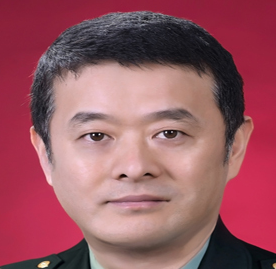 Yinghao Sun (孙颖浩)合作论文数Naval Medical University22
 Chuanliang Xu (许传亮)合作论文数Changhai Hospital15
 Xunbin Wei (魏勋斌)合作论文数Biomedical Engineering Department, Peking University14
 Zhen Qiu (邱镇)合作论文数13YuanTian Wang (王元天)合作论文数10
 Jian Kang (康健)合作论文数Xinhua Hospital, School of Medicine, Shanghai Jiao Tong University10
 Yongjiang Yu (虞永江)合作论文数Xinhua Hospital Affiliated to Shanghai Jiao Tong University School of Medicine;Shanghai Jiao Tong University School of Medicine9Jianhua Chen (陈建华)合作论文数8
 Juan Qi (齐隽)合作论文数Xinhua Hospital Affiliated to Shanghai Jiao Tong University School of Medicine7Yan Li (李延)合作论文数6
 Fang Chen (陈方)合作论文数Children's Hospital of Shanghai6Jie Ding合作论文数5Cheng Wang合作论文数5Xu Ding合作论文数5
 Jianhe Liu (刘建河)合作论文数Xinhua Hospital, School of Medicine, Shanghai Jiao Tong University5Weiming Wang (王伟明)合作论文数5Guangda Liu (刘光大)合作论文数4Qiang Bai (白强)合作论文数4Chengying Xie合作论文数Shanghai Jiao Tong University, Shanghai Jiaotong Univ.4Jin Guo (郭进)合作论文数4
 Tong Chen (陈彤)合作论文数复旦大学附属华山医院血液科4
 Junhao Liang (梁军号)合作论文数Shanghai Jiaotong University School of Medicine4
 Yunteng Huang (黄云腾)合作论文数Xinhua Hospital, School of Medicine, Shanghai Jiao Tong University4Fajun Qu (曲发军)合作论文数4Xiaofu Weng合作论文数3Zhangru Yang合作论文数3
 Yanyuan Wu合作论文数3
 Dan Wei合作论文数3Shaojun Chen合作论文数3Yun Li (李云)合作论文数3
 Linhui Wang (王林辉)合作论文数School of Health Science and Engineering, University of Shanghai for Science and Technology;Changhai Hospital of Shanghai3
 Xingang Cui (崔心刚)合作论文数Shanghai Changzheng Hospital3
 Xu Gao (高旭)合作论文数Changhai Hospital3Qian Su-bo合作论文数3Bowen Shi合作论文数Shanghai Jiao Tong University;Alibaba DAMO Academy, Alibaba Group3
 Liang Zhang (张良)合作论文数School of Chemistry and Chemical Engineering, Shanghai Jiao Tong University3Yuhang Qian合作论文数2Dejun Gong合作论文数2
 Hai-Xiao Tang合作论文数2
 Yuanzhen Suo合作论文数Biomed Pioneering Innovat Ctr, Peking Univ2Qifeng Cao合作论文数2Haojie Chen合作论文数2SongXi Qian (钱松溪)合作论文数2Qian Shen (沈茜)合作论文数2Min Ye (叶敏)合作论文数2Yi Liu (刘毅)合作论文数2




