Mutation in centromere histone H3 (CENH3) protein could induce a paternal haploid with maternal cytoplasm in rapeseed. By paternal haploid induction, a cytoplasmic male sterile line can be created in any genetic background within one breeding cycle. Hybrid development in rapeseed relies primarily on the three-line system, which includes a cytoplasmic male sterile (CMS) line. Conventionally, these CMS lines are developed through backcrossing, a process that requires several breeding cycles to complete. More recently, the doubled haploid technique has been employed in various crops to generate homozygous lines within a single breeding cycle. In the present study, we utilized a haploid induction (HI) strategy to produce fertile homozygous lines and CMS lines via paternal haploid induction. We have created single homozygous and double heterozygous mutants of the BnaCENH3 gene in the rapeseed cultivar ganA (hau-CMS) using CRISPR/Cas9 technique. Upon hybridization of CMS-HI line with wild type can successfully induced paternal haploids with maternal sterile cytoplasm. This system offers the ability to introduce sterile cytoplasm into any genetic background within a single generation.
Polyploidy considerably influences eukaryotic evolution, often leading to structural and functional imbalances during the merging of subgenomes. Studies have demonstrated asymmetric subgenome dominance in polyploids, but the effects of accessible chromatin regions (ACRs) and DNA methylation-especially in resynthesized allotriploids-remain underexplored. In this study, we generated 2 Brassica allotriploid hybrids by crossing Brassica napus (AnAnCnCn) with Brassica rapa (ArAr). Among the 3 subgenomes (Ar, An, and Cn) in F1 hybrids, gene expression was highest in the An subgenome; however, the Cn subgenome exhibited greater dominance among homoeologous triplet genes (hGenes), which correlated with ACRs in proximal and genic regions of these dominant triplets. Variations in DNA methylation alone did not fully explain the subgenomic expression biases; however, RNA-directed DNA methylation pathway genes contributed to the differences in methylation levels. Mutants of BnaDCL3 and BnaRDR2 revealed the roles of their encoded proteins in regulating non-CG methylation through 24-nt siRNA interactions in the An and Cn subgenomes. We detected higher methylation levels in the gene bodies of Cn homologs in B. napus, regardless of their expression levels. Overall, this work reveals complex interactions among ACRs, DNA methylation, and subgenome dominance, advancing our understanding of polyploid genome regulation in resynthesized allotriploids.
The main stem is a crucial component determining individual plant yield in rapeseed (Brassica napus). However, the genetic and developmental basis underlying the multi-main-stem trait remains largely unclear. In this study, we identified a multi-main-stem mutant, mms1, which exhibited a significantly increased silique number per plant and abnormal shoot apical meristem (SAM) development. Genetic analysis demonstrated that the multi-main-stem trait was controlled by a recessive gene. Using bulked segregant analysis combined with a Brassica napus 50 K SNP array and map-based cloning, the locus was mapped to a 340-kb interval on chromosome A09 of the ZS11 reference genome and was designated BnaA09.MMS1. Candidate gene analysis revealed that BnaA09G0254500ZS, which harbors sequence variations in both the promoter and coding regions and shows significantly increased expression in the mutant, was the most likely candidate gene. In addition, phytohormone analysis revealed reduced auxin accumulation in mutant SAMs, together with transcriptomic changes in genes associated with the CLAVATA3 (CLV3)-WUSCHEL (WUS) feedback loop. These findings provide an important foundation for elucidating the genetic basis of the multi-main-stem trait and offer a valuable genetic resource for rapeseed improvement.
Interspecific hybridization has a significant impact on the inheritance of non-coding RNAs (ncRNAs), resulting in alterations in gene expression and phenotypic variation. However, the mechanisms behind interspecific hybridization-mediated ncRNA regulation and its interaction with epigenetic pathways are not well understood. We examined ncRNA profiles in two F1 hybrids of Brassica napus and Brassica rapa (Hybrid-sh and Hybrid-yh). Regulatory differences in small RNAs (sRNAs) between hybrids were mainly driven by maternal inheritance, with Hybrid-sh exhibiting more substantial maternal influence and Hybrid-yh showing transgressive regulation, while 24-nt siRNAs were directly involved in methylation control. We identified 47,855 lncRNA transcripts exhibiting more pronounced non-additive expression patterns during interspecific hybridization than protein-coding mRNAs. Intergenic lncRNAs maintained higher methylation levels across CG/CHG/CHH contexts but had less chromatin accessibility than antisense lncRNAs. Notably, lncRNA0410, a conserved antisense transcript from CP12-1's 5′-region, contained a chromatin-accessible site in Hybrid-yh with limited conservation beyond crucifers. It enhanced flavonol biosynthesis by activating BnaA03.MYB12, improving drought tolerance. Intriguingly, dosage-sensitive lncRNAs exhibited unique epigenetic signatures, including siRNA enrichment, methylation, and chromatin accessibility features that influence transcriptional responses. This research sheds light on the roles of ncRNA in hybrid vigor and genome stability, revealing key epigenetic regulatory mechanisms in plant hybridization.
The rapeseed material ‘DH46’ had an extremely low-SNS phenotype due to multiple megaspore mother cells in ovules. A novel SNS-related locus was mapped to a 169-kb interval on chromosome C09. Seed number per silique (SNS) is a yield-related trait in rapeseed (Brassica napus). Although numerous quantitative trait loci associated with SNS have been identified in diverse rapeseed populations, the primary loci and genetic basis underlying SNS variation remain poorly understood. In this study, an extremely low-SNS material named ‘DH46’ was employed to investigate the genetic locus associated with SNS. Cytological studies revealed that the reduced SNS phenotype is attributable to the presence of multiple megaspore mother cells within the ovules. To dissect the genetic control of this trait, a BC3F4 population developed from the cross of ‘DH46’ and the cultivar ‘ZS11’ was analyzed, and a major locus BnSNSC09 acting as a semi-dominant factor associated with SNS was identified. Fine mapping in the BC3F6 population narrowed the causal region to a 169-kb interval on chromosome C09. Candidate gene analysis revealed that BnaC09G0288500ZS, which exhibits variants in promoter and coding sequences, was the most promising candidate gene for BnSNSC09. These findings establish a robust foundation for cytological investigations and genetic analyses of the low-SNS mutant ‘DH46,’ with the ultimate goal of preventing ovule abortion and enhancing SNS to develop higher-yielding rapeseed varieties.
Exploring the molecular mechanism underlying plant architecture and breeding new varieties suitable for mechanized harvesting are primary objectives for rapeseed breeders in China. However, few genes controlling plant architecture have been cloned in Brassica napus. In this study, SX3, a scattered-bud B. napus line with a dwarf and compact plant architecture, was characterized. To identify the genes underlying bud arrangement, plant height and branch angle, segregating populations were constructed by crossing SX3 with two clustered-bud lines with a tall and loose plant architecture. Genetic analysis revealed that the scattered-bud trait (SBT) was controlled by a single dominant gene, BnaSBT. BnaSBT is likely a pleiotropic gene that simultaneously controls plant height and branch angle. Using BSA-seq analysis, BnaSBT was mapped to a 4.15 Mb region on ChrA10. Owing to the lack of recombinants within this region, it was infeasible to finely map BnaSBT. RNA-seq analysis of BC2 plants with contrasting inflorescence and plant architectures revealed that the upregulation of genes involved in amino acid and lipid metabolism and genes encoding MADS-box transcription factors is related to the the phenotype of SX3. These findings together with comparative sequencing indicated that BnaA10.SEP1, BnaA10.AGL15, BnaA10.GLN1-4 and BnaA10.AGP15 are candidate genes for BnaSBT. Markers closely linked to the scattered-bud trait were developed for selecting dwarf and compact plants. These findings provide molecular markers and germplasms for breeding new varieties with ideal plant types and lay a theoretical foundation for cloning key genes and elucidating the genetic basis of inflorescence and plant architectures in B. napus.
The Brassica polima cytoplasmic male sterility (pol CMS) line causes complete and stable sterility and is most extensively used in breeding. The regulatory pathway, however, is not clear. In this work, we studied molecular interaction among several key genes involved in pol CMS. Firstly, we found that the multicellular organelle RNA-editing factor protein (Bna.MORF1) interacted with the pol CMS-restorer protein RFP using the yeast two-hybrid system. Secondly, knock down of Bna.MORF1 using CRISPR/Cas9 editing resulted in sterile transgenic lines. The function of the pol CMS sterility gene orf224 was further confirmed by ectopic expression of the gene in both Arabidopsis and Brassica. Furthermore, using CRISPR/Cas9 we determined that an anther-specific proline-rich protein (APG) was also involved in sterility. We propose a working model for pol CMS in Brassica napus that may expedite the utilization of this popular CMS line in Brassica breeding.
Interspecific hybridization is a common method in plant breeding to combine traits from different species, resulting in allopolyploidization and significant genetic and epigenetic changes. However, our understanding of genome-wide chromatin and gene expression dynamics during allopolyploidization remains limited. This study generated two Brassica allotriploid hybrids via interspecific hybridization. We observed that accessible chromatin regions (ACRs) and DNA methylation interact to regulates gene expression after interspecific hybridization, ultimately influencing the agronomic traits of the hybrids. In total, 234,649 ACRs were identified in the parental lines and hybrids; the hybridization process induces changes in the distribution and abundance of their accessible chromatin regions, particularly in gene regions and their proximity. Genes associated with proximal ACRs were more highly expressed than those associated with distal and genic ACRs. More than half of novel ACRs drove transgressive gene expression in the hybrids, and the transgressive upregulated genes showed significant enrichment in metal ion binding, especially magnesium ion, calcium ion, and potassium ion binding. We also identified Bna.bZIP11 in the single-parent activation ACR, which binds to BnaA06.UF3GT to promote anthocyanin accumulation in F1 hybrids. DNA methylation plays a role in repressing gene expression, and unmethylated ACRs are more transcriptionally active. Additionally, the A-subgenome ACRs were associated with genome dosage rather than DNA methylation. The interplay among DNA methylation, transposable elements, and sRNA contributes to the dynamic landscape of ACRs during interspecific hybridization, resulting in distinct gene expression patterns on the genome.
Natural rubber is harvested by periodically incising the laticifer vessels in the bark of rubber trees to release latex, the cytoplasm of laticifers. Although mitochondria are suspended in the cytoplasm and were expected to leak out, some earlier studies failed to detect their presence. In this study, we identified mitochondria and plastids in expelled latex using molecular methods and confocal microscopy, quantifying their abundance at 13 850 ± 800 mitochondria per microliter latex. Each tapping event released approximately 746 ± 35 mtDNA copies and 113 ± 7 mitochondria per laticifer cell (mean cell volume: 0.008134 μl). Individual mitochondria contained 6.7 ± 0.6 genome copies (mean ± SD), a value significantly higher than the 1.5 ± 0.2 mtDNA copies per mitochondrion observed in leaves. This suggests that laticifer mitochondria are primed for proliferation. We further investigated mitochondrial dynamics during tapping cycles by measuring temporal changes in concentration. Initial latex flow exhibited the highest mitochondrial concentration (18 749 ± 954/μl), which progressively decreased to 40% of the initial level (7542 ± 940/μl) within 30 min, likely due to dilution from water influx. Following latex vessel plugging, the mitochondrial population rebounded rapidly, surpassing the initial concentration by 1.4-fold within 3 days. Subsequent tapping cycles (second and third) exhibited similar mitochondrial loss and recovery trends, though recovery kinetics shifted from a linear (first cycle) to a logarithmic pattern. These results indicate that tapping stimulates mitochondrial proliferation and that laticifer mitochondria lack protective mechanisms comparable to those of the nucleus, resulting in their expulsion with latex during harvesting.
Self-incompatibility (SI) is an important genetic mechanism exploited by numerous angiosperm species to prevent inbreeding. This mechanism has been widely used in the breeding of SI trilinear hybrids of Brassica napus. The SI responses in these hybrids can be overcome by using a salt (NaCl) solution, which is used for seed propagation in SI lines. However, the mechanism underlying the NaCl-induced breakdown of the SI response in B. napus remains unclear. Here, we investigated the role of two key proteins, BnaPLD alpha 1 and BnaMPK6, in the breakdown of SI induced by NaCl. Pollen grain germination and seed set were reduced in BnaPLD alpha 1 triple mutants following incompatible pollination with NaCl treatment. Conversely, SI responses were partially abolished by overexpression of BnaC05.PLD alpha 1 without salt treatment. Furthermore, we observed that phosphatidic acid (PA) produced by BnaPLD alpha 1 bound to B. napus BnaMPK6. The suppression and enhancement of the NaClinduced breakdown of the SI response in B. napus were observed in BnaMPK6 quadruple mutants and BnaA05. MPK6 overexpression lines, respectively. Moreover, salt-induced stigmatic reactive oxygen species (ROS) accumulation had a minimal effect on the NaCl-induced breakdown of the SI response. In conclusion, our results demonstrate the essential role of the BnaPLD alpha 1-PA-BnaMPK6 pathway in overcoming the SI response to salt treatment in SI B. napus. Additionally, our study provides new insights into the relationship between SI signaling and salt stress response. Significance statement: A new molecular mechanism underlying the breakdown of the NaCl-induced self-incompatibility (SI) response in B. napus has been discovered. It involves the induction of BnaPLD alpha 1 expression by NaCl, followed by the activation of BnaMPK6 through the production of phosphatidic acid (PA) by BnaPLD alpha 1. Ultimately, this pathway leads to the breakdown of SI. The involvement of the BnaPLD alpha 1-PA-BnaMPK6 pathway in overcoming the SI response following NaCl treatment provides new insights into the relationship between SI signalling and the response to salt stress.
The successful interaction between pollen and stigma is a critical process for plant sexual reproduction, involving a series of intricate molecular and physiological events. After self-compatible pollination, a significant reduction in reactive oxygen species (ROS) production has been observed in stigmas, which is essential for pollen grain rehydration and subsequent pollen tube growth. Several scavenging enzymes tightly regulate ROS homeostasis. However, the potential role of these ROS-scavenging enzymes in the pollen-stigma interaction in Brassica napus remains unclear. Here, we showed that the activity of ascorbate peroxidase (APX), an enzyme that plays a crucial role in the detoxification of hydrogen peroxide (H2O2), was modulated depending on the compatibility of pollination in B. napus. We then identified stigma-expressed APX1s and generated pentuple mutants of APX1s using CRISPR/Cas9 technology. After compatible pollination, the BnaAPX1 pentuple mutants accumulated higher levels of H2O2 in the stigma, while the overexpression of BnaA09.APX1 resulted in lower levels of H2O2. Furthermore, the knockout of BnaAPX1 delayed the compatible response-mediated pollen rehydration and germination, which was consistent with the effects of a specific APX inhibitor, ρ-Aminophenol, on compatible pollination. In contrast, the overexpression of BnaA09.APX1 accelerated pollen rehydration and germination after both compatible and incompatible pollinations. However, delaying and promoting pollen rehydration and germination did not affect the seed set after compatible and incompatible pollination in APX1 pentuple mutants and overexpression lines, respectively. Our results demonstrate the fundamental role of BnaAPX1 in pollen rehydration and germination by regulating ROS homeostasis during the pollen-stigma interaction in B. napus.
As a Brassica crop, Brassica napus typically has single flowers that contain four petals. The double-flower phenotype of rapeseed has been a desirable trait in China because of its potential commercial value in ornamental tourism. However, few double-flowered germplasms have been documented in B. napus, and knowledge of the underlying genes is limited. Here, B. napus D376 was characterized as a double-flowered strain that presented an average of 10.92 ± 1.40 petals and other normal floral organs. F1, F2 and BC1 populations were constructed by crossing D376 with a single-flowered line reciprocally. Genetic analysis revealed that the double-flower trait was a recessive trait controlled by multiple genes. To identify the key genes controlling the double-flower trait, bulk segregant analysis sequencing (BSA-seq) and RNA-seq analyses were conducted on F2 individual bulks with opposite extreme phenotypes. Through BSA-seq, one candidate interval was mapped at the region of chromosome C05: 14.56–16.17 Mb. GO and KEGG enrichment analyses revealed that the DEGs were significantly enriched in carbohydrate metabolic processes, notably starch and sucrose metabolism. Interestingly, five and thirty-six DEGs associated with floral development were significantly up- and down-regulated, respectively, in the double-flowered plants. A combined analysis of BSA-seq and RNA-seq data revealed that five genes were candidates associated with the double flower trait, and BnaC05.ERS2 was the most promising gene. These findings provide novel insights into the breeding of double-flowered varieties and lay a theoretical foundation for unveiling the molecular mechanisms of floral development in B. napus.
Introduction Interspecific hybridization is a common method in plant breeding to combine traits from different species, resulting in allopolyploidization and significant genetic and epigenetic changes. However, our understanding of genome-wide chromatin and gene expression dynamics during allopolyploidization remains limited. Objectives We aimed to explore the relationship and underlying mechanisms between accessible chromatin regions and DNA methylation and gene transcription in genome-wide reorganization after interspecific hybridization. Methods This study generated two Brassica allotriploid hybrids via interspecific hybridization, combining transcriptomics, whole-genome bisulfite sequencing (WGBS) and assay for transposase-accessible chromatin with high throughput sequencing (ATAC-seq), revealing that accessible chromatin regions (ACRs) and DNA methylation regulate gene expression after interspecific hybridization, ultimately influencing the agronomic traits of the hybrids. Results A total of 234,649 ACRs were identified in the parental lines and hybrids, the hybridization process induces changes in the distribution and abundance of there accessible chromatin regions, particularly in gene regions and their proximity. On average, genes associated with Proximal ACRs were more highly expressed than the genes associated with Distal and Genic ACRs. More than half of novel ACRs drove transgressive gene expression in the hybrids, and the transgressive up-regulated genes showed significant enrichment in metal ion binding, especially magnesium ion, calcium ion, and potassium ion binding. We also identified the Bna.bZIP11 in the single-parent activation ACR (SPA-ACR), which binds to BnaA06.UF3GT to promote anthocyanin accumulation in F1 hybrids. Additionally, in F1 hybrids, the level of DNA methylation in ACRs was higher compared to gene bodies, and the A-subgenome ACRs were associated with genome dosage rather than DNA methylation. Conclusions The interplay among DNA methylation, TEs, and sRNA contributes to the dynamic landscape of ACRs during interspecific hybridization, resulting in distinct gene expression patterns on the genome. HIGHLIGHTS ![Figure][1] ### Competing Interest Statement The authors have declared no competing interest. [1]: pending:yes
Rapeseed (Brassica napus) is an important oilseed crop worldwide. Plant vascular tissues are responsible for long-distance transport of water and nutrients and for providing mechanical support. The lateral roots absorb water and nutrients. The genetic basis of vascular tissue and lateral root development in rapeseed remains unknown. This study characterized an ethyl methanesulfonate-mutagenized rapeseed mutant, T16, which showed dwarf stature, reduced lateral roots, and leaf wilting. SEM observations showed that the internode cells were shortened. Observations of tissue sections revealed defects in vascular bundle development in the stems and petioles. Genetic analysis revealed that the phenotypes of T16 were controlled by a single semi-dominant nuclear gene. Map-based cloning and genetic complementarity identified BnaA03.IAA13 as the functional gene; a G-to-A mutation in the second exon changed glycine at position 79 to glutamic acid, disrupting the conserved degron motif VGWPP. Transcriptome analysis in roots and stems showed that auxin and cytokinin signaling pathways were disordered in T16. Evolutionary analysis showed that AUXIN/INDOLE-3-ACETIC ACID is conserved during plant evolution. The heterozygote of T16 showed significantly reduced plant height while maintaining other agronomic traits. Our findings provide novel insights into the regulatory mechanisms of vascular tissue and lateral root development, and offer a new germplasm resource for rapeseed breeding.
Thermosensitive male sterility (TMS) is a heritable agronomic trait influenced by the interaction between genotype and environment. The anthers of plants are composed of various specialized cells, each of which plays different roles in plant reproduction. In rapeseed (Brassica napus L.), Polima (pol) temperature-sensitive cytoplasmic male sterility (TCMS) is widely used in two-line breeding because its fertility can be partially restored at certain temperatures. The pol-TCMS line exhibits abnormal anther development and pollen abortion at high (restrictive) temperatures (HT, 25 °C) compared to at low (permissive) temperatures (LT, 16 °C). However, the response of different anther cell types to HT and the dynamic regulation of genes under such conditions remain largely unknown. We present the first single-cell transcriptomic atlas of Brassica napus early developing flower bud tissues in response to HT. We identified 8 cell types and 17 transcriptionally distinct cell clusters via known marker genes under LT and HT treatment conditions. Under HT conditions, changes in the gene expression patterns of different cell clusters were observed, with the number of down-regulated genes in various cell types exceeding that of up-regulated genes. Pseudotime trajectory analysis revealed that HT strongly affected the development of early stamen/anther tissue cells. In combination with the snRNA-seq, WGCNA, and bulk RNA-seq results, we found that many transcription factors play crucial roles in the response to HT, especially heat response family genes. Our study revealed the transcriptional regulatory network of floral bud tissue in the pol-TCMS line under HT/LT conditions and increased our understanding of high-temperature-induced anther developmental abnormalities, which may help researchers utilize TCMS in the two-line breeding of Brassica plants.
Brassica napus, commonly known as rapeseed or canola, is a major oil crop contributing over 13% to the stable supply of edible vegetable oil worldwide. Identification and understanding the gene functions in the B. napus genome is crucial for genomic breeding. A group of genes controlling agronomic traits have been successfully cloned through functional genomics studies in B. napus. In this review, we present an overview of the progress made in the functional genomics of B. napus, including the availability of germplasm resources, omics databases and cloned functional genes. Based on the current progress, we also highlight the main challenges and perspectives in this field. The advances in the functional genomics of B. napus contribute to a better understanding of the genetic basis underlying the complex agronomic traits in B. napus and will expedite the breeding of high quality, high resistance and high yield in B. napus varieties.
Flowering plants have evolved numerous intraspecific and interspecific prezygotic reproductive barriers to prevent production of unfavourable offspring1. Within a species, self-incompatibility (SI) is a widely utilized mechanism that rejects self-pollen2,3 to avoid inbreeding depression. Interspecific barriers restrain breeding between species and often follow the SI × self-compatible (SC) rule, that is, interspecific pollen is unilaterally incompatible (UI) on SI pistils but unilaterally compatible (UC) on SC pistils1,4-6. The molecular mechanisms underlying SI, UI, SC and UC and their interconnections in the Brassicaceae remain unclear. Here we demonstrate that the SI pollen determinant S-locus cysteine-rich protein/S-locus protein 11 (SCR/SP11)2,3 or a signal from UI pollen binds to the SI female determinant S-locus receptor kinase (SRK)2,3, recruits FERONIA (FER)7-9 and activates FER-mediated reactive oxygen species production in SI stigmas10,11 to reject incompatible pollen. For compatible responses, diverged pollen coat protein B-class12-14 from SC and UC pollen differentially trigger nitric oxide, nitrosate FER to suppress reactive oxygen species in SC stigmas to facilitate pollen growth in an intraspecies-preferential manner, maintaining species integrity. Our results show that SRK and FER integrate mechanisms underlying intraspecific and interspecific barriers and offer paths to achieve distant breeding in Brassicaceae crops.
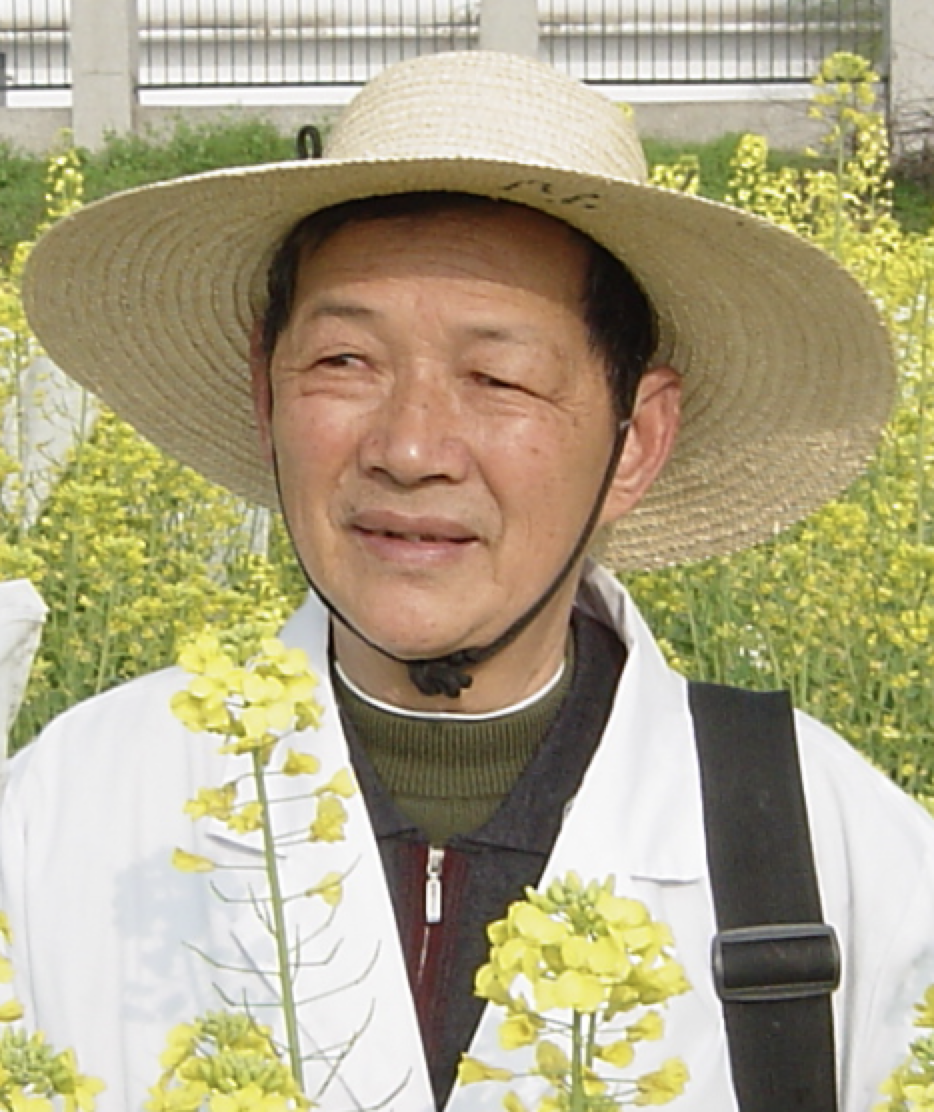 Tingdong Fu (傅廷栋)合作论文数College of Plant Science & Technology of Huazhong Agricultural University200
 Jinxing Tu (涂金星)合作论文数College of Plant Science & Technology, Huazhong Agricultural University166
 Jinxiong Shen (沈金雄)合作论文数College of Plant Science & Technology, Huazhong Agricultural University153
 Bin Yi (易斌)合作论文数College of Plant Science & Technology of Huazhong Agricultural University142
 Jing Wen (文静)合作论文数College of Plant Science & Technology of Huazhong Agricultural University125
 Cheng Dai (戴成)合作论文数College of Plant Science & Technology of Huazhong Agricultural University51
 Kaining Hu合作论文数29
 Shengqian Xia (夏胜前)合作论文数School of Life Science and Technology, Northwestern Polytechnical University14
 Lun Zhao (赵伦)合作论文数College of Plant Science & Technology of Huazhong Agricultural University13
 Xiaoling Dun合作论文数11
 Changbin Gao合作论文数11Yuanyuan Li (李媛媛)合作论文数10
 Zhengfu Zhou (周正富)合作论文数Henan Academy of Agricultural Sciences9Xiaomei Liang合作论文数9
 Shufen Zhang (张书芬)合作论文数河南省农业科学院9
 Xingguo Zhang (张兴国)合作论文数Southwest University9Lixia Zhu合作论文数9Shengwei Dou合作论文数8Chenjian Zhuo合作论文数8Huadong Wang合作论文数8
 Tong Zhang (张彤)合作论文数Biological Sciences Division, Pacific Northwest National Laboratory8JiaCheng Zhu (朱家成)合作论文数8Liu Zhiquan合作论文数8
 Shuangping Heng合作论文数8
 Liang Guo (郭亮)合作论文数National Key Laboratory of Crop Genetic lmprovement, College of Plant Science & Technology, Huazhong Agricultural University8
 Guangsheng Yang (杨光圣)合作论文数School Breeding and Multiplication, Hainan University8Liping Qi (漆丽萍)合作论文数8
 Fupeng Li合作论文数7
 Xiaowei Ma (马小卫)合作论文数South Subtropical Crops Research Institute, Chinese Academy of Tropical Agricultural Sciences7Duan Zhiqiang合作论文数7
 Bao Li (李宝)合作论文数College of Horticulture, China Agricultural University7
 Jianfeng Zhang合作论文数7Yuanyuan Pu合作论文数7Chengtao Quan合作论文数6Zewen Lv合作论文数6Shenhua Ye合作论文数6Xiangxiang Zhang合作论文数6Bing Li (冰 李)合作论文数6Zhou Guilong合作论文数6
 Shen Wenhao合作论文数National Center of Rapeseed Improvement, Huazhong Agricultural University;Evolutionary Biology Center, Uppsala University;Huazhong Agricultural University, Uppsala University6Chao Wei合作论文数6
 Zhen Huang (黄镇)合作论文数College of Agronomy, Northwest A&F University6Lulin Wang (王璐琳)合作论文数5Feng ZU (俎峰)合作论文数5Guanbo Yan合作论文数5Zengxiang Wu合作论文数5Xia Tian合作论文数5Xiang Luo合作论文数5Qing Xiao合作论文数5




