To investigate the changes in persimmon peel color induced by CO2 deastringency and preharvest 1-MCP spraying, we conducted a study with three experimental treatments: control, CO2 deastringency (CO2 group), and preharvest 1-MCP spray followed by CO2 deastringency (1-MCP/CO2 group). Relative to the control, the CO2 group exhibited considerably higher fruit respiration rate, ethylene production, peel-color index, and total carotenoid content, accompanied by a marked decrease in chlorophyll content. The 1-MCP/CO2 group maintained higher chlorophyll content, while all other indicators remained lower than those in the CO2 group. Among the carotenoid biosynthesis genes examined, DkGGPPS-1 predominated the control group, while DkGGPPS-2 was present in the CO2 and 1-MCP/CO2 groups. In the CO2 group, peak expression levels of DkPSY-1 and DkPSY-2 were 17.6-22.7 times the reference value; DkPDS, DkZ-ISO, and DkZDS were 5.5-9.3 times; DkLCYB was 1.9 times; and DkBCH was 5.5 times, whereas DkLCYE was markedly reduced. Alternatively, the control and 1-MCP/CO2 groups exhibited relatively stable expression. In the control group, DkNCED-1 was the main gene for making ABA. In the CO2 and 1-MCP/CO2 groups, DkNCED-1 and DkNCED-2 were the main genes, but 1-MCP could inhibit their expression. CO2 deastringency and 1-MCP treatments considerably enhanced and suppressed the expression of DkERF-1, respectively. Overall, CO2 deastringency and preharvest 1-MCP spraying influenced fruit respiration rate, ethylene production, total carotenoid and chlorophyll contents, and the expression of carotenoid biosynthesis genes, NCED, and ERF, thereby facilitating or delaying changes in persimmon peel color.
Using a new restorer line for rapeseed Ogura cytoplasmic male sterility, with a shorter foreign DNA fragment, higher fertility stability, and seed color as a marker, established a fully mechanized hybrid seed production system that greatly reduces labor costs and improves hybrid seed purity.
The cytoplasmic male sterility (CMS) is the main strategy for exploiting heterosis in rapeseed, with Polima CMS (Pol CMS) and Ogura CMS (Ogu CMS) being the most widely utilized systems. To enable high-throughput identification of cytoplasm types, we developed four Kompetitive Allele-Specific PCR (KASP) markers targeting or flanking the mitochondrial sterility genes orf224/atp6 (Pol CMS) and orf138 (Ogu CMS). Genotyping of 101 rapeseed accessions with diverse genetic backgrounds demonstrated accurate discrimination of cytoplasm types by these markers. By combining the above cytoplasmic markers with markers for the nuclear fertility restorer gene ( Rf ), we established a dual-marker system capable of simultaneously determining cytoplasmic type (S/N) and nuclear genotype ( RfRf / Rfrf / rfrf ). This system enables systematic tracing of the specific causes of purity decline in male-sterile lines, restorer lines, and hybrids, with results fully consistent with field phenotyping. Furthermore, using this dual-marker-assisted selection strategy, we efficiently identified 24 isoplasmic restorer lines from 187 germplasm accessions. In conclusion, the KASP markers developed in this study provide an efficient and precise tool for identifying mitochondrial sterility genes in the Pol CMS and Ogu CMS systems, thereby substantially improving the efficiency of parental line identification and purity assessment.
The storage of lipids is a crucial mechanism conserved across diverse organisms. Lipid droplets (LDs) are important organelles for storing lipids in cells, and there are many proteins interspersed with their outer phospholipid membranes. SEIPIN, as a LD protein, has been reported to influence the size and number of LDs, and to affect neutral lipid storage in Arabidopsis. In Brassica napus (B. napus), there are three SEIPIN genes, including SEIPIN1 (4 copies), SEIPIN2 (4 copies), and SEIPIN3 (2 copies). The transcriptome databases show that BnaSEIPIN1 only has high expression in late developing seeds, BnaSEIPIN2 has low expression almost in all tissues, while BnaSEIPIN3 has negligible expression across all tissues. BnaC03.SEIPIN1 and BnaA09.SEIPIN2 were cloned to be overexpressed in B. napus seeds specifically. The results showed that BnaC03.SEIPIN1 increased the oil content of seeds by 4.3–5.4
Brassica napus is the second most important oil crop worldwide. Number of primary branches (Branch number, BN) and silique number on the main inflorescence (SMI) are key yield-related quantitative traits. Here, we cloned a major QTL, qDB.A09, which simultaneously influences BN and SMI. The causal gene, SHOOT APICAL MERISTEM ENLARGER1 (SAME1), encodes a mutator-like transposase-derived transcription factor and is functionally confirmed to positively regulate BN and SMI in B. napus. A rare C-to-A single nucleotide polymorphism (SNP1055), located 1.4 kb downstream of SAME1, is associated with its elevated expression in the boundary region between the organising centre and central zone of the shoot apical meristem (SAM). Functional analysis indicates that high SAME1 expression represses the expression of BnaC06.ARR15 and expands the BnaA09.WUS expression domain, resulting in enlarged SAM size and increased BN and SMI, with BN increased by 3.40 ± 0.45 and SMI increased by 32.67 ± 4.03. In addition, the seed yield per plant is increased by 22.05%. We further demonstrate that qDB.A09 significantly increases BN and SMI in the elite cultivar ZS11, with BN increased by 3.10 ± 0.67 and SMI increased by 27.35 ± 9.12. This study provides a new genetic locus that can be utilised for the genetic improvement of yield-related traits in B. napus.
The main stem is a crucial component determining individual plant yield in rapeseed (Brassica napus). However, the genetic and developmental basis underlying the multi-main-stem trait remains largely unclear. In this study, we identified a multi-main-stem mutant, mms1, which exhibited a significantly increased silique number per plant and abnormal shoot apical meristem (SAM) development. Genetic analysis demonstrated that the multi-main-stem trait was controlled by a recessive gene. Using bulked segregant analysis combined with a Brassica napus 50 K SNP array and map-based cloning, the locus was mapped to a 340-kb interval on chromosome A09 of the ZS11 reference genome and was designated BnaA09.MMS1. Candidate gene analysis revealed that BnaA09G0254500ZS, which harbors sequence variations in both the promoter and coding regions and shows significantly increased expression in the mutant, was the most likely candidate gene. In addition, phytohormone analysis revealed reduced auxin accumulation in mutant SAMs, together with transcriptomic changes in genes associated with the CLAVATA3 (CLV3)-WUSCHEL (WUS) feedback loop. These findings provide an important foundation for elucidating the genetic basis of the multi-main-stem trait and offer a valuable genetic resource for rapeseed improvement.
Branch number is an important agronomic trait that determines the number of siliques per plant and yield in rapeseed (Brassica napus). However, the complex genetic and molecular mechanisms regulating the formation of branch number in rapeseed remain unclear. In a previous study, we isolated an EMS-induced multi-branching mutant (mbm1). Here, agronomic trait analysis showed that the mbm1 mutant produced more effective primary branches, total silique number, and yield per plant compared with the wild type. Genetic analysis indicated that the multi-branching trait of the mbm1 mutant is controlled by incompletely dominant gene(s) and follows nuclear inheritance. As a result of combined BSA-seq-based mapping and RNA-seq profiling, two candidate genes, BnaC03G0462000ZS (BnaC03.GAE6) and BnaC03G0491900ZS (BnaC03.MEE14), were identified based on sequence variation and expression differences. KASP marker analysis confirmed that there are significant associations between these two gene loci and the multi-branching trait. Hybrid progeny derived from crosses between the mbm1 mutant and commercial cultivars L329 and ZS11 showed significantly improved yield due to increased effective branch number. Together, these results provide important genetic resources and a theoretical foundation for further elucidating the genetic regulatory network of branching in rapeseed and for developing high-yielding rapeseed varieties with ideal plant architecture.
Flooding can lead to oxygen deprivation in rapeseed,negatively affecting its growth and development and ul-timately reducing yields.Vitreoscilla hemoglobin(VHb),a bacterial hemoglobin with a high oxygen-binding affinity,plays a key role in enhancing oxygen uptake and metabolic efficiency under low-oxygen conditions.Through genetic transformation,we overexpressed the VHb gene in rapeseed,which resulted in significant im-provements in survival rate,root length,and biomass under submerged conditions.Additionally,we observed that transgenic plants developed adventitious roots in response to submergence stress.These transgenic plants also exhibited increased activities of ethanol dehydrogenase and pyruvate decarboxylase—enzymes associated with anaerobic respiration.Our findings indicate that VHb enhances flooding tolerance in rapeseed by promoting adventitious root formation and strengthening the plant's capacity for fermentation metabolism under anaerobic conditions.
Ogura cytoplasmic male sterility (Ogu CMS) is a widely utilized in the production of hybrid rapeseed (Brassica napus). Nevertheless, the development of codominant molecular markers associated with restorer genes has consistently presented a formidable challenge, attributable to the fact that these restorer genes are derived from exogenous sequences. In the present study, we have developed four cosegregating markers. Through sequence alignment, we identified rapeseed sequences that are highly homologous to the flanking sequences of the restorer gene Rfo and developed markers based on the differences between these homologous sequences. Based on this method, an Insertion-Deletion (InDel) marker and Kompetitive Allele Specific PCR (KASP) were developed. Restorer lines with different backgrounds, such as CLR650 and R2000, were utilized for marker validation, and the results demonstrated that the InDel marker (CIN6) and the KASP marker (BN9000018_K01) are widely adaptable and can accurately identify the restorer lines. Furthermore, F2 and BC1 offspring carrying the Rfo gene were selected using the allele-specific Rfo marker and exhibited restored fertility. Additionally, the BN9000018_K01 marker is codominant and can distinguish between heterozygous and homozygous genotypes. These molecular markers can accurately assess the genetic purity of Ogu CMS hybrid cultivars, with the results showing a match with grow-out trials exceeding 97%. Overall, the markers developed in this study cosegregate with the Ogu CMS restorer gene, making them suitable for molecular marker-assisted breeding of Ogu CMS restorer lines and for assessing the genetic purity of Ogu CMS hybrid cultivars.
Glucosinolates (GSLs), primarily found in Brassicaceae species, endow plants with functions in enhancing defense, providing therapeutic benefits, and contributing to unique food flavors. In the Ogu CMS restorer lines of rapeseed (Brassica napus L.), the introduction of extra radish genome segments contributes to the elevated accumulation of aliphatic glucosinolates (AGSLs) in leaves and seeds. However, the molecular mechanisms underlying AGSL biosynthesis in these restorer lines remain unclear. In this study, the expression profile of genes involved in the glucosinolate (GSL) biosynthesis pathway, were characterized revealing that GSL biosynthesis is most active in the silique pericarps. Through sequence alignment and functional analysis, a foreign RsMYB28 allele was identified and proposed as the key regulator of AGSL biosynthesis in Ogu CMS restorer lines. Functional validation via RsMYB28 overexpression confirmed its role in promoting AGSL accumulation. RsMYB28 specifically bound to the promoters of BnaIMDH3 and BnaCYP83A1, and activated their transcription. This study elucidates the core function of RsMYB28 in regulating AGSL biosynthesis in Ogu CMS restorer lines, providing a valuable genetic resource for improving rapeseed resistance and quality through breeding.
Abscisic acid (ABA) is a crucial plant hormone that regulates various aspects of plant development. However, the specific function of the ABA receptor PYL in fruit development has not been fully understood. In this study, we focused on DkPYL3, a member of the ABA receptor subfamily Ⅰ in persimmon, which exhibited high expression levels in fruit, particularly during the young fruit and turning stages. Through yeast two-hybrid (Y2H), firefly luciferase complementation imaging (LCI), protein inhibition assays, and RNA-seq techniques, we identified and characterized the DkPYL3 protein, which was found to inhibit the activity of protein phosphatase type 2 C (PP2C). By heterologous overexpressing (OE) persimmon DkPYL3 in tomatoes, we investigated the impact of the DkPYL3 gene on fruit development and ripening. DkPYL3-OE upregulated the expression of genes related to chlorophyll synthesis and development, leading to a significant increase in chlorophyll content in young fruit. Several fruit quality parameters were also affected by DkPYL3 expression, including sugar content, single fruit weight, and photosynthesis rate. Additionally, fruits overexpressing DkPYL3 exhibited earlier ripening and higher levels of carotenoids and flavonoids compared to wild-type fruits. These results demonstrate the pivotal role of DkPYL3 in ABA-mediated young fruit development, ripening onset, and fruit quality in transgenic tomatoes.
Optimizing plant height is a key breeding objective in Brassica napus to enhance lodging resistance and increase yield potential. In the present study, we identified a semi-dwarf gene in rapeseed, BnDWARF5 (BnDF5), which encodes a glycogen synthase kinase 3, BRASSINOSTEROID-INSENSITIVE 2 (BnaC03.BIN2), primarily controlling the elongation of basal internodes by inhibiting the elongation of internode cells. Genetic mapping and cloning revealed that BnDF5 is governed by a semi-dominant/dominant gene located on chromosome C03. Sequencing uncovered an SNP in BnaC03.BIN2 due to an amino acid substitution, which was confirmed via kompetitive allele-specific polymerase chain reaction marker analysis, and expressing the mutated BnaC03.BIN2 in the wild type resulted in decreased plant height. Practical breeding applications showed that heterozygous BnDF5 plants exhibited optimal intermediate height and strong yield heterosis, making the semi-dwarf mutant a valuable genetic resource for developing semi-dwarf rapeseed varieties with improved lodging resistance and yield.
Cold stress affects the seed germination and early growth of winter rapeseed, leading to yield losses. We employed transmission electron microscopy, physiological analyses, metabolome profiling, and transcriptome sequencing to understand the effect of cold stress (0 °C, LW) on the cotyledons of cold-tolerant (GX74) and -sensitive (XY15) rapeseeds. The mesophyll cells in cold-treated XY15 were severely damaged compared to slightly damaged cells in GX74. The fructose, glucose, malondialdehyde, and proline contents increased after cold stress in both genotypes; however, GX74 had significantly higher content than XY15. The pyruvic acid content increased after cold stress in GX74, but decreased in XY15. Metabolome analysis detected 590 compounds, of which 32 and 74 were differentially accumulated in GX74 (CK vs. cold stress) and XY15 (CK vs. cold stressed). Arachidonic acid and magnoflorine were the most up-accumulated metabolites in GX74 subjected to cold stress compared to CK. There were 461 and 1481 differentially expressed genes (DEGs) specific to XY15 and GX74 rapeseeds, respectively. Generally, the commonly expressed genes had higher expressions in GX74 compared to XY15 in CK and cold stress conditions. The expression changes in DEGs related to photosynthesis-antenna proteins, chlorophyll biosynthesis, and sugar biosynthesis-related pathways were consistent with the fructose and glucose levels in cotyledons. Compared to XY15, GX74 showed upregulation of a higher number of genes/transcripts related to arachidonic acid, pyruvic acid, arginine and proline biosynthesis, cell wall changes, reactive oxygen species scavenging, cold-responsive pathways, and phytohormone-related pathways. Taken together, our results provide a detailed overview of the cold stress responses in rapeseed cotyledons.
Abscisic acid (ABA) signaling interacts frequently with auxin signaling when it regulates plant development, affecting multiple physiological processes; however, to the best of our knowledge, their interaction during tomato development has not yet been reported. Here, we found that type 2C protein phosphatase (SlPP2C2) interacts with both flavin monooxygenase FZY, an indole-3-acetic acid (IAA) biosynthetic enzyme, and small auxin upregulated RNA (SAUR) of an IAA signaling protein and regulates their activity, thereby affecting the expression of IAA-responsive genes. The expression level of SlPP2C2 was increased by exogenous ABA, IAA, NaCl, or dehydration treatment of fruits, leaves, and seeds, and it decreased in imbibed seeds. Manipulating SlPP2C2 with overexpression, RNA interference, and CRISPR/Cas9-mediated genome editing resulted in pleiotropic changes, such as morphological changes in leaves, stem trichomes, floral organs and fruits, accompanied by alterations in IAA and ABA levels. Furthermore, the RNA-seq analysis indicated that SlPP2C2 regulates the expression of auxin-/IAA-responsive genes in different tissues of tomato. The results demonstrate that SlPP2C2-mediated ABA signaling regulates the development of both vegetative and reproductive organs via interaction with FZY/SAUR, which integrates the cross-talk of ABA and auxin signals during development and affects the expressions of development-related genes in tomato.
为分析密植条件下杂交油菜种子田间纯度与真实值存在差异的原因,在 40.5 万株/hm2 种植密度下研究 5 个品种、6 个纯度样品的田间纯度变化规律,并结合表型调查和SSR基因分型技术探究其原因.结果表明:品种、真实纯度及两者的交互作用均对田间纯度与真实纯度的偏差有显著影响.参试材料中田间纯度与真实纯度差异最大的是丰油730、最小的是沣油 737;其 4 叶期后群体的死亡率达 14.33%~21.33%,其中杂交种的成活率均显著高于母本;70%纯度下,丰油 730 的杂交种与母本的相对成活率显著高于沣油737.试验结果表明,4叶期后的自疏现象和杂交种的空间竞争优势会影响田间纯度表现,品种间杂交种与母本的相对竞争能力差异是影响田间纯度的主要原因.
Key messageA candidate gene Bndm1 related to determinate inflorescence was mapped to a 128-kb interval on C02 in Brassica napus.Brassica napus plants with determinate inflorescence exhibit improved traits in field production, such as lower plant height, improved lodging resistance, and consistent maturity. Compared to plants with indeterminate inflorescence, such features are favorable for mechanized harvesting techniques. Here, using a natural mutant 6138 with determinate inflorescence, it is demonstrated that determinate inflorescence reduces plant height significantly without affecting thousand-grain weight and yield per plant. Determinacy was regulated by a single recessive gene, Bndm1. Using a combination of SNP arrays and map-based cloning, we mapped the locus of determinacy to a 128-kb region on C02. Based on sequence comparisons and the reported functions of candidate genes in this region, we predicted BnaC02.knu (a homolog of KNU in Arabidopsis) as a possible candidate gene of Bndm1 for controlling determinate inflorescence. We found a 623-bp deletion in a region upstream of the KNU promoter in the mutant. This deletion led to the significant overexpression of BnaC02.knu in the mutant compared to that in the ZS11 line. The correlation between this deletion and determinate inflorescence was examined in natural populations. The results indicated that the deletion affected the normal transcription of BnaC02.knu in the plants with determinate inflorescence and played an important role in maintaining flower development. This study presents as a new material for optimizing plant architecture and breeding novel canola varieties suitable for mechanized production. Moreover, our findings provide a theoretical basis for analyzing the molecular mechanisms underlying the formation of determinate inflorescence in B. napus.
In order to explore the waterlogging tolerance of oilseed rape at the flowering stage,this study applied different waterlogging treatments on the parental lines of Brassica napus widely promoted in Hunan Province and evaluated the influence of different waterlogging periods on the seed yield per plant and yield components.The results showed that waterlogging treatment of 5 d greatly affected plant height,effective pod per plant,seed number per pod,and seed yield per plant,which resulted in an average of 63.5% yield loss of all parent materials,while the treatment of 7 d was more severe,which not only caused significant or extremely significant reductions in plant height,effective pod per plant,pod length,seed number per pod,and seed yield per plant of all lines but also resulted in 89.3% yield loss and even deaths of individual plants.Meanwhile,the correlation between the yield and yield components of Brassica napus under treatment of 5 d was significant,while that between the yield and yield components under treatment of 7 d declined.Therefore,this study concluded that waterlogging treatment of 5 d was ideal while screening the waterlogging tolerance of Brassica napus at the flowering stage.
High levels of cadmium (Cd) in soil can cause crop yield reduction or death. Cadmium accumulation in crops affects human and animal health as it passes through the food chain. Therefore, a strategy is needed to enhance the tolerance of crops to this heavy metal or reduce its accumulation in crops. Abscisic acid (ABA) plays an active role in plants' response to abiotic stress. The application of exogenous ABA can reduce Cd accumulation in shoots of some plants and enhance the tolerance of plants to Cd; therefore, ABA may have good application prospects. In this paper, we reviewed the synthesis and decomposition of ABA, ABA-mediated signal transduction, and ABA-mediated regulation of Cd-responsive genes in plants. We also introduced physiological mechanism underlying Cd tolerance because of ABA. Specifically, ABA affects metal ion uptake and transport by influencing transpiration and antioxidant systems, as well as by affecting the expression of metal transporter and metal chelator protein genes. This study may provide a reference for further research on the physiological mechanism of heavy metal tolerance in plants.
Using map-based cloning and transgenic transformation, we revealed that glycogen kinase synthase 3-like kinase, BnaC01.BIN2, modulates plant height and yield in rapeseed. The modification of plant height is one of the most important goals in rapeseed breeding. Although several genes that regulate rapeseed plant height have been identified, the genetics mechanisms underlying rapeseed plant height regulation remain poorly understood, and desirable genetic resources for rapeseed ideotype breeding are scarce. Here, we map-based cloned and functionally verified that the rapeseed semi-dominant gene, BnDF4, greatly affects rapeseed plant height. Specifically, BnDF4 encodes brassinosteroid (BR)-insensitive 2, a glycogen synthase kinase 3 primarily expressed in the lower internodes to modulate rapeseed plant height by blocking basal internode-cell elongation. Transcriptome data showed that several cell expansion-related genes involving auxin and BRs pathways were significantly downregulated in the semi-dwarf mutant. Heterozygosity in the BnDF4 allele results in small stature with no marked differences in other agronomic traits. Using BnDF4 in the heterozygous condition, the hybrid displayed strong yield heterosis through optimum intermediate plant height. Our results provide a desirable genetic resource for breeding semi-dwarf rapeseed phenotypes and support an effective strategy for breeding rapeseed hybrid varieties with strong yield heterosis.
Chlorophyll is one of the key factors for photosynthesis and plays an important role in plant growth and development. We previously isolated an EMS mutagenized rapeseed chlorophyll-reduced mutant ( crm1 ), which had yellow leaf, reduced chlorophyll content and fewer thylakoid stacks. Here, we found that crm1 showed attenuated utilization efficiency of both light energy and CO 2 but enhanced heat dissipation efficiency and greater tolerance to high-light intensity. BSA-Seq analysis identified a single nucleotide change (C to T) and (G to A) in the third exon of the BnaA01G0094500ZS and BnaC01G0116100ZS , respectively. These two genes encode the magnesium chelatase subunit I 1 (CHLI1) that catalyzes the insertion of magnesium into protoporphyrin IX, a pivotal step in chlorophyll synthesis. The mutation sites resulted in an amino acid substitution P144S and G128E within the AAA+ domain of the CHLI1 protein. Two KASP markers were developed and co-segregated with the yellow leaf phenotype in segregating F 2 population. Loss of BnaA01.CHLI1 and BnaC01.CHLI1 by CRISPR/Cas9 gene editing recapitulated the mutant phenotype. BnaA01.CHLI1 and BnaC01.CHLI1 were located in chloroplast and highly expressed in the leaves. Furthermore, RNA-seq analyses revealed the expression of chlorophyll synthesis – related genes were upregulated in the crm1 mutant. These findings provide a new insight into the regulatory mechanism of chlorophyll synthesis in rapeseed and suggest a novel target for improving the photosynthetic efficiency and tolerance to high-light intensity in crops.
 TongHua Wang (王同华)合作论文数15Mei Li合作论文数14YiMing Guo (郭一鸣)合作论文数12XinHong Liu (刘新红)合作论文数12
 Jinxing Tu (涂金星)合作论文数College of Plant Science & Technology, Huazhong Agricultural University10
 Bin Yi (易斌)合作论文数College of Plant Science & Technology of Huazhong Agricultural University8LiChao Deng (邓力超)合作论文数7Liang Qu (曲亮)合作论文数7
 Jing Wen (文静)合作论文数College of Plant Science & Technology of Huazhong Agricultural University7
 Chaozhi Ma (马朝芝)合作论文数College of Plant Science Technology, Huazhong Agricultural University;National Key Laboratory of Crop Genetic Improvement, Huazhong Agricultural University7
 Jinxiong Shen (沈金雄)合作论文数College of Plant Science & Technology, Huazhong Agricultural University6
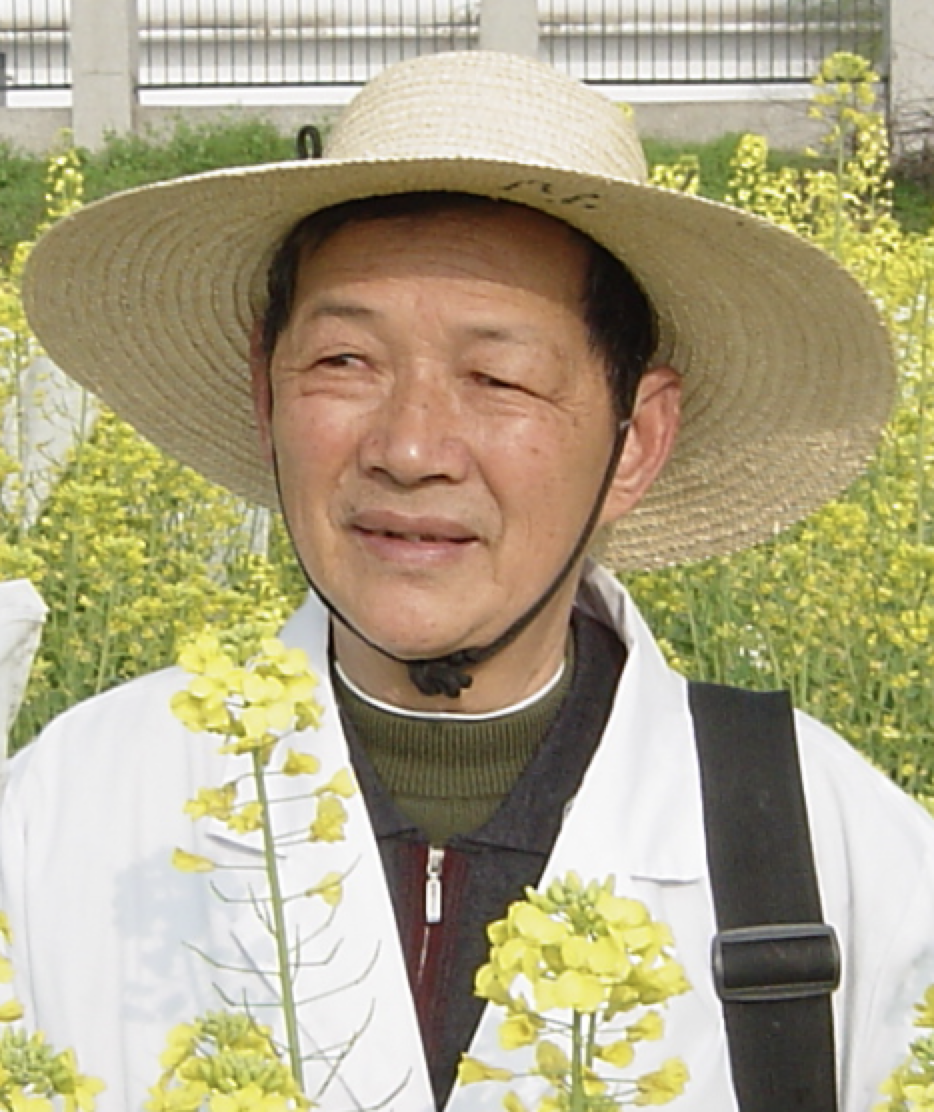 Tingdong Fu (傅廷栋)合作论文数College of Plant Science & Technology of Huazhong Agricultural University6Mingli Yan (严明理)合作论文数School of Life and Health Science, Hunan University of Science and Technology6Lili Liu合作论文数4
 Liang Guo (郭亮)合作论文数National Key Laboratory of Crop Genetic lmprovement, College of Plant Science & Technology, Huazhong Agricultural University4Jiao Chen合作论文数3Jin-feng WU (吴金锋)合作论文数3LianYi Fan (范连益)合作论文数3
 Kaining Hu合作论文数3Chenjian Zhuo合作论文数2Yuquan Zhao合作论文数2X. Li合作论文数2Zengxiang Wu合作论文数2Pingzhuo Liang合作论文数2
 Shan Tang合作论文数Natl Key Lab Crop Genet Improvement, Huazhong Agr Univ2Aisen Li合作论文数2Xing Zhou (周兴)合作论文数2Ying Li合作论文数2
 Shen Wenhao合作论文数National Center of Rapeseed Improvement, Huazhong Agricultural University;Evolutionary Biology Center, Uppsala University;Huazhong Agricultural University, Uppsala University2
 Qian Li (李倩)合作论文数College of Horticulture, China Agricultural University2
 Lixin Wu (吴立新)合作论文数State Key Laboratory of Supramolecular Structure and Materials, College of Chemistry, Jilin University2
 Dawei Zhang (张大伟)合作论文数The College of Life Sciences, Sichuan University2
 Shuping Xu (徐抒平)合作论文数State Key Laboratory of Supramolecular Structure and Materials, Institute of Theoretical Chemistry, Jilin University;Department of Molecular Sciences, Macquarie University2
 Xiaoying Zhao (赵小英)合作论文数College of Biology, Hunan University2
 Weiqing Xu (徐蔚青)合作论文数State Key Laboratory of Supramolecular Structure and Materials, Jilin University;Colege of Chemistry, Jilin University2Feng ZU (俎峰)合作论文数1Zhanglei Du合作论文数1Zhaonan Yin合作论文数1
 Tingting Zhou (周婷婷)合作论文数College of Electronic Science & Engineering, Jilin University1Jiaqi Wang合作论文数1Miaoquan Fang合作论文数1Chongping Song合作论文数1Mengya Ma合作论文数1Hongxiang Lou合作论文数1Fujiang Xiang合作论文数1
 Bin Xu (徐斌)合作论文数State Key Laboratory of Supramolecular Structure and Materials, College of chemistry, Jilin University1Shuxiang Mao合作论文数1




