Sufficient testing under corner cases is critical for the long-term operation of vehicle-infrastructure cooperation systems (VICS). However, existing corner case generation methods are primarily AI-driven, and VICS testing under corner cases is typically limited to simulation. In this paper, we introduce an L5 “Interactable” level to the VICS digital twin (VICS-DT) taxonomy, extending beyond the conventional L4 “Optimizable” level. We further propose an L5-level VICS testing framework, IMPACT (Interactive Mixed-digital-twin Paradigm for Advanced Cooperative vehicle-infrastructure Testing). By enabling direct interactions between human operators and VICS entities, IMPACT introduces realistic human-related uncertainties into the testing loop and supports the human-in-the-loop generation of corner cases as a complement to AI-driven methods. Furthermore, the mixedDT-enabled “Physical-Virtual Action Interaction” facilitates safe VICS testing under corner cases, incorporating real-world environments and entities rather than purely in simulation. Finally, we implement IMPACT on the I-VIT (Interactive Vehicle-Infrastructure Testbed), and experiments demonstrate its effectiveness. The experimental videos are available at our project website: https://dongjh20.github.io/IMPACT.
Reinforcement learning (RL) has emerged as a promising approach for achieving high-level autonomous driving as its self-evolving ability without reliance on human rules. Although RL-driven methods have yielded fruitful demonstrations in driving domain, most of them are trained and validated only on simulation platforms. Due to the inherent difference between simulation and reality, the driving policy usually performs poorly when applied to a realistic environment. In this paper, we propose an adversarial training framework for driving policy to enhance practical performance, which introduces the adversarial policy to simulate the discrepancy of environments during training and incorporates the collected data from the real world to provide the discrepancy bound. Besides, the adversarial policy is iteratively updated with gradient-based optimization, which enables the automatic generation of diversified discrepancies for different traffic participants. The action projection is developed to ensure that the output of adversary satisfies the discrepancy bound given by data, so as to prevent an aggressive adversary making the overly conservative policy. We evaluate the trained policy on a fully sized vehicle at an urban intersection with mixed traffic flows. Results indicate that our driving policy can handle unseen behaviors of traffic actors meanwhile realizing the safe and smooth control for the automated vehicle. Our work provides a feasible solution for RL implementation in the field of real-world autonomous driving.
This paper investigates the challenge of steering control failure in autonomous distributed-driven electric vehicles (ADDEVs) under cyber attacks, primarily caused by compromised sensor measurements. To address this issue, a steering resilient control based on sensor measurement output reconstruction is proposed. First, a dynamic vehicle model is developed to describe the motion behavior of ADDEVs, and a generalized cyber attack model is constructed. Then, a hierarchical control architecture is introduced. At the upper level, a model predictive controller (MPC) utilizing reconstructed sensor data is constructed to compute the deflection angle of the front wheels and additional yaw moment. At the lower level, lateral coordinated control rules and a torque allocation method ensure optimal distribution of wheel torques. Finally, hardware in the loop (HIL) test results under four typical cyber attacks, namely false data injection attack (FDIA), denial of service attack (DOSA), replay attack (REPA), and random packet loss attack (RPLA), verify that the formulated control framework enhances trajectory tracking and lateral stability of ADDEVs. The proposed method is oriented to the on-board internet of things (IoT) perception network, which enhances the resilient control capability of ADDEVs in the IoT environment.
In emerging mixed traffic environments, connected and autonomous vehicles (CAVs) must interact with surrounding human-driven vehicles (HDVs). This study introduces multisource human-in-the-loop mixed cloud control testbed (MSH-MCCT), a novel CAV testbed that captures complex interactions between various CAVs and HDVs. Utilizing the mixed digital twin concept, which combines mixed reality with digital twins, MSH-MCCT integrates physical, virtual, and mixed platforms, along with multisource control inputs. Bridged by the mixed platform, MSH-MCCT allows human drivers and CAV algorithms to operate both physical and virtual vehicles within multiple fields of view. In particular, this testbed facilitates the coexistence and real-time interaction of physical and virtual CAVs and HDVs, significantly enhancing the experimental flexibility and scalability. Experiments on vehicle platooning in mixed traffic showcase the potential of MSH-MCCT to conduct CAV testing with multisource real human drivers in the loop through driving simulators of diverse fidelity.
A major obstacle to the rapid maturation and real-world deployment of cooperative connected and automated vehicles (CAVs) is the prohibitive cost and extensive on-road testing mileage required to validate safety in natural traffic, where genuinely high-risk scenarios are exceedingly rare. Although existing scenario-generation methods can generate high-risk scenarios at scale, such scenarios frequently violate real-world physics or driver-behavior patterns, making them implausible and unsuitable for rigorous evaluation. To bridge this critical gap, we propose a plausible high-risk scenario generation method utilizing a bidirectional and autoregressive transformer (BART). Continuous vehicle trajectories from extensive naturalistic datasets are tokenized into a concise behavioral vocabulary, enabling the model to capture latent plausibility structures and realistically reproduce vehicle maneuvers. An iterative risk-feedback mechanism further steers scenario generation toward aggressive yet physically plausible driving conditions, effectively escalating cumulative risk within each simulation and thus yielding more plausible high-risk scenarios. Across cooperative lane-change and merging verification, the proposed BART-driven plausible high-risk generator yields markedly more high-risk and informative test scenarios than the Markov Decision Process (MDP) baseline, an Adaptive Stress Testing with a Deep Q-Network (AST-DQN), and a BART variant without risk-guided decoding, while maintaining a practical balance between scenario plausibility and risk elevation.
Predicting the future of surrounding agents and accordingly planning a safe, goal-directed trajectory are crucial for automated vehicles. Current methods typically rely on imitation learning to optimize metrics against the ground truth, often overlooking how scene understanding could enable more holistic trajectories. In this paper, we propose Plan-MAE, a unified pretraining framework for prediction and planning that capitalizes on masked autoencoders. Plan-MAE fuses critical contextual understanding via three dedicated tasks: reconstructing masked road networks to learn spatial correlations, agent trajectories to model social interactions, and navigation routes to capture destination intents. To further align vehicle dynamics and safety constraints, we incorporate a local sub-planning task predicting the ego-vehicle's near-term trajectory segment conditioned on earlier segment. This pretrained model is subsequently fine-tuned on downstream tasks to jointly generate the prediction and planning trajectories. Experiments on large-scale datasets demonstrate that Plan-MAE outperforms current methods on the planning metrics by a large margin and can serve as an important pre-training step for learning-based motion planner.
As sensing technologies and wireless communication advance, connected and automated vehicles (CAVs) will be able to share local sensor measurements with other surrounding vehicles for various driving tasks, including intelligent traffic routing, lane change alerts, and collision avoidance. However, CAVs are more susceptible to cyber-attacks because of vehicle connectivity. To address the practical issue of navigation systems of CAVs being vulnerable to malicious attacks from both internal and external-vehicle networks, the same physical variables are measured by multiple sensors in order to provide redundancy in the detection of cyber-attacks. Firstly, taking advantage of this redundancy, a cyber-attack detection method based on a convolutional social layer is proposed, which can accurately detect and identify cyber-attacks and track the location of malicious vehicles. Secondly, based on the accurate detection results, a real-time anomaly detection and recovery system (RADRS) is developed to safely estimate the real-time location information of CAVs. Then, a robust lateral control scheme is provided, which can stabilize the closed-loop dynamics and minimize the impact of cyber-attacks and network effects on vehicle tracking performance. Finally, simulation experiments are performed to demonstrate the effectiveness of our methods.
Training and evaluation of autonomous driving algorithms typically rely on large-scale and high-quality image datasets. However, existing sensor simulation methods for autonomous driving scenarios still exhibit notable limitations in visual realism and scene consistency. To address these challenges, this paper proposes a high-fidelity reconstruction and simulation framework for autonomous driving scenarios, termed HFRS (High-Fidelity Reconstruction and Simulation). First, HFRS presents a multi-scale optimized scene reconstruction strategy. By jointly constraining surface normals and depth information, the framework refines the spatial distribution of 3D Gaussians. In conjunction with a neighborhood-consistent multi-scale propagation mechanism, this strategy enhances structural continuity and rendering stability, thereby enabling the generation of high-fidelity static background models. Second, HFRS introduces a foreground-guided scene simulation approach. The framework reconstructs detailed 3D foreground models from single-view urban images and integrates spatially adaptive illumination estimation with feature-level control of foreground models. This design facilitates realistic and controllable autonomous driving scene simulation. Experimental results on public open-source datasets demonstrate that HFRS effectively achieves high-fidelity scene reconstruction and high quality scene simulation, providing reliable and scalable data support for the training and evaluation of downstream tasks. The code is available at: https://github.com/CHQWICV/HFRS
Single image dehazing continues to be hindered by the loss of high-frequency details and the difficulty of accurate physical scattering modeling. To address these issues, we propose Fi-Gaussian, a frequency-aware implicit Gaussian splatting network for single image dehazing. Unlike explicit rendering methods that rely on 3D point clouds, our method employs implicit Gaussian splatting to adaptively model the underlying distribution of clear images as a continuous representation in 2D feature space. The core of the network is a frequency-aware implicit Gaussian splatting module, which decouples low-frequency structural information and high-frequency texture information in the frequency domain and then performs adaptive Gaussian aggregation with complex-valued weights to recover fine details. In addition, a physics-driven scattering renormalization mechanism is introduced to estimate the transmission map and atmospheric light under the guidance of implicit Gaussian priors. Extensive experiments on multiple benchmark datasets demonstrate that Fi-Gaussian achieves state-of-the-art quantitative performance and produces visually superior dehazed results, validating the effectiveness of implicit Gaussian splatting for low-level vision tasks.
Trajectory planning is crucial for ensuring safety, efficiency, and comfort in autonomous driving, particularly in highway environments, which are critical components of intelligent transportation systems and require vehicles to navigate complex and uncertain traffic conditions. However, related methods are lack of adaptive decision-making capabilities and suffer from high algorithmic complexity. To this end, this paper proposes a novel trajectory planning framework based on deep reinforcement learning and spatio-temporal planning, aiming to improve the adaptability and overall performance of autonomous driving systems in complex traffic environments. First, a data-driven decision-making method based on deep reinforcement learning is developed to establish a stable and human-like decision system. At the planning level, a variable voxel structure is designed to handle different decisions and scenarios, with the spatio-temporal feasible region constructed based on vehicle dynamics model and transportation safety regulations. Trajectory planning is then carried out using piecewise B & eacute;zier curves, incorporating various constraints. Finally, a new decision detection module is developed to ensure decision feasibility, while enhancing the self-learning ability of the DRL agent and fully leveraging the performance of the planning layer. Our proposed trajectory planning method is established based on forward decision guidance and backward optimization feedback. Experiments conducted on the highway-env simulator and the CQSkyEyeX real-world dataset show that the proposed framework outperforms the compared reinforcement learning and spatio-temporal planning methods in terms of decision-making efficiency, safety, and human-like planning.
This study proposes a reinforcement learning-based model predictive controller (RLMPC) with an adaptive fixed-time disturbance observer (AFxTDO) for a connected and autonomous vehicle (CAV) platoon under switching communication topologies (CTs) and disturbances. First, a Markovian model is employed to characterize stochastic CT variations. Then, an AFxTDO is proposed to estimate the unknown disturbances, which is embedded into the model predictive controller (MPC) prediction model to enhance robustness against disturbances arising from nonlinear dynamics. On this basis, an RLMPC is developed to ensure state consensus and energy optimization. The MPC cost function incorporates penalties on tracking errors, energy consumption, and neighborhood error deviations to couple platoon objectives with economic performance under switching CTs. Furthermore, an advantage-weighted reinforcement learning scheme is introduced to learn the terminal cost online to eliminate the need for a terminal set in the MPC design, thereby achieving better tracking performance. Theoretical analysis proves that the proposed RLMPC achieves stability and string stability for the platoon under switching CTs. Finally, numerical simulations and small-scale experimental tests validate the proposed method.
The global automotive industry is undergoing a once-in-a-century transformation, in which the convergence of intelligence and connectivity represents not merely a technological evolution but a strategic imperative with far-reaching implications for national industrial competitiveness, transportation system restructuring, and overall societal efficiency. Drawing on systems engineering principles, this paper systematically examines six dimensions of transformative change in intelligent connected vehicles (ICVs), including electronic/electrical architectures, development paradigms, and safety assurance frameworks. It further provides an in-depth analysis of the Vehicle-Road-Cloud Integration architecture from the perspective of cyber-physical systems (CPS) theory. Evidence from both academic research and industrial practice demonstrates that the linear extension of vehicle-centric intelligence faces fundamental systemic constraints, including limitations in physical perception, diminishing returns on computing investment, and persistent challenges posed by long-tail safety scenarios. The deep integration of data-driven intelligence with networked collaboration has emerged not only as a critical pathway for overcoming these constraints, but also as the fundamental direction for the next generation of intelligent driving technologies. Building on this analysis, the paper proposes a systematic framework comprising five foundational platforms—cloud control, high-definition mapping, on-board terminals, computing infrastructure, and cybersecurity. Together, these platforms provide the technological foundation for large-scale industrial deployment and the development of open ecosystem. Given that both automobiles and ships can be regarded representative intelligent mobile platforms, the technological evolution patterns and system architecture insights discussed in this paper may offer useful reference for research and practical implementation in the field of ship intelligence.
The future trajectories of surrounding agents are critical for the motion planning and control of autonomous vehicles. Thus, this study employs Transformer to develop a multi-agent trajectory prediction model named Multi-agent Trajectory Vector Transformer (MaTVT). MaTVT features a lightweight architecture, comprising a dual-level encoder formed by a low-level encoder and a high-level encoder, along with a multi-modal decoder. Once input enters MaTVT, the low-level encoder first constructs polar coordinate systems centered on target agents and then projects historical trajectories and map elements to each agent-centered coordinate system. Next, it utilizes attention mechanisms to encode motion features, agent-agent interactions, and agent-infrastructure constraints independently and fuses them into the agent encoding sequence. Considering the agent response delay, the low-level encoder extracts heterogeneous spatial-temporal features from agent encoding sequences as the local encodings for target agents. Afterward, the high-level encoder treats all agents as the nodes in a directed graph and utilizes a Graph Attention Network to convert inter-agent relationships into global encodings, which are fused with the local encodings of target agents. Finally, the multi-modal decoder translates these fusion encodings into multi-modal trajectory predictions for target agents. This study selects complex traffic scenarios from the Argoverse Motion Forecasting dataset to create a dedicated dataset for MaTVT training, validation, and testing. The test results demonstrate that MaTVT outperforms advanced benchmark methods in prediction performance, revealing its superb accuracy, efficiency, and robustness. In addition, ablation studies further explain the interpretability of the main functional components of MaTVT and their contributions to prediction performance.
Safety and real-time performance are key requirements for decision-making and motion planning in intelligent vehicles. However, existing learning-based methods lack interpretability in terms of safety, making it difficult to effectively avoid collision risks. Additionally, rule-based approaches face challenges such as planning failures and limited real-time performance. To address these issues, an integrated framework for real-time decision-making and motion planning focused on collision avoidance is proposed. First, in terms of safety, a vehicle motion-based safety assessment module (VMSA) is developed to provide interpretable safety guarantees. This ensures continuous checking and timely adjustment of lane change gap, effectively preventing planning failures. Second, in terms of real-time performance, a motion planning module based on multi-objective deep reinforcement learning (DRL) and transfer learning is designed to optimize motion trajectory generation. Additionally, a DRL policy based on global traffic features is proposed to optimize lane selection, and curriculum learning is employed to enhance training stability. Simulation results show that, compared with other methods, the proposed framework enables real-time decision-making while effectively improving driving efficiency and safety.
Abstract With the increasing complexity of urban traffic flow, intersections have become critical bottlenecks for improving overall traffic efficiency. In the previous research, we established a modeling framework for multi-vehicle conflict decoupling and proposed a traffic optimization decision-making method for intersection scenarios. In this study, we present the experimental results of the multi-vehicle conflict decoupling modeling and traffic optimization decision-making method. The algorithm is implemented on the micro test bench of Tsinghua Intelligent Connected Vehicle Laboratory to validate its effectiveness, and the implementation details are thoroughly presented. Experimental results demonstrate that, in a single experiment, the proposed multi-vehicle conflict decoupling modeling framework outperforms the benchmark algorithm in average travel time, total delay, and overall traffic uniformity. In the mixed traffic environment, the average number of turns, average speed and standard deviation of the proposed traffic optimization decision-making method are better than that of the fixed timing signal light, and has significantly optimized the travel delay time, providing a theoretical guarantee for collaborative decision-making in mixed traffic. These experimental findings demonstrate the significant potential of the multi-vehicle conflict decoupling modeling framework and traffic optimization decision-making method. The approach can be applied to intersection scenarios with different penetration rates of intelligent connected vehicles, enabling effective conflict resolution, enhancing traffic safety, and improving overall traffic efficiency.
This article investigates the zonotopic filtering problem for cloud-based vehicle tracking systems under joint privacy and communication bandwidth constraints. Cloud-side tracking platforms improve vehicle state estimation accuracy by fusing multisource measurements collected from roadside nodes. However, during roadside-to-cloud data transmission, the system is confronted with coupled challenges arising from privacy leakage risks and the communication burden induced by concurrent data uploads from large-scale sensor deployments. To address these challenges, a zonotopic fusion filtering framework incorporating privacy-preserving mechanisms and sparsity-aware sensor selection strategies is proposed to achieve a balanced tradeoff among privacy protection, communication efficiency, and estimation accuracy. First, a novel secret-sharing-based zonotopic fusion filtering method is developed, which embeds a dynamic-encoding-based secret sharing mechanism into the multisensor fusion process to protect both transmitted data and estimation results. Furthermore, to reduce redundant communications, a sparsity-promoting sensor selection scheme is constructed by introducing a sparsity penalty into the filter parameter optimization problem, enabling transmission only from sensors that effectively contribute to the current estimation accuracy. The resulting optimization problem is solved using convex relaxation and the alternating direction method of multipliers, yielding analytical update expressions for the filter parameters. In addition, the boundedness of the vehicle state estimation error is rigorously analyzed, and a sufficient condition ensuring that the estimation error remains bounded is established. Finally, simulation experiments demonstrate the effectiveness of the proposed algorithm in achieving accurate, communication-efficient, and privacy-preserving state estimation.
Autonomous vehicles (AVs) rely on accurate trajectory prediction for safe navigation in diverse traffic environments, yet existing models struggle with long-tail scenarios-rare but safety-critical events characterized by abrupt maneuvers, high collision risks, and complex interactions. These challenges stem from data imbalance, inadequate definitions of long-tail trajectories, and suboptimal learning strategies that prioritize common behaviors over infrequent ones. To address this, we propose SAIL, a novel framework that systematically tackles the long-tail problem by first defining and modeling trajectories across three key attribute dimensions: prediction error, collision risk, and state complexity. Our approach then synergizes an attribute-guided augmentation and feature extraction process with a highly adaptive contrastive learning strategy. This strategy employs a continuous cosine momentum schedule, similarity-weighted hard-negative mining, and a dynamic pseudo-labeling mechanism based on evolving feature clustering. Furthermore, it incorporates a focusing mechanism to intensify learning on hard-positive samples within each identified class. This comprehensive design enables SAIL to excel at identifying and forecasting diverse and challenging long-tail events. Extensive evaluations on the nuScenes and ETH/UCY datasets demonstrate SAIL's superior performance, achieving up to 28.8% reduction in prediction error on the hardest 1% of long-tail samples compared to state-of-the-art baselines, while maintaining competitive accuracy across all scenarios. This framework advances reliable AV trajectory prediction in real-world, mixed-autonomy settings.
Managing mixed vehicle platoons, which integrate intelligent and connected vehicles and human-driven vehicles, presents significant challenges due to the uncertainties inherent in human driving behaviors. Although data-driven control techniques utilizing trajectory data have shown a potential to address these challenges, their performance is often undermined by inevitable noise and external disturbances. To address this limitation, we propose a tube-based robust data-driven predictive control (TRDDPC) framework to enhance the robustness of mixed vehicle platoons. The framework begins by constructing a matrix zonotope set from data, which provides an over-approximation of system dynamics under the influence of noise and disturbances. By decoupling the over-approximated system into nominal and error subsystems, a data-driven minimal robust positively invariant set is used to encapsulate the impact of disturbances and noise. The TRDDPC framework then formulates an optimization problem to compute robust control inputs, which are implemented through a tube-based control mechanism. Simulation results show that for a mixed vehicle platoon with three vehicles, TRDDPC achieves reductions of 30.6 % in velocity error and 26.7 % in spacing error compared to data-enabled predictive control in comprehensive scenarios, with further reductions of 30.6 % and 32.3 % in emergency scenarios. Moreover, TRDDPC decreases computation time by 90.6 % , significantly enhancing the robustness and efficiency of mixed vehicle platoon control.
In the vehicle-cloud collaborative control system, the actual trajectories of heterogeneous vehicle groups often deviate from the desired trajectories planned by the cloud, due to factors such as model mismatch and non-ideal communication. This deviation compromises the effectiveness of cloud-based cooperative decision-making. However, traditional model predictive control (MPC) methods generally require online parameter identification of the dynamic models of heterogeneous vehicle groups in the cloud, leading to poor robustness in control performance. To address this issue, this paper proposes a robust predictive control method for heterogeneous vehicle groups in the ramp cloud control system, utilizing historical trajectory features. Firstly, a Hankel matrix is constructed based on the trajectory features, which is then employed to predict the states of heterogeneous vehicle groups. Subsequently, a robust predictive controller is designed using the Hankel matrix, with the controller parameters optimized via a genetic algorithm. Simulation experiments demonstrate that the proposed robust predictive control method achieves accurate trajectory tracking for heterogeneous vehicle groups and offers improved robustness compared to the MPC method. Additionally, scaled-down sandbox experiments based on a miniature cloud-control platform further validate the effectiveness and real-time performance of the proposed robust predictive control method.
Driving risk entropy, based on entropy law, is an innovative concept proposed for intelligent driving systems. The concept addresses the driving risks caused by the human-vehicle-road system using the driving information obtained; however, driving risks are challenging to assess due to numerous influencing factors and significant uncertainty. The risk entropy model of vehicles is visualized by introducing the concept of the basic isotropic risk elliptic line. Further incorporating the concept of information entropy, risk entropy models for vehicle in teraction and vulnerable participants are established, and the risk entropy model for roads is developed using raster coordinates. Ultimately, a three-dimensional driving risk entropy model is constructed based on the human-vehicle-road coupling model, with appropriate weights assigned to each parameter through the DDPG algorithm. Experimental results demonstrate the effectiveness of the driving risk entropy model.
 Yugong Luo (罗禹贡)合作论文数246
 Jianqiang Wang (王建强)合作论文数School of Vehicle and Mobility, Tsinghua University207
 Xiaomin Lian (连小珉)合作论文数School of Vehicle and Mobility, School of Mechanical Engineering, Tsinghua University111
 Shengbo Li (李升波)合作论文数School of Vehicle and Mobility, Tsinghua University99
 Qing Xu (许庆)合作论文数School of Vehicle and Mobility, Tsinghua University88
 Jinghua Guo (郭景华)合作论文数Department of Mechanical and Electrical Engineering, Xiamen University45
 Sifa Zheng (郑四发)合作论文数School of Vehicle and Mobility, Tsinghua University;Suzhou Automobile Research Institute, Tsinghua University42Jiawei Wang (王嘉伟)合作论文数38
 Diange Yang (杨殿阁)合作论文数School of Vehicle and Mobility, Tsinghua University38
 Mingyuan Bian (边明远)合作论文数School Of Vehicle and Mobtity, Tsinghua University36
 Mengchi Cai合作论文数Suzhou Automobile Research Institute, Tsinghua University30
 Zheng Yang (杨铮)合作论文数28Chaoyi Chen (陈超义)合作论文数27
 Long Chen (陈龙)合作论文数University of Chinese Academy of Sciences;Institute of Automation, Chinese Academy of Sciences24
 Wenbo Chu (褚文博)合作论文数23
 Jingyao Wang (王靖瑶)合作论文数Department of Automation, School of Aerospace Engineering, Xiamen University22
 Yougang Bian (边有钢)合作论文数College of Mechanical and Vehicle Engineering, Hunan University;Intelligent Vehicle LAB, Hunan University21
 Bolin Gao (高博麟)合作论文数School of Vehicle and Mobility, School of Mechanical Engineering, Tsinghua University21
 Shuwei Zhang合作论文数18
 Zhaobo Qin (秦兆博)合作论文数College of Engineering, China Agricultural University17
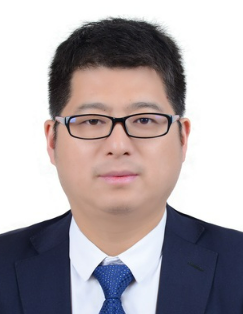 Hongbo Gao (高洪波)合作论文数Department of Automation, School of Information Science and Technology, University of Science and Technology of China16
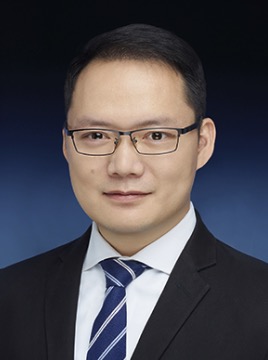 Lei He (何雷)合作论文数School of Vehicle and Mobility, Tsinghua University15
 Feng Gao (高峰)合作论文数College of Mechanical and Vehicle Engineering, Chongqing University15
 Bo Cheng (成波)合作论文数School of Vehicle and Mobility, Tsinghua University;Suzhou Automotive Research Institute, Tsinghua University15
 Yang Bin (宾洋)合作论文数College of Environmental and Energy Engineering, Beijing University of Technology14
 Dafeng Jin (金达锋)合作论文数School of Vehicle and Mobility, Tsinghua University14Weiwei Kong (孔维威)合作论文数Department of Information Engineering, Engineering University of Armed Police Force14
 Biao Xu (徐彪)合作论文数College of Mechanical and Vehicle Engineering, Hunan University14Jia Shi合作论文数13
 Dongpu Cao合作论文数Waterloo Cognitive Autonomous Driving Lab, University of Waterloo13
 Manjiang Hu (胡满江)合作论文数College of Mechanical and Vehicle Engineering, Hunan University;National Graduate College for Elite Engineers, Hunan University12
 Yifan Dai (戴一凡)合作论文数Suzhou Automotive Research Institute, Tsinghua University12
 Nenglian Feng (冯能莲)合作论文数College of Environmental and Energy Engineering, Beijing University of Technology12
 Shuai Li合作论文数11Jingliang Duan (段京良)合作论文数11Dezao Hou (侯德藻)合作论文数Research Institute of Highway Ministry of Transport11
 Huei Peng (彭晖)合作论文数Department of Mechanical Engineering, University of Michigan11Jinxin Liu (刘金鑫)合作论文数Department of Computer Science and Technology, School of Information Science and Technology, Tsinghua University10
 Pengfei Li合作论文数Institute for AI Industry Research, Tsinghua University;Institute of Intelligent Industry, Tsinghua University10Hui Xiong (熊辉)合作论文数10
 Ruina Dang (党睿娜)合作论文数China North Industries Group Corporation Limited10
 Tao Chen (陈涛)合作论文数School of Safety Science, Tsinghua University10
 Lei Zhang合作论文数10Yihe Chen (陈一鹤)合作论文数9Jian Pan (潘济安)合作论文数State Key Laboratory of Intelligent Deep Metal Mining and Equipment, School of Mechanical Engineering and Automation, Northeastern University9Peng Hao合作论文数9
 Xiaofeng Wang (王霄锋)合作论文数School of Vehicle and Mobility, Tsinghua University9Yunhao Hu合作论文数8
 Yang Guan (关阳)合作论文数School of Vehicle and Mobility, Tsinghua University8




