外科领域抗感染问题正受到越来越多的重视,近年的临床研究和实践积累了一些新认识,提出了一些新对策。外科医生需要与时俱进,了解这些新进展,不断改进我们的工作。
The current study explored the effects of intensive insulin therapy (IIT) combined with low molecular weight heparin (LMWH) anticoagulant therapy on severe acute pancreatitis (SAP). A total of 134 patients with SAP that received treatment between June 2008 and June 2012 were divided randomly into groups A (control; n=33), B (IIT; n=33), C (LMWH; n=34) and D (IIT + LMWH; n=34). Group A were treated routinely. Group B received continuous pumped insulin, as well as the routine treatment, to maintain the blood sugar level between 4.4 and 6.1 mmol/l. Group C received a subcutaneous injection of LMWH every 12 h in addition to the routine treatment. Group D received IIT + LMWH and the routine treatment. The white blood cell count, hemodiastase, serum albumin, arterial partial pressure of oxygen and prothrombin time were recorded prior to treatment and 1, 3, 5, 7 and 14 days after the initiation of treatment. The intestinal function recovery time, incidence rate of multiple organ failure (MOF), length of hospitalization and fatality rates were observed. IIT + LMWH noticeably increased the white blood cell count, hemodiastase level, serum albumin level and the arterial partial pressure of oxygen in the patients with SAP (P<0.05). It markedly shortened the intestinal recovery time and the length of stay and reduced the incidence rate of MOF, the surgery rate and the fatality rate (P<0.05). It did not aggravate the hemorrhagic tendency of SAP (P>0.05). IIT + LMWH had a noticeably improved clinical curative effect on SAP compared with that of the other treatments.
The therapeutic effects of intensive insulin therapy in treatment of traumatic shock combined with multiple organ dysfunction syndrome (MODS) were investigated. A total of 114 patients with traumatic shock combined with MODS were randomly divided into two groups: control group (n=56) treated with conventional therapy, and intensive insulin therapy group (n=58) treated with conventional therapy plus continuous insulin pumping to control the blood glucose level at range of 4.4–6.1 mmol/L. White blood cells (WBC) counts, prothrombin time (PT), serum creatinine (SCr), alanine aminotransferase (ALT), serum albumin and PaO2 were measured before and at the day 1, 3, 5, 7 and 14 after treatment. The incidence of gastrointestinal dysfunction, the incidence of MODS, hospital stay and the mortality were also observed and compared. After intensive insulin therapy, the WBC counts, SCr, ALT and PT were significantly reduced (P<0.05), but the level of serum albumin was significantly increased (P<0.05) at the day 3, 5, 7 and 14. In the meantime, the PaO2 was significantly elevated at the day 3, 5 and 7 (P<0.01) after intensive insulin therapy. The incidence of gastrointestinal dysfunction, the incidence of MODS, the length of hospital stay and the mortality were markedly decreased (P<0.01). The results suggest early treatment with intensive insulin therapy is effective for traumatic shock combined with MODS and can decrease the length of hospital stay and the mortality.
围手术期预防用抗菌药物使用是外科医生几乎每天遇到的问题.需要明确的是围手术期预防应用抗菌药的目的不是预防手术后可能发生的一切感染,而是预防手术部位感染(SSI),即发生在切口或手术深部器官或腔隙的感染,SSI的概念比切口感染宽,但比术后感染窄.SSI约占全部医院感染的15%,约占外科患者医院感染的35%~ 40%.
目的:探讨胰岛素强化治疗对于急性重症胰腺炎(SAP)的疗效.方法:2004年6月--2010年6月134例SAP患者随机分为对照组,胰岛素强化治疗组.对照组给予常规治疗,治疗组在常规治疗基础上给予胰岛素持续泵人.观察两组治疗前、后白细胞计数、血淀粉酶、血清白蛋白、动脉血氧分压以及肠道功能恢复时间、住院时间及病死率.结果:与对照组比较采用胰岛素强化治疗后,可显著降低第3,5,7,14天白细胞计数(P<0.05)、血淀粉酶(P<0.01);显著提高治疗后3、5、7、14天的血清白蛋白水平(P<0.01),显著提高第3、5、7天动脉血氧分压(P<0.01);显著缩短肠道功能恢复时间、减少住院时间、降低病死率(P<0.01).结论:胰岛素强化治疗可显著改善急性重症胰腺炎的疗效,缩短住院时间,降低病死率.
OBJECTIVE To explore the effects of percutaneous transhepatic radiofrequency ablation (PRFA) combined with tumor edge of percutaneous absolute ethanol injection (PEI) on liver cancer adjacent to major blood vessels. METHODS Seventy five patients with liver cancer adjacent to major blood vessels were randomly divided into two groups: PRFA+PEI therapy group (38 cases) and PRFA control group (37 cases). Tumor necrosis rate, AFP levels, local recurrence rate, median for survival time and cum survival were used as the evaluation index to evaluate the efficacies of the two methods. RESULTS Tumor necrosis rates of the therapy group and the control group were 84.2% and 54.1% (P < 0.01), respectively; AFP levels of therapy group and control group at 1, 3, 6 and 12 months after treatment were (105.0 ± 35.5) μg/L, (28.4 ± 4.3) μg/L, (58.6 ± 6.7) μg/L, (89.5 ± 12.5) μg/L and (137.2 ± 34.6) μg/L, (84.2 ± 18.4) μg/L, (106.6 ± 20.3) μg/L, (173.7 ± 32.0) μg/L, respectively. The rates of therapy group was significantly lower than of control group. Local recurrence rates of the therapy group and control group were 2.6%, 7.9%, 13.2% and 31.6% vs 10.8%, 21.6% , 40.5% and 62.1% (P < 0.05) at 3, 6, 12 and 24 months after treatment, respectively. Median for survival time of the therapy group and control group were 28.0 ± 2.8 months and 19.0 ± 3.6 months, respectively. Cum survival of the therapy group and control group were 84.2%, 78.9%, 60.5% and 31.6% vs 78.4%, 67.6%, 37.8% and 8.1% (P < 0.05) at 6, 12, 24 and 36 months after treatment, respectively. CONCLUSION PEI as a supplementary treatment of PRFA can effectively improve the treatment of liver cancer adjacent to major blood vessels and significantly reduce the local recurrence rate and improve long-term survival rates.
2009年4月29日下午,北京药学会阳光药师沙龙2009年第1期活动在北京亚洲大酒店隆重举行.本次活动的主题为"腹腔感染的治疗和临床药学".北京大学第三医院药剂科段京莉副主任担任主席,北京多家医院的药剂科主任组成专家支持团.活动得到了广大临床药师的热烈响应,参加人员达70余人.
临床上,不少患者因感染性疾病而手术,感染又是最常见的手术后并发症,抗生素有助于控制已有感染以及减少手术部位感染.无疑,围手术期正确使用抗菌药物是外科医生的重要基本功之一.但在临床工作中,不合理或不规范用药尤其是预防用药的现象相当普遍.
<正>应根据手术部位选择相对广谱、杀菌活性强、毒副反应小、价格不昂贵的抗菌药物。头孢菌素列为首选。第一代头孢菌素(头孢唑林)对G+葡萄球菌具有最强的杀菌活性,在预防头、颈、四肢及其他切口感染上有其优势,是最基本的预防用药;在预防胸、腹、盆腔手术部位感染时,则广泛使用头孢二代(头孢呋辛等);感染风险高的复
本文介绍了外科感染中革兰阳性菌、重症胰腺炎预防继发性感染以及手术抗生素相关性肠炎的研究进展,对术后抗生素相关性肠炎提出了详细的治疗方案。
The purpose of this study was to investigate bacterial translocation and change in intestinal permeability in patients after abdominal surgery. Sixty-three patients undergoing elective abdominal surgery were enrolled in the study. Blood samples were collected prior to operation and 2, 24, 48 h after surgery for bacterial culture, microbial DNA extraction, plasma D-lactate and endotoxin measurement. PCR analysis was performed after DNA extraction, with β-lactosidase gene of E. coli and 16S rRNA gene as target genes. All patients were observed for a period of 30 days for infectious complications. Our results showed that no bacterial DNA was detected before surgery, but after operation it was found in 12 patients (19.0%). Bacterial DNA was detected in 41.7% (10/24) of SIRS patients and 5.1% (2/39) of non-SIRS patients (P<0.01). About 83.3% of PCR-positive patients developed systemic inflammatory response syndrome (SIRS), but only 27.5% of PCR-negative patients did so (P<0.01). Two thirds of PCR-positive patients developed infectious complications, while none of PCR-negative patients did (P<0.01). The blood culture was positive only in 3 patients (4.8%), who were all PCR-positive. E. coli DNA was found in 66.7% of the PCR-positive patients. The plasma levels of D-lactate and endotoxin were elevated significantly 2, 24 and 48 h after operation in PCR-positive patients, with a significant positive correlation found between them (r=0.91, P<0.01). It is concluded that increased intestinal permeability was closely related with bacterial translocation. Intestinal bacterial translocation (most commonly E. coli) might occur at early stage (2 h) after abdominal surgery. Postoperative SIRS and infection might bear a close relationship with bacterial translocation.
<正>一、基本概念复杂性腹腔内感染(complicated intra-abdominal infections,IAIs)属于继发性腹腔感染范畴,是指感染致病菌超越原发受累的器官进入腹腔,引起腹膜炎或腹腔脓肿。此概念的提出,是基于此类感染对抗感染药物治疗有更高的要求,并非单纯手术就能解决。复杂性腹腔感染包括:①弥漫性或局限性化脓性腹膜炎;②阑尾
Objective To evaluate the feasibility and safety of the new Peng’binding technique in pancreaticoduodenectomy.Methods Pancreaticoduodenectomy with the new Peng’binding tech-niquewas performed on procedures of pancreatic stump,mutilation,vessels of peripancreas,drainage in 30 series from January 2000 to December 2006 and the complications about pancreatic leakage,biliary leakage,gastrointestinal bleeding were analyzed.Results The rate of pancreatic leakage,biliary leakage and gastroin-testinal bleeding,abdominal hydrocele,hepatic abscess,survival rate were 3.3%,6.7%,13.3%,73.3%,6.7% and 100%.Conclusion The new Modified Peng’binding pancreaticoduodenectomy is superior to Peng’ binding pancreaticoduodenectomy.
OBJECTIVE To investigate and analyze the perioperative prophylactic use of antimicrobial agents in 118 hospitals in China. METHODS 3557 medical records (from September to December, 2006) of 118 hospitals were drawn out randomly. The perioperative prophylactic use of antimicrobial agents was investigated and analyzed. RESULTS Prophylactic antimicrobial agents were used in 3485 cases (98%). The first 3 kinds of antimicrobial agents most in use were cephalosporins of 3rd generation (1775/3485, 50.4%), 2nd generation (1191/3485, 34.2%) and fluoroquinolones (1120/3485, 34.1%). The average durations of antibiotic use were 7.4 d for class I (clean) wounds 7.6 d for class II (clean/contaminated) wounds and 10. 5 d for class III (contaminated) wounds. Only 30.4% of patients received antibiotics within 2 h prior operation, and 52.2% of patients did not received antibiotics until the operation was completed. There were no indications for prophylactic antibiotic use in 16.7% of cases. Combining use of antimicrobial agents were performed in 56.5% of cases, and 22.1% of them lack of reasonable indications. CONCLUSIONS Inappropriate use of perioperative prophylactic antimicrobial agents is common and must be subjected to standardization.
Objective To investigate gut barrier dysfunction and bacterial translocation(BT) after hepatectomy using half or total liver vascular occlusion.Methods Fifty-five patients undergoing selective hepatectomy between 2003 and 2006 at General Hospital of PLA were divided into two groups:half liver occlusion group(HLO) and total liver occlusion group(TLO).Blood samples were collected prior to and 2h,24h,48h after surgery for microbial DNA extraction,plasma D-lactate,LPS measurement.PCR was performed after DNA extraction with target 16S rRNA gene of most pathogenic bacteria.Results No bacterial DNA was detected before surgery,but it was positive in 32 postoperative patients.The PCR-positive rate,plasma levels of D-lactate and endotoxin of TLO were higher than that of HLO(P0.01).Conclusion Half liver vascular occlusion has the advantages of both decreasing gut barrier injury and bacterial translocation rate.
OBJECTIVE To evaluate the safety and clinical efficacy of cefoperazone/sulbactam in the treatment of biliary tract infections.METHODS In this prospective multicenter study,159 hospitalized patients with biliary tract infections received cefoperazone/sulbactam,and the clinical and bacteriological efficacy as well as the side effects were evaluated.RESULTS The clinical effective rate of cefoperazone/sulbactam in the treatment of biliary tract infections was 86.78%.After treatment,the body temperature reduced to normal rapidly,the average time of defervescence was 3.09±1.81 days.Pathogen eradication rate was 85.71%.No adverse reactions were reported during the study period.CONCLUSIONS Cefoperazone/sulbactam can be used as one of antibiotics of choice in the initial empirical therapy for biliary tract infections.
Objective To discuss the mechanism of IL-6 changes after firearm injuries and the relationship between the changes and the severity of injuries. Methods 5.8 mm bullets were used to make various injuries. 24 health pigs were divided into 4 groups. Control group (Group C, n=6) was subjected to catherization only,group H(n=6) was subjected to tangental fracture of parietal bone. Comminuted fractures group (Group L, n=6) was subjected to tangental fracture of parietal bone and comminuted fractures of bilateral femora. Multiple trauma group (group M, n=6) was subjected to the injuries of Group H + L .The bioativities of IL-6 in portal blood and systemic circulation were detected with biological methods. The expression of IL-6 mRNA was assayed in lungs and livers before and after trauma. Results The plasma concentration of IL-6 in systemic circulation was increased obviously in 6 hours after trauma . The bioativities in portal blood increased more significantly than that in systemic circulation. The enhanced expression of IL-6 mRNA in lungs and livers were found after trauma. No significant changes were found in group C. Conclusion The expression of IL-6 in circulation or tissue are increased obviously after firearm injuries. The concentration of IL-6 may be associated with the injury severity.
抗生素是应对外科感染的重要武器.应用抗生素贵在合理,但在外科临床工作中,不合理使用抗生素的现象相当普遍,这不但影响疗效,还会引起一系列不良后果.
一、外科感染常见病原菌 我国外科感染最常见的病原菌是金黄色葡萄球菌、大肠埃希菌和铜绿假单胞菌,分别占全部分离菌的15%~19%左右,三者合计,占了全部病原菌的50%以上.其他比较常见的细菌是肠杆菌属、凝固酶阴性葡萄球菌、肠球菌、不动杆菌和克雷伯菌属.
OBJECTIVE:To investigate the influence of intensive insulin therapy on serum immunoglobulin (Ig), complement levels and phagocytosis of monocytes in patients with severe trauma. METHODS:Severe injured patients with injury severity score (ISS)>20 in surgical intensive care unit (ICU) were randomly divided into two groups, intensive insulin therapy and conventional therapy. Blood glucose levels in intensive insulin therapy and conventional therapy groups were maintained at 4-6 mmol/L and <11.1 mmol/L, respectively. Blood samples were obtained on 0, 2, 4, 6 and 8 days after admission. Dynamic changes of immunological parameters including serum IgA, IgG, IgM, complements (C3, C4) levels were determined in each group at various intervals following trauma. Phagocytosis of monocytes was also measured by use of phagotest kits after blood cells were incubated with fluorescein isothiocyanate (FITC)-labeled E. coli in a heated water bath at 37 centigrade. RESULTS:Serum IgA, IgG, IgM, C3 and C4 levels were low in two groups at admission, and elevated after treatment with recovery to normal range on 6-8 days. Serum C3 and C4 levels in intensive insulin therapy group were much lower than those in conventional therapy group (both P<0.05) with delayed recovery to normal range. There were no significant differences in serum IgA, IgG and IgM levels between two groups (all P>0.05). For the patients with intensive insulin therapy, phagocytosis of monocytes was markedly enhanced on 4 and 6 days compared with those at admission (both P<0.05), and E. coli-FITC positive rates were significantly higher than those with conventional therapy on 2, 4 and 6 days after admission (all P<0.05). CONCLUSION:Intensive insulin therapy can markedly improve immune function and enhance phagocytosis of monocytes, which might be used as one of effective methods to increase the host defense ability in traumatic patients.
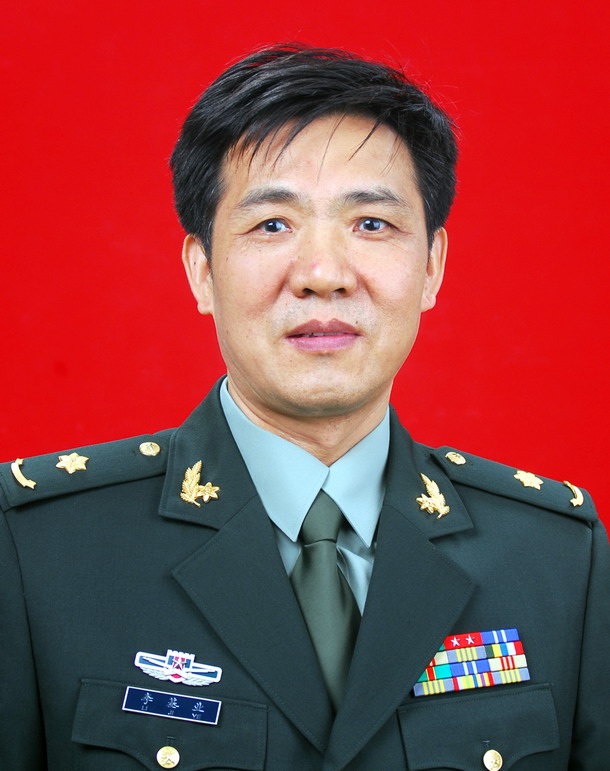 Jiye Li (李基业)合作论文数. Department of General Surgery,The First Affiliated Hospital of PLA General Hospital,Beijing ,China30
 Lian-rong LU (陆连荣)合作论文数24Qun Deng (邓群)合作论文数23ChengTang Wu (吴承堂)合作论文数21JunDong Du (杜俊东)合作论文数10XingDong Yang (杨兴东)合作论文数9YingXiang Yang (杨英祥)合作论文数8Yong Yu (于勇)合作论文数8Tao Li (李涛)合作论文数Chinese Pla General Hospital8
 Yongming Yao (姚咏明)合作论文数Chinese People's Liberation Army General Hospital;School of Medicine, Nankai University8xinkui zhang (张鑫奎)合作论文数7DeXin Xiong (熊德鑫)合作论文数7
 Zhi Qiao (乔治)合作论文数Chinese PLA General Hospital7XiangCheng Huang (黄祥成)合作论文数6ShiBin Wang (王世斌)合作论文数6
 Huabo Jiao (焦华波)合作论文数Chinese PLA General Hospital6Yanjie Liang (梁延杰)合作论文数4Junyou Li (黎君友)合作论文数The First Affiliated Hospital, PLA General Hospital4Hui-Nan Yin合作论文数4DeLin Qi (齐德林)合作论文数3
 Hongyuan Lin (林洪远)合作论文数People's Liberation Army General Hospital3ZiMan Zhu (朱自满)合作论文数3Sheng Yao (姚胜)合作论文数3
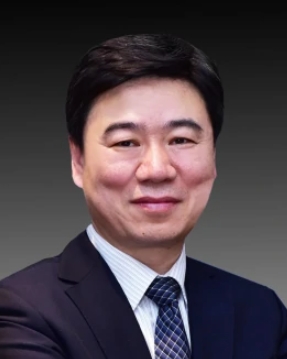 Rong Liu (刘荣)合作论文数Chinese PLA General Hospital;School of Medicine, Nankai University3
 Dadong Wang (王大东)合作论文数Fourth Medical Center of PLA General Hospital3Xiaofeng Zhu (祝小枫)合作论文数2jiaqi lu (陆家齐)合作论文数2tao wang (王涛)合作论文数2tao li (李涛)合作论文数2ShiHe Wu (吴仕和)合作论文数2Dan Sun (孙丹)合作论文数2Yan Yu (于燕)合作论文数2
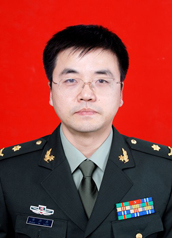 Yadong Zhang (章亚东)合作论文数Former 304th Hospital2
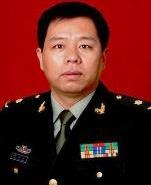 Xiaodong Zhao (赵晓东)合作论文数Department of Fuxing Road, the First Affiliated Hospital, General Hospital of the People′s Liberation Army2
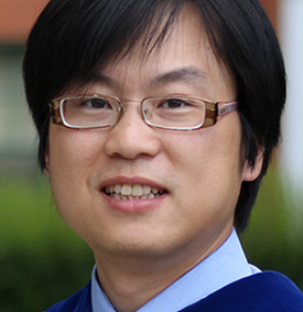 Xing-Dong Yang合作论文数XDiscovery Lab, School of Computing Science, Simon Fraser University;Dartmouth College2Yao Sheng合作论文数1Deng Qun合作论文数1guoping lv (吕国平)合作论文数1Yi Lu合作论文数1nan ma (马楠)合作论文数1Shuang-xi ZHANG (张双喜)合作论文数1Y Yu (于勇)合作论文数1Kang YUAN (袁康)合作论文数1Zhiling Zhang (张志凌)合作论文数1Ping ZHANG (张平)合作论文数1Feng LIU (刘峰)合作论文数1Lu MAO (毛璐)合作论文数1




