Sediment phosphorus (P) release generally intensifies with warming; yet the synergistic effects of temperature and organic matter (OM) enrichment on P dynamics remain poorly understood. In this study, we conducted long-term microcosm incubations under ambient and elevated temperatures using sediments with equivalent total P but varying OM contents. The results showed that elevated OM expanded the sedimentary mobile P (Mobile-P) pool; high-OM sediments (M-10%) contained 1.5 times more Mobile-P than low-OM sediments (M-2%). Warming and high-OM loading synergistically increased the sediment oxygen uptake rate and compressed the interfacial oxidation layer (<2 mm). Consequently, the average soluble reactive phosphorus (SRP) release flux in the M-10% treatment on day 15 was 47 times that of the M-2% treatment. This intense P release was driven by the reductive dissolution of iron-bound P (BD-P), the enzymatic hydrolysis of organic P (Org-P), and the chemical dissolution of calcium-bound P (HCl-P). Microbial analysis further revealed that high OM enrichment upregulated genes involved in Org-P hydrolysis (phoD) and iron reduction (mtrC). However, warming reshaped the dissolved organic matter (DOM) pool in the M-10% treatment, where accumulated insoluble humic acids immobilized SRP via chemical complexation with metal cations, thereby reducing the SRP flux by day 50. Nevertheless, this flux remained 21 times that of the M-2% treatment. This study elucidates the key geochemical and microbial mechanisms by which macrophyte-derived OM enrichment promotes sediment P release under warming, providing critical insights for sediment management and eutrophication control in macrophyte-dominated ecosystems.
High-altitude karst plateau lakes are increasingly threatened by eutrophication, yet limited knowledge of microscale sediment-water interface (SWI) biogeochemical processes constrains mechanistic understanding and management of internal nutrient loading. Here, we coupled colorimetric diffusive gradients/equilibrium in thin films (DGT/DET) with microelectrode profiling to co-map labile phosphorus (P) and ammonium (NH4+-N) at sub-millimeter resolution across the SWI of two contrasting karst lakes (deep, oligotrophic Lake Fuxian versus shallow, eutrophic Lake Dianchi) during the severe eutrophication period. 2D images revealed steep near-SWI gradients and discrete hotspots where labile P and NH4+-N were co-enriched within overlapping depth intervals, indicating a close microscale association between P and N mobilization. Generally, Lake Dianchi displayed markedly higher near-SWI labile P and NH4+-N concentrations and diffusive fluxes as compared with Lake Fuxian. Typically, Lake Fuxian maintained a relatively stable weakly alkaline pH and deeper O2 penetration across the SWI, together with low labile nutrient pools and Ca-P-dominated sediments, suggesting stronger near-interface nutrient retention. While Lake Dianchi appeared to be more strongly influenced by coupled water-column and sediment forcing. High OM loading likely altered the localized geochemical microenvironment through porewater acidification and the concurrent accumulation of Fe(II) and S(-II), processes that may have synergistically facilitated the interfacial co-release of P and N by weakening the oxidative barrier. These findings clarify the distinction between lake-scale ecological vulnerability to nutrient enrichment and local SWI-scale geochemical stabilization and reveal contrasting summer SWI nutrient migration patterns that can inform sediment-derived nutrient risk diagnosis in fragile karst plateau lakes.
Water turbidity and phosphorus (P) frequently occur as key challenges in natural water bodies such as urban lakes. In this study, a novel self-floating flocculant material (named APPCS) was developed by integrating attapulgite (AP), polyaluminum chloride (PAC), cationic polyacrylamide (CPAM), and sodium percarbonate (SPC). Phosphorus (P) and turbidity removal capability, floc-flotation efficiency, and mechanism of APPCS were investigated in detail. The results indicated that when PAC and CPAM were applied at 1.25 and 0.01 times the AP quality, respectively, APPCS achieved 97% turbidity removal, and the P adsorption capacity increased by 3.6 times. The excellent performance of APPCS was driven by the synergistic effects of charge neutralization by PAC, adsorption bridging by CPAM, and adsorption by AP. Microbubbles (MBs) released from APPCS were effectively encapsulated within the flocs, leading to a flotation efficiency exceeding 90%, which remained stable over an extended period. Density functional theory (DFT) calculations revealed that the hydroxyl (-OH) groups within the cross-linked Al-CO3 coordination structure provided strong and stable adsorption sites for O2, facilitating the firm encapsulation of MBs deep within the flocs. Furthermore, 48-day indoor incubation experiments demonstrated that APPCS possessed disturbance resistance and rapid recovery capabilities, with the suspended solids (SS) and total phosphorus (TP) in water reduced by 68.6% and 68.5%, respectively. All the results indicated that APPCS not only controlled the turbidity and P levels in water bodies effectively but also recovered flocs in situ through self-air flotation.
The transition from macrophyte to algae-dominated states in shallow eutrophic lakes increases suspended particulate matter (SPM) concentrations. As the primary carrier of heavy metal(loid)s (HMs), SPM plays a crucial role in their migration between water and sediment. However, the impact of this macrophyte-to-algae transition on speciation and mobility of these HMs remains unclear. In current study, we conducted monthly surveys of eight HMs in both the macrophyte (MDA) and algae-dominated (ADA) areas of Lake Taihu to reveal HMs behaviors influenced by SPM. Our findings revealed that HMs contents were higher in the ADA than in the MDA, and higher in SPM than in sediment. The total concentrations of these metals in Lake Taihu generally followed the order: Zn > Cr > Ni > Cu > Pb > As > Cd > Hg. In MDA, HMs delivered by SPM bind to reduced sulfide upon burial, locking them into more stable forms in the sediment and yielding markedly lower ecological risks. While in ADA, frequent sediment-water interface disturbance in the shallow lake sustains a settling-resuspension regime that maintains SPM in a persistently active state. This heightened particle lability keeps HMs in a more labile state, thereby increasing their bioavailability and ecological risks. Therefore, the transition from macrophyte to algae might promote the accumulation of HMs and amplify SPM's role in transporting and depositing HMs. The impacts of this transition on the migration and transformation of HMs, as well as the associated ecological risks, should be a focus of future research.
In shallow eutrophic lakes, particulate P (PP) normally accounts for a large proportion of the total phosphorus (TP) in the water column and strongly influences lake eutrophication. However, the source of PP and their seasonal transformation characteristics remain unclear. Here, we used δ¹³C, δ¹⁵N, and isotopic multivariate mixture models to identify the sources of SPM, while simultaneously analyzing the relationship between P forms and microbial community in SPM. Moreover, a 30-day indoor incubation experiment explored P transformation under varying pH/DO values and its impact on eutrophication. The results show that SPM was derived mainly from phytoplankton and algae in the summer, while it was derived mainly from terrestrial C3 plants and soil organic matter in the other seasons. Compared with sediments, SPM had a significantly higher P content, with Fe-P accounting for the greatest proportion. Firmicutes was the dominant taxon in the microbial community of SPM, facilitating the release of Org-P. Indoor incubations revealed that anaerobic and high-pH conditions significantly promoted the release of Al-P and Fe-P from SPM. According to the eutrophication index model, the water eutrophication index of the SPM group was "extremely eutrophic", whereas that of the sediment group was between "eutrophic" and "hyper eutrophic". The contribution of SPM to water eutrophication is approximately 1.47 times that of sediments. These results indicate that SPM has wider sources and high P activity and is more easily activated by environmental and microbial factors, exacerbating eutrophication.
Persistent deposition of particulate particles (PP) in eutrophic lakes accelerates sediment nitrogen (N) and phosphorus (P) release after dredging, undermining the long-term efficacy of post-dredging remediation. However, the influence of PP across varied quantities and compositions on dredging effects still lacks quantitative study. Herein, we quantified dredging efficacy under laboratory simulations of PP deposition with different cumulative thicknesses and organic matter (OM) contents. The results showed that PP with higher quantity and OM content significantly increased pore water N, P concentrations and their fluxes at the sediment-water interface (SWI), alongside decreasing sediment N, P contents (p < 0.001). Notably, accelerated loss of dredging efficacy manifested specifically in sediment N management, with PP quantity demonstrating dose-dependent effects on N dissolution and release (revealed by two-way ANOVA). In contrast, P release exhibited a "delayed pattern", remaining constrained until the O2 concentration at SWI declines below critical thresholds. For instance, the reduction in P flux by dredging was maintained at 41 % under 12 mm high-OM PP deposition at 60d (p < 0.001), significantly higher than the 13 % reduction rate of N flux achieved by dredging in the same condition (p > 0.05). The differential variation patterns of N and P potentially arise from the mechanistic differences in their responses to sediment oxygen uptake (SOU), which are dominated by OM mineralization and coupled OM mineralization-iron oxide dissolution, respectively. Thus, prioritizing the suppression of N release is critical for sustainable dredging management. Additionally, our data also demonstrated a risk threshold for annual PP deposition and associated OM enrichment in PP within dredging zones (conservatively defined as both ≥8 mm cumulative thickness and ≥3.3 % TOC), where cautious evaluation prior to dredging operations should be conducted.
Presence of dissolved organic matter (DOM) significantly affects phosphorus (P) sequestration in lanthanum (La)-modified clay. However, the effects and mechanisms of different autochthonous DOM at the molecular level remained unclear. In this study, algae-derived DOM (AOM), macrophyte-derived DOM (MOM), and sediment-derived DOM (SOM) from eutrophic lakes were selected as representative autochthonous DOMs. The impacts and mechanisms of these DOMs on P sequestration by La-modified attapulgite (LMA) were elucidated at the molecular level using a combination of kinetic experiments, X-ray photoelectron spectrometry (XPS), and Fourier transform ion cyclotron resonance mass spectrometry (FT-ICR-MS). The results indicated that the effects of three autochthonous DOMs on P sequestration by LMA differed significantly. The maximum P desorption ratio was highest under the influence of MOM (10.40 %), followed by AOM (8.13 %) and SOM (5.25 %) at a DOC concentration of 20 mg/L. The effects of autochthonous DOMs on P sequestration by LMA were jointly determined by the molecular heterogeneity of DOM and metal-bound P species affected in LMA. Proteins and lignin, particularly oxygen-, nitrogen-, and sulfur-rich molecules, played key roles in P desorption because of their high chemical reactivity. Further analysis revealed that compounds with molecular formulas consisted solely of C, H, and O (CHO) were identified as the primary influencing components in SOM, competing with P for adsorption sites on Fe oxides via C=C bonds. Compounds containing additional N (CHON) and S (CHOS) were the key components in MOM and AOM, respectively, facilitating the desorption of La-bound P through C-O bonds. These findings enhanced the understanding of how different autochthonous DOM influenced P sequestration by La-modified clay, providing valuable guidance for optimizing P pollution control in eutrophic lakes enriched with autochthonous DOM.
Marine heterotrophic bacteria produce polyphosphate (polyP) ubiquitously, yet their polyP functions and ecological significance are rarely studied. We investigated polyP dynamics of three common marine bacteria under phosphorus (P) and organic carbon limitations. Our results show that these bacteria accumulate varying levels of polyP: Alteromonas sp. accumulates up to 87% of polyP in total biomass P, Photobacterium ganghwense accumulates up to 35%, and Vibrio sp. accumulates less than 16%. This variability appears linked to differences in polyP functions. Under P limitation, polyP supports the growth of the two high-polyP-accumulating species, but not in Vibrio sp. with a low polyP level. Under organic carbon limitation, P. ganghwense uniquely degrades polyP for energy and survival. However, this mechanism is not observed under P limitation, despite similar levels of polyP accumulation in the bacteria. The phosphate produced from polyP degradation in P. ganghwense under organic carbon limitation is recycled within cells rather than released into the environment. Overall, our findings suggest that polyP enables some marine heterotrophic bacteria to cope with P and organic carbon limitations, potentially enhancing their competitiveness against phytoplankton for the common limiting nutrient phosphorus in marine ecosystems.
Algal decomposition plays an important role in affecting phosphorus (P) release from sediments in eutrophic lakes under global warming. Yet how rising air temperature affect endogenous P release from sediments during the algal decomposition is poorly understood. In this study, effect of increasing air temperature on endogenous P release was investigated. A 22-day laboratory warming simulation experiment was conducted, with the overlying water and sediments collected from Lake Chaohu incubated in microcosms at three temperatures (21, 28 and 37°C). Dynamics of P fractions and related physiochemical properties in water and sediments were measured, and P release rate from sediments was calculated. Rising air temperature significantly reduced redox potential, but elevated pH, dissolved organic carbon (C) and alkaline phosphatase activity in water. For the average value during incubation, rising temperature significantly elevated P release rate and soluble reactive P by 3 times in overlying water, and greatly reduced total organic P (by 19.0%) in sediments, while did not affect total inorganic P in sediments. The NH4Cl-Po and NaHCO3-Po concentrations in sediments showed the greatest decrease (accounting for 97.6% of total decrease) during the experiment. Dynamics of P release rate, soluble reactive P, dissolved organic C in water and organic P, total organic C in sediments during incubation were also differed among different temperatures. The P release rate was significantly and negatively correlated with dissolved organic C and redox potential at all temperatures, negatively correlated with sediment inorganic P at 21°C, while negatively correlated with sediment organic P at 37°C. The results revealed that rising temperature strongly stimulated endogenous P release from sediments during the decay of algal residues, which was mainly due to the acceleration of organic P mineralization Warming-induced changes in the amount and dynamics of dissolved organic C played the dominant role in accelerating P release from sediments.
Increasing algal blooms in lakes promote algal particle aggregation, deposition, and decomposition, driving hypoxia across the sediment-water interface (SWI). This hypoxic environment favors pollution-tolerant benthic organisms, such as Limnodrilus hoffmeisteri. Massively settled algal particles are often disturbed and transported by these benthic organisms, potentially influencing environmental conditions and phosphorus (P) exchange across the SWI. Our study investigates the synergistic effects of algal particle decomposition and bioturbation on internal P loading. The results demonstrate that the burrowing of L. hoffmeisteri during its active phase enhances sediment oxygenation, while sustained algal decomposition exacerbates hypoxia. Ultimately, the anaerobic state across the SWI is synergistically enhanced during algal degradation and benthic faunal decay. Redox-sensitive P (Fe-P) dissolution remains the primary pathway for P release across the SWI. Additionally, the decomposition of organic P (Org-P) over longer timescales and its enrichment in the subsurface sediment also present significant potential for P release. The organic matter derived from algal particle deposition drives P cycling processes, affecting the Fe-S-P cycle by facilitating sulfate reduction processes on the one hand. On the other hand, bioturbation accelerate the mineralization rate of Org-P, promoting P release across the SWI. Our findings suggest that effective management of P in eutrophic lakes should consider bioturbation, particularly in littoral areas with dense algal accumulation.
Lanthanum (La)-modified clay combined with submerged macrophytes has been widely applied to control internal phosphorus (P) loading. However, most studies focused on controlling inorganic P, with limited attention paid to the effectiveness and mechanisms of organic P (OP), especially from the perspective of rhizosphere effects. In this study, a root box simulation system was constructed, integrating microelectrode, planar-optode, 16S rRNA sequencing, and sequential OP extraction to investigate the effectiveness of La-modified attapulgite (LMA) combined with Vallisneria spiralis in controlling sediment OP and the root-mediated mechanisms involved. The results indicated that LMA combined with Vallisneria spiralis achieved significantly greater OP reductions in both overlying water (10.10 %-25.87 %) and all sediment fractions (1.94 %-25.49 %) compared to LMA capping alone. The Mantel test and Partial Least Squares Path Modeling further revealed that oxygen and organic acids secreted by Vallisneria spiralis roots played key roles in controlling sediment OP mobilization. Root oxygen release significantly boosted dissolved oxygen levels and penetration depth at the sediment-water interface by 1.16 and 3.41 times, respectively. This created favorable conditions for the growth of P-solubilizing bacteria, particularly the BD1-7 clade, subsequently accelerating the mineralization of Fulvic-OP to Labile-OP in sediments. Root-secreted organic acids lowered pH by 4.18 % in rhizosphere sediment, promoting the dissolution of Res-OP to Labile-OP. The transformed Labile-OP was absorbed by roots and LMA simultaneously, leading to a substantial decrease in sediment OP mobilization. These findings revealed the synergistic mechanisms of LMA and submerged macrophytes in efficiently remediating internal OP pollution, offering a promising solution for eutrophic waters.
Very few reports on the fine-scale behavior of phosphorus (P) in desert lakes largely restricts our comprehensive comprehension of their eutrophication processes and the evolution of effective lake management strategies. This study presented the novel application of two advanced high-resolution imaging technologies, i.e., diffusive gradients in thin films (DGT) and planar optode (PO), to investigate the micro-distribution and kinetic mobility of P in sediments of a typical desert lake (Hongjian Nur) for the first time. The obtained high-resolution profiles of labile P and microenvironments (e.g., pH, DO, sulfide (S2-), iron (Fe2+)) in all sediments underscored the intricate biogeochemical complexity and pronounced heterogeneity inherent in the sediments. Specifically, labile P concentrations ranged from 0.10 to 0.61 mg/L with an average value of 0.33 ± 0.16 mg/L. It is noteworthy that the mosaic distribution of labile P hotspots was observed predominantly at depths between -100 mm and -130 mm, which was probably corresponding to the active layer of labile P under the sediment-water interface (SWI). Moreover, the co-distributions of labile S and P in most sediments revealed significant correlations (p < 0.01), thereby highlighting that P mobility is intrinsically linked to the S cycle. Sediment adsorption simulation experiments revealed a gradually increasing risk of P release from Hongjian Nur sediments as the desert lake's progressive salinization accelerates under a warming, drying climate. Collectively, these findings firstly offer valuable insights into distribution and mobility mechanisms of P in desert lakes at a fine-scale, which are essential to understand the complex biogeochemical processes that regulate nutrient cycling in these fragile ecosystems.
The intensification of organic matter pollution is a critical issue in lake eutrophication research. Typically for macrophyte-dominated lakes of cold-arid regions, the increasing organic matter pollution, aggravating eutrophication status, and intensifying global changes amplify uncertainties in the evolution of lake ecosystems. This study investigates seasonal migration and transformation mechanisms of organic matter in Lake Ulansuhai, a macrophyte-dominated cold-arid eutrophic lake. Our findings revealed that Lake Ulansuhai exhibits persistently high organic matter concentrations in water and sediment, with dissolved organic matter dominating in the water column. Unlike subtropical lakes, organic matter burial in Lake Ulansuhai was significantly higher, peaking in winter, while mineralization occurred throughout spring, summer, and autumn. Summer conditions—elevated temperatures and algal-sourced organic matter—further accelerated mineralization. In addition, the accumulation of algal-sourced organic matter in the sediment and rapid consumption of algal-sourced organic matter in the water suggests an escalating trend in algal blooms. The warming trend of the area might intensify mineralization of buried organic matter through earlier ice melt and higher seasonal temperatures. These processes would in turn increase carbon emissions and promote a potential trend of transitioning to an algal-dominated turbid state. Future studies should give more focus on these accelerated organic matter cycling processes in similar cold-arid eutrophic lakes under an intensified global change trend.
The seasonal fluctuation of phosphorus in shallow water lakes is a crucial process in the response of lake ecosystems to environmental changes. Unravelling the seasonal fluctuation pattern of phosphorus and its influencing factors in lakes is key to scientific and effective lake management. This study utilized 12 years of continuous monthly monitoring data from Lake Chaohu to analyze the seasonal variation pattern of phosphorus and its driving factors. The results indicated that phosphorus in Lake Chaohu exhibited a distinct intra-annual fluctuation pattern. The period from February to April represented the low values of phosphorus, which gradually increased thereafter, with the peak phosphorus concentration occurring from August to October, reaching the annual high. During the high phosphorus period, the total phosphorus concentration was 0.058 mg/L higher on average than the low phosphorus period, representing an average increase of 84%. Moreover, this fluctuation amplitude increased gradually from east to west. The intra-annual variation patterns of phytoplankton biomass and chlorophyll- a did not precisely align with the phosphorus fluctuation pattern. The peak values of phytoplankton biomass occurred earlier in the year than the peak phosphorus values, and there was a period of substantial phytoplankton distribution even in winter when phosphorus concentrations were relatively low. The explanatory power of algal intra-annual fluctuation amplitude on phosphorus fluctuation amplitude was less than 10%, indicating a limited influence of phytoplankton's intra-annual changes on the seasonal phosphorus fluctuation in Lake Chaohu. The intra-annual fluctuation pattern of phosphorus in Lake Chaohu was likely primarily driven by the natural release of internal phosphorus, with limited evidence of the regulatory effects of algal pump suction and external pollution entering the lake. This study enhanced our understanding of the seasonal variation of phosphorus in shallow lakes and held significant scientific implications for formulating strategies to control internal pollution in lakes.
Developing a long-term method for controlling sediment N and P release is important for enabling lake restoration. In this study, inactivation methods using lanthanum-modified clay, modified zeolite, or planting aquatic vegetation and their combinations were used in the control internal sediment loading (pore water N and P concentrations and their fluxes), and the efficacies of the methods were analyzed. The results indicated that compared to the control sediment, the addition of P sorbent, which was La and Al co-modified attapulgite (ACLA), and N sorbent, which was NaCl-modified zeolite (modified zeolite), planting of aquatic vegetation Vallisneria spiralis (V. spiralis), and a combination of sorbents and plants effectively reduced the porewater nutrient content and its fluxes across the sediment-water interface. However, the reduction in pore water nutrients and flux were superior when using a combination of clay inactivation and aquatic planting. The poorest sediment N and P control was achieved by planting V. spiralis alone. The addition of La and Al co-modified attapulgite (ACLA) and modified zeolite efficiently reduced N and P in the sediment, but the N and P sorbents did not achieve long-lasting nutrient release control. The high efficiency obtained by the combination of modified clay-based inactivation and V. spiralis was likely due to the strong chemical sorption capacity of clay and oxygenation by the rhizosphere of aquatic vegetation. These results show that a combination of chemical and ecological methods would be the most effective approach to remediate polluted sediments in the long term.
Hypoxia is increasing in coastal oceans due to high oxygen consumption and weak ventilation. Quantifying biological oxygen uptake and how its effects on hypoxia respond to stratification is important for management and predicting future trends. This work introduces a simple analysis to quantify and compare the biological and physical drivers of hypoxia, by using an example from the Pearl River Estuary (PRE) region (10-70 m deep). We show that in the PRE region, sediment respires ∼50% of organic matter produced in the water column and oxidizes ∼88% of the ammonium produced from sediment organic matter degradation. These processes lead to high sediment oxygen uptake (SOU; 41.1±16.3 mmol m-2 d-1). Under stratification, sediment's effect on the bottom oxygen is strongly regulated by the thickness of the bottom boundary layer (BBL), and the robust relationships can be used to parameterize SOU. We then construct a simple and generic mass-balance model to estimate the water column oxygen uptake in the BBL (WOUBBL) and quantify the total oxygen loss. By comparing model results to observations in the PRE and other similar systems, we show that the sensitivity of oxygen levels to SOU is largely controlled by the duration of stratification, while the organic matter settling velocity controls the contributions of SOU to total oxygen consumption. We further demonstrate how the model can help evaluate the primary drivers of hypoxia (stratification versus high oxygen consumption), determine the time scale of stratification required to develop hypoxia, and explain the within and across system variabilities.
As a kind of phosphorus (P) inactivating agent, lanthanum-modified attapulgite (LMA) has effectively been used for controlling the release of P from sediments. However, the effects of LMA on sediments from different types of ecological environments, especially in the rhizosphere of macrophyte, have not yet been studied. In this study, sediments from black-odor rivers (Black-S), cyanobacteria blooms-dominated lake (Algal-S) and macrophyte-dominated lake (Phytic-S) were collected for laboratory-scale microcosmic experiments. The results indicated that LMA had a good inactivation effect on mobile P (sum of Labile-P, Fe-P and organic-P) in three types of sediments, and significantly reduced soluble and labile P in pore water. The rates of reduction of mobile P in Black-S and Algal-S were much higher than that in Phytic-S. LMA capping generated a new sediment water interface, which significantly promoted the growth of roots, the release of oxygen from Vallisneria natans, and the secretion of organic acids to improve the rate of utilization of P in sediments. Meanwhile, the addition of LMA increased the relative abundance of Sideroxydans in the rhizosphere of Vallisneria natans. The study provides a new insight into the applications of LMA capping combined with macrophyte in the restoration of sediments obtained from different ecological settings.
Aquatic plants are typically used to reduce the sediment phosphorus (P) release from eutrophic urban lakes. However, aquatic plants do not necessarily function well to control P release from urban lakes with high internal sediment P loading. To identify an effective method, aquatic plants (Vallisneria spiralis) and lanthanum-modified clay (LMC) were combined or used individually to remediate sediment P of various concentrations (low, moderate, high, and extremely high levels). Our results showed that the combination can efficiently control the P concentration in water columns and pore water, and inhibited sediment P release regardless of internal P level. At low and moderate internal P levels, Vallisneria spiralis alone exerts a similar control effect on pore water P and P flux compared with the combination method. However, there was 51% less reduction of P flux in Vallisneria spiralis treatment compared with combination treatment at high or extremely high level. Aquatic plants can only efficiently reduce sediment mobile P proportion (6%–7%) at low and moderate level. By contrast, LMC efficiently reduced the sediment mobile P proportion (13%–21%) and concurrently increased inert P fractions (HCl–P) at all investigated sediment P levels. The combination of chemical and ecological methods integrated all the advantages and can overcome the impact of high sediment internal P loading. This novel remediation method offers high application prospects in eutrophic urban lakes affected by severe internal P pollution.
The release of stored nutrients from sediments is thought to substantially affect water quality in urban lakes. To explore the efficiency of different in-situ remediation methods on controlling high internal urban lake sediments, 120 days of field-enclosure experiments were conducted to investigate the efficacy of P-sorbent materials combined with aquatic plants in controlling nutrient release from urban-lake sediments. The lanthanum-modified clay (LMC) effectively reduced sediment P release flux and could temporarily lead to a small increase in N concentration in the overlying water. In contrast, Vallisneria spiralis (V. spiralis) has a relatively weak effect on controlling nutrient release and can even cause an increase in P concentration. The combined restoration technique of V. spiralis + LMC can overcome the drawbacks of a single method, reduce the nutrient content in overlying water, and inhibit the sediment internal release. Relative to the control, the V. spiralis + LMC treatment reduced mobile P content by 52.5% and increased Ca-P content by 34.5%. The added lanthanum contained material can quickly bind the readily released P in sediment and porewater, transforming it into intert P over time. Submerged macrophytes can absorb active P in water and sediments and transport oxygen to sediments promoting denitrification and N removal. The combined restoration technique synergistically combines the high P sorption affinity of LMC and the substrate improvement effect of V. spiralis, thus realizing the long-term control of endogenous release in urban lakes. This approach holds great promise for restoring urban lakes with high endogenous nutrient loading.
 Chengxin Fan合作论文数31
 Ming Kong合作论文数25Jicheng Zhong (钟继承)合作论文数14
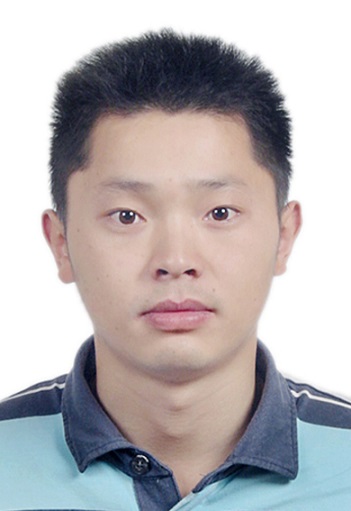 Yongjiu Cai (蔡永久)合作论文数Nangjing Institute of Geography & Limnology, Chinese Academy of Sciences;University of Chinese Academy of Sciences13Pan Yang合作论文数12
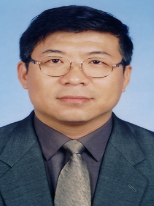 Junfeng Gao (高俊峰)合作论文数中国科学院大学中国科学院南京地理与湖泊研究所12Yang Chunhui合作论文数12
 Shiming Ding (丁士明)合作论文数School of Energy and Environment, Southeast University12Bao Li (李宝)合作论文数11
 Cheng Liu (刘诚)合作论文数School of Earth and Space Sciences, University of Science and Technology of China8
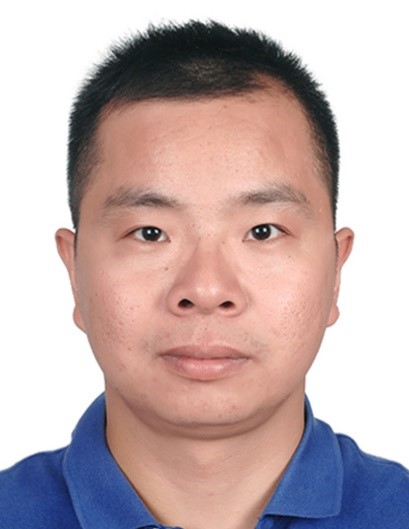 Lei Zhang (张雷)合作论文数Nanjing Institute of Geography and Limnology, Chinese Academy of Sciences;University of Chinese Academy of Sciences8
 Jiancai Deng (邓建才)合作论文数Nangjing Institute of Geography & Limnology, Chinese Academy of Sciences;University of Chinese Academy of Sciences7Yiwei Cai合作论文数6
 Qiang Li合作论文数6
 Man Zhang合作论文数6
 Jiying Li (黎吉映)合作论文数Department of Ocean Science, School of Science, The Hong Kong University of Science and Technology6Peng Yin (殷鹏)合作论文数6
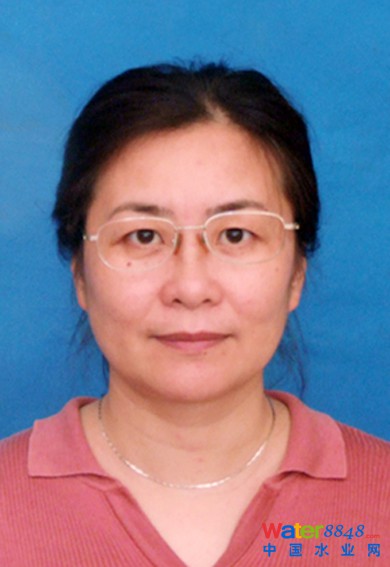 Yimin Zhang (张毅敏)合作论文数环境保护部南京环境科学研究所6
 Yongnian Gao (高永年)合作论文数School of Earth Sciences and Engineering, Hohai University6
 Hezhong Yuan (袁和忠)合作论文数Schoolof Environmental Science and Engineering, Nanjing University of Information Science & Technology6
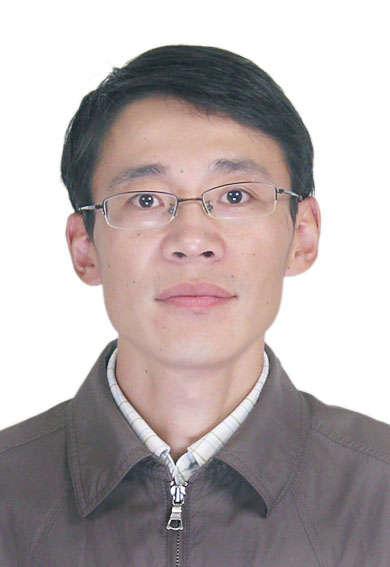 Lu Zhang (张路)合作论文数Nanjing Institute of Geography and Limnology, Chinese Academy of Sciences6Qiushi Shen合作论文数6
 You Zhang合作论文数5Wanying Tang (唐婉莹)合作论文数School of Chemical Engineering, Nanjing University of Science and Technology5
 Zhen Yang (阳振)合作论文数Nangjing Institute of Geography & Limnology, Chinese Academy of Sciences;University of Chinese Academy of Sciences5
 Enfeng Liu (刘恩峰)合作论文数College of Geography and Environment, Shandong Normal University, Jinan, 250358, China5Tianlun Han合作论文数4Jincan ZHU (朱锦灿)合作论文数4Haixiang Wang合作论文数4
 Yuanliang Shi (石元亮)合作论文数Institute of Applied Ecology, Chinese Academy of Sciences4
 Guoxiang Wang (王国祥)合作论文数School of Environment, Nanjing Normal University;School of Geography, Nanjing Normal University4Zhaode Wang合作论文数4Xiaozhi Gu (古小治)合作论文数Nangjing Institute of Geography & Limnology, Chinese Academy of Sciences;University of Chinese Academy of Sciences4Jianying Chao (晁建颖)合作论文数3Meixiang Han (韩梅香)合作论文数3Xiuling Bai合作论文数3TongCheng Wang (王同成)合作论文数3
 Long Cheng合作论文数Program in Neuroscience, Harvard Medical School3
 Wenxuan Han (韩文轩)合作论文数College of Resources and Environmental Sciences, China Agricultural University3
 Wei Li (李伟)合作论文数Department of Earth Scinece, School of Earth Sciences and Engineering, Nanjing University3
 Xin Lu (路鑫)合作论文数CAS Key Laboratory of Separation Science for Analytical Chemistry, Dalian Institute of Chemical Physics, Chinese Academy of Sciences3
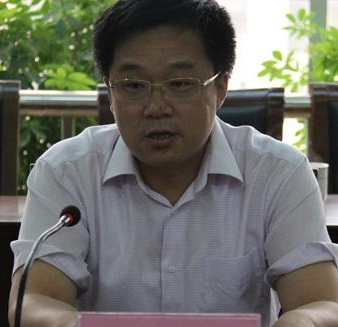 Yinlong Zhang (张银龙)合作论文数College of Ecology and Environment, Nanjing Forestry University3Kaining Chen (陈开宁)合作论文数3Bensheng You (尤本胜)合作论文数3
 Qiong Zhao (赵琼)合作论文数3Xin-Yu Ma合作论文数2Huiui Chen合作论文数2




