Sediment-water exchange of dissolved organic matter (DOM) represents a critical yet poorly constrained component of the marine carbon cycle. Here, we combine quantitative, molecular, and carbon isotope (delta 13C and F14C) analyses to investigate the production, composition, and export of porewater DOM in the German Bight, North Sea, and evaluate its broader implications using a global data set. In the German Bight, transport-regulated diagenetic pathways govern porewater DOM signatures. Diffusion-limited fine-grained sediments act as "selective reservoirs", accumulating younger, terrestrially derived, and compositionally less refractory DOM via preferential remineralization of labile marine carbon. Conversely, permeable sands function as "biocatalytic filters" where advection-driven oxygen infiltration fosters rapid mineralization of fresh intermediates, leaving a transformed, refractory residual pool. Globally, sediment organic carbon (OC) exerts a first-order control on porewater dissolved organic carbon (DOC) concentration and F14C signatures, while its delta 13C is influenced by external inputs such as methane-derived carbon at seeps. Benthic fluxes export younger, reactive compounds that facilitate the molecular renewal of bottom-water DOM. By utilizing negative-pressure techniques to minimize sampling artifacts, we obtain diffusive DOC flux estimates (0.48 and 0.12 mol C m-2 yr-1 for shelf and slope/deep-sea sediments, respectively) that avoid the systematic overestimation inherent in post-freeze-thaw centrifugation. Collectively, these findings emphasize that porewater DOM is a dynamic intermediary, regulated by sediment transport regimes, that actively shapes the quantity, composition, and long-term cycling of the marine DOM reservoir.
Dissolved organic sulfur (DOS) is a crucial yet poorly constrained component linking carbon and sulfur cycles in coastal oceans. To understand how hydrographic dynamics influence its fate, we investigated the chemical evolution of DOS along two distinct plume pathways from the Yangtze River Estuary to the East China Sea: the northward-extending offshore branch (Yangtze River Estuary Northward, YEN) and the southward-confined coastal branch (Yangtze River Estuary Southward, YES). We combined concentration measurements with ultrahigh-resolution mass spectrometry to characterize solid-phase extracted DOS. Results revealed that DOS concentrations decreased seaward but were consistently higher in YEN than in YES. At the molecular level, DOS in the high-salinity zone of YEN exhibited significantly lower aromaticity and higher oxygen-to-carbon ratios compared to YES, indicating divergent photochemical and microbial processing between the pathways. Crucially, in the subsurface hypoxic zone of YEN, we observed a marked increase in both the molecular diversity of dissolved organic matter (DOM) and the relative abundance of sulfonated molecular formulas, providing direct molecular evidence that hypoxia actively facilitates DOM sulfurization. Our results establish that plume trajectory and oxygen availability are key regulators of DOS molecular composition and transformation pathways, offering a mechanistic framework for sulfur-carbon coupling in large river estuaries and marginal seas.
Crop cultivation affects soil microorganisms, while microorganisms in turn regulate crop growth. However, the migration patterns of microorganisms across different crop growth stages and runoff pathways remain unclear. Therefore, this study investigated maize planting plots, with bare land as a control, to systematically analyze microbial migration patterns in surface runoff and subsurface runoff of maize growth stages (seedling stage (SS), heading stage (HS), flowering stage (FS), and post-harvest stage (PS)) through high-throughput sequencing. Results showed that microbial community structure shifted significantly with maize growth stage. In surface runoff, the relative abundance of Proteobacteria peaked during the HS, while tillage at the PS increased community dissimilarity. Subsurface runoff maintained higher microbial co-occurrence network complexity than surface runoff. Co-occurrence network complexity in maize plots increased during heading and flowering stages but declined after tillage, evidenced by reductions in node count, edge count, and average degree. Microbial community assembly processes differed between runoff pathways. Surface runoff from bare land was dominated by deterministic processes, whereas subsurface runoff exhibited greater randomness. Maize growth increased the randomness of surface runoff assembly but enhanced the determinism in subsurface runoff assembly. Functional analysis indicates that taxa with carbon and nitrogen cycling functions exhibit higher relative abundances in surface runoff, while those with sulfur cycling functions show higher relative abundances in subsurface runoff. This study advances the understanding of how microbial community characteristics along runoff pathways are regulated by crop growth stages in semi-humid regions, with implications for soil and water conservation, agro-ecohydrological processes, and runoff-related biogeochemical cycling.
Reservoirs play a pivotal role in riverine water resource management, while their influence on the cycling processes of riverine carbon remains to be further explored, constraining our comprehension of ecological impacts of reservoirs on terrestrial ecosystems. Here, we developed a machine learning (ML) model to characterize the dynamic of sedimentary organic matter (SOM) in the Yangtze River, one of the world's largest rivers under the influence of the Three Gorges Reservoir (TGR), one of the world's largest reservoirs. The TGR exhibited lower organic carbon and dissolved organic carbon concentrations than the midstream of the Yangtze River (MYR), with mean values of 0.90 ± 0.20% and 1.58 ± 0.37 mg L-1, respectively, compared with 1.34 ± 0.45% and 2.60 ± 0.58 mg L-1 in the MYR. These differences suggested enhanced microbial processing and carbon elimination within the reservoir. Our ML model further revealed that the TGR promoted the in situ burial of heteroatom-poor, low-aromaticity organic matter (OM), while facilitating the downstream transport and subsequent deposition of microbially reworked, highly recalcitrant OM in the MYR. Combining with greenhouse gas (GHG) emission data from TGR to MYR, we found that this dynamic of SOM is involved severely in the decline of CO2 (∼60%) and CH4 (∼24%) emissions in the middle and lower reaches of the Yangtze River. This study highlights the potential of ML in the assessment of ecological impacts of reservoirs, and suggests that reservoirs contribute to GHG mitigation in downstream river systems.
Blue carbon habitats, such as mangroves, salt marshes and seagrasses, are vital carbon sinks, storing large amounts of organic carbon in sediments, which often exhibit pronounced spatial variability even within a single site. Here, we examined the bio-geomorphologic controls underlying this spatial heterogeneity through yearround field investigation in a mangrove ecosystem along China's southern coast. Field observations across an elevation gradient revealed that sediment organic carbon stocks generally decreased with lowering elevation, with vegetated zones storing significantly more organic carbon than adjacent bare mudflats. Further analysis demonstrated that wave-induced bed level variability-rather than sediment input alone-was the primary factor governing carbon storage in the sediment. Vegetated zones had much higher sediment organic carbon stocks than bare mudflats due to the reduced hydrodynamic disturbance provided by the vegetation. Despite receiving six times more sediment input, the sediment carbon stock in the top 15 cm of bare mudflats was less than 25 % of that in the vegetated zones, due to experiencing at least three times more erosion and carbon loss. These findings establish a bio-geomorphologic framework for understanding heterogeneous carbon sequestration within mangroves and extend to other vegetated blue carbon habitats. By providing empirical evidence for the regulating role of bio-geomorphologic feedbacks, this study enhances predictive understanding of organic carbon burial processes and informs long-term assessments of coastal carbon sink dynamics under changing environmental conditions.
Abstract Dissolved organic nitrogen (DON) is a prominent component of fixed nitrogen in the upper ocean, yet remains one of the least characterized marine nitrogen reservoirs. Stable nitrogen isotopes of DON ( δ 15 N DON ) can provide insights into marine DON cycling, but analytical challenges in δ 15 N DON measurements have resulted in spatially and temporally sparse δ 15 N DON data sets for the upper ocean. In this study, we report δ 15 N measurements of both solid‐phase‐extracted DON and NO 2 − + NO 3 − in the upper 300 m of two sections (spanning 23° × 15°) in the West Tropical North Pacific (WTNP). δ 15 N values imply that DON in the upper waters of the WTNP primarily originates from N 2 fixation and phytoplankton production. DON consumption occurred throughout the water column, with isotopic fractionation factors decreasing systematically with depth ( ε = 5.6‰ ± 1.3‰ at surface to 1.5‰ ± 0.6‰ at 300 m), likely reflecting a shift from labile to recalcitrant substrates. Based on a system of three Rayleigh equations, the initial DON concentration and its δ 15 N value in the upper WTNP were determined to be 4.8 ± 0.2 μmol/L and 1.5‰ ± 0.1‰, respectively. Water mass mixing combined with DON production and consumption governs its large‐scale cycling in the WTNP. As such, projected surface ocean warming and intensified stratification may critically impact DON cycling across oligotrophic oceans.
Dissolved organic matter (DOM) plays a vital role in the safety and stability of drinking water, yet the molecular characteristics of DOM across urban aquatic systems remain insufficiently elucidated. In this study, advanced spectroscopic techniques and Fourier transform-ion cyclotron resonance mass spectrometry (FT-ICR MS) were employed to characterize DOM in municipal tap water (TW) and corresponding source water (SW) from Shenzhen, China. Comparative analyses revealed significant reductions in humic-like fluorescence, molecular weight, aromaticity, unsaturation, and N/S-containing molecules from SW to TW, primarily attributable to water treatment and distribution processes. Notably, while DOM in SW samples exhibited high molecular similarity across regions, TW samples displayed marked regional heterogeneity within the city. Specifically, TW from the eastern region contained higher concentrations of aliphatic compounds, peptides, and P-containing molecules, while TW in the middle and western regions possessed a greater abundance of highly unsaturated compounds. These findings enabled the further identification of two distinct human-associated transformation pathways: the eastern region favored the formation of carbon source-like compounds (e.g., lipids and peptides), whereas the western and middle regions promoted the accumulation of carbon sink-like substances (e.g., highly unsaturated and carboxyl-rich alicyclic molecules). This divergence indicates region-specific carbon cycling dynamics within the urban water system, highlighting a potential trade-off between risks of secondary pollution and toxic compound enrichment. Molecular-level insights generated by this study are essential for understanding DOM fate and carbon cycling within urban water systems, ultimately informing strategies to ensure the reliable and safe provision of drinking water.
Seaweed farming is increasingly recognized for its potential role in ocean carbon dioxide removal, yet the fate of small suspended particulate organic carbon (sPOC, 0.7-20 μm) released during macroalgal growth remains poorly constrained. Here, we investigated sPOC production, transformation, and microbial persistence in Sanggou Bay, China, one of the world's most intensive Saccharina japonica cultivation systems. During the farming season, sPOC concentrations increased by 103.4% and 117.0% in surface and bottom waters, respectively, relative to the nonfarming period, accompanied by shifts in sPOC molecular composition toward kelp-derived signatures. In situ mesocosm experiments showed increasing sPOC release with kelp development, reaching 13.4-63.5 μmol L-1 over 64 h across growth stages. The 180-day microbial incubations revealed that 18.1-55.6% of kelp-derived sPOC was retained in three microbially persistent carbon pools: recalcitrant sPOC (R-sPOC; 7.6-27.3%), recalcitrant dissolved organic carbon (4.6-9.7%), and bicarbonate-associated inorganic carbon (5.9-18.6%). Residual R-sPOC exhibited molecular characteristics associated with enhanced microbial resistance, with formula-level evidence of direct kelp release and microbial transformation (48.2% and 51.8%, respectively). These findings identify sPOC as a neglected, mechanistically distinct carbon-retention pathway in seaweed farming and provide a basis for assessing its potential contribution to longer-term blue carbon sequestration.
Understanding dissolved organic nitrogen (DON) transformation is critical for estuarine nitrogen dynamics, yet microbial contribution and mechanism remain poorly constrained under high terrestrial input. This study reveals that DON in Pearl River Estuary (PRE) exhibits non-conservative mixing jointly regulated by terrestrial inputs, autochthonous production and microbial processes. By integrating field observations, model simulations, and incubation experiments, this study identifies the mid-salinity mixing zone (10-25 PSU) as a transformation hotspot. Based on dark in vitro incubations, the microbial transformation rate was approximately 0.67 ± 0.23 μmol L-1 h-1. This process accounted for 77-87% of the total potential DON pool (defined as the sum of measured concentration and transformed DON) in mixing zone. Molecular analysis indicates that while physical dilution primarily drives the decline in bulk aromaticity (AImod, DBE), microbial processing qualitatively reshapes the DON pool. Specifically, microbial metabolism promotes the relative accumulation of recalcitrant lignin-like compounds by selectively consuming labile components. Microbial metabolism (particularly Candidate_Actinomarina) is the core driver of DON transformation. FAPROTAX analysis suggests a functional transition from methyl-oxidation-associated N transformations (heterotrophic nitrification and denitrification) to sulfur-oxidation-associated N transformations underlies the DON molecular variations along the salinity gradient. Terrestrial input accelerates biochemical reactions such as demethylation and deamination through the priming effect. Furthermore, mineralization of labile terrestrial DON potentially supplies key substrates that are closely linked to N2O production. These findings highlight the pivotal role of microbial transformation in regulating DON fate, providing new insights into estuarine nitrogen cycling under strong terrestrial inputs.
Carbonate-rich surface waters provide a natural laboratory for evaluating how photosynthesis modulates calcium (Ca) isotopes (644/40Ca) through photosynthesis-induced CaCO3 precipitation. Here, we conducted a comparative study at the Shawan Karst Water-Carbon Cycle Test Site (Southwest China) using five artificial groundwater-surface-water systems with identical hydrogeologic boundaries but contrasting land-use types. These systems were designed to generate gradients in groundwater Ca2+/Dissolved Inorganic Carbon (DIC) supply and aquatic primary productivity. We integrated hydrochemistry, elemental analyses, stable isotope measurements (delta 2H, delta 18O, delta 13CDIC, and 644/40Ca), mineralogical evidence, dissolved organic matter characterization, and isotope fractionation modeling to identify the key controls on 644/40Ca. Surface waters (P = pond) generally exhibited higher 644/40Ca than paired groundwaters (S = spring), consistent with preferential incorporation of light Ca isotopes during secondary CaCO3 precipitation and enrichment of the residual water in heavier Ca isotopes. Enhanced aquatic photosynthesis increased DIC consumption, promoted CaCO3 precipitation, and amplified the surface-groundwater Ca-isotope offset (Delta 44/40Ca (P-S) = 644/40Ca (P)-644/40Ca (S)). Land use further strengthened this offset by regulating both groundwater Ca2+ and DIC inputs (thereby influencing precipitation intensity) and primary productivity, following a gradient from bare rock to bare soil and vegetation cover. These findings highlight photosynthesis-driven carbonate precipitation as an important process shaping Ca-isotope variability in terrestrial carbonate watersheds.
Characterizing the isomeric diversity of molecular formulas (MFs) in dissolved organic matter (DOM) is essential for advancing research across environmental and biomedical sciences. Ultra-high-resolution mass spectrometry (UHR MS), particularly when coupled with high-performance liquid chromatography (LC-UHR MS), can resolve isomeric diversity chromatographically. However, its broad application is limited by high operational costs, the requirement for expert handling, and complex data interpretation. Here, we present GUIDE (Graph-based Understanding of Isomeric Diversity), a predictive framework that infers isomeric diversity directly from direct infusion UHRMS (DI-UHR MS) data, effectively bridging the gap between LC-UHR MS and DI-UHR MS. The framework incorporates a self-supervised graph learning module to learn MF representations from intrinsic molecular features and spatial topological relationships, followed by a deep neural networks for isomeric diversity prediction. Our approach achieves high accuracy in predicting chromatographic isomeric diversity of natural DOM, with consistent performance across multiple DI-UHR MS platforms, including DI-FT-ICR MS and DI-Orbitrap MS. This approach enables the resolution of MFs at the isomeric level, offering a refined molecular perspective of DOM composition and opening new avenues for research in biogeochemistry, environmental science, and analytical chemistry.
The identification of organic matter sources and their fate in aquatic ecosystems is crucial for understanding their role in food webs, contaminant transport, and carbon sequestration; yet, source tracking techniques often face challenges related to the overlapping signatures of bulk geochemical parameters and the representativeness of targeted analyses of source-specific compounds (e.g., lipids). Recent advances in high-resolution mass spectrometry, such as direct infusion Fourier transform ion cyclotron resonance mass spectrometry (DI-FT-ICR MS), allow for the detection of thousands of known and unknown organic-solvent-extractable molecular signatures, including lipids, in a single sample; however, untargeted screening analysis remains underutilized due to difficulties in linking organic-solvent-extractable formulae to specific sources and biogeochemical processes. Here, we integrate both targeted biomarkers and untargeted screening approaches to label a wide range of organic-solvent-extractable formulae in sediments and explore their potential to decipher the sources, transport, and fates of terrestrial, marine, and anthropogenic organic compounds in coastal environments. Using Xiangshan Bay as a model ecosystem, three diagnostic groups were identified (t’-Peaks, m-Peaks, and h-Peaks) representing terrestrial, marine, and anthropogenic contributions, respectively. Three novel indices (It’, Im, Ih) are then introduced to trace the spatial variability of terrestrial, marine, and anthropogenic organic matter contributions across the bay. These indices are further validated in the Pearl River Estuary, demonstrating their broader applicability in coastal ecosystems. This study highlights the potential of untargeted screening using DI-FT-ICR MS as a sensitive and scalable tool for tracing diverse organic matter sources, with applications in carbon cycle and paleoenvironmental studies, as well as in watershed management and pollution monitoring.
Rivers play an important role in land-to-ocean organic carbon (OC) transport, yet how intensifying human activities alter the composition and reactivity of riverine OC remains poorly understood, hindering predictions of terrestrial OC fate in marine environments. The Yellow River's Water and Sediment Regulation Scheme (WSRS) represents a major anthropogenic disturbance that dramatically alters carbon transport. Here, we characterized particulate and dissolved organic carbon (POC, DOC) contents, stable carbon isotope of POC, and optical properties of dissolved organic matter (DOM) and base-extracted particulate organic matter (POM) in the Yellow River under natural and anthropogenic hydrological variability, to explore the dynamic linkages between POC and DOC pools. Results show that sediment regulation triggered marked increases in POC and DOC contents, accompanied by enhanced aromaticity and humification of both carbon pools. Significant correlations between optical indices of POM and DOM revealed a tight compositional linkage between particulate and dissolved humic substances. The concurrent humic enrichment during sediment regulation could be primarily attributed to the resuspension and release of refractory OM that has previously accumulated within reservoir sediments, probably augmented by the subsequent transformation of resuspended POM into refractory DOM during transit. In 2024, the WSRS exported approximately 60% of the annual POC flux and 30% of the annual DOC flux to estuary and coastal seas. These findings highlight that the WSRS not only amplified short-term carbon export but fundamentally reshaped the composition and reactivity of riverine OC delivered to coastal systems, with important implications for carbon cycling along the estuary-coastal sea continuum.
Arid landscapes are shifting from biocrusts- or vascular plant-dominated systems to mosaics where both coexist under climate change; yet, dissolved organic matter (DOM) dynamics in these transitional habitats remain poorly understood. Therefore, three types of runoff plots were set on slopes with biocrusts (BC), Bothriochloa ischaemum (L.) + biocrusts (BIBC), and Artemisia sacrorum Ledeb. + biocrusts (ASBC) in a typical semiarid region. The dynamics of DOM in surface runoff were analyzed by simulated rainfall experiments coupled with optical techniques and Fourier transform ion cyclotron resonance mass spectrometry (FT-ICR MS). Overall, the DOM loss rates in the BIBC and ASBC were significantly reduced compared to the BC. Runoff from all runoff plots was dominated by the DOM with protein-like components (34% to 96%). Runoff from the BC was characterized by a 1.48- to 2.08-fold higher proportion of humic-like components compared to BIBC and ASBC, accompanied by greater aromaticity and a higher degree of humification. DOM in runoff across all runoff plots was dominated by CHO compounds (52%), with highly unsaturated compounds as the primary constituents (52%). DOM in the runoff from the BC exhibited more stable molecular structures and stronger aromaticity, whereas those from the ASBC showed a higher proportion of multi-heteroatomic components such as CHONP and CHONS. In conclusion, herbaceous vegetation and biocrusts form composite patches that regulate DOM transport and loss by modifying its quantity, composition, and stability. These processes have important implications for water quality and carbon cycling in arid landscapes. This study also highlights the synergistic value of integrating optical and molecular techniques to advance understanding of ecosystem-scale DOM dynamics.
Blue carbon ecosystems (BCEs)-including seagrass meadows, mangroves, and salt marshes-store vast amounts of organic carbon, yet their carbon sink function is increasingly threatened by hazardous microplastics and co-occurring nitrogen pollution. Here, we used a controlled microcosm experiment and multi-omics analysis (16S rRNA amplicon sequencing, Fourier Transform Ion Cyclotron Resonance Mass Spectrometry, and Ultra-Performance Liquid Chromatography-Mass Spectrometry) to investigate how two common microplastics-polyethylene terephthalate (PET) and polylactic acid (PLA)-interact with nitrogen fertiliser (N-dominated fertiliser with co-delivered nutrients) to influence seagrass soil biogeochemistry. We showed that PLA combined with N-fertiliser increased CO₂ emissions from seagrass soil by 106% relative to nitrogen alone and by 195% compared to controls (p < 0.01), while PET addition had negligible effects. PLA degradation released carboxylic acid and derivatives, supporting putative sulphate-reducing and fermentative bacteria, and increasing the formation of organic-oxygen compounds (e.g., disaccharides, o-glycosyl compounds). N-fertiliser addition further enriched putative organic matter-degrading microbial taxa, particularly Clostridia and Bacteroidia, and elevated microbial metabolic potential across pathways. Combined PLA and nitrogen treatments resulted in the lowest (-37% vs control) residual dissolved organic carbon concentrations, indicating accelerated carbon loss. These findings suggest that microplastics, especially PLA biopolymer, and nitrogen act as hazardous co-contaminants that enhance microbial mineralisation of soil organic matter, potentially weakening blue carbon storage. Plastic waste and fertiliser inputs should therefore be considered together in future risk assessments of coastal carbon stocks and in the development of strategies to safeguard BCEs.
River damming globally disrupts hydrological connectivity, transforming reservoirs into critical regulators of the global carbon cycling. However, the molecular characteristics and the specific transformation processes of dissolved organic matter (DOM) in cascade reservoirs remain unclear. To address this knowledge gap, we integrated water chemistry, stable carbon isotopes, and Fourier transform ion cyclotron resonance mass spectrometry to elucidate the molecular fate of DOM across cascade river-reservoir systems on the Eastern Tibetan Plateau. Results demonstrated that cascade damming enhanced autochthonous DOM production, as estimated by a simmr-based stable-isotope mixing model, increasing the phytoplankton-derived fraction of DOM from 27 ± 10% in rivers to 31 ± 12% in cascade reservoirs (posterior mean ± SD). Simultaneously, the favorable thermodynamic condition accelerated the turnover of allochthonous DOM by enhancing both photochemical and microbial decomposition processes within the warming lentic areas. These processes amplified DOM homogenization, evidenced by a decrease in the Jaccard dissimilarity coefficient along the flow path, resulting from consuming labile fractions. Furthermore, the reduced hydrological connectivity due to dam construction facilitated the downstream transport of autochthonous DOM. It is estimated that the global export flux of autochthonous dissolved organic carbon to the oceans amounts to 141 ± 2 Tg C yr-1. Our results highlight that the global proliferation of reservoirs fundamentally alters the biogeochemical fate of DOM, with implications for regional and global carbon cycling.
Marine dissolved organic matter (DOM) represents the largest reduced carbon pool in global carbon cycles. Nitrogen within marine DOM plays a crucial role in linking carbon and nitrogen cycles by serving as both a major nitrogen reservoir and a dynamic source for microbial utilization. Stable nitrogen isotopes (S15N) of DOM could provide information about its sources and transformation in marine environments. However, the difficulties and complexities of its measurement leading to a lack of data on DOM's S15N, limiting our understandings of marine nitrogen and carbon cycles. In this study, we developed a quick and effective machine learning method for linking S15N of solid phase extracted DOM and its molecular composition. 325 samples with molecular composition and S15N from China coastal environment are used for modeling, achieving a mean absolute error of 0.32 parts per thousand. We found that all formulas, even those without nitrogen atoms, have direct or indirect connections with DOM's S15N. The developed model not only performs well in China coastal environments, but also show great generalization in other estuaries. Furthermore, our model establishes a connection between S15N and molecular composition of marine DOM in coastal ocean, revealing that higher S15N values are associated with more saturated and marine-derived DOM, whereas lower S15N values tend to be more unsaturated and exhibit terrestrial characteristics. This work elucidates the intrinsic coupling between DOM molecular characteristics and nitrogen isotopic composition, advancing our understanding of nitrogen cycling and organic matter dynamics in marine coastal environments.
The rapid expansion of coastal aquaculture has raised concerns about pollution from improperly managed practices. Anthropogenic activities, particularly the release of dissolved organic matter (DOM) from fish feed, are a significant contributor to coastal DOM pools. However, the influence of this DOM on coastal eutrophication and overall ecosystem health remains poorly understood. This study investigates the underlying mechanisms by examining the relationship between DOM dynamics and coastal water quality through year-long monitoring of 36 fish culture zones and their adjacent waters in Hong Kong. The study area encompasses two distinct hydrological regimes: a southwestern region influenced by Pearl River discharge and a northeastern region dominated by oceanic processes. Results indicate that fish culture zones function as relatively independent biogeochemical systems, with water quality parameters significantly differing from adjacent waters. While human activities within the zones establish the initial biogeochemical conditions, local hydrology fundamentally alters DOM and nutrient processing. In the river-influenced southwestern zone, DOM and inorganic nutrients varied synchronously. In contrast, within the oceanic northeastern zone where inorganic nutrient levels were lower, DOM degradation emerged as the primary driver of nutrient dynamics, demonstrating a direct causal influence of aquacultural DOM on nutrient concentrations. Consequently, DOM exerts a substantial influence on water quality in aquaculture waters, and this influence is amplified and becomes determinative under low-nutrient conditions. These findings advocate for integrating DOM fluorescence measurements into aquaculture monitoring and adaptive management strategies that account for local hydrological influences.
Marine microbes have long been regarded as central to replenishing the ocean's reservoir of recalcitrant dissolved organic matter (RDOM). However, molecular-level evidence for their role remains inconclusive because RDOM persists for years to millennia, far exceeding timescales accessible to laboratory experiments, and because conventional analytical approaches lack the resolution to discern structural isomers of RDOM that confer functionally important differences in persistence. Using polarity-based liquid chromatography coupled to ultrahigh-resolution mass spectrometry capable of discriminating RDOM isomer clusters, we reveal that marine microbial consortia rapidly (≤ 90 d) convert diverse organic substrates into RDOM with extensive structural isomerism that closely mirrors natural seawater RDOM. A subset of these microbially derived RDOM compounds exhibits near-ubiquitous occurrence (> 99%) in a global dataset and accumulates progressively in the ocean's interior. Together, our findings substantiate the direct microbial contribution to the long-lived oceanic carbon reservoir through the rapid diversification of RDOM isomers, a mechanism that contributes to sustaining the complexity and long-term persistence of the planetary-scale carbon reservoir.
 Yuanbi Yi合作论文数18
 Ming Li (李明)合作论文数College of Natural Resources and Environment, Northwest A&F University17
 Penghui Li (李朋辉)合作论文数School of Marine Sciences, Sun Yat-sen University14
 Quan Shi (史权)合作论文数College of Chemical Engineering and Environment, China University of Petroleum - Beijing;State Key Laboratory of Heavy Oil Processing, China University of Petroleum - Beijing13
 Siliang Li (李思亮)合作论文数School of Earth System Science, Tianjin University13Chen He合作论文数11Qingwei Zhang (张庆玮)合作论文数College of Natural Resources and Environment, Northwest A&F University11
 Jian Wang (王健)合作论文数College of Natural Resources and Environment, Northwest A&F University11
 Hao Wang (王浩)合作论文数Institute of Soil and Water Conservation, Northwest A&F University11
 Chen Zhao合作论文数8
 Yuntao Wang (王云涛)合作论文数State Key Laboratory of Satellite Ocean Environment Dynamics, Second Institute of Oceanography, Ministry of Natural Resources8
 Julian Merder合作论文数Res Org Informat & Syst, Natl Inst Polar Res8
 Kai Wang (王凯)合作论文数School of Earth System Science, Tianjin University7
 Wenzhao Liang合作论文数Department of Earth Sciences, University of Hong Kong6
 Congqiang Liu (刘丛强)合作论文数Institute of Geology and Geophysics, Chinese Academy of Sciences;Tianjin University;School of Earth System Science, Tianjin University6
 Yulin Qi (戚羽霖)合作论文数School of Earth System Science, Tianjin University6Tongcun Liu (刘同存)合作论文数北京邮电大学6
 Hongyan Bao (鲍红艳)合作论文数College of Ocean and Earth Sciences, Xiamen University5
 Nianzhi Jiao (焦念志)合作论文数College of Ocean and Earth Sciences, Xiamen University;State Key Laboratory of Marine Environmental Science, Xiamen University5Zhao Liang Chen合作论文数4Yunchao Wu (吴云超)合作论文数4
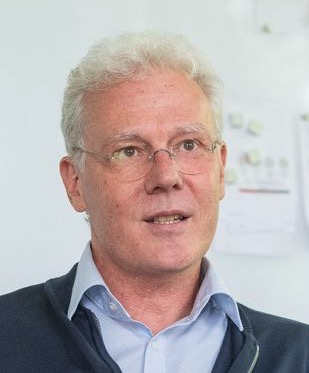 Thorsten Dittmar合作论文数Institute for Chemistry and Biology of the Marine Environment, University of Oldenburg4
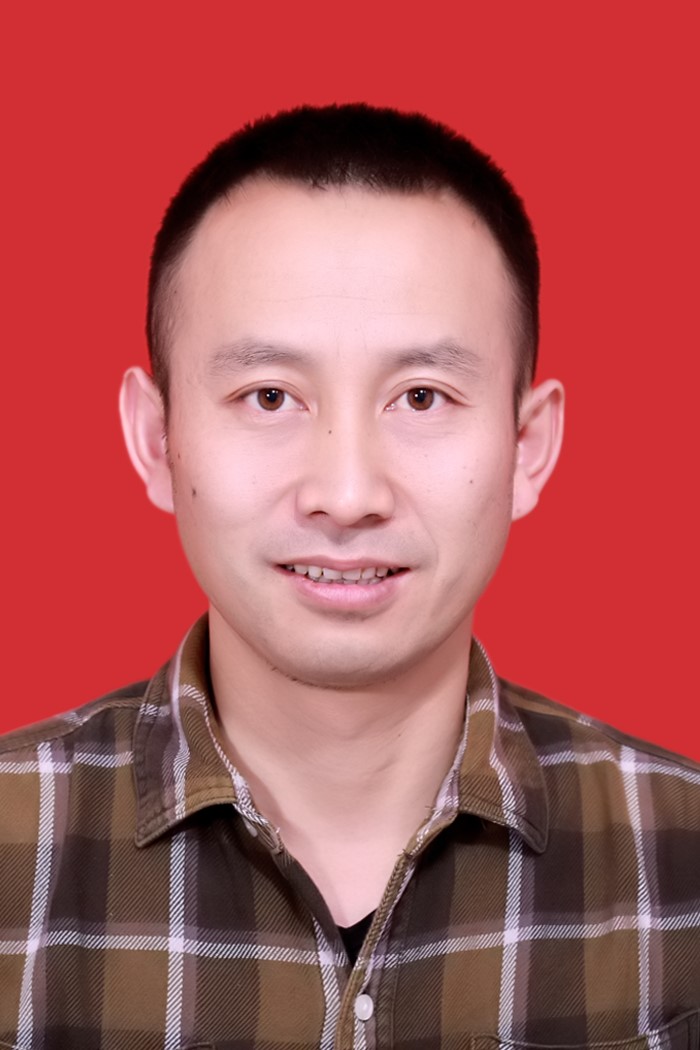 Fengbao Zhang (张风宝)合作论文数Institute of Soil and Water Conservation, Chinese Academy of Sciences & Ministry Water Resources4
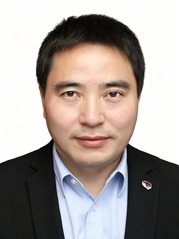 Zhaoliang Song (宋照亮)合作论文数College of Resources and Environmental Sciences, China Agricultural University;School of Earth System Science, Tianjin University4
 Ruanhong Cai合作论文数3
 Xiaogang Chen合作论文数3
 Zhijian Jiang (江志坚)合作论文数University of Chinese Academy of Sciences;South China Sea Institute of Oceanology, Chinese Academy of Sciences3
 Yao-Ping Wang合作论文数3
 Jiying Li (黎吉映)合作论文数Department of Ocean Science, School of Science, The Hong Kong University of Science and Technology3
 Xiaoping Huang (黄小平)合作论文数South China Sea Institute of Oceanology, Chinese Academy of Sciences;Key Laboratory of Tropical Bio-Resources and Ecology, Chinese Academy of Sciences;University of Chinese Academy of Sciences3
 Pingqing Fu (傅平青)合作论文数Institute of Surface-Earth System Science, School of Earth System Science, Tianjin University;Tianjin University Library3
 Yu Xin (辛宇)合作论文数College of Chemistry and Chemical Engineering, Ocean University of China3
 Fengwen Wang (王锋文)合作论文数College of Environment and Ecology, Chongqing University3
 Sheng Xu (徐胜)合作论文数School of Earth System Science, Tianjin University3
 Weiqi Wang (王维奇)合作论文数福建师范大学地理学院3
 Laodong Guo (郭劳动)合作论文数University of Wisconsin–Milwaukee3
 Yi Liu (刘羿)合作论文数School of Earth System Science, Tianjin University3
 Ling Li (李凌)合作论文数Eco-Environmental Research Laboratory, School of Engineering, Westlake University3
 Peter Macreadie合作论文数CSIRO, P-Health;CSIRO Molecular and Health Technologies;CSIRO, CSIRO Molecular and Health Technologies3
 Yongge Sun (孙永革)合作论文数Institute of Environmental and Biogeochemistry, School of Earth Sciences, Zhejiang University3
 Biao Zhu (朱彪)合作论文数College of Urban and Environmental Sciences, Peking University3jingshi zhang (张竟时)合作论文数2Li Gao合作论文数2Xinyue Xu合作论文数2Yunru Chen (陈云如)合作论文数2
 Sui Weikang合作论文数2
 Xiaoguang Ouyang (欧阳晓光)合作论文数2ren geng合作论文数2
 Zhaowen Zhan (詹兆文)合作论文数Guangzhou Institute of Geochemistry, Chinese Academy of Sciences;University of Chinese Academy of Sciences2




