Background:To investigate directional deviations between pilot holes and final pedicle screw trajectories in freehand placement and analyze risk factors for misplacement. While pedicle screws are widely used in thoracolumbosacral surgery, directional deviations between pilot holes and final screw trajectories remain understudied as potential risk factors for misplacement. Methods:Thirty-three patients undergoing posterior fixation were prospectively enrolled. Inertial measurement units (IMUs) tracked the spatial positions of pedicle finders and screwdrivers via custom software. Surgeons (n = 6) were stratified into senior, middle, and junior groups. Analyzed variables included the use of tapping, surgeon experience, spinal deformity status, screw tip morphology, and surgical parameters. Results:Among 198 implanted screws (6.00 ± 2.88/patient), all exhibited trajectory deviations (8.12° ± 3.47°). Tapping significantly reduced deviations (7.23° ± 3.23° vs. 8.87° ± 3.31°, p < 0.01). Senior surgeons achieved smaller deviations (7.34° ± 3.33°) than the middle group (8.60° ± 3.51°, p = 0.039) and junior group (8.68° ± 3.49°, p = 0.022). Multivariate analysis confirmed tapping (p = 0.001) and senior experience (p = 0.023) as protective factors. No significant associations emerged for spinal deformity (8.43° ± 3.73° vs. 7.97° ± 3.35°, p = 0.377), screw tip type (cylindrical, 8.43° ± 3.26° vs. tapered, 8.07 ± 3.51°; p = 0.637), obesity, or surgical position parameters. Conclusions:Freehand pedicle screw placement consistently produces trajectory deviations from pilot holes, and surgeon experience and tapping are modifiable protective factors. The IMU-based tracking system enables quantitative surgical motion analysis, suggesting its utility for training optimization and technique standardization.
With the emergence of numerous classifications, surgical treatment for adolescent idiopathic scoliosis (AIS) can be guided more effectively. However, surgical decision-making and optimal strategies still lack standardization and personalized customization. Our study aims to devise proper deep learning (DL) models that incorporate key factors influencing surgical outcomes on the coronal plane in AIS patients to facilitate surgical decision-making and predict surgical results for AIS patients. A total of 425 AIS patients who underwent posterior spinal fixation were collected. Variables such as age, gender, preoperative and final follow-up horizontal and vertical coordinate vectors, and screw positioning data were preprocessed by parameterizing image data and transforming various data types into a unified, continuous high-dimensional feature space. Four deep learning models were designed, including Multi-Layer Perceptron model, Encoder-Decoder model, CNN-LSTM Attention model and Deep FM model. For the implementation of deep learning, 70% of the data was adopted for training and 30% for evaluation. The mean square error (MSE), mean absolute error (MAE) and curve fitting between the predicted and corresponding real postoperative spinal coordinates of the test set were adopted to validate and compare the efficacy of the DL models. A total of 425 patients with an average age of 14.60 ± 2.08 years, including 77 males and 348 females, were enrolled in this study. The Lenke type 1 and 5 AIS patients accounted for the majority of the included patients. The results showed that the Multi-Layer Perceptron model achieved the best performance among the four DL models, with a mean square error of 2.77 × 10⁻⁵ and an average absolute error of 0.00350 on the validation set. Moreover, the results predicted by the Multi-Layer Perceptron model closely matched the actual coordinate positions on the original postoperative images of patients with Lenke type 1 and AIS patients. Deep learning models can provide alternative and effective decision-making support for AIS patients undergoing surgery. Regarding the learning curve and data volume, the optimal DL models should be adjusted and refined to meet future demands.
Protein phosphorylation plays an important role in the signal transduction and is capable of regulation of cell activity. The death-associated protein kinase 1 (DAPK1), as a Ser/Thr kinase, interacts with calmodulin (CaM) to regulate apoptotic and autophagic signaling. Autophosphorylation of DAPK1 at Ser308 located at the autoregulatory domain (ARD) blocks CaM binding and inhibits kinase catalytic activity. However, the mechanism underlying the influence of Ser308 phosphorylation (pS308) on the DAPK1 activity remains unclear. Here, we performed multiple, microsecond length molecular dynamics (MD) simulations, the molecular mechanics generalized Born/surface area (MM-GBSA) binding free energy calculations, principal component analysis, and dynamic cross-correlation analysis to unravel the conformational dynamics and allostery of the DAPK1 - CaM interaction triggered by the pS308 at the ARD. MD simulations showed that pS308 affected the conformational stability of the DAPK1 - CaM complex. Further energetic and structural exploration revealed that pS308 weakened the association of the phosphorylated DAPK1 to CaM, which lowered the susceptibility of DAPK1 to be activated by CaM. This result can provide mechanistic insights into the molecular underpinning through which the DAPK1 kinase activity is modulated by the auto-phosphorylation.
Adolescent idiopathic scoliosis (AIS), a complex early-onset three-dimensional spinal deformity, remains etiologically ambiguous despite extensive ongoing investigations. Currently, braces and surgeries are primary treatments of AIS, which come with inherent risks and costs. Therefore, there is an urgent need for biotherapeutic targets for AIS. Using human specimens obtained from the clinic, we discovered that ORM1 was expressed in AIS bone tissues. Also, immune cells were found to interact with osteoclasts through the LTB-LTBR pathway, resulting in elevated ORM1 expression, proliferation promotion and differentiation of monocytes/osteoclasts. Protein analysis showed that in ORM1-positive AIS patient-derived osteoblasts, there was an increased expression of RANKL, decreased expression of OPG, and an increased RANKL/OPG ratio. Furthermore, osteoclasts overexpressing ORM1 promoted their own differentiation while inhibiting osteoblast proliferation and function. ORM1 knockdown osteoclasts co-cultured with osteoblasts, along with the addition of leptin, significantly inhibited osteoclast differentiation while promoting osteoblast proliferation and function-related protein expression. In conclusion, ORM1 acts as a detrimental factor in the pathogenesis of Adolescent Idiopathic Scoliosis (AIS) by promoting osteoclast differentiation and inhibiting both the proliferation and function of osteoblasts. This suggests that ORM1 may represent a valuable therapeutic target for AIS.
Objective Improving accuracy and safety of pedicle screw placement is of great clinical importance. Electronic conductivity device (ECD) can be a promising technique with features of affordability, portability, and real‐time detection capabilities. This study aimed to validate the safety and effectiveness of a modified ECD. Methods The ECD underwent a modification where six lamps of various colors, and it was utilized in a prospectively multicenter randomized controlled clinical trial involving 96 patients across three hospitals from June 2018 to December 2018. The trial incorporated a self‐control randomization with an equal distribution of left or right side of vertebral pedicle among two groups: the free‐hand group and the ECD group. A total of 496 pedicle screws were inserted, with 248 inserted in each group. The primary outcomes focused on the accuracy of pedicle screw placement and the frequency of intraoperative X‐rays. Meanwhile, the secondary indicator measured the time required for pedicle screw placement. Results were presented as means ± SD. Paired samples t ‐test and χ 2 ‐test were used for comparison. Furthermore, an updated review was conducted, which included studies published from 2006 onwards. Results Baseline patient characteristics were recorded. The primary accuracy outcome revealed a 96.77% accuracy rate in the ECD group, compared to a 95.16% accuracy rate in the free‐hand group, with no significant differences noted. In contrast, ECD demonstrated a significant reduction in radiation exposure frequency when compared to the free‐hand group (1.11 ± 0.32 vs. 1.30 ± 0.53; p < 0.001), resulting in a 14.6% reduction. Moreover, ECD displayed a decrease of 30.38% in insertion time (70.88 ± 30.51 vs. 101.82 ± 54.00 s; p < 0.001). According to the results of the 21 studies, ECD has been utilized in various areas of the spine such as the atlas, thoracic and lumbar spine, as well as sacral 2‐alar‐iliac. The accuracy of ECD ranged from 85% to 100%. Conclusion The prospectively randomized trial and the review indicate that the use of ECD presents a secure and precise approach to the placement of pedicle screws, with the added benefit of reducing both procedure time and radiation exposure.
随着人口老龄化的加剧,越来越多与年龄相关的疾病得到临床医生的重视.退变性脊柱侧凸(degenerative scoliosis,DS)的发病率随年龄增长而上升,已逐渐成为全球性的公共卫生问题,主要表现为脊柱冠状位及矢状位失衡,极大地影响患者的生存质量[1、2].脊柱是一个多组织的结构复合体,其稳定性主要依靠骨性结构、椎旁肌肉及相关韧带结构来维持,其中椎旁肌肉的作用至关重要[3.已有研究表明,椎旁肌肉退变与DS的发生和发展具有相关性,但具体作用机制尚不明确.笔者通过回顾相关文献,对椎旁肌退变及其与DS关系的研究现状进行综述,并对疾病的诊断治疗提出展望,以期提高DS患者的诊疗水平,改善老年人的远期生活质量.
BACKGROUND:Ectopic ossification is an important cause of disability in patients with ankylosing spondylitis (AS). Whether fibroblasts can transdifferentiate into osteoblasts and contribute to ossification remains unknown. This study aims to investigate the role of stem cell transcription factors (POU5F1, SOX2, KLF4, MYC, etc.) of fibroblasts in ectopic ossification in patients with AS. METHODS:Primary fibroblasts were isolated from the ligaments of patients with AS or osteoarthritis (OA). In an in vitro study, primary fibroblasts were cultured in osteogenic differentiation medium (ODM) to induce ossification. The level of mineralization was assessed by mineralization assay. The mRNA and protein levels of stem cell transcription factors were measured by real-time quantitative PCR (q-PCR) and western blotting. MYC was knocked down by infecting primary fibroblasts with lentivirus. The interactions between stem cell transcription factors and osteogenic genes were analysed by chromatin immunoprecipitation (ChIP). Recombinant human cytokines were added to the osteogenic model in vitro to evaluate their role in ossification. RESULTS:We found that MYC was elevated significantly in the process of inducing primary fibroblasts to differentiate into osteoblasts. In addition, the level of MYC was remarkably higher in AS ligaments than in OA ligaments. When MYC was knocked down, the expression of the osteogenic genes alkaline phosphatase (ALP) and bone morphogenic protein 2 (BMP2) was decreased, and the level of mineralization was reduced significantly. In addition, the ALP and BMP2 were confirmed to be the direct target genes of MYC. Furthermore, interferon-γ (IFN-γ), which showed high expression in AS ligaments, was found to promote the expression of MYC in fibroblasts in the process of ossification in vitro. CONCLUSIONS:This study demonstrates the role of MYC in ectopic ossification. MYC may act as the critical bridge that links inflammation with ossification in AS, thus providing new insights into the molecular mechanisms of ectopic ossification in AS.
Calcium (Ca2+) signaling plays an important role in the regulation of many cellular functions. Ca2+-binding protein calmodulin (CaM) serves as a primary effector of calcium function. Ca2+/CaM binds to the death-associated protein kinase 1 (DAPK1) to regulate intracellular signaling pathways. However, the mechanism underlying the influence of Ca2+ on the conformational dynamics of the DAPK1−CaM interactions is still unclear. Here, we performed large-scale molecular dynamics (MD) simulations of the DAPK1−CaM complex in the Ca2+-bound and-unbound states to reveal the importance of Ca2+. MD simulations revealed that removal of Ca2+ increased the anti-correlated inter-domain motions between DAPK1 and CaM, which weakened the DAPK1−CaM interactions. Binding free energy calculations validated the decreased DAPK1−CaM interactions in the Ca2+-unbound state. Structural analysis further revealed that Ca2+ removal caused the significant conformational changes at the DAPK1−CaM interface, especially the helices α1, α2, α4, α6, and α7 from the CaM and the basic loop and the phosphate-binding loop from the DAPK1. These results may be useful to understand the biological role of Ca2+ in physiological processes.
Abstract Study design A retrospective case–control study. Objective To evaluate whether Ponte osteotomy improves thoracic kyphosis and to determine its clinical efficacy in hypokyphotic adolescent idiopathic scoliosis (AIS). Methods Eighty consecutive Lenke type 1 AIS patients with hypokyphotic curves who underwent posterior spinal fusion by one spine surgeon at a single institution were recruited. According to whether Ponte osteotomy was performed, the patients were divided into two groups. The preoperative, immediate, one-year postoperative, and two-year postoperative radiographs were analyzed. The demographic characteristics, surgical information, radiographic parameters, Scoliosis Research Societye-22 (SRS-22) questionnaire, and complications were compared. Results The sagittal alignment and coronal alignment were both improved in the Ponte group and the control group postoperatively. There was no significant difference in the preoperative parameters between the two groups, except the TL/L, CB, and LL. Significant differences were found in the MT (15.18° ± 2.84° vs. 20.33° ± 3.75°, P < 0.001) and TK (24.23° ± 2.71° vs. 19.93° ± 2.38°, P < 0.001) at the two-year follow-up. The Ponte group had a longer operation time and more intraoperative blood loss. No significant difference was observed between the groups in the SRS-22 scores at the final follow-up. Conclusions Ponte osteotomy could obtain better coronal correction and sagittal contour restoration in AIS patients with hypokyphosis. However, Ponte osteotomies might lead to more intraoperative blood loss and longer operation time. Moreover, no discrepancy was found in the postoperative health-related quality of life of the included patients. Therefore, we considered that the Ponte osteotomy may be an alternative method to restore the desired thoracic kyphosis, which needs further study.
目的 探讨一种基于支持向量机(SVM)构建的椎弓根螺钉钉道完整性超声图像鉴别与验证方法.方法 利用4例新鲜尸体胸腰椎标本预建立钉道50个并获取椎弓根螺钉钉道超声图像,选取800张图像(钉道完整与破损的样本各400个),采用五折交叉验证的方法对样本进行数据扩增,得到样本集,建立对超声图像进行智能分析的人工智能辅助诊断模型.具体方法如下:首先,采用图像增强的方法得到易于计算机判断和识别的超声图像,然后将图像的纹理特征作为第一类特征,采用SVM模型对完整和破损样本的初始分类模型进行搭建;其次,采用灰度分布得到用于区分前景和背景的阈值T,并通过设计的损失函数得到钉道同心圆的半径R;最后,将同心圆外部图像的熵、方差、对比度、能量、平均绝对偏差作为第二类特征,进行轻微破损样本和完整样本的二次分类模型搭建.采用准确度、特异度、灵敏度、F1值、假正率和假负率对分类结果进行评估.结果 初始分类的准确度为74.75%,特异度为68.00%,灵敏度为81.50%,F1值为76.35%,假正率为32.00%,假负率为18.50%.二次分类前计算得到阈值T为37,最佳半径R为108像素.二次分类的准确度为94.25%,特异度为91.00%,灵敏度为97.50%,F1值为94.43%,假正率为9.00%,假负率为2.50%.二次分类与初始分类相比准确度提升19.50%.结论 基于SVM的人工智能辅助诊断模型能够提高椎弓根螺钉钉道破损超声图像的判断能力.
AbstractBackgroundBiomimetic nanotechnology-based RNA interference (RNAi) has been successful in improving theranostic efficacy in malignant tumors. Its integration with hybrid biomimetic membranes made of natural cell membranes fused with liposomal membranes is mutually beneficial and extends their biofunctions. However, limited research has focused on engineering such biomimetics to endow them with unique properties and functions, in particular, those essential for a “smart” drug delivery system, such as a tumor microenvironment (TME)-activated multifunctional biomimetic nanoplatform.ResultsHerein, we utilized an integrated hybrid nanovesicle composed of cancer cell membranes (Cm) and matrix metallopeptidase 9 (MMP-9)-switchable peptide-based charge-reversal liposome membranes (Lipm) to coat lipoic acid-modified polypeptides (LC) co-loaded with phosphoglycerate mutase 1 (PGAM1) siRNA (siPGAM1) and DTX. The nanovesicle presented a negatively charged coating (citraconic anhydride-grafted poly-l-lysine, PC) in the middle layer for pH-triggered charge conversion functionalization. The established chemotherapeutic drug (DTX) co-delivery system CLip-PC@CO-LC nanoparticles (NPs) have a particle size of ~ 193 nm and present the same surface proteins as the Cm. Confocal microscopy and flow cytometry results indicated a greater uptake of MMP-9-treated CLip-PC@CO-LC NPs compared with that of the CLip-PC@CO-LC NPs without MMP-9 pretreatment. The exposure to MMP-9 activated positively charged cell-penetrating peptides on the surface of the hybrid nanovesicles. Moreover, pH triggered membrane disruption, and redox triggered DTX and siRNA release, leading to highly potent target-gene silencing in glycolysis and chemotherapy with enhanced antiproliferation ability. The biodistribution results demonstrated that the CLip-PC@LC-DiR NPs accumulated in the tumor owing to a combination of long blood retention time, homologous targeting ability, and TME-activated characteristics. The CLip-PC@CO-LC NPs led to more effective tumor growth inhibition than the DTX and free siPGAM1 formulations.ConclusionsTME-activated cancer cell membrane-liposome integrated hybrid NPs provide an encouraging nanoplatform that combines RNAi with chemotherapy for precise treatment of non-small cell lung cancer.Graphical abstract
退变性脊柱侧凸常见于老年患者,通常合并高血压病、冠心病、糖尿病和骨质疏松等基础疾病,手术风险高、并发症多.加速康复外科(ERAS)要求综合考量患者的年龄、症状、体征、身体状况和骨质量等因素,以制定个体化的手术方案和围手术期干预措施,这对改善患者预后和康复十分重要.经全国多位脊柱外科专家多次讨论,在循证医学证据支持下,针对退变性脊柱侧凸手术ERAS围手术期管理策略制定本共识意见,供临床工作参考和应用.
Objective With the population aging, there is an associated rise in the prevalence of adult degenerative scoliosis (ADS). However, limited data were found to elaborate the trend of ADS research. Our study aims to investigate the global trend of ADS research in this decade. Methods ADS-related publications from 2010 to 2019 were extracted from the Web of Science and Medline database. Excel 2016, GraphPad Prism 6, and VOSviewer software were adopted to analyze the search results for number of publications, citation, and H -index. Results A total of 1282 papers were included and were cited 16,770 times. The USA accounted for 40.41% of the articles, 60.35% of the citations, and the highest H -index of 51. China ranked second in total number of articles, third in citation frequency (1373), and fourth with an H -index of 18. The journal Spine (IF = 2.903, 2019) had the highest number of publications. Shaffery CI published the most articles in this field (40). Key words of ADS research were classified into three clusters: “Surgical technique,” “Mechanism,” and “Radiological parameter.” The “Radiological parameter” cluster became the most popular, and it came with the latest hot spots of “slope,” “cervical lordosis,” “mismatch,” and “PI-LL.” Conclusion Literature growth in ADS was rapidly expanding in this decade. The USA was the most productive country and also had a largest quantity of top authors and institutes, so that scholars can keep following and cooperated with. Radiological parameter was an emerging topic and might also be a hot spot in the near future.
目的探讨胶原ⅩⅩⅦ α 1型(COL27A1)基因突变所致Steel综合征的临床特征、诊断、基因检测、治疗及预后。 方法报告海军军医大学(第二军医大学)长海医院骨科收治的1例汉族Steel综合征合并脊柱侧凸青少年患者资料,同时利用PubMed数据库以'Steel syndrome'AND'COL27A1'为主题词检索1993年1月至2020年10月相关文献,共检索到13篇文献(共54例Steel综合征患者),纳入其中全外显子测序确诊的COL27A1突变所致Steel综合征患者17例。对包括本例在内共18例COL27A1突变所致Steel综合征患者的临床特征进行分析。 结果本例患者除有发育迟缓、腕骨融合、脊柱侧凸、长椭圆脸、前额突出、鼻前倾等常见临床表现外,还有蹼状颈和颈后低发际线等特殊表现。全外显子测序提示COL27A1存在2个复合杂合突变位点:p.Pro705Ser和p.Asn1723Ser,分别来源于父亲和母亲。综合各项检查和全外显子测序结果,确诊Steel综合征合并先天性脊柱侧凸。患者完善术前检查后行脊柱侧凸后路三维矫形植骨融合内固定术,手术节段T3~L1。术后3个月、1年、2年门诊复查全脊柱正侧位X线片示固定节段骨性融合良好,无断钉、断棒、交界性后凸、远端附加现象等并发症。18例患者中男9例、女9例,确诊年龄为0.17~14岁,3例为COL27A1复合杂合突变(1例p.Pro705Ser和p.Asn1723Ser、1例c.93del和c.3075del、1例p.Cys174Serfs*34和p.Arg707*),15例为纯合错义突变(11例p.Gly697Arg、1例p.Gly802Glu、1例p.Gly904Arg、1例c.4261-1G>A、1例c.3556-2A>G)。1例患者临床特征不详,余17例主要临床表现有脊柱侧凸(17例)、身材矮小(12例)、长椭圆脸(9例)、前额突出(9例)、发育迟缓(5例)、听力受损(5例)等;18例患者的影像学特征有髋关节脱位(16例)、桡骨头脱位(11例)、腕骨融合(9例)等。 结论COL27A1突变导致的Steel综合征是一种罕见的常染色体隐性遗传病,患者家族史、临床特征、影像学检查等仅能为该综合征提供倾向性诊断,最终确诊需要依据基因检测结果。对于该病的治疗应加强研究以改善预后。
STUDY DESIGN:Retrospective study.OBJECTIVE:The aim of this study was to assess long-term radiographic and clinical outcomes in Lenke 5C adolescent idiopathic scoliosis (AIS) patients after posterior selective fusion.METHODS:Lenke 5C AIS patients who underwent posterior selective thoracolumbar/lumbar (TL/L) fusion in our hospital from January 2007 to January 2010 were recruited. Radiographic parameters were measured preoperatively and at the 3-month, 1-year, 2-year, 5-year, and 10-year follow-ups. The SRS-22 (Scoliosis Research Society) questionnaire was used to assess the clinical outcomes.RESULTS:We included 37 patients who underwent posterior selective TL/L fusion surgery in our study, and the mean follow-up time was 11.26 ± 0.85 years. The average preoperative Cobb angles of the thoracic and TL/L curves were 24.0 ± 9.0° and 45.4 ± 6.3°, respectively, which were corrected to 12.2° and 12.4° at the 3-month follow-up postoperatively, with correction losses of 2.2° and 1.5° at the 10-year follow-up. In the sagittal plane, the degree of thoracic kyphosis (TK) gradually increased over the follow-up period. The proximal junctional angle (PJA) also gradually increased from 6.7 ± 4.6 to 13.7 ± 5.6 during the follow-up period. For the clinical outcomes, correction surgery improved the SRS-22 scores in each domain, especially in the self-image domain.CONCLUSIONS:Posterior selective TL/L fusion can effectively correct spinal deformities, leading to stable outcomes for 10 years postoperatively. During the follow-up period, the degree of TK presented an increasing trend that remained almost constant after the 1-year follow-up. Moreover, the variation in the PJA was highly significant in the postoperative period, and it showed an increasing trend until the 2-year follow-up.
青少年特发性脊柱侧凸(AIS)是最常见的脊柱侧凸类型,可对患者造成生理和心理的双重打击.在生理上,AIS可导致患者心肺功能受损,严重时可并发多种疾病,对于女性患者还会影响其胸部发育,严重时甚至影响生育等;在心理上,AIS导致的身体外观畸形可引起青少年自闭症、抑郁症等心理问题.近年来,对于AIS患者的生活质量评价越来越受到临床工作者的重视,在临床中使用量表评价患者的生活质量是AIS治疗和预后评价的重要环节.本文主要介绍临床中常用于AIS患者生活质量评估的几种量表,对其评估内容、信效度及发展进行简要概述,并论述其在临床中的应用情况.
BACKGROUND:Postmenopausal osteoporosis results from estrogen withdrawal and is characterized mainly by bone resorption. Shikonin is a bioactive constitute of Chinese traditional herb which plays a role in antimicrobial and antitumor activities. The study was designed to investigate the role of shikonin on postmenopausal osteoporosis and explore its underlying mechanisms.METHODS:Immunofluorescence staining was performed to evaluate the effects of shikonin on actin ring formation. The expression levels of the nuclear factor kappa-B (NF-κB) and mitogen-activated protein kinase (MAPK) pathway were determined by Western blot analysis. To determine whether shikonin influences the receptor activator of nuclear factor-κB ligand (RANKL)-induced association between receptor activator of NF-κB (RANK) and tumor necrosis factor receptor associated factor 6 (TRAF6), immunofluorescence staining and immunoprecipitation experiments were performed. During our validation model, histomorphometric examination and micro-computed tomography (CT) were conducted to assess the morphology of osteoporosis.RESULTS:Shikonin prevented bone loss by inhibiting osteoclastogenesis in vitro and improving bone loss in ovariectomized mice in vivo. At the molecular level, Western blot analysis indicated that shikonin inhibited the phosphorylation of inhibitor of NF-κB (IκB), P50, P65, extracellular regulated protein kinases (ERK), c-Jun N-terminal kinase (JNK), and P38. Interaction of TRAF6 and RANK was prevented, and downstream MAPK and NF-κB signaling pathways were downregulated.CONCLUSION:Osteoclastic bone resorption was reduced in the presence of shikonin in vitro and in vivo. Shikonin is a promising candidate for treatment of postmenopausal osteoporosis.
Background: Very few studies have focused on the complication of rod fracture after posterior long construct fusion in adults with spinal deformity. Therefore, this retrospective study aimed to investigate the incidence and risk factors of this complication. Methods: The study reviewed 213 adult patients with spinal deformity treated by long construct fusion between January 2009 and January 2017. Ten patients (4.6%) with rod fracture were included in the case study group. For each case of rod fracture, we selected two age-matched and gender-matched controls. Independent two-sample t test and Chi-square test were used to compare the differences between variables. Binary logistic regression analysis was performed to identify independent risk factors of rod fracture. Results: Statistically significant differences were observed between the groups, in terms of additional bone grafts volume (P = 0.015), osteotomy (P = 0.017), skipped screw in sagittal apex region (P = 0.012), TK change (P = 0.023), and preoperative TLK (P = 0.036). However, there were no differences in terms of age (P = 0.933), follow-up time (P = 0.513), gender distribution (P = 0.650), fusion segments (P = 0.085), the number of screws (P = 0.131), density of screws (P = 0.088), preoperative MC (P = 0.120), postoperative MC (P = 0.430), MC change (P = 0.126), preoperative TK (P = 0.590), postoperative TLK (P = 0.074), TLK change (P = 0.064), preoperative LL (P = 0.084), postoperative LL (P = 0.065), and LL change (P = 0.914). Binary logistic regression analysis revealed that osteotomy (P = 0.023) and skipped screw strategy in sagittal apex region (P = 0.046) were the primary factors included in the equation [ Odds Ratio (OR) = 11.669 and 7.659, respectively]. Conclusion: In our study, the prevalence of rod fracture in adult patients with spinal deformity after long construct fusion was 4.6%; osteotomy was the main risk factor of rod fracture these patients. The skipped screws in sagittal apex region could increase the risk of rod fracture because the stress on the rods failed to be distributed to different segments. (c) 2018 The Japanese Orthopaedic Association. Published by Elsevier B.V. All rights reserved.
目的 探讨退变性腰椎滑脱患者脊柱-骨盆矢状位参数特征及这些参数与腰椎滑脱的关系.方法 选择2016年6月至2018年6月我院收治的42例退变性腰椎滑脱患者(退变性腰椎滑脱组)和58例无滑脱的退变性腰椎疾病患者(对照组)作为研究对象.收集两组研究对象的一般资料,在脊柱全长正侧位X线片上测量骨盆倾斜角(PT)、骨盆投射角(PI)、骶骨倾斜角(SS)、腰椎前凸角(LL)、胸腰椎后凸角(TLK)、胸雄后凸角(TK)、矢状面躯干偏移(SVA)等矢状位参数,比较两组研究对象一般资料和矢状位参数的差异.以腰椎滑脱率为因变量,脊柱-骨盆矢状位参数为自变量,采用logistic回归模型分析腰椎滑脱程度的危险因素.结果 两组研究对象年龄、性别、身高、体质量差异均无统计学意义(P均>0.05).退变性腰椎滑脱组和对照组患者PT、PI、SS、LL、TLK、SVA差异均有统计学意义(P均<0.05),而两组间TK差异无统计学意义(P>0.05).对退变性腰椎滑脱组进行logistic回归分析,发现LL、PT是影响腰椎滑脱程度的危险因素(P均<0.05).结论 退变性腰椎滑脱患者矢状位参数PT、PI、SS、LL、TLK、SVA明显改变,LL、PT是影响腰椎滑脱程度的危险因素.
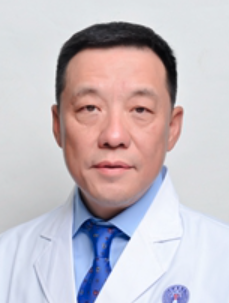 Ming Li (李明)合作论文数Department of Orthopaedics Surgery, Changhai Hospital Affiliated to the Second Military Medical University83
 Yushu Bai合作论文数45Xianzhao Wei合作论文数29Chuanfeng Wang合作论文数28Ying-Chuan Zhao合作论文数27
 Yang Mingyuan合作论文数24
 Xiaodong Zhu (朱晓东)合作论文数Fuwai Hospital, Chinese Academy of Medical Sciences;Chinese Academy of Medical Sciences Peking Union Medical College23
 Changwei Yang合作论文数16
 Xiao Zhai合作论文数15HaiJian Ni (倪海键)合作论文数11Xiao Di (翟骁)合作论文数10Xiao-Yi Zhou合作论文数9Jie Shao合作论文数9Yang Xie合作论文数9Kai Chen (陈凯)合作论文数9Guoyou Zhang合作论文数8HongLei Yi (易红蕾)合作论文数8Fei Wang合作论文数7
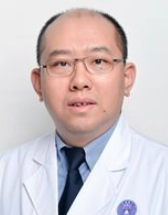 Jingfeng Li (栗景峰)合作论文数Changhai Hospital7Jing-Tao Zhang合作论文数7Yi-Lin Yang合作论文数6Yiran Wang合作论文数6Jianping Fan (范建平)合作论文数6Jian Zhao合作论文数5
 Qijin Wang (王奇金)合作论文数中国人民解放军第二军医大学5Chao Li (李超)合作论文数5
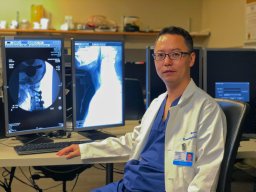 Zongde Yang合作论文数Changhai Hospital, Second Military Medical University5
 Zhicai Shi (石志才)合作论文数Changhai Hospital, the Second Military Medical University5Jiayu Chen (陈家瑜)合作论文数4Ningfang Mao合作论文数4
 Yongfei Zhao (赵永飞)合作论文数Chinese PLA General Hospital4Xiao Chen合作论文数4Da-Jiang Wu合作论文数4Diqing Zhang合作论文数3
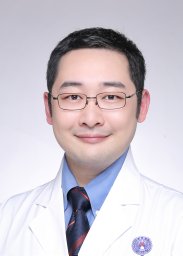 Beier Luo合作论文数Changhai Hospital, Naval Medical University3Bo Li合作论文数3
 Xiaolong Li合作论文数3Xiaofei Sun (孙晓飞)合作论文数3ZhiKun Li (李志鲲)合作论文数3Li Bo合作论文数3Li Yanming合作论文数3Xinran Ji (季欣然)合作论文数Academy of Military Medical Sciences3Wen Hu (胡文)合作论文数3
 Shisheng He (贺石生)合作论文数School of Medicine, Tongji University3Gabriel Liu合作论文数3




