Objectives Decompensated cirrhosis represents the end-stage of chronic liver diseases and is characterized by cirrhosis-associated immune dysfunction (CAID). Our goal was to characterize the peritoneal immune landscape, focusing on monocytic myeloid-derived suppressor cells (M-MDSCs), and elucidate their association with clinical outcomes and potential regulatory mechanisms involving ascites metabolites in decompensated cirrhosis. Methods Fifty-five patients with decompensated cirrhosis were prospectively recruited, and subsequently classified as survivors (n = 24) and non-survivors (n = 31). Immune cell compartments in ascites and peripheral blood were analyzed by flow cytometry. Targeted metabolomics of ascites supernatant was performed using targeted ultra-performance liquid chromatography-tandem mass spectrometry (UPLC-MS/MS). Human peritoneal M-MDSCs were differentiated in vitro in the presence of glycoursodeoxycholic acid (GUDCA), followed by transcriptomic, metabolic (mitochondria stress test), and functional (coculture with T cells) analyses. Results Survivors had significantly higher frequencies of peritoneal M-MDSCs with an active immunosuppressive phenotype and elevated expression of chemotactic markers. GUDCA levels in ascites were significantly elevated in survivors and positively correlated with peritoneal M-MDSC levels. In vitro, GUDCA induced the expansion and enhanced the suppressive capacity of peritoneal M-MDSCs via the TGR5-TREM2-oxidative phosphorylation axis. Furthermore, TREM2 expression on peritoneal M-MDSCs was associated with improved survival, serving as a potential prognostic marker. Conclusions Peritoneal M-MDSCs play a critical protective role in immune dysfunction associated with decompensated cirrhosis. GUDCA and TREM2 emerge as key regulators of M-MDSC function, providing a conceptual framework for future investigation into immunomodulatory strategies aimed at restoring immune balance in decompensated cirrhosis.
目的 综合评价中国幽门螺杆菌的感染现状,以期提供高级别的流行病学证据,为后续研究提供参考.方法 检索中国知网、万方、维普、中国生物医学文献数据库、Pubmed、Web of Science于2012-2022年发表的有关幽门螺杆菌流行病学的文献,采用R.4.2.1软件进行Meta分析,使用随机效应模型汇总合并,最终得到其合并感染率及95%置信区间.结果 共纳入68篇文献,总样本量为258631例,其中107 127例幽门螺杆菌阳性.Meta分析结果显示,2012-2022年中国幽门螺杆菌感染率为42.11%[95%CI(38.86%,45.37%)];亚组分析结果显示:从地理区域来看,西北地区感染率最高,为45.71%[95%CI(37.80%,53.62%)],东北地区感染率最低,为26.00%[95%CI(15.69%,36.30%)];从检测方法来看,用尿素呼气实验检测的幽门螺杆菌感染率最高,为45.36%[95%CI(41.81%,48.92%)],用粪便抗原方法检测的幽门螺杆菌感染率最低,为 30.10%[95%CI(6.04%,54.16%)];2012-2016年报告的感染率为 45.27%[95%CI(40.56%,49.88%)],2017-2022年报告的感染率为39.14%[95%CI(34.17%,43.57%)].结论2012-2022年中国幽门螺杆菌感染率约为42.11%,相比之前54.76%已有所下降,不同地理区域及检测方法的幽门螺杆菌感染率不同.
目的 探讨健脾清化化瘀汤治疗胃癌前病变的可能作用机制.方法 将 90 只健康清洁级雄性SD大鼠按照随机数字表法随机分为 6 组,包括正常组、模型组、诱导型一氧化氮合酶(inducible nitric oxide synthase,iNOS)抑制剂组、健脾清化化瘀汤低剂量组、健脾清化化瘀汤中剂量组、健脾清化化瘀汤高剂量组.除正常组外,其余 5 组大鼠均用 1×10⁹ CFU/mL 幽门螺杆菌(helicobacter pylori,HP)菌液灌胃7 次,平均2 次/周.确认HP感染后,除正常组外,其余 5 组均予150 μg/mL甲基-N-硝基-N亚硝基胍(MNNG)溶液灌胃,频率 5 次/周,同时予 100 μg/mL MNNG溶液自由饮用,配合0.03%雷尼替丁饲料喂养、饥饱失常法(2 天足量饲料喂养,1 天禁食),持续造模28 周.造模成功后,健脾清化化瘀汤低、中、高剂量组分别给予相应剂量健脾清化化瘀汤灌胃,iNOS抑制剂组给予氨基胍溶液50 mg/(kg·d)剂量进行灌胃,正常组及模型组予以生理盐水进行灌胃,均1 次/天,干预治疗10 周.干预结束后,运用苏木精—伊红染色观察大鼠胃黏膜病理变化;运用免疫组化法检测胃组织磷酸酯酶与张力蛋白同源物(phosphate and tension homology deleted on chromosome ten,PTEN)蛋白表达;运用RT-PCR法检测胃组织miR-21、PTEN mRNA 表达.结果 与正常组比较,模型组大鼠胃黏膜可见腺体萎缩、肠化、异型增生,健脾清化化瘀汤中、高剂量组及iNOS抑制剂组较模型组有不同程度的改善,健脾清化化瘀汤低剂量组改善不明显.各组大鼠胃黏膜miR-21、PTEN mRNA、PTEN蛋白表达差异均有统计学意义(P<0.01).与空白组比较,模型组miR-21 表达显著升高(P<0.01),PTEN mRNA、蛋白表达显著下调(P<0.01;P<0.01);与模型组比较,健脾清化化瘀汤中、高剂量组、iNOS抑制剂组miR-21 表达下调(均P<0.01),PTEN mRNA、蛋白表达升高(P<0.05;P<0.01),健脾清化化瘀汤低剂量组miR-21、PTEN mRNA、蛋白表达较模型组差异均无统计学意义.结论 健脾清化化瘀汤可能通过下调胃黏膜miR-21 的表达,解除miR-21 对PTEN表达的抑制,进一步激活PTEN下游信号通路,从而缓解胃黏膜病变,阻断胃癌前病变向胃癌进展.
职能处室中层干部队伍作为战略决策的执行者及日常基础工作的组织者和管理者,是医院自身建设、经营发展的核心力量.目前公立医院职能处室中层干部绩效考核面临诸多问题,职能处室中层干部绩效考核缺乏全面的评价机制,完善公立医院职能处室中层干部绩效考核指标及评价体系,是医院及个人发展的必然要求.
BackgroundPrior to August 7, 2022, there had been no positive cases of novel coronavirus in Tibet for 920 consecutive days. However, with the first case of Omicron variant infection, the disease rapidly spread and was prevalent in Tibet for nearly 3 months, from August 7th to November 1st. With the spread of the epidemic, the local government responded quickly and established several mobile cabin hospitals to treat patients with mild and asymptomatic Omicron infection. However, the epidemiological and clinical characteristics of these patients are unknown. MethodsThis is a retrospective study including a total of 14,264 mild and asymptomatic cases with Omicron infection in Tibet between August to October, 2022. The clinical data and epidemiological characteristics of COVID-19 cases admitted to Tibet mobile cabin hospitals were collected by using standardized forms from mobile cabin hospital database system, including demographic characteristics, onset symptoms, medication use, past medical history, hospitalization time, and discharge time. In terms of statistical analysis, multivariate Cox regression model was used to analyze the relationship between case characteristics and the length of stay in hospital. ResultsAmong 14,264 patients infected with Omicron, the average length of hospital stay was six (4-8, Interquartile range) days. Fifty percent of the patients were discharged by the 6th day, and 90% were discharged by the 10th day. Patients of all ages are generally susceptible to COVID-19, and there was no difference in discharge time, but the average length of hospital stay of Tibetan patients with COVID-19 was longer than that of Han patients. According to the statistics of clinical symptoms, sore throat (38.7%) and fever (19.4%) were the most common symptoms, while muscle pain (17.4%), cough (16.6%), and expectoration (13.2%) were also common. In addition, patients with chronic gastritis had significantly longer hospital stays. ConclusionBased on the experience of Tibet mobile cabin hospitals and data analysis, we believe that patients of all ages are generally susceptible to Omicron. Compared with other novel coronavirus strains, Omicron infected patients had a shorter hospital stay, and treatment of symptoms is expected to shorten the time of nucleic acid negative conversion.
胃癌前病变(PLGC)是以胃黏膜萎缩、固有腺体减少为主要病理特征的炎性疾病,控制 PLGC 炎癌转化对于预防胃癌具有重要意义.PLGC包括胃黏膜萎缩、肠上皮化生及不典型增生,具有病程日久、缠绵反复的特点.纵观各医家之见解,笔者认为 PLGC 以脾胃气虚为本,痰凝血瘀为标.同时提出 PLGC 治疗应以补气活血为基本大法,既顾护脾胃之气,又祛除胃部邪气,从而达到改善胃黏膜内环境,增强机体免疫力,控制炎症向癌症转化的治疗效果.以补气活血为视角阐述PLGC炎癌转化,注重个体化差异,辨证论治,从中医学角度阐述 PLGC 的科学内涵,为预防及治疗胃癌提供理论依据.
Tiaoganquzhi Decoction (TGQZD) is a traditional Chinese herbal formulation demonstrated to be a clinically effective treatment for nonalcoholic fatty liver disease (NAFLD), although details concerning its clinical mechanism are poor. This study aimed to explore the mechanism of TGQZD on improvement of inflammatory damage and dyslipidemia caused by NAFLD through the CGI-58/ROS/NLRP3 inflammasome pathway. In our research, the in vivo protective effects of TGQZD on HFD-induced liver injury in rats and in vitro using lipopolysaccharide (LPS)+palmitate (PA)-stimulated HepG-2 cells model. Histological changes were evaluated by hematoxylin-eosin and Oil Red O staining. Inflammatory cytokines and protein expression were analyzed by ELISA, Real time PCR and western blotting. Liver function, blood lipids, free fatty acids (FFA), and reactive oxygen species (ROS) were determined by biochemical detection. Our results indicated that TGQZD exhibited anti-inflammatory activity, reduced the severity of NAFLD and ameliorated the pathological changes. Further, TGQZD improved liver function and lipid metabolism in NAFLD rats. TGQZD lowered serum aspartate aminotransferase, alanine aminotransferase, triglyceride, and total cholesterol levels. TGQZD suppressed the formulation of FFA and ROS. It also reduced the expression and release of the inflammatory cytokine interleukin-1β by promoting CGI-58 expression and inhibiting the expression of FFA, TNF-α, and the NLRP3 inflammasome induced by ROS. TGQZD exhibited anti-inflammatory effects via the CGI-58, ROS and NLRP3 inflammasome pathway in vivo and in vitro, respectively. Our findings demonstrated that TGQZD is a useful and effective therapeutic agent for treating NAFLD via promotion of CGI-58 to inhibit the expression of ROS-induced NLRP3 inflammasome.
目的 观察以厚朴生姜半夏甘草人参汤为组方穴位贴敷对于老年脾虚气滞型功能性消化不良临床疗效,同时探索穴位贴敷为代表的中医外治法对该类疾病有效性。方法 将北京中医医院延庆医院消化科2020年6月至2022年3月门诊患者为研究对象,依据罗马IV诊断标准及中医证型标准选取大于60岁老年患者随机分为2组,治疗组30例,对照组30例,治疗组于神阙穴进行药物穴位贴敷,每日1次,对照组于神阙穴进行安慰剂穴位贴敷,疗程为2周,治疗前、后2组患者按照症状分级量化表分别评分,比较2组患者的评分结果,并计算有效率。结果 治疗组患者除1人脱落均完成治疗,对照组脱落2人,疗程结束后,2组症状分级量化评分汇总后分别为(4.28±0.84)、(6.36±1.34),总有效率分别为(68.9%,32.1%),各项结局指标组间比较有显著性差异(P<0.05),治疗组明显尤于对照组,治疗组未见明显不良反应。结论 以厚朴生姜半夏甘草人参汤为组成穴位贴敷对老年脾虚气滞型功能性消化不良具有一定临床疗效。
NAFLD被认为是代谢综合征在肝脏的体现,其发病机制尚未完全明确。大量研究表明NAFLD的发生与胰岛素抵抗密切相关,胰岛素抵抗被认为是肝细胞脂肪变性的始动因子。微小RNA(microRNA,miRNA)可能是参与调控生物体内生理代谢过程的关键分子之一,并参与某些疾病的发生发展过程,中医药治疗NAFLD的作用机理可能与调控miRNA密切相关,在这篇综述中,笔者总结了相关miRNA参与NAFLD作用机制的最新研究进展,从分子角度阐述了中医药治疗NAFLD的可能性,以期推动中医药治疗的现代化发展,为防治NAFLD提供新的思路。
Background: With a high incidence and dismal survival rate, hepatocellular carcinoma (HCC) tops the list of the world's most frequent malignant tumors. Immunotherapy is a new approach to cancer treatment, and its effect on prolonging overall survival (OS) varies from patient to patient. For a more effective prognosis and treatment of HCC, we are committed to identifying immune infiltration-related long non-coding RNAs (IIRLs) with prognostic value in hepatocellular carcinoma. Methods: In our study, we calculated immune scores of 369 hepatocellular carcinoma samples from the Cancer Genome Atlas (TCGA) database by using an estimation algorithm, and obtained long non-coding RNAs (lncRNAs) associated with immune infiltration by using Weighted Gene Co-expression Network analysis (WGCNA). For training cohort, univariate Cox, least absolute shrinkage and selection operator (Lasso) and multivariate Cox regression analysis were used to determine prognostic IIRLs, we established a prognostic IIRLs signature. By testing cohort and entire cohort, we confirmed that the signature is practical. The prognosis of people with different clinicopathological stages and risk scores were predicted by the nomogram we constructed. In addition, Immune cell infiltration analysis and prediction of therapeutic drugs were performed. Results: 93 IIRLs were obtained by WGCNA. Furthermore, the prognostic value of these IIRLs were evaluated by using univariate Cox, Lasso and multivariate Cox analysis. Four IIRLs were used to create a signature with a prognosis. Time-related receiver operating characteristic (ROC) curve revealed that this model had an acceptable prognostic value for HCC patients. By using univariate and multivariate Cox regression analysis, this risk score has been shown to be an independent prognostic factor for HCC. The nomogram we made showed good predictions. Except for that, the treatment with immune checkpoint inhibitors (ICI) was likely to be more effective for low-risk patients. Conclusion: Based on four IIRLs, a prognostic signature was created in this research showed good accuracy in predicting OS. This study also provided valuable references for Immunotherapy of hepatocellular carcinoma.
目的 应用加权基因共表达网络分析方法(WGCNA)识别肝细胞癌(hepatocellular carcinoma,HCC)发生发展的关键基因及治疗中药.方法 根据癌症基因组图谱(TCGA)的数据,运用R软件包limma进行差异分析,确定肝细胞癌和正常样本之间差异表达的基因,并对差异基因做富集分析,运用加权基因共表达网络分析确定与HCC患者临床特征相关的基因模块,将基因模块中的基因与DisGeNET数据库中HCC相关的差异基因做韦恩图确定关键基因,并绘制KM曲线对关键基因进行预后评估;通过ENCORI检索相关基因的miRNA,通过Coremine Medical分析治疗关键基因的中药,并构建基因-中药网络图.结果 确定了3 832个差异表达基因(1 698个表达上调,2 134个表达下调).富集分析表明,表达上调基因主要集中在细胞有丝分裂、细胞周期调控等方面;表达下调基因主要富集于有机酸、小分子、脂质代谢等过程.WGCNA确定了 10个与HCC患者临床特征相关的基因模块,包括与HCC发病相关的红色和蓝绿色模块.对后2个Hub模块的基因进行筛选,共获得2个Hub基因(CCNB1、EZH2),其表达水平与预后相关(P<0.05),并获得郁金和姜黄2味治疗关键基因的中药.结论 CCNB1、EZH2可能为HCC发生发展的关键基因:郁金和姜黄可能为治疗HCC的潜在中药.
目的 观察健脾清化汤对甲硝唑耐药幽门螺杆菌(Hp)体外生长的影响及菌体内甲硝唑含量的变化,探讨健脾清化汤发挥作用的可能机制.方法 选取甲硝唑耐药Hp临床菌株.实验组利用1、1/2、1/4、1/8、1/16、1/32倍健脾清化汤对Hp的生长及活动进行干预,对照组利用生理盐水进行对比,通过琼脂稀释法及Elisa法观察经2组药物作用后甲硝唑耐药Hp体外的生长情况及菌体内甲硝唑含量的变化.结果 体外抑菌试验显示,1、1/2、1/4倍健脾清化汤对甲硝唑耐药Hp的生长具有抑制作用,其最低抑菌浓度为1/4倍浓度;Elisa法结果显示,较对照组,经健脾清化汤作用后的各组耐药Hp内甲硝唑含量均显著上升,呈梯度变化,各组之间差异有统计学意义(P<0.05).结论 1、1/2、1/4倍健脾清化汤的能够抑制甲硝唑耐药Hp的生长,同时不同浓度健脾清化汤均能改变菌体内甲硝唑含量,其机制可能与影响Hp外排泵有关.
目的 系统分析半夏泻心汤治疗幽门螺杆菌(Hp)相关性慢性萎缩性胃炎(CAG)的有效性和安全性.方法 检索中国知网(CNKI)、维普数据库(VIP)、万方数据库(WanFang)、PubMed等,收集半夏泻心汤加减治疗Hp相关性CAG的随机对照试验(RCT).检索时限从建库至2020年6月26日.由2位研究员按照纳入和排除标准进行文献筛选,运用Cochrane协作网推荐的偏倚风险评价表(risk of bias,ROB)对每项纳入试验进行偏倚风险和质量评估,并采用Revman5.3软件进行Meta分析.结果 共纳入23篇中文RCT研究,合计2080例患者.结果 显示,与常规西药抗Hp治疗比较,单用半夏泻心汤或联合抗Hp治疗在改善临床综合疗效[RR=1.23,95% CI(1.18,1.28),P<0.00001]、胃镜及组织病理检查有效率[RR=1.26,95% CI(1.15,1.37),P<0.00001]、幽门螺杆菌转阴率[RR=1.24,95% CI(1.16,1.32),P<0.00001]、临床症状积分等方面具有一定优势,且能降低不良反应发生率,差异均有统计学意义.结论 半夏泻心汤联合西药组治疗Hp相关性CAG疗效优于常规西药抗Hp治疗,可提高临床综合疗效、胃镜下及胃黏膜病理疗效、幽门螺杆菌转阴率,改善临床症状,降低不良反应发生率.但纳入文献存在一定发表偏倚且方法学质量有限.
目的:探讨辛开苦降法干预肠易激综合征(IBS)的有效性和安全性.方法:计算机检索中文期刊全文数据库(CNKI)、中文科技期刊数据库(VIP)、中国学术期刊数据库(万方数据)、PubMed等在线数据库,搜集辛开苦降法相关方剂治疗IBS的随机对照试验.检索时限从2006年1月1日至2020年5月7日.两位研究员按照纳入和排除标准独立进行文献筛选、提取数据,运用Cochrane协作网推荐的偏倚风险评价表对每个纳入试验进行偏倚风险和质量评估,并采用Revman 5.3软件进行系统评价与Meta分析.结果:共纳入25篇中文随机对照试验,合计1834例患者.结果显示,与西药对照组比较,单用辛开苦降法相关方剂或联合常规西药能提高IBS患者临床疗效(总有效率RR=1.27,95%CI为1.21~1.32,P<0.00001,治愈率RR=1.70,95%CI为 1.45~2.00,P<0.00001),降低复发率(RR=0.35,95%CI为0.25~0.50,P<0.00001).结论:辛开苦降法治疗IBS疗效优于常规西药治疗,可改善患者临床症状,降低复发率.但由于纳入研究文献存在一定发表偏倚且方法学有限,上述结论仍需开展大样本、高质量、多中心、双盲的随机对照试验进一步验证.
Context: Jian Pi Qing Chang Hua Shi decoction (JPQCHSD) has been considered as an effective remedy for the treatment of inflammatory bowel disease (IBD) in Chinese traditional medicine. Objective: We evaluated the efficacy of JPQCHSD on 2-4-6-trinitrobenzene sulphonic acid (TNBS)-induced IBD rats and the responsible mechanisms. Materials and methods: Except the rats of the control group (50% ethanol), Sprague-Dawley rats (180 +/- 20 g) induced by TNBS (150 mg/kg in 50% ethanol), received water extract of JPQCHSD daily at 0, 9.5, 19, or 38 g/kg for 12 days. The rats were sacrificed, and their colons were removed to evaluate the disease activity index. Malondialdehyde (MDA), superoxide dismutase (SOD), myeloperoxidase (MPO), immunoglobulin A (IgA), tumour necrosis factor (TNF)-alpha, interleukin (IL)-1 beta, IL-6, and nuclear factor-kappa B were evaluated. Results: JPQCHSD extract significantly reduced the disease activity index of TNBS-induced colitis with a median effective dose (ED50) of 26.93 g/kg. MPO and MDA were significantly reduced in the 19 and 38 g/kg groups (ED50 values 37.38 and 53.2 g/kg, respectively). The ED50 values for the increased SOD and IgA were 48.98 and 56.3 g/kg. ED50 values for inhibition of TNF-alpha, IL-1 beta, and IL-6 were 32.66, 75.72, and 162.06 g/kg, respectively. Discussion: JPQCHSD promoted mucosal healing in IBD rats via its anti-inflammation, immune regulation, and antioxidation properties. Conclusions: JPQCHSD has healing function on IBD. Further clinical trials are needed to demonstrate its efficacy and tolerance to IBD.
目的 评价益气养阴活血法治疗胃癌前病变的临床疗效及安全性.方法 计算机检索中国知网、万方、维普及PubMed数据库建库至2020年3月期间,益气养阴活血法治疗胃癌前病变的随机对照试验(randomized controlled tri-al,RCT),对文献进行风险评估及meta分析,合并效应量依据数据类型分别用相对危险度(RR)和标准化均数差(SMD))表示.结果 共纳入9个RCT,包括852例患者,其中试验组(432例)为以益气养阴活血法为主的中药治疗,也可联合其他中医疗法;对照组(420例)为胃复春治疗.Meta分析显示,与对照组相比,试验组能提高临床总有效率、胃镜有效率,改善黏膜萎缩、肠上皮化生、异型增生,提高幽门螺杆菌转阴率(P<0.05),但不良反应与对照组无明显差异.结论 益气养阴活血法治疗胃癌前病变临床效果良好,且具有较好的安全性.
Transplantation of bone marrow mesenchymal stem cells has attracted more and more attention as a regenerative therapy for the treatment of liver diseases. A large number of studies have shown that this kind of cells can inhibit the activation of hepatic stellate cells and regulate tissue homeostasis and immune system via a variety of ways. Meanwhile, bone marrow mesenchymal stem cells can inhibit apoptosis of hepatocyte, improve liver function, and reduce inflammation through multiple pathways. These cells have a broad prospect in the treatment of liver cirrhosis. At present, there are many studies on the specific mechanism of bone marrow mesenchymal stem cells transplantation in the treatment of liver cirrhosis. This paper reviews the pathogenesis of liver cirrhosis and the mechanism of bone marrow mesenchymal stem cells transplantation in the treatment of liver cirrhosis, discusses the effectiveness of traditional Chinese medicine method in enhancing the efficacy of bone marrow mesenchymal stem cells transplantation, and looks forward to its application prospect in the future.
李乾构教授临床诊疗扁平苔藓(OLP)基于"补土法",首先注重"脾胃为后天之本",治疗上注意顾护患者脾胃,以"四君子汤"为基础方加减.其次重视辨证论治及兼症,临床上多分为虚实两证,实证多为心脾蕴热、气滞血瘀证,治宜清心脾热、理气化瘀;虚证多为阴津亏虚、血虚风燥,治宜滋阴养血、疏风润燥.在用药方面,加用金银花、金莲花、绿萼梅、野菊花、蒲公英等花类药物,取其质地轻扬的特性.重视中医整体观念,强调人与自然环境、外界环境的统一,内治服药与外治调护相结合,关注患者生活习惯,在临床上取得了良好的疗效.
目的 观察疏肝健脾方治疗功能性胃肠病重叠综合征(FGIDs)的疗效.方法 选择2016年6月-2018年7月首都医科大学附属北京中医医院、北京中医医院顺义医院、北京中医医院延庆医院共计108例FGIDs患者,按照随机数字表将其分为中药组和对照组,分别予疏肝健脾方及安慰剂治疗,疗程均为4周.分别在治疗前、治疗2周后、治疗4周后,记录患者主要中医临床症状及中医证候积分;并在治疗前和治疗4周后,使用生活质量量表(SF-36)评价1次健康状况;统计治疗期间药物不良反应发生情况.结果 中药组总有效率83%,高于对照组的62 %(P <0.05).治疗2周及4周后中药组胃脘痞闷、胸胁胀满、少腹拘急、腹痛即泻,泻后痛缓、便下黏液、肠鸣矢气、暖气、抑郁,善太息、纳呆腹胀、每因情志不畅而发作加重等症状分及总分均优于对照组(均P <0.05);中药组RP、BP、GH、SF、RE 5个维度评分及PCS、MCS积分均优于对照组(均P<0.05).结论 疏肝健脾方治疗FGIDs具有良好的临床疗效,能够明显改善患者临床症状,提高生活质量.
目的:观察疏肝健脾法治疗功能性胃肠病重叠综合征(FGIDs)的疗效,为中医药防治功能性胃肠病重叠综合征提供更有效的治疗方法.方法:采用多中心、随机、双盲、安慰剂对照研究,选取2016年6月至2018年7月首都医科大学附属北京中医医院消化中心、北京中医医院顺义医院、北京中医医院延庆医院门诊或者住院部收治的患有功能性胃肠病重叠综合征的患者108例作为研究对象,随机分为观察组(n=53)和对照组(n=52),分别用疏肝健脾方以及安慰剂治疗.2组治疗疗程均为4周.分别在治疗前,治疗2周,治疗4周记录患者主要西医临床症状积分、IBS病情变化积分及大便性状.结果:观察组治疗有效率为81%,对照组治疗有效率为46%,观察组疗效优于对照组差异有统计学意义(P<0.05).观察组在上腹痛、上腹烧灼感、恶心、早饱感方面疗效,与对照组比较差异有统计学意义(P<0.05).观察组和对照组的IBS病情变化疗效有效率分别为83%和52%,差异有统计学意义(P<0.05).治疗后观察组在每天排便最多的次数和10 d中排便急迫感的天数两方面优于对照组,差异有统计学意义(P<0.05).结论:疏肝健脾方治疗功能性胃肠病重叠综合征有一定的临床疗效.
 Shengsheng Zhang (张声生)合作论文数Beijing Hospital of Traditional Chinese Medicine, Capital Medical University37
 PeiYi Zhu (朱培一)合作论文数14
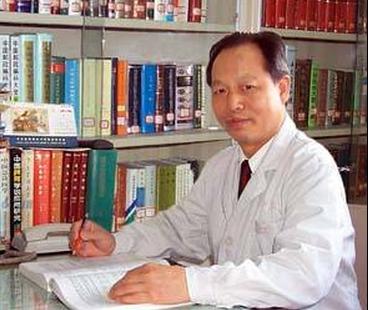 Qiangou Li (李乾构)合作论文数首都医科大学13
 Lin Tao (陶琳)合作论文数Beijing Hospital of Traditional Chinese Medicine11Yan Lou (娄颜)合作论文数10
 Xiang Li (李享)合作论文数Beijing Hospital of Traditional Chinese Medicine10
 Bing Wu (吴兵)合作论文数Beijing Hospital of Traditional Chinese Medicine, Capital Medical University9Huicun Zhang合作论文数7Lin Zhang (张琳)合作论文数7
 Suiping Huang (黄穗平)合作论文数广州中医药大学第二临床医学院7
 Chuijie Wang (王垂杰)合作论文数Liaoning University of Traditional Chinese Medicine7
 Luqing Zhao (赵鲁卿)合作论文数Beijing Hospital of Traditional Chinese Medicine, Capital Medical University7MeiZhe Peng (彭美哲)合作论文数6JinMei Deng (邓晋妹)合作论文数6Ming Chen (陈明)合作论文数6yitong li (李一桐)合作论文数5jia you (尤佳)合作论文数5Shumin LI (李舒敏)合作论文数5Ligang DONG (董礼刚)合作论文数5BoXiang Tang (唐博祥)合作论文数5Wei Li (李帷)合作论文数5Si Chen (陈思)合作论文数5
 YaoLiang Lai (来要良)合作论文数Xuanwu Traditional Chinese Medicine Hospital Beijing5Jin-de YU (于金德)合作论文数4yuejiao wang (王月娇)合作论文数4yao song (宋瑶)合作论文数4Xiao-ru WANG (汪晓茹)合作论文数4ShaoGang Huang (黄绍刚)合作论文数4Hong Shen (沈洪)合作论文数4YaJun Liu (刘亚军)合作论文数4
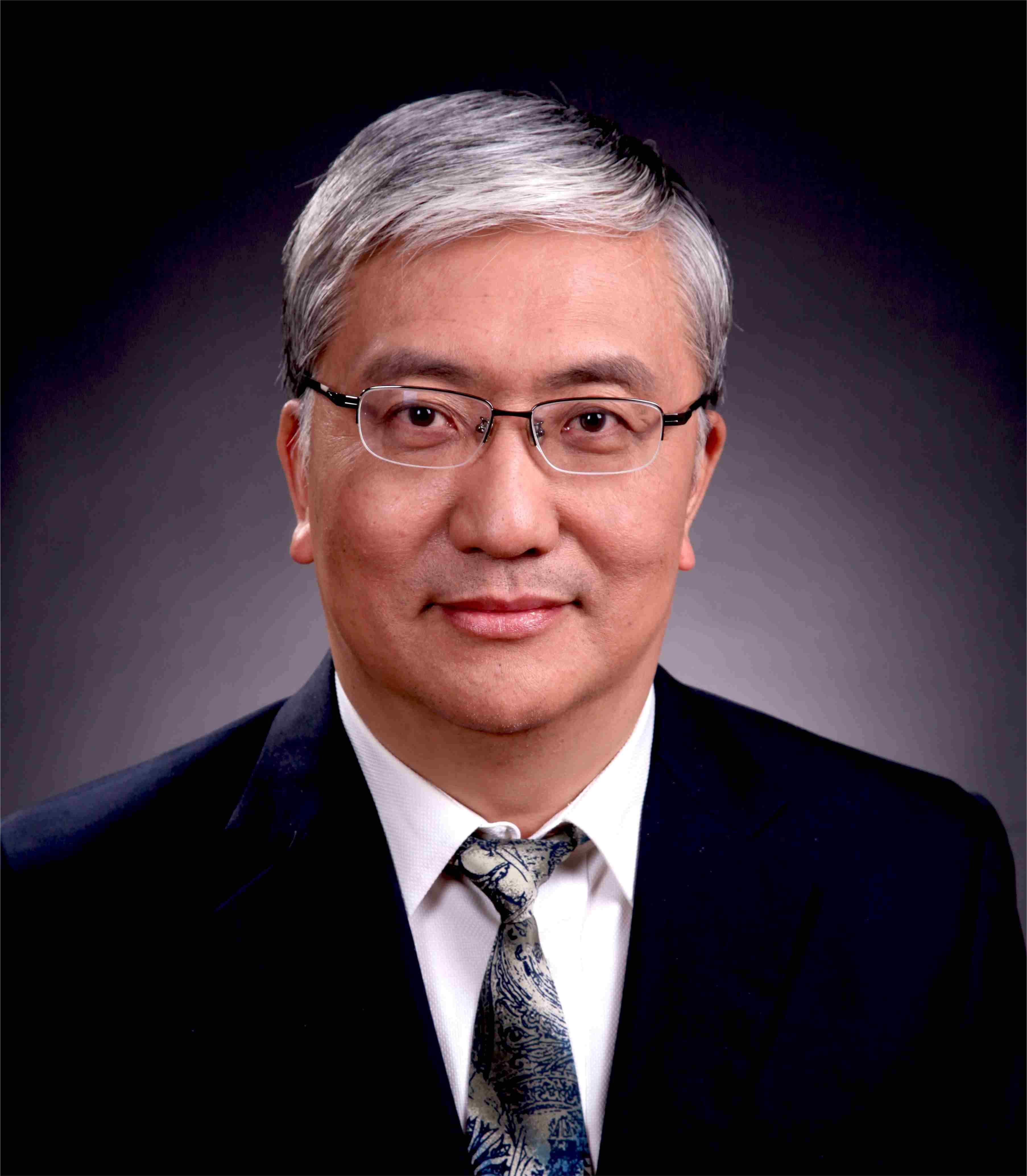 Xudong Tang (唐旭东)合作论文数Xiyuan Hospital of China Academy of Chinese Medical Sciences4
 Wei Wei (魏玮)合作论文数Wang Jing Hospital of China Academy of Chinese Medical Sciences4
 Baoshuang Li (李保双)合作论文数Xiyuan Hospital of China Academy of Chinese Medical Sciences4
 Xinyue Wang (王新月)合作论文数Third Affiliated Hospital, Beijing University of Chinese Medicine4LIU Yingchu (刘颖初)合作论文数3wanqiong liu (刘婉琼)合作论文数3Wei WANG (王薇)合作论文数3Li JI (姬莉)合作论文数3Tong Mu (牧童)合作论文数3Yaxin WANG (王雅欣)合作论文数3Zhenmin WANG (王振民)合作论文数3CHA Bo (查波)合作论文数3Peng-fei WANG (王鹏飞)合作论文数3XiuJiang Song (宋秀江)合作论文数3JinLi Hu (胡锦丽)合作论文数3
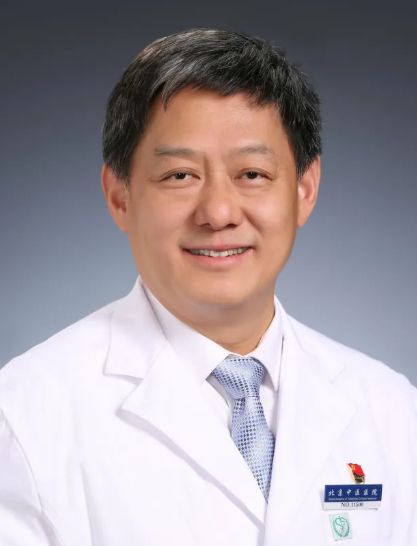 Qingquan Liu (刘清泉)合作论文数Beijing Hospital of Traditional Chinese Medicine, Capital Medical University3Lily Chen (陈思)合作论文数Beijing Anzhen Hospital, Capital Medical University3
 Zhenhua Li (李振华)合作论文数中国中医研究院西苑医院3




