Deep research systems powered by LLM agents have transformed complex information seeking by automating the iterative retrieval, filtering, and synthesis of insights from massive-scale web sources. However, existing systems predominantly follow an autonomous "query-to-report" paradigm, limiting users to a passive role and failing to integrate their personal insights, contextual knowledge, and evolving research intents. This paper addresses the lack of human-in-the-loop collaboration in the agentic research process. Through a formative study, we identify that current systems hinder effective human-agent collaboration in terms of process observability, real-time steerability, and context navigation efficiency. Informed by these findings, we propose InterDeepResearch, an interactive deep research system backed by a dedicated research context management framework. The framework organizes research context into a hierarchical architecture with three levels (information, actions, and sessions), enabling dynamic context reduction to prevent LLM context exhaustion and cross-action backtracing for evidence provenance. Built upon this framework, the system interface integrates three coordinated views for visual sensemaking, and dedicated interaction mechanisms for interactive research context navigation. Evaluation on the Xbench-DeepSearch-v1 and Seal-0 benchmarks shows that InterDeepResearch achieves competitive performance compared to state-of-the-art deep research systems, while a formal user study demonstrates its effectiveness in supporting human-agent collaborative information seeking. Project page with system demo: https://github.com/bopan3/InterDeepResearch.
Figurative art, as a culturally embedded medium, encodes narrative, symbolic, and emotional meanings that reflect artistic choices and historical realities. The recent availability of large-scale digital collections of figurative artworks creates opportunities for computational analysis, but existing methods mostly focus on classification or style detection, lacking structured modeling of high-level figurative elements and integration of cultural context. We present DAVA, a visual analytics system that supports interdisciplinary exploration of figurative art. First, we model paintings across three structural levels: facial expressions (micro), posture features (meso), and object co-occurrence (macro). Second, we employ a vision-language model to discover latent patterns from these features and present them through novel visualization designs. Third, we introduce domain-informed AI agents that simulate interdisciplinary research teams to interpret artworks in cultural and historical context. To evaluate DAVA, we first conducted a quantitative evaluation demonstrating the accuracy and consistency of the multi-agent interpretation mechanism. Case studies and expert interviews then confirmed the system's utility and support for semantically and historically informed exploration of figurative art.
Structured representation can characterize semantic objects and relationships in images. It provides a possible effective way for the semantic understanding of Traditional Chinese Paintings (TCPs) to better support archaeology and art history research. However, most image-oriented structured representation methods perform poorly on TCPs, due to two major challenges: 1) the objects and events of TCPs exhibit substantial differences from modern natural images, which results in semantic misunderstandings of TCPs; and 2) it is difficult to achieve accurate identification of ancient objects and events in TCPs, even for domain experts.In this paper, we propose VisTCP, a visualization framework that combines a TCP-oriented intelligent model and expert knowledge, which enables art historians to achieve trustworthy structured representations of TCPs in a human-in-the-loop manner. Firstly, we conduct a pilot study with three domain experts to build a semantic taxonomy of TCPs. Then, expert-annotated data are used to train a TCP-oriented structured representation model, which can automatically extract meaningful objects and their relationships in TCPs. To inform users of the model uncertainty, we design a joint embedding visualization view to show the differences between expert annotations and model predictions. This allows users to refine the structured representation based on their domain knowledge, enabling iterative optimization of the model. Finally, we conduct a case study, a usage scenario, and expert interviews on a real dataset to demonstrate the effectiveness of VisTCP in supporting the structured representation and semantic understanding of TCPs.
Precise diagnosis of complex diseases increasingly depends on the integration of multimodal data. However, the high dimensionality of such data makes it difficult for traditional modeling methods to efficiently identify biomarkers, while deep learning approaches, despite their strong predictive power, often lack interpretability. Here, we introduce BPX-Net, a generalizable deep learning framework that learns compact multimodal representations through a biomarker-preserving dropout mechanism, where dropout probabilities are modulated by feature importance scores self-learned from a built-in interpretability module and, when available, further informed by clinical priors. This design enables BPX-Net to make robust predictions during inference by selectively attending to a sparse set of disease-informative predictors, making it insensitive to missing values in less relevant or redundant variables. Across multi-center cohorts covering diverse clinical tasks (disease diagnosis, prognosis, treatment response prediction, and risk stratification), BPX-Net yields substantial performance gains, e.g. achieving an average AUC of 85.43% across four tasks, outperforming baselines by 4% to 20% in the presence of missing data. More importantly, it identifies predictors aligned with established clinical knowledge. Cross-hospital validation further confirms the robustness and clinical relevance of these predictors. Collectively, BPX-Net offers a clinically grounded deep learning framework for multimodal analysis, intrinsically robust to data incompleteness and equipped with built-in interpretability, thereby eliminating reliance on computationally intensive post-hoc tools such as SHAP.
Large language models (LLMs) have achieved strong performance on many language tasks, but they still struggle with culturally grounded symbolic reasoning. Existing benchmarks have not systematically evaluated the progressive capability chain required for cross-cultural understanding, which involves intra-cultural symbolic understanding, cross-cultural symbolic alignment, and cross-cultural conflict identification. To address this gap, we propose CCU-Bench, a systematic benchmark for evaluating cross-cultural understanding in LLMs. Grounded in Hofstede's cultural dimensions theory, CCU-Bench focuses on three culturally distinct contexts, China, Japan, and Mexico, and is organized around three dimensions, image, connotation, and emotion. The benchmark is constructed through three stages, data collection, question generation, and quality control, resulting in a high-quality evaluation set of 3029 question-answer pairs in five formats. Experiments on 19 mainstream LLMs show that current models perform unsatisfactorily on this task, achieving an average score of 57.8%. Closed-source models consistently outperform open-source models, while cross-cultural symbolic alignment remains the most challenging sub-task. Further error analysis reveals that the dominant failures stem from deficiencies in cultural knowledge, biases in intent mapping, and weak higher-order reasoning about cross-cultural conflicts, rather than simple instruction-following issues. These findings highlight persistent limitations of current LLMs in culturally grounded reasoning and demonstrate that CCU-Bench provides a standardized benchmark for culturally aware artificial intelligence research.
The security of individual privacy is paramount for trajectory publication, while preserving trajectory utility is also essential to serve analysis tasks such as urban planning and transportation development. To assess and maintain trajectory utility, existing studies consider geographic context. However, innate semantic characteristics of trajectories (e.g., origin, destination, stay point, path) have been overlooked, which prevents data owners from specifying task-specific utility measurements and, consequently, from achieving a delicate balance between privacy and utility. This paper proposes an interactive trajectory publishing approach driven by flexible utility considerations, which processes trajectory points according to their semantics to fulfill diverse utility requirements. Concretely, we decouple trajectories into origin-destination (OD) and path components: ODs are generalized into regions to satisfy $k$k-anonymity, and paths are sanitized within each OD group using road-network-aware differential privacy under predefined privacy constraints. We also develop a visual interface to support exploration and comprehension of privacy-preserving solutions, through which we incorporate human knowledge into the privacy scheme. Experiments on real-world urban datasets demonstrate the effectiveness of our approach.
Deep research agents powered by Large Language Models (LLMs) can perform multi-step reasoning, web exploration, and long-form report generation. However, existing systems remain largely autonomous, assuming fully specified user intent and evaluating only final outputs. In practice, research goals are often underspecified and evolve during exploration, yet current benchmarks neither model dynamic user feedback nor measure interaction costs. To address this gap, we introduce IDRBench, the first Interactive Deep Research Benchmark for systematically evaluating the interactive capabilities of deep research agents. IDRBench formulates deep research as an interactive process where agents may solicit clarification to better align with user intent. It integrates a modular interactive framework, a scalable reference-grounded user simulator, and an interaction-aware evaluation suite that jointly measures alignment gains and interaction overhead. Experiments on seven representative proprietary and open-weight LLMs show that interaction consistently improves research quality and robustness, while revealing substantial differences in interaction efficiency across models. These findings establish interactive capability as a distinct evaluation dimension and position IDRBench as a reusable benchmark for future user-aligned deep research agents.
Recent advances in large language models (LLMs) have shown great potential in automating the process of visualization authoring through simple natural language utterances. However, instructing LLMs using natural language is limited in precision and expressiveness for conveying visualization intent, leading to misinterpretation and time-consuming iterations. To address these limitations, we conduct an empirical study to understand how LLMs interpret ambiguous or incomplete text prompts in the context of visualization authoring, and the conditions making LLMs misinterpret user intent. Informed by the findings, we introduce visual prompts as a complementary input modality to text prompts, which help clarify user intent and improve LLMs' interpretation abilities. To explore the potential of multimodal prompting in visualization authoring, we design VisPilot, which enables users to easily create visualizations using multimodal prompts, including text, sketches, and direct manipulations on existing visualizations. We evaluate VisPilot through a controlled user study and an expert evaluation. The results suggest that multimodal prompts facilitate users in communicating spatial constraints, local references, and design preferences while maintaining comparable task efficiency to text-only prompting. We further discuss when text, visual, and hybrid prompts are beneficial for visualization authoring, and summarize design implications for future human-AI authoring systems.
Existing Masked Image Modeling (MIM) depends on a spatial patch-based masking-reconstruction strategy to perceive objects' features from unlabeled images, which may face two limitations when applied to chest Computed Tomography (CT): (1) inefficient feature learning due to complex anatomical details presented in CT images, and (2) suboptimal knowledge transfer owing to input disparity between upstream and downstream models. To address these issues, we propose a new MIM method named Tissue-Contrastive Semi-Masked Autoencoder (TCS-MAE) for modeling chest CT images. Our method has two novel designs: (1) a tissue-based masking-reconstruction strategy to capture more fine-grained anatomical features, and (2) a dual-AE architecture with contrastive learning between the masked and original image views to bridge the gap between the upstream and downstream models. Through these strategies, the pretrained model can learn homogeneous tissue representations to improve the segmentation of heterogeneous lesions. To validate our method, we systematically investigate representative contrastive, generative, and hybrid self-supervised learning methods on top of tasks involving segmenting pneumonia, mediastinal tumors, and various organs. The results demonstrate that, compared to existing methods, our TCS-MAE more effectively learns tissue-aware representations, thereby significantly enhancing segmentation performance across all tasks. The code and datasets is available at: https://github.com/zhengjjjjie/TCS-MAE.
Federated Prototype Learning (FedPL) has emerged as an effective strategy for handling data heterogeneity in Federated Learning (FL). In FedPL, clients collaboratively construct a set of global feature centers (prototypes), and let local features align with these prototypes to mitigate the effects of data heterogeneity. The performance of FedPL highly depends on the quality of prototypes. Existing methods assume that larger inter-class distances among prototypes yield better performance, and thus design different methods to increase these distances. However, we observe that while these methods increase prototype distances to enhance class discrimination, they inevitably disrupt essential semantic relationships among classes, which are crucial for model generalization. This raises an important question: how to construct prototypes that inherently preserve semantic relationships among classes? Directly learning these relationships from limited and heterogeneous client data can be problematic in FL. Recently, the success of pre-trained language models (PLMs) demonstrates their ability to capture semantic relationships from vast textual corpora. Motivated by this, we propose FedTSP, a novel method that leverages PLMs to construct semantically enriched prototypes from the textual modality, enabling more effective collaboration in heterogeneous data settings. We first use a large language model (LLM) to generate fine-grained textual descriptions for each class, which are then processed by a PLM on the server to form textual prototypes. To address the modality gap between client image models and the PLM, we introduce trainable prompts, allowing prototypes to adapt better to client tasks. Extensive experiments demonstrate that FedTSP mitigates data heterogeneity while significantly accelerating convergence.
Breast cancer, a prevalent malignancy and leading cause of global mortality in women, requires precise tumor assessment. Although multi-phase dynamic contrast-enhanced magnetic resonance imaging (DCE-MRI) offers high sensitivity for tumor evaluation and treatment monitoring, precise primary tumor segmentation remains challenging, limiting advancements in personalized medicine. Existing segmentation methods struggle with multi-sequence DCE-MRI. Consequently, we propose IEDHTrans, a novel hybrid network leveraging multiphase DCE-MRI information to enhance breast tumor segmentation. This network comprises an interactive encoders module for accurate multi-phase feature extraction of breast tumor features, a differential hierarchical transformer module to establish global long-distance dependencies on multi-resolution feature graphs, and a convolutional neural network decoders module for feature upsampling. Our method's effectiveness is validated through quantitative and qualitative experiments on the public MAMA-MIA dataset, the PLHN dataset, and our in-house clinical dataset. This approach consistently outperforms other advanced methods. We achieved dice coefficients of 81.22%, 77.85% and 81.83% on the MAMA-MIA, PLHN dataset and in-house clinical datasets, respectively. The source code and in-house clinical dataset are accessible at https://github.com/WYXgh/IEDHTrans.
Text to image (T2I) models such as gpt-image-2 can now generate publication grade academic figures from a short prompt, but the output is a flat raster: a user who wants to change one arrow, one label, or one icon has to regenerate the whole image, which also disturbs the parts they wanted to keep. We present sketch-plot, an interactive system that closes this controllability gap with a three layer progressive editing pipeline: a generated PNG, an addressable puzzle of editable pieces, and a per piece SVG. The user stops at the layer that gives them enough control for the change at hand, so the cost of decomposition and vectorisation is paid only on the pieces that need it. Realising this pipeline is not trivial. General segmentation models lack the semantic discriminability to decompose a research figure cleanly, and end to end image vectorisation produces incomplete shapes and loses semantic structure. We therefore route both stages through a human in the loop interface that lets the user accept, refine, or reject decomposition and vectorisation decisions on a piece by piece basis. We validate the design with an expert user study, in which participants found sketch-plot effective for making targeted edits to AI generated academic figures and preferred it over regenerating the whole image. A demonstration video is available at https://paper-plot.dev/sketch.
Pathology images are crucial for cancer diagnosis and treatment. Although artificial intelligence has driven rapid advancements in pathology image analysis, the interpretation of ultra-large and multi-scale pathology images in clinical practice still heavily relies on physicians' experience. Clinicians need to repeatedly zoom in and out on individual slides to compare and assess pathological details - a process that is both time-consuming and prone to visual fatigue. The system first employs a diffusion model to perform tissue segmentation on pathology images, then calculates pathological tissue proportions and morphological metrics. Finally, through multi-scale dynamic comparison and multi-level visual evaluation, the system facilitates comprehensive and precise analysis of pathology images. The system provides clinicians with an intelligent and interactive tool for pathology image interpretation, enabling efficient visualization and precise analysis of pathological details, thereby reducing the effort require for detailed analysis.
Enterprise retrieval-augmented generation (RAG) systems require more than answer-level accuracy: operators need to know whether a response is supported by retrieved evidence, whether the retrieved context is useful, and whether the generator actually uses that context. This study examines industrial manual RAG quality prediction through trace-level evidence alignment, using the eManual subset of RAGBench as the primary customer-support setting and FinQA as a finance-domain transfer case. The analysis follows the TRACe formulation of adherence, relevance, utilization, and completeness and compares the published test-split outputs of a GPT-3.5 judge, RAGAS, TruLens, and a fine-tuned DeBERTa-v3 judge. Rankings, absolute gaps, relative changes, and all visual summaries are recomputed from the benchmark matrix. On eManual, DeBERTa-v3 reaches 0.76 hallucination AUROC, 0.15 above the strongest prompt-based baseline, and reduces relevance RMSE from 0.17 to 0.13. On FinQA, it reaches 0.81 hallucination AUROC, a 0.24 absolute gain, while utilization RMSE improves from 0.13 to 0.10. The comparison also reveals important exceptions: GPT-3.5 has lower utilization error on eManual, and RAGAS has the lowest relevance error on FinQA. These results support a multi-signal evaluation layer in which aggregate scores are linked to sentence-level evidence records. For industrial support systems, trace supervision provides the clearest benefit for unsupported-response detection and enables targeted remediation of retrieval, evidence use, and answer grounding.
Long-context LLMs and Retrieval-Augmented Generation (RAG) systems process information passively, deferring state tracking, contradiction resolution, and evidence aggregation to query time, which becomes brittle under ultra long streams with frequent updates. We propose the Unified Memory Agent (UMA), an end-to-end reinforcement learning framework that unifies memory operations and question answering within a single policy. UMA maintains a dual memory representation: a compact core summary for global context and a structured Memory Bank that supports explicit CRUD (create, update, delete, reorganize) over key value entries, enabling proactive consolidation during streaming. To evaluate long-horizon memory behavior, we introduce Ledger-QA, a diagnostic benchmark for continuous state tracking where answers are latent values derived from accumulated updates rather than lo cal span retrieval. Across 13 datasets spanning Ledger-QA, Test-Time Learning, and Accurate Retrieval, UMA substantially outperforms long-context and RAG baselines on dynamic reasoning and learning tasks while remaining competitive on standard retrieval benchmarks, underscoring the importance of learned, end-to-end memory management.
Understanding and interpreting a script is essential for effective acting. Existing visualization methods, however, primarily focus on general narrative comprehension and often neglect actors' specific cognitive and expressive needs. To address this gap, we propose an actor-oriented visual analytics approach that automatically extracts key script features, including implicit emotions, causal relationships, and critical events, to support rapid comprehension of coherent storylines. These extracted features are integrated into a coordinated multi-view visualization, enabling actors to analyze and explore scripts comprehensively and gain deeper insights into the narrative. Furthermore, we introduce a method for structuring performance guidance, converting script events into interpretable, multi-stage recommendations that adapt to individual acting styles. Actor feedback is incorporated to iteratively refine these recommendations, ensuring alignment with personal performance traits. To demonstrate the practicality of our approach, we implement ActorVis, a system that operationalizes these methods and provides actors with interactive visualizations and adaptive performance guidance. Case studies and user evaluations confirm the approach's effectiveness in facilitating rapid script understanding and enhancing personalized performance support.
The unfitted finite element (FE) methods offer significant advantages in engineering analysis by embedding the structure within a simple background mesh and eliminating the need for complex and labor-intensive mesh generation. A high solution accuracy can still be achieved via constructing, on each coarse element, standard polynomial shape functions, or numerical (piecewise) shape functions. However, the strategy incurs significant technical challenges due to the unavoidable occurrence of cut elements of arbitrarily small size that may greatly deteriorate the condition number of the stiffness matrix. To address the issue, we propose the concept of reduced coarse elements. By formulating high-order numerical shape functions as the product of a boundary interpolator and a boundary-interior mapping, a detailed condition number analysis reveals the dependence of the numerical shape function conditioning on the boundary interpolator. Based on these findings, we develop a new type of reduced coarse elements and their associated numerical shape functions to address the conditioning challenges. The stability, accuracy, convergence rate, and efficiency of the approach are tested through various numerical examples in comparison with other cutting-edge approaches. Its performance on a multi-material printed circuit board (PCB) example of 183 million fine mesh nodes is also tested.
“Using images as historical evidence” is an important approach in historical research, comparing paintings with textual records to support, refine, or challenge historical interpretations. However, this evidential comparison remains manual and fragmented, requiring labor-intensive connections across dispersed visual and textual materials. To explore how advanced multimodal models could support this workflow, we conducted expert workshops to identify key challenges and workflow stages, and developed HistoriWitness, a multimodal visual analytics system that connects Chinese historical paintings with textual records from classical Chinese sources. HistoriWitness uses a generative module to propose image-text search cues, fragment-level clustering to filter visual and textual candidates, and expert corrections to recompute cross-modal similarities. Case studies, including portrait verification and user feedback, show its potential to accelerate evidence discovery, organize cross-modal evidence, and support traceable, expert-guided interpretation, offering methodological insights into the design of multimodal systems for heritage science.
Recent advances in Video Generation Models (VGMs) have demonstrated strong capabilities in producing short video clips. However, it is still challenging for everyday creators to leverage these models to produce polished long-form animated videos from brief story texts. Informed by a formative study with both novice creators and film experts, we identify two major challenges of interactive video authoring: (1) the lack of expertise in translating free-form story texts to professional cinematic scripts and finally high-quality animated videos, and (2) the absence of effective ways to convey video design intents to key variables of visual storytelling, such as shot composition, camera controls and shot sequencing. Drawing on narratology and film studies, we propose a three-layer design framework that defines the key design dimensions across three layers (i.e., story texts, cinematic scripts, and animated videos) as well as the translation between them. Built on this framework, we present AniMaster, a VGM-powered authoring tool to enable everyday creators to easily produce smooth animated videos from free-form story texts. AniMaster automatically expands brief story texts to detailed cinematic scripts, and further translates cinematic scripts into polished videos by following professional visual storytelling principles. It also allows users to interactively edit the scripts and refine the generated videos via text instructions and intuitive interactions. We extensively evaluated AniMaster through an in-depth user study with 16 participants, two case studies, and expert interviews with 2 film professionals. The results demonstrate the effectiveness and usability of AniMaster in helping everyday creators create polished animated videos from free-form story texts.
 Minfeng Zhu (朱闽峰)合作论文数School of Software, Zhejiang University70
 Qunsheng Peng (彭群生)合作论文数Faculty of Science, Zhejiang University64
 Hujun Bao (鲍虎军)合作论文数College of Computer Science and Technology, Zhejiang University;Faculty of Information Technology, Zhejiang University29
 Xumeng Wang (王叙萌)合作论文数College of Computer Science, Nankai University28
 Jiazhi Xia (夏佳志)合作论文数School of Computer Science and Engineering, Central South University26
 Yingcai Wu (巫英才)合作论文数State Key Lab of CAD & CG, College of Computer Science and Technology, Zhejiang University24
 Mingliang Xu (徐明亮)合作论文数School of Computer and Artificial Intelligence, Zhengzhou University24
 Ross Maciejewski合作论文数School of Computing and Augmented Intelligence, Arizona State University;Center for Accelerating Operational Efficiency, Department of Homeland Security Center of Excellence, Arizona State University21
 DongMing Han合作论文数Northeast Dianli University, Northeast Dianli University20
 Yuxin Ma (马昱欣)合作论文数Department of Computer Science and Engineering, College of Engineering, Southern University of Science and Technology20
 Haozhe Feng合作论文数State Key Lab of CAD&CG, Zhejiang University20
 David Ebert合作论文数Department of Electrical & Computer Engineering, College of Engineering, University of Arizona20
 Huamin Qu (屈華民)合作论文数Department of Computer Science and Engineering, School of Engineering, The Hong Kong University of Science and Technology20
 Na Lei (雷娜)合作论文数International School of Information Science and Engineering, Dalian University of Technology19
 Pan Jia-Cheng合作论文数State Key Laboratory for Manufacturing Systems Engineering, Xi an Jiaotong University17
 Haidong Chen合作论文数State Key Lab of CAD & CG, Zhejiang University17
 Hongxin Zhang (张宏鑫)合作论文数College of Computer Science and Technology, Zhejiang University17
 Zhiguang Zhou (周志光)合作论文数浙江财经大学信息管理与工程学院17
 Honghui Mei合作论文数Alibaba Group17
 Zhaosong Huang合作论文数State Key Laboratory of CAD CG, Zhejiang University16
 Feiran Wu合作论文数16
 Long Zhang (张龙)合作论文数16
 Xianfeng David Gu合作论文数Department of Computer Science, Stony Brook University;Department of Applied Mathematics, Stony Brook University15
 Xiaonan Luo (罗笑南)合作论文数National Engineering Research Center for Digital Life, Sun Yat-sen University;Guilin University of Electronic Technology14
 Ying Zhao (赵颖)合作论文数School of Computer Science and Engineering, Central South University14
 Yingchaojie Feng合作论文数13
 YaTing Wei合作论文数13
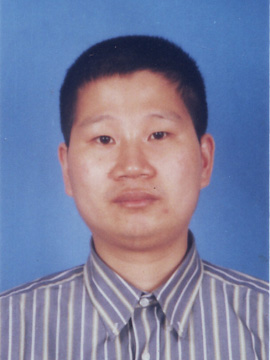 Wenting Zheng (郑文庭)合作论文数College of Computer Science and Technology, Zhejiang University13
 Zi-ang DING (丁子昂)合作论文数12
 Jiajun Bu (卜佳俊)合作论文数College of Computer Science and Technology, Zhejiang University;School of Software Technology, Zhejiang University;Alibaba-Zhejiang University Joint Institute of Frontier Technologies12
 Fangzhou Guo合作论文数School of Electronics and Information Engineering, Southwest Petroleum University11
 Chun Chen (陈纯)合作论文数College of Computer Science and Technology, Zhejiang University11Weifeng Chen (陈伟锋)合作论文数浙江财经大学信息管理与工程学院11
 Wei Zhang合作论文数State Key Lab Ind Control Technol, Zhejiang Univ10Jian-Wei Zhang合作论文数10Haiyang Zhu (朱海洋)合作论文数10
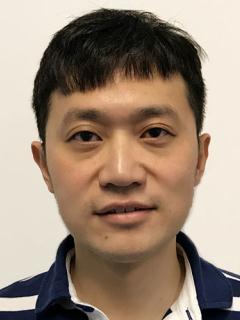 Yi Yang (杨易)合作论文数College of Computer Science and Technology, Zhejiang University10
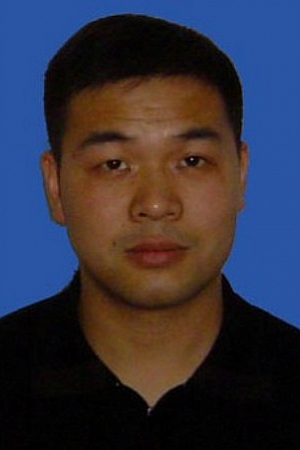 Xiangyang Wu (吴向阳)合作论文数Computer and Software School, Hangzhou Dianzi University10
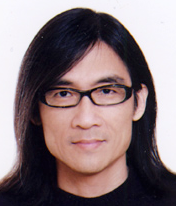 Kwan-Liu Ma (馬匡六)合作论文数Department of Computer Science, University of California, Davis10
 Ye Zhao合作论文数Department of Computer Science, Kent State University10Zhen Wen合作论文数9
 Kamkwai Wong合作论文数Hong Kong University of Science and Technology9
 Rusheng Pan合作论文数Zhejiang University9
 Junhua Lu合作论文数Zhejiang Univ, Hangzhou, Zhejiang, Peoples R China9
 Cong Xie合作论文数Stony Brook University9
 Can Wang (王灿)合作论文数Zhejiang Provincial Key Laboratory of Service Robot, College of Computer Science and Technology, Zhejiang University9
 Yunhai Wang (汪云海)合作论文数School of Information, Renmin University of China9Luoxuan Weng合作论文数8
 Yijing Liu合作论文数State Key Lab Subtrop Silviculture, Zhejiang A&F Univ8