BACKGROUND:To compare the efficacy and safety profiles of obinutuzumab or cyclosporine combined with steroid in treating primary membranous nephropathy. METHODS:This retrospective study included patients with primary membranous nephropathy treated at Shanghai Ruijin Hospital between January 2020 and June 2023. Patients received either obinutuzumab or cyclosporine combined with corticosteroid and were followed for at least 24 months unless relapse or treatment failure occurred. Propensity score matching (PSM, ratio: 1:1) based on age, sex, degree of proteinuria, eGFR, serum albumin and PLA2R antibody was applied to pair patients receiving Obinutuzumab with those receiving cyclosporine combined with corticosteroid. The primary outcome was defined as the combination of partial remission and complete remission at 24 months. Logistic regression model and Kaplan-Meier curves were applied to compare the efficacy of two treatments. RESULTS:After PSM, 30 patients receiving obinutuzumab and 30 patients receiving cyclosporine with corticosteroid were included in the study. By 24 months, a higher proportion of patients in the obinutuzumab group reached the primary endpoints compared to those treated with cyclosporine combined with corticosteroid. (Obinutuzumab vs. Cyclosporine: 86 % vs. 54 %, P=0.01; HR:5.42, 95%CI:1.49-19.69, P=0.01). Relapses of nephrotic syndrome were less frequent in the obinutuzumab group than in the cyclosporine group (Obinutuzumab vs. Cyclosporine: 15% vs. 52%, P=0.01; HR:0.16, 95%CI: 0.04-0.60, P=0.01). Obinutuzumab induced a faster immunologic remission at 6 months (Obinutuzumab vs. Cyclosporine: 91% vs. 59%, P<0.01; HR: 7.22, 95% CI: 1.40-37.25, P=0.02) and maintained a better persistent immunologic remission at 24 months [Obinutuzumab vs. Cyclosporine: 95% vs. 45%, P<0.01; HR: 24.44, 95%CI: 2.73-219.09, P<0.01]. Both treatment regimens were generally well-tolerated. The incidence of infection was lower in the obinutuzumab group than in the cyclosporine combined with corticosteroid group (Obinutuzumab vs. Cyclosporine: 23% vs. 50%, P=0.03). CONCLUSIONS:Our study demonstrated that obinutuzumab is associated with higher remission rates at 24 months, faster immunological remission and less infections than cyclosporine combined with corticosteroids in the treatment of PMN.
PURPOSE:To evaluate the association between roxadustat use and renal outcomes, compared with erythropoiesis-stimulating agents (ESAs), in patients with non-dialysis-dependent chronic kidney disease (CKD) and anemia. METHODS:This retrospective cohort study included patients with CKD and anemia treated at Ruijin Hospital between January 2010 and December 2022 who had an estimated glomerular filtration rate (eGFR) ≥15 mL/min/1.73 m² at baseline. Patients treated with roxadustat were compared with those treated with ESAs. Propensity score matching was used to balance baseline characteristics between groups. The composite renal endpoint was defined as a ≥ 50% decline in eGFR, doubling of serum creatinine, or progression to end-stage kidney disease. Annual eGFR slopes were compared, and Cox proportional hazards models were used to assess the association between treatment and the composite renal endpoint. FINDINGS:After propensity score matching, 852 patients were included, with 426 in each group; more than 90% had stage 3-4 CKD. In the overall matched cohort, the annual decline in eGFR did not differ significantly between the roxadustat and ESAs groups. Among patients aged > 60 years, the median eGFR slopes were -1.84 and -3.50 mL/min/1.73 m²/yr in the roxadustat and ESAs groups, respectively (P = 0.02), whereas no significant difference was observed among those aged ≤ 60 years. In multivariable Cox models, exploratory analyses suggested possible effect modification by age (P for interaction = 0.03). The overall incidence of adverse events was comparable between groups (27.93% vs 29.34%; P = 0.65). IMPLICATIONS:Among patients with non-dialysis-dependent CKD and anemia, roxadustat and ESAs were associated with similar renal outcomes overall. Subgroup findings suggest possible heterogeneity in treatment effects by age. Further studies are warranted to clarify the clinical relevance of these findings.
Introduction:Finerenone, a nonsteroidal mineralocorticoid receptor antagonist, reduced the risk of heart and kidney outcomes in patients with chronic kidney disease (CKD) and type 2 diabetes (T2D) in FIDELITY, a prespecified pooled analysis of the FIDELIO-DKD and FIGARO-DKD trials. This subanalysis explored the efficacy and safety of finerenone vs. placebo in Chinese patients. Methods:Patients with CKD (urine albumin-to-creatinine ratio 30-5,000 mg/g, estimated glomerular filtration rate [eGFR] ≥25 mL/min/1.73 m2) and T2D, on optimized renin-angiotensin system inhibitors, were randomized 1:1 to finerenone or placebo. Key outcomes included a kidney composite (kidney failure, sustained ≥57% eGFR decrease from baseline over ≥4 weeks, or kidney-related death) and a cardiovascular (CV) composite (CV death, nonfatal myocardial infarction, nonfatal stroke, or hospitalization for heart failure). An additional kidney composite outcome was kidney failure, sustained ≥40% eGFR decrease from baseline over ≥4 weeks, or kidney-related death. Treatment-emergent adverse events were also assessed. Results:In this Chinese patient subanalysis (n = 697), finerenone reduced the risk of the ≥57% and ≥40% kidney composite outcomes (hazard ratio [HR]: 0.57; 95% confidence interval [CI]: 0.38-0.86; p = 0.0066 and HR: 0.54; 95% CI: 0.40-0.74; p < 0.0001, respectively) and CV composite outcome risk vs. placebo (HR: 0.82; 95% CI: 0.52-1.29; p = 0.3866). Safety outcomes were similar between treatment arms. Hyperkalemia leading to treatment discontinuation was low for finerenone (2.6%) and placebo (0.9%). Conclusion:Finerenone demonstrated kidney benefits, favorable trends on CV outcome, and a manageable safety profile in the FIDELITY Chinese subpopulation.
Introduction: Treatment options for IgA nephropathy (IgAN) patients with severe renal impairment are limited. Although telitacicept is approved for reducing proteinuria in IgAN, prior trials excluded patients with estimated glomerular filtration rate (eGFR) <35 mL/min/1.73 m2. This study evaluated the effects of telitacicept on proteinuria and renal function in this high-risk group. Methods: We retrospectively reviewed medical records of patients with biopsy-proven IgAN, eGFR 15–35 mL/min/1.73 m2, and proteinuria >1 g/day who received ≥24 weeks of telitacicept between March 2023 and June 2024. Proteinuria, eGFR, and serum immunoglobulins were assessed longitudinally. Results: Thirteen patients were included. Proteinuria decreased by 45% at month 6 and remained reduced by 51%, 47%, and 45% at months 12, 18, and 24, respectively. One patient initiated dialysis at month 15. Mean eGFR remained stable over 24 months, with an annual decline slope of −2.39 mL/min/1.73 m2/year. In 8 patients, serum IgA fell from 2.93 ± 0.78 to 0.78 ± 0.28 g/L (p = 0.001) and IgG from 11.16 ± 2.92–6.53 ± 2.85 g/L (p < 0.001) at month 6, both stable through month 12. Combination therapy with glucocorticoids achieved greater proteinuria reductions at months 1–6 and a more favorable eGFR slope (+0.95 ± 6.37 vs. −3.88 ± 3.76 mL/min/1.73 m2/year) than monotherapy. Conclusion: Telitacicept reduced proteinuria and stabilized eGFR in IgAN patients with severe renal impairment. It may be a therapeutic option for patients unresponsive or intolerant to conventional therapy, but confirmation in larger, prospective studies is warranted.
Introduction Neural epidermal growth factor-like 1 (NELL-1) associated MN, first described in 2020, represents a common subtype among more than 20 target antigens; however, its clinicopathologic features and long-term prognosis are poorly characterized. Methods Consecutive biopsy-proven MN cases (2006–2025) were retrospectively analyzed at Ruijin Hospital, Shanghai. NELL-1 immunostaining was performed in PLA2R and THSD7A negative cases. Clinicopathological data and long-term outcomes were collected. NELL-1 deposition patterns were classified as diffuse or segmental. Results Of 556 PLA2R- and THSD7A-negative MN cases, 12.2% (n = 68) were NELL-1 positive. The median age was 46 years (IQR 38-66), with female predominance (M/F 0.7:1). Secondary causes were identified in 20.6% of cases, all 7 malignancies occurred in elderly men (≥60 years). Elderly patients had higher serum creatinine (0.89 vs 0.64 mg/dL, P< 0.01), heavier proteinuria (7.4 ± 4.0 vs 4.6 ± 2.8g/24h, P< 0.01), and lower albumin (22.9 ± 6.4 vs 27.3 ± 7.9g/L, P=0.014). Diffuse NELL-1 deposition was associated with greater proteinuria and lower albumin. Excluding malignancy, outcome analysis in 51 patients, median follow-up 48 months, showed a high remission rate (49/51,96.1%), and 33.3% spontaneous remission. In contrast, malignancy-associated cases had poor outcomes, with 57.1% mortality within one year after the MN diagnosis. Conclusions NELL-1 associated MN occurs at a relatively younger age in women, whereas malignancy predominantly occurred in elderly men in Han Chinese population. Diffuse deposition was associated with higher proteinuria. Overall prognosis was favorable, except in malignancy-associated cases, suggesting malignancy screening at diagnosis, particularly in elderly men.
Double-filtration plasmapheresis (DFPP) is increasingly used for immune-mediated and hematologic diseases, yet real-world safety data remain limited. In this 15-year retrospective study, we analyzed 1,022 DFPP sessions performed in 385 patients. The primary outcomes were hypotension and technical complications. Patient demographics, indications, laboratory parameters, treatment prescriptions, anticoagulation regimens, and procedure-related adverse events were collected. Mixed-effects logistic regression models were applied to identify factors associated with hypotension and technical complications. Hyperviscosity syndrome was the most common indication, accounting for 55.3% of all sessions. The mean treatment volume was 3.06 ± 0.41 L, corresponding to 0.95 ± 0.16 times the estimated plasma volume. Hypotension occurred in 15.3% of sessions and technical complications in 7.6%, both demonstrating significant declining trends over time (p < 0.05 for trend). Immune thrombotic thrombocytopenic purpura was independently associated with hypotension (OR 11.96, 95% CI 1.94-73.68). Older age modestly increased risk (OR 1.03 per year, 95% CI 1.00-1.06), while treatment year was inversely associated with hypotension (OR 0.77 per year, 95% CI 0.66-0.89). Technical complications were independently associated with use of the PLASAUTO Σ system (OR 8.78, 95% CI 2.76-27.97), use of non-heparin/non-nafamostat anticoagulants (OR 9.42, 95% CI 2.71-32.72), and hyperviscosity syndrome (OR 8.09, 95% CI 1.80-36.29). Among 309 sessions with paired measurements, median immunoglobulin reduction was 29.8% for IgG overall. DFPP demonstrated an acceptable safety profile, with declining complication rates over time. The risk of complications was influenced by underlying disease, patients' status, and anticoagulation strategy.
IgA nephropathy is the most common primary glomerulonephritis globally. Current management relies on supportive care, but many patients remain at risk for progressive disease, especially those with persistent proteinuria. This study evaluated the efficacy of Yi-Shen-Hua-Shi granule in adult patients with IgA nephropathy and persistent proteinuria. We conducted a multicenter, randomized, controlled trial involving adults with biopsy-confirmed IgA nephropathy, estimated glomerular filtration rate ≥30 mL/min/1.73 m2, and persistent proteinuria despite optimized supportive therapy. Participants were randomized 1:1 to receive Yi-Shen-Hua-Shi granule (10 g, orally, twice daily) plus best supportive care, or best supportive care alone, for 8 weeks. The primary endpoint was change in 24-hour urinary protein from baseline to week 8. Secondary endpoints included changes in renal function and safety assessments. Data were analyzed using linear mixed-effects models according to the intention-to-treat principle. A total of 97 patients were included. At 8 weeks, the Yi-Shen-Hua-Shi group showed a significantly greater reduction in 24-hour proteinuria compared with controls, with an estimated mean difference of ≈340 mg (95% CI 89.59 to 588.62; p = 0.01). The benefit was most pronounced among participants with baseline proteinuria >1000 mg, whose reduction was approximately 505 mg greater than controls (95% CI 152.45 to 859.42; p = 0.01). No significant differences in estimated glomerular filtration rate or adverse event rates were observed between groups. Yi-Shen-Hua-Shi granule, added to best supportive care, safely produced a greater short-term reduction in proteinuria, particularly in patients with high baseline proteinuria.
Psoriasis is a chronic inflammatory skin disease increasingly recognized for its systemic involvement, particularly renal impairment. However, the pathological spectrum of kidney lesions observed in psoriasis patients remains under-characterized. We conducted a retrospective clinicopathologic study of native kidney biopsies from patients with psoriasis at Ruijin Hospital, Shanghai Jiao Tong University School of Medicine between 2009 and 2025. Clinical characteristics, laboratory data, and renal pathological findings were systematically analyzed. Among 68 patients (55 male [81
KEY POINTS:Dapagliflozin reduces proteinuria in patients with Alport syndrome. Dapagliflozin plays an anti-inflammatory role by inhibiting the stimulator of IFN genes pathway in tubular epithelial cells of Alport syndrome mice. BACKGROUND:Alport syndrome (AS) is a hereditary kidney disease caused by COL4A3/4/5 mutations that lack of effective treatments. Sodium-glucose cotransporter 2 inhibitors have demonstrated renal and cardiovascular protective effects in patients with CKD; however, their long-term effects in patients with AS and the underlying mechanisms remain to be clarified. METHODS:We conducted a single-arm, prospective study to examine the effect of dapagliflozin in patients with AS. In parallel, Col4a3 p.C1615Y-mutant mice (129S2/Sv background) were used as an AS model to investigate the renoprotective mechanisms of dapagliflozin. RESULTS:A total of twenty-one patients with AS were enrolled. After approximately 12 months of follow-up (12.6±1.2 months), the mean 24-hour urinary protein decreased by 29% to 1.25±0.73 g from baseline (1.75±0.90; P < 0.001). The eGFR showed no significant difference compared with baseline (76±28 versus 77±29 ml/min per 1.73 m 2 , P = 0.57). In the animal studies, dapagliflozin significantly reduced macrophage infiltration and the expression of inflammatory cytokines levels in the renal cortex of Col4a3 -mutant mice. Mechanistic studies showed that stimulator of IFN genes (STING) pathway was activated in the renal cortex and tubular epithelial cells (TECs) from Col4a3 mice, contributing to a proinflammatory phenotype. Dapagliflozin effectively inhibited STING activation and suppressed inflammatory cytokines production in mutant TECs. CONCLUSIONS:Dapagliflozin can reduce proteinuria in patients with AS and plays an anti-inflammatory role by inhibiting the STING pathway in TECs of AS mice.
Chronic kidney disease (CKD) is one of the leading causes of global morbidity and mortality. As CKD progresses, it can lead to end-stage renal disease (ESRD), which requires treatment such as dialysis or kidney transplantation. Rare kidney diseases, a distinct subset of CKD, are primarily caused by genetic mutations. Due to the limited basic and clinical research on rare kidney diseases, treatment options remain limited, and the risk of progression to ESRD is higher compared to that of common CKD. As a result, there is an urgent need to explore novel therapeutic strategies. Gene therapy, which involves the use of genetic material to prevent or treat diseases, offers new hope for CKD and rare kidney diseases, including both monogenic and complex kidney disorders. The goal of gene therapy is to restore or degrade the defective proteins that cause the disease, necessitating editing of disease-causing genes and effective gene delivery. However, due to the unique physiological characteristics of the kidney, such as high blood flow in renal vessels, the lack of effective targeting mechanisms for specific renal cells, and the presence of the glomerular basement membrane barrier, developing effective gene therapy is rather challenge. The lack of a kidney specific vector poses an additional challenge. Recently, emerging studies have shown encouraging results using recombinant adeno-associated virus (rAAV) vectors in the treatment of renal diseases. Several rAAV-based gene therapy products have entered clinical use. In this review, we summarize the current advancements in gene therapy mediated by rAAV vectors for rare kidney disease, particularly monogenic kidney diseases that lead to CKD, and discuss the future directions in this field. Clinical trial number: Not applicable.
Immunoglobulin A nephropathy (IgAN) is the most common primary glomerulonephritis and a leading cause of end-stage renal disease for young adults. The key pathogenesis of IgAN involves overproduction of galactose-deficient IgA1 (Gd-IgA1) and anti-Gd-IgA1 antibodies, resulting in formation of circulating immune complexes that deposit in the glomerular mesangium. Consequently, emerging therapeutic strategies for IgAN aim to target and reduce aberrant Gd-IgA1 and its associated immune complexes. This disease-modifying approach confers benefits across multiple stages of IgAN progression, particularly in the early phase to halt irreversible renal damage. B-cell activating factor (BAFF) and proliferation-inducing ligand (APRIL) are critical cytokines that promote the differentiation, development and activation of B cells and plasma cells. Telitacicept, a novel recombinant fusion protein that dual-targets BAFF and APRIL, exhibits considerable therapeutic potential by inhibiting the production of Gd-IgA1 and its autoantibodies. Stage A results of the Phase 3 clinical trial demonstrated that patients in the telitacicept group achieved a 55% reduction in 24-h urinary protein-to-creatinine ratio and stable estimated glomerular filtration rate at Week 39 versus the placebo group, with favorable tolerability and safety. This review summarizes current progresses in targeting Gd-IgA1-producing cells for the treatment of IgAN, with a focus on therapeutic strategies including BAFF/APRIL inhibitors. Furthermore, it delineates the major challenges and future research directions aimed at optimizing these interventions.
Introduction:Neural epidermal growth factor-like 1 (NELL-1)-associated membranous nephropathy (MN), first described in 2020, represents a common subtype among >20 target antigens; however, its clinicopathologic features and long-term prognosis are poorly characterized. Methods:Consecutive biopsy-proven MN cases (2006-2025) were retrospectively analyzed at Ruijin Hospital, Shanghai. NELL-1 immunostaining was performed in M-type phospholipase A2 receptor (PLA2R)- and thrombospondin type-1 domain-containing 7A (THSD7A)-negative cases. Clinicopathological data and long-term outcomes were collected. NELL-1 deposition patterns were classified as diffuse or segmental. Results:Of 556 PLA2R- and THSD7A-negative MN cases, 12.2% (n = 68) were NELL-1 positive. The median age was 46 (interquartile range [IQR]: 38-66) years, with female predominance (M/F sex ratio, 0.7:1). Secondary causes were identified in 20.6% of cases; all 7 malignancies occurred in elderly men (aged ≥ 60 years). Elderly patients had higher serum creatinine (0.89 vs. 0.64 mg/dl, P < 0.01), heavier proteinuria (7.4 ± 4.0 vs. 4.6 ± 2.8 g/24 h, P < 0.01), and lower albumin (22.9 ± 6.4 vs. 27.3 ± 7.9 g/l, P = 0.014). Diffuse NELL-1 deposition was associated with greater proteinuria and lower albumin. After excluding malignancy, outcome analysis of 51 patients (median follow-up 48 months) showed a high remission rate (49/51, 96.1%) and 33.3% spontaneous remission (SR). In contrast, malignancy-associated cases had poor outcomes, with 57.1% mortality within 1 year after the MN diagnosis. Conclusion:NELL-1-associated MN occurs at a relatively younger age in women, whereas malignancy predominantly occurred in elderly men in Han Chinese population. Diffuse deposition was associated with higher proteinuria. Overall prognosis was favorable, except in malignancy-associated cases, suggesting malignancy screening at diagnosis, particularly in elderly men.
Patients undergoing peritoneal dialysis are at high risk of infection, which significantly impacts morbidity and mortality. This retrospective study aimed to evaluate the association of thymopentin use with infection risk, immune function, and inflammatory markers in peritoneal dialysis patients. Clinical data from 100 patients undergoing peritoneal dialysis were collected and analyzed. According to the treatment regimens received, patients were divided into a control group (standard therapy) and a thymopentin group (standard therapy combined with thymopentin). Thymopentin was administered subcutaneously at a dose of 10 mg daily for the first 5 days, followed by 10 mg three times per week (Monday, Wednesday, and Friday) for 23 consecutive weeks. Patients were followed for a total of 48 weeks. Infection rates, immune function, and levels of inflammatory markers were compared between the two groups. The thymopentin group demonstrated a lower infection incidence than the control group (0.73 vs. 1.00 per person-year). Thymopentin use was associated with significantly reduced overall infection rates (P < 0.001) and peritonitis (P = 0.031). Multivariate analysis confirmed a lower infection risk (HR = 0.54, 95
KEY POINTS:IgA nephropathy (IgAN) patients with thickening of glomerular basement membrane had a higher risk of progressing to ESKD independent of international risk-prediction tool in IgAN. Thickening of glomerular basement membrane in IgAN patients was positively correlated with mesangial hyperplasia. BACKGROUND:Glomerular basement membrane (GBM) ultrastructural abnormalities are common in IgA nephropathy (IgAN); however, few studies have focused on clinical significance and prognostic value of GBM ultrastructural changes in IgAN patients. METHODS:A retrospective longitudinal cohort with 1006 biopsy-proven primary IgAN patients was collated. GBM thickness and texture of each case were assessed under transmission electron microscope. The primary end point was ESKD. Cox proportional hazards regression model was built to determine risk factors. Immunofluorescent staining was performed on patient kidney biopsy samples to validate the correlation between mesangial proliferation and abnormal GBM thickness. Twenty single nucleotide polymorphisms independently associated with IgAN in previous genome-wide association studies were genotyped in 617 patients, and whole exome sequencing was performed in 56 patients to investigate potential variants underlying GBM ultrastructural changes. RESULTS:Of 1006 patients, 52% were female, and the mean age was 37.3±12.3 years old. Among all patients, 80 (8%) had abnormal thickness of GBM including 29 (3%) thickening of GBM and 51 (5%) thinning of GBM. Abnormal GBM texture was found in 25 (2%) patients. During a mean follow-up time of 46.4 months, 91 (9%) patients progressed to ESKD. By Cox regression analyses, we demonstrated that thickening of GBM at biopsy increased the risk of ESKD before (hazard ratio [HR], 3.64; 95% confidence interval [CI], 1.47 to 7.55) and after adjusted by Oxford Scoring (HR, 2.92; 95% CI, 1.12 to 6.48) or international risk-prediction tool in IgAN (HR, 3.51; 95% CI, 1.41 to 7.29). Relevance analyses showed that GBM thickening was positively correlated with mesangial hyperplasia and proliferation, but not genetic variants in IgAN patients. CONCLUSIONS:Thickening of GBM correlated with mesangial hyperplasia and proliferation was associated with ESKD in IgAN patients, demonstrating the potential of incorporating ultrastructural changes into the pathologic evaluation system of IgAN.
Background:Immunoglobulin A nephropathy (IgAN) is one of the most common causes of primary glomerulonephritis that lacks a specific treatment option. This study aimed to evaluate the efficacy and safety of telitacicept in patients with IgAN. Methods:We performed a retrospective analysis in 82 biopsy-proven IgAN patients with baseline estimated glomerular filtration rate (eGFR) >20 mL/min/1.73 m2 and proteinuria ≥1 g/day. Forty-one patients were treated with telitacicept and angiotensin-converting enzyme inhibitor (ACEI)/angiotensin receptor blocker (ARB). They were divided into extended group (treated with telitacicept weekly for the first 6 months, then once every 2 weeks for the next 3-6 months) and short-term group (treated with telitacicept weekly for the first 6 months). The other 41 patients received ACEI/ARB alone and served as the ACEI/ARB group. Results:The mean percent change in proteinuria from baseline of extended group, short-term group and ACEI/ARB group were -56.8 ± 23.5% (P < .01), -28.6 ± 65.6% (P = .09) and -0.3 ± 57.0% at Month 12. eGFR decline in telitacicept groups were slower compared with the ACEI/ARB group. Univariate logistic regression analysis revealed only extended treatment (odds ratio = 4.3, 95% confidence interval 1.2-15.0, P < .05), but not short-term treatment was significantly associated with proteinuria decrease (defined as reduction in urine protein by more than 50%) at 12 months. This association remained robust after adjusting for age, gender, baseline eGFR or proteinuria. Subgroup analysis showed that the effect of extended treatment on reducing urine protein was more pronounced than that of short-term treatment in patients with higher proteinuria (≥2 g/day), poorer renal function (eGFR<60 mL/min/1.73 m2), or worse pathological changes (M1, E1, T1/T1 and C1/C2). The safety outcomes of telitacicept were similar to ACEI/ARB. No severe adverse events were reported in all groups. Conclusion:Our study confirms that telitacicept has a definite proteinuria-lowering effect in IgAN. Extending the treatment duration from 6 months to 9-12 months further enhances its ability to reduce proteinuria.
 Nan Chen (陈楠)合作论文数Shanghai Jiaotong University School of Medicine171
 Hong Ren (任红)合作论文数Ruijin Hospital, School of Medicine, Shanghai Jiao Tong University156
 Weiming Wang (王伟铭)合作论文数Ruijin Hospital, School of Medicine, Shanghai Jiao Tong University78
 Xiaoxia Pan (潘晓霞)合作论文数Ruijin Hospital, School of Medicine, Shanghai Jiao Tong University72
 Wen Zhang (张文)合作论文数Ruijin Hospital, School of Medicine, Shanghai Jiao Tong University51
 Pingyan Shen合作论文数50Xu Jing合作论文数40
 Zhaohui Wang (王朝晖)合作论文数Zhoushan Branch, Shanghai Ruijin Hospital40
 Xiao Li (李晓)合作论文数School of Medicine, Shanghai Jiao Tong University37
 Xiaonong Chen (陈晓农)合作论文数School of Medicine, Shanghai Jiao Tong University35Yan Ouyang合作论文数Institute of Nephrology, Shanghai Jiao Tong University School of Medicine24Yuanmeng Jin合作论文数21Zhengying Fang合作论文数20ZiJin Chen (陈孜瑾)合作论文数20Xiaofan Hu合作论文数Shanghai Jiao Tong Univ, Shanghai Ruijin Hosp, Inst Nephrol, Dept Nephrol,Sch Med, Shanghai, Peoples R China19XiaoMin Huang (黄晓敏)合作论文数19
 Jun Ma (马骏)合作论文数Shanghai Children's Medical Center, Shanghai Jiao Tong University School of Medicine19Yu Xia-Lian合作论文数18
 Krzysztof Kiryluk合作论文数Vagelos College of Physicians & Surgeons, Columbia University Irving Medical Center;Department of Medicine, College of Physicians and Surgeons, Columbia University;Division of Nephrology, Columbia University18Jun Tong合作论文数17Qinjie Weng合作论文数17
 Hong Zhang (张宏)合作论文数Peking University First Hospital17Yao-Wen Xu合作论文数17Yunzi Liu (刘韵子)合作论文数16Shuwen Yu合作论文数15
 Jian Liu (刘健)合作论文数新疆医科大学第一附属医院 肾病科13Manman Shi合作论文数12
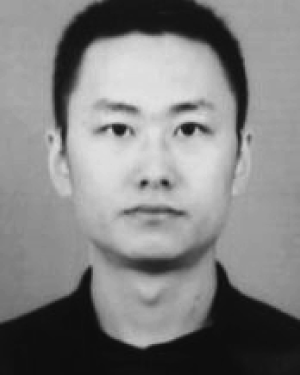 Meng Yang合作论文数12Xu Hao (郝旭)合作论文数12
 Hao Shi (史浩)合作论文数Shanghai Jiao Tong University School of Medicine11
 Ali G. Gharavi合作论文数Department of Medicine, Columbia University College of Physicians and Surgeons11Xiangchen Gu合作论文数10
 Wen Du合作论文数10Qianying Zhang合作论文数10Qimin Zheng合作论文数9Yifu Li合作论文数9Xiao-Yan Zhang合作论文数9Jing Xu (徐静)合作论文数9
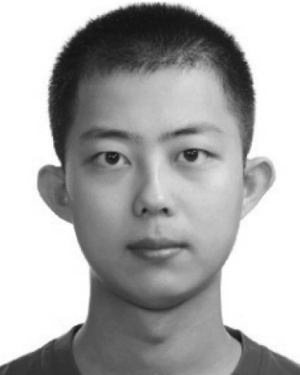 Yifan Shi合作论文数Wuhan Univ, Sch Math & Stat, Wuhan, Peoples R China8
 Hafiz Muhammad Jafar Hussain合作论文数Sch Biol Sci, Univ Punjab8Tian Xu (徐天)合作论文数8
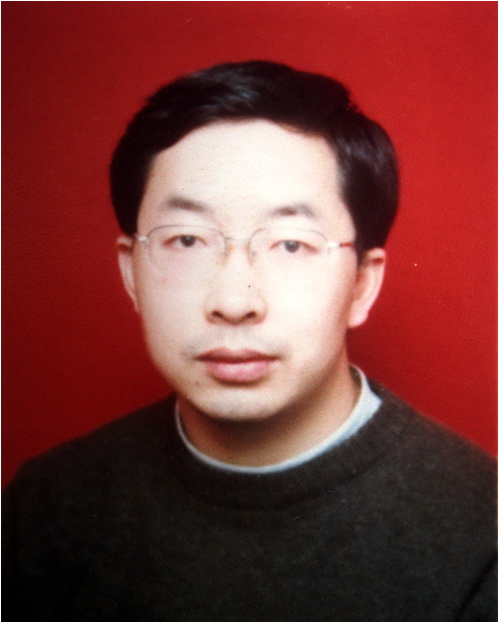 Guisen Li (李贵森)合作论文数Department of Nephrology, Sichuan Provincial People's Hospital, School of Medicine, University of Electronic Science and Technology of China8Qiongxiu Zhou合作论文数7Mingxin Yang合作论文数7Lin Li合作论文数7YangYan Ou (欧阳彦)合作论文数7HaiJin Yu (俞海瑾)合作论文数7
 Ying Qian (钱莹)合作论文数Ruijin Hospital, School of Medicine, Shanghai Jiao Tong University7
 John Cijiang He合作论文数Icahn School of Medicine at Mount Sinai7




