Targeted protein degradation (TPD) technology offers a revolutionary approach for precise intervention against “undruggable” targets by exploiting intracellular pathways such as the ubiquitin-proteasome system and the autophagy-lysosome system. However, its clinical translation faces significant challenges, including limited delivery efficiency, poor tissue specificity, and off-target toxicity. The integration of nanotechnology with TPD not only overcomes the physicochemical limitations of traditional TPD molecules [e.g., Proteolysis-Targeting Chimeras (PROTACs), Autophagosome-Tethering Compounds (ATTECs), Lysosome-Targeting Chimeras (LYTACs), molecular glues] through the design of functionalized carriers but also equips these systems with spatiotemporal precision activation via diverse regulation of “initiation conditions”. This review systematically traces the developmental trajectory and fundamental mechanisms of TPD technology, explores the delivery characteristics and principles of functional modification in nanocarriers, and comprehensively discusses the design strategies, mechanisms, and recent advances of nanotyped TPD systems categorized by their initiation conditions: endogenous microenvironment-responsive [pH, enzyme, reactive oxygen species (ROS)/glutathione (GSH)], exogenous stimulus-initiated (light, magnetic, ultrasound, bioorthogonal reaction), and multi-conditionally co-initiated systems (endogenous-endogenous and endogenous-exogenous signal synergy). Furthermore, this review highlights key challenges in the field, such as carrier biocompatibility, modulation of degradation efficiency, and in vivo fate tracking, while outlining critical directions for clinical translation, including personalized customization, intelligent logic gating, and multimodal characterization. By providing a systematic theoretical framework and practical insights, this review aims to promote cross-disciplinary integration and foster innovative drug development at the intersection of nanotechnology and TPD.
Aconitine is the main toxic alkaloid in Aconitum, responsible for frequent adverse reactions and poisoning incidents. This study presents a comprehensive bibliometric and visual analysis of global research on aconitine toxicity from 2004 to 2023, based on 2,104 publications retrieved from the Web of Science Core Collection. The analysis reveals that China dominates output (63.83%) and plays key bridging roles, while Germany and USA achieve higher citation impact. Research hotspots focus on diterpenoid alkaloid chemistry, mechanistic toxicity (arrhythmias, neurotoxicity), analytical methods, pharmacokinetics, and emerging network pharmacology. Keyword evolution shows paradigm shift from chemical characterization toward mechanistic pathways and disease applications, with recent bursts in network pharmacology, heart failure, and rheumatoid arthritis. Despite substantial progress in toxic mechanisms and detoxification strategies, poisoning incidents continue to occur, highlighting a critical disconnection between research findings and clinical practice and underscoring the need for strengthened translational pathways. Future research should prioritize rigorous clinical studies, development of early-warning toxicity models leveraging artificial intelligence, and applied tools to bridge the gap from understanding toxicity to preventing poisoning, thereby reducing aconitine-related adverse events.
Background: Fructus Ligustri Lucidi is recognized as a functional food with hepatoprotective effects, and as a derivative of this well known food and medicine homology herb, Ligustrum lucidum polysaccharide exhibits potent anti inflammatory and antioxidant biological activities. In recent years, mounting evidence has shown that abnormal activation of the cGAS-STING signaling pathway mediated by the cytosolic DNA sensor cGAS, and the inflammasome signaling pathway mediated by various cytosolic sensors, contributes significantly to the development. Therefore, it is crucial to investigate LLP as a potential nutraceutical candidate derived from a food and medicine homology resource that can specifically downregulate these pathogenic pathways for therapeutic intervention. Methods: Pretreatment with LLP was followed by the analysis of type I IFN-related genes, pro-inflammatory cytokines such as IL-1β, and the expression levels of associated proteins. Furthermore, the impact of LLP on downstream signaling events was examined. In parallel, ConA-induced autoimmune hepatitis and CLP-induced sepsis models were established to evaluate the in vivo efficacy of LLP against cGAS-STING and inflammasome associated immune-mediated inflammatory diseases. Results: LLP suppresses the cGAS-STING and inflammasome pathways by disrupting TBK1-IRF3 interaction and impeding ASC oligomerization, effectively attenuating the subsequent secretion of type I interferons and IL-1β. Consistent with its in vitro activity, LLP ameliorated pathologies in mouse models of cGAS-STING and inflammasome mediated immune diseases, including CLP-induced sepsis and ConA-induced autoimmune hepatitis. Conclusions: LLP effectively suppresses cGAS-STING and inflammasome activation to ameliorate CLP-induced sepsis and ConA-induced autoimmune hepatitis, suggesting its broad utility in treating immune-mediated inflammatory diseases.
This study focuses on the optimization of Calcicamide A, a marine-derived bisindole natural product, as a novel anti-breast cancer stemness agent targeting the IL-6/STAT3 signaling pathway. We report the first total synthesis of Calcicamide A, which demonstrates a selective inhibitory effect on breast cancer, and design a series of derivatives to explore their structure-activity relationships (SARs). Among these, XQ-26 emerges as a potent inhibitor of breast cancer (BC) stemness, demonstrating significant anti-proliferative effects on BC cell lines. XQ-26 effectively suppresses colony formation, migration, invasion, and tumorsphere formation of BC cells, while reducing the tumor stemness markers CD133+ and CD44+. It also induces apoptosis and G1 phase cell cycle arrest in BC cells. Mechanistically, XQ-26 targets the IL-6/JAK2/STAT3 signaling pathway by downregulating the protein levels of IL-6 receptors (gp130 and gp80), decreasing phosphorylated JAK2 (p-JAK2) and phosphorylated STAT3 (p-STAT3) levels at Tyr705 and Ser727 residues, and inhibiting STAT3 nuclear translocation, thereby regulating the expression of downstream target genes related to cell cycle (Cyclin D1, CDK4) and apoptosis (Bax, Bcl-2, PARP). In vivo, XQ-26 significantly inhibits 4T1 tumor growth with minimal toxicity and enhances the therapeutic efficacy of cisplatin. These findings highlight XQ-26 as a promising anti-breast cancer stemness agent, offering a potential therapeutic strategy for BC treatment.
The activation of the STING signaling pathway is closely related to the onset and development of inflammatory diseases. When the cGAS protein recognizes cytoplasmic DNA, it promotes the excessive production of type I interferons and proinflammatory cytokines, leading to excessive inflammatory responses. There is a correlation between this and the mechanisms underlying inflammatory diseases such as systemic inflammatory response, septic shock, and acute liver injury. Moderate regulation of STING signaling activation has become a new target and direction for the treatment of inflammatory diseases. In this study, we found that Minimolide F (MF), an active component of Sophorae Tonkinensis Radix et Rhizoma can specifically inhibit the activation of the cGAS-STING pathway and the accompanying inflammatory response. Mechanistically, MF can target and bind to STING, thereby inhibiting the binding of STING to IRF3. Additionally, MF can inhibit the activation of the cGAS-STING signal in vivo and exhibits great therapeutic effects in septic shock acute liver injury and acute lung injury models. In summary, our study found that MF has therapeutic potential in inflammatory diseases mediated by cGAS-STING, which provides a reference for the development of clinical treatments for STING-driven inflammatory diseases.
Targeted protein degradation (TPD) has emerged as a transformative therapeutic strategy that offers unprecedented opportunities to eliminate traditionally "undruggable" proteins that have posed significant challenges in traditional drug development. Current TPD approaches, including proteolysis-targeting chimeras (PROTACs), molecular glues, and lysosome-targeting chimeras (LYTACs), encounter several limitations. These include the complexity of forming stable ternary complexes, suboptimal design of linkers, a limited repertoire of E3 ligases, and inadequate pharmacokinetic properties. Artificial intelligence (AI) has rapidly become essential in addressing these challenges, revolutionizing the TPD drug discovery process through data-driven insights and predictive modeling. This review systematically explores AI applications in TPD development, covering the prediction and design of stable ternary complexes, rational optimization of linkers, high-throughput screening for E3 ligase ligands, and accurate predictions of degradation efficiency and ADMET (Absorption, Distribution, Metabolism, Excretion, Toxicity) properties. Additionally, this review underscores AI's pioneering role in discovering molecular glues, from target identification to activity prediction, and discusses the AI-driven optimization of emerging TPD modalities, such as LYTACs and PROTAC/IMiD bifunctional molecules. Despite significant progress, several critical challenges remain, such as the absence of standardized datasets, the static modeling of dynamic biological systems, and the opaque nature of advanced AI architectures. Future research should concentrate on integrating multi-omics data to improve model training, developing dynamic and mechanistic AI frameworks, advancing explainable AI (XAI) to enhance mechanistic interpretability, and encouraging transdisciplinary collaboration to expedite clinical translation. By integrating AI with structural biology, pharmacology, and experimental validation, TPD technologies hold the potential to expand the druggable proteome and provide novel therapeutic solutions for cancer, neurological disorders, and other persistent diseases.
This study aims to investigate, from the perspective of pathologic-symptom toxicology, the effects of salt processing on Psoraleae Fructus(BGZ)-induced liver injury in a rat model of kidney-Yin deficiency(Yin) and to elucidate the underlying mechanisms through metabolomics. A Yin model was established in rats and treated with BGZ or salt-processed BGZ(YBGZ). Yin manifestations were evaluated based on body weight, anal temperature, and the serum cyclic adenosine monophosphate(cAMP)/cyclic guanosine monophosphate(cGMP) ratio. Liver injury was assessed based on serum alanine aminotransferase(ALT) and aspartate aminotransferase(AST) levels, as well as histopathological changes of the liver. Untargeted metabolomics was employed to characterize the hepatic metabolic alterations induced by BGZ and YBGZ, and the proposed mechanisms were further validated by integrating indices related to energy metabolism and inflammatory responses. Compared with BGZ, YBGZ markedly alleviated Yin symptoms, reduced serum ALT and AST levels, and mitigated hepatic inflammatory infiltration. Metabolomic profiling identified 17 differential metabolites co-regulated by BGZ and YBGZ, mainly enriched in pathways including glycolysis/gluconeogenesis, arachidonic acid metabolism, and sphingolipid metabolism, which were closely associated with hepatic energy metabolism and inflammation. Mechanism verification showed that YBGZ significantly downregulated the expression of glucose transporter 1(GLUT1), hexokinase 2(HK2), and pyruvate kinase M2(PKM2) in the liver, and correspondingly decreased serum lactate dehydrogenase(LDH) and lactic acid(LA) levels. In addition, YBGZ suppressed the levels of the pro-inflammatory cytokines interleukin-1β(IL-1β) and tumor necrosis factor-α(TNF-α), while elevating the anti-inflammatory cytokine interleukin-10(IL-10) level. Collectively, salt processing alleviates BGZ-induced liver injury under the Yin condition by modulating glycolytic metabolism and inflammatory responses in the liver.
Sophora tonkinensis, a traditional Chinese medicine with heat-clearing, detoxifying, and throat-soothing properties, has shown potential in treating hepatitis, inhibiting tumors, and regulating immunity, but its active constituents and mechanisms remain unclear. We established a hepatocellular carcinoma (HCC) model in SD rats using diethylnitrosamine (DEN), with oral gavage of S. tonkinensis extract (STE) from Weeks 1 to 16, alongside model and normal control groups. Results showed that STE significantly reduced HCC incidence, reversed weight loss, decreased the number and volume of liver nodules, improved histopathological damage, and lowered serum alanine aminotransferase (ALT), aspartate aminotransferase (AST), alkaline phosphatase (ALP), and albumin (ALB) levels. Integrated transcriptomic (RNA-seq) and metabolomic (LC-MS/MS) analyses revealed enrichment in arachidonic acid and glycerophospholipid metabolism. Quantitative real-time polymerase chain reaction (qPCR) validation confirmed that STE restored hepatic lipid homeostasis and alleviated inflammation by activating the peroxisome proliferator-activated receptor (PPAR) pathway and suppressing the IL-17/TGF-β axis. These findings clarify the core mechanisms of STE in preventing and treating HCC, providing a theoretical basis for its precise clinical application.
Drug-induced liver injury (DILI) is an adverse drug reaction that results in acute liver failure or even death in severe cases. Recently, the incidence of DILI caused by Psoraleae Fructus (PF), a widely used tonic in clinical medicine, has increased. However, no effective method for mitigating hepatotoxicity has been identified. Glycyrrhizae Radix et Rhizoma (GR) is a functional food with known detoxifying and hepatoprotective properties. Therefore, this study aimed to investigate the potential effect of GR in mitigating PF-induced hepatotoxicity and to elucidate the underlying mechanisms. A rat model of lipopolysaccharide (LPS)-induced immune stress was established to examine the ameliorative effect of GR on PF-induced hepatotoxicity. GR reduced PF-induced increase in the levels of liver injury markers, downregulated the levels of inflammatory factors and oxidative stress, and ameliorated pathological changes in liver tissue. Pathway analysis of 37 differentially expressed metabolites following GR treatment showed that the metabolites were mainly enriched in pathways associated with the nucleotide-binding oligomerization domain (NOD)-like receptor pyrin domain-containing protein 3 (NLRP3) inflammasome. In vitro, GR effectively inhibited PF-induced NLRP3 inflammasome activation in LPS-stimulated bone marrow-derived macrophages (BMDMs), providing a novel therapeutic strategy for managing PF-induced hepatotoxicity and guidance for the rational clinical use of PF.
The study focuses on the concept of multifunctional traditional Chinese medicine (TCM) formulas and aims to evaluate the efficacy of the classical formula Xiaoyao San (逍遥散). Study employs the integrated evidence chain (Eff-iEC) method to organize, integrate, and evaluate its therapeutic efficacy in treating different diseases with the same therapy, and to investigate the feasibility of using Eff-iEC to evaluate the multifunctionality of TCM formulas. The evaluation covered Xiaoyao San’s therapeutic effects on depression, premenstrual syndrome, chronic hepatitis, irritable bowel syndrome, dyspepsia, and menopausal syndrome. Concurrently, the Grading of Recommendations, Assessment, Development, and Evaluation (GRADE) system was used for evaluation, and authoritative medical documents were incorporated to corroborate the recognition of Xiaoyao San within the medical community. Depression and menopausal syndrome received higher ratings than other conditions in the Eff-iEC, GRADE, and Medical Community Recognition assessments. The Eff-iEC evidence grade for Xiaoyao San was rated as “High” or above for chronic hepatitis, irritable bowel syndrome, dyspepsia, and menopausal syndrome. Premenstrual syndrome received a “Moderate + ” rating. The GRADE evidence level was “Low-〇〇⨁⨁” for depression, premenstrual syndrome, and chronic hepatitis; “Moderate-〇⨁⨁⨁” for dyspepsia and menopausal syndrome; and “Very Low-〇〇〇⨁” for irritable bowel syndrome. Depression and menopausal syndrome had the highest inclusion frequency, appearing in all 4 categories. Premenstrual syndrome, chronic hepatitis, and dyspepsia are not recommended in Western medical guidelines, but they are included in TCM guidelines, the China National Basic Medical Insurance Drug List, and the China National Essential Drug List. Irritable bowel syndrome appears only in the China National Basic Medical Insurance Drug List and China National Essential Drug List. The evaluation results obtained using the Eff-iEC method align with Medical Community Recognition, providing an objective and comprehensive assessment of Xiaoyao San’s efficacy. The findings suggest that Xiaoyao San has strong evidence for treating depression and menopausal syndrome. However, further experimental and clinical trials are needed to assess its efficacy in treating premenstrual syndrome, chronic hepatitis, irritable bowel syndrome, and dyspepsia. These results support the clinical efficacy and rational use of Xiaoyao San, expand the application scope of the Eff-iEC method, and offer valuable insights and methodological references for the comparative evaluation of multifunctional TCM formulas.
BACKGROUND:Traditional Chinese medicine (TCM) compatibility (TCMC) is an important form of clinical application of TCM, and proper compatibility are key to ensuring the safe use of TCM. However, reports of liver injury associated with the combination of Epimedii Folium (EF) and Psoraleae Fructus (PF), a commonly used pair of TCM in clinical, have gradually increased in recent years. The mechanism underlying this phenomenon remains unclear, which significantly hinders the development of risk prevention and control strategies for the EF and PF combination. METHODS:Bone marrow-derived macrophages (BMDMs) were employed to establish an in vitro inflammasome activation model for screening susceptibility factors of idiosyncratic liver injury exacerbated by the combination of EF and PF. Subsequently, a classical idiosyncratic liver injury evaluation model was utilized to objectively assess the susceptibility of the combined treatment in aggravating liver injury. Finally, mechanisms underlying the combined use of EF and PF in exacerbating idiosyncratic liver injury were systematically evaluated through RNA-seq, flow cytometry, immunofluorescence, and immunohistochemistry. RESULTS:The combined use of EF and PF significantly enhanced the activation of the inflammasome. Specifically, Icariside I, a main compound of EF, synergistically promoted the activation of the NLRP3 inflammasome induced by bavachinin, a main compound of PF, while bavachinin directly activated inflammasome components such as NLRP3, NLRC4, and AIM2, leading to enhanced inflammasome activation, increased inflammation, increased apoptosis, and exacerbated oxidative stress, ultimately exacerbating liver injury. In addition, RNA-seq and GSEA analyses further confirm the association between the exacerbation of liver injury and abnormal activation of inflammasomes. Therefore, inflammasome-promoting TCM, such as EF, and inflammasome-activating TCM, such as PF, should be avoided in combination with immune-activated populations, and co-administration with drugs that downregulate inflammasome activation can reduce toxicity. CONCLUSION:In summary, this study proposes a precision toxicity control strategy represented by exacerbate idiosyncratic liver injury caused by the combination of EF and PF, offering new insights to ensure its clinical safety and thereby reduce the occurrence of TCM-related liver injury events.
Ethnopharmacological relevance: Sophora tonkinensis radix et rhizoma is a medicinal herb traditionally used to treat inflammatory diseases and various types of cancer, previous phytochemistry studies have identified abundant alkaloids and flavonoids as the major bioactive components with anti-inflammatory, anti-tumor, hepatoprotective and immunomodulatory pharmacological effects, but their effects on Tumor-associated macrophages (TAMs) and the tumor immune microenvironment have not been systematically explored. Aim of the study: This work aimed to establish whether a standardized extract of Sophora tonkinensis (STE) can halt IL-4-driven M2 macrophage polarization, reprogram established M2-like tumor-associated macrophages toward a pro-inflammatory M1-like phenotype, and clarify the underlying molecular mechanisms and in vivo efficacy of these immunomodulatory actions. Materials and methods: Bone-marrow-derived macrophages (BMDMs) were polarized to an M2 phenotype and subsequently treated with STE. Expression of the M1/M2 markers Arg-1, CD206, iNOS, and CD86 in these macrophages was quantified by immunoblotting, qPCR, and flow cytometry. The impact of STE-pretreated M2conditioned medium on the proliferation, migration, and invasion of Hepa 1-6 cells was then examined. H22 cells were subcutaneously inoculated into Balb/c mice to assess STE's effects on the macrophage landscape within the tumor immune microenvironment and to evaluate its antitumor efficacy. Results: STE dose-dependently suppressed IL-4-induced Arg-1 and CD206 while up-regulating iNOS and CD86, indicating a blockade of M2 polarization and a shift toward an M1 signature. Mechanistically, STE markedly increased JAK1 and STAT1 phosphorylation. Functionally, it potently inhibited invasion and migration of Hepa 1-6 cells. In tumor-bearing mice, robust suppression of tumor growth was accompanied by a pronounced reduction in M2-like TAMs and a reciprocal increase in M1-like macrophages within the tumor microenvironment. Conclusion: STE reprograms TAMs via the JAK1/STAT1 axis and exhibits robust antitumor activity, underscoring its promise as a natural, macrophage-targeted immunotherapeutic that warrants further investigation for integration into cancer treatment strategies.
ETHNOPHARMACOLOGICAL RELEVANCE:Compound preparations of traditional Chinese medicines (TCMs) have gained considerable interest. However, ensuring their safety is difficult because of ingredient complexity. Reynoutria multiflora (Thunb.) Moldenke (PM), commonly used in tonic preparations for clinical use, has been frequently reported to cause drug-induced liver injury (DILI). Liver injury caused by PM is idiosyncratic and its underlying mechanisms have been elucidated. However, a systematic evaluation of the safety of PM compound formulations is lacking. Our preliminary research predicted a potential compatibility risk between PM and Cullen corylifolium (Linnaeus) Medikus (PF); however, the specific effects and mechanisms of their combined action on the liver have not been fully studied. AIM OF THE STUDY:To determine the effects of the PM and PF combination on the liver and its mechanisms. MATERIALS AND METHODS:This study used a lipopolysaccharide-induced idiosyncratic (IDILI) model. Kits were employed to measure the liver function indices and ELISA was used to detect inflammatory factor content. The histopathological changes of the liver were observed using H&E and TUNEL staining. Serum metabolomics and liver transcriptomics were performed simultaneously to detect overall differences in metabolite and gene expression. Network pharmacology and molecular docking were used to screen hepatotoxic components and their potential pathways. RESULTS:Liver function indicators and pathological results demonstrated that the combined treatment with PM and PF may exacerbate immune-mediated liver injury compared to treatment with either herb alone. Inflammatory factor levels indicated that the combination had an immuno-amplifying effect, further increasing inflammatory cytokine levels. Integrated metabolomic and transcriptomic analysis revealed that the combination primarily affected the primary bile acid synthesis and glycerophospholipid metabolism. This exacerbated hepatocyte apoptosis and liver injury by down-regulating the expression of key genes (BAAT and ALB) for bile acid metabolism. Network pharmacology and molecular docking identified 2,3,5,4'-Tetrahydroxy stilbene-2-Ο-β-D-glucoside and psoralidin as potential toxic components of PM and PF, respectively. These two ingredients specifically targeted the cytosolic DNA-sensing pathway and NOD-like receptor signalling pathway. When combined, PM and PF triggered immune hyperactivation via dual-pathway cross-regulation, leading to immuno-metabolic disorders, increased hepatocyte apoptosis and enhanced inflammatory cascade responses. CONCLUSIONS:The PM and PF combination represents a newly identified incompatible pair that can aggravate IDILI under specific conditions. Our findings provide a critical reference for the safe use of compound medication, enriching the TCM combination theory.
Psoralidin is a major component of the traditional Chinese medicine Psoraleae Fructus, which is derived from the dried mature fruit of the leguminous plant Psoralea corylifolia L. and possesses many pharmacological effects, including anti-tumor effects. However, the mechanism through which psoralidin protects against hepatocellular carcinoma (HCC) remains unclear. In our study, we found that psoralidin induced pyroptosis and gasdermin E (GSDME) cleavage in HepG2 and Hepa1-6 cells, which were reversed by the caspase-3 inhibitor Z-DEVD-FMK. Moreover, psoralidin induced mitochondrial reactive oxygen species (ROS) production, leading to caspase-3 activation and subsequent GSDME cleavage. Interestingly, psoralidin induced pyroptosis in macrophages via ROS-NLRP3 inflammasome-gasdermin D (GSDMD), leading to the secretion of interleukin (IL)-1β and IL-18, which promoted natural killer (NK) cell activation and its anti-tumor capability. In a mouse model, psoralidin suppressed HCC growth, induced tumor cell pyroptosis, and enhanced tumor infiltration of T and NK cells. Collectively, our data demonstrate that psoralidin induces pyroptosis in tumor cells via ROS/caspase-3/GSDME and triggers pyroptosis in macrophages via ROS/NLRP3 inflammasome/GSDMD, enhancing NK cell anti-tumor ability, suggesting that psoralidin could be used as a potential therapeutic candidate for HCC.
Objective: The cyclic GMP-AMP synthase(cGAS)-stimulator of interferon(IFN) genes(STING) signaling pathway has been implicated in the initiation and maintenance of a variety of inflammatory diseases. Thus, the search for modulators of the cGAS-STING signaling pathway is likely to contribute to their therapeutic prevention and treatment. Natural products from traditional Chinese medicine are an important source for modern drug development; digitoflavone(DG), a natural flavonoid present in a variety of plants, has been shown to have anti-inflammatory effects. However, its specific mechanisms of action remain unclear and have yet to be used in clinical settings. Materials and Methods: The activation of the cGAS-STING pathway was modeled in bone marrow-derived macrophages(BMDMs) and human leukemia monocytic cell line(THP-1) cells in vivo, and the expression of type I IFN-related genes and pro-inflammatory cytokines was detected after DG pretreatment.Next, we examined the effect of DG on STING downstream signaling events, such as STING oligomerization and functional STING signalosome formation. Using in vivo experiments, the 5,6-dimethylxanthenone-4-acetic acid(DMXAA)-induced agonist and lipopolysaccharide-induced acute lung injury models were used to assay the therapeutic effects of DG. Results: DG effectively inhibited the activation of the cGAS-STING signaling pathway, which was accompanied by an increase in the levels of type I IFN and pro-inflammatory cytokines in BMDMs and THP-1 cells. DG did not affect STING oligomerization but inhibited STING-Interferon Regulatory Factor 3(IRF3) or TANK-binding kinase 1-IRF3 binding. In addition, DG inhibited the activation of the cGAS-STING pathway induced by DMXAA in vivo, while demonstrating favorable therapeutic effects on acute lung injury. Conclusions: Our results suggest that DG is an inhibitor of the cGAS-STING signaling pathway, which may act by affecting the formation of functional STING signaling pathways. Moreover, the ameliorative effect of DG on acute lung injury could be used to treat cGAS-STING pathway-mediated inflammatory diseases.
As the primary form and means of clinical treatment, traditional Chinese medicine formulas (TCM formulas) embody the core of TCM’s syndrome differentiation and treatment approach and serve as a bridge between TCM theory and clinical practice. Exploring the relationship between the chemical constituents of TCM formulas and the body’s vital activities, along with their complex interactive mechanisms, represents one of the key scientific challenges in modern TCM research. However, due to the complexity of TCM chemical constituents and the inherent vast systemic nature of the human body, coupled with the fragmented, experiential, and semi-quantitative nature of TCM formulas pharmacology research, bottlenecks such as complex composition, unclear mechanisms, and insufficient standardization and refinement constrain its in-depth development. Technical guidelines for non-clinical pharmacology research of traditional Chinese medicine formulas systematically review and summarize the research content and relevant advances in non-clinical pharmacology of TCM formulas, integrate multidisciplinary technical approaches, and establish research standards, providing practical standards for systematically elucidating the integrated mechanisms of action between multi-component drugs and the body. This article interprets the core content of the technical guidelines, thereby initiating the following discussion on TCM formulas pharmacology: analyzing critical points, elucidating the complete evidence chain, and describing research content and application scenarios, which aims to enhance the scientization and reliability of TCM formulas pharmacology and to facilitate the research and development of new TCM drugs.
Objective: Stress is the main factor that leads to hair loss, and no effective therapeutics have been developed for stress alopecia. Polygonum multiflorum Thunb. (PM) is a famous traditional Chinese medicine for tonifying the kidney and nourishing the liver, which is used to treat hair loss. This study aimed to demonstrate that PM is a promising agent for the treatment of chronic stress-induced hair loss. Materials and Methods: C57BL/6J male mice were subjected to chronic restraint stress to inhibit hair follicle growth. Subsequently, the effect of PM was examined by oral administration of the PM water extract or cortisone, followed by histological analysis, immunofluorescence of follicle samples, serum metabolomics, and adrenal proteomics. Results: Hair regeneration in a mouse model was severely inhibited by chronic restraint stress. After PM treatment, hair regeneration in model mice was promoted, including an increased length of hair shafts in skin sections, an increased number of 5-Ethynyl-2’- deoxyuridine-positive cells, and a decreased number of apoptotic cells around the hair follicles. The various test indicators of these PM-treated mice almost recovered to levels comparable to those of the control mice. Through metabolomics and proteomics analyses, we identified 181 endogenous differential metabolites and 75 differential proteins, which may be the potential targets for PM. Pathway enrichment analysis showed that steroid biosynthesis (the main pathway through which stress leads to an imbalance in glucocorticoid secretion by the adrenal gland) may play an important role in the therapeutic effects of PM. In addition, omics analysis revealed that glycolysis/gluconeogenesis, pyruvate metabolism, lipid metabolism, and other glucocorticoid-related metabolic pathways differed significantly after PM treatment. Conclusions: PM is an important natural drug that regulates hair regeneration in mice under stress, and its underlying mechanism is closely related to the regulation of adrenal glucocorticoids and their metabolism.
BACKGROUND:Interferon regulatory factor 3 (IRF3) is an essential component of the immune system to protect the host from aggression, but excessive IRF3 activation leads to the release of type I interferon, interferon-stimulated genes (ISGs) and pro-inflammatory factors, which closely linked to multiple inflammatory diseases. Therefore, suppression of aberrant activation of IRF3 can be applied to the therapy of inflammatory diseases and have promising applications. METHODS:DNA or RNA can induce the release of type I interferon and pro-inflammatory cytokines, and cell models or multiple mice models were used to assess the anti-inflammatory potential of Dihydrotanshinone 1 (DHT), the main active component of Salvia miltiorrhiza, in vivo and in vitro. Mechanistically, IRF3 and P65 nuclear translocation, STING oligomerization and stimulator of interferon genes (STING)- or mitochondrial antiviral signaling protein (MAVS)-TANK-binding kinase 1 (TBK1)-IRF3 complex expression were detected to evaluate the mechanisms of DHT on the inhibition of type I interferon and pro-inflammatory cytokines. RESULTS:DHT, an active ingredient isolated from Salvia miltiorrhiza, was effective in suppressing the aberrant secrection of interferon-β (IFN-β), ISGs and pro-inflammatory cytokines in THP-1 and BMDMs in WT or Trex1-/- mice. Mechanistically, DHT have no influence on the interaction of STING-TBK1, IRF3-TBK1 and MAVS-TBK1, but directly binds to IRF3 and affects the recruitment of STING to IRF3. Significantly, DHT has promising therapeutic effects on IRF3-mediated inflammatory diseases, including Trex1 deficiency-related systemic inflammatory response, obesity-induced insulin resistance, and NASH. CONCLUSION:In conclusion, DHT, a novel inhibitor of the production of type I interferon and pro-inflammatory cytokines, is a potential candidate for the therapeutic of IRF3-driven autoimmune and inflammatory diseases.
cGAS (cyclic GMP-AMP synthase)-STING (stimulator of interferon genes) signaling plays a vital role in innate immunity, while its deregulation may lead to a wide variety of autoinflammatory and autoimmune diseases. It is essential to identify specifically effective lead compounds to inhibit the signaling. Herein, it is shown that carnosic acid (CA), an active ingredient of medicinal plant Rosmarinus officinalis L., specifically suppressed cGAS-STING pathway activation and the subsequent inflammatory responses. Mechanistically, CA directly bound to STING C-terminal tail (CTT), impeded the recruitment of TANK-binding kinase 1 (TBK1) onto STING signalosome, thereby blocking the phosphorylation of STING and interferon regulatory factor 3 (IRF3) nuclear translocation. Importantly, CA dramatically attenuated STING-mediated inflammatory responses in vivo. Consistently, CA has a salient ameliorative effect on autoinflammatory disease model mediated by Trex1 deficiency, via inhibition of the cGAS-STING signaling. Notably, the study further indicates that phenolic hydroxyl groups are essential for CA-mediated STING inhibitory activity. Collectively, the results thus identify STING as one of the crucial targets of CA for mediating CA's anti-inflammatory activity, and further reveal that STING CTT may be a novel promising target for drug development.
 Jiabo Wang (王伽伯)合作论文数Capital Medical University;Henan University of Chinese Medicine292
 Yanling Zhao (赵艳玲)合作论文数Chinese PLA General Hospital239
 Bai Zhaofang合作论文数224GaBo Wang (王伽伯)合作论文数134Ming Niu (牛明)合作论文数School of Traditional Chinese Medicine, Southern Medical University128
 Dan Yan (鄢丹)合作论文数Beijing Friendship Hospital, Capital Medical University;Graduate School, Capital Medical University125jin q cheng合作论文数72
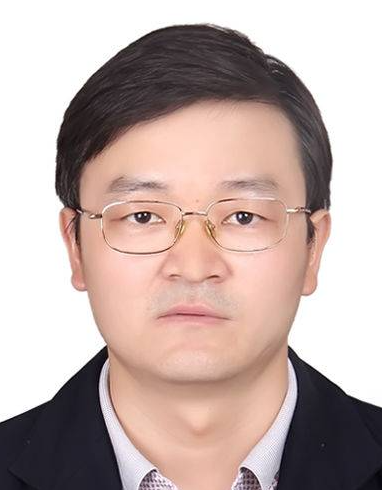 Weijun Kong (孔维军)合作论文数Institute of Medicinal Plant Development, Chinese Academy of Medical Sciences72
 Hailong Yuan (袁海龙)合作论文数Air Force Medical Center, PLA67Xiaoyan Zhan合作论文数61
 Ruisheng Li合作论文数56Ping Zhang (张萍)合作论文数Hospital of PLA56
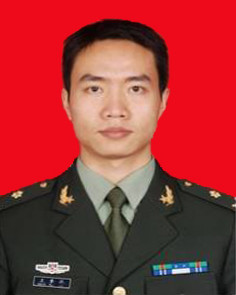 RuiLin Wang (王睿林)合作论文数解放军总医院第五医学中心中西医结合诊疗与研究中心中医科53LiMei Shan (山丽梅)合作论文数48Yu-Ming Guo合作论文数44Guang Xu合作论文数44Zhijie Ma (马致洁)合作论文数44Chun-Yu Li合作论文数43Zhang Yaming合作论文数41
 Yongshen Ren (任永申)合作论文数School of Pharmacy, South-Central University for Nationalities41Wei Shi合作论文数39
 Cong-En Zhang合作论文数39
 Shilin Chen (陈士林)合作论文数Chengdu University of Traditional Chinese Medicine;China Academy of Chinese Medical Sciences34Tu Can合作论文数33Xu Zhao合作论文数32
 Zhengsheng Zou (邹正升)合作论文数Chinese PLA General Hospital32Yun Zhu (朱云)合作论文数30
 Yuan Gao (高源)合作论文数College of Automotive and Energy Engineering, Tongji University30Fei-Lin Ge合作论文数29Tingting He合作论文数29Zhilei Wang合作论文数29ChengShan He (贺承山)合作论文数28
 Zulun Li (李祖伦)合作论文数School of Pharmacy, Chengdu University of Traditional Chinese Medicine26
 JianYu Li (李建宇)合作论文数Chinese PLA General Hospital25Xiao Ma合作论文数24Peng-Yan Li合作论文数24JinFa Tang (唐进法)合作论文数24GuangMing Cai (蔡光明)合作论文数24
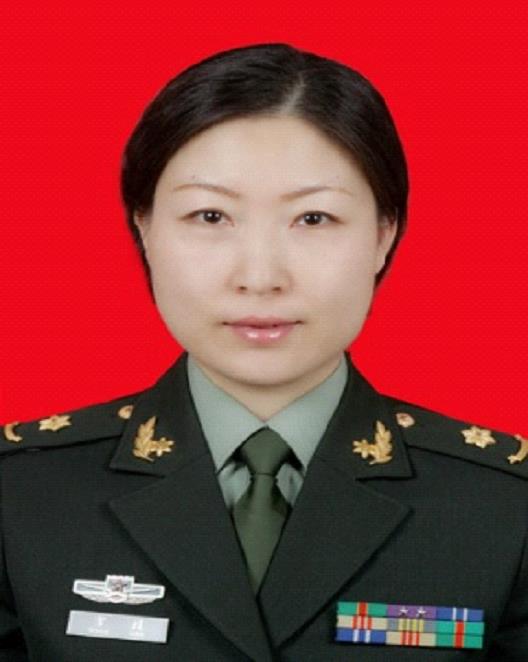 Man Gong (宫嫚)合作论文数解放军总医院第五医学中心中西医结合诊疗与研究中心24
 Ming Yang (杨明)合作论文数Guangxi University of Chinese Medicine24Hai-Ping Zhao合作论文数23ZhongXia Wang (王仲霞)合作论文数23Ding-Kun Zhang合作论文数22HaiZhu Zhang (张海珠)合作论文数22HaiBo Song (宋海波)合作论文数22
 JunLing Cao (曹俊岭)合作论文数Dongzhimen Hospital, Beijing University of Chinese Medicine22
 Kuijun Zhao (赵奎君)合作论文数Bejing Friendship Hospital, Capital Medical University22Jincai Wen合作论文数21Hanbing Li (李寒冰)合作论文数河南中医学院21




