Emerging biologics that selectively target key cytokines present a promising therapeutic alternative for patients suffering from severe, uncontrollable chronic rhinosinusitis with nasal polyps (CRSwNP). Despite the limited availability of registered biologics for CRSwNP treatment in China, the country is experiencing rapid development in this field. It is imperative to standardize the application of biologic agents in CRSwNP management in preparation for their future integration into the CRSwNP care pathway. The Rhinology Group, Chinese Society of Otorhinolaryngology-Head and Neck Surgery; the Rhinology Group, Chinese Medical Doctor Association of Otorhinolaryngology-Head and Neck Surgery; and the Nasal and Ocular Allergy Group, Chinese Society of Allergy have convened an expert panel consisting of principal investigators experienced in clinical trials of biologic treatment for CRSwNP. This expert panel was assembled to discuss the application of biologic agents in patients with CRSwNP in China. Additionally, the latest findings on the pathogenesis of CRSwNP, mechanisms of biologic agents, and efficacy and safety of biologic treatment in patients with CRSwNP were reviewed, with a special emphasis on research evidence from China. The expert panel reached a consensus on several critical issues, including criteria for the prescription, treatment course, and efficacy evaluation from a Chinese perspective. This position paper aims to guide Chinese physicians in the use of biologic agents for patients with CRSwNP. As our experience with biologic treatment continues to grow, this position paper will be further updated.
Cirrhotic liver nodules can progress to hepatocellular carcinoma (HCC) through a multi-step carcinogenesis model, with dysplastic nodules being particularly high risk. Currently, monitoring the progression of non-HCC cirrhotic nodules is primarily through dynamic observation, but there is a lack of sensitive, efficient, and convenient methods. Dynamic monitoring and risk evaluation of malignant transformation are essential for timely treatment and improved patient survival rates. Routine liver biopsies are impractical for monitoring, and imaging techniques like ultrasound, computed tomography, and magnetic resonance imaging are not suitable for all patients or for accurately assessing subcentimeter nodules. Identifying serum biomarkers with high sensitivity, specificity, and stability, and developing a multi-index evaluation model, may provide a more convenient and efficient approach to monitoring pathological changes in cirrhotic nodules.
Maturation of the secondary antibody repertoire requires class-switch recombination (CSR), which switches IgM to other immunoglobulins (Igs), and somatic hypermutation, which promotes the production of high-affinity antibodies. Following immune response or infection within the body, activation of T cell-dependent and T cell-independent antigens triggers the activation of activation-induced cytidine deaminase, initiating the CSR process. CSR has the capacity to modify the functional properties of antibodies, thereby contributing to the adaptive immune response in the organism. Ig CSR defects, characterized by an abnormal relative frequency of Ig isotypes, represent a rare form of primary immunodeficiency. Elucidating the molecular basis of Ig diversification is essential for a better understanding of diseases related to Ig CSR defects and could provide clues for clinical diagnosis and therapeutic approaches. Here, we review the most recent insights on the diversification of five Ig isotypes and choose several classic diseases, including hyper-IgM syndrome, Waldenström macroglobulinemia, hyper-IgD syndrome, selective IgA deficiency, hyper-IgE syndrome, multiple myeloma, and Burkitt lymphoma, to illustrate the mechanism of Ig CSR deficiency. The investigation into the underlying mechanism of Ig CSR holds significant potential for the advancement of increasingly precise diagnostic and therapeutic approaches.
Acute respiratory distress syndrome (ARDS) is a life-threatening condition characterized by severe inflammation and pulmonary dysfunction. Despite advancements in critical care, effective pharmacological interventions for ARDS remain elusive. While Janus kinase 2 (JAK2) inhibitors have emerged as an innovative treatment for numerous autoinflammatory diseases, their therapeutic potential in ARDS remains unexplored. In this study, we investigated the contribution of JAK2 and its underlying mechanisms in ARDS utilizing myeloid-specific JAK2 knockout murine models alongside a pharmacological JAK2 inhibitor. Notably, myeloid-specific JAK2 knockout led to a notable attenuation of ARDS induced by intratracheal administration of LPS, accompanied by reduced levels of neutrophils and inflammatory cytokines in bronchoalveolar lavage fluid (BALF) and lung tissue. Intriguingly, the ameliorative effects were abolished upon the depletion of monocyte-derived alveolar macrophages (Mo-AMs) rather than tissue-resident alveolar macrophages (TR-AMs). JAK2 deficiency markedly reversed LPS-induced activation of STAT5 in macrophages. Remarkably, pharmacological JAK2 inhibition using baricitinib failed to substantially alleviate neutrophils infiltration, implying that specific inhibition of JAK2 in Mo-AMs is imperative for ARDS amelioration. Collectively, our data suggest that JAK2 may mitigate ARDS progression through the JAK2 pathway in Mo-AMs, underscoring JAK2 in alveolar macrophages, particularly Mo-AMs, as a promising therapeutic target for ARDS treatment.
Objective:This cross-sectional study aimed to determine the epidemiology of olfactory and gustatory dysfunctions related to COVID-19 in China.Methods:This study was conducted by 45 tertiary Grade-A hospitals in China. Online and offline questionnaire data were obtained from patients infected with COVID-19 between December 28, 2022, and February 21, 2023. The collected information included basic demographics, medical history, smoking and drinking history, vaccination history, changes in olfactory and gustatory functions before and after infection, and other postinfection symptoms, as well as the duration and improvement status of olfactory and gustatory disorders.Results:Complete questionnaires were obtained from 35,566 subjects. The overall incidence of olfactory and taste dysfunction was 67.75%. Being female or being a cigarette smoker increased the likelihood of developing olfactory and taste dysfunction. Having received four doses of the vaccine or having good oral health or being a alcohol drinker decreased the risk of such dysfunction. Before infection, the average olfactory and taste VAS scores were 8.41 and 8.51, respectively; after infection, they decreased to 3.69 and 4.29 and recovered to 5.83 and 6.55 by the time of the survey. The median duration of dysosmia and dysgeusia was 15 and 12 days, respectively, with 0.5% of patients having symptoms lasting for more than 28 days. The overall self-reported improvement rate was 59.16%. Recovery was higher in males, never smokers, those who received two or three vaccine doses, and those that had never experienced dental health issues, or chronic accompanying symptoms.Conclusions:The incidence of dysosmia and dysgeusia following infection with the SARS-CoV-2 virus is high in China. Incidence and prognosis are influenced by several factors, including sex, SARS-CoV-2 vaccination, history of head-facial trauma, nasal and oral health status, smoking and drinking history, and the persistence of accompanying symptoms.
Background: Effector T cell activation, migration, and proinflammatory cytokine production are crucial steps in autoimmune disorders such as multiple sclerosis (MS).While several therapeutic approaches targeting T cell activation and proinflammatory cytokines have been developed for the treatment of autoimmune diseases, there are no therapeutic agents targeting the migration of effector T cells, largely due to our limited understanding of regulatory mechanisms of T cell migration in autoimmune disease.Here we reported that midline-1 (Mid1) is a key regulator of effector T cell migration in experimental autoimmune encephalomyelitis (EAE), a widely used animal model of MS.Methods: Mid1 -/-mice were generated by Crispr-Cas9 technology.T cell-specific Mid1 knockout chimeric mice were generated by adoptive transfer of Mid1 -/-T cells into lymphocyte deficient Rag2 -/-mice.Mice were either immunized with MOG35-55 (active EAE) or received adoptive transfer of pathogenic T cells (passive EAE) to induce EAE.In vitro Transwell ® assay or in vivo footpad injection were used to assess the migration of T cells.Results: Mid1 was significantly increased in the spinal cord of wild-type (Wt) EAE mice and disruption of Mid1 in T cells markedly suppressed the development of both active and passive EAE.Transcriptomic and flow cytometric analyses revealed a marked reduction in effector T cell number in the central nervous system of Mid1 -/-mice after EAE induction.Conversely, an increase in the number of T cells was observed in the draining lymph nodes of Mid1 -/-mice.Mice that were adoptively transferred with pathogenic Mid1 -/-T cells also exhibited milder symptoms of EAE, along with a lower T cell count in the spinal cord.Additionally, disruption of Mid1 significantly inhibited T-cell migration both in vivo and in vitro.RNA sequencing suggests a suppression in multiple inflammatory pathways in Mid1 -/-mice, including mTOR signaling that plays a critical role in cell migration.Subsequent experiments confirmed the interaction between Mid1 and mTOR.Suppression of mTOR with rapamycin or microtubule spindle formation with colcemid blunted the regulatory effect of Mid1 on T cell migration.In addition, mTOR agonists MHY1485 and 3BDO restored the migratory deficit caused by Mid1 depletion. Conclusion:Our data suggests that Mid1 regulates effector T cell migration to the central nervous system via mTOR/microtubule pathway in EAE, and thus may serve as a potential therapeutic target for the treatment of MS.
Background: Eosinophils have been reported to be involved in the pathogenesis of olfactory fluctuation in chronic rhinosinusitis (CRS). Galectin-10 is more frequently associated with type 2 inflammation and potentially a sign of intense eosinophil activation. Objective: To explore olfactory cleft mucus and olfactory mucosa galectin-10 level and its association with olfactory dysfunction (OD) in CRS. Methods: We prospectively enrolled 50 patients with CRS and 15 healthy controls. Olfactory cleft mucus and superior turbinate biopsy specimens were collected to analyze galectin-10 levels and quantify tissue eosinophils. Psychophysical olfactory testing, olfactory cleft endoscopy scale, and olfactory cleft computed tomography scores were obtained. The predictability of galectin-10 levels for OD in patients with CRS was analyzed by multivariable logistic regression analysis. Results: Both olfactory cleft mucus and olfactory mucosa galectin-10 levels in patients with CRS with OD were significantly higher than those in patients with CRS without OD (all P < .001). Mucus galectin-10 levels were positively correlated with tissue eosinophils (r = 0.541, P = 0.002), olfactory cleft endoscopy scale (r = 0.498, P = 0.006), and olfactory cleft computed tomography scores (r = 0.432, P = 0.019) in patients with CRS. Mucus galectin-10 levels were negatively correlated threshold, discrimination, and identification (r = -0.589, P = 0.001), olfactory threshold (r = -0.522, P = 0.003), olfactory discrimination (r = -0.488, P = 0.007), and olfactory identification (r = -0.466, P = 0.011) scores. After adjusting for patient demographics and comorbidities, mucus galectin-10 levels were significantly associated with OD in patients with CRS (odds ratio, 1.299; P = .008). Mucus galectin-10 levels greater than 8.975 ng/mL were the best predictor of OD in CRS. Conclusion: Olfactory cleft mucus galectin-10 is highly associated with OD in CRS. (c) 2022 American College of Allergy, Asthma & Immunology. Published by Elsevier Inc.
Atherosclerosis T lymphocyte infiltration in the plaque is a crucial process of atherosclerosis development. In article number 2204194, Jixin Zhong and co-workers report a novel mechanism regulating the migration of T lymphocytes to the atherosclerotic lesions. This study not only fills a knowledge gap in our understanding of the pathogenesis of atherosclerosis, but also provides a new therapeutic target for vascular inflammation.
Background: Glucose concentrations are increased in nasal secretions in chronic rhinosinusitis (CRS). However, the glucose metabolism and its contribution to disease pathogenesis in CRS remain unexplored. Objectives: We sought to explore the glucose metabolism and its effect on the function of nasal epithelial cells in CRS with and without nasal polyps (CRSwNP and CRSsNP). Methods: Glucose metabolites were detected with mass spectrometry. The mRNA levels of glucose transporters (GLUTs), metabolic enzymes, and inflammatory mediators were detected by quantitative RT-PCR. The protein expression of GLUTs was studied by immunofluorescence staining, Western blotting, and flow cytometry. Glucose uptake was measured by using fluorescent glucose analog. Human nasal epithelial cells (HNECs) were cultured. Bioenergetic analysis was performed with Seahorse XF analyzer. Gene expression in HNECs was profiled by RNA sequencing. Results: Increased glucose concentrations in nasal secretions was confirmed in both CRSsNP and CRSwNP. GLUT4, GLUT10, and GLUT11 were abundantly expressed in HNECs, whose expression was upregulated by inflammatory cytokines and D-glucose and was increased in CRS. Glucose uptake, glycolysis and tricarboxylic acid cycle metabolites, metabolic enzymes, and extracellular acidification rate and oxygen consumption rates were increased in HNECs in CRSsNP and CRSwNP, with a predominant shift to glycolysis. HNECs treated with high-level apical D-glucose showed enhanced glucose uptake, predominant glycolysis, and upregulated production of IL-1a, IL-1b, TNF-a, CCL20, and CXCL8, which was suppressed by 2-deoxy-D-glucose, an inhibitor of glycolysis. Conclusions: Increased glucose in nasal secretions promotes glucose uptake and predominant glycolysis in epithelial cells, augmenting the proinflammatory function of epithelial cells in CRS. (J Allergy Clin Immunol 2023;151:991-1004.)
T cells play a crucial role in atherosclerosis, with its infiltration preceding the formation of atheroma. However, how T-cell infiltration is regulated in atherosclerosis remains largely unknown. Here, this work demonstrates that dipeptidyl peptidase-4 (DPP4) is a novel regulator of T-cell motility in atherosclerosis. Single-cell ribonucleic acid (RNA) sequencing and flow cytometry show that CD4+ T cells in atherosclerotic patients display a marked increase of DPP4. Lack of DPP4 in hematopoietic cells or T cells reduces T-cell infiltration and atherosclerotic plaque volume in atherosclerosis mouse models. Mechanistically, DPP4 deficiency reduces T-cell motility by suppressing the expression of microtubule associated protein midline-1 (Mid1) in T cells. Deletion of either DPP4 or Mid1 inhibits chemokine-induced shape change and motility, while restitution of Mid1 in Dpp4-/- T cell largely restores its migratory ability. Thus, DPP4/Mid1, as a novel regulator of T-cell motility, may be a potential inflammatory target in atherosclerosis.
目的 探讨鼻颅底沟通性肿瘤的诊断及外科治疗方法.方法 回顾性分析2011年1月-2021年12月华中科技大学同济医学院附属同济医院神经外科诊治的37例鼻颅底沟通性肿瘤的临床资料,男23例,女14例;年龄6~67岁,平均年龄49岁.其中恶性肿瘤27例,良性肿瘤10例,肿瘤直径4.7~8.5 cm,平均直径6.3 cm.所有患者均采用头颈部影像学检查协助诊断后行开颅显微手术+颅底重建,恶性肿瘤术后进一步行放化疗,术后所有患者均定期随访,恶性肿瘤随访5~10年,平均8.3年;良性肿瘤随访1~11年,平均6.7年.结果 所有患者均顺利完成手术,无严重并发症,恶性肿瘤5年生存率63.0%(17/27);1例良性肿瘤(非典型脑膜瘤)术后5年复发再次经双侧额底入路手术治疗.结论 神经外科首诊的鼻颅底沟通性肿瘤往往颅内肿瘤为主体,开颅手术全切或大部分切除+妥善颅底修复意义重大.
Introduction Chronic rhinosinusitis (CRS) is a multifactorial and heterogeneous disorder of sinonasal mucosa. Based on the presence or absence of nasal polyps, CRS is classified into 2 clinical phenotypes, CRS with nasal polyps (CRSwNP) and CRS without nasal polyps (CRSsNP). CRSwNP can be further divided into eosinophilic (Eos CRSwNP) and noneosinophilic (Non-Eos CRSwNP) types according to eosinophil infiltration.
Objective:This cross-sectional investigation aimed to determine the incidence, clinical characteristics, prognosis, and related risk factors of olfactory and gustatory dysfunctions related to infection with the SARS-CoV-2 Omicron strain in mainland China.Methods:Data of patients with SARS-CoV-2 from December 28, 2022, to February 21, 2023, were collected through online and offline questionnaires from 45 tertiary hospitals and one center for disease control and prevention in mainland China. The questionnaire included demographic information, previous health history, smoking and alcohol drinking, SARS-CoV-2 vaccination, olfactory and gustatory function before and after infection, other symptoms after infection, as well as the duration and improvement of olfactory and gustatory dysfunction. The self-reported olfactory and gustatory functions of patients were evaluated using the Olfactory VAS scale and Gustatory VAS scale.Results:A total of 35 566 valid questionnaires were obtained, revealing a high incidence of olfactory and taste dysfunctions related to infection with the SARS-CoV-2 Omicron strain (67.75%). Females( χ2=367.013, P<0.001) and young people( χ2=120.210, P<0.001) were more likely to develop these dysfunctions. Gender( OR=1.564, 95% CI: 1.487-1.645), SARS-CoV-2 vaccination status ( OR=1.334, 95% CI: 1.164-1.530), oral health status ( OR=0.881, 95% CI: 0.839-0.926), smoking history ( OR=1.152, 95% CI=1.080-1.229), and drinking history ( OR=0.854, 95% CI: 0.785-0.928) were correlated with the occurrence of olfactory and taste dysfunctions related to SARS-CoV-2(above P<0.001). 44.62% (4 391/9 840) of the patients who had not recovered their sense of smell and taste also suffered from nasal congestion, runny nose, and 32.62% (3 210/9 840) suffered from dry mouth and sore throat. The improvement of olfactory and taste functions was correlated with the persistence of accompanying symptoms( χ2=10.873, P=0.001). The average score of olfactory and taste VAS scale was 8.41 and 8.51 respectively before SARS-CoV-2 infection, but decreased to3.69 and 4.29 respectively after SARS-CoV-2 infection, and recovered to 5.83and 6.55 respectively at the time of the survey. The median duration of olfactory and gustatory dysfunctions was 15 days and 12 days, respectively, with 0.5% (121/24 096) of patients experiencing these dysfunctions for more than 28 days. The overall self-reported improvement rate of smell and taste dysfunctions was 59.16% (14 256/24 096). Gender( OR=0.893, 95% CI: 0.839-0.951), SARS-CoV-2 vaccination status ( OR=1.334, 95%CI: 1.164-1.530), history of head and facial trauma( OR=1.180, 95% CI: 1.036-1.344, P=0.013), nose ( OR=1.104, 95% CI: 1.042-1.171, P=0.001) and oral ( OR=1.162, 95% CI: 1.096-1.233) health status, smoking history( OR=0.765, 95% CI: 0.709-0.825), and the persistence of accompanying symptoms ( OR=0.359, 95% CI: 0.332-0.388) were correlated with the recovery of olfactory and taste dysfunctions related to SARS-CoV-2 (above P<0.001 except for the indicated values). Conclusion:The incidence of olfactory and taste dysfunctions related to infection with the SARS-CoV-2 Omicron strain is high in mainland China, with females and young people more likely to develop these dysfunctions. Active and effective intervention measures may be required for cases that persist for a long time. The recovery of olfactory and taste functions is influenced by several factors, including gender, SARS-CoV-2 vaccination status, history of head and facial trauma, nasal and oral health status, smoking history, and persistence of accompanying symptoms.
本文报道了华中科技大学同济医学院附属同济医院耳鼻咽喉头颈外科收治的1例T4a期口咽癌侵及喉患者,经口机器人手术后4 d出现舌动脉分支破裂出血,通过环甲膜切开结合口咽部纱布填塞后,经皮介入动脉栓塞治疗后出血停止,患者顺利康复,带管出院后回当地医院放化疗。术后随访41个月,患者目前无瘤生存,发音正常,无明显功能障碍。
Objective: To investigate the feasibility, safety and efficacy of transoral robotic surgery (TORS) in the treatment of lingual thyroglossal duct cyst (LTGDC). Methods: The clinical data of 10 patients with LTGDC treated with TORS in Tongji Hospital affiliated to Tongji Medical College of Huazhong University of Science and Technology from May 2017 to November 2020 were analyzed retrospectively,including 6 males and 4 females, aged 5-44 years. The cysts were fully exposed, and resection usually started from the cephalic side of lesions. The range of resection was 3 to 5 mm away from the lesions, and partial hyoid bone was removed if necessary. Intra-operative robotic set-up time,operation time and estimated blood loss,and post-operative local bleeding, dyspnea and recovery time for oral intake were analyzed. SPSS 12.0 software was used for statistical analysis. Results: The cysts in all 10 patients were successfully resected by TORS with da Vinci Si surgical system. The mean robotic set-up and exposure time, operation time, estimated intraoperative blood loss and recovery time for oral intake were (15.5±7.1) min, (17.6±7.4) min, (8.9±6.4)ml and (2.3±2.2)days, respectively. No patient required tracheostomy intra-or post-operatively, and no symptoms of airway obstruction, postoperative bleeding, pharyngeal fistula, hoarseness and neurological impairment occurred after operation. The patients were followed up for 5 to 47 months, with median follow-up time of 17 months, and no recurrence was observed. Conclusion: TORS is safe and feasible for resection of LTGDC, with rapid recovery and low recurrence rate.
International guidelines recommend repeat transurethral resection of bladder tumors (reTURB) for selected patients with high-risk non-muscle invasive bladder cancer to remove possible residual tumors, restage tumors and improve the therapeutic outcome. However, most evidence supporting the benefits of reTURB is from conventional TURB. The role of reTURB in patients receiving initial En bloc resection of bladder tumor (ERBT) is still unknown. PubMed, Embase, Web of Science, The Cochrane Library, and China National Knowledge Infrastructure (CNKI) were systematically searched. Finally, this systematic review and meta-analysis included twelve articles, including 539 patients. The rates of residual tumor and tumor upstaging detected by reTURB after ERBT were 5.9% (95%CI, 2.0%–11.1%) and 0.0% (95%CI, 0.0%–0.5%), respectively. Recurrence-free survival, tumor recurrence and progression were comparable between patients with and without reTURB after initial ERBT. The pooled hazard ratios of 1-year, 2-year, 3-year and 5-year recurrence-free survival were 0.74 (95%CI, 0.36–1.51; p = 0.40), 0.76 (95%CI, 0.45–1.26; p = 0.28), 0.83 (95%CI, 0.53–1.32; p = 0.43) and 0.83 (95%CI, 0.56–1.23; p = 0.36), respectively. The pooled relative risks of recurrence and progression were 0.87 (95%CI, 0.64–1.20; p = 0.40) and 1.11 (95%CI, 0.54–2.32; p = 0.77), respectively. Current evidence demonstrates that reTURB after ERBT for bladder cancer can detect relatively low rates of residual tumor and tumor upstaging and appears not to improve either recurrence or progression.
B cells are the core components of humoral immunity. A mature B cell can serve in multiple capacities, including antibody production, antigen presentation, and regulatory functions. Forkhead box P3 (FoxP3)-expressing regulatory T cells (Tregs) are key players in sustaining immune tolerance and keeping inflammation in check. Mounting evidence suggests complex communications between B cells and Tregs. In this review, we summarize the yin-yang regulatory relationships between B cells and Tregs mainly from the perspectives of T follicular regulatory (Tfr) cells and regulatory B cells (Bregs). We discuss the regulatory effects of Tfr cells on B cell proliferation and the germinal center response. Additionally, we review the indispensable role of B cells in ensuring homeostatic Treg survival and describe the function of Bregs in promoting Treg responses. Finally, we introduce a new subset of Tregs, termed Treg-of-B cells, which are induced by B cells, lake the expression of FoxP3 but still own immunomodulatory effects. In this article, we also enumerate a sequence of research from clinical patients and experimental models to clarify the role of Tfr cells in germinal centers and the role of convention B cells and Bregs to Tregs in the context of different diseases. This review offers an updated overview of immunoregulatory networks and unveils potential targets for therapeutic interventions against cancer, autoimmune diseases and allograft rejection.
变应性鼻炎(AR)是全球最常见的疾病之一。流行病学调查显示我国AR患病率不断增加,对个人和社会均产生显著影响。因此,有必要采取一系列措施控制AR的发生和发展;其中AR预防尤为重要。尽管近年来,耳鼻咽喉头颈外科医务工作者对于AR的规范化治疗日益重视,但对于AR的分级预防,特别是一、二级预防的重视程度有待提高。本文从AR一级、二级和三级预防及可能采取的措施进行阐述,以期为AR的预防与控制提供参考。
To evaluate the efficacy of repeat transurethral resection on restaging, preventing tumor recurrence and progression in high-risk non-muscle invasive bladder cancer patients who received initial en bloc resection. We reviewed retrospectively the clinical records of 330 consecutive patients who received en bloc resection for non-muscle invasive bladder cancer. Eligible patients with and without repeat transurethral resection were matched 1:1 by propensity score. Important covariates were balanced between the two groups. We compared the recurrence-free survival, progression-free survival, recurrence rate, and progression rate between groups. And the perioperative results regarding residual tumors and the safety of the repeat resection were also evaluated. Finally, there are 245 patients included in our analysis with a median follow-up duration of 19 months (range 3–50). Detrusor muscle presented in 244 (99.6
This study aimed to investigate the effects of CCR3 knockdown (CCR3-/-) on the proliferation, migration, and degranulation of the bone marrow eosinophils (EOS) in mice. Bone marrow cells from wild-type mice (WT) were harvested for primary culture and differentiated into mature EOS, which were then randomly divided into the control, 740Y-P, and LY294002 group. The effects of different concentrations of LY294002 (PI3K inhibitor) and 740Y-P (PI3K agonist) on the proliferation viability of EOS, expressions of EPO, Akt, and p-Akt proteins, and migration changes of EOS were detected. CCR3-/- mice were identified. Then, bone marrow cells of WT and CCR3-/- mice were differentiated into mature EOS and grouped into WT EOS, WT EOS + eotaxin (100 ng/mL), CCR3-/- EOS, and CCR3-/- EOS + eotaxin (100 ng/mL) group. The changes in EOS proliferation, migration, as well as expressions of EPO, Akt, and p-Akt proteins were detected. The number of migrated cells (P < 0.01) and expression of EPO (p < 0.05) in the 740Y-P group were higher than those in the control group, while opposite trends were observed for the LY294002 group. Expression levels of p-Akt and Akt in the LY294002 group were significantly lower than in the control group (all P < 0.01). Also, the expression of p-Akt in the 740Y-P group was significantly higher than that in the control group (p < 0.05). The proliferative activity of EOS, expression of EPO and p-Akt, and the number of migrated cells in the WT EOS group were higher than those in CCR3-/- EOS group (all P < 0.05). After adding eotaxin, the WT EOS group was higher than the other three groups (all P < 0.05). Mechanistically, CCR3-/- inhibited EOS's proliferation, migration, and degranulation by downregulating PI3K/ Akt pathway. This data suggests that the knockout of the CCR3 gene in bone marrow cells may inhibit the function of EOS by downregulating the PI3K/Akt pathway, thereby affecting AR; thus, the CCR3 gene may be a target gene for AR therapy.
 Yonghua Cui (崔永华)合作论文数Tongji Hospital, Tongji Medical College, Huazhong University of Science and Technology43
 Qixue Gao (高起学)合作论文数Tongji Hospital, Tongji Medical College, Huazhong University of Science & Technology25
 Xuejun You (游学俊)合作论文数Tongji Hospital, Tongji Medical College, Huazhong University of Science & Technology14
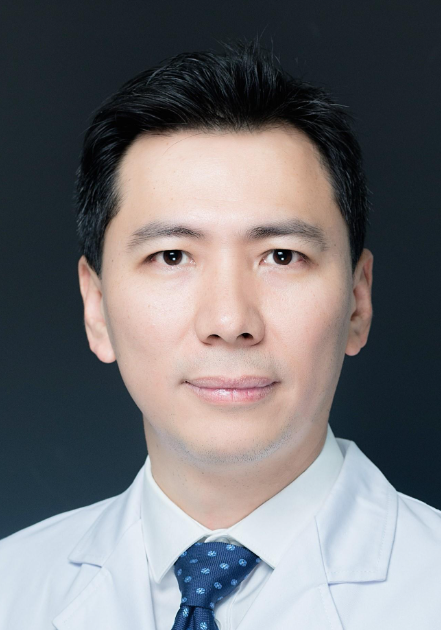 Xiang Lu (陆翔)合作论文数Tongji Hospital, Tongji Medical College, Huazhong University of Science and Technology13
 Heng Wang (王恒)合作论文数Tongji Hospital, Tongji Medical College, Huazhong University of Science and Technology13
 Pingping Cao (曹平平)合作论文数Beijing Tsinghua Changgung Hospital;School of Clinical Medicine, Tsinghua University7
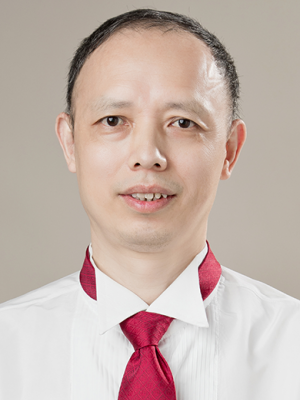 Huabin Li (李华斌)合作论文数Department of Nutrition, School of Public Health, Sun Yat-sen University6
 Jixin Zhong合作论文数5
 Yu Xu (许昱)合作论文数ENT Department, Renmin Hospital of Wuhan University5
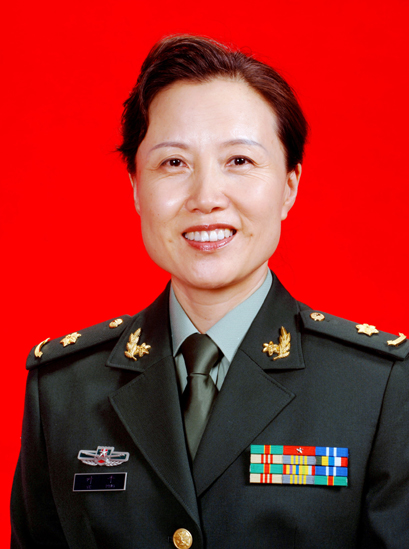 Ping Ye (叶平)合作论文数School of Medicine, Nankai University5
 Jiahong Xia (夏家红)合作论文数Union Hospital, Tongji Medical College, Huazhong University of Science and Technology5
 Kai Xu (徐凯)合作论文数Department of Otolaryngology-Head and Neck Surgery, Tongji Hospital, Tongji Medical College, Huazhong University of Science and Technology5
 Quan Gong (龚权)合作论文数Yangtze University Health Science Center5
 Xicheng Song合作论文数4Jun Chen合作论文数4
 Jie Wu合作论文数4Yingying Wei合作论文数Cardiovascular Research Institute, Case Western Reserve University4
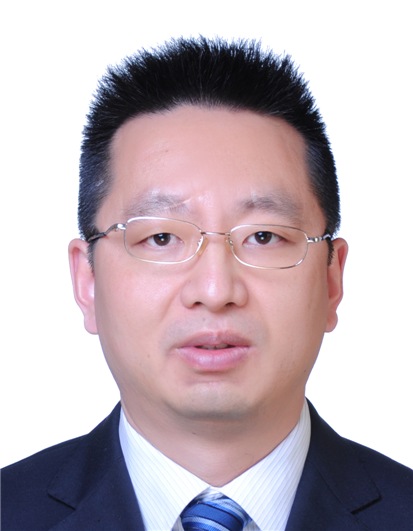 Yucheng Yang (杨玉成)合作论文数The First Affiliated Hospital of Chongqing Medical University4
 Qintai Yang (杨钦泰)合作论文数The Third Affiliated Hospital, Sun Yat-Sen University4Huang Xiaofan合作论文数4
 Zachary Braunstein合作论文数4
 Lingli Dong (董凌莉)合作论文数Tongji Hospital, Tongji Medical College, Huazhong University of Science and Technology4
 Sihua Wang (王思桦)合作论文数Union Hospital, Tongji Medical College, Huazhong University of Science and Technology4Z B Wang合作论文数3
 Hongtao Zhen (甄宏韬)合作论文数Tongji Hospital, Tongji Medical College of Huazhong University of Science and Technology3Chao Cheng合作论文数3Yan Jiang (姜彦)合作论文数3
 Guangke Wang (王广科)合作论文数郑州大学人民医院3
 Zhiquan Hu (胡志全)合作论文数Tongji Hospital, Tongji Medical College of Huazhong University of Science & Technology3
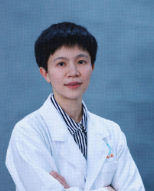 Fenghong Chen (陈枫虹)合作论文数Guangzhou Medical University3Sun Yuan合作论文数3
 Xiaobo Long (龙小博)合作论文数Tongji Hospital, Tongji Medical College, Huazhong University of Science & Technology3
 Ruixia Ma (马瑞霞)合作论文数The First People’s Hospital of Yinchuan;Department of Otorhinolaryngology Head and Neck Surgery, General Hospital of Ningxia Medical University3
 Hanqi Chu (褚汉启)合作论文数Tongji Hospital, Tongji Medical College of Huazhong University of Science & Technology3
 Luo Zhang (张罗)合作论文数Beijing Tongren Hospital, Capital Medical University;Graduate School of Capital Medical University3
 Min Wang (王旻)合作论文数Peking University People's Hospital3
 JianFeng Liu (刘剑锋)合作论文数China-Japan Friendship Hospital;Graduate School, Capital Medical University3
 Lei Cheng (程雷)合作论文数Sir Run Run Hospital, Nanjing Medical University;Department of Otorhinolaryngology, The First Affiliated Hospital, Nanjing Medical University;Clinical Allergy Center, The First Affiliated Hospital, Nanjing Medical University3
 Changqing Zhao (赵长青)合作论文数Second Hospital of Shanxi Medical University3
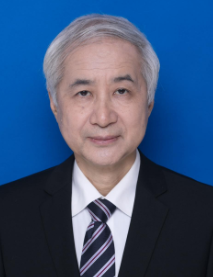 Weijia Kong (孔维佳)合作论文数Union Hospital Tongji Medical College, Huazhong University of Science and Technology3Lanjun Cai (蔡兰军)合作论文数3Ruxin Zhang (章如新)合作论文数复旦大学附属华东医院耳鼻咽喉科3Michael Razavi合作论文数2Binrui Yang合作论文数2Mengqi Zhou合作论文数2Xinlu Li合作论文数2Ai-ni Xie合作论文数2Cui-Lian Guo合作论文数2Jiahong Pei合作论文数2




